





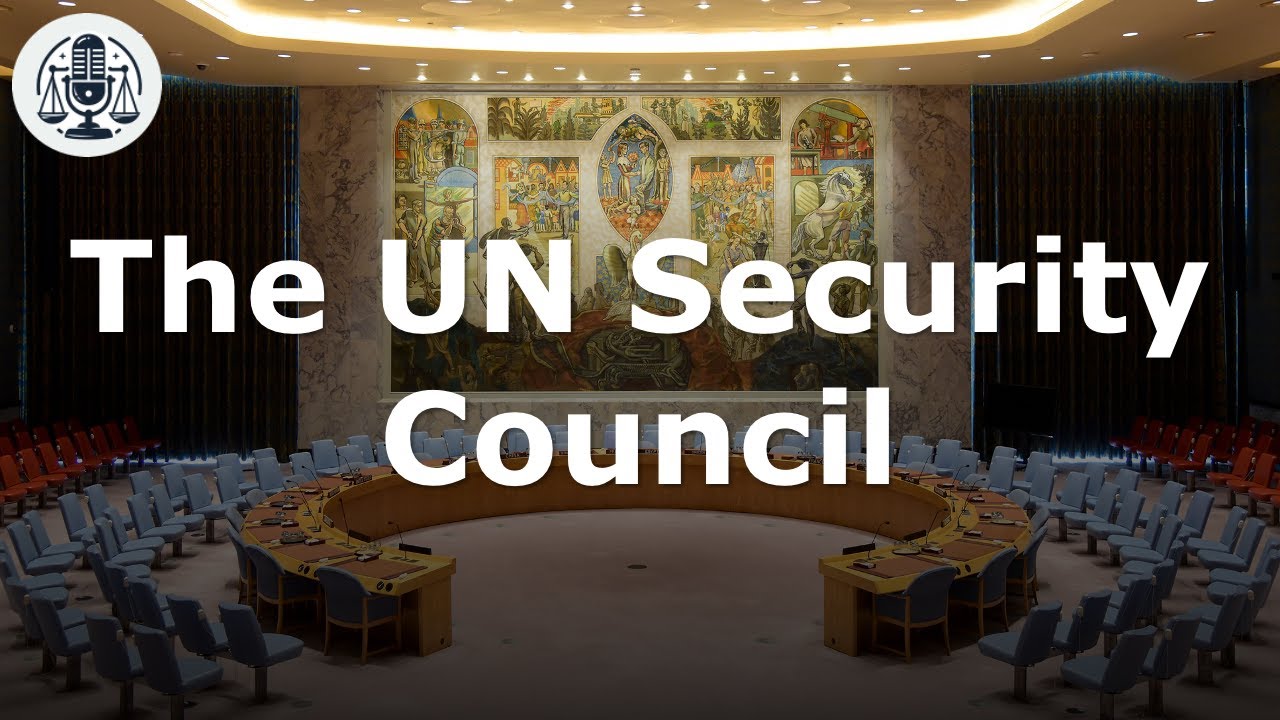



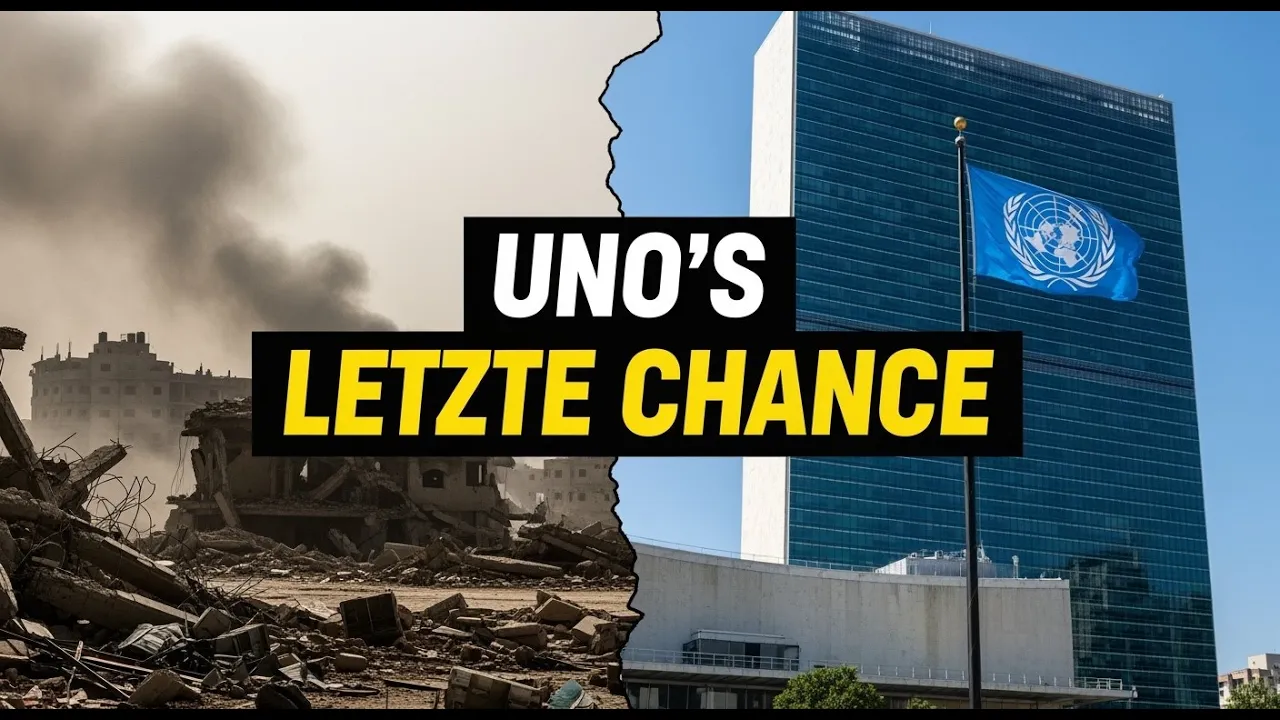
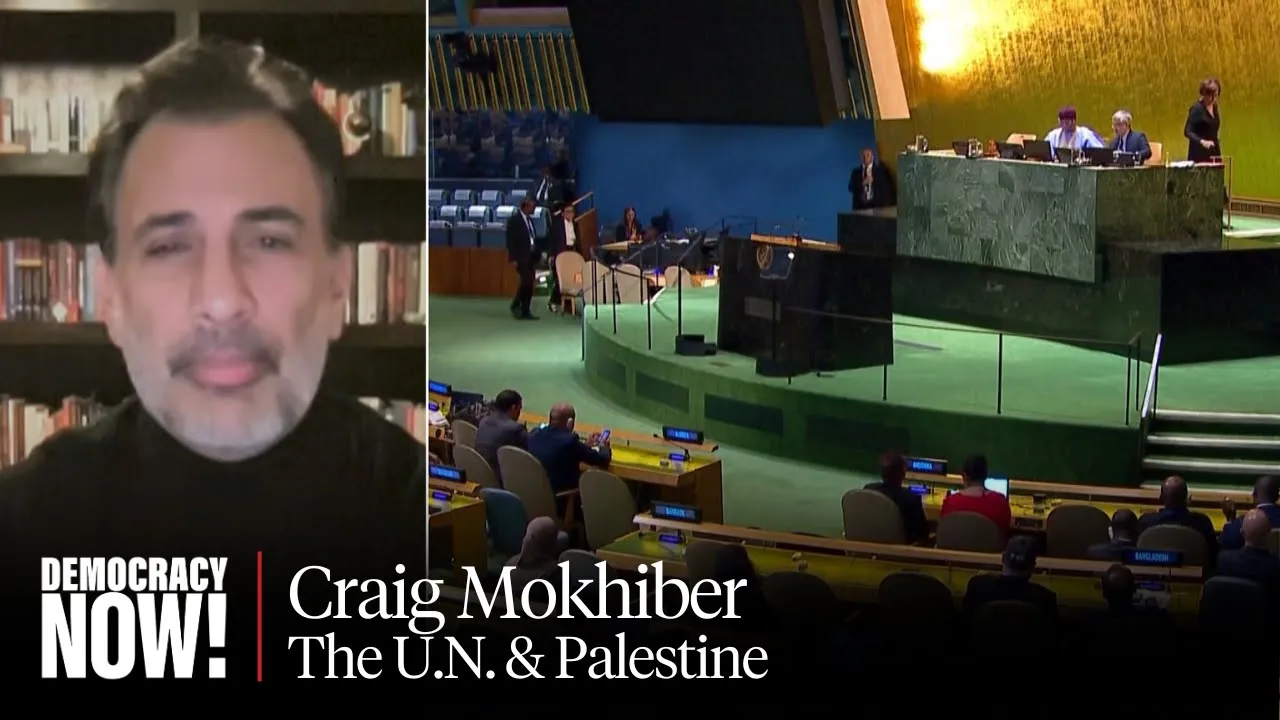










The United States has vetoed all three UN Security Council resolutions calling for a ceasefire in Gaza since Israel's war began in October, highlighting how the veto power of permanent members can paralyze collective action on humanitarian crises; this demonstrates that the UN Security Council's voting system, designed in 1945 with five permanent members holding veto power, may be outdated and ineffective for addressing modern global challenges, as the veto can serve the agenda of select powerful countries rather than enabling timely international responses to crises.
US Veto Power at the UN Security Council: Gaza Ceasefire Blocked
Added:The structure and mandate of the United Nations Security Council (UNSC), including the distinction between permanent (P5) and non-permanent members.
The legal basis and historical origin of the veto power granted to the P5 nations under Article 27 of the UN Charter.
The difference between binding resolutions (typically under Chapter VII of the UN Charter) and advisory recommendations in international law.
A baseline understanding of the historical geopolitical relationship and strategic alliance between the United States and Israel.
The application of UN General Assembly Resolution 377 ('Uniting for Peace') as a mechanism to address international peace and security when the UNSC is deadlocked.
Current academic and diplomatic proposals for UN Security Council reform, specifically regarding the limitation of veto use in cases of mass atrocities.
The jurisdiction and role of the International Court of Justice (ICJ) and International Criminal Court (ICC) in conflicts where political consensus in the UN is absent.
The broader impact of frequent veto usage on the perceived legitimacy, efficacy, and future of multilateralism in global governance.
139.7K views2.2Klikes27:38Original Release: 2024-03-04
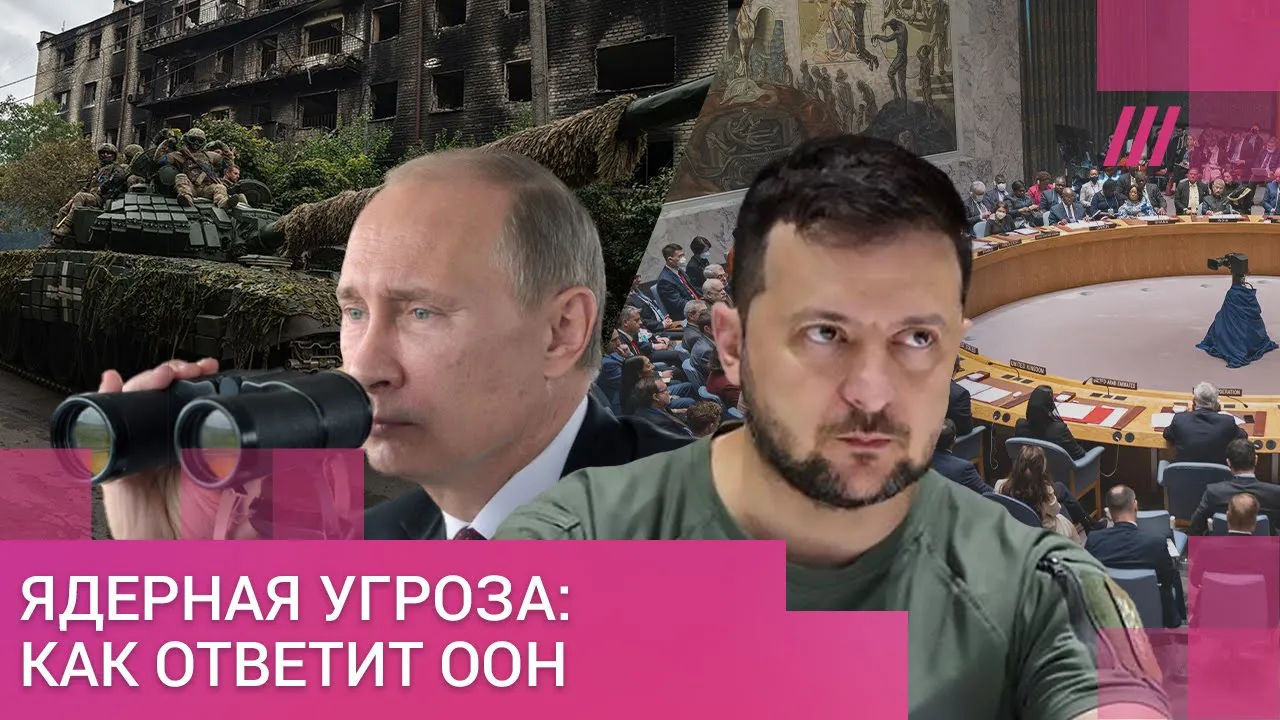
the US has vetoed all three resolutions of the UN Security Council calling for a ceasefire in Gaza that's since Israel launched its war in October so is Washington misusing its veto power and does the council's voting system need to change this is Inside Story hello welcome to the program I'm Adrien finegan five months of Israeli strikes on Gaza and the United Nations has failed to adopt a resolution calling for a ceasefire three votes have been held at the security Council but the United States has vetoed them all the UN Secretary General Antonio gues has described The veto as an instrument that's paralyzed the council from taking action on the Strip that's a sentiment that palestine's ambassador the UN has also voiced saying that American vetos have cost Palestinians their lives the US is one of only five permanent members that can veto resolutions and it's accused of misusing it is use of the veto a hindrance to decision-making in the UN Security Council and does it only serve the agenda of a select group of countries we'll bring in our guests in just a moment but first a report from um Kum Sharif in October the United States veto an Arab back and widely supported un Security Council resolution demanding an immediate ceasefire in Gaza 13 of the 15 member Council voted in favor but the United Kingdom abstained and the US said the initiative would interfere with negotiations on a deal to free captives and instead proposed a rival draft we look forward to engaging on a text that we believe will address so many of the concerns we all share a text that that can and should be adopted by the council so that we can have a temporary ceasefire as soon as practicable based on the formula of all hostages being released this temporary ceasefire is critical to getting Aid into the hands of Palestinian civilians who desperately desperately need it since Israel's war on Gaza started in October the US has vetoed three ceasefire resolutions at the council the UK abstained during all three votes Russia abstained in October the UN Security Council has 10 elected members and five permanent members who wield veto Powers the US UK France Russia and China were chosen as the permanent five after World War II for it to adopt a resolution at least nine votes are required in favor and no vetos by any of the permanent members the US has rejections for calls for a ceasefire in Gaza is Raising questions about the unilateral power of these countries as long as the Security Council is paralyzed and vetos casted then it is costing the Palestinian people their lives there is no way except a ceasefire to be put in place and even I said to um uh the ambassador of the United States that there is nothing that can prevent you if you have clout over Israel have a unilateral ceasefire put in place for as long as you want you don't need a resolution in the security Council Israel's war on Gaza has killed more than 30,000 Palestinians in the past 5 months Relentless Israeli air strikes and ground operations have displaced most of its 2.4 million people and they have little if any access to Food Water medicine and shelter the World Health Organization is warning of famine and outbreaks of disease but despite the growing humanitarian crisis the UN Security Council has failed to unite on calling for an immediate ceasefire um kulsum Sharif aljer for Inside Story let's bring in our panel of experts from New York we're joined by Richard Gowan the UN director of the international crisis group the think tank providing analysis of global conflict for policymakers and academics from Montreal we're joined by moan Rabani who's a non-resident fellow at the center for conflict and humanitarian studies he's worked on Palestinian issues with un agencies and joining us from danan in Wales is Khan Ross a former UK Diplomat at the UN he's currently working on the upcoming un Summit of the future gentlemen welcome to you all Richard uh let's start with you is the UN Security Council fit for purpose in 2024 what was the thinking back in 1945 when it was decided to have these five permanent seats on the council and to what extent is the war on Gaza now forcing the security Council to run up against its its geopolitical limitations well the security Council has never truly fulfilled its original purpose it was meant to be a global policing agency and the US the Soviets the British and the other permanent members were meant to be the five policemen who would hold crises in check and avoid a return to Major power War uh ever since the 1940s the council has failed to live up to that Vision because of tensions between the big Powers there was a period after 1989 when cooperation improved considerably but the council still failed over Rwanda and over Bosnia and I think what we're seeing today over Ukraine um over Gaza but also over other cases like Myanmar is that tensions involving the US involving the Russians and involving the Chinese are really hobbling this organization which I think is sadly inevitable uh given the very tense state of global politics today Manan Rani does the world need these five policemen as as Richard put it the parental supervision of five world powers two of which you could argue are not nearly as powerful as they once were to what extent should Security Council membership be about values not just about power well I think as as Richard mentioned um the security Council reflects the world as it existed in 1945 and it has failed to evolve since then for the simple reason that Security Council reform is an incredibly um complex process which requires the consent of um those who uh stand to gain the least from uh any change um and I and and therefore we can I think have a discussion proposing all kinds of manner in which a security Council could operate more effectively and more efficiently but I also think we have to recognize that the chances of this happening are exceedingly small and now with Israel's war on the Gaza Strip I think that the UN or at the very least the Security Council is um facing its abisinia moment um that time in the 1930s when the League of Nations um failed to uh confront Israel's sorry Italy's aggression against um Ethiopia um because those on the receiving end of aggression were were too dark um to have any concern and what was then the International Community and and I think what we're seeing is increasingly um the international community seeking um remedies outside and Beyond the scope of the security Council most recently with South Africa's application um to the international court of justice uh General Assembly resolutions which are non-binding but yet and I think um uh the relevance of the Security Council is diminishing with every passing day con Ross um should Any Nation have the power to veto decisions made by a majority of the others at at the UN in general not just the the security Council I mean why isn't the global South given a much more influential voice on the security Council why don't India and Brazil have a permanent seat countries in Africa why aren't they represented uh permanently on the security Council well the simple answer is they didn't win the second world war it was the victors of the second world war who decided the Machinery of the United Nations and determined that the five of them the current permanent five would have a veto in order to protect their interests Richard gown is entirely right that they were set up as kind of global policeman but the veto was to protect their interests and they are not going to give that up anytime soon there has been literally Decades of debate about reform of the UN Security Council debate which is really coming to a head at the moment because of what is happening in Gaza and the US V veto of ceasefire resolutions but also because the Russians have vetoed resolutions on Ukraine in a similar way there seems to be broad consensus that Africa needs to needs more representation Asia too perhaps with uh India joining as a permanent member and Brazil from Latin America but the trouble with reform is that nobody can agree which countries should become new permanent members so there are ideas of semi-permanent members things like that to try to get around this but the basic problem at the moment is that each of the prospected permanent members like India Brazil Etc has very Fierce opposition from other countries so there is no consensus on who should join a reformed Security Council and can I mean why why does the security Council need permanent members at all why can't it all be just done on a rotating or or or Democratic basis um Democratic doesn't really fit with the UN it's not a democratic organ it is uh it is a body of States many of which are not Democratic the general assembly is a place where things are debated and uh motions are passed according to a majority or a 2/3 majority but the Security Council is different by above all because the resolutions that it passes the decisions that it makes are obligatory on all 193 member states of the of the UN so that gives it an extraordinary importance which the general assembly or arguably a more democratic body at least in state terms uh it gives it a power that the general assembly does not have and as Richard GW said the permanent five are not going to give up their power to block obligatory decisions on the rest of the world that is that is not going to happen anytime soon why though Richard why isn't that going to happen anytime soon well because quite frankly for the US China and Russia this is a a very happy situation to be in and there you have three powers with huge differences but nonetheless unless they have a common interest in maintaining control over the UN system in the way that Khan describes I mean I think it is worth saying that we are seeing the wider un membership both demanding reform in a way we haven't really heard for at least 20 years since the Iraq War and secondly we're seeing the general assembly becoming more active and the general assembly has spoken out and passed resolutions on both Ukraine and Gaza um which express the frustration of most UN members with the way the Security Council is working now so there is a bit of an uprising but the rules of the UN Charter make it very clear that the current permanent five members have to agree to any small change to the Charter such as deleting The veto or changing the composition of the security Council so at the end of the day Washington and Moscow and Beijing uh can prevent vent any reforms that they find uncomfortable Richard in September un Secretary General Antonio guz warned that a great fracture in the global governance system was looming what what did he mean by that what's what's the mood among diplomats at the UN are they as frustrated with the organization's ability to respond to crisis as as the rest of us yes I mean one thing that I hear from diplomats from all blocks all groups in New York is that they increasingly struggle to convince their political Masters back in their capitals that the UN really matters I think there is a feeling amongst Western Nations that the UN has shown profound limitations over Ukraine and there's certainly a feeling around the world that the UN has shown profound limitations over Gaza and so a lot of diplomats sitting in Midtown Manhattan you know do sense that they are pretty margin to world affairs now and that leaves a pretty sour mood around the organization I think that Antonio Gish when he talked about a great F fracture was actually envisaging even broader problems I think garish sees that there are issues about power not only in the security Council but also in other multilateral bodies such as the World Bank and IMF and Gish worries that if the current big Powers don't at least allow some reform don't give up a little bit of their Authority then you're just going to see a lot of countries drifting away from the multilateral system Al together because it's so clearly biased and also so frequently ineffective well robani um coming back to what you were saying about the chances of Reform being extremely small is is multil the age of multilateralism dead I wouldn't say so I think we're beginning to see um different forms of multi ater alism and I think you're beginning to see um two developments the first is for example um The Establishment and expansion of bricks um as as Alternatives or or supplements to the existing uh multilateral system and and the others is you're seeing increasing tensions between the rule Western designed rules-based International order on the one hand and international law and the will of the International Community on the other and I think this is being expressed very clearly for example in the very different resolutions that are being adopted or not adopted by the security Council on the one hand and the general assembly um uh on the other and I should add we've been talking a lot about the use and abuse of of of the veto by the permanent five members of the security Council and that's an entirely appropriate discussion to have but I think we also need to look at um those resolutions that have been adopted and that are being violated um even by uh the permanent five or some of the permanent five members so for example uh the United States relocated its Embassy to Israel from Tel Aviv to Jerusalem an open and direct and Brazen violation of a security Council resolution from um I believe 1980 calling upon member states to remove their diplomatic missions from uh Jerusalem you know the the latest Security Council resolution calling upon states to observe distinction in their dealings uh with uh Israel between Israel and the occupied territories is primarily honored in the breach so um I think the problem again as as as as my colleagues have been saying goes much deeper than um simply the security Council and the use and abuse of the veto KH um how then do you I mean we've got this seemingly intractable intractable problem here uh uh it's almost impossible to to reform the UN Security Council given the permanent members not wanting to give ground the the UN Charter we discussed um somehow you know if majority of Nations want it some reform is is going to have to happen we talked at the beginning of the program about the UN Summit of the future that uh that you're working on is is is anything likely to come out of that tell us about about what that Summit aims to do sure I mean just a quick comment on what Marin said I mean there are some multilateral uh successes for instance I mean I find it remarkable that 1993 member states are able to agree on climate change biodiversity things like that so there is some life left in the multilateral system the UN Summit of the future was was called by the Secretary General to discuss the future of multilateralism future Global institutions it's happening this September at the most senior head of state level and it is supposed to cover everything from sustainable development to the governance of outer space to Security Council reform and what we're seeing talking what I'm hearing talking to diplomats is that there is a real appetite to do something on Security Council reform everybody knows it's really intractable but maybe they can agree for instance to have a deadline on agreeing reform there is already an intergovernmental discussion happening at the UN which in theory could produce some proposals for reform so you could put the deadline on those actually being agreed at the UN and they need a 2third majority of the general assembly to alter the charter and then as others have been saying they need to be ratified by particularly the P5 themselves and I would know also their legislatures so whatever reform we might see proposed at the UN would then have to be ratified by the US Congress and I'm sure uh your viewers can imagine how difficult that might be but the UN Summit of the future is a particular moment it's supposed to be a kind of generational moment to discuss Global governance so inevitably Security Council reform is on the table so what will the outcome document uh from the summit of the future look like car is is it going to be a fudge at the end the day well all International Agreements are fudges of various kinds getting 193 countries to agree anything is pretty remarkable and so far what I'm seeing is that we will get 193 countries to agree this text at the moment there's an outcome text under negotiation it's pretty awful it's lowest common denominator stuff but I actually think there is an opportunity here for a group of moderate right thinking Progressive states to introduce some really thoughtful ambitious reforms that you know I mean I'm a negotiator I think you give things a go maybe you get them through maybe you don't though on the other hand one Ambassador has said to me getting anything agreed in this moment of great geopolitical tension and confrontation would be remarkable Richard in what state is the US's diplomatic standing right now at the UN since Israel launched its war on Gaza the us as we've said has found itself increasingly isolated in in both the general assembly and and the security Council I think that us diplomats are entirely aware that they have lost a huge amount of Goodwill uh over the past months because of their stance on Gaza and I think that is very frustrating for us officials in the Biden Administration who had actually spent the last couple of years working pretty hard and I think reasonably successfully to restore us credibility at the UN after the period of the Trump Administration when the US was a very disruptive player in New York now of course American diplomats now face two problems one is that the White House continues to follow policies on Gaza that most UN members um find profoundly mistaken and then there is an election on the horizon and diplomats in New York you know they read the New York Times They watch CNN and they are very aware that Mr Trump may come back and one year from now we may be looking at a isolationist disruptive us at the UN that will be even harder to work with than the Biden team has been in recent months and and what does the US briefly Richard what does the US need to do to restore its credibility at at the UN do you think is it possible to do so well I think the shadow of trump will make it very difficult for the Biden Administration to fully regain credibility in the coming year but there are things that the administration could do starting obviously with supporting a ceasefire in Gaza and then using the mechanisms of the UN including the security Council to support a ceasefire um and perhaps recommit to the two-state solution the US can also invest in the summit of the future that Khan has been describing it can follow positive policies on other issues such as supporting crisis Management in Africa which would win it back some Goodwill but at the end of the day the issue is Gaza and until there is a ceasefire in Gaza the us is going to continue to to struggle I think diplomatically in New York Manan robani do you do you agree with that I mean can the US rebuild trust with it with the wider un Community after the way in which it's behaved over Gaza yeah yes I do agree with with what was said and I do think that this has been a rupture um I I do think it can be uh legitimately compared to the League of Nations um response to the Italian invasion of abisinia I'm I'm sure Washington would love un Security Council reform you know provided the Security Council is reduced to three members the US the UK and Israel but that's also not on the agenda and I think ultimately once again I think States will treat the security Council as increasingly an obstacle to International order to International cooperation to International Peace and security and begin to seek um Solutions elsewhere whether within the UN system such as uh the general assembly and other agencies and and if those fail to achieve results as well increasingly outside the UN system which I think would be very unfortunate because the United Nations is the only truly Global body we have and it's being run into the ground um primarily by those who are abusing um The veto power in order to protect their own narrow self-interests and their closest allies con do you do you agree with that um to what ENT has the US's Behavior Uh at the UN since October last year damaged The credibility of the organization of the organization as a whole oh I I agree with the other uh panelists it's definitely done enormous damage to the American reputation at the un uh their power to influence people on other decisions at the UN um The credibility over Ukraine for instance um where Russia has vetoed resolutions at the UN security Council I mean Russia has also brought the organization into disrepute but what the US has done over Gaza blocking seed fire resolutions has also undermined the Western position on Ukraine so it's it's it's not a good picture uh and I think we need a deep reaffirmation of some of the things the UN is about uh particularly the illegality of War because war is actually illegal but for two very narrow circumstances self-de defense and when conflict when War Armed Forces authorized by the UN Security Council and I hope that those values although very much more honored in the breach today will be reaffirmed likewise the UN stands for some very important Universal principles such as human rights the universal Declaration on human rights arguably the most important agreement or be it a normative not a legal agreement of the 20th century these are standards that we must uphold we cannot let this institution be eroded Richard we've got about a minute left on the program how do you see the future for the UN are you are you optimistic pessimistic is the US going to maintain its status as first among equals among un Nations its role as de facto leader if you like I think that crises come and crises go and I am sure that if all else was when the war in Gaza finally ends the US would be able to gradually rebuild some leadership although I think facing continuing challenges from China and Russia but I do come back to this point that if we have a second Trump Administration then we could see much greater ruptures and much greater dramas at the UN and that really could Mark the end of Washington's Decades of multilateral leadership there gentlemen we must leave it many thanks indeed to you all for taking part in the program today Richard Gowan Manan Rabani and Khan Ross and thank you for watching you can see the program again at any time by going to the website at al.com for further discussion join us at our Facebook page which you'll find at facebook.com AJ insidestory and of course you can join the conversation on X our handle there at AJ inside story from me Adrien finegan and the team in Doan we'll see you again by now
Up Next
15:14
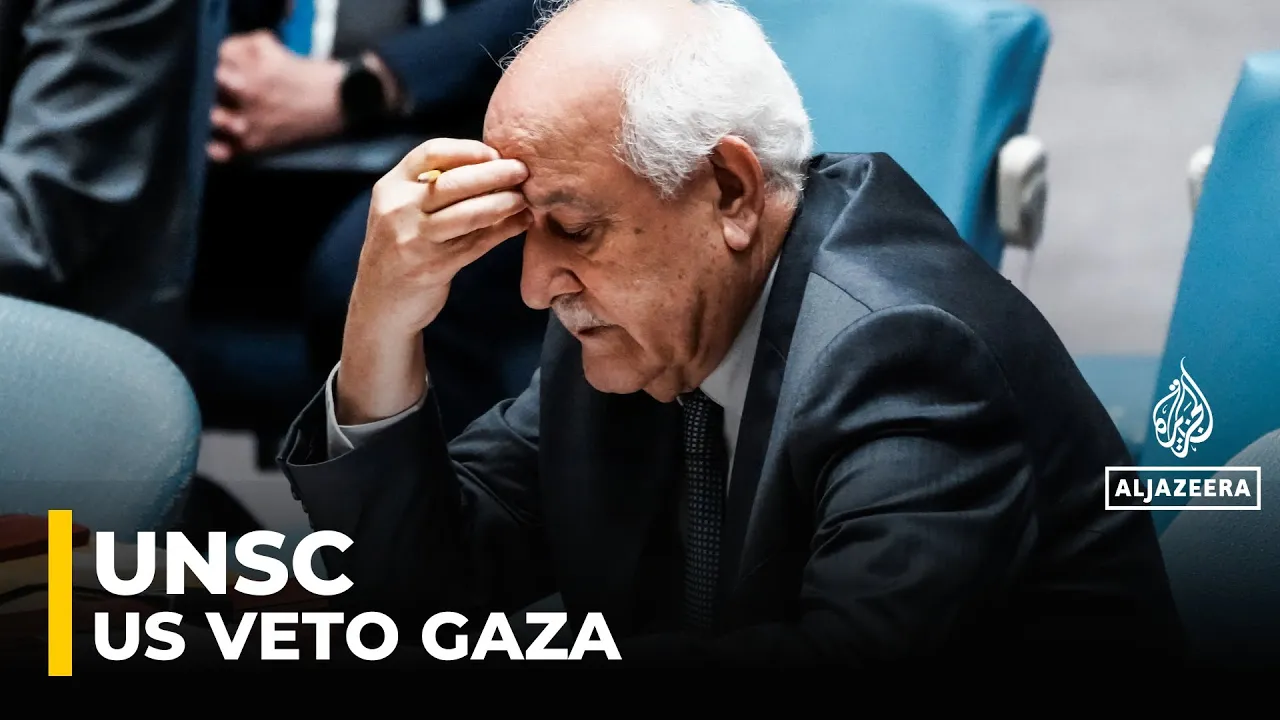
US Vetoes Gaza Ceasefire Resolution at UN Security Council
@aljazeeraenglish
174.8K views•2025-09-18

24:30
BRICS Pay and de-dollarization: A New Financial Order Emerges? | 55 chars
@DannyHaiphongYT
164.6K views•2024-10-22
27:35
Bosnia's Dayton Peace Accords Crisis: Silajdzic Interview | Analysis
@aljazeeraenglish
64.1K views•2025-03-16
10:19
Explaining the Saudi-Iranian Proxy Conflict in the Middle East
@Vox
18.2M views•2017-07-17
Related Study Plans & Knowledge Roadmaps
Structured learning paths in Political Science
political-science
Economic Statecraft: Sanctions & Chokepoints
01Foundations of Geoeconomics and Economic Statecraft
02The Mechanics of Weaponized Interdependence
03International Sanctions: Types, Implementation, and Efficacy
+ 2 more learning modules
12h5 modules
Explore Roadmap
political-science
Central Bank Independence: Politics & Policy
01Foundations of Central Banking and Monetary Policy
02The Time Inconsistency Problem & Inflation Bias
03The Delegation Model and Designing Independence
+ 2 more learning modules
12h5 modules
Explore Roadmap
political-science
Consociationalism: Power-Sharing & Stability
01Democratic Dilemmas in Divided Societies
02Introduction to Consociational Democracy
03The Four Pillars of Consociational Design
+ 2 more learning modules
12h5 modules
Explore Roadmap
political-science
Rebel Governance: Legitimacy, Economy & State
01Foundations of Rebel Governance and Statehood
02Establishing Political Legitimacy and the Rebel Social Contract
03Wartime Economies and Rebel Resource Management
+ 2 more learning modules
14h5 modules
Explore Roadmap