The sodium-potassium pump is an active transport mechanism that uses ATP hydrolysis to move three sodium ions out of the cell and two potassium ions into the cell through a series of conformational changes in a transmembrane protein, involving phosphorylation and dephosphorylation steps that drive the directional movement of ions across the cell membrane.
Sodium-Potassium Pump | Active Transport & ATPase Explained
Added:Deep Dive
The basic structure of the cell membrane, including the phospholipid bilayer and the role of membrane-spanning proteins.

المحاضرة{1} أحيــاء للطلاب المتقدمين كليات طبيـة &أ #إنجليزية
412
The basic structure of the cell membrane consists of a phospholipid bilayer with embedded proteins. The phospholipids form two layers with their hydrophilic heads facing outward and hydrophobic tails facing inward. Proteins are embedded within this bilayer and can be integral (spanning the membrane) or peripheral (attached to the surface). This basic structure is fundamental to understanding membrane function and cellular organization.
Click to watch →

Biología 3 Célula Eucariota y Dogma - Pedro Pedrozo
194.8K
The cell membrane follows the fluid mosaic model (Singer-Nicolson, 1972): (1) Phospholipid bilayer - fundamental structure; (2) Integral proteins - span membrane, form channels (hydrophilic pores); (3) Peripheral proteins - attached to surface; (4) Cholesterol - modulates fluidity; (5) Glycocalix - external layer of glycoproteins and glycolipids for cell recognition, organ transplant compatibility, fertilization, and hormone receptor binding.
Click to watch →

Cell membrane proteins | Cells | MCAT | Khan Academy
631.4K
The cell membrane is a dynamic structure composed primarily of phospholipids forming a lipid bilayer, with proteins constituting up to 75% of its composition. Two main classes of membrane proteins exist: integral proteins embedded throughout the membrane that are difficult to remove, and peripheral proteins attached to the outer surface that can detach easily. A rare third type, lipid-bound proteins, resides on the membrane interior. These proteins serve diverse functions including structural support, transport, signaling, and cell recognition, enabling the cell membrane to perform its essential biological duties.
Click to watch →

Inventory: Exam Night revision 3
4.4K
The cell membrane (plasma membrane) is a selectively permeable barrier that separates the cell interior from its environment. It consists of a phospholipid bilayer with embedded proteins. The phospholipid bilayer has hydrophilic (water-loving) heads facing outward and hydrophobic (water-fearing) tails facing inward. Membrane proteins include: (1) Integral proteins that span the membrane, (2) Peripheral proteins attached to the membrane surface, (3) Glycoproteins and glycolipids with carbohydrate chains on the extracellular surface. The membrane also contains cholesterol that modulates fluidity.
Click to watch →
Biología 14/04/26 P1
111
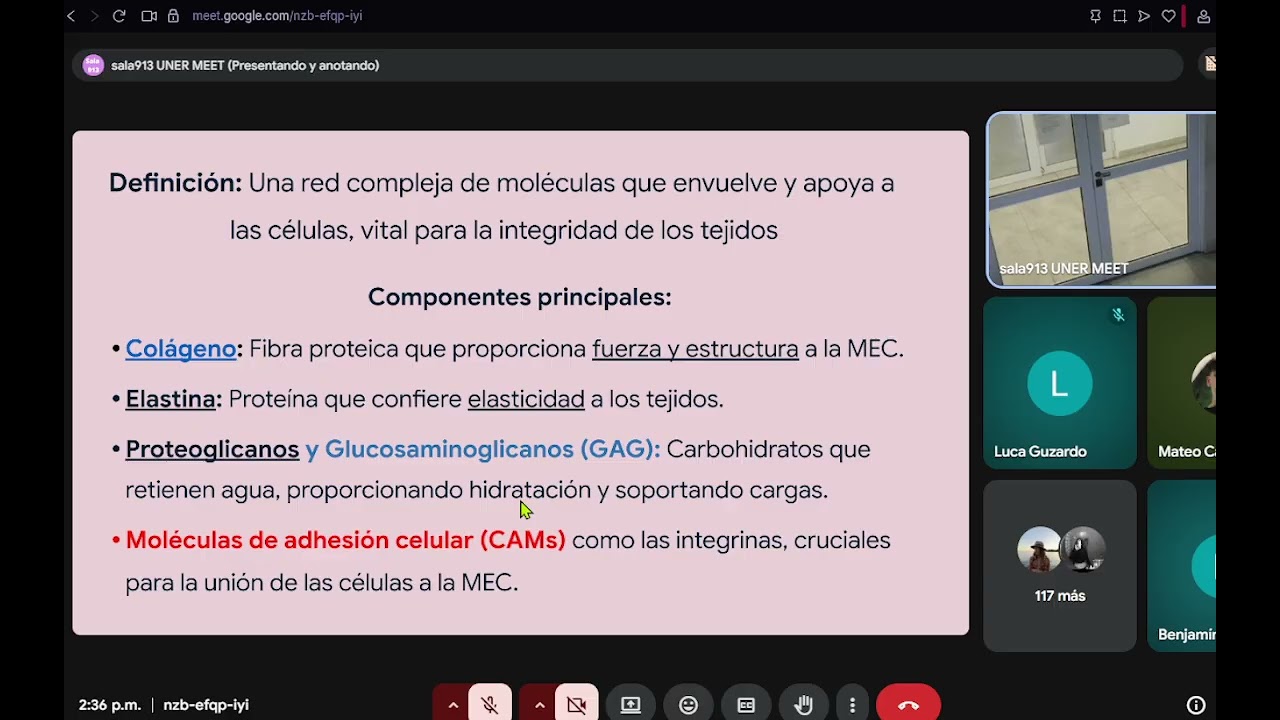
The cell membrane is a fluid mosaic structure composed of a phospholipid bilayer with hydrophilic heads and hydrophobic tails. Cholesterol molecules are embedded within the bilayer, preventing the fatty acid tails from packing too closely together. The membrane contains integral proteins (spanning the membrane) and peripheral proteins (attached to the surface). Glycoproteins and glycolipids are attached to the extracellular surface, involved in cell recognition.
Click to watch →
Deep Dive
The difference between passive transport (simple and facilitated diffusion) and active transport across cell membranes.

TRANSPORTE CELULAR | PASIVO Y ACTIVO | BIOLOGÍA CELULAR
76.4K
Passive transport includes simple diffusion and facilitated diffusion. Simple diffusion allows lipophilic substances (small, neutral molecules like oxygen, carbon dioxide, alcohols, steroid hormones, and certain drugs) to cross the membrane freely without protein assistance. Facilitated diffusion moves lipophobic substances (large, polar molecules like ions, water, glucose, and amino acids) across the membrane using protein transporters. Both types move substances down their concentration gradient without requiring energy, but facilitated diffusion requires specific proteins to facilitate the movement of substances that cannot cross the lipid bilayer directly.
Click to watch →
Passive transport | membrane transport lecture
130.5K
Passive transport is the movement of molecules across the cell membrane down their concentration gradient without requiring energy (ATP), occurring through simple diffusion for small hydrophobic molecules like oxygen and carbon dioxide, and through facilitated diffusion for larger or hydrophilic molecules like water and ions, which requires channel proteins (such as aquaporins) or carrier proteins that undergo conformational changes to transport molecules across the hydrophobic lipid bilayer.
Click to watch →

TRANSPORTE ATIVO E PASSIVO - Diferenças | Biologia com Samuel Cunha
428.8K
There are three main types of passive transport across cell membranes: (1) Simple diffusion - solutes pass directly through the lipid bilayer; (2) Facilitated diffusion - solutes pass through integral membrane proteins; (3) Osmosis - water (the solvent) passes through the membrane. All passive transport processes occur without energy expenditure.
Click to watch →

Membrane Transport||Facilitated Diffusion|Active Transport|Carrier and Channel Protein|Cell Biology
141.6K
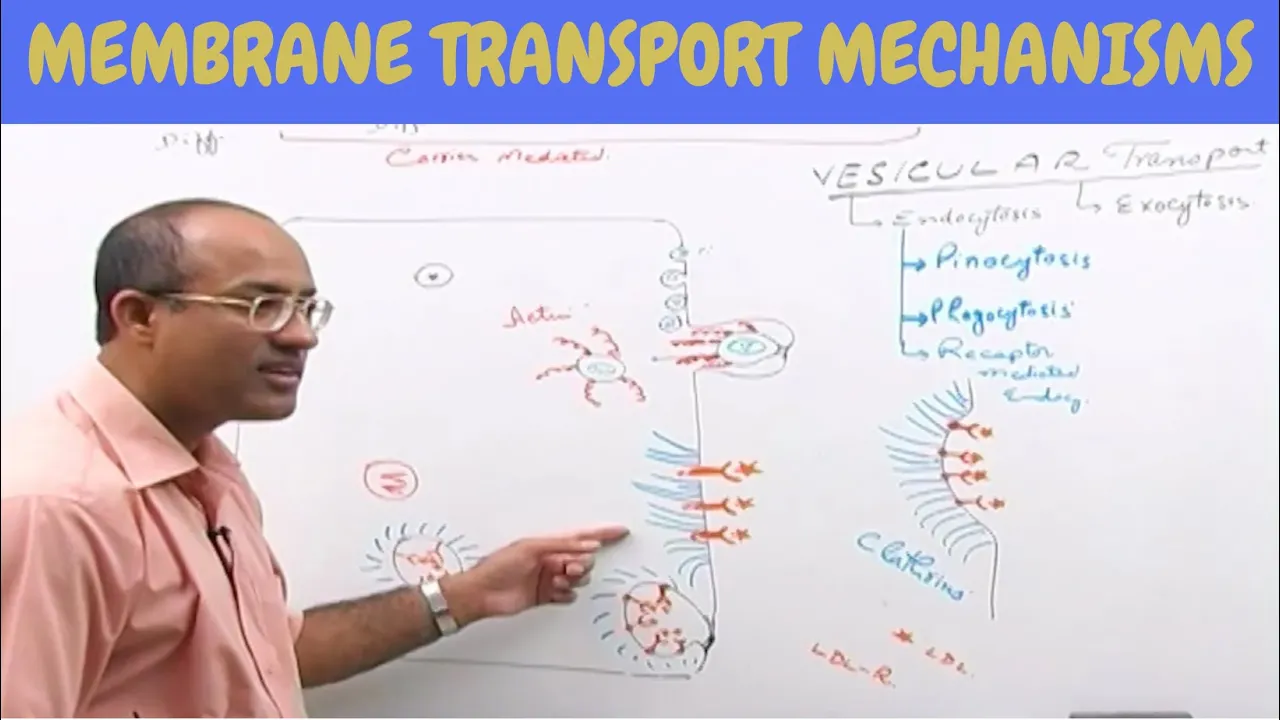
Facilitated diffusion is a type of passive transport that uses transport proteins to move molecules from high concentration to low concentration without energy input. This mechanism allows molecules like glucose and ions to cross the membrane more efficiently than through the lipid bilayer alone. Active transport, in contrast, moves molecules from low concentration to high concentration, which requires energy input (usually ATP). Both types use transport proteins but differ in direction and energy requirements. Facilitated diffusion relies on the concentration gradient, while active transport creates or maintains concentration gradients.
Click to watch →
Cell Membrane Transport Mechanisms Explained | Cell Biology
393.7K
Passive transport moves substances from high to low concentration without energy input. Simple diffusion requires lipid solubility and small molecular weight (oxygen, CO2). Facilitated diffusion uses protein carriers for substances that cannot dissolve in lipids: glucose transporters activated by insulin signaling, and ion channels including leak channels (always open), voltage-gated channels (open at specific membrane potentials), and ligand-gated channels (open when bound by neurotransmitters like acetylcholine). Both mechanisms remain passive because substances move downhill along their concentration gradient.
Click to watch →
Deep Dive
The structure and function of ATP (Adenosine Triphosphate) as the cellular energy currency, specifically how ATP hydrolysis releases energy.

ATP the cell's energy currency | Smart syllabus | Chapter 7 | 9th class Biology |ALP |Lec 2
91K
ATP contains high-energy bonds between its phosphate groups, specifically two high-energy bonds connecting the three phosphate groups. When ATP undergoes hydrolysis (breakdown with water), it loses one phosphate group and converts to ADP (adenosine diphosphate). This process releases approximately 7.3 kilocalories of energy per mole of ATP. The released energy can be utilized by cells to power various metabolic activities. The hydrolysis reaction produces ADP, inorganic phosphate, and energy, making ATP an efficient energy carrier for cellular processes.
Click to watch →

3 Jam Bacain Kamu Materi TKA Biologi Sampai Bisa!! (Sumber ada di deskripsi)
146.6K
ATP consists of adenosine (adenine base and ribose sugar) and three phosphate groups. The bonds between phosphate groups are unstable (labil), making ATP a high-energy molecule. When ATP loses one phosphate group through hydrolysis, it becomes ADP (adenosine diphosphate) and releases energy that cells can use for various functions.
Click to watch →

ATP - ADENOSINA TRIFOSFATO - ESTRUTURA E FUNÇÃO | Biologia com Samuel Cunha
232.2K
ATP releases energy through hydrolysis, where water breaks the bond between the second and third phosphate groups. This reaction requires enzymes and produces ADP (adenosine diphosphate) plus one free phosphate group. The released energy powers various cellular processes including active transport across membranes, muscle contraction, and neural signaling. This mechanism ensures energy is available precisely when needed.
Click to watch →
6) Vitaminler, Hormonlar, ATP | 2026 TYT Biyoloji Kampı 6. Gün
98.4K
ATP consists of adenine (nitrogenous base), ribose (5-carbon sugar), and three phosphate groups. The bond between adenine and ribose is glycosidic, while the bond between ribose and the first phosphate is ester. Bonds between phosphate groups are high-energy phosphate bonds where energy is stored. Removing one phosphate produces ADP, two produces AMP, and all three produces adenosine. ATP hydrolysis releases energy by breaking high-energy phosphate bonds.
Click to watch →

ATP hydrolysis mechanism | Energy and enzymes | Biology | Khan Academy
387.7K
ATP hydrolysis releases approximately 30.5 kJ/mol of free energy (ΔG = -30.5 kJ/mol), making it a spontaneous reaction, but requires overcoming an activation energy barrier because the negatively charged electrons on the oxygen atom must approach the negatively charged phosphate group; ATPases enzymes overcome this barrier by surrounding ATP with positive ions that neutralize the negative charges, enabling the water molecule to perform a nucleophilic attack and break the phosphate bond, releasing energy that cells typically use to phosphorylate other molecules or perform work rather than dissipating as heat.
Click to watch →
Deep Dive
The concept of chemical concentration gradients and electrical charge gradients (electrochemical gradients).

AP Biology Unit 2 Review: Cell Structure and Function
179.5K
The electrochemical gradient combines both the concentration gradient and electrical charge differences across the membrane. While the concentration gradient describes differences in molecular concentration, the electrochemical gradient also accounts for electrical charges. For example, if a positively charged ion is more concentrated outside the cell, even if its concentration is lower inside, the positive charge inside may repel additional ions from entering. This concept explains how charged particles move across membranes.
Click to watch →
Aktiivinen kuljetus
25.1K
The electrochemical gradient combines both concentration gradients and electrical charge gradients. When ions move across the membrane, they are driven by both the tendency to equalize concentration differences and the tendency to equalize electrical charge differences. This combined force is called the electrochemical potential.
Click to watch →

Electrochemical Gradients: Equilibrium & Membrane Potentials (Physiology 05)
270
The electrochemical gradient is the combined effect of chemical (concentration) and electrical gradients on ion movement. For uncharged particles, only the chemical gradient determines flux. For ions, both gradients must be considered. Like magnetic poles, opposite electrical charges attract while like charges repel. When chemical and electrical gradients are in the same direction, they sum to create a large electrochemical gradient. When they oppose each other, the net effect is smaller.
Click to watch →

Macauley BIOL 106 Lecture 2 (rest of Ch 25 and start of Ch 11) S15
1.5K
Electrochemical gradients combine chemical gradients (concentration differences) and electrical gradients (charge differences). For potassium, the chemical gradient pushes it out while the electrical gradient pulls it in. For sodium, both gradients push it in. These opposing forces create the resting membrane potential.
Click to watch →

Electrochemical gradient
8.1K
An electrochemical gradient is a gradient of electrochemical potential for ions moving across membranes, consisting of two components: the chemical gradient (concentration difference) and the electrical gradient (charge difference). When ion concentrations are unequal across a permeable membrane, ions diffuse from high to low concentration through simple diffusion. The electric charge of ions creates potential differences that drive further movement until charges balance. This concept is fundamental to cellular energy production, where proton gradients in mitochondria and chloroplasts generate proton motive force used for ATP synthesis via oxidative and photophosphorylation. The electrochemical gradient determines the thermodynamically favorable direction of ion movement, combining both electrical and chemical components to direct cellular processes efficiently.
Click to watch →
Prerequisite Knowledge
- Concept 01The basic structure of the cell membrane, including the phospholipid bilayer and the role of membrane-spanning proteins.
- Concept 02The difference between passive transport (simple and facilitated diffusion) and active transport across cell membranes.
- Concept 03The structure and function of ATP (Adenosine Triphosphate) as the cellular energy currency, specifically how ATP hydrolysis releases energy.
- Concept 04The concept of chemical concentration gradients and electrical charge gradients (electrochemical gradients).
Subsequent Learning
- Step 01How the resting membrane potential set up by the pump is used to generate and propagate action potentials in neurons and muscle cells.
- Step 02Secondary active transport mechanisms, such as the sodium-glucose cotransporter, which rely on the sodium gradient generated by the pump.
- Step 03The physiological role of the sodium-potassium pump in regulating cellular volume and maintaining osmotic balance.
- Step 04The medical and pharmacological implications of inhibiting the Na+/K+-ATPase, such as the use of cardiac glycosides (e.g., digoxin) in treating heart failure.
Pump Basics
Sodium Binding
ATP Phosphorylation
Sodium Release
Potassium Binding
Phosphate Loss
Potassium Influx
Pump Basics
0:13Playing Section
- 1
Active transport driven by ATP breakdown.
- 2
Transmembrane protein undergoes shape changes.
The Association-Induction Hypothesis
The Association-Induction Hypothesis (AIH), proposed by physiologist Gilbert Ling, represents a major alternative theory to the standard membrane pump model of cell physiology. Ling argued that the active transport of ions by the sodium-potassium pump is thermodynamically impossible, asserting that the energy required to power all hypothesized membrane pumps would far exceed the cell's total metabolic energy capacity. Instead of active membrane pumps, AIH posits that the cell interior behaves as a single cohesive system. According to this model, potassium ions are selectively adsorbed to fixed negative charges on intracellular proteins, while sodium ions are excluded because intracellular water exists in a highly structured, polarized state that naturally rejects sodium. In this view, ion distribution and the resting membrane potential are bulk properties of the cytoplasm rather than the result of active membrane transport. While the mainstream scientific community widely accepts the Na+/K+-ATPase pump model, AIH remains a notable historical and theoretical challenge to the membrane-centric paradigm.
Deep Dive
How the resting membrane potential set up by the pump is used to generate and propagate action potentials in neurons and muscle cells.

Nerve Muscle Physiology | Physiology | FARRE 2.0 | MBBS Prof 1 | Dr.Vivek
90.7K
Resting Membrane Potential (RMP) is the electrical potential across the cell membrane at rest, typically -70 mV in nerve cells and -90 mV in skeletal muscle cells, generated by ion diffusion (K+, Na+, Cl-) and the electrogenic sodium-potassium pump. Action Potential is a transient reversal of membrane potential where the inside becomes positive (depolarization) followed by return to negative (repolarization), triggered when membrane potential reaches threshold (-55 mV), involving sodium influx causing depolarization and potassium efflux causing repolarization. Propagation occurs via local circuits in unmyelinated nerves and saltatory conduction in myelinated nerves.
Click to watch →

NEURAL CONTROL & COORDINATION in 36 Minutes | Revision PODCAST | CLASS 11th ZOOLOGY | NEET
82.3K
Only neurons and muscle cells are excitable, generating electrical potentials. Resting membrane potential is -75 mV (inside negative), maintained by sodium-potassium pump (3 Na+ out, 2 K+ in). Membrane is more permeable to K+ than Na+, creating polarization. Action potentials occur when voltage-gated Na+ channels open, causing depolarization. The process repeats along the axon, with Na+ channels opening and closing sequentially to propagate the signal.
Click to watch →

Action Potential
327.4K
Excitable cells (neurons and skeletal muscle cells) generate electrical signals called action potentials. Cell membranes regulate ion movement through channels and pumps. The sodium-potassium pump uses ATP to move 3 Na+ out for every 2 K+ in, creating a net positive charge outside. Leak channels allow passive ion movement along concentration gradients. Together with the pump, leak channels maintain resting membrane potential at approximately -70 mV in neurons, where the inside is more negative than the outside.
Click to watch →
Neuron resting potential mechanism | Nervous system physiology | NCLEX-RN | Khan Academy
254.6K
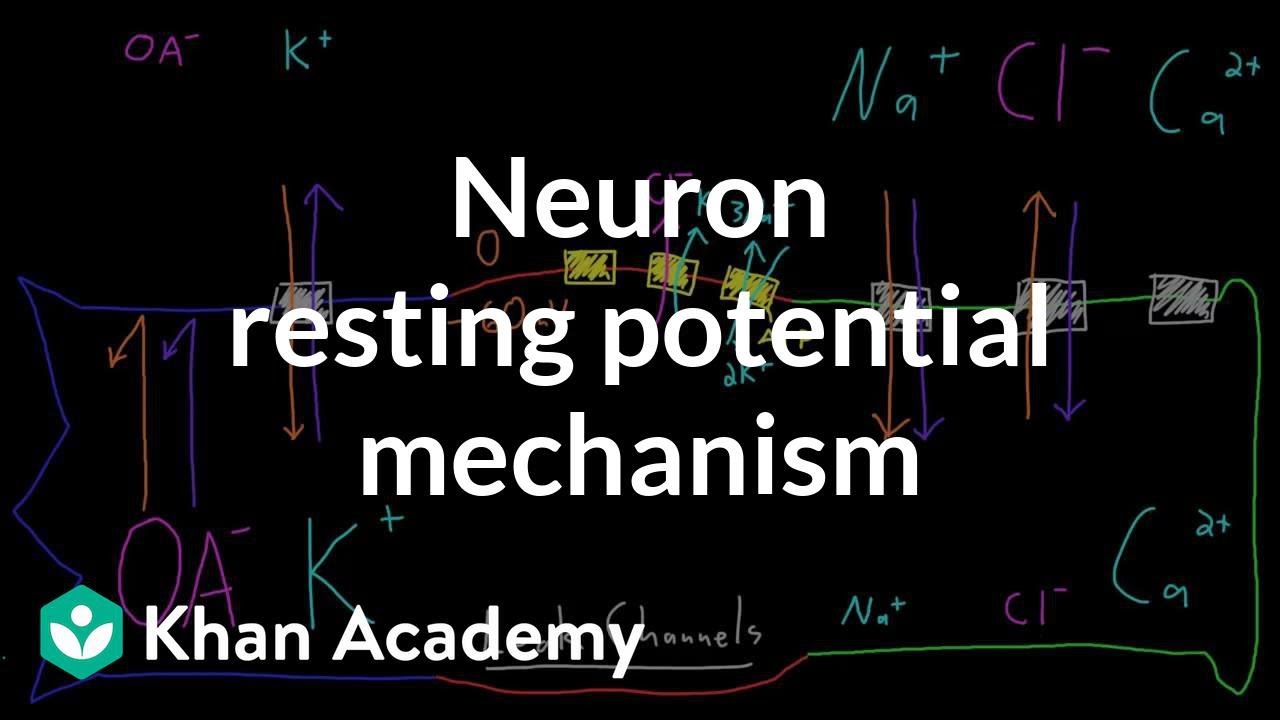
The neuron resting potential of approximately -60 to -70 millivolts is established through the combined action of the sodium-potassium pump, which creates concentration gradients (high intracellular potassium, low intracellular sodium), and differential membrane permeability to ions; since the membrane is much more permeable to potassium than sodium, the resting potential closely approaches potassium's equilibrium potential (-70 mV) while sodium's smaller contribution shifts it slightly toward less negative values, with chloride and calcium having minimal effects due to their low permeability at rest.
Click to watch →

📂 neuron
108
The sodium-potassium pump maintains the resting membrane potential by pumping three sodium ions out and two potassium ions into the cell. At rest, potassium ions are more concentrated inside the cell while sodium ions are more concentrated outside, creating the electrical gradient. An action potential is triggered when the membrane potential reaches the threshold of approximately -55 millivolts. Action potentials follow the all-or-nothing principle: if the threshold is reached, a full action potential occurs; if not, no action potential is generated.
Click to watch →
Deep Dive
Secondary active transport mechanisms, such as the sodium-glucose cotransporter, which rely on the sodium gradient generated by the pump.

Transport through Cell membrane - Active Transport | BAMS / BHMS 1st Year #humanphysiology #bams
6.9K
Secondary active transport uses energy indirectly from an electrochemical gradient established by primary active transport. The sodium-glucose cotransporter (SGLT) demonstrates this mechanism, moving sodium ions and glucose molecules simultaneously in the same direction (symport). Sodium ions move down their concentration gradient (from high outside to low inside), providing the energy to move glucose against its concentration gradient (from low outside to high inside). The sodium gradient is maintained by the sodium-potassium pump, which continuously pumps sodium out of the cell using ATP energy. This indirect use of energy distinguishes secondary active transport from primary active transport.
Click to watch →

Introduction Physiology-2 (module 103) Kasr Al-Ainy 2025
16.4K
Secondary active transport uses energy from ion gradients established by primary active transport. The sodium-potassium pump creates a sodium gradient that drives sodium-glucose cotransport (SGLT). Sodium moves down its gradient while glucose moves against its gradient through the same carrier protein. This mechanism is crucial for nutrient absorption in the digestive system, where sodium pumps create gradients that drive glucose and other nutrient uptake.
Click to watch →

Клітина_3_Мембранний транспорт/ Сучасна біологія & Campbell Biology by Tetiana Kozytska
326
Secondary active transport uses the energy stored in ion gradients (created by primary active transport) to move other substances against their gradient. The sodium-glucose cotransporter (SGLT) moves glucose into cells by coupling it with Na+ movement down its gradient. This system depends on the sodium-potassium pump to maintain the Na+ gradient. Similar systems exist for amino acids, phosphate, and other nutrients.
Click to watch →
Bài 6 - Vận chuyển vật chất qua màng tế bào - phần 1
6.4K
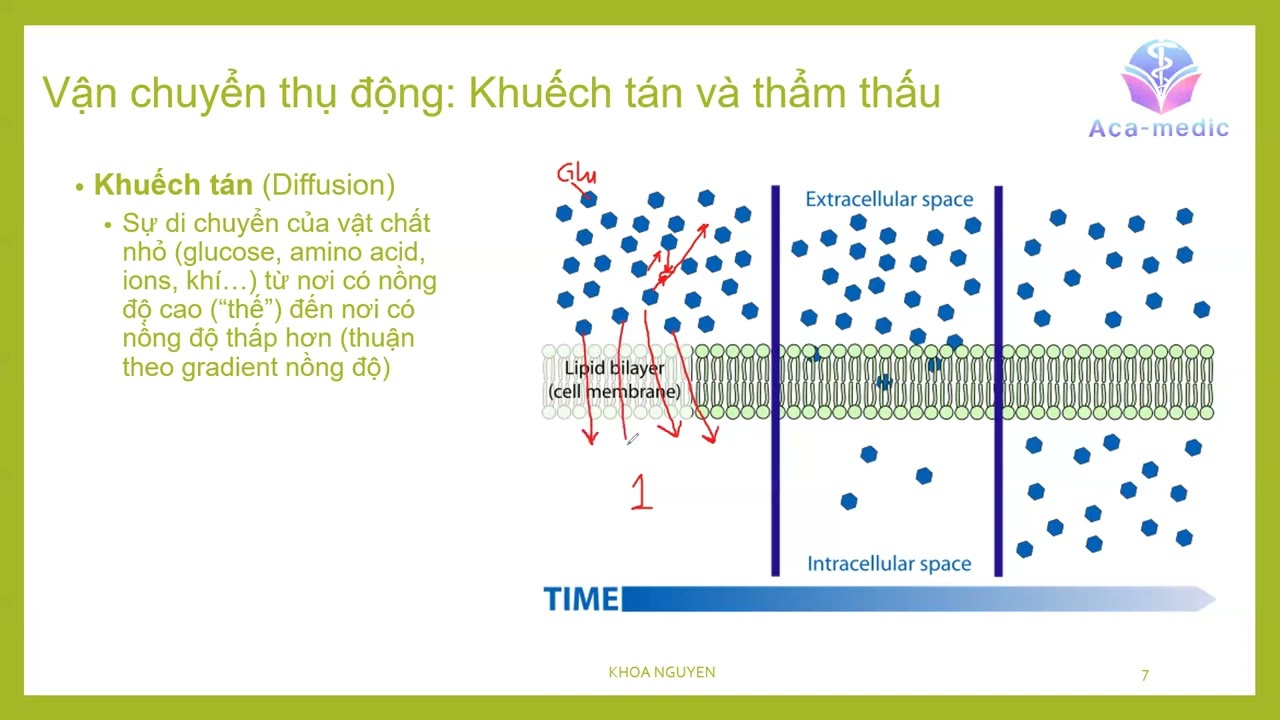
Secondary active transport uses the energy stored in concentration gradients (created by primary active transport) to move substances. The sodium-glucose cotransporter (SGLT) moves glucose into cells by coupling it with sodium movement. The sodium gradient is maintained by the Na+/K+ pump using ATP, so glucose transport indirectly uses ATP.
Click to watch →
Renal | Proximal Convoluted Tubule
951.5K
Secondary active transport uses the electrochemical gradient established by primary active transport (like the Na+/K+ ATPase) to drive the transport of other substances. For example, sodium-glucose cotransporters use the high extracellular sodium concentration to facilitate glucose entry into cells against its concentration gradient. Similarly, sodium-amino acid cotransporters and sodium-lactate cotransporters work through this mechanism. Since sodium moves passively down its gradient, it provides the energy needed to move glucose, amino acids, or lactate against their gradients without directly consuming ATP.
Click to watch →
Deep Dive
The physiological role of the sodium-potassium pump in regulating cellular volume and maintaining osmotic balance.

Lecture 1 - Passive and Active Transport
14.7K
The sodium-potassium pump maintains cellular homeostasis by: (1) Creating concentration gradients (higher sodium outside, higher potassium inside), (2) Generating electrical potential across the membrane, (3) Enabling proper enzyme function and protein synthesis, (4) Regulating cell volume by controlling water movement through osmosis. Without this pump, cells would lose their normal electrical and chemical properties, and osmotic balance would be disrupted.
Click to watch →

PRIMARY ACTIVE TRANSPORT
88.8K
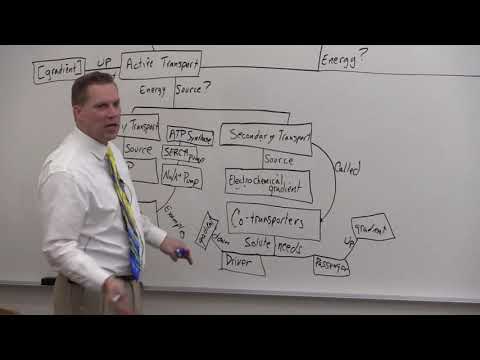
The sodium-potassium pump helps maintain cell volume by creating an osmotic gradient. By pumping 3 sodium ions out and 2 potassium ions in, it creates a net movement of positive charge out of the cell. This prevents excessive water from entering the cell through osmosis, thereby maintaining proper cell volume and preventing cell swelling or bursting.
Click to watch →
Protein Mediated Transport
4.5K
The sodium-potassium pump performs three critical physiological functions: (1) Generates membrane potential by moving 3+ out and 2+ in, creating electrical imbalance, (2) Establishes the sodium gradient that drives secondary active transport in many cells, and (3) Regulates cell volume by controlling solute concentration, which affects water movement through osmosis. Some cells dedicate up to two-thirds of their ATP to this pump, highlighting its fundamental importance in cellular physiology.
Click to watch →

Transporte A Través De La Membrana 1
158
Animal cells use ATP hydrolysis to pump sodium ions out of the cell through the sodium-potassium pump (Na+/K+ pump). This pump functions as both a transporter and enzyme, moving sodium out while simultaneously transporting potassium in. It represents 30% or more of cellular ATP consumption. The mechanism involves sodium binding, ATP hydrolysis adding a phosphate group, conformational change to release sodium extracellularly, potassium binding, phosphate removal, and return to original conformation. The sodium gradient generated powers secondary active transport through symporters and antiporters. The pump maintains osmotic balance by expelling sodium that leaks in, preventing cell swelling and bursting when the pump is interrupted.
Click to watch →

Item 3 : Membrane Transport ( cellular physiology) {Note based explained}
7.7K
The Sodium-Potassium Pump maintains cell volume by preventing sodium accumulation that would draw water in. It creates membrane potential and is critical for nerve and muscle function. Clinically, Digitalis drugs inhibit this pump causing heart failure, while aldosterone regulates sodium through the pump. When reduced, potassium increases and sodium decreases (hypokalemia). The pump prevents cell swelling by actively pumping sodium out, counteracting osmotic effects.
Click to watch →
Deep Dive
The medical and pharmacological implications of inhibiting the Na+/K+-ATPase, such as the use of cardiac glycosides (e.g., digoxin) in treating heart failure.
PHARMACY| PHARMACOLOGY-CARDIAC GLYCOSIDES & DRUGS FOR HEART FAILURE (CHF)
11.1K
When digoxin inhibits myocardial sodium-potassium ATPase, it causes two key consequences: (1) increased intracellular sodium ion concentration, and (2) increased cytosolic calcium ion concentration. The elevated sodium levels lead to calcium influx via the sodium-calcium exchanger, thereby enhancing cardiac contractility.
Click to watch →

Pharamacology II HF part two
329
Cardiac glycosides (digoxin, digitoxin) work by inhibiting the Na+/K+ ATPase pump. This inhibition increases intracellular sodium, which reduces calcium efflux through the Na+/Ca2+ exchanger. The result is increased intracellular calcium, enhanced contractility, and reduced heart rate. This mechanism is the basis for their therapeutic effects in heart failure.
Click to watch →

SODIUM- POTASSIUM PUMP# Na+/K+ ATPase
276
Na+/K+ ATPase is a target for toxins and drugs. Cardiac glycosides (naturally occurring plant steroids) specifically inhibit ion transport by binding reversibly to the extracellular side of the pump, inhibiting ATP hydrolysis and ion transport. Carefully titrated inhibition by cardiac glycosides like digitalis represents treatment for heart failure patients, demonstrating the therapeutic importance of this drug target.
Click to watch →

Cytoskeletal elements
120
Cardiac glycosides (digoxin, digitoxin) inhibit the Na+/K+ ATPase pump. This inhibition prevents sodium from leaving the cell, which in turn prevents calcium from being pumped out of the cell. The resulting increase in intracellular calcium enhances cardiac muscle contraction, which is the therapeutic effect of these drugs.
Click to watch →

MÓDULO VII FÁRMACOS CARDIOVASCULARES (CIERRE DE DIPLOMADO)
155
Cardiac glycosides (digoxin, digitoxin) inhibit Na+/K+ ATPase, increasing intracellular sodium and calcium, enhancing contractility. They also have vagotonic effects reducing heart rate. Digoxin has 80% oral bioavailability, 2-hour peak effect, and is excreted renally. It is used for heart failure and rate control in atrial fibrillation.
Click to watch →
Pump Basics
Sodium Binding
ATP Phosphorylation
Sodium Release
Potassium Binding
Phosphate Loss
Potassium Influx
Pump Basics
0:13- 1
Active transport driven by ATP breakdown.
- 2
Transmembrane protein undergoes shape changes.
The Association-Induction Hypothesis
The Association-Induction Hypothesis (AIH), proposed by physiologist Gilbert Ling, represents a major alternative theory to the standard membrane pump model of cell physiology. Ling argued that the active transport of ions by the sodium-potassium pump is thermodynamically impossible, asserting that the energy required to power all hypothesized membrane pumps would far exceed the cell's total metabolic energy capacity. Instead of active membrane pumps, AIH posits that the cell interior behaves as a single cohesive system. According to this model, potassium ions are selectively adsorbed to fixed negative charges on intracellular proteins, while sodium ions are excluded because intracellular water exists in a highly structured, polarized state that naturally rejects sodium. In this view, ion distribution and the resting membrane potential are bulk properties of the cytoplasm rather than the result of active membrane transport. While the mainstream scientific community widely accepts the Na+/K+-ATPase pump model, AIH remains a notable historical and theoretical challenge to the membrane-centric paradigm.
The basic structure of the cell membrane, including the phospholipid bilayer and the role of membrane-spanning proteins.
The difference between passive transport (simple and facilitated diffusion) and active transport across cell membranes.
The structure and function of ATP (Adenosine Triphosphate) as the cellular energy currency, specifically how ATP hydrolysis releases energy.
The concept of chemical concentration gradients and electrical charge gradients (electrochemical gradients).
How the resting membrane potential set up by the pump is used to generate and propagate action potentials in neurons and muscle cells.
Secondary active transport mechanisms, such as the sodium-glucose cotransporter, which rely on the sodium gradient generated by the pump.
The physiological role of the sodium-potassium pump in regulating cellular volume and maintaining osmotic balance.
The medical and pharmacological implications of inhibiting the Na+/K+-ATPase, such as the use of cardiac glycosides (e.g., digoxin) in treating heart failure.
611.1K views6.1Klikes1:39@doctorbhanuprakashOriginal Release: 2015-04-25
the sodium potassium pump is an active transport mechanism that is driven by the breakdown of ATP and works through a series of conformational changes in a transmembrane protein 3 sodium ions bind to the cytoplasmic side of the protein causing the protein to change its conformation in its new conformation the molecule becomes phosphorylated at the expense of a molecule of ATP the phosphorylation induces a second conformational change the translocates the three sodium ions across the membrane in this new conformation the protein has a low affinity for sodium ions and the three bound sodium ions dissociate from the protein and diffuse into the extracellular fluid the new conformation has a high affinity for potassium ions two of which bind to the extracellular side of the protein the bound phosphate now dissociates and the protein reverts to its original conformation exposing the two potassium ions to the cytoplasm on the inside of the cell this conformation has a low affinity for potassium ions so the two bound potassium ions dissociate from the protein and diffuse into the interior of the cell
Up Next
10:58
Voltage-Gated Na and K Channels | Human Physiology Explained
@Janux
39.4K views•2015-01-06

50:12
Bacterial Communication: Quorum Sensing and Biofilm Formation Explained
@JHUAAP
12.6K views•2011-06-28

59:20
Homeostasis, Body Fluids & Control Systems | Physiology Lecture 1
@doctorbhanuprakash
110.3K views•2023-08-14

7:08
Bacteriophages: Earth's Deadliest Killers and Future Antibiotics
@kurzgesagt
34.6M views•2018-05-13
Related Study Plans & Knowledge Roadmaps
Structured learning paths in Biology
biology
RNAi: Biogenesis, RISC & Gene Silencing
01Molecular Biology Foundations: DNA to Protein
02Introduction to RNA Interference (RNAi)
03Molecular Biogenesis of miRNA and siRNA
+ 2 more learning modules
10h5 modules
Explore Roadmap
biology
Mycorrhizae: Signaling, Biophysics & Ecology
01Foundations of Mycorrhizal Symbiosis
02Molecular Signaling and Root Colonization
03Biophysics and Bioenergetics of Nutrient Exchange
+ 1 more learning modules
11h4 modules
Explore Roadmap
biology
Circadian Clocks: TTFL, SCN & Periphery
01Foundations of Molecular Biology & Gene Expression
02Introduction to Chronobiology and Actograms
03The Core TTFL: Molecular Architecture of the Clock
+ 3 more learning modules
14h6 modules
Explore Roadmap
biology
Population Genetics: Math, Drift & Selection
01Genetic & Probability Foundations
02The Hardy-Weinberg Principle and Baseline Models
03Mathematical Modeling of Natural Selection
+ 3 more learning modules
18h6 modules
Explore Roadmap