
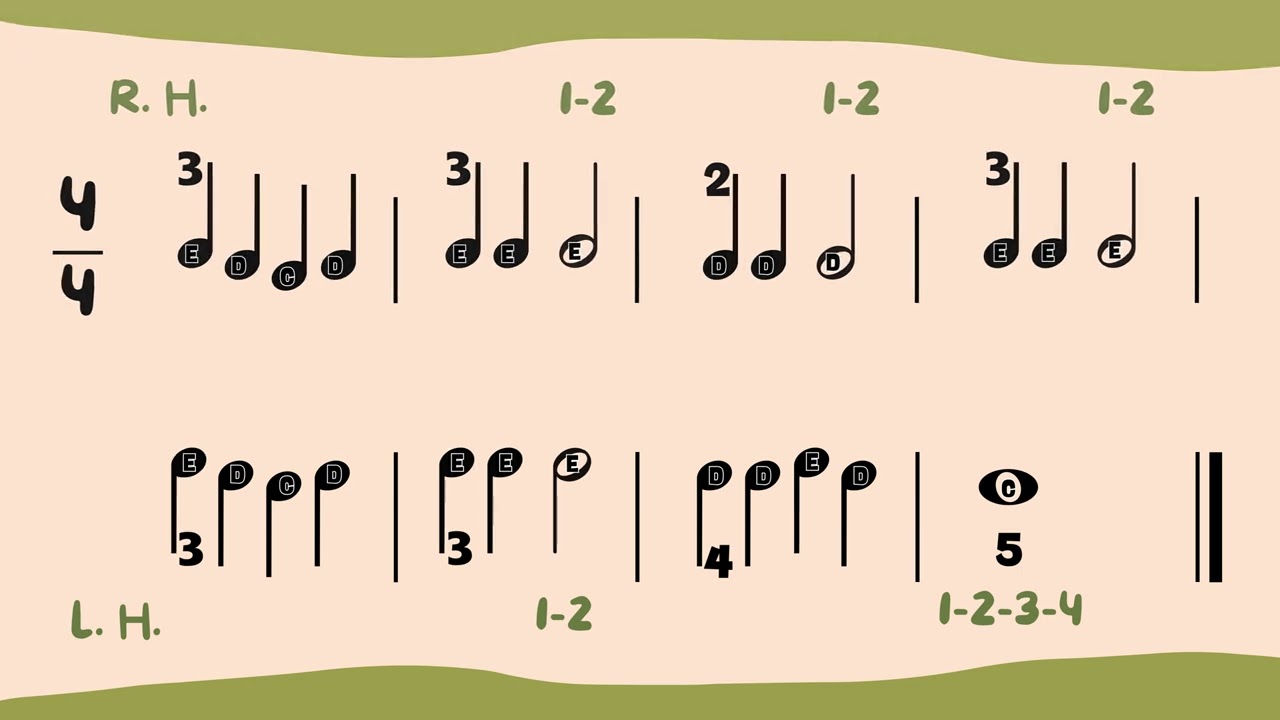




















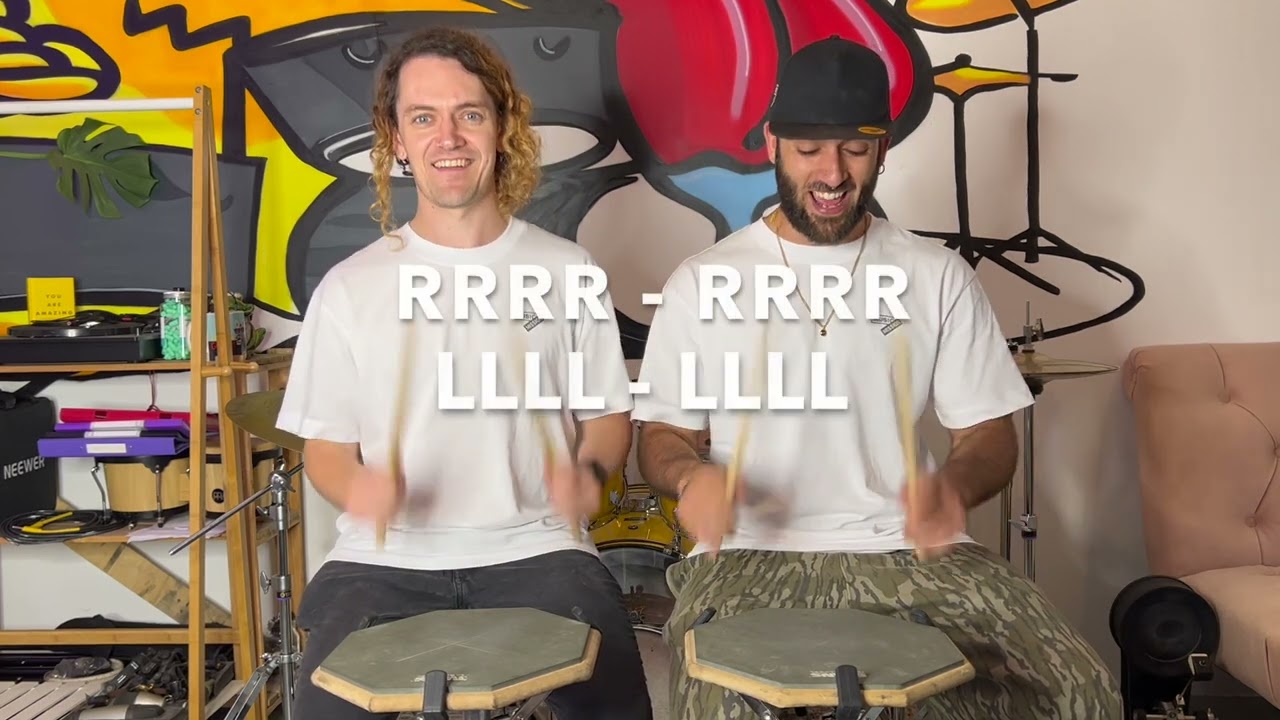


A fundamental rock drum beat consists of three coordinated parts: the right hand plays high hat on all eighth notes (1 and 2 and 3 and 4 and), the left hand plays snare drum on beats 2 and 4, and the right foot plays kick drum on beat 1 and the two eighth notes on beat 3; beginners should practice each component separately before combining them to develop coordination.
Learn to Play Your First Drum Beat Without a Drum Set
Added:Understanding the concept of a steady musical beat and counting in 4/4 time.
Basic familiarity with the primary components of a standard drum kit, specifically the hi-hat, snare drum, and bass drum.
Elementary motor coordination, specifically the conceptual understanding of limb independence (moving hands and feet separately).
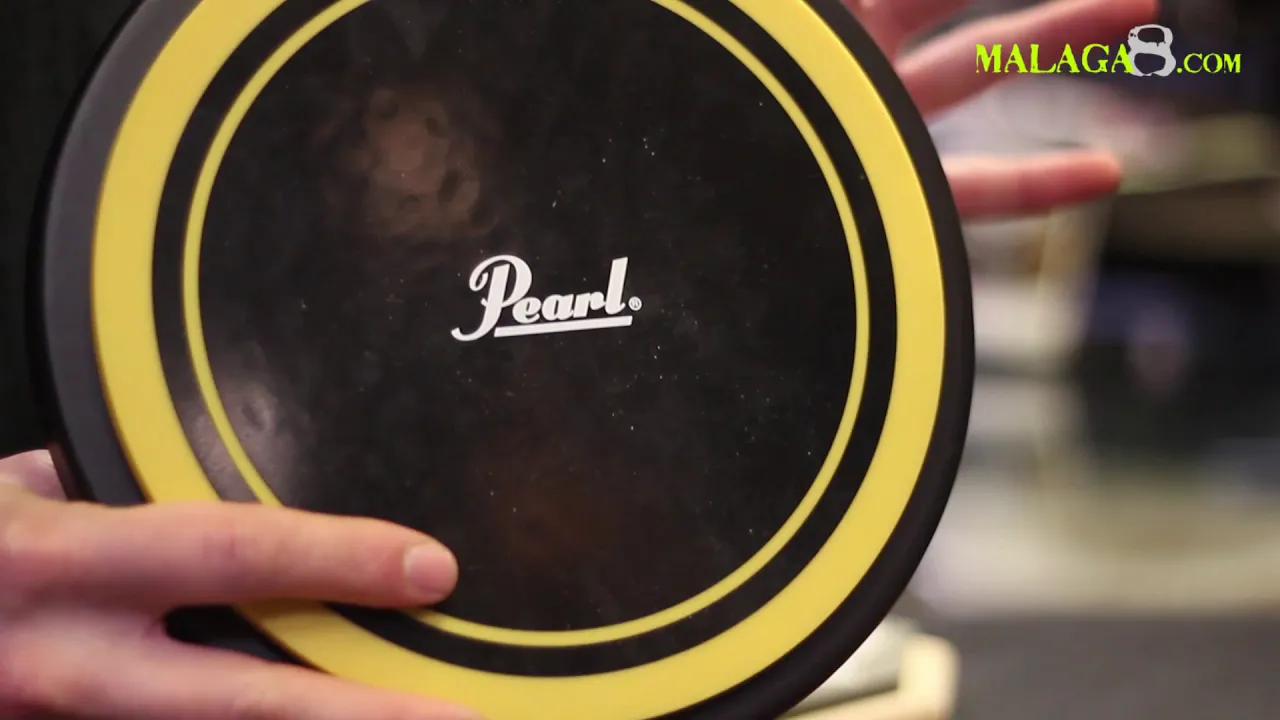
Transitioning from air drumming to using physical drumsticks and a practice pad to develop proper grip, wrist motion, and rebound control.
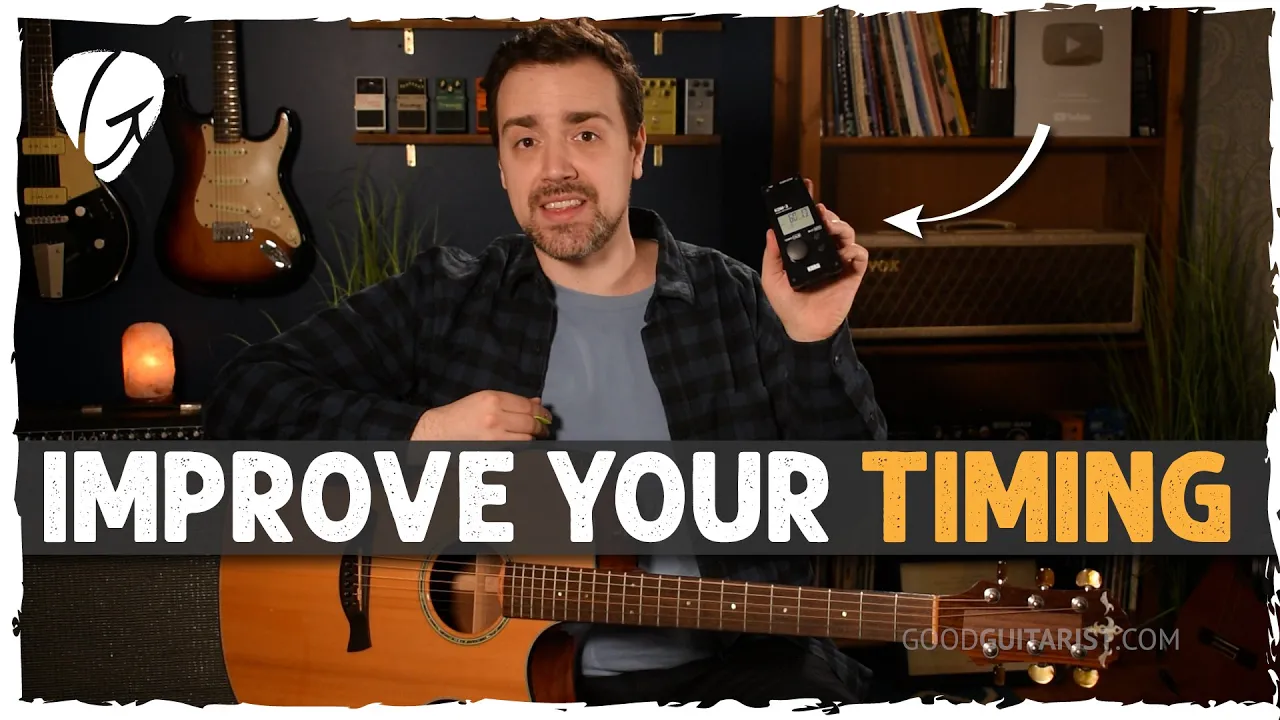
Practicing the basic beat alongside a metronome to build rigorous tempo consistency and timing precision.
Learning standard drum notation and sheet music to read and write basic rhythm patterns.
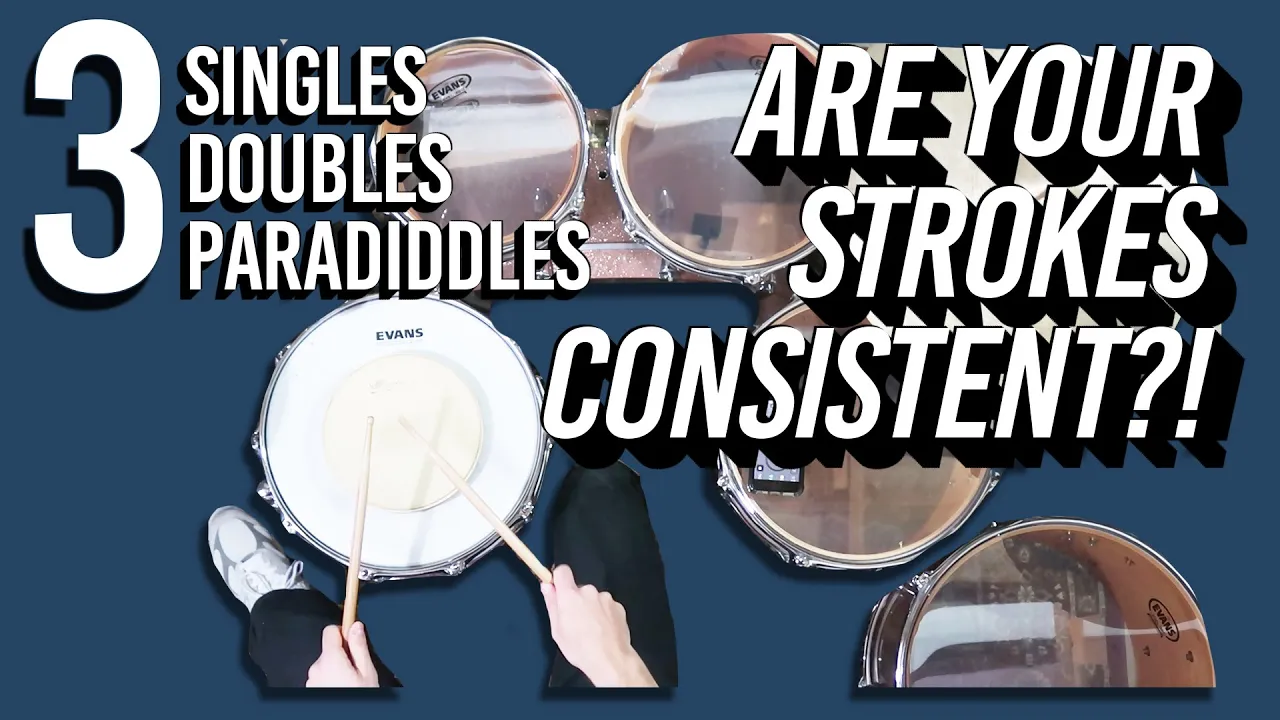
Introducing fundamental drum rudiments, such as the single-stroke roll, double-stroke roll, and paradiddle.
Exploring simple drum fills and basic syncopation to transition smoothly between different sections of a song.
251K views2.9Klikes7:27Original Release: 2015-10-19
[Music] Hey, what's up guys? My name is Casey Cooper and today I'm going to be introducing you to how to play drums without drums. I'm going to teach you your first drum beat uh to basically air drum. You can if you have some sticks, you can play along on a pillow or you can um pretend and and move your arms around and stuff, but it's a lot of fun to be a drummer. So, we figured, you know, even if you don't have a drum set, you might want to be a drummer. Now, I've also got this really cool software here where I'm going to be able to show you by air drumming, actually drumming these sounds that are going to happen here. So, we're going to keep it real simple with the beat. That way, everybody can play along and have some fun here. And, uh, let's learn to air drum slum.
[Music] All right. So, the drum groove I'm going to teach you guys today is pretty simple.
It's nothing really complicated at all.
And basically, we are going to break it down into three segments for you. One is going to be your right hand, one is going to be your left hand, and one is going to be your right foot. And so each one is doing something a little bit different here. In music, you count it with uh usually four. One, two, three, four. And then the eighth note subdivisions we're doing today are going to be the one and two and three and four and. But the actual groove here is very, very simple. And I'm going to demonstrate it for you right now so you can get a little glimpse into what it's going to be before I talk about where each hand and foot is going to be playing.
[Music] So that was the groove there. Now we're going to break it down into three segments. Now you heard me earlier say that we're counting 1 2 3 4 which are quarter notes. We're also using the subdivision of eighth notes, which is 1 and two and three and four and, which is basically eight notes in a measure. And so for this, the measure of playing we're going to do is going to start with your right hand. I'm just going to show you this pretty quickly so you can understand that, but then we're going to talk about the difference between the left hand and the foot and where they're going to be placed within the groove. So the right hand the whole time is going to stay steady and it's just going to go 1 and 2 and 3 and four and 1 and 2 and 3 and four and 1 and 2 and 3 and four and and so on and so on. And that is really how you keep a steady rock beat in drumming. And so that's going to be the same. Now don't worry about that for now because that's kind of the easy part seeing as how it stays the same the whole time. We're going to talk about your left hand right now. Your left hand is what plays a snare drum and it's going to be on two and four. So, we're counting one 2 3 4 1 and two and three and four and one and two and three and four and one and two and three and four and one and two and three and four and.
So, that's where the left hand is. Now, you may want to practice your right hand and your left hand together. So, sit at home and play 1 and 2 and 3 and four and 1 and two and three and four and. Okay, now you kind of got that. And if you need to practice it for a little bit, that's okay. Now, the third part is the kick. So, the kick is actually going to go like this. There's three notes. One on one and then two notes on three and.
So, you're playing a quarter note and you're playing eighth notes, which we talked about earlier. So, this is why it's a little more complicated than your snare and your high hat. So, here we go.
1 2 3 4 1 2 3 and four. 1 2 3 and four.
1 2 3 and four. That's your kick drum.
So, there you have it. Those are the three parts there. Now, being new to drums, you may want to work on the actual coordination between your hands a little bit and your feet. And so, one thing I like to do when I practice is I'll break down a groove into three segments. You take the right hand, you learn to play the right hand, you learn to play the left hand, and you learn to play the foot. And you do those all separately. Then, you want to take them and put them together. So we would practice the right hand and the left hand on the snare like we did earlier with the one and two and three and four and one and two and three and four and.
But you also want to practice the right hand and the kick. So you go one and two and three and four and one and two and three and four and. So once you got that, you can practice the kick and snare. So you take your right hand away, put it behind your back maybe just to make sure you don't mess with it. One and two and three and four and one and two and three and four and. So, it's that simple. Now you know the whole groove. Your right hand's going 1 and two and three and four and. Left hand's going 1 and two and three and four and.
And your right foot's going 1 and two and three and four and. So, I'm going to show you guys this groove at 60 BPM and then at 100 BPM, which is faster. The BPM is how fast the music is actually going. So here it is at 60.
[Music] So everyone that is your first drum beat. I hope you had fun air drumming or pillow drumming or whatever you did. Uh I had a lot of fun showing you guys that today. So, what I'm going to do now is I'm going to play you guys out on this awesome Aerodrum air drumming software.
And uh if you guys want to get this, it's available. You can have some fun at home as well on your computer. And then other than that, if you're looking for more lessons, if you actually have a drum set, you want to learn to play drums, you're interested in drumming, you should check out Drumo. It's a online drumming website that does lessons and everything and they have some phenomenal stuff. So check it out, have some fun and play some drums.
That's what it's all about. So let's go.
[Music]
Up Next

16:09
Rhythm Basics: Learn Drumming Patterns with Anthony McNamee
@theLinenhallCastlebar
260 views•2020-05-20

26:22
Walking in the City: Urban Rituals and the Flâneur in Contemporary India
@PSBTIndia
1.9K views•2016-08-02

9:49
FastAPI vs Flask vs Django: Choosing the Right Python Web Framework
@TechWithTim
302.5K views•2024-05-26

1:42
Game of Thrones Opening Credits: A Cinematic Analysis
@gameofthrones
46.3M views•2011-04-18
Related Study Plans & Knowledge Roadmaps
Structured learning paths in General & Interdisciplinary Studies
general-studies
Artificial Light: History, Tech & Human Impact
01The Pre-Electric Era: Fire, Oil, and Gas Lighting
02The Incandescent Revolution and Grid Electrification
03Gas Discharge and Fluorescent Illumination
+ 3 more learning modules
14h6 modules
Explore Roadmap
general-studies
Elevator Engineering: History, Physics & Cities
01From Hoists to Safety Brakes: The Dawn of Vertical Lift
02Hydraulic vs. Traction: The Engineering Physics of Elevators
03Modern Speed, Safety, and Algorithms
+ 2 more learning modules
12h5 modules
Explore Roadmap
general-studies
Rubber: Material Science, History & Geopolitics
01Origins of Natural Rubber & Mesoamerican History
02The Chemistry of Natural Rubber & Vulcanization
03The Geopolitics of the Rubber Boom & Colonization
+ 2 more learning modules
12h5 modules
Explore Roadmap
general-studies
Containerization: Evolution, Logistics & Trade
01Ancient Trade & Bulk Cargo: Amphorae to Barrels
02The Industrial Revolution & Cardboard Packaging
03The Containerization Revolution: Malcom McLean
+ 2 more learning modules
12h5 modules
Explore Roadmap