![The ITALIAN Renaissance, EXPLAINED [AP Euro, Unit 1 Topic 2 (1.2)]](https://i.ytimg.com/vi/7y-zYnr3xoI/maxresdefault.jpg)










![Warum ich KEIN Katholik 🙏 bin (Teil 1/6) 🧯 [Klartext mit solider biblischer Grundlage!]](https://i.ytimg.com/vi/9BiB_1emy64/maxresdefault.jpg)












The Northern Renaissance (14th-16th centuries) was a revolutionary art movement in Northern Europe characterized by the emergence of oil painting as a primary medium, which enabled luminous works with depth and texture. Unlike the Italian Renaissance's focus on classical themes and idealized figures, Northern Renaissance artists embraced everyday life, depicting peasants, landscapes, and common objects with striking realism and accuracy. This period saw the invention of movable type in the mid-15th century, which revolutionized art by enabling mass production of prints and facilitating rapid exchange of ideas across Europe. Key artists like Albrecht Dürer, Jan van Eyck, Lucas Cranach the Elder, and Hans Holbein the Younger pioneered techniques in printmaking, portraiture, and symbolism, while their works often incorporated mathematical principles and scientific observation. The Northern Renaissance maintained a dynamic interaction with the Italian Renaissance, with artists like Dürer traveling to Italy and adopting Italian ideals of proportion and perspective, while Northern printmaking significantly influenced Italian artists.
The Northern Renaissance: Art, Innovation, and Cultural Revolution
Added:Hooray!Art with us!
Discover an artistic revolution that broke away from traditional beliefs and conventions, showcasing striking realism in everyday life, landscapes, and objects.
Dive into intricate botanical and zoological studies and uncover the profound impact of movable type on mass printing.
Explore the distinct style of Northern Renaissance artists and their unique interests, diverging from their Italian counterparts.
The Northern Renaissance was a time of great artistic innovation in Northern Europe during the 14th to 16th centuries.
This period was marked by the emergence of oil painting as a primary medium for artists, which allowed for luminous works with depth and texture.
Artists such as Jan van Eyck, Albrecht Dürer, Hans Holbein, and Lucas Cranach the Elder pushed the boundaries of art.
Unlike the Italian Renaissance, which focused on classical themes and idealized figures, the Northern Renaissance embraced everyday life as a subject of artistic expression.
This was reflected in the works of Pieter Bruegel the Elder and Albrecht Dürer, who portrayed peasants, landscapes, and common objects with striking realism and accuracy.
My name is Pavla, and welcome to my channel.
If you're new, check out our channel by clicking our name below the video.
If you like our content, subscribe and turn on notifications.
Join me, an artist passionate about sharing knowledge, and my curious child on a journey into the amazing world of the Northern Renaissance.
Let's discover, laugh, and learn together!
And to add a bit of spice, stick around until the end for some slightly controversial Northern Renaissance jokes.
The Northern Renaissance was also characterized by a strong interest in symbolism and allegory.
Hieronymus Bosch, for example, used his art to explore moral and religious themes in a fantastical and often bizarre way that challenged traditional beliefs and conventions.
In addition, Northern Renaissance artists were fascinated by the natural world, as seen in the intricate botanical and zoological studies of Albrecht Dürer and the still-life paintings of Willem Kalf and Jan Davidsz de Heem.
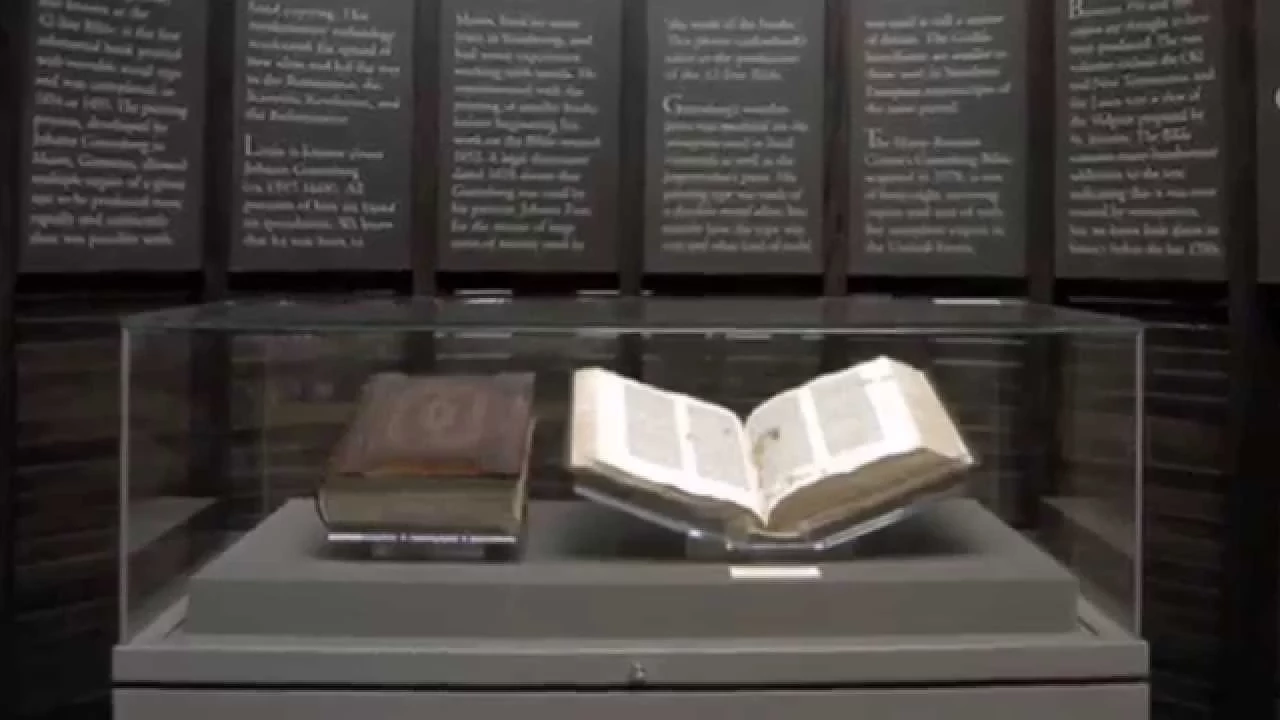
The printing press was a significant influence on the Northern Renaissance.
The invention of movable type in the mid-15th century allowed for the mass production of printed materials, including books, pamphlets, and prints.
This made it possible for ideas to spread rapidly across Europe, leading to an exchange of knowledge and a flourishing of intellectual and artistic pursuits.
In the North, artists and intellectuals were quick to embrace the potential of the printing press, producing works that were both visually striking and intellectually stimulating.
The German artist Albrecht Dürer, for example, produced woodcuts and engravings that were reproduced in large numbers, spreading his innovative ideas and techniques far beyond his immediate circle of patrons.
The printing press also enabled the dissemination of humanist ideas and the publication of scientific and philosophical treatises, which had a profound impact on Northern European culture.
The interaction between the Northern Renaissance and Italian Renaissance was a complex and dynamic one.
Some Northern Renaissance artists, like Albrecht Dürer, ventured to Italy and were exposed to the works of Italian Renaissance masters such as Leonardo da Vinci and Raphael.
These encounters influenced their work and led them to adopt Italian Renaissance ideals of proportion and perspective.
Yet, Northern Renaissance artists also developed their own distinct styles and interests, which diverged from the classical themes and idealized figures of their Italian counterparts.
For instance, Northern Renaissance artists placed a strong emphasis on realism, symbolism, and the natural world.
They depicted peasants, landscapes, and common objects with striking detail and accuracy, using their art to explore moral and religious themes in a way that challenged traditional beliefs and conventions.
In contrast, Italian Renaissance artists were more focused on the classical ideals of antiquity and humanism, which celebrated the beauty of the human form and elevated the individual to the center of the universe.
Despite their differences, artists from both movements were aware of each other's work and techniques.
Northern Renaissance printmaking, for instance, had a significant influence on Italian Renaissance artists, with some, such as Andrea Mantegna, incorporating Northern Renaissance techniques into their own work.
In turn, Northern Renaissance artists were also influenced by the works of Italian artists, particularly in the area of perspective and proportion.
Overall, the Northern Renaissance differed from the Italian Renaissance in several key ways.
While the latter focused on classical themes and idealized figures, the former embraced a more realistic and naturalistic approach to art, with a strong interest in symbolism, allegory, and the natural world.
What did the Northern Renaissance painter say when he ran out of paint?
"I guess it's time to go back to the print block!"
Why did the art dealer go to the Northern Renaissance art exhibit with a magnifying glass?
To get a closer look at the fine print!
How do you know if you're looking at a Northern Renaissance painting?
The landscapes are so realistic, you can almost hear the cows mooing!
We would love to get to know you better, so feel free to leave us a comment and say hi!
Man who broke creative boundaries and forever changed the way we view and create art.
Let's explore the life and work of a superstar innovator, Albrecht Dürer, whose many firsts continue to inspire and amaze artists and art lovers alike.
Discover how he revolutionized the art world!
Albrecht Dürer changed the world of books on its head by 180 degrees!
But there's more to the story!
Was his wife uneducated and uncouth, as he claimed?
Did Dürer have any rivals in his time?
And, was Dürer perhaps a member of a secret society?
What was the relationship between Albrecht Dürer and his patrons, and how did it affect his artistic career?
Albrecht Dürer was a true influencer who was always exploring new techniques and styles, such as creating new printing methods, and pushing the boundaries of what was possible in art.
Albrecht Dürer was born in Nuremberg in Germany in 1471 and became one of the most influential artists of the Northern Renaissance.
Albrecht, named after his father as the third of eighteen children.
Dürer's work was characterized by its incredible attention to detail, which he achieved through the use of advanced techniques and his fascination with mathematics.
He was the first Northern European artist to travel to Italy, where he studied and incorporated the principles of Italian Renaissance art into his own style.
Albrecht Dürer wasn't just a master painter, he was a true innovator in the world of printmaking.
With his groundbreaking technique of engraving, Dürer created incredibly intricate designs that were filled with symbolism and references to mathematics, philosophy, and science.
His famous engraving, Melancholia I, is a testament to his unparalleled skill and intellectual curiosity.
Dürer's engravings were a game-changer in the art world, with his use of perspective and shading elevating the medium to new heights.
And if that wasn't enough, Dürer also pioneered the technique of woodcut printmaking, producing high-quality prints that could be mass-produced alongside movable type in books.
By signing and dating his prints, he ensured that they were recognized as original works of art - a revolutionary concept at the time.
Despite his many accomplishments, some have speculated that Dürer was involved in secret societies, dabbling in alchemy and magic.
But while these claims are intriguing, there's little evidence to support them.
So let's focus on what we do know - that Dürer's art and techniques changed the world of art forever.
Delve into the world of Albrecht Dürer, a master painter known for his unmatched precision and detail in portraiture.
His self-portrait from 1500 is a celebrated work of art, depicting him with a contemplative and serious expression.
But Dürer was not content with just one self-portrait.
He went on to create a series of self-portraits, establishing the art of self-portraiture as a significant form of artistic expression.
One of his most famous paintings, "Adam and Eve," showcases his mastery of light and shadow to create a realistic and detailed portrayal of the biblical figures.
The idealized forms of Adam and Eve lend a sense of beauty and harmony to the painting.
Albrecht Dürer's obsession with the human form was more than just a passing interest - it was a passion that drove much of his artistic output.
His "Four Apostles" painting, for instance, is a testament to his unparalleled ability to capture the intricacies of the human figure.
These four idealized apostles seem almost alive, as if they could step off the canvas at any moment.
But Dürer's interests didn't stop there.
He also played a major role in the development of landscape painting, with his watercolor paintings of the Nuremberg countryside setting the standard for generations to come.
These beautiful and evocative works transport the viewer to another time and place, offering a glimpse into a world that is both familiar and foreign.
Despite his immense talent and success, Dürer's personal life remains shrouded in mystery.
While he was married to Agnes Frey and had a child with her, there are whispers of other romantic entanglements, including a possible liaison with the Venetian artist Jacopo de' Barbari.
Whatever the truth may be, it's clear that Dürer's relationships were complex and multifaceted.
Throughout his career, Dürer enjoyed close relationships with a number of patrons, including the Holy Roman Emperor Maximilian I. These patrons not only provided financial security and artistic opportunities, but also helped to shape the direction of Dürer's work.
Many of his pieces reflect the interests and values of his patrons, showing how even the most renowned artists of their time were not immune to the influence of others.
But what sets him apart from his contemporaries is his unique ability to bridge the worlds of art and mathematics.
As one of the first artists to incorporate mathematical principles into his work, Dürer's art challenged the traditional boundaries of what was possible and opened up a world of new creative possibilities.
Dürer's interest in mathematics was evident in his paintings, engravings, and woodcuts.
He was the first to publish a treatise on the principles of perspective, which he used to create a sense of depth and realism in his art.
His ability to manipulate geometric shapes and masterful use of light and shadow helped to create compositions that were both aesthetically pleasing and scientifically accurate.
Despite his technical mastery and innovation, Dürer faced competition from other highly skilled artists of his time, such as Lucas Cranach the Elder.
However, Dürer's unique ability to blend art and mathematics set him apart and secured his place as one of the greatest artists in history.
Why did Dürer only eat one type of cheese?
Because he was a big fan of Grüyère!
Why did the artist draw a picture of a rabbit?
Because it was a hare-raising experience.
Why did Dürer switch to watercolors later in his career?
Because he wanted to paint with a different hue-manity.
Why did the Dürer break up with his girlfriend?
She was always taking him for Grant Wood.
Marvel at his technical prowess and artistic vision as you explore his stunning woodcuts and engravings, each one a masterpiece of detail and precision.
Get lost in the vivid realism of his portraits, each one capturing the essence of its subject with incredible depth and psychological insight.
This remarkable artist revolutionized the very theory of art, melding mathematics and creativity to create new techniques and push the boundaries of perspective and proportion in ways that still amaze and inspire today.
Jan van Eyck, the Flemish game-changer painter.
What Lies Beneath the Surface of Jan van Eyck's Paintings?
What was the influence of trailblazer master on Renaissance art?
What was his personal life like?
Jan van Eyck was a true superstar innovator of his time, who revolutionized the world of art with his incredible technique and attention to detail.
His use of oil paint and mastery of light and shadow opened up a whole new world of possibilities for painters that would continue to inspire and amaze artists for centuries to come.
But van Eyck's influence wasn't just limited to technique - his art was full of secrets and symbols.
From the subtle use of mirrors and reflections to the hidden messages in his paintings, van Eyck was a master of creating works that were both visually stunning and intellectually stimulating.
But there's more to the story!
Did Van Eyck have any rivals in his time?
What was the relationship between Jan van Eyck and his patrons, and how did it affect his artistic career?
He was born around 1390 in the town of Maaseik, located in the eastern part of what is now Belgium.
Not much is known about his early life, but he is believed to have received training as a painter in the workshop of his older brother Hubert.
After Hubert's death in 1426, Jan van Eyck took over the workshop and quickly established himself as a leading artist in the region.
Van Eyck's reputation as an innovative and technically skilled painter quickly spread beyond the borders of his native Flanders.
He received numerous commissions from wealthy patrons, including the Burgundian court, and his work was highly sought after by collectors across Europe.
Van Eyck's most famous work is undoubtedly the Ghent Altarpiece, a massive polyptych that was completed around 1432.
The altarpiece features a complex iconography that incorporates a variety of religious and secular themes, as well as intricate symbolic details that have fascinated art historians for centuries.
Despite his immense talent and success, Van Eyck's personal life remains shrouded in mystery.
He was married to a woman named Margaret, and he is believed to have had at least one child.
While little is known about his personal relationships, it is clear that he enjoyed close relationships with a number of patrons, including the powerful Duke of Burgundy, Philip the Good.
These patrons not only provided financial security and artistic opportunities, but also helped to shape the direction of Van Eyck's work.
He died in Bruges in 1441.
It's safe to say that the Arnolfini Portrait was probably the 15th-century equivalent of today's wedding photoshoots.
I mean, who needs Instagram filters when you have the masterful techniques of Jan van Eyck to capture every little detail of the happy couple, from their fashionable attire to the dog at their feet?
It depicts a wealthy merchant and his wife standing in their opulent home.
The painting is full of intricate details and symbolic imagery, from the couple's elaborate clothing to the dog at their feet, which is often interpreted as a symbol of fidelity.
One particularly interesting aspect of the painting is the convex mirror on the back wall, which reflects not only the couple but also two figures who may be the artist himself and another person.
The purpose of this inclusion is still debated, but it adds a mysterious and intriguing element to an already fascinating work of art.It's no wonder that this iconic painting has stood the test of time and continues to captivate viewers with its timeless beauty and charm.
Van Eyck's obsession with the human form was more than just a passing interest - it was a passion that drove much of his artistic output.
His portrait paintings, such as the "Portrait of a Man in a Turban," are a testament to his unparalleled ability to capture the intricacies of the human face.
These portraits seem almost alive, as if they could step off the canvas at any moment.
The Madonna of Chancellor Rolin showcases the Virgin Mary, who is seated on a throne, holding the Christ child, while the chancellor Nicolas Rolin kneels before them in prayer.
But did you know that this painting also carries a political message?
The luxurious clothing worn by the figures, the grand architecture in the background, and the elaborate attention to detail all speak to Rolin's status and influence within both the religious and political realms of Burgundy.
Remarkably, King Louis XI was very fond of Jan van Eyck's works.
In fact, he had the Madonna with Canon van der Paele brought into his chamber every evening.
But Van Eyck's interests didn't stop there.
He also played a major role in the development of landscape painting, with his works showcasing the beauty and grandeur of the natural world.
His attention to detail and mastery of light and shadow allowed him to create landscapes that were both realistic and awe-inspiring.
What sets Van Eyck apart from his contemporaries is his unique ability to bridge the worlds of art and science.
He was particularly interested in the way light interacts with objects, and he used his knowledge of optics to create highly detailed and realistic images in his paintings.
His work helped to usher in a new era of realism and naturalism in art, and he is often credited with being one of the founders of the Northern Renaissance.
During his time, Jan van Eyck had some fierce rivals, including the highly emotional Rogier van der Weyden.
While Van der Weyden was renowned for his emotive works, Van Eyck gained acclaim for his use of light and realism.
Other prominent painters from the same era include Robert Campin and Hans Memling.
Van Eyck's influence can be seen in the work of many later painters, including Albrecht Dürer and Diego Velázquez.
His legacy also extends to the development of portrait painting, as he is credited with helping to establish the genre as a major art form.
Why did Jan Van Eyck paint so many detailed mirrors in his works?
Because he wanted to reflect on his skills as an artist.
Why did the Arnolfini couple choose Jan van Eyck to paint their portrait?
Because they wanted to make sure their marriage would be "picture perfect"!
Why did the man in the turban look so serious in the painting?
Because he was trying to remember where he left his keys.
Who's your favorite painter from the Northern Renaissance?
We're curious to hear your opinion, so please write in the comments.
Despite the many unknowns surrounding his life, his masterful works continue to inspire and influence artists worldwide.
Lucas Cranach the Elder.
This trailblazer master artist broke the rules and left a lasting impact on the art world.
Cranach's icon art can be summed up in four words: Portraits, Religious art, Erotica, and Technique.
What makes Cranach immersive and mind-blowing?
How did he become the wealthiest artist of his time?
What was Cranach's relationship with Martin Luther?
Who were his rivals?
However, that's not the whole story!
What is the truth behind the rumors that he married his first wife's sister and had a relationship with her mother?
Why did Cranach paint Cupid Complaining to Venus again and again?
Are his works too sensual?
His portraiture goes beyond mere realism to capture his subjects' personalities and emotions, while his biblical works are full of symbolism and metaphor.
But Maverick Cranach wasn't afraid to push boundaries, and his provocative erotic works still spark debate today.
His technical skill was equally impressive, as he mastered various mediums, including oil painting, woodcuts, and engravings.
He was admired for the innovative use of oil painting techniques, which allowed his paintings to have richer and more vivid colors, which was very modern for his time.
His unique and awe-inspiring style and deep humanist influences challenged traditional norms.
Lucas Cranach the Elder, born in 1472 in Germany, began his career as a court painter for the Electors of Saxony.
However, he quickly became an independent artist, establishing his own workshop in Wittenberg, where he produced some of his most famous works.
Through his eye-catching art used bright colors, strong lines, and simple shapes.
His paintings had a unique, almost graphic quality, with dramatic contrasts between light and dark.
Cranach often chose subjects from mythology or religion, and his ability to capture the beauty and sensuality of women was particularly remarkable.
What made Cranach stand out even more was his versatility.
He created amazing prints with intricate designs and great attention to detail.
His works were in high demand and widely distributed throughout Europe.
He was especially skilled at making woodcuts that had bold lines and eye-catching compositions.
Cranach created almost 20 versions of his oil painting "Cupid Complaining to Venus," with the earliest version dating back to 1527.
The reason behind Cranach's repeated renderings of this particular scene is not entirely clear.
It could be that the painting was highly sought after by his patrons, or that he was personally drawn to the subject matter.
Alternatively, Cranach may have simply enjoyed exploring various interpretations of the composition and using it as a way to experiment with his artistic techniques.
He was not only a talented portrait painter but also a master of narrative and allegorical painting.
His skillful use of composition, symbolism, and narrative made his paintings not only beautiful but also intellectually stimulating.
"Law and Gospel" is a powerful depiction of the contrast between the Old and New Testaments, while "The Fountain of Youth" uses rich symbolism to explore the concept of eternal life and the pursuit of youth.
He also had a colorful personal life.
He was married three times and had a total of sixteen children, many of whom followed in his artistic footsteps.
What's particularly interesting is that his second wife was actually the sister of his first wife, which raises some eyebrows.
Furthermore, there are rumors that Cranach had a romantic relationship with the mother of his wife, but there's little concrete evidence to support this claim.
His third marriage to Magdalena Schurff was also scandalous due to her previous engagement with another man when Cranach began courting her.
Despite the controversy, Cranach and Magdalena's relationship endured, and some art historians speculate that she may have even been the model for some of his more sensual paintings.
He was also a savvy businessman and a well-connected courtier.
He and his wife were involved in various business ventures, including printing and trading colors.
He maintained close ties with powerful patrons, such as the Electors of Saxony, which helped him achieve both financial security and artistic freedom.
Cranach's ability to adapt to changing political and social climates was a testament to his ingenuity and resourcefulness.
And his legacy didn't end with his own artistic output.
His son, Lucas Cranach the Younger, carried on the family business after his father's death, and other sons, including Hans and Jakob, also worked as painters and printmakers.
So the Cranach family's influence on the art world was monumental.
Cranach's relationship with Martin Luther was a close one, as the two were both active members of the St. Anne's Guild in Wittenberg and their lives became deeply intertwined.
As a devout Protestant, Cranach's art often reflected his religious beliefs, which were strongly aligned with those of Luther.
The men's friendship and collaboration were instrumental in shaping the course of the Reformation and the art world of their time.
Luther held Cranach in high regard, both as an artist and as a person, and even referred to Cranach's second wife Barbara as the "goddess of beauty" and "pearl among women".
Luther also greatly admired Cranach's artistic talent and commissioned him to create several portraits for his family.
He had some stiff competition, including the likes of Albrecht Dürer, Hans Holbein the Younger, and Titian.
These artists were known for their exceptional technical skills and innovative use of composition and subject matter, making their works highly coveted by patrons across Europe.
Despite this competition, Cranach was able to establish himself as a successful artist in his own right, and his distinctive style and subjects set him apart from his peers.
Check out the other artists in the description below!
Why did Cranach prefer painting in oil?
Because he thought acrylics were too "watered-down."
Why did Cranach paint so many nudes?
Because he was always looking for his "breast" work.
Why did Cranach paint so many nudes?
Because he wanted to show that beauty is more than skin deep.
Why did Cranach's wife hate his paintings?
Because they always made her feel like she wasn't the center of his attention.
There are many different opinions and interpretations regarding the erotic elements in the works of Lucas Cranach the Elder.
Some viewers may feel offended or uncomfortable, while others may see these elements as part of artistic expression and Cranach's individuality as an artist.
Cranach was a popular artist among ruling elites and church leaders, so he may have had more freedom in what was allowed in his works.
Despite these controversies, his bold and imaginative style, his innovative use of composition and color, and his ability to convey powerful messages through his work have made him one
Up Next
The Northern Renaissance: Jan van Eyck and the Birth of Modern Art
@documentarymovies6701
370.3K views•2015-11-14

Christian Iconography: History, Theology, and Meaning | Fr. Panayiotis Papageorgiou
@Trisagionfilms
58.8K views•2020-02-21
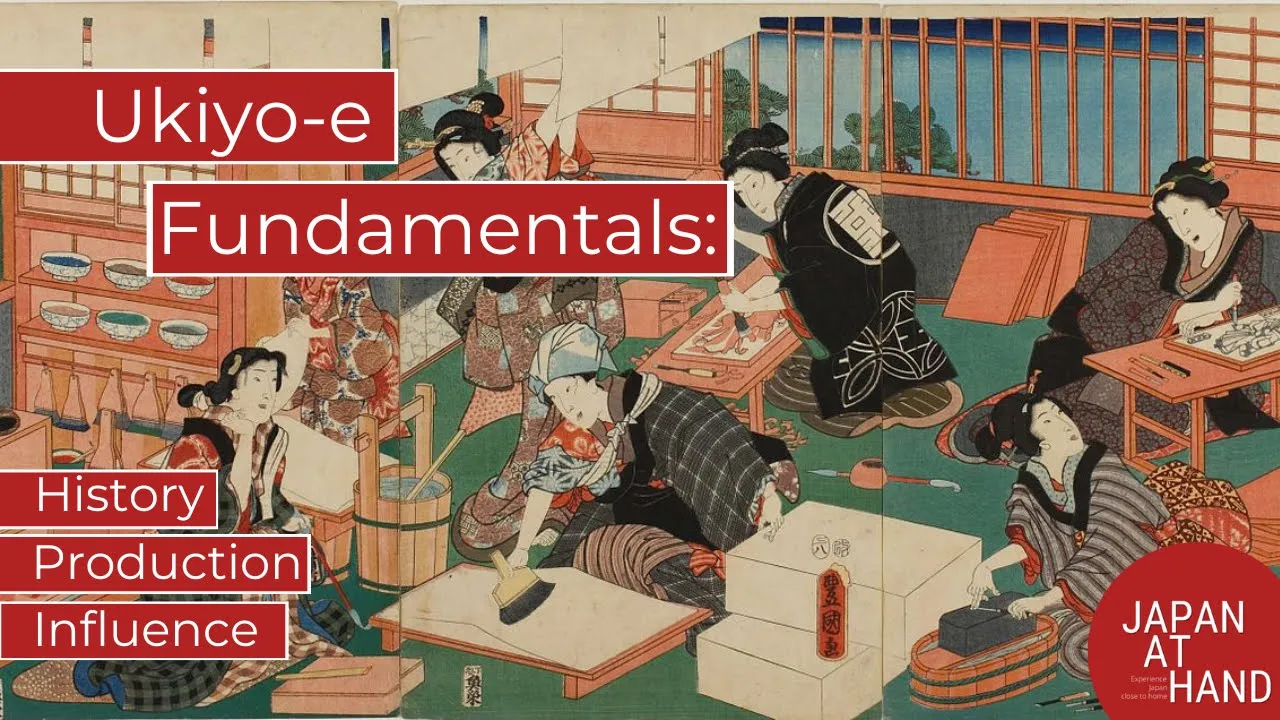
Ukiyo-e Art: History, Woodblock Printing & Influence
@japanathand
6.3K views•2023-06-08

Earliest Depictions of Jesus in Art: 10 Ancient Images Explained
@UsefulCharts
5.9M views•2022-06-03
Related Study Plans & Knowledge Roadmaps
Structured learning paths in Art History