





![[CFD | ESP] Introducción a CFD (dinámica de fluidos computacional). Parte II: mi investigación](https://i.ytimg.com/vi/X_z7SwCWgsU/maxresdefault.jpg)










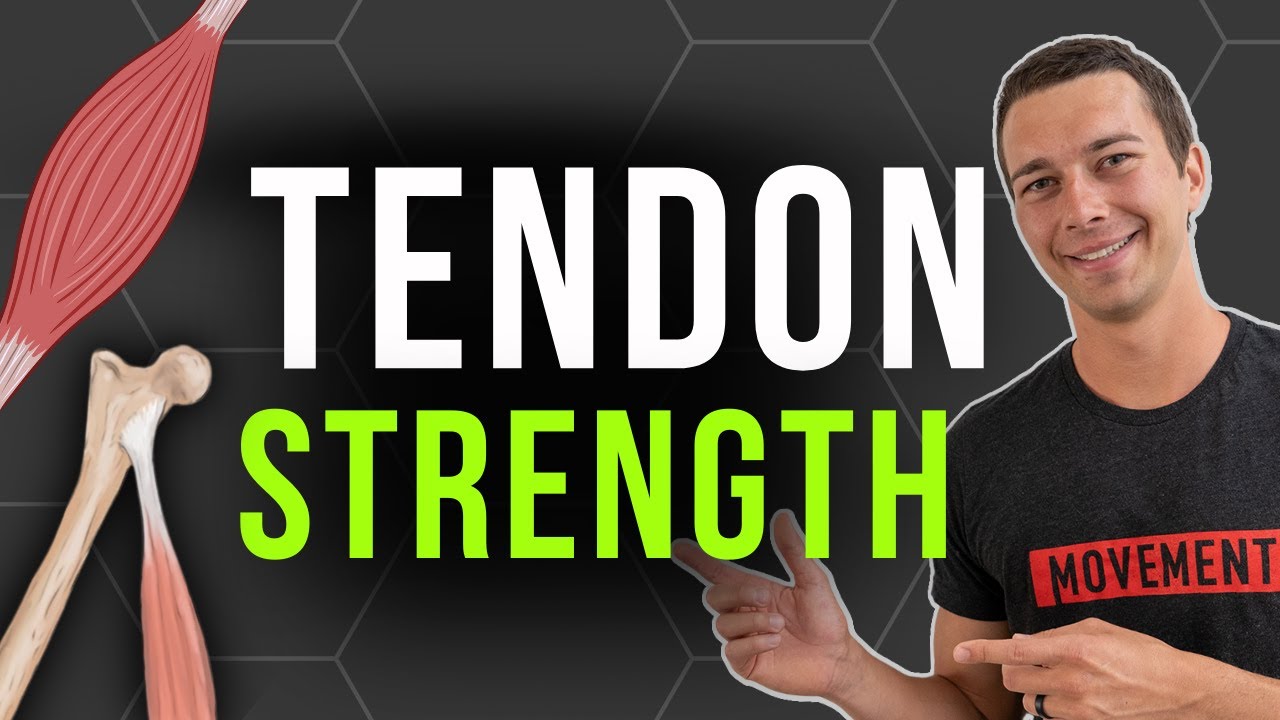
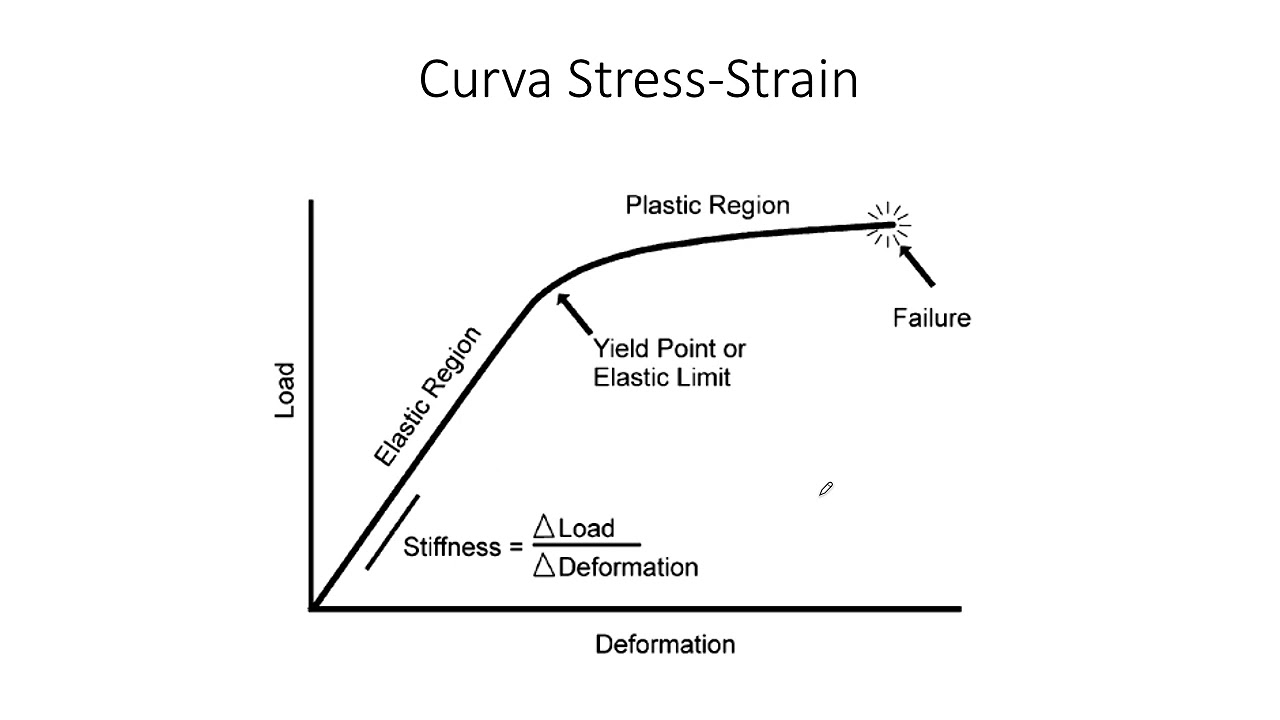



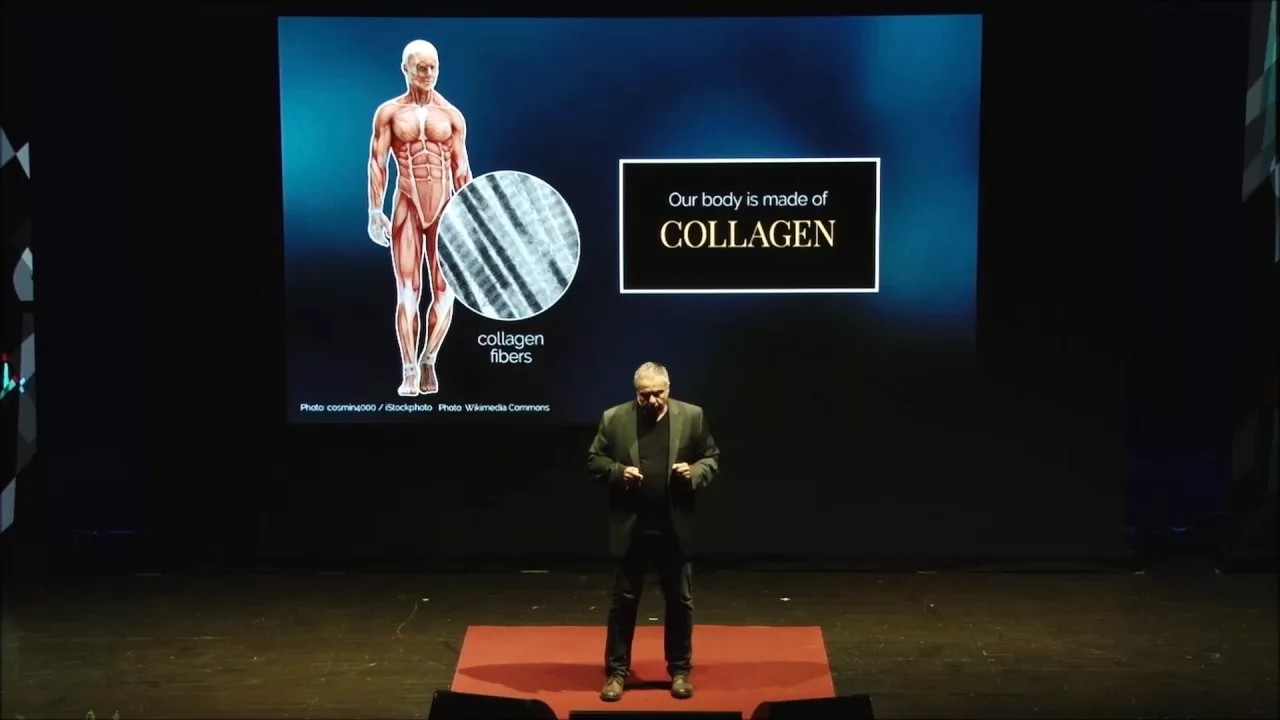
Tendon and ligament exhibit viscoelastic behavior characterized by four key phenomena: hysteresis (energy loss during loading-unloading cycles), rate dependence (stiffness varies with loading speed), load relaxation (force decreases under constant deformation), and creep (progressive deformation under constant force); these properties arise from the combination of elastic and viscous responses in the tissue's collagen structure, and can be modeled using spring and dashpot elements in mathematical frameworks like Maxwell and Voigt models.
Tendon and Ligament Viscoelasticity: Hysteresis, Creep, and Load Relaxation
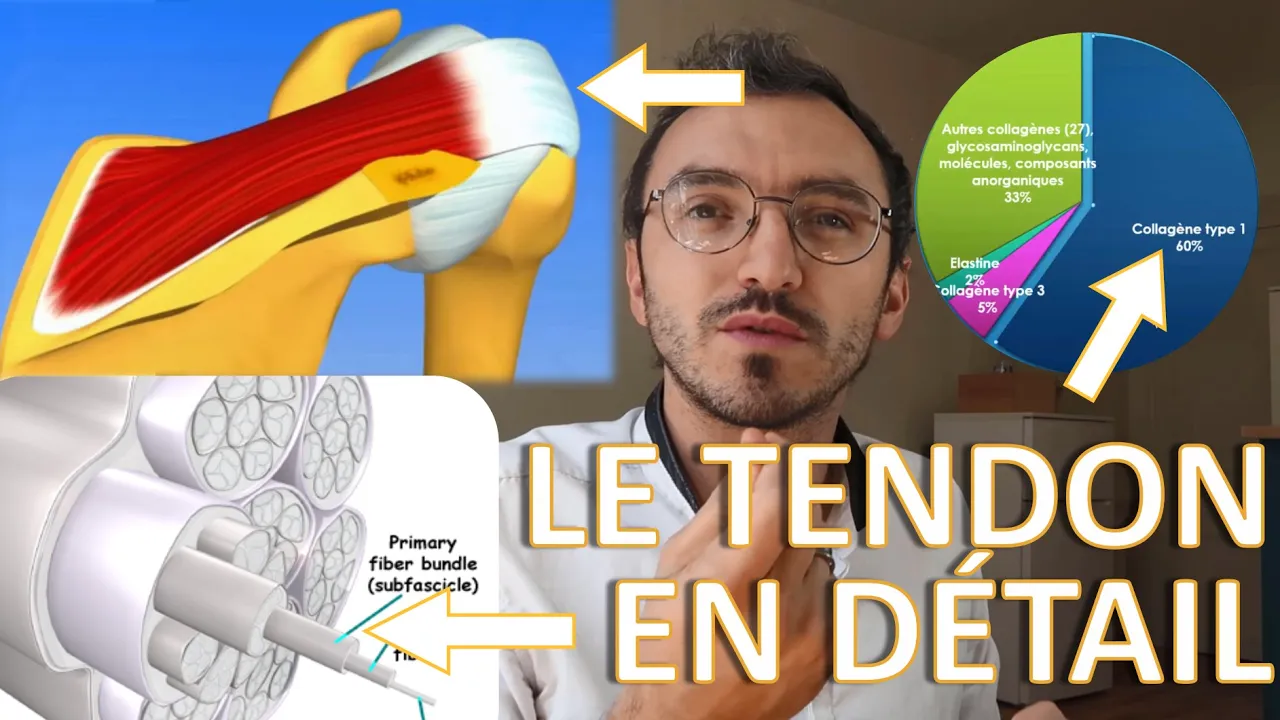
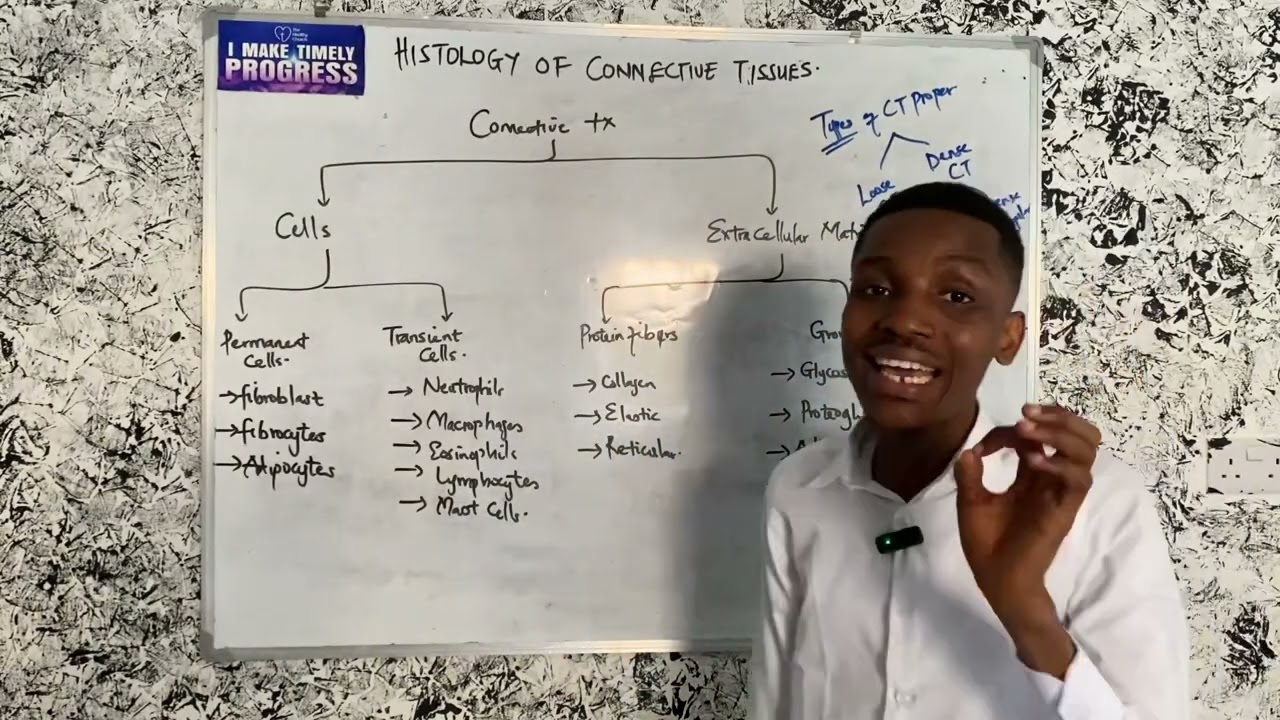
Added:Basic anatomy and extracellular matrix composition of tendons and ligaments (primarily Type I collagen and elastin).
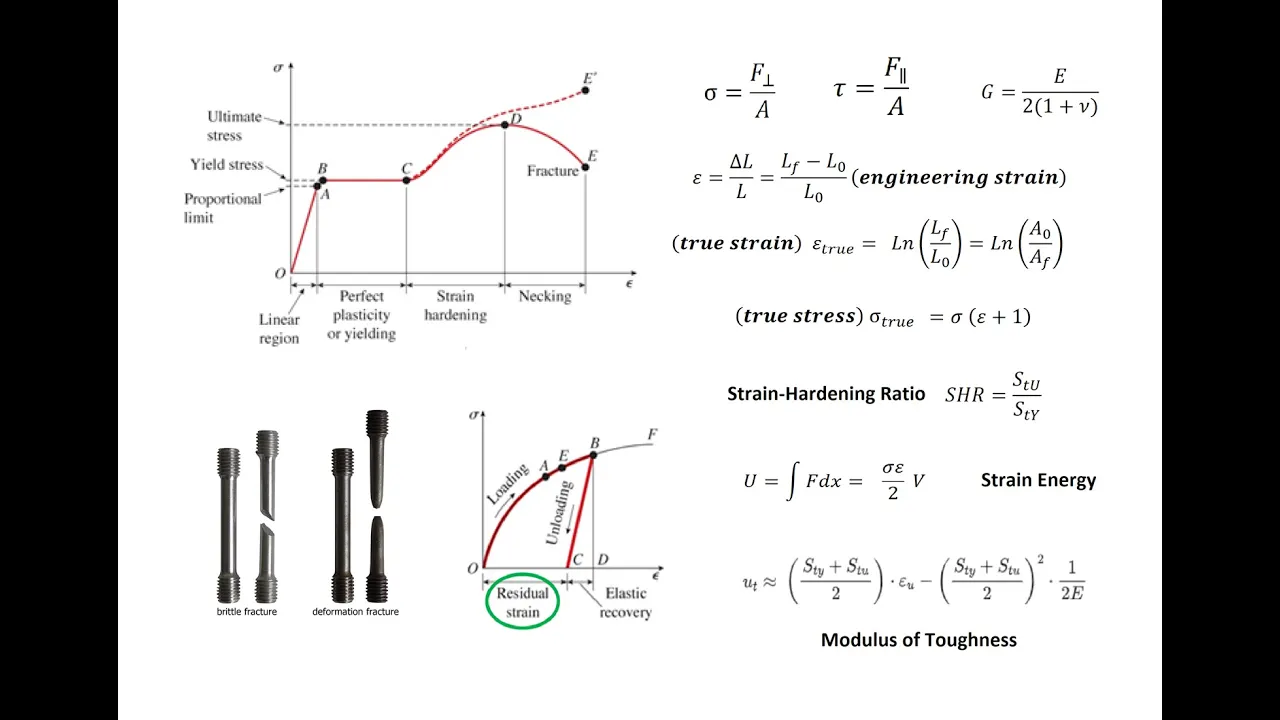
Fundamental concepts of solid mechanics, specifically the definitions of stress, strain, and the standard stress-strain curve.
The distinction between purely elastic behavior (Hooke's Law) and viscous behavior (Newtonian fluid flow).
An understanding of tensile loading and how mechanical forces are applied to biological tissues during movement.
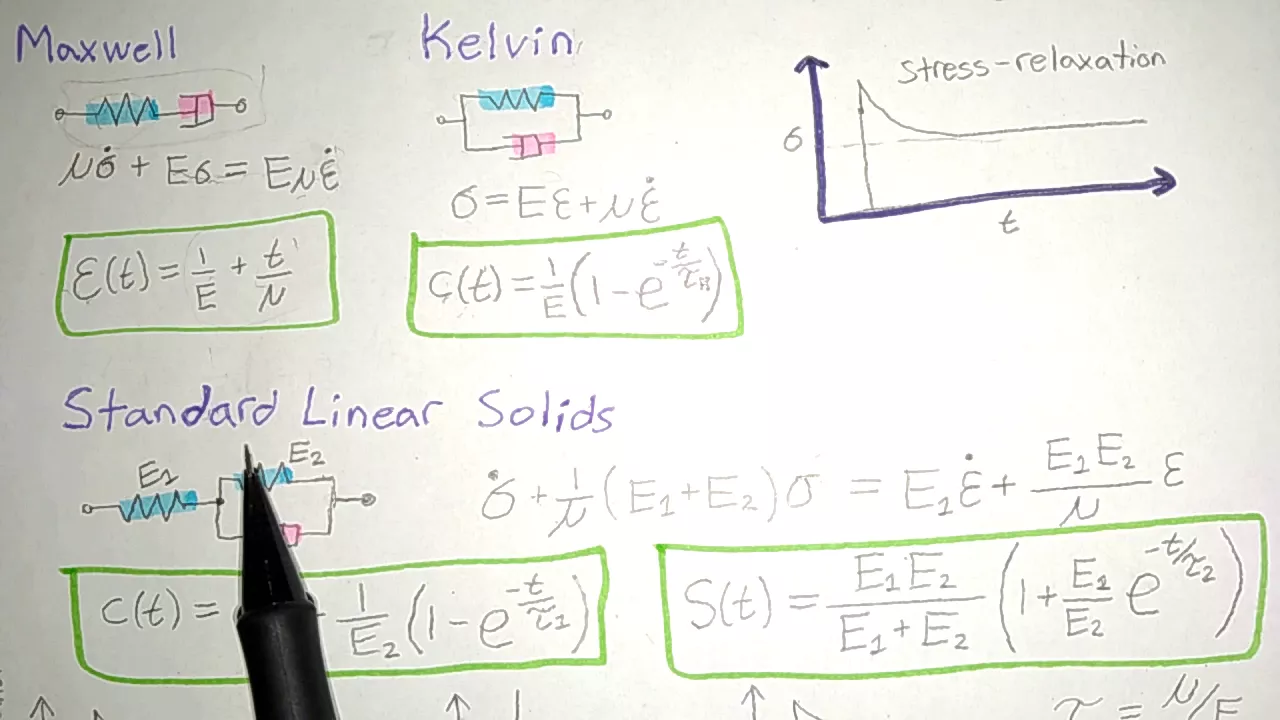
Mathematical modeling of viscoelastic materials using spring-and-dashpot systems (e.g., Maxwell, Kelvin-Voigt, and Standard Linear Solid models).
The impact of aging, immobilization, and pathological conditions (like tendinopathy) on the viscoelastic properties of connective tissues.
Clinical and athletic applications, such as how physical therapy stretching protocols utilize creep and stress relaxation to safely increase joint range of motion.
Biomaterial design and tissue engineering principles for creating synthetic grafts that match native tendon and ligament viscoelasticity.
22.3K views408likes5:53Original Release: 2020-10-16
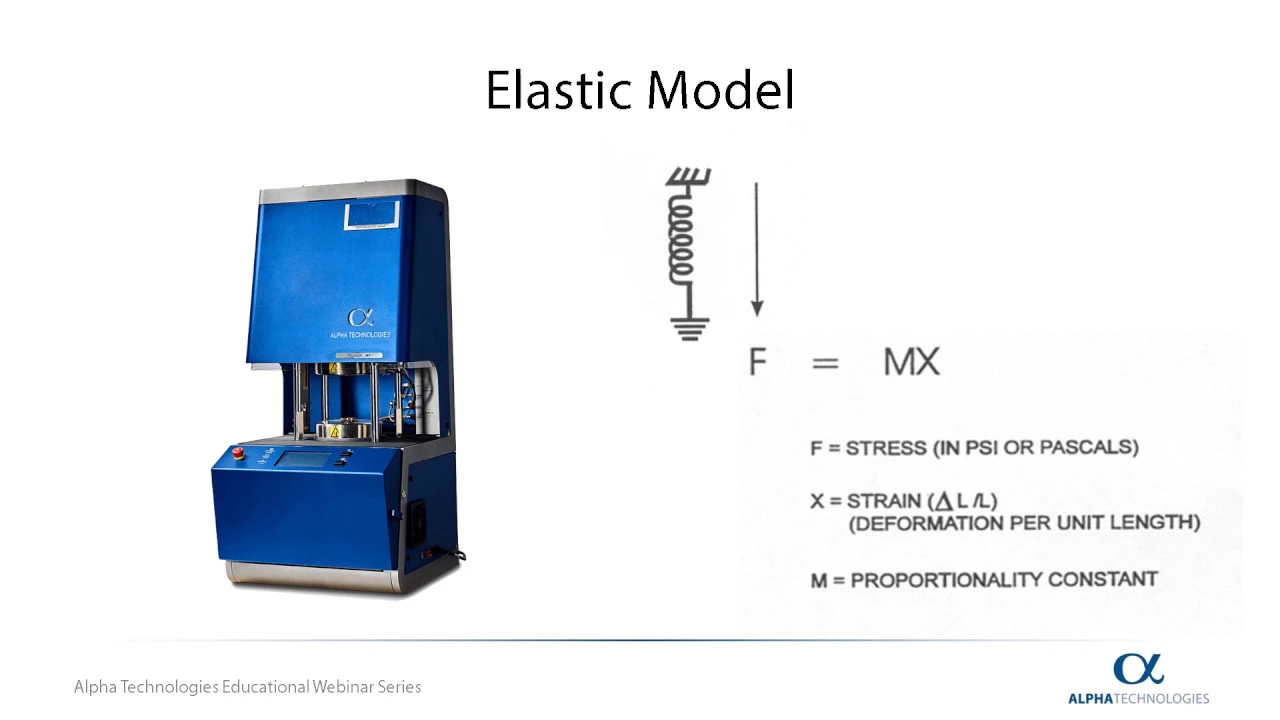
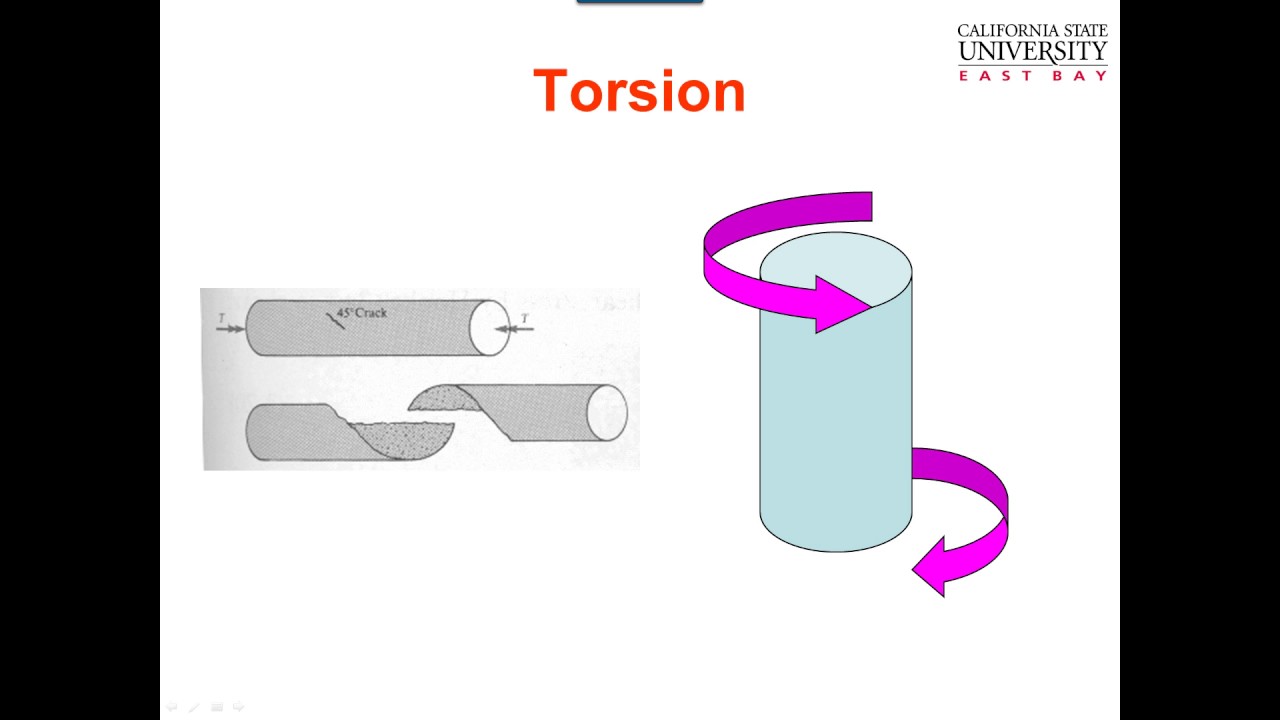
welcome to this biomechanics video about tissue mechanics of tendon and ligament in this video we'll be talking about the viscoelastic behavior of tendon and ligament viscoelastic behavior is characterized by a viscous response from a material so you're probably used to thinking about viscosity in terms of fluids and how fluids exhibit friction as the layers slide past each other that viscous nature some solid materials display that along with the elastic behavior that we're used to thinking about in traditional engineering materials so the idea of energy storage and return in an elastic manner like we see in a stress strain curve when you couple these two things together in a material you get what's called viscoelastic behavior and what that means is that you have a material that has history dependent mechanics so to describe the ways that a tissue like a tendon or a material a viscosity of viscoelastic to describe the ways that a viscoelastic material like tendon or ligament is characterized we're going to look at a couple of key parameters but first we're going to think about how we measure mechanical properties of a tendon so here's a tendon it's in clamps for a mechanical testing system like an mts and we're going to apply a force to it to measure its properties and tension so when we do that the first thing you'll notice when you load and unload the tendon is that the up curve is different than the down curve and this region in the middle corresponds to energy loss so that all of the energy is not returned you lose some energy in the process and this is a phenomenon known as hysteresis so energy loss as you load and unload a tendon or the material energy losses you load and unload a material hysteresis it's one of the key characteristics of viscoelastic behavior another characteristic of viscoelastic behavior is when you get different responses based on how fast you load the material so if you load it quickly you end up with a steep slope for tendon and if you load it slowly you end up with a shallower slope for tendon this is known as rate dependence so the loading rate plays a role in how stiff the material is it's another key feature of viscoelastic behavior then there's what happens when you apply a set change in length to the tendon shown there and measure the force over time as you hold the length constant so if you do that you'll notice that the load drops off there's a change in force over time and this is called load relaxation where you're holding the displacement constant and you observe a drop in force as a result and then finally when you apply a set force and monitor the displacement required to maintain the force you have a phenomena called creep where you have a change in length change in deformation as you hold the load constant so you're keeping a constant force and you're observing that in order to keep the constant force you have to make you have to stretch the test tissue more and more and more and this is called creep and this actually does occur in some engineering materials as well this is very noticeable in something like glass which cold flows if you ever have looked at an old piece of glass you'll notice that it's thicker at the bottom than it is at the top that's because under the weight of the glass the glass has crept downward has cold flowed down the length of the glass so those are the four characteristics of viscoelastic behavior and tendon and ligament are highly viscoelastic which actually works to our advantage for example here's a calf stretch is this an example of hysteresis load response or load relaxation or creep response if you said load relaxation you're right you're applying a constant deformation and the amount of force being generated by your muscle is decreasing over time or scoliosis treatment so if you have bad school or someone has bad scoliosis a curved spine one of the treatments that they will do before they go to the level of inserting a rod in the spine is to use bracing where the subject wears a bracing for a significant fraction of the day maybe two as many as 20 hours a day and the idea is that you're applying pressure to the body in the places shown there so is this an example of hysteresis load relaxation or creep response you said creep response you're right you're applying a constant load and you're having a deformation in response to it there's lots of other places where you can see this in the body in the bones and in the tendons and ligaments because they're both they both have a significant collagen component so they both exhibit this viscoelastic behavior but tendon and ligament exhibit it much more strongly much more obviously than bone so finally a note on modeling viscoelastic behavior for some applications you need to do mathematical modeling to understand the behavior of tendon and ligament there's a bunch of different models maxwell and voigt are two of the simpler models for modeling viscoelastic behavior you typically use spring elements for elasticity and dash pots for the viscous elements and then you can write equations as shown here we're not going to go into that in this particular class but if you ever do things with viscoelastic behavior those are the kinds of things you'll want to be exploring so with that bring your questions as always i'll see you in class
Up Next
10:00
Electromyography (EMG) Explained: Signal Acquisition & Processing
@NatalyMedina-ICE
3.8K views•2020-05-19
14:12
Quantitative Real-Time PCR (qPCR): Principle, Method & Data Analysis
@animatedbiologywitharpan
129.2K views•2023-09-06

23:33
Microbial Degradation of Plastics: Biodegradation Pathways & Sustainability
@majeedhammad
2.9K views•2021-04-11

16:04
CRISPR and Genetic Engineering: How Gene Editing Works and Why It Matters
@kurzgesagt
30.5M views•2016-08-10
Related Study Plans & Knowledge Roadmaps
Structured learning paths in Biotechnology
biotechnology
AAV Production: Transfection, Prep & qPCR
01Introduction to Gene Therapy and AAV Biology
02Mammalian Cell Culture: Suspension HEK293 Cells
03Upstream Bioprocessing: Triple-Transfection Optimization
+ 2 more learning modules
18h5 modules
Explore Roadmap
biotechnology
Building Gut-on-a-Chip: PDMS, Cells & TEER
01Foundations of Microfluidics and Gut Anatomy
02Cleanroom Fabrication & PDMS Soft Lithography
03Epithelial Cell Culture and On-Chip Seeding
+ 2 more learning modules
26h5 modules
Explore Roadmap
biotechnology
Optimizing CFPS: E. coli Extract & Yield
01Fundamentals of Molecular Biology and Translation
02Introduction to Cell-Free Protein Synthesis (CFPS)
03Preparing E. coli Crude Lysate (The Extract)
+ 2 more learning modules
19h5 modules
Explore Roadmap
biotechnology
Haematococcus PBR: Design, Stress & Astaxanthin
01Biology and Life Cycle of Haematococcus pluvialis
02Bench-Scale Photobioreactor (PBR) Design and Engineering
03Culture Media Formulation and Inoculation
+ 2 more learning modules
15h5 modules
Explore Roadmap