
















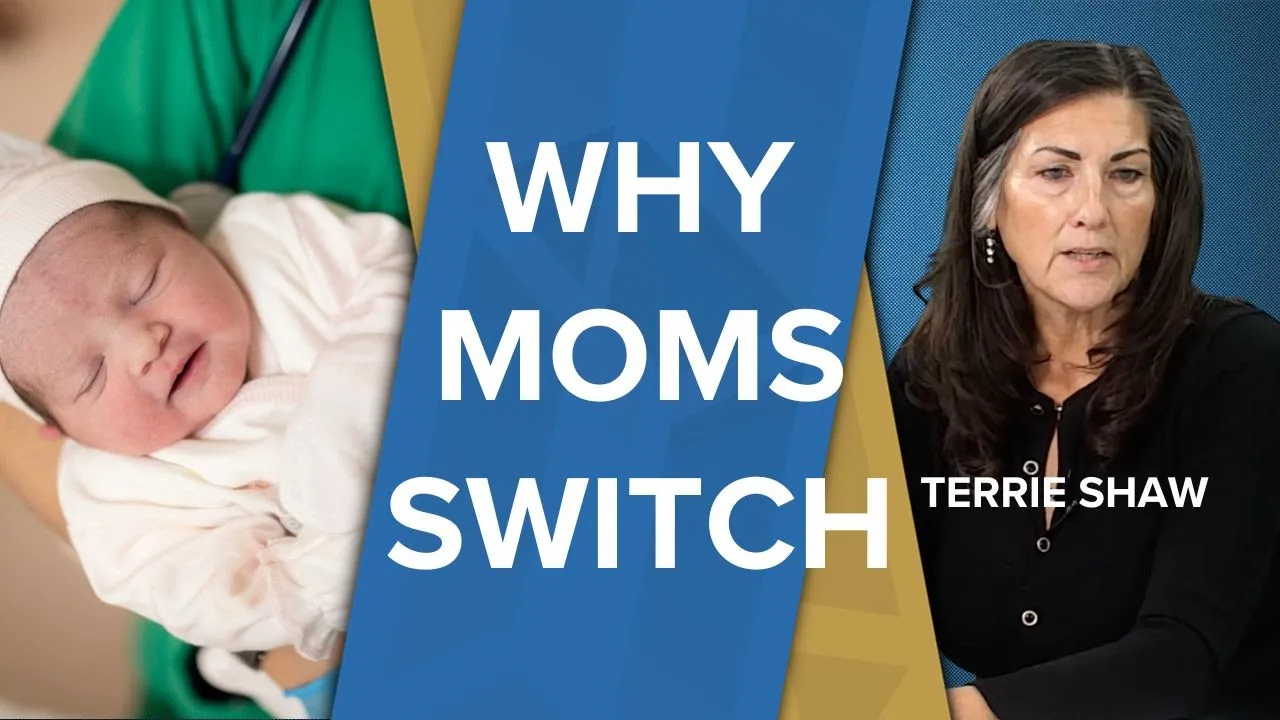



Natural birth offers significant physical, emotional, and spiritual benefits compared to medicated births, including better breastfeeding outcomes, reduced risk of postpartum complications, and preservation of the natural birthing process that has been practiced throughout human history; however, it is important to note that natural birth is not suitable for every individual and requires careful consideration of personal health factors and proper preparation.
Epidurals and Home Birth: Risks, Benefits, and Informed Choices
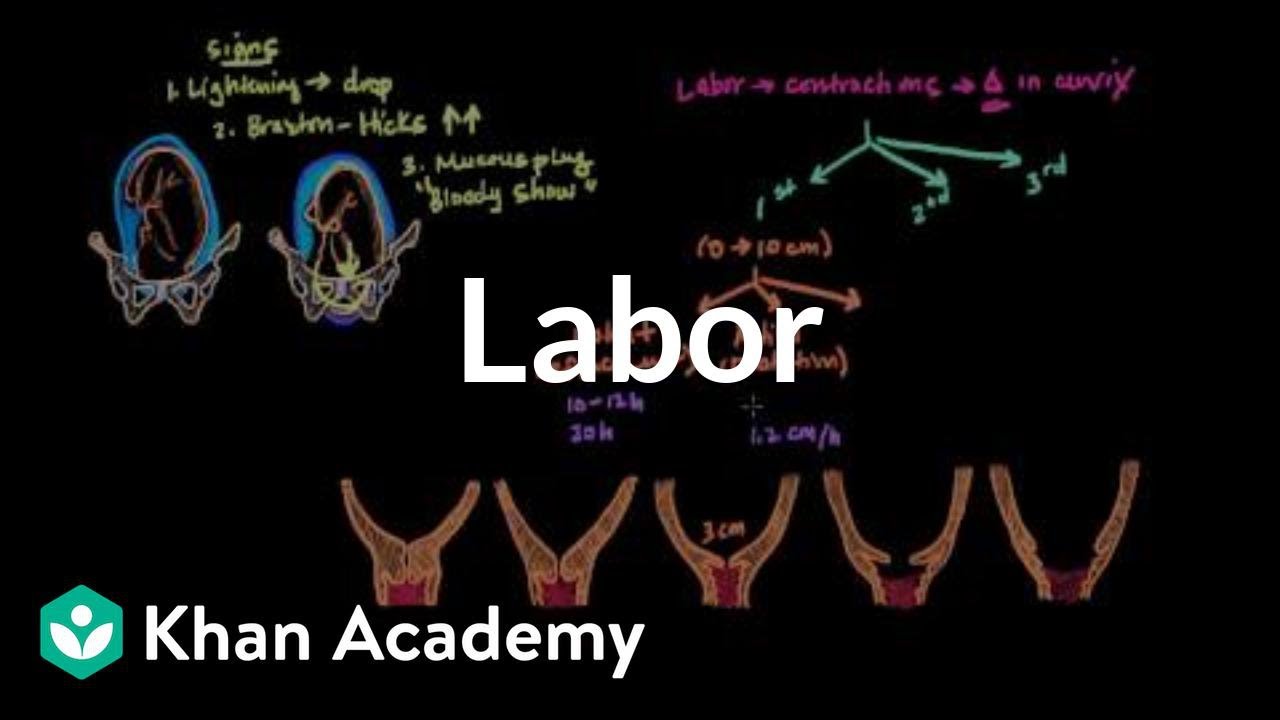
Added:Understanding the physiological stages of labor (latent phase, active phase, transition, and pushing) and the natural hormonal orchestration of childbirth.
Basic knowledge of pharmacological pain management in obstetrics, specifically what an epidural is, how it is administered, and its primary physiological effects.
The fundamental differences between the medical model of care (typically obstetrician-led and hospital-based) and the midwifery model of care (focused on physiological, low-intervention birth).
The core principles of medical ethics, specifically the concept of informed consent and shared decision-making in maternal healthcare.
Analyzing the 'cascade of interventions' concept, exploring how initial interventions like epidurals can statistically increase the likelihood of subsequent interventions (e.g., synthetic oxytocin, assisted delivery, or Cesarean section).
Investigating non-pharmacological pain management techniques and comfort measures, such as hydrotherapy, hypnobirthing, positional changes, and continuous doula support.
Evaluating comparative statistical data and clinical studies on the safety, outcomes, and risk profiles of planned home births versus hospital births for low-risk pregnancies.
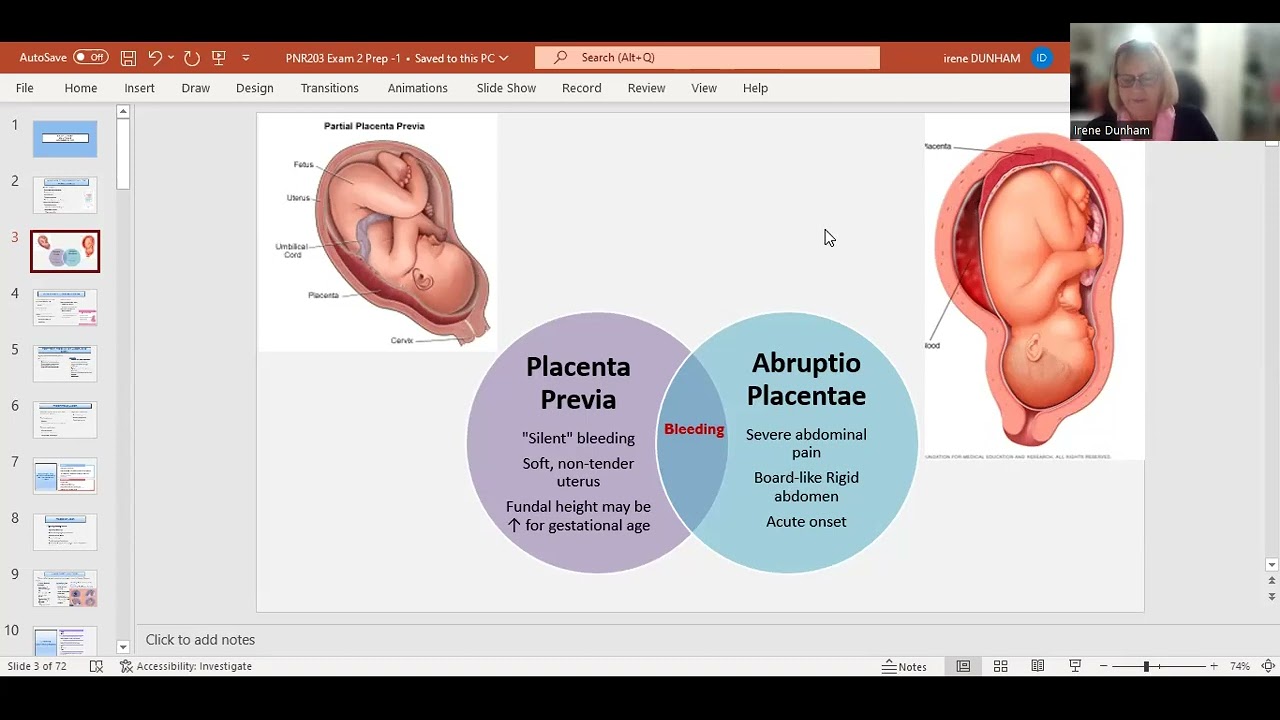
Examining emergency transfer protocols, risk-screening criteria, and collaborative care models between community midwives and hospital-based obstetricians.
81.9K views3.1Klikes1:44:17Original Release: 2024-05-03
3 2 1 that's how fast ywls tickets are going to sell out because the speaker names this year are unbelievable like the best we've ever had and I have never lied to you you know that if you're a longtime conservative you know I do not lie new speakers just announced M is for Mama Abby halber stat house in habits Jessica Krauss Katie faou Suzanne venker Dr Jolene Brighton Candace Owens yomi park Ali Stucky Eric kaczar Taylor Dukes Riley gains and Megan freaking Kelly that's not even all of them there's still more coming if I could throw myself dramatically over some train tracks right now to get your attention on this year's young women's Leadership Summit I would it's never been so good I made sure that we got the coolest people in culture and the conservative movement for you ywls is June 7th through 9th in San Antonio Texas right on the river come alone come with a group bring your baby if you must there's a mother's room in everything make friends with shared values on non-toxic Living Christian parenting conservative values it's never been more of an electrifying lineup tickets will not last it is not unlimited seats available we will cap out at capacity and quickly go to ywls 224.210 24.com with code Alex for 25% % off general admission find the link in the show notes and I'll see you in San Antonio June 7th through 9th I cannot wait this is one of those ywss where like I am going to be devastated that I am not sitting in one of those seats with those girls to watch every single one of these [Music] people you may have noticed an exp explosion of more and more women wanting a natural birth or home birth on social media what could be behind that well we're going to explore the topic of natural birth with my guest today who is a mother herself and traditional Midwife you probably actually know of her if you're following the natural birth world to her Midwifery is not just a job it is who she is and her passion she is deep reverence for the pregnancy and birth process and offers different modalities of things that help with the process of pregnancy birth and Parenthood in addition to being a midwife and graduated from the only California state accredited Midwifery school she's a doula lactation consultant prenatal yoga instructor CPR instructor and an emergency medical technician who is a provider in neonatal resuscitation she is based in Orange County California and flew to Phoenix today to speak with us about all things natural birth breastfeeding and interestingly enough the benefits of the carnivore diet in pregnancy the spillover is produced by a nonprofit and is only possible to produce with the generosity of conservatives like you if you would consider pledging even a small amount each month to go towards set costs guest booking and travel and equipment needs we can keep educating people on how to heal a sick culture physically spiritually and emotionally support the show financially by clicking the link in the show description it is tax deductible if you can't please leave a Fest star review that really helps us too each episode is available to watch on the real Alex Clark YouTube please welcome lindsy mess to the spillover Lindsay I was sent over 30 100 questions from my audience for you don't worry we're not going to go through all of them but I did get a lot I got a lot but it was really encouraging and interesting to me that they were so excited about a natural birth episode I don't know about you but it just gives me so much encouragement that seems like moms of our generation are willing to stand up to a system that historically has tried to indoctrinate women into thinking that they don't know best when it comes to birth and parenting and breastfeeding and all the things that go with that why are we seeing such a huge increase in women interested in natural birth it's interesting cuz we're in a really interesting time of life right now right anything that's post 2020 everybody's starting to really question everything I feel like it's been the Great Awakening and I've been at this since 2003 so I've seen this like tsunami that's slowly approaching because we I will totally give credit to Ricky Lake she did a documentary back in 2009 that was called the business bus of being born and that really started opening women's eyes up and open to like whoa I can have a different experience I mean it had Ricky giving birth in her bathtub in our house in New York and so with that momentum paired with everybody starting to question everything with 2020 it's just been like a Title Wave post 2020 I remember when we had the lockdowns in March and I was literally getting like 80 to 100 calls a day for people that were wanting to not be in the hospital and give birth at home and obviously I can't I'm one person like I can't accommodate all of that is that just because they didn't want to be forced to wear a mask or what was the reason at that point we were even unclear if Partners or husbands were to be allowed in the birthing rooms and so there was so much change and like like in New York in some hospitals dads weren't even allowed in like they were literally outside of the window watching their wife's like wave to them from the labor and delivery units and so I just think there was so much uncertainty that people were like okay like I have three months until I'm going to give birth like let's plan for like the worst case scenario at the hospital and let's make sure that we have a completely different experience than something that we're going to be shoved into and so it's it's so beautiful to witness this tidal wave because it's something that we've been fighting for even if you look back into the 70s which is really the true Resurgence of natural birth and we can look at inime gasin who was a midwife that uh left San Francisco and they all caravanned out in these big school buses to find their commune and um you know there was nobody qualified that was there to help these women have their their babies and so Ina just got some old textbooks and looked up things and she became the Midwife for what's now referred to as the farm and they had quite a bit of really amazing data um I think they looked at over 4,000 births their C-section rate was under 4% like there was so much good that was coming out of this and then you look at the lamas method that showed up around that time where women were actually being Tau some sort of child birth education in the hospital setting and not just going in and getting what was commonly used as called Scopolamine which was an anesthetic that would cause an AM Amnesia effect so women would go in they would be given this Amnesia they would be drugged and not be able to do anything like they were basically tied to a bed um and then doctors would drag their babies out with forceps they would still be knocked out so we would cut and clamp the cord right away the baby would go with the nurse to the nursery and moms would wake wake up and not remember remember a single thing and so with the lamas push it was really like well that's not good we don't want to not remember our birth like yes we're grateful for some advancements in medical technology but when are we giving away all of our rights why are we doing that and the history there's so much history to birth and I could go into that for hours and hours and hours but um basically what happened is like right around 1780 a lot of doctors were being trained by midwives in London that was kind of like the precipice of of training for obstetrical Care at that time and um these at that time it was more of this Victorian um very kind of like prude way of living like we really weren't like showing anything and um women didn't want to accidentally poop they didn't want to have to make noises like they were you know moaning through a contraction and so they agreed to all these weird forms of anesthesia they were even doing blood leting at one point what is that they would cut the moms and let blood leak out of them and I don't even understand how that would have some sort of a pain relief method but I you know I was talking to Stu about it and he was like maybe they're passed out I don't know like I don't understand that at all but it it's one of those things that you're like okay there's so much history here but really what it boiled down to from that point forward so like 1700 1780 um is when these Obstetricians came in and they said like we're going to take over we're going to kind of boot out all of these midwives healers you know witches medicine women and we're going to be in control and throughout all of time and still if you look at areas that don't have access to modern medicine it's always women that are surrounding women giving birth it's always our aunties and our sisters and our grandmas and the lineage of Midwifery has been passed down by storytelling by apprenticeship by going into the woods and learning what herbs there are around you what herbs will help bless in bleeding what herbs will help with the cramps like there's so much that's just outside of our back door and when we moved into the Western Medical system of medication and you know the Rockefeller petroleum based Pharmaceuticals and all of these different things birth significantly changed at the same time and so the first male obstetrician that actually claimed the first Obi practice in the United States which is in Massachusetts was a doctor that had trained with midwives in England and he came over and he said I'm gonna open up the first OB Practice and then he was teaching doctors Midwifery but women weren't even allowed to be in those classes so they completely bypassed that woman tooman care and so like I said we you know we look throughout time there's the Resurgence with inim there's the Resurgence with Lamas there was even something at that around that time that was called Lao Dr Lao it was saying like baby should be welcomed and like really peaceful and the light should be low and we should actually put them in water to restimulate how they would feel in the womb and um that kind of had a little bit of spark there but again that Title Wave hit after 2020 I mean we see that in the data very well so you're saying Co was one of these resurgences that we're going to look back in history and be like and this was another Resurgence of everybody getting into Midwifery care and wanting to have natural births 100% Natural Health right like we're we're moving away like there's a big distrust right now within the medical system and so people are like they let me down and everything that we were being told wasn't really true and my you know aunts and uncle and Grandma are they didn't help them and so why would I trust them to take care of me with birth of my child and so there is definitely that piece where people are just questioning everything and it's it's wonderful because it's something that I've been fighting for since 2003 um of like no this is not how it should be like women should have options we should be able to not have a hospital with a 40 to 50% C-section rate and an epidural rate of always over 80% most hospitals in in you know metropolitan cities have epidural rates over 95% 95% of women do not need epidural anesthetic to give birth and it's a shame that we think that because what happens is then we lose all of our power we forget how freaking strong we are and then we're dependent on a system that's taking away pain which is actually a right of passage you know you you leave that experience of birth after you've had a natural birth and this isn't a a podcast to knock anybody that's not had the experience to have this or doesn't even desire this like I don't give a crap if you give birth you know with deer in your backyard by a tree or you schedule your C-section the most important thing to me is that you know that you have options and that you're making informed choices throughout the way because if informed Choice was truly given the way that it's supposed to be given most people people would not be opting for these things they would say oh there's a side effect to that that side that that affects my baby that affects how my breastfeeding might go there's all of that would be questioned and then most people would usually find some other Alternatives and find ways to give birth in a different way and so you know we just have to take a step back again with this Resurgence and say okay people like like let's look back let's look back how we've done it through all of time I always have my like tagline of Great Grandma wisdom like what would our great grandmas do what did our great grandmas do throughout all the time like worse here is a booming population and it's not because of the last hundred years of the advancements of medical technology we were booming before that happened and so it's it's really just coming back to trusting the process trusting the body as a Healer I mean that's huge and that's another thing that's happened so much with the Resurgence of natural medicine is that we realize that we have immune systems that work and that they can take care of us when we become sick and yes it's so fantastic that we have the availability to use westernized medicine if we need it but it shouldn't be the first line of defense it should be there as needed and that's something that I think is just such an important message to get across yeah absolutely you're just such an encyclopedia of knowledge on this topic and I was introduced to you watching nourished which was the short YouTube documentary that Dr Paul saladino made all about natural birth and also really like the carnivore diet during pregnancy and the differences in women who eat a more ancestral based diet during pregnancy than those who don't um talk about how long you've been a midwife and why midwives are so crucial to the birthing experience especially today I had a C-section with my first I always like to put that out there like I'm not this crazy person that's like had all these natural births and I don't know what it means to have you know an induction and interventive birth like I had every single intervention possible with the birth of my daughter I ended up with which is pretty standard with a firsttime mom with a Cascade of interventions you have about a 50% chance more likely to be needing a cesarean if the induction doesn't work and I want you to imagine a rose opening so if there was a little tight closed rose bud and we were trying to like peel back each little petal each little petal imagine what that Rose would look like if we in basically manually opened it it wouldn't be beautiful there'd be lots of petals that were on the floor and it's really the same thing when we think about like how our our cervix is open like you know we're we're supposed to let them soften we're supposed to let them open and when you go straight at it with medication then you're peeling back the rose buds of that Rose and and if your body's not ready it just doesn't work we have all these receptor sites in our brains and all these hormones that are talking and it's like this perfect hormonal cocktail that's there and you know all the things have to be in place we don't really know what starts labor there's a lot of speculation that there's a protein that's released from the baby's lungs when they're perfectly ready to come we don't have the exact science on it so we try to duplicate it but when you duplicate it there's no guarantee that it's going to work and so I didn't have a good experience with my first and I really was like oh my gosh what just happened like that was horrible and I was young um I was already in the medical field at that time I had worked on an ambulance I had worked in an emergency room and I just went with this standard doctor that was at the hospital that everybody recommended and for like a year after my daughter's birth I was like I missed out on something and I really couldn't tell you what it was and I kept searching and thinking like there's something that's missing here and I really realized in that moment after lots of soul searching that it was the right of passage that I missed out on for my child birth and so I jump straight into everything child birth like it consumed my whole life and I that point it was like me trying to be a savior I was like I'm going to save every single woman from this experience nobody should have this experience and like my second birth in the hospital it was a C-section you know it was like okay and I I had done hundreds of births as a doula in the hospital and I finally got to a point where like I couldn't handle going back into the hospital my nervous system couldn't actually be back in a hospital because I felt like I was an accomplice to a crime like I would sit there and it's not like I could scream at the doctor and jump in front of a doctor and say don't do that I had to be a patient advocate but they had to advocate for themselves these were procedures that were being done to them so I couldn't just be there and tell them what to do and so I just felt like I was in this room sitting on my hands watching basically abuse in some situations and one of the biggest things for me was how they treated babies and I would sit there and they would you know cut the cord and they would whisk the baby off to the warmer and the way that they even just wiped the baby down because the babies were wet from the amniotic fluid was so rough how is that somebody's first experience here on Earth like what a crappy way to be born you know what a crappy way to you know think how life is here on this planet and they were separated from their moms and then you know we ended up with all these breastfeeding problems and it just wasn't it wasn't good and the other piece of it is that fathers and dads hold the charge for the birth and what I mean by that is that all of the weight of what happens in the family unit especially around the birth the dads are supposed to be the protector if you think about cave Grandma the the dads were outside of the cave making sure a lion didn't get in right like they were protecting the space now let's make it modern they're still protecting the space so the charge of making sure that nothing bad happened to their wife is all on them socially you know culturally religiously like it's still that charge is there and when they're in a system that's not in their home they're stepping into somebody else's you know treading grounds if you will and there's these experts that are there that are telling them that their wives need certain things but they're actually watching their wives be abused you see these men just like shrink down into their bodies and and and they're not being that protected that they should I mean some some are um but that was really interesting to witness too and so I I said okay I can't do this anymore like I'm not going to be in the hospital setting anymore and I was I was already in the hospital setting as a lactation consultant too and I would go in and I would look at the postpartum board and I would see all the moms that had given birth and it was like C-section C-section C-section C-section and I was like okay well all of those moms are going to be in the lactation clinic today because those babies aren't breastfeeding good and it was just like so stereotypical like I could just literally call everything by just looking at the postpartum board so around that time one of my um colleagues and mentors was opening up the first state ACC credited midwe free school and she was like Lindsay let's just come like you have to you have to do this and kind of was like I don't know that's a lot of responsibility that's you know like 24/7 on call and then I was like there's no way I can't do this like it truly a calling it's not a job to me this is the essence of who I am and um you know we I graduated in that time I gave birth to my son um and he was the exact opposite he was born in my jacuzzi in my backyard underneath the stars in the middle of summer and I had you know a 180 different experience than I had with my daughter and um I had already had so many clients from being a doula and working in the hospital that I was busy like Straight Out The Gate like literally like that I had somebody that was waiting to give birth while I was waiting to get my license in the mail to make it legal after I had passed the test and um you know birth birth is birth is always going to be birth but birth birth is changing too like in a in a post 2020 world I'm like learning to have to navigate a completely new world of everybody being indoctrinated by fear and when fear shows up in birth there's always going to be more issues elaborate on that women are indoctrinated with fear when it comes to birth so I I think that everybody would agree across the board that 2020 was a campaign of fear you know Co was a campaign of fear like it was literally fear porn like it was spewing at us from every single angle there was billions of dollars that were spent for fear and coercion and that was for fear and coercion of our own bodies we were scared of our neighbors we were told to turn our neighbors in if they weren't adhering to guidelines or not wearing masks and so what that did is it it gave women this this deep seated fear that like something was wrong with their body it all happened at the same time of a Resurgence so it was like this positive thing everybody didn't want to be in the hospital everybody was seeking different options but like unless you were literally hiding underneath a rock all of us were affected in some way I mean I had my own discernment and within the first week after all the lockdowns I was like oh hard no something's happening here it took me about two weeks so and that's the thing I was really like terrified thinking this is the end of the world for the first week like I believed everything was like oh my gosh I can't believe what's happening and then I was like oh no way to minute yeah they're pulling the wool over our eyes here yeah yeah and so it depends on where that discernment kicked in right like if if people had it for a year and a half then you're going to have to deprogram all of that stuff and so and then I have clients that are like I never thought anything about it I you know we we went to Costa Rica or whatever it was and and and so it's just like navigation piece and there's sometimes that people will still come into my office wearing masks and I'm like you guys how are you sitting here at a home birth midwife's office knowing that your body is capable of wonderful and amazing things and you still don't trust your immune system so do you say something like hey we may be like on different wavelengths here as far as me being your Midwife do you say anything or no so I get curious so I don't ever like to be the person that's like I mean I have trust me there's times where I'm like there's no way we aligned at all and I don't do it in a mean way I just say like oh sorry like you know I'm full yeah I do like to get curious with people and sometimes it's repeat clients which is which can be hard right like it's like if someone's already had multiple babies with me but then they change and then they change but you're like like lean in with me like like I want to hear why you're still scared like what are you what are you actually scared of at this point you know and so um I think I think that's what we should do as humans I don't think we should ever be judgmental I think we should always be curious because that that just opens everybody up to love and then it doesn't create the Divide that's been so drastically created within the world at this point um and so it's it's just an interesting space to sit back and watch as an observer because I've seen such drastic fluxes in the in my career span um but like also like the belief systems of our basic needs like our immune system our bodies how we nourish ourselves like how we nourish our immune systems is going to change everything Pro tip for those looking to get the most out of your luxury skin care wait about 45 seconds between each serum or product so you get all the benefits from each and they can really sink into the skin when I'm using my neimi skincare I apply everything thinnest to thickest first I cleanse with the vitamin C cleanser to brighten my skin get those antioxidant benefits then I tone with the hydrating toner which really helps remove any leftover makeup that I may have missed with a quick swipe and then I'm using the vitamin C serum and hyaluronic acid for neimi and topping it all off with Nim's retinol infused hydrating cream and you go nip to tip nipples to the top of your face neimi skincare is modern skincare with Timeless values they are openly Christian and conservative owned company and part of the proceeds of purchases with them go towards causes that you and I support and believe in something that is really special and crucial all the time but especially during an election year try them out at nimis skincare.com get 10% off with code Alex Clark that's nimis skincare.com with code Alex Clark for 10% off nips to tips find everything the show notes below if you have not watched this documentary that Lindsay is a part of that Paul saladino made it was so unique so what did he tell you the documentary was going to be about and why did he think that you were going to be a good person to have spotlighted in this doc so I had done a previous podcast with Paul I love Paul he's he's a friend of mine and um we had talked about placenta health and you know he has a good good podcast he he definitely has a lot of people listening to his podcast and he was like I want to know what you think because I've he he's talked to many midwives that won't take vegetarian or vegan clients and he's also talked to many midwives that said that the vegan or vegetarian placentas were comparable to that of a smoker which isn't good that's like we're looking at like calcifications and we're looking at um just not something that you would want to be nourishing a baby with and so we did this awesome podcast and we you know kind of went through all the things we talked about what the function of the placenta is and you know how big it is and what it's doing with with nourishing the baby and what it's passing down and all of this stuff his team uh was like that podcast was rad there was so much good feedback from it and we're going to we're going to do a doc mini documentary on pregnancy and we're going to come out and record with you you know we're going to fly in from Austin and set up everything and record with you and I was like awesome so the night before that they flew in and it set everything up um there I had two births that day and it just so happened like the the it I actually know this happens all the time this is like not coincidence it's supposed to be like this you know I had this amazing visual of one of my clients who was a vegetarian for quite a while um she had added in um beef lever because her iron had dropped so that but it was at the end of the pregnancy so there was multiple years of her being a vegetarian and um and then I had a client that was like full carnivore like literally ate meat with every meal like nourished herself she had never been vegetarian or vegan and I had these two placentas that were sitting in front of me that were like oh these look so drastically different and so I got permission from both moms and and the vegetarian Mom it she wasn't ashamed like she was like I know better I should have listened more to my my Cravings that I had throughout pregnancy and um she was like yeah show this please like I want the world to see like what what this can do and I I promise you so the thing that's funny about all of this within that documentary is there is so much criticism like you can't even believe what was the criticism oh I was attacked by every single vegetarian or vegan there is like and what okay they're seeing the proof so what was their defense in their defense they're saying it's anecdotal like it's just one placenta against one placenta and then there was vegetarians and vegans on there that were showing their placentas now am I saying that every single vegetarian or vegan placenta is going to look like that no you know you I even would ask a question like are you the firstborn of your mom what is your nutritional content like because we know as moms have more and more babies than those children's um nutritional needs are a little bit less and there was an interesting study that was done with famous celebrities and the better-looking celebrity was usually the firstborn and then the kids kind of got a little bit funkier as they went down but but we know that it can affect so many different things so you know I would say to these vegetarians or vegans like hey I'm not attacking you like I'm literally just sharing information I'm showing you yes it's anecdotal yes it's one placenta against another do I think that vegetarians and vegans can have healthy pregnancies if they work really freaking hard at it and they're not what I call the Cracker Box vegetarian or vegans you know yeah fine that's I'm not denying that like your baby is beautiful and healthy I'm not saying that but when you're looking at two drastically different placentas you can't not say that there's a difference and so um and you know it's within my practice I I rarely do take on vegetarian or vegans and it's and it's not like they come in and say hey I'm vegetarian and vegan and I say you're fired get out I just you know there's certain things with within blood work like the state gives us restrictions of like you have to have a certain hemoglobin over a certain amount of number in order to give birth at home because if it's too low and you Hemorrhage then you're not in a place where you could get a blood transfusion and so there would be times where these women would would risk out and so I usually took them on and with would really encourage them to listen to their body and really encourage them to listen to their cravings and you know what are you eating on a daily basis and is there something that your body is telling you that you really need and like 90% of the time these women would start eating some sort of meat throughout their pregnancy I had a mom once that was like a professional vegan Chef it was like her whole life and she was eating freaking hot dogs not that I recommend eating hot dogs but she was eating hot dogs at the end of her pregnancy and I was laughing at her so hard I'm like here you are Miss organic vegan eating your hot dogs over there in the corner so it's it's like you just have to be in a place of again being curious leaning in with these women encouraging them to listen to their bodies my sister my own sister was a vegetarian for most of her adult life she became a vegetarian in her teenage years and the first thing that she said to me when she got pregnant was like I am craving beef and I don't even know what that tastes like anymore I'm like okay go get some beef start eating beef so why carnivore diet for pregnant women why are organ Meats such a GameChanger for pregnancy they're nutrient dense and when they're nutrient-dense that means that they are packed full of every sort of mineral and vitamin that we need to grow our healthy babies and we can look at people argue like oh there's crackheads on the street that give birth to babies like anybody can eat anything and the babies will be fun you can make the argument and say yeah your body's your body is going to be the one that suffers not your baby but I promise you your baby does benefit from all of that and it's one of those things that like it sets them up for a life time of good nutrition if they have that first building block that's right there with it and so that's always the most important thing for me nutrient DSE like every single thing that you're eating should have some sort of protein in it you want to make sure that you're you know hydrating with good mineral Rich fluids throughout the day you want to make sure that you're listening to your body you're going to have different needs at different times um many of my clients will be like okay so like what about raw milk and Sushi and I'm like I don't give anybody permission nor do I tell people not to do something like if you feel like you need it women in Japan eat sushi every single day if you grew up on a farm you were drinking raw milk every single day my grandmother grew up on a farm I knew she was drinking raw milk every single day in her pregnancy so to vilify it is one of those things that you're like oh no if the FDA comes in and makes all these recommendations it's like maybe you should look the exact opposite way because those recommendations are usually not great at all and I see women just have amazing pregnancies do you think that women who are not eating organ Meats during pregnancy are more at risk it's a bold statement um I would say that they are depriving themselves of optimal nutrition so that could also entail that they are higher risk for other things happening throughout their pregnancy we know that just looking at protein alone so there was a a doctor his name was Dr Brewer and he realized that if women got a certain amount of protein throughout their diets that they had a much significant incidence of preclampsia preclampsia is not a good condition it usually happens at the end of pregnancy it's where we have higher blood pressures and then we're spilling protein in our urine and typically if we have preclampsia our babies need to come right away like it's not like we wait a couple weeks and see if preclampsia goes away if we're showing signs and symptoms of preeclampsia with high blood pressure and we have um blood work that supports that those babies are usually induced right away so if you have a baby that's 34 weeks gestation and Mom gets PR clamsy then you're ending up with a baby that's 34 weeks in the NICU cuz that's a near-term baby that is not going to be just chilling outside of you know giving birth yeah those would present risks and so Dr Brewer what he found because he was in a lowincome area is the cheapest way to get dairy or get protein into these women was through Dairy and not something I advocate I think that there's other ways you can get good protein in Dair is fine but it's not the only thing that should be given and um you know these women were having such better outcomes within the community because they were eating anywhere from 80 to 100 grams of protein a day and their incidence of preclampsia and other things like help syndrome which is a worse version of preclampsia if you will were significantly less and and you know we see that all the time I always make sure that I'm checking in with my clients with their protein intake especially in the third trimester if you're listening and you're pregnant that's one of the biggest pieces of advice that I can give is make sure you're getting enough protein at the end of pregnancy make sure you're getting enough salt at the end of pregnancy and usually people think like oh I'm swelling I should stop eating salt yeah why salt because it's full of minerals so not like the crappy table Morton salts like you're getting like really nutrient-dense like Celtic sea salts or theand Vera salt no microplastics amazing yeah that's a really good brand yeah that's red there's and there's like there's other ones there's like red mens you know there's definitely really good products out there but you want to make sure that you're getting the good salt like I will literally tell women to put salt in their water if they're swelling um and and then you look at like pop culture and you're like I I always call it out like I can always start to see the the pregnant celebrities and they start to get so swollen I remember Kim Kardashian was pregnant and there was a picture posted of her she was wearing these clear stilettos and her like ankles were like falling over the sides of the plastic and I was like she has pretty clamps yeah and my husband's like stop judging her so bad I was like she has preeclampsia and like 2 days later she was you know scheduled for a C-section because of her preeclampsia yeah so it's it's just like pretty basic things and she had such a bad experience with North that I mean after that I can't remember are all the rest of her kids surrogate yeah they were all surrogate they were all surrogate which is and I I mean don't quote me I'm not like one for pop culture but I'm pretty sure that she she had all surrogates I think you're right I mean how did we get to this place Lindsay in America where it's uh totally safe drinking this brominated dyed liquid while you're pregnant but it's super dangerous to have raw oysters I know I know it's crazy right so you're referring to um the 28- week um blood work that's done for gational diabetes and it's done at different times throughout the pregnancy depending on the risk factors for women and this if anybody's been pregnant and they've had this they will remember this because you're literally drinking 50 gr of high fructose corn syrup that's full of crap and it tastes awful so you you go in fasting so you don't eat anything overnight and then you go in fasting and you drink this drink that's you know looks like a little mini Sprite or something like that and it it's this horrible orange taste and it actually says on the bottle do not consume in pregnancy which is hilarious because that's the main thing it's used for and they take your blood an hour later and just that alone they don't they don't ask any other questions that alone if you're if you're over a certain amount of um numbers for your blood sugar then you're diagnosed for gestational diabetes and they send you to a registered dietitian I'm not knocking registered dietitians but registered dietitians give FDA guidelines so they'll go there and say have three saltine crackers and have a half a cup of rice and you're like oh my God they're eating all carbs like where where why why aren't we asking them to eat nutrient-dense Foods why aren't we asking them to eat a freaking oyster um and it just is like this cycle and so I I have people that come come in and I do way more than I've never done that test ever by the way in my practice yeah what do you do instead of making them drink that nasty drink so I do something that's called the hemoglobin A1c which is an average blood sugar percentage over a 3month period of time it gives us this percentage typically anything over 6.0 is consistent with an increased risk of diabetes so I you know I get them usually around 9 to 10 weeks and if anybody's over 6.0 it's like immediate like let's talk about what your nutrition's like but the majority of thep population is not over 6.0 the majority of the population is typically under 5.5 and then um you really can't tell a mom in the first trimester what to eat because they all feel like crap and then they feel guilt if they're eating like Bagels to get them through the day and I'm like just get through the first triester and then we'll talk in the first trimester eat whatever it is that you can stomach stomach within reason like you don't want to like hang out at McDonald's every day right you know but you you definitely like it's usually like very Bland Foods it's like bagels and cereals and just like Bland easy foods and I it's fine don't don't feel guilt over that just just survive at this point um and anybody that's had morning sickness knows that you can't like go eat a fresh salad if you're feeling that way you'll literally throw it up and then once we move out of that and they start feeling better then it's like okay let's have the discussion are you prioritizing protein with every single meal are you making sure that um you know if if you're feeling sick still past this the first trimester are you making sure that your blood sugars aren't too low are you eating every 2 to three hours sometimes I have women keep like some sort of a a fat protein substance nuts by their bed and if they wake up to go pee in the middle of the night I'll have them eat a couple of cashews just to balance their blood sugars throughout the night because you're technically fasting throughout the night right breakfast is breaking the fast um and and then we retest that hemoglobin A1c between 26 to 28 weeks now I know that not everybody that's listening is going to choose a midwife and and they're still going to go the standard Industrial route and there's other alternatives to that drink that we're talking about so the drink that we're talking about is gluc Cola um it's at every single main lab there is um but there's certain things you can do there's something that's called the fresh test um and it's 50 grams of su Sugar but it's like organic it tastes like lemonade and then um you can like do jelly beans or certain you know like uh smoothies you can get you can find out the sugar content and if it's 50 grams then that's comparable to that you get a drink at Starbucks for 50 grams of sugar Dunkin Donuts 100% so but you know usually what happens if they do start with the hemoglobin A1c that's higher than they just move to more protein nutrient dense foods and that A1C Goes Down And if they need to they can poke their fingers at home and get blood sugars at home and that's also really empowering I always recommend people do that if they have high blood sugars check your blood sugars you're capable of doing that you're capable of seeing what your body's doing and then you're going to see high blood sugars and you're going to say what did I eat an hour ago and then you're not going to eat that again what are the real risks of a medicated pregnancy that were not being told like I said if you're in a metropolitan City then you usually are having a hospital that has epidural rate of over 95% and um and this is because you're you're stepping into a space where people are just taught to check boxes and um they they're not trained to support anybody physically or emotionally through the birth process um and you know they're they're they're just basically looking at screens outside in the nurse's desk and someone that is in that experience it's it's really hard like I don't even know if I could go into a hospital and give birth without medication if I wasn't prepared for it like it's it's you're up against a system at that point and you know if you're walking in and you're pushing and you've been at home laboring the whole time then yeah it's going to be a lot easier but if you're walking in there for an induction and you're getting all the medications an induction uses a medication that's called pcin and pcin is a synthetic form of oxytocin oxytocin is what our body naturally makes on its own to start contractions but if we have pin in our system it's on a drip and that drip is artificially pumping this artificial hormone into our body and they turn it up every 30 to 40 minutes and you know you can get to the highest dose and your body is basically being taken over by this artificial hormone the contractions don't EB and flow they usually are one on top of each other they usually um with with normal labor there're there's this peak you might get a really strong one and the next one might not be as strong but pin it's like Bam Bam Bam every single contraction and so right away Straight Out The Gate if you have pin you're going to have a huge increased need for some sort of um an anesthesia epidural whatever it is and um these aren't things that are even talked about you look at the pin rates in our country and most of the time it's like over 80% of people that get pin in labor if a woman gets pin but doesn't get an epidural would you consider that a natural birth or no so the terminology for all of these most people for this day and age are calling a vaginal birth a natural birth because what because C-sections are just like that's now the new thing that everyone gets a C-section so just giving birth vaginally is considered natural I hear it all the time so in that's not in my world obviously like all all of my clients that give birth give birth at home we don't have the ability to access epidurals at all that is so backwards I can't even believe you're telling me that yeah so I mean even any sort of medical intervention as long as you have a vaginal birth that's usually what people are calling a natural birth and I usually have to clarify cuz people will come in and I'll be interviewing them and I'll be asking them their past birth stories and they'll say like yeah I had a natural birth and I'm like a vaginal birth or a birth without medication whoa and so there has to be that clarification there so it's you know that's that's but that's where we're at with birth right now like if someone achieves that then that's you know a natural birth to them okay so you get the epidural and then what are are the risks were not being told about an epidural so the epidural has many different risks and if you have a good provider if you get the anesthesiologist that's on call should really go through and give you all the risks now does that happen all the time hell no it doesn't happen all the time you know who's reading the the forms that you're signing especially if you're asking for something that's going to take pain away you don't even have the cognitive ability to read through those forms and um prior to I don't even know what year but in over the last 10 years I've really seen a big shift in the medication that's being used so it was typically some sort of like new morphine um and they would use um you know morphine dosages they they Tighter and the anesthesiologists are like scientists by bedside they have all these different formulas that they have for different URS and each anesthesiologist is going to have a different preference with the dosages that that are used it's also weight dosed and height dosed and everything like that um certain medications are getting harder and harder to get so now we've really switched everything over to a fentanyl based system for urals and um what we're noticing this is so interesting and people don't know this is that um if a mom comes in and there's a suspicion of of any sort of substance abuse so like if if like the nurse is like shoot I wonder if this mom's a drug addict um we now know through studies that if the baby the mom has had an epidural for longer than 12 hours and that baby is screened so that's what they do with they'll screen mom and then they'll screen baby for for medication for drugs anything like that the baby's been in contact with an epid longer than 12 hours that that baby will test positive for fentanyl in their system a brand newborn baby because it's going through the epidural system so when these babies are testing positive for fentanyl then they're getting taken away because they think that the mom is using fentanyl throughout their pregnancy and so there was a study that was done and I'm going to read it um it says the purpose of the study was to look at the most important clinical implication of the findings of positive neonatal that tested positive for fentanyl what they found is that this test cannot be used to identify a mother who is receiving fentanyl containing epidurals they say that it's usually anywhere from 24 to 72 hours that fentol will be present in urine as well as hair tests that can be present for 3 months and they find that it can stay in the baby's blood for up to 48 hours I also have a lot of postpartum nurses that are my friends and I hear from them quite often when there was this switch and again I don't there's not like an exact date that everybody switched over and there's lots of like hearsay that when we pulled our troops out of Afghanistan that we lost access to the poppy fields which were opium containing and was our main source of morphine and we moved more into this fentanyl based system which by the way fentanyl is 50 to 100 times stronger than morphine so we're getting much stronger epidurals and we're getting much stronger medications that are going to these babies and you know not only is this an observation from postpartum nurses that are watching these babies in the first 24 to 72 hours in the hospital setting but clinical data will show that these babies are having withdraw symptoms if they have longer epidurals so a common withdraw symptom for a baby could be something like fussiness um arching their back lethargy like they which is huge if we're breastfeeding our babies right like we don't want a baby that has lethargy because then they're not going to be able to establish a good breastfeeding routine which is going to then signal to the mom's brain to make milk and that can have the long-term implications of not having human milk for human babies so anyone essentially in the last 10 or so years that's gotten an epidural if their kids were struggling with breastfeeding or or fussiness and things like that it very well could have been withdrawal yes especially in the first 72 hours they could those babies could have been withdrawing from fentanyl they were incapable of um having the neurological signaling to actually help them do what their body was supposed to do like like breastfeeding is actually a reflex if you think about a cat or a dog or any mammal that gives birth there is not a lactation consultant there helping that baby breastfeed right we have these puppies and kittens that will just come out and their little eyes are closed and they'll just start to smell around the mom's nipples and they'll make their way to the nipple it is a survival Instinct and so one of the things that we're looking for that baby has intact with the postpartum exam so if I'm looking at this newborn there's certain things that I want to be looking at one of those things is a step reflex so you think why step reflex now I want you to imagine a brand newborn baby that's just been born and we place this baby up on Mom's chest if the baby has a step reflex there's two things that are happening when they're stepping they're actually stepping on Mom's uterus which will help it contract down and lessen any sort of postpartum bleeding so that's another survival right there we don't want our moms to bleed out right like we want to make sure that we ensure that they're not bleeding too much so the natural progression of that baby stepping on that Mom's uterus and we call it you know making sure the fundus is firm the of the uterus is firm that's already naturally happening okay in the hospital there's nurses that are trained to go in in the United States I need to specify because everywhere else in the world they don't do routine fundal massage and anybody that's had a baby will tell you that they remember that when these nurses go in and give this fundal massage that most of the time it was harder and more painful than actually giving birth okay so that's a whole another topic but these babies are naturally doing this and I see it all the time because I don't do fundal massage unless it's needed um which is very rare and and I let these babies breast crawl and I have a really awesome video on my Instagram of this baby naturally breast crawling and then they start to get up towards the breast and um the the nipples become much darker in pregnancy because it becomes a bullseye if you will right oh that's why that happens so babies can visualize that darker spot and then there's little ducts that start to secrete a substance that smells like amniotic fluid okay so they're like oh that smells like a place that I've been so they start to kind of like Bob their heads around and they start to step up the belly and they start to make their way to the breast now when all of this is happening another thing that the body does is it starts to release oxytocin any sort of nipple stimulation even if it's the baby like hand batting at the nipple or their nose smelling it the mom's body starts to make oxytocin remember I said earlier that pcin is a synthetic form of ox oxytocin so when there's natural oxytocin that's being made then the mom is releasing that to her uterus to help it clamp down and minimize the risk of bleeding so this whole natural process of the breast crawl if we have a baby that's high on fenol isn't really happening you're I've I've never heard any of this before yeah never heard anyone talk about this yeah yeah and this this even happened like yes the drugs in the in the epiderm prior to fentanyl being in epidurals wasn't being found within um baby's urine or blood or anything like that that they were looking for but we still knew that there was clinical implications we still knew that the medications that were being used in the epidural crossed the pl the the placenta barrier the the brain barrier there like they moved through the placenta and they got into the baby's brain so no matter what no matter what medication you're using no matter what year you're receiving an epidural there still was clinical implications of these medications affecting the baby now the longer you have the epidural the more these effects are going to come pound so you might think like oh well you know I my best friend gave birth and her birth was 5 hours so like maybe that baby didn't get as much of great amazing but when you have these women coming in and you have these obstetrical journals that are recommending induction for every single woman at 39 weeks of pregnancy now I'm going to give you a little lesson on how many weeks pregnant you should be so they datee that we calculate is 40 weeks of pregnancy right you get you get pregnant we ask you what your last menstrual period was the first day of your last menstrual period we input it into this little calculator that's on everybody's phones now or we have a wheel that we used to use prior to apps and when we would have these dates that would date us at 40 weeks of pregnancy was our due date about 2 to 3% of women give birth on their due dates and um what we know for a firsttime mom is that on average she's 8 days late that is the most common thing for a woman to give birth when they first babies is that they're 8 days late now this is based on a bell curve so the bell curve goes up and right at 40 weeks is what we're calling the due date but the same amount of women give birth at 38 weeks that give birth at 42 weeks that bell curve is right there but the average is about 40 weeks a few years ago we had this this study published that said at 39 weeks everybody should be induced it's going to decrease the risk of any sort of neonatal mortality and that means that regardless of firsttime moms they average being 8 days late that these women are all being put in a hospital they're all having IV started they're all having a synthetic form of oxytocin pushed into their veins for an induction they're having more medication than just pcin because typically speaking if the cervix isn't soft then we have to give other medication to soften the cervix you're telling me that every single woman has to have this we we've lost so much trust in our bodies that we have to induce every single woman and then I already said that if we have pcin on board that we're going to have a much higher increase need for epidural so all of these babies and if we we stand true to the recommendations of what these doctors are telling us that all of these babies are being bored with some sort of narcotic in their system at Birth which is then inhibiting their ability to breastfeed which is then inhibiting their health throughout the rest of their life we know there is huge health benefits of breastfeeding so it's it's it's again just another Cascade of interventions and we don't even see the long-term implications of it because we're not even looking at breastfeeding being an issue that can be compromised with all of these interventions that we give at Birth I mean dang that right there is such a powerful story of I mean to me why a natural birth you know would be the preferred way but if you had to give like an elevator pitch to discuss the greatest benefits physically spiritually and emotionally of a natural birth what would you say to somebody so I think that the I would come back to Great Grandma wisdom throughout all of time we've given birth this way um we have the ability and the strength to do so and every single woman that gives birth regardless of how many birth that she has will tell you that every single labor is different and so when you look at each labor that's different and then you look at those babies I find that in those lessons that we learn from each and every single one of our labor and births we actually receive the gifts and the knowledge that we need to parent that child throughout the rest of its life it's so drastic it's so different for each baby and each Mom that's had a natural normal physiological birth without interference looks at me and I'm I don't stop carrot 6 weeks you know you usually hear like you have a baby you go to the OBGYN they say come back at 6 weeks I'll see you 6 weeks postpartum and then that's it I typically see my my clients after they give birth any were um you know typically day three to day five postpartum I see them at two weeks I see them at four weeks I see them at six weeks I'm constantly checking in on them and those babies come back and see me for years for years and typically mom gets pregnant again and then they I watch these babies grow they grow and what I see is now I have babies the first birth I did um gosh almost 20 years old maybe just turned 20 years old wow and so I've seen these implications I've seen these labor patterns I've seen the gifts and the knowledge that these moms were were given through these births and it directly coincides with how these children are and so that's not a short elevator pitch but you know I I really always go back to that place of saying like is is great grandma wisdom we've done this throughout all of time we had never should have given back our our rights here we should have stood in our power and realize that birth is a right of passage and that we have the strength and ability to do so now can every single person have an natural birth no I'm not saying that I'm not asking every person to have a a natural birth but if we look at data in the 7s the C-section rate was around 5 to 6% now we're looking the national average is about 33% the World Health Organization says that no Nation should have a C-section rate higher than 10 to 15% but what's changed from 1970 to 20 you know the 2020s like it yes we're definitely a sicker Nation but our vaginas still work our ability to give birth still works it's not like if if you get pregnant you know we should have the ability to also birth that baby and so am I grateful for Western medicine and medical technology when needed hell yes I am my c-section rate within my practice typically Echoes what the C-section rate was in the 70s and and that's even with you know the change of scenery within the birth post 2020 like I feel like there is more complications that can present themselves with all of the different terrain that we're navigating in this new world if you will with with after our Awakening and and you know I still have a C-section rate that's that's low like that so for us to make any sort of other assumption that we aren't capable of this is a disservice not only to ourselves but to women in general our daughters our granddaughters you know I I always like to think Seven Generations out like I have to think that what I do right now in my life is a legacy for the next seven gen generations of my family and if I tell people that they're not capable of one of life's most natural things if we didn't give birth we wouldn't be here you know there's two guaranteed things in life you're going to be born and you're going to die and so we have to come back to realizing that just the basics of that is still there it should have never never been taken away we should have never doubted ourselves and we all have the ability to tap into that and come back to the basic returning of it being a ride of Passage I'm flying this week it's a two-day trip so I'm going in and out and I'm doing everything in my power to not check a bag but I also don't want to cut corners on all my non-toxic stuff I have to have it with me that's why I love that my favorite non-toxic organic Prebiotic body wash Olivia makes little travel sizes for us girly swirlies on the go I think I'm going to pack my little cranberry one Olivia is what I have dubbed the Rolls-Royce of non-toxic body washes because it isn't just soap Alivia body wash is Prebiotic skin care that feeds the Skin's microbiome leading to not only significantly increased hydration levels in the skin but also repairs blemishes scars and skin issues like psoriasis and eczema at a rapid rate burn victims have seen incredible results with Olivia which is a really cool fact if you are looking for a non-toxic body wash that isn't irritating has less than 10 organic healing ingredients that the most sensitive skin and even babies can use try Olivia go to olivia.com and use code alex5 for 15% off your order try their hand wash too that's next to every syn at my place olivia.com with code alex5 for 15% off and find everything in the show notes if you forget when you labor at home when would it be too late in the labor process to change your mind and go to the hospital for an epidural okay so that that's an interesting question so usually what happens is people will come in and they'll be like how do I know that I can manage the pain and I'm like why would I think anything different of course you can manage the pain it's not even a a figure of the timing of where we're at in this world there are people right now in parts of Africa in parts of Asia that don't even have access to epidural anesthesia they don't have access to any medications they still give birth so it's not because that you need an epidural now if a mom is exhausted epidural can be a a great tool and I mean I've transferred moms to the hospital that pushed for quite a few hours and wanted to rest and have an epidural and then continue to push and have a vaginal birth so there's never a time where it's too late but the interesting piece about when people think that they can't do it is in a time that we call transition if we look at the medical textbooks I call it transformation and it's typically when Mom is SE dilating from 7 to 10 centimeters and sometimes that takes two contractions and sometimes that takes longer than 4 hours but when a mom looks at me and she locks eyes with me and she says I can't do this anymore I know that Mom is close to giving birth and I get so excited when they say that to me because I'm like oh yes this this means baby's coming why would that mean that the baby's coming her wanting to give up because the Pain's getting worse it's the pain but it's also so it's the intensity so the contractions are really close to each other like they're long they're coming back to back the sensations are changing from the cervix open opening to now the uterus pushing the baby lower into the pelvis so there's more of a pressure sensation that's coming like you have to poop almost and so it's very intense there's an intensity to it and that's what I call the transformation piece it's the Breakthrough piece it's it's the point in labor where you realize that nobody else can do this for you that you are the only one I always usually say the only way out is through and you can compare it to somebody like running a marathon like in the 22nd Mile right like they're like oh my God this is so hard there's no way I can do this my body's going to give up on me but there's like a light at the end of the tunnel and they keep pushing themselves it's such a mental piece labor natural birth when you're giving birth without any medication is so mental when I have an athlete that walks through my door and they tell me like oh I was athlete I'm like a you've got this you'll be fine because they know the mental piece to it so you remind these women that nobody else can do this for them and then they dig deep and they really realize the freaking strength that they have within them and they give birth so it's it's not like a place where you walk into a hospital and you're strapped to a bed and there's bright lights and there's people walking in that you've never met before and in those moments of feeling very very very vulnerable you think oh God I need the epidural right now it's not like that at home you're you're in your space and you are surrounding yourself with people that you know and trust and they're reminding you that you have all of the ability to do this with inside of you and in that moment you usually give birth to your baby okay just be real with us I want to know how severe is the pain in a natural birth compared to a traditional Hospital birth with an epidural so everybody's going to be different right like I I just recently posted a video on my Instagram and it was a mom who said she had zero pain during her birth right so she was her fourth baby and she texted me in the middle of the day which is actually very rare I usually get calls in the middle of the night and she said I think this Baby's on on their way I think you should come over and so I went over there and she was hanging on her husband she's kind of squatting and moving her hips and then she said let's fill the tub very matter of a fact and then she stepped into the tub and I think it was two or three contractions she started pushing her baby out she looked at me and she said the head's out and then I said okay and the baby just came right into her hands and and she um you know a couple minutes after the birth looked at me and I was recording the baby nursing and looked at me and she said that was painless that was actually kind of fun and so you're going to have a wide variety of women so why is it why is it that some women it's like the labor is so quick the baby comes out you don't even feel anything almost versus women that they're in labor for like two days you know excruciating pain what what causes those differences so there's there's a couple different things that cause that so if you've already had a baby birth is going to be easier most of the time like you you you've already kind of paved the way with the first baby coming through and the body remembers and the cervix opens easier and then you don't really have the fear because you've already experienced it right or you have the fear leading up to it going what the hell am I doing this for again and then you're like oh no no I remember why I'm doing this I'm going to push my baby out at home and then you have your baby um you get more excited to meet your baby at the end of the pregnancy than you do with fearing the birth itself and then you just let everything happen and it transforms so I see moms that are requesting any sort of pain relief for exhaustion um because it's been a few days you know they started having contractions and those contractions kept them up the number one piece of advice if anybody ever calls me in the middle of the night is go back try to go back to sleep if if you can handle it go lay back down and try to go back to sleep even if you're resting for a few minutes in between make sure you're trying to rest but it's usually my first time moms that are like so excited and they've never experienced this before and they think this is for sure active labor and then they're up for like three nights and you're like active labor hasn't even begun yet and then they are exhausted so you know it's not doesn't happen that often my my epidural rate within my practice in any given year is anywhere from 4 to 6% um but it's it's something that you know thank God it's there if we need it for exhaustion it works it's a really great tool if we need it for exhaustion but everybody's going to have a different sensation for pain yeah so it's I mean it it's like you know how you compare your period cramps to another person that's it's really not quantifiable it's like it's just how you're experiencing it within your body and I've had like literally like 4 foot five tiny little Asian M that just push out these 10 PB babies like it's nothing and and then I have these you know six- foot moms that are like struggling to push out a six pound baby so everybody's different everybody's Anatomy is different it depends on the baby's position it depends on their mental state it depends on how much fear they've worked through there's so many pieces and equations to the puzzle that just to say like across the board this is how it is isn't really true like we have to individuate every single person we have to individualize the way that we're looking at every single person's birth we have to like how's your relationship with your partner do you feel supported by your partner is your partner giving you support throughout this process do you feel safe you know could you take a poop in front of me do you feel comfortable taking and poop in front of me because that's what you're going to do you know and so that's the beauty of mid rree care is that we give this care that has this continuity of care where you get to know each other throughout the process when somebody comes into my office during the first time that I meet I say I want you to feel like you're going to come in here and have coffee with your girlfriend every single prenatal appointment it's really important to me because I want you to feel like you can cry in front of me I want you to feel like you can tell me your deepest darkest Secrets I want to work through your fears with me and I want to have that established prior to moving into the birth in a hospital you've never met the nurse before you're lucky if you get your doctor because they usually have big practices and they have on call rotations with 30 other doctors and so it's it's unfamiliar their faces it's strangers they've never they don't know your baby they don't know your body they don't know what you've done throughout the pregnancy they don't know what you know you've had to accomplish throughout the pregnancy and it's literally just walking into somebody else's space at home you're comfortable it's your own house you can dim the lights you can drink your mineralized water you know like it's it's a completely different environment so let's say somebody's listening and they're eight months pregnant and everything you're saying sounds so beautiful and wonderful and this whole time they thought I'm going to do the traditional Hospital birth route but now hearing Lindsay speak I'm like what if I should do a natural birth what if I should get a midwife is it ever too late to switch in your pregnancy to wanting to do a natural birth and get a midwife so no but with the caveat being that um it's going to be hard to find a midwife that's not booked out okay and it depends on how saturated your your city is with midwives there's lots of cities that have lots of midwives and then there's some cities that have like one um I usually book I mean I I'm like the first person that's hold usually before the husband cuz they're like put me on your schedule I'm pregnant and it's it's I'm so honored by that it's such a wonderful thing but like I book out usually I'm full within you know two weeks of people finding out they're pregnant so I'm always like tell me right away but um there's always ways there's always ways to find midwives within hospital-based systems you're going to have a much better experience if you're low-risk with a a midwife in a hospital based system if the local midwives are full um you know people travel too like I've the the furthest somebody's traveled to come and give birth with me came from Greece okay now wait a minute how is that possible because if you know you're going to be in labor how do you get on a plane so they come usually a month before Oh and then they like live around you and they live around they get an Airbnb or stay with family um and then they typically stay for about a month after they give birth so it's a commitment it's not like they come and labor and and come and give birth with me like it's definitely a commitment boy that must have been like a huge honor that would fly International just have you deliver her baby it's so amazing you got to put that like front page on your website and I flew from Greece so Lind can help deliver mine like that's pretty good endorsement okay what is the difference between a doula and a midwife okay so a doula is somebody that is trained to give physical and emotional support that's it typically a doua training is a weekend long so you you learn the basic Comfort techniques you learn about different interventions you learn hopefully how to effectively communicate in situations where a mom is up against different um things that are being presented so that there's proper informed consent that's being given typically a doula meets with a family one to two times prenatally and they go through their birth plan and what their needs and wishes are for the birth and then there might be one follow-up visit a midwife is somebody that has been trained medically in some way shape or form um it within the state of California we have different um guidelines and and different ways that we practice according to the medical board um nationally speaking there's a certified professional Midwife certification I have both um and I could go down a whole Rabbit Hole of lure and how restricting it is and how it's really not serving the woman but I'll I won't go down that one right now with this one but um we we have the ability to be licensed through the medical boards and then we also have the ability to have a certified nurse Midwife so there a difference between that certified nurse midwives go through nursing school first and then they typically have anywhere from 18 months to 3 years of of Education after that it is typically hospital-based um not always but certified nurse midwives don't usually have the training within the the home birth setting and I'm saying not always because I know some of you certifi certified nurse midwives do um but when I was looking at it I'd already been in the medical field I was already accepted in a nursing school and I was looking the one certified nurse Midwifery school that's in my area was 18 months and it was all hospital-based and I was like oh that's not what I want I don't want to be in the hospital and then this state accredited M free school that had opened up was three years of specific home birth training we had didactic learning every single week and we had all these different modules and assignments that we had to move through alongside of a preceptor so I had a a teacher another Midwife that taught me through Hands-On learning um and that's traditionally how Midwife s always learned was through apprenticeship um and so there's variations with all of this and people will say are you a midwife are you a med wife and um it really just depends on where your philosophy lies with birth um you know some really good questions to ask are you know like what's required of me what what do you what do you use after birth do you require every single woman to receive pin after birth or do you trust the process um is there any sort of testing that's required um I think those are red flags like anything that is used with required should always have a red flag and sometimes those midwives are bound by the state you know there's certain things that the state or their lenser says that have to be required why do you need a doula and a midwife why not just a midwife so remember I said douas are physical and emotional support now most midwives will also provide physical and emotional support if you have a good Midwife she's giving you that but um I usually only recommend douas for firsttime moms not to say that I have an any opposition for a doula for somebody that's already had a baby before but first births are longer and to have somebody there supporting the husband to take the charge off like I mentioned earlier so the husband doesn't feel all that pressure so what does she do to him so she's she's guiding him in ways to help Mom navigate through Labor and she's giving education along the way especially if you're in a hospital setting if you're in a hospital setting I think that adulla is should always be there um but in terms of a home birth setting I you know I first time mom's great but you know you're not navigating as much in at home as you are in the hospital setting okay and so um it's just it's just one of those things it's great duelas are great they're worth their weight and gold I actually do a doula training um I I bring women in that want to be douas and I give them all of this information and education and then we have all these support groups and they can ask questions and it's one of those amazing things that um thank God for duelas you think it is possible that a first birth could be a home birth oh yeah I say it all the time my my transfer rate is 4 to 6% so you know that means that that the rest of that statistic is giving birth at home what question should somebody be asking their OBGYN to confirm that they'll be on board with their birthing plan first things first does your OB have a group practice because if your OBGYN is on board with all of your natural wishes but your OBGYN is not on call then there is no guarantee that the OBGYN that's on call will be okay with your birthing wishes so you need to see if they have a practice if they have a practice then I would have something signed by your OBGYN that approves a birth plan so if another doctor is on call then you can say I've already discussed this with all you know all my wishes I've been discussed with my obj and this is really what we're trying to achieve here that the doctor said that all the doctors in the group would be okay with this now it's nice to communicate that prior because when you're in labor it's really hard to communicate your needs if you're breathing through contractions every 3 minutes and that's where adulla comes in really handy that's where a very well educated husband comes in really handy um but it It's Tricky it's really tricky if if these are people that you've never met before and everybody's going to have a different philosophy of what they think about birth they're going to have you know some doctors might say like we're going to cut the cord at one minute other doctors might say it's fine to be cut after it's done pulsating um and they little things that add up and so it's it's really making sure that you have a doctor that has a low volume practice if possible somebody that's not in a big practice that's has on call time who would a natural home birth not be ideal for so I actually had this conversation with Dr Stu yesterday and um there's lots of different guidelines and I think that high risk kind of lumps everybody into a category without having any conversation around the individual person so our state California um has certain things that says like if the mom is HIV positive let's just like say something like drastic like that um if the mom has preclampsia we risk those moms out of care um you know there's certain things that you can come into that makes you high risk to not even start the pregnancy with and then there's other things that you can acquire that make you high risk throughout the pregnancy um and so I say it's worth a conversation like there's definitely things that one Midwife might consider high risk and for me to have a conversation with somebody and say okay yes you have this but what are we doing about it how are you navigating your health throughout the pregnancy which will continue to make you lowrisk even though you have a high-risk condition and so so it's really has to boil down to what the midwife's comfortable with but there's there's definitely like you know if a mom has a heart condition where she faints every single time that you know she's in pain then she's not going to be a good candidate okay somebody wants to know is that eye goop that you put on a baby right after they're born really necessary that's a good question so the I grouop that you're referring to is aromasin it's an antibiotic that is given topically um we squirt this like gooey gel in their ey um typically was given right at Birth and this is an antibiotic because um when you step into a hospital setting they don't really trust that everybody's had adequate prenatal care so you could be Joe Blow walking in off the street or you could be Suzie Q that's had you know 15 prenatal appointments and every single test there is Under the Sun so we make this lump assumption that not everybody has had screening for chamid a gonorrhea and then we also make an assumption that throughout the pregnancy that your husband could be cheating and have chamar gonorrhea and if you had an active chamar gonorrhea infection it would not be good it actually would be horrible for your baby it could cause an infection that could lead to blindness so we put this blanket stamp on every single person that enters into the hospital walls that they potentially could have an active chamar gonorrhea infection and every single baby should be treated for that and receive I antibiotic weiten in their eyes now I've never given it in to any one of my babies like it causes temporary blindness you're introducing an antibiotic to their system at Birth you know my clients don't have active chamar gonorrhea infections now on the caveat I will say that STDs have risen dramatically since 2020 why um I think it's the like Tinder hookup culture that we're seeing here like we're seeing like a significant increase up to 50% rise of cler garia syphilis is included in that statistic too so you know it's one of those things that like if you have a care provider that's very wary about that because of the rise of all these scds just request a test a couple weeks before you give birth okay you know say like I'd like to test again for chity AR gonorrhea because I will be refusing that the antibiotic ioy Min are there any foods or exercises in the third trimester to help naturally prepare your body for a natural delivery I think being intuitive is the most important piece of this because I never make a generalized recommendation every single person is going to benefit from different things so if we really become in tune and we listen to our bodies and really follow what our bodies are telling us then we are preparing ourselves naturally for what's best for our body you will read different things like eating six dates per day will help naturally soften the cervix and there's a study about it here's the thing dates were really high in sugar so I don't think that dates are good for every single person especially if we trying to minimize blood sugar spikes then we shouldn't be giving each person six dates a day um you'll read things like red raspberry leaf tea is really good for helping minimize um the length of Labor and strengthening the uterus red raspberry tea is so good for you it's full of minerals it's something that most of my clients drink throughout the whole pregnancy if they like the taste of it now if I have somebody that has a hyperactive uterus and they're getting more frequent contractions I'll say maybe don't drink that until the end of pregnancy but you know you you think that there's all these like warnings for this and warnings for that and it's like no come back to individual if you have a risk factor then you get to mitigate your own risks but we can't say that every single person needs these certain things and every single person doesn't need these things to certain weeks so just okay you know Wade through that what are the risks of waiting for a placenta to be birthed on its own and when should a doctor or Midwife step in to help with that process so the active third stage management of um labor is basically wanting the placenta to be delivered within 30 minutes that is the medical model of care so typically what that means is if you're with a any sort of practitioner home birth Midwife Hospital doctor that's practicing the active management of the third stage of Labor they will facilitate the birth of the placenta within the first 30 minutes if the placenta has not come on its own what that means is they're typically giving some sort of medication so pin would be the number one medication that's usually given um and they're typically using cord traction pulling the cord because the cord is attached to the placenta to deliver the the placenta now when we do that we run the risk of mom retaining her placenta so the placenta is adhered to the uterine wall it's it's a spongy substance there's these little tissues that are called calans and it attaches to the uterus and the uterus is giving all that blood and nutrients through the placenta to the baby and the baby's getting the nutrients from the cord so if we have these spongy likee substances that are attached to the uterus and it hasn't detached naturally on its own and we start yanking on that placenta and a placenta stays inside then we can end up with a risk of infection we can end up with a mom needing to be back in the hospital on on IV antibiotics we can end up with a mom that isn't signaling through the brain that all the hormones have left with the placenta so it can decrease milk supply so we don't want a situation where we have a retained placenta that's not good at all another thing that I've seen D and unfortunately I've seen this done in the hospital more than a few times is if we're yanking on this placenta and it's attached to the uterine wall we can have uteruses that invert out of the body which which would end up with mom probably needing some sort of blood transfusion and they would end up in the o with a surgical procedure to get that uterus back in the body so I don't practice active management of the third stage of Labor I I let placentas come naturally on their own as long as bleeding was is within normal limits so typically my average placenta comes within about an hour I let the cord naturally pulsate on its own until it's done I don't clamp or cut the cord until baby's nursed for the first time and that usually happens within that first hour I've seen cords pulsate is short is 30 seconds and I've seen cords pulsate for longer than 90 minutes so again individualize we don't know what each chord is going to do but if we allow it to do what it's supposed to do then it's going to do exactly what that baby needs and they're going to get that blood I call it their own blood transfusion back that's their blood that's that's not extra blood that's blood that should be within the baby we should be practi iing optimal cord closure we should not be cutting or clamping these cords until they've stopped pulsating um and so that's a great question to ask your practitioner what do you do with the placenta how comfortable are you waiting for this placenta to come out um like I said naturally I see them usually come within about an hour without any fuss no no tugging no pin my bleeding rates are really low all right girls who's on strawberry week not me uh sorry if you're on your period right now well we are not synced up but listen up garu makes 100% organic cotton period products pads panty liners tampons overnight pads they also have period cups and they're a conservative owned brand I cannot tell you I cannot stress enough we cannot be putting glyphosate and all of these toxic chemicals like chlorine and bleach up our that is vagina if you want a translation gar.com you can get a discount with code Alex for 15% off garu also fun fact means rescue in Nepali every purchase a little bit of your purchase goes towards helping human trafficking for girls in Nepal I just love this company I love that they say strawberry week I love that their packaging is so cute and I love that it comes to your house in time for your period so you're not running to Walgreens or CVS right before they close hoping that you don't bleed through your pants and stuffing toilet paper in your underwear we have all been there okay it's a universal girlhood experience unfortunately it just is what it is gar.com codee Alex for 15% off find everything in the show notes below what do you say to the woman who is terrified of a home birth because of hemorrhaging so every State's going to have different stipulations with what medications are allowed so in the state of California and Most states you are allowed to carry the synthetic pin the synthetic form of oxytocin um the training for Hemorrhage if a mom is to Hemorrhage um is to utilize medications is to replace fluid that's being lost with IV um supplies you know we we really do replicate a standard low-risk labor and delivery room so um the less interference that we have in that third stage reduces the risk of bleeding significantly my bleeding is so low in my practice it's not anywhere near to compared to what national average is with Hemorrhage and so once we you know minimize that um recognizing that we have the ability to treat Hemorrhage at home I mean it's I've transferred to the hospital three times over the last 15 years for Hemorrhage incredible um so it's it's something that you know it's not usually to be feared and having good nutrition is so important for minimizing the risk of bleeding having well you have all the iron stores back up right like you have you have all these nutrients in your body our blood volume doubles in pregnancy we have something that's called hemo dilution so we have this doubling of blood volume because we know we're going to lose blood and if we have high iron stores then bleeding you know even just a little bit more than normal you're usually fine and it's possible to do a natural birth with twins yes and breach and breach so I have to caveat that though because we do have a lot of restrictions within our medical board so the state of California says that we cannot do twins or breaches at home I spent a ton of time on breach and twin birth with Dr Stewart fishbine uh several months ago so you can go back and listen to that whole episode I mean we went really in depth on that because that's his specialty yes so that's a good one to go to if you had a lot of questions about that what do you think is actually riskier a C-section or delivering a breach baby naturally it depends on mom's health um and it depends on if the practitioner has been properly trained how to deliver a breach baby and usually the best way to to catch a breach baby is by not doing anything hands off the breach is my my protocol for breach unless we need to go in and perform some sort of assistance and help baby out um if the practitioner doesn't have breach training a C-section is going to be safer for that mom and baby because they can screw things up so bad but if we have a team of people that know what they're doing um a breach vaginal birth is going to be much safer can you push a 10B baby out with a history of C-sections the biggest baby that I've ever witnessed be born was 12 lb 6 oz and that was after a c-section cool okay but but you have to have the caveat and 12 PB 6 ounces is is actually like pretty artificially big baby like that Mom was consuming probably too much sugar like that's that's a big baby um is it possible yes but we you know babies babies shouldn't really be that big okay yeah if you're if you're prioritizing protein you usually don't have babies that are much more than 10 lbs is a natural birth possible for a type 1 diabetic so I just did a whole podcast with Dr Stuart fishbine on this and the answer is yes with uh lots of gray area Okay so if it is a managed type 1 diabetic um that is fully in control of sugars and we're averaging a hemoglobin A1c under 6.0 um then there should be ways to navigate a mom having a home birth with this situation within a hospital setting all of the protocols were set in the 1970s and they haven't really changed for our type 1 diabetics back in the 1970s we really didn't even have access to checking our our blood sugars with there we didn't have glucometers that were readily available so we were checking it through urine uh we didn't have good insulin systems now we have continuous glucose monitors we have insulin pumps we have moms that know what their blood sugars are doing on a regular basis every single day so if they're well-managed then I don't see any reason why a mom shouldn't be able to at least have the option of having a home birth with type 1 diabetes are you recommending that your clients either placenta or no I do I really recommend placenta encapsulation I think it's a great medicine that's used um if I have a mom that's bleeding a lot I'll actually advocate for raw placenta like I'll make it into a smoothie right at Birth if needed um you can't taste it if you use strawberries and um every mammal eats their placenta if you look always the first thing that mammals are doing are eating their placentas and our great cave grandmas were definitely not just letting them sit out because we would be attracting Predators so again our great Grandma were eating our placentas for sure so um I've had lots of moms that have done not the first time they haven't encapsulated and they've encapsulated the second or third time and they will say anecdotal of course but they will say it's a world of difference and when people throw the term anecdotal at me I get so mad because you know what I listen to moms I don't give a crap what a study is saying if a mom is telling me something that means that I'm listening to her experience and that is so much more beneficial than anything I will ever read in a journal or a study are we doing too many ultrasounds I'm seeing this trend of crunchy moms being like I only want one ultrasound or I don't want to do any what do you think about that it's a tricky one so um I typically only recommend the anatomy scan which is done between 18 to 20 weeks I think it's a good idea that we look at the you know the heart and the lungs and um make sure that the placenta is in a good position to give you know give birth if the placenta is blocking the cervix it's not a good idea to have a home birth um and then there's also research that you know says that um the Doppler which we use to listen to the baby's heart rate is actually worse than an ultrasound so is that the thing that people can buy and like do themselves that's not good for the baby no because what does it do to them it's a soundwave and it it can create cell disruption um there is a famous um I don't know if I'd call her famous but she she writes all the midwif for textbooks her name is Anne fry she's like this super you know like geeky academic person that sits and just reads journals all days and then translates it in into mid rrey books and the data that she says is that one minute of um Doppler is equal to 30 minutes of ultrasound so it's questionable right like you could say I I have a little ultrasound machine I try to use it very minimally but if a mom comes into me that's 10 weeks and wants to hear the baby's heartbeat I give inform consent I let her mitigate her own risk and I say it can take me anywh where from 3 to 4 minutes um searching your belly to find your baby's heartbeat with an ultrasound I could potentially find that baby within 5 seconds so I'm going to have a lot less exposure time with ultrasound and if we look at what the data from Anne fry says then where we have a significantly decreased risk of having that exposure to baby because of the risk of Doppler being worse than ultrasound so it's all debatable I'm sure Midwife listening will be like I don't know if I agree with that fine do your own research but what what I find with and fr's research is that I feel a little bit more comfortable being able to find a baby quickly if they do desire to see a heartbeat on their baby our synthetic prenatal vitamins just expensive P yes yes and the other piece of it not only is it synthetic and it's expensive P but if you don't know your MTHFR Gene status so that's like a a word that's been flung around the last couple years it's you know one of those things that the crunchy world's like well do you have MTHFR gene mutation if you don't know that then what's going to be in all those synthetic prenal vitamins is folic acid and if you have the MTHFR gene mutation then that folic acid is actually going to be detrimental to your health you should be taking some sort of folate which is not a synthetic form that's methylated so it processes in your body much better is treatment for Group B strap really necessary so there's really interesting data and the way that I like to look at any data that comes out is not just in the um you know vision of the what the United States is saying but within the vision of the whole world so GBS is a bacteria it's called group beta strep yes people think strep strp throats it's it's within that bacterial family um we have this in our intestinal tracts and 35 to 45% of the time we have the potential of it being in our vagina now if we had a baby that came through the birth canal and contracted group be strep which there is potential if the test is showing that it's there then that baby has the potential of being sick and the data from the United States and this was on my informed consent form so this is why I always say look bigger um shows that if there is a mom that has group be strep and is not treated with IV antibiotics every four hours in labor that the chance of baby Contracting GBS is one in 200 right that kind of sounds scary like one in 200 maybe I want IB antibiotics and then you look at the data that's out of the UK and what they did is they factored out healthy low risk full-term babies so the data from the US includes all babies born could be a 23 we baby it could be a baby who is has other congenital anomalies that makes their immune system less it clumps all those babies together but for a healthy fullterm baby the data shows that a baby has a one in 5,000 chance of being affected by GBS wow now of that it is a 1 in 39 682 chance of the baby experience ing death or S serious illness from groupy STP that's a lot less scary than one in 200 right like that that data shows a lot different perspective if you will on how and when you would choose antibiotics now for a home birth Midwife I can I think the last time I gave IV antibiotics was like six or seven years ago and the mom had risk factors so it made sense um if we have prolonged rupture of membranes if we have any sort of indication of infection like a fever then yes please let's let's protect that baby but if we Clump all these moms together and we give 35 to 45% of women IV antibiotics prophylactically prophylactically basically just means just in case okay then that means that 35 to 45% of the population starts life with a completely compromised gut okay all of those babies will have their gut biome completely wiped out at Birth so then what's the best protocol if a mother has had the antibiotics for groupy strap gave birth what should she be doing now in the in the postart there is a huge push right now for for making sure that we are taking these babies guts into consideration maybe with probiotics you know there's there's different things that we can do to help kind of reede their guts but you really what we should be pushing for is a rapid test because the test that we do in in pregnancy is a test that's done around 36 weeks of pregnancy we see the test is usually good for six weeks the test can change it really could change on any day like you could have GBS one day you could have it on another day and so we really should be pushing for Rapid test that's what the UK is doing that's what Japan's doing they come in in labor they get tested you're positive or you're negative then you make decisions based on what your risk factors are but that does not that's not the case here in the United States and I will say like if you're giving birth in a hospital and you're tested positive for GBS you're going to be up against a big system if you push back against antibiotics and then that there's going to be a pediatrician that wants to monitor your baby some will probably want blood cultures to make sure that baby doesn't have GBS it's all liability that's what happens in our culture we always are practicing based on liability so you really have to be careful within the system of the hospital if you're pushing back on antibiotics can you do it sure but you need to be educated about it you need to have the data behind you you need to make sure that you're making a convicted decision that's right for you and your family how do you know if you've had birth trauma and if you do what can be done to address it I think a lot of people will leave uh situations with birth with PTSD um if they've had birth trauma um it will come up in different ways there'll be different ways that that they get triggered um usually birth trauma presents itself as some sort of violation to the body um if you read you know any study on um ways that women describe birth trauma it's usually described as a rape um you know any any violation to the body if you look at the definition of rape it's a viol violation to the body and so I I really encourage women that have experienced birth trauma or I think that they might have experienced birth trauma to talk to other women there's lots of different networks that are out there um even finding your local Midwife and and having some sort of consultation and talking through your birth and saying like is this normal how like what I'm feeling it doesn't feel like this is normal usually midwives will always provide that um to the community of women um but there's there's a lot of different books out there um that move through birth trauma but it's something like please please if you're feeling like that try to seek out how you can heal yourself and move past it especially if you plan on having more babies if you could only give three books that every woman wanting a natural birth should read what should they be I love Ina May um she's been cancelled in the cancel culture World um and but she's a gem you know she has such such good experience and she has a guide to child birth I's guide to child birth is amazing um there's a really fantastic book that's called birthing from within um that's by Pam England uh old school but still amazing um and then I like to make sure that we really incorporate postpartum in because we spend all this time talking about pregnancy and the birth experience pregnancy obviously you know that's n 10 months 40 weeks is um but birth is typically like very short you know like you could have a really fast birth but typically we're talking about one or two days but we don't plan for postpartum at all and then we end up with people that have overprepared for the birth process and then there's no attention put to the postpartum so I love the book uh the fourth trimester okay um and that's just a way to really prepare yourself making sure that you have like nutrient dense meals postpartum making sure that you have things taken care of to feel emotionally supported I super emphasize that you stay in the house for two weeks after you give birth in most cultures around the world throughout all of time and still today it's 4 days so my two weeks is a a shortened Western Way of it but I say five days in the bed 5 days around the bed and 5 days around the house like fine go get some sunlight in the backyard but like I really want women in bed for the first five days and then they can start to kind of venture out if they want to go on their balcony and get a little bit of sun but the healing process the fourth trimester making sure that that is prioritized would change so much in this culture it would change postpartum depression it would change postpartum anxiety we would have so much more emphasis on taking care of ourselves and preparing ourselves to avoid all of those things if we just did a couple simple things all right as we wrap here let's talk numbers how much is it on average to hire a midwife and do a home birth versus hospital and will insurance pay for Midwife yes okay so average is going to vary state to state for sure so typically in Southern California where I live the average birth is anywhere from 8 to $10,000 okay um Midwest you're probably looking anywhere from $3 to $5,000 with a midwife with a midwife and then what's hospital hospital is interesting because you go in and you say okay they cover insurance covers everything within the hospital system now it does but it depends on what type of insurance you have it depends on what type of deductible you have typically for a standard vaginal birth if you were to go in cash pay you're looking at a minimum of $20,000 okay minimum now if you have insurance and let's just go po po is usually they pay 80% and then you pay 20% now the hospitals negotiate with insurance companies so what the $20,000 might be it might be look completely different once you get your explanation of benefits and so you could be paying anywhere from $5 to $10,000 sometimes even more if you have an epidural you're going to shoot up another $10,000 a C-section rate I've SE I've seen C-section bills you know up to $60,000 I have a friend who just had a baby that was um born with a congenital anomaly that she didn't know about prior and that baby had a 5-month nicku stay she just got a $5 million bill that came through now she has insurance but when you get a bill in the mail that says $5 million you can't help but have so much fear I mean that's that's who has $5 million laying around so um there's there's interesting ways to look at all of this most midwives won't take insurance I don't touch insurance it's a massive headache now with that being said I have an insurance biller that people can get reimbursed families can get reimbursed after the birth but you can't even Bill Insurance until you give birth so all that 40 weeks leading up to the birth we don't Bill anything until we have a a birthday for the baby so you're looking at maybe anywhere from 6 months to a year following the birth to get reimbursed and most insurance companies will maybe pay $2 to $3,000 for a home birth at best I'm going to have another push here where families look into Health shares so I don't know if you've ever heard of a health share before but a health share is the Rogue if you will outside alternative to health insurance so it's outside of the Blue Cross and the signas and the nnas and all of that there's a couple different uh Health shares that I work with uh Christian healthc Care Ministries Samaritan Ministries um if you Google it you're going to find different ones they love home birth they usually pay 100% of home birth they usually pay for supplements the caveat to these is that they usually you have to have them for a certain amount of time prior to getting pregnant so like 180 days or something like that each one's different but I always so when you get married get that yes Health Shares are amazing and they they usually are always for like the natural healther out there like they pay for Chiropractic and acupuncture and all of that so I I definitely push Health shares Lindsay I just this could be I'm so mad I know my listeners like no don't rap but we have to rap so um all the questions that I didn't get to people that really want to talk to you or have additional stuff that they really need answered where can they go is there there is there an interview that you've done that you recommend or your Instagram or a website yeah my Instagram is a great source of knowledge it's just my name lindsy m I'm sure it will be in the show notes because it's spelled a little funny and then my website is the remembering.
comom and I have all of my previous podcast listed there I have all my courses on there I have free ebook content on there um and it's just a place where you can go to find me and that's where people can also hire you as their Midwife yes cool awesome you have been so fun I've learned new things and I just also think that you are such a compelling speaker and you speak with knowledge I love that you have such a strength to you like I can tell that you're not going to let any BS fly when it comes to your patients your clients but you also have such compassion and I I see the joy in what you do it's just it's so fun hearing you talk thank you so much for coming for having me it was so fun to be here and hopefully we get a part two we absolutely are getting a part two yeah you have to share this episode like leave a five star review tell us if you want to hear another one with Lindsay thank you yes you're welcome I love doing these Birth episodes and I know that you guys are really into them too if you want more like this one I interviewed Dr stew fishbine last fall he's an OBGYN who specializes in home births and twin and breach delivery at home that is season 5 episode 12 I know that Lindsay touched a little bit on diet during and after pregnancy but what about feeding kids who are a little older I have a guess next week that that I have been so excited to get she's BFFs with Hilda lebrat Gore if you remember Hilda she is a mother of five who created a program that is teaching schools in California how to make nutrient dents ancestral based meals for kids she's going to let us know how to change what's being offered in your school's cafeteria or your church or even homeschool Co-op how to get kids interested in nutrient-dense meals and dropping processed food alt together and even started a training program where anyone in America can come to learn how to cook like this look for that next Thursday at 600 p.m. Pacific 9:00 p.m. Eastern anywhere you get your podcast or the real Alex Clark YouTube don't forget to please leave a festar review and let others know why they need to be listening to the spillover make sure you're subscribed so episodes automatically download I'm Alex Clark and this is the spillover love you mean it bye [Music]
Up Next

56:57
DSM: A History of Psychiatry's Bible | Allan Horwitz Interview
@TheDissenterRL
709 views•2022-12-15

12:54
Triumph of Orthodoxy Icon: Byzantine Art & History Explained
@BenCallan
2.1K views•2024-08-06

9:49
FastAPI vs Flask vs Django: Choosing the Right Python Web Framework
@TechWithTim
302.5K views•2024-05-26

1:42
Game of Thrones Opening Credits: A Cinematic Analysis
@gameofthrones
46.3M views•2011-04-18
Related Study Plans & Knowledge Roadmaps
Structured learning paths in General & Interdisciplinary Studies
general-studies
Elevator Engineering: History, Physics & Cities
01From Hoists to Safety Brakes: The Dawn of Vertical Lift
02Hydraulic vs. Traction: The Engineering Physics of Elevators
03Modern Speed, Safety, and Algorithms
+ 2 more learning modules
12h5 modules
Explore Roadmap
general-studies
Rubber: Material Science, History & Geopolitics
01Origins of Natural Rubber & Mesoamerican History
02The Chemistry of Natural Rubber & Vulcanization
03The Geopolitics of the Rubber Boom & Colonization
+ 2 more learning modules
12h5 modules
Explore Roadmap
general-studies
Containerization: Evolution, Logistics & Trade
01Ancient Trade & Bulk Cargo: Amphorae to Barrels
02The Industrial Revolution & Cardboard Packaging
03The Containerization Revolution: Malcom McLean
+ 2 more learning modules
12h5 modules
Explore Roadmap
general-studies
Textile Tech: Evolution, Labor & Global Impact
01Pre-Industrial Textiles: Handloom & Cottage Industry
02Mechanization: The Spinning Jenny to the Power Loom
03The Factory System & Global Labor Transformation
+ 2 more learning modules
10h5 modules
Explore Roadmap