























Consumer surplus is the difference between what consumers are willing to pay and what they actually pay, while producer surplus is the difference between the market price and producers' minimum acceptable price; together they form total surplus, which represents market efficiency. Deadweight loss occurs whenever the market deviates from equilibrium, such as through price ceilings (creating shortages) or price floors (creating surpluses), representing the loss of potential gains from trade that society cannot achieve when markets are not allowed to reach equilibrium.
Consumer and Producer Surplus & Deadweight Loss Explained
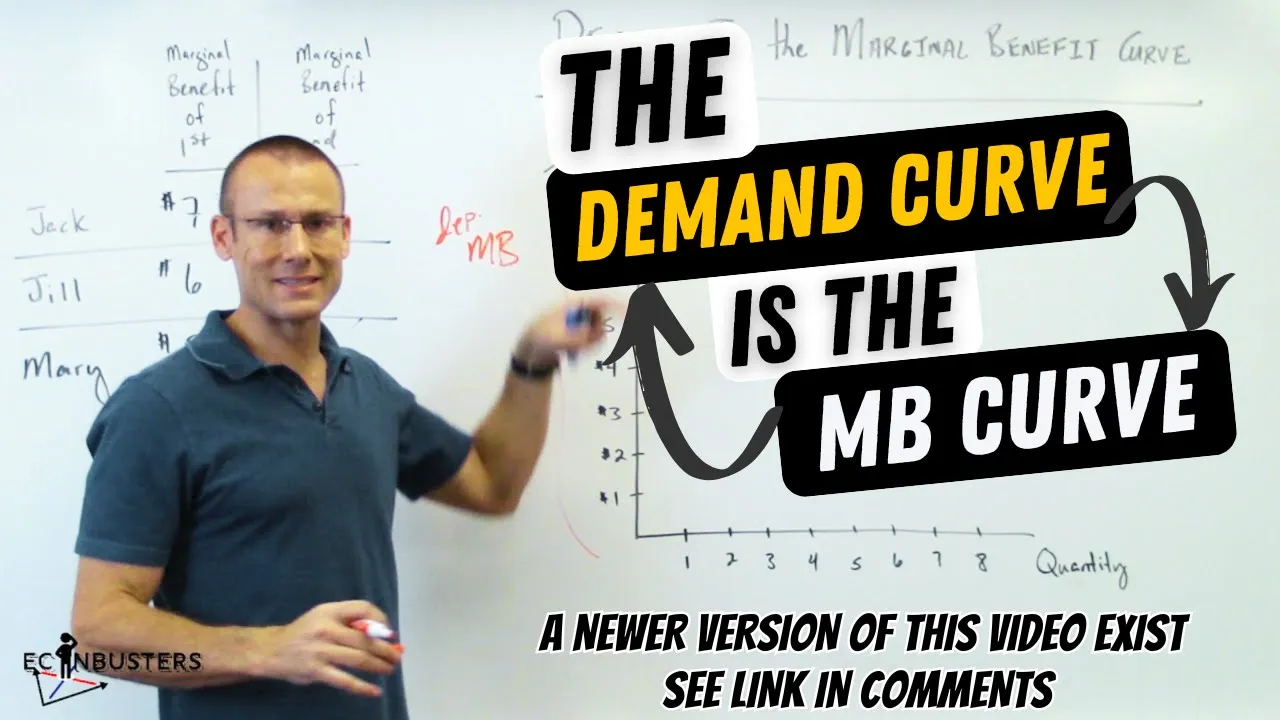
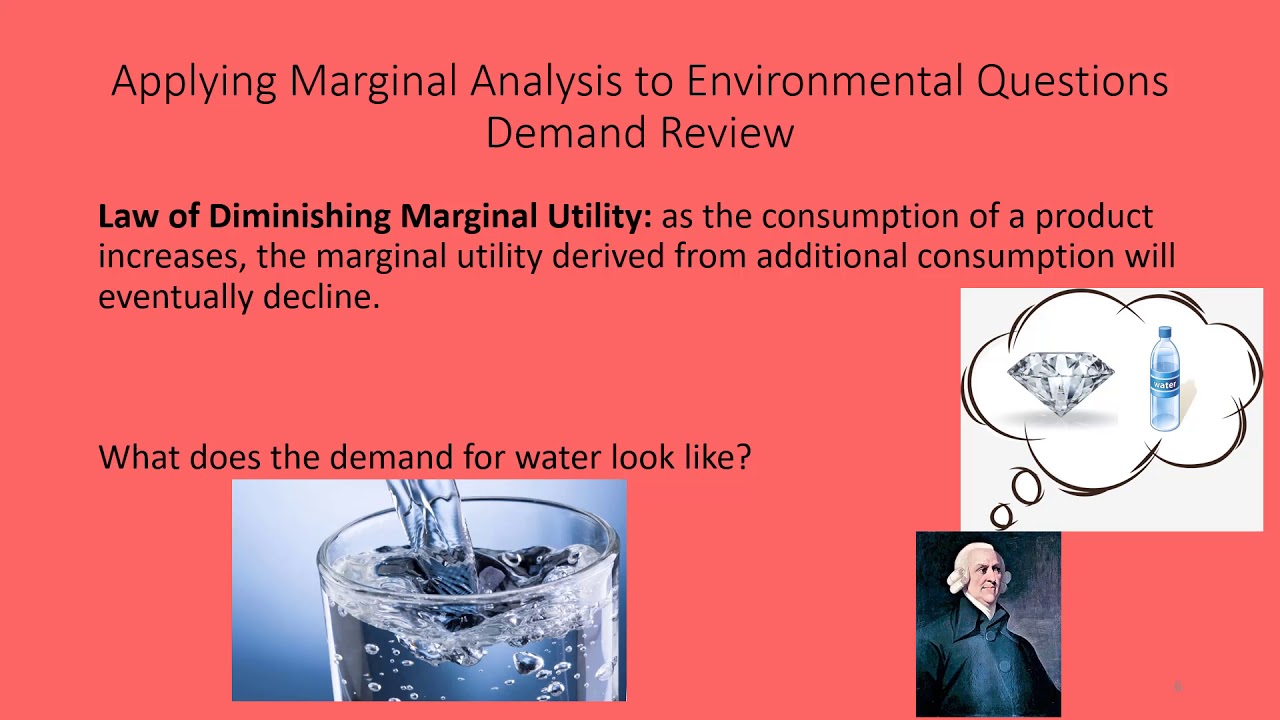
Added:The Law of Demand and the Demand Curve, specifically understanding Willingness to Pay (WTP) and marginal benefit.
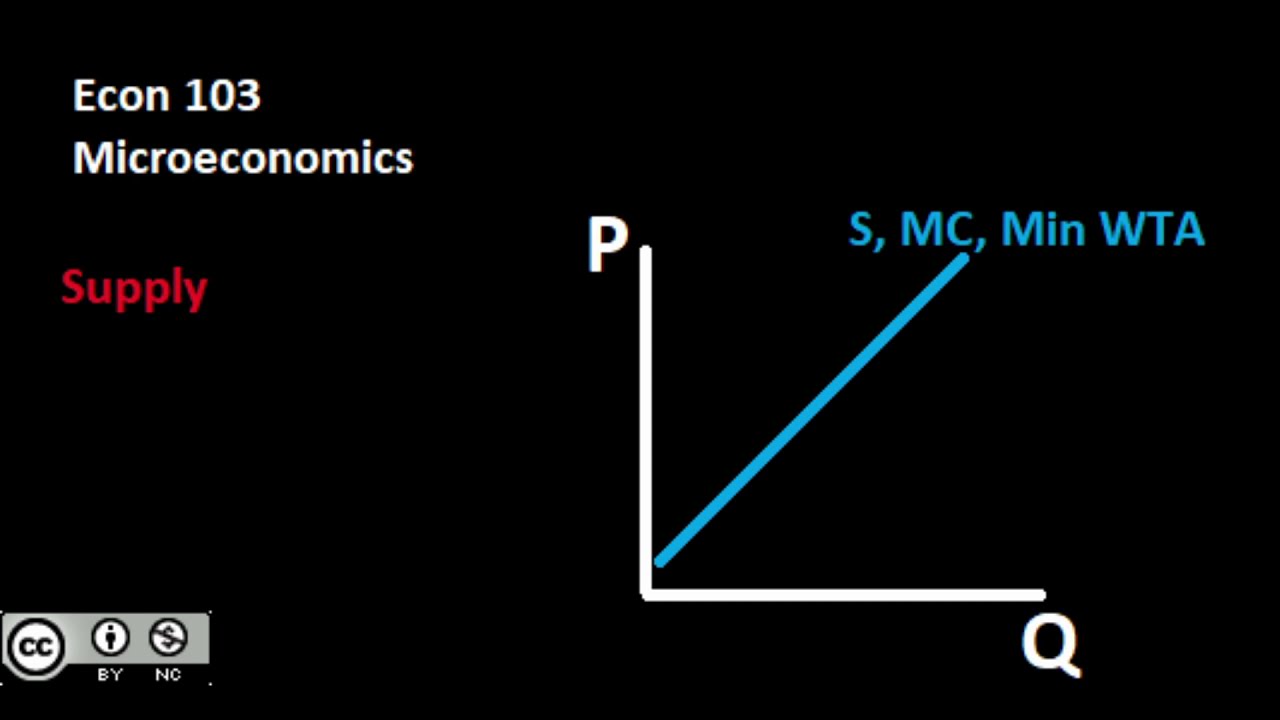
The Law of Supply and the Supply Curve, specifically understanding Willingness to Accept (WTA) and marginal cost.
Market Equilibrium, including how the interaction of supply and demand determines the equilibrium price and quantity.
Basic graphical analysis skills, such as calculating the area of triangles and rectangles on a coordinate plane.
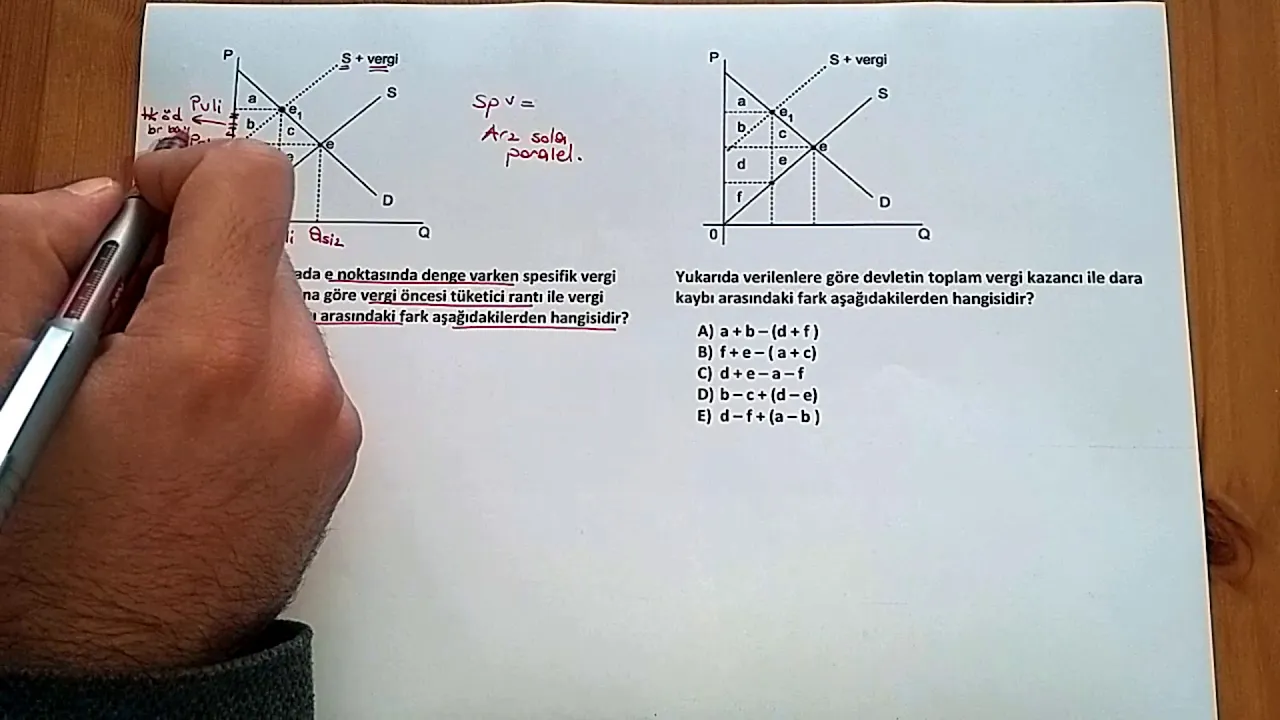
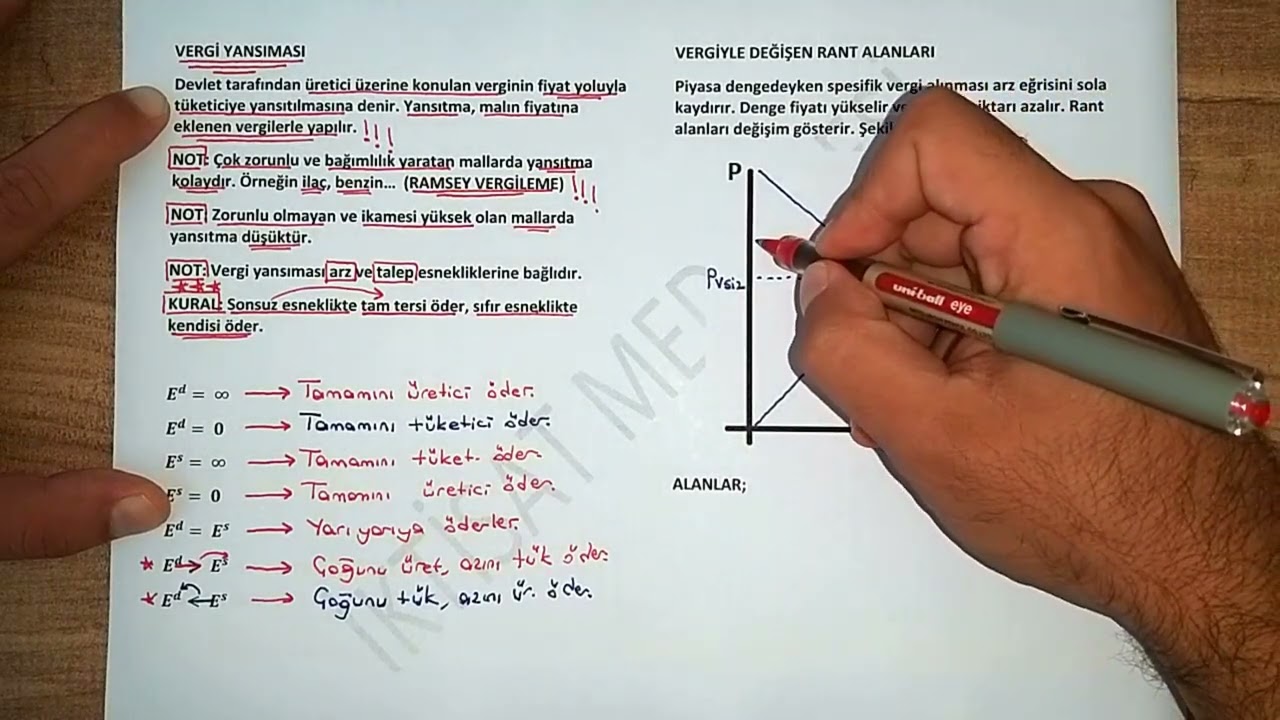
Tax Incidence and Welfare: Analyzing how excise taxes shift surplus and create deadweight loss shared between buyers and sellers.
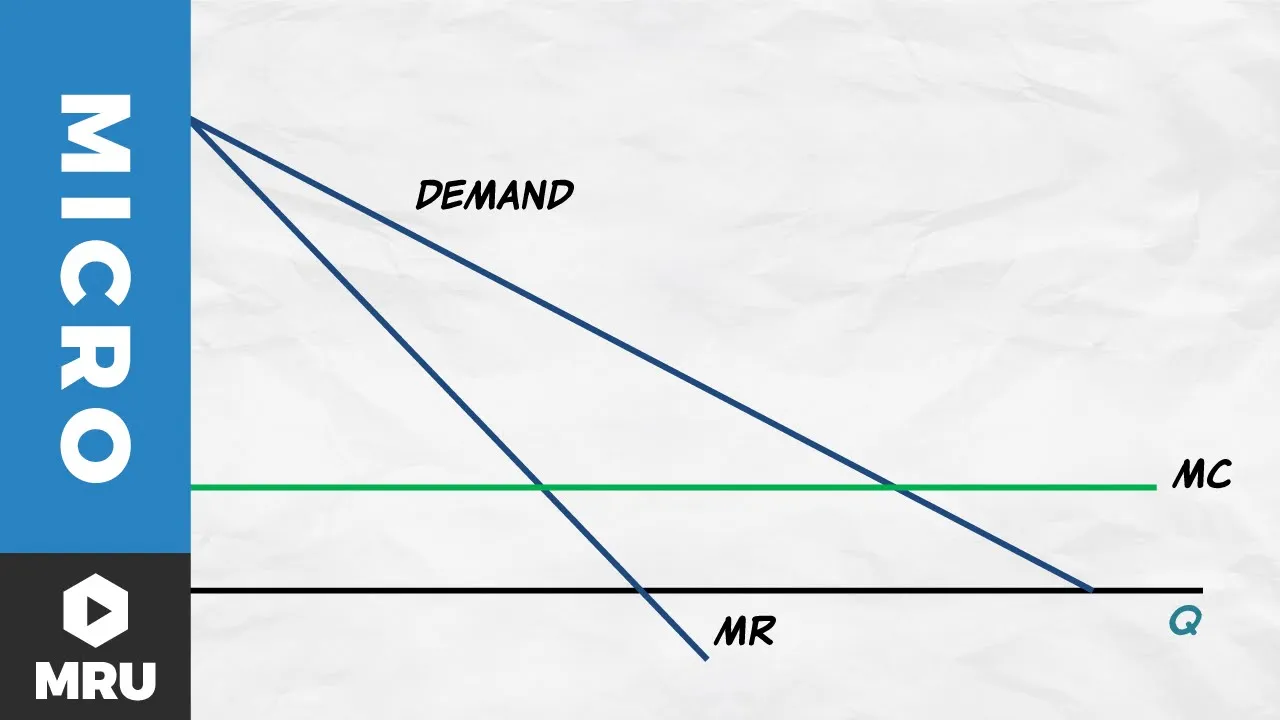
Monopoly and Market Power: Examining how non-competitive market structures restrict output to maximize profit, resulting in deadweight loss.
International Trade and Tariffs: Utilizing surplus analysis to evaluate the economic winners and losers of free trade, tariffs, and import quotas.
Externalities and Market Failure: Understanding how positive and negative externalities lead to inefficient resource allocation and deadweight loss.
59K views1.1Klikes5:04Original Release: 2022-05-08
hey i'm jacob clifford welcome to ac dc econ well it's the holidays a great time to drink hot chocolate learn about consumer surplus produce surplus and deadweight loss then go outside and play in the snow [Music] okay here we go let's look at the market for santa hats the demand basically shows a number of people who are willing to buy hats at different prices if the price is high then less people want to buy hats and if the price is low then more people want to buy them the supply shows the number of producers that are willing to make hats if the price is low then very few producers want to make them if the price is high then more producers want to make more hats supply and demand come together and set the equilibrium price and quantity let's say five dollars and four thousand hats five dollars now the demand curve shows that someone out there is one to pay eight dollars they didn't they paid five dollars that's called consumer surplus it's the difference between what you're willing to pay for something and what you actually do pay the area of combined consumer surplus is this triangle right here but what about the person who's willing to pay only four dollars well they don't get it they don't value hats enough now the supply curve shows that there's a producer with a super low opportunity cost that's willing to sell hats for two dollars but every producer that's when to sell hats for less than five dollars makes produce a surplus it's the difference between the price and what the sellers want to sell something for but what about the producers that are willing to sell hats but only if they can make more than five dollars well they don't make a sale their costs are just too high the combined producer surplus is the triangle right here and so consumer surplus plus producer surplus or total surplus is right here now take a step back and look what's happening markets are extremely efficient at allocating or distributing resources the people who want santa claus hats the most get it and they're made by producers with the lowest possible costs that's awesome thanks markets but what happens when a market's not at equilibrium well let's say the government established the price ceiling at three dollars the government establishes the price at that low price consumers want to buy 6 000 units but the producer is only going to produce 2 000 units that's called a shortage and the result is dead weight loss now the question is do you see it pause the video see if you can figure out where's producer surplus consumer surplus in this new thing called deadweight loss play in the snow oh god to my mouth i totally missed you yeah you did okay now that the price is lower the producer surplus gets lower it's right here all the producers that are willing to sell above three dollars are now out of the market since now there's less output the consumer surplus is right here it's the difference between what consumers are willing to pay and what they actually did pay three dollars that means the deadweight loss is right here it represents the loss efficiency that occurs when the market doesn't reach equilibrium we're not making the amount that society actually wants when you compare the two markets one at equilibrium and the one with the price ceiling you can tell that it's inefficient there's some consumer surplus and a surplus that's missing and so consumers and producers can benefit if we produce more output does it make sense okay let's do it again except this time let's see what happens when there's a price floor now the government says the price can't go lower than seven and the result is a surplus producers want to make 6 000 units but consumers are only willing to buy 2 000 units the question is where is consumer surplus producer surplus and deadweight loss play in the snow oh you got me that time all right the price is higher so consumer surplus becomes smaller it's right there and the producer surplus is right here so right there's the deadweight loss did you get that again it's easy to see if we produce too little output we're going to end up with deadweight loss if you're enrolled in a microeconomics class get used to this idea of deadweight loss it comes up all the time when you see taxes and terrorists monopolies and both positive and negative externalities in every case there's something preventing the market from achieving the most efficient outcome altogether deadweight loss is one of the most important concepts in microeconomics is one of the most important concepts in microeconomics bonus round let's use a supply and demand graph to show that christmas shopping actually causes deadweight loss markets adjust to consumer demand so when you buy things for yourself then markets are generally efficient there's no deadweight loss but when your aunt clara gives you a gift that you don't really want or that she paid a whole lot more than you would that causes deadweight loss the demand curve shifts to the right and so the quantity that society actually wants is here but the quantity actually produced is right here the result is deadweight loss the graph shows that the cost for each one of these units are higher than the benefit society has for them these units should never have been produced so now's a good time to call your aunt or maybe your grandparents tell them you're taking microeconomics and you're learning about deadweight loss and most importantly you prefer cash this christmas thanks for watching until next time hey thanks for watching ac dc econ if you want to learn more about the deadweight loss of gift giving go ahead and click right here if you have to review for an exam or if you want my study guides go ahead and click right here also please make sure to subscribe and like and tell me what you think in the comments below for those who celebrate christmas happy christmas or merry christmas and those who celebrate hanukkah happy hanukkah for those people who kwonsa happy kwanzaa people who are atheists happy atheist day all those great things until next time
Up Next

7:19
Calculating Consumer & Producer Surplus with Price Floor
@economicsfun
110.3K views•2011-05-28

5:07
Impact of Yuan in Indo-Russian Trade Amid Sanctions
@WION
261.9K views•2022-07-01
5:16
Keynesian Economics Explained: Multiplier Effect and Fiscal Policy Tradeoffs
@JacobAClifford
698.4K views•2015-12-02

113:18
The Age of Easy Money: Fed & Inflation | Full Documentary
@frontline
21.2M views•2023-03-15
Related Study Plans & Knowledge Roadmaps
Structured learning paths in Economics
economics
Sovereign Debt: Defaults, IMF & Restructuring
01Introduction to Sovereign Debt & Government Bonds
02Debt Sustainability & Credit Ratings
03Anatomy and History of Debt Crises
+ 2 more learning modules
12h5 modules
Explore Roadmap
economics
Market Design: Matching Theory & Gale-Shapley
01Introduction to Market Design and Price-Free Markets
02Two-Sided Matching & The Gale-Shapley Algorithm
03School Choice Systems and Mechanism Design
+ 2 more learning modules
10h5 modules
Explore Roadmap
economics
Impossible Trinity: Forex, Capital & Policy
01Introduction to Monetary Policy and Central Banking
02Exchange Rates and International Capital Flows
03The Mundell-Fleming Model
+ 2 more learning modules
8h5 modules
Explore Roadmap
economics
Healthcare Economics: Market Failures & Systems
01Introduction to Healthcare Markets and Market Failure
02Asymmetric Information and Adverse Selection
03Moral Hazard and Insurance Design
+ 2 more learning modules
12h5 modules
Explore Roadmap