








This video demonstrates how to solve a complex geometry problem involving the orthocenter, circumcircle, and harmonic bundles by using Cartesian coordinates. The problem involves proving that certain points are collinear or that lines are parallel in a configuration with multiple midpoints and reflections. The solution involves setting up a coordinate system, computing coordinates of key points, and verifying collinearity through determinant calculations. This approach transforms a geometric problem into an algebraic one, making it more tractable despite the complexity of the configuration.
Cartesian Coordinates for Geometry: Christmas AMO Problem Walkthrough
Added:Foundational Cartesian geometry, including writing equations for lines and circles and finding their intersections.
Intermediate Euclidean geometry concepts commonly found in math Olympiads, such as cyclic quadrilaterals, similarity, and power of a point.
Basic concepts of projective geometry, particularly the definition of cross-ratios and harmonic divisions.
Strong algebraic manipulation skills to handle complex systems of equations that arise when coordinates are applied to geometric proofs.
Advanced projective geometry techniques, including the study of poles and polars, Pascal's Theorem, and Desargues' Theorem.
Barycentric coordinates and Trilinear coordinates, which are often more efficient than Cartesian coordinates for triangle-related Olympiad problems.
The application of complex numbers in geometry (complex coordinates) as an alternative analytical method for solving Euclidean problems.
Introduction to algebraic geometry and the study of geometric properties of curves using homogeneous coordinates.
981 views30likes2:39:46Original Release: 2021-04-24
okay triangle geo is back all right so let's see a b see so h is the h is the ortho center k is the midpoint of ah m is the midpoint of b c line h intersects the circum circle again at t so t is the reflection of h across line bc you say a combo is real math i know some people who would disagree oops at seven when it's here okay and then km intersects what okay uh oh that's gonna be fun to draw so we'll let u ev the intersection of re and k with gamma and v be the reflection of u a viewer so let's enter there we go okay so uv apparently and then t u and t v intersect a b at x and y okay so tv line why is it just like 10 miles off the page hello earth to why why no oh come on sucks oh my god okay maybe if i move pc up it'll help let's try that okay i think all i did was zoom out but well that's a little better imagine putting six there there are a lot of people who thought the n2 is six which it's not x and y are the wrong lines oh it's a b and a c god yeah okay uh reed wait now i'm confused though because this definition is like not symmetric um it feels like i want to draw the other intersection as well because like you've been veered to find like you can't distinguish u and v but then one of them is chosen as x and the other is chosen y so i'm curious if i draw like the other like there's an x prime here and a y prime here if i switch b and c i don't know those points will matter that's just something i notice right now okay so w is on w lies online km such that it's perpendicular to hm intersect fill the line through a perpendicular line to hm and line km there's other things that are perpendicular i want to draw the antiplate now so o is center g um yeah so this thing is a thing so this right angle is like what's that right angle mean i should draw the other one right let's call um uh oh here's fine so line a to line hm so we're going to draw this point right away because otherwise that point w is in the middle of nowhere um okay so aq is whatever it is and then it you meet here h and z is the reflection of a over w okay why isn't there software that read problem in geometry in english and draws it in geogebra uh probably because natural language processing is hard okay actually why did i draw wm uv is the squirt i would care about okay yeah no uh delete wn hmm [Music] can you extend aq and ac um to where a prime q um i don't know what no it can't go through why because then by symmetry or go through x that's not all so like it tells a symmetry test so you don't need to consider it why did i add a prime again um there's a perpendicular to hm so i wanted to grab it right like that this there's a bunch of important things about this line hm it's like it passes through the antipode here and it passes through a pretty nice point here this point at this point you have some properties like it's the center of a spiral sim from like altitude blah blah blah um i don't know if any of those matter but also zh is parallel to uv right that's a true statement because no uh yeah because k is the midpoint of h and that wasn't made fun of z so i should draw a k to zh as well i think so i wonder if i can like throw some past kill garbage at this uh well so what would a good pascal be because i feel like x and y are really okay atv no utv uh all right let's go let's go let's go pascal um utv and i want tv to intersect ca and i want ut to intersect ap so what's it's vc intersect bu wait what wait i'm now i'm getting down this way by the asymmetry no that does not know what did i do ut intersex ca oh i flipped it um v t u c a b so i want u c intersect a b can i get rid of t this way does t even matter well no actually i need a second point on that line but uh yeah i need a second point [Music] okay so bv intersects is it bb intersects you oh that's off the page again [Music] i don't know if that helps [Music] [Music] there's so many midpoints in this problem what is t doing though i feel like t i haven't really tied anywhere [Music] um um they're established midfield [Music] i'm not sure hz intersect circle again at n and then n his properties um i'm not so there's two intersections um but i feel like see these two lines that i've drawn like the the two cyan lines don't really depend on don't depend on t so the points in this problem that are like not like tuv is where the complexity of the problem comes from i would say oh i almost want to like diet dilate unb or something but i don't see what i would do so like a reflection of a across u lies on the other i don't know hmm hmm um this hm line is so well behaved i don't know what to do with this line they're intersecting ut with a b and e like okay i'll draw the points um there's a point x prime which is the intersection line v t with a b this is the one i was mentioning earlier then we'll call right prime this intersection of ntu line ac y prime's up there and then it's also the case so x prime y prime also line so because of the symmetry of the statement um these two lines should meet i'm curious whether drawing the other two points it just seems weird to me that like the um the statement has this sort of doubling it's not that unusual but it is not that it's kind of strange uva tz intersect camo wait what wait is that harmonic that seems really useful to know how do you get that by projecting through [Music] tea x y oh huh okay does that let me get rid of x and y that seems like a good idea uh okay bye bye bye bye x y z is it harmonic or something else uv why is the cross ratio negative one specifically and not like some other number oh azab atac oh that's very good oh that's so smart okay okay cool cool we're getting somewhere so we're going to redefine z prime as x y intersect aq all right so we want to prove the light cyan thing is parallel ah this gets this this kills x and y great this is great um so redefine z equals x y intersect aq and claim that uh z prime h parallel uh u uw-kmv well then because q t b c is harmonic it follows that um by projecting onto xyz you get z uh ah intersect xyz xy is harmonic which is then equivalent to now i can project out through t and you get like tz intersect bc a uv okay i'm gonna hide the pascal because i don't think this one okay so this will let us clear the points x and y from the picture which is great because now the asymmetry that i was fretting over is gone and so the only thing is um we need a new point let's call it up uv and w we'll call r alright so r is tz intersect pc so so actually maybe i wrote this up a little weirdly because because i'm trying to get rid of um oh no it's fine well we'll stick it this way for now okay so now this picture is a little better behaved and i don't need x and y so these are calling problems earlier with the picture of going off the page and now i can have a reasonable diagram all right so all right u of e are a so we want to show the starting from av you are being cyclic we would like to show is so i actually wonder if maybe it's better if i do the following um this because i the the way i've written it is a little confusing but we'll say if i define z prime like this then and i add primes everywhere um we get r a u v is so our well let like r prime be uh a z prime cap gamma and r equals a z cap camera okay so michael i think it's a little more natural if i face it this way so this is what happened we do with z prime now we do the same thing with z to get the same analogous z and r and we like to show we know this one's harmonic we'd like r auv to be harmonic without the prime so let's take this as known the parallel is known and then try to show that this cortado is also i harmonic if hmm i wanna do something with you or something x and y are gone um that's good news ri prime should bisect uv all right prime bisects uv by wait is km parallel to a prime minimum dummy [Laughter] also parallel v important okay so yeah that that seems pretty important all right bro yeah it's yeah it's the thing i always forget okay so the midpoint of uv actually coincides with the midpoint of km right is that true as true effect wait actually hang on this is b plus c over two this is hey kkomh is unconditionally a parallelogram shout out to how fun is mystery unit um i think it's kind of fun i don't know i'm not spoiling what it is on stream for obvious reasons okay so yeah now we can hide u and v which is great all right so all the points are disappearing yeah that's the best thing all right we're gonna keep i'm gonna keep coloring all these parallel lines cyan um so i don't forget so z h is parallel to a a prime parallel to that thing r a is like i think we actually i think this is just like no never mind i take that back um feels protective is there a reason mystery is mystery um yes that is the topic for which if i tell you the name the actual name of the unit to start um it would spoil a lot of the instructional value rko clinir i doubt it let me check yeah now [Music] so i feel like i should be able to make this projective hang on because the the [Music] well actually t kind of matters uh jesus what is the definition of z here z is defined such as in the problem so z is the original definition it's a reflection of a over w but because we got rid of w it's actually just you can think of it as the intersection of the lap this cyan line with aq what happens if you remove redefine it'll probably still be true is my suspicion like i that's why i keep saying i think i should be able to make this projective now um because oops if we redefine a prime as the reflection of t across the perpend well actually it's lino i don't even need to set that oh actually it's not true um alright so i still need to use some huh huh okay wait why does it not pass through n wait hang on no no no no did it join us up wait wait wait wait we think those are cleaner right hang on what did i do and it's not the midpoint of uv oh i'm stupid oh my god what it's one of those days hmm all right that's such a weird condition though because i mean i hate the points unv so i'm still running with it um but yeah we're trying to show harmonic bundle and we got rid of u and v so now it's just saying that uh r a prime intersect this cyan line is like i don't know oh and it's perpendicular to it yeah yeah i agree it's equivalent to rao instead click this is a little artificial but i don't know if you can easily get rid of it oh are they all cyclic no why not a q a say click wait what they can we know what's the click no no no wait that's fine when purple comment is released can you do a purple comment live speed run we'll consider but i i don't know it doesn't sound that exciting i wonder if rnqh is cyclic [Music] nah is our zha prime cyclic uh let's find out no um whenever it does complex flash on stream it doesn't bode well is that a suggestion is that what you want i have done complex patches on stream before they don't typically go very well because it's really hard to okay um i'm not optimistic about it here because like i don't know how you'd intersect ri prime with line cam it seems really bad yeah r and z are which keep r z and to some extent n actually is kind of n is kind of a weird point as well those three points are what's holding this problem together every day evan doesn't do g6 it's a sad day for 2017 root bc you can try it i don't know because i don't think i can control any of the points or z under read pc actually maybe z you can i don't know but i don't think our what is canada christmas um christmas wonk yeah never mind it sucks all right that's what i thought [Music] do you think aaron qt is harmonic or something i don't think it should be true it could be let's see we did this harmonic stuff to get rid of unb from the picture hmm eric qt is clearly not harmonic okay yeah you're right yeah it's too close to the arkham input [Music] aqt determines the diagram um i mean let's see okay so you get a prime and then hence you get h and hence you can get is it true that we don't really care about b and c anymore do i hide the original triangle is it so we can hide the triangle all right i do that and suddenly the diagram looks like super bear what does this problem becoming interesting you're this is actually in this is so they the ortho center doesn't really matter does it you want to add x and y back no i work so hard to get rid of the ah here i want to turn this diagram though um unfortunately i define diagram in terms of vmc so i need them to do this operation but foreign oh that worked kind of all right so all right [Music] so the problem is now saying we have uh let's draw it that way i'm gonna hide ta prime and the other black segment aq yeah this is a lot easier to see because now airprime is always on tour um which one is the um tkil looks parallel it's not supposed to okay let's fudge bnc somewhere um [Music] well it still looks parallel yeah uh the eternal struggle okay okay good good good stay there stay there all right we did it and i'm going to adjust it a little bit so that it's on the grid line okay sorry i haven't checked chat for it though should i be productive and grind 2018.6 which one's from 2018.6.
i think this is the right like it's a circle with after a prime right and now i don't know like if i was doing the problem now would i add in x and y probably not like they don't okay so add h z intersect a t and yeah actually yeah we should draw we at this point is probably fine oh crap why is it oh i accidentally changed the point color selector qhc cap 80 cap gamma wait what draw tq semicircle two projectives project through the point of infinity on a a prime through where why i was using my 2017 six or six because people don't know how to do any qualities kitty intersect camera no hair hold up for a moment once lauren has a claim that he's done um but i don't see why so you want to project to infinity point what are we trying to prove i already forgot actually i want to feel this is the midpoint um of like something or other and what i'm given is the ham oh you're not done never mind sorry i misunderstood guys i have an idea what if we use cartesian coordinates [Laughter] [Music] okay let's start to use cartesian coordinates that sounds disgusting it won't work though right because you know you put these on the unit circle it's you intersect that you drop it perpendicular reflect and so it would work pretty well i'm not going to do it but at that point why not complex because this is a case where you actually care about like x y coordinates right yeah z is fast so the main grind is you have to compute r but after you compute r actually you don't even need what you would do is you would compute h and then the point n is the point whose y coordinate is half that of h and zero so you let that be the midpoint now you reflect you compute r prime and then you check that it's collinear with t z what did i reduce it to um in start with red quadrilateral drop light cyan lines and draw get this point r show that this point passes through like the point n directly above o on this line cartesian coordinates on olympiad 2021 eat one it could be very slowly with a lot i don't believe a bit of trigger i would believe a lot of trick i don't believe a bit of trick no now useful twenty twelve five you can just use coordinates yes correlation well you could or you could solve the problem that works too yeah no matter how i look at this it still looks projective to me um but there's there's slightly too many euclidean conditions i wonder if it would be useful to say like it's equivalent for lines tz and m n to meet on here because then it's like an angle statement right like in principle maybe i can get this angle the angle between this line and here you get the angle between green and cyan maybe i'm not sure i feel like you should be able to a a prime q z oh is is t not needed is that what's happening please add qd intersect gamma okay okay um yes oh you named the e okay we'll call you should we draw the circle with diameter a h why then ans colonial or e [Music] okay well let's follow just and see where it goes i'm so bad at changing the color of objects in this thing so oh i missed this earlier this quadrant will cyclic right t q z d is a cyclic quad because of the cyan line yeah so this is a cyclic quad so when i push it out when i push d and e d and e d and z to e and r um then i should get a trapezoid and that trapezoid's diagonals meet at a point n so all i need to do is show that the height of n is half the height of h or something how do i do that i don't think i want this circle anymore do i do i want the circle maybe i do um wait hang on now i'm confused how do we get this oh this is what we want so we have it um fi so this circle is known to us the thing that we don't have is km is not known we don't know that if i set it up this way uh this looks like pascal the midpoints are kind of shitty um oh man i i really i feel like ah what is the statement i have hmm e-h-r-a-a okay prime okay for a moment i thought the parents were a circle and i'm like that's not a bad idea and then i looked at a diagram and i'm like that's a terrible idea [Music] hmm [Music] so [Music] why not complex flash i told you if i was going to bash this i was i'd actually use cartesian not complex um is q defined on h left one is a prime i mean it doesn't like so basically you start with start with the red quadrilateral then draw the two cyan lines and draw everything else and the claim is that n lies on the h midline whatever the heck that means wait what happened what what what what does that help yeah also something's wrong with my definition of h again why why is it hang on something went wrong h isn't staying on there or n it's not n i miss define d how did i screw up the definition of d oh let's try that again the it does intersect line hd line okay so let's look at it as like that point looks like it's actually not on the line i wanted to do it okay okay so this is a nine point circle beautiful um is this point like what's on on it by some radical access argument or something so where the math forums you write go now tst sort of i don't write as much as i used to i kind of used up all my good ideas like in around like 2014 to 2018-ish no he's back welcome back homie solves a freaking problem that's been stuck i don't think we've been stuck though we're making progress um like i think we're much better off than we were like 30 minutes ago however what am i supposed to do with this now that i avoid all the return to this um shout out to [Music] i don't actually know what the correct pronunciation is shout out to fart knock dave from fart naked let's pretend that's correct f [Music] um [Music] hmm [Music] i wonder if i can do some nine point thing um actually so if h is h is the ortho center of a a prime something um what is n if that's the case i guess that point isn't anything special where's the center of the nine point though um did i we didn't use s we were named to t what did i call yellow circle d that's what i want i don't know did you any further over the tank problem not really but i also spent most of the day doing you smell stuff so i didn't get much time to think about it so um do do it was my favorite ever prom test hmm i don't think about that one i will say i enjoy giving i enjoy creating hard problems because you just give out a bunch of zeros it's very therapeutic to just like write the number zero repeatedly all right what's the funniest submission probably one of the poems or different things there's a lot of a lot of the zero papers are really funny uh i'm a wonder worm what are we doing on this problem uh so we got it down to this quadrilateral and then i mean it's it says so you have a circle with diameter a prime you draw this quadrilateral you draw the you construct d and z you construct e and r you construct n and you want to show that the height of n is half the height of h which is graham is heck conditioned but it is what it is it's better than i think this is the right way to think about it but i don't see what i'm going to do with this n should i just put you in v back we could draw you in v again i don't know that's silly why would i do that oh midpoint what is n with relation to a q a prime hmm taking bc to x1 x2 evan is there any chance of mass pie working not really no not as far as i know is there like a um i want to see if there's like a way i can get like a radical or something to work um i don't know what that would look like so maybe you guys think i should just go for the coordinates b c to x y might take m to u i really don't want that u v x y back why was usatst 2016 literally unknown result i don't know ask the organizers if i was i didn't even coat him up that year because i was in eighth grade oh well as the most ungeneralized problem honestly eggmo 2026 might take the price sorry not 20 20. uh 2021 like the the most recent magma six although tony 26 was also pretty bad was it 20 20. hang on no i'm getting the materials mixed up what was the year with that thing with alina and like the gazillion chords that was 20 19 or 20 20. i don't remember i think it was 2019 actually that agmo was in this one yeah 2019 six what was 20 26 oh that one okay evan is truly recommended like no like no [Music] ugh i literally took like tried to like do as bad of a job as i could while being mathematically still complete when i wrote that thing despite this some people say it's quite good and i was just like oh my god [Music] yeah so apparently i learned that like people's standards for mathematical exposition or not especially high all right guys help me with the problem what do i do here like i i haven't done this we we know do you really want to add b and c back because i really don't i feel like this is like because when you write it this way it becomes clear that t and q play symmetric rules and this is like very not clear in the original problem so i'm like hesitate to bring back bnc [Music] thank you beta varus for the follow hey welcome to the stream [Music] uh yeah like [Music] cartoon would work for sure but ugh all right i'm gonna wait i'm gonna stare at this for another like ten minutes and if we still don't have anything at the end of those ten minutes i'm gonna use caution i think i got an idea all right go for it if tu intersects a b and ac no okay okay i'll add b and c back jesus oh man everyone really wants this okay so oh my god i worked so hard to get rid of these i don't even remember where they are you and v i can get b and c are just like oh my god don't add back bc okay all right actually that's believable then u and v went back so tu intersects which thing how can i stream just look it up it's here you download the broadcaster program and you create a twitch account and that's it okay i didn't have backunb um uv is still kind of related to this picture so i can i can understand uv but the intersection of t a prime and q a almost oh [Music] oh is that what you're supposed to do so the factor quoting that the polar of the ortho center of h a prime is coincides with the midline is a no what i i've seen something like this uh i'm trying to remember exactly how it goes it's not quite the same i do not know i'm thinking though the polar is through h um which the polar okay which which pulse polar is being constructed i can't tell anymore my bro card is like this polar and this polar okay and then what does that have to do with e r u or v t intersects a b and a c t u intersects a b u is the midpoint of what so this is x this is to intersect a b uh what do you want it to be the midpoint of [Music] so [Music] maybe cap to you and ac cup to you i defined x prime weapon at some point right okay so that's x and x prime uh or did you want oh you want ac cup to you so that's y prime okay circle you oh that's actually yeah that is actually true i still don't want to add the points back in though yeah u is limit it is indeed the midpoint i just don't really don't want to use bring x and y back you wanted em intersect kr what do i call it um finished bashing what one's ahead of us okay i define em intersect kr maybe i need more midpoints oh is the midpoint of like aa prime right like i i really should think of this with reference triangle h a prime oh those two yeah this is throwing osiris so all right has it been 10 minutes i i agree there's a yeah we're so far all we've done is get like tq dz cyclic i don't know if that's even a useful statement though so just say a is the origin no no oh should be the origin right you want a like a primekey actually maybe that's but i don't know h is a [Music] i feel like i won h and z are needed to get i don't think it's any worse to only z is neat all right but you need t i don't know no i've been planning to not use circle at all um what i all right okay buckle up everyone oh [ __ ] okay wait where'd my compiler go no i i think the thing you said is true i just don't want to like i i don't want to use it like the the statement is true i checked it and like it is really a midpoint but i don't want to add thank you the x-ray i really don't okay so o is zero zero a prime is minus one zero actually let me know i'm not even going to play these because these are so short ah frick i can't type a is one zero h is a b all right so the first thing i need to do is compute the per foot of the perpendicular from a to a prime here so that is the oh my god i hate this okay so let's compute q so x minus a over y minus b is supposed to be equal to um h [Music] no the claim is true like the claim that lerner that theory spiral gave us is correct but i i'm gonna use r actually instead of one so that's easier to check for homogeneous um oh watch me the intended solution also i i own slope is y on top right you think i know this by now so as you how often i do this oh jesus christ all right a plus b a plus r right and this is supposed to be equal to the negative of the slope of qa which is um y over x my oh my god does anyone know how to solve this okay oh god there's a system okay so we're going to use the wonderful trick where if you have a bunch of fractions that are equal then i can add so i can add this like part by part and all four fractions will also equal exactly 2x minus a plus r also i can equivalently subtract and y minus 2b over [Music] sorry 2y minus b over r minus a so that's why i don't have to solve a freaking system uh okay let me verify so this was addition gives that did i add the wrong fractions no this one i should put b over a potara on the far left because that's the constant i have not done a cartesian on stream this will be the first one i'm sorry it it really was asking for it and we just i don't know so this is add this is subtract so let's solve for q so the x coordinate oops uh there's actually some cancellation right uh the the x coordinate this b will knock out this b so 2x hang on i messed something up no no no no no no no no i guess i uh what did i screw up wait wait this is not right this is i flipped a sign right this is actually y over x minus r no i didn't what the what help minus y and then okay it is r minus x so i did flip this one here um which is really bad news actually because that means my trick doesn't work something's off it doesn't feel right no so when you have a perpendicular it's the negative reciprocal so this should be the slope is y over x minus r and it should be god i'm so stupid oh my god okay that's the that's the actual thing so let's write it just like it is all right so is there a way i can have to solve a system well at least when i if i use the trick and i do a um no the signs are mixed there's more trouble than it's worth um we'll just solve it directly [Music] [Music] uh [Music] so x is equal to b over a plus r times y minus r [Music] or sorry x is equal to that so if i put that in then y is d plus that right so this whole thing is the value of x [Music] uh [Music] so this is equal to b r minus a over r plus a b plus that and the y coefficient is equal to why is this so bad wait i didn't think it should the degree looked really small when i was thinking about it i didn't think did i pick a bad setup how does anyone get cartesian done if the setup is this if like the degrees increase this quickly all i'm doing is taking the foot [Music] ah come on am i not supposed to take a [Music] foot this is actually really high degree okay checking the foot is never neat okay good to know ah let's see uh or my thoughts on bama 2025 which problem is that [Music] i think that's a good problem that's my thought all right oh my god jesus [Music] i have no willpower that's the problem wait i i'm just amazed that the calculation ends up this badly though so if i was trying to say as the origin or something like you you used like a prime q um how do you get t like there's another thing we could try which is the following um the alternative setup is you do the same thing but instead what you do is you um you call this angle alpha and you call this angle beta and then it's a i mean the downside is now this trig but actually instead of h equals a b you actually have an explicit form uh given by h is exactly so by the law of sines um if we're doing the trig version then i should probably set this as one um because otherwise the coins will be still there so by a lot of signs like aha is like let me give this one a lasting goal name as well what's the length of h a h a is or h a prime is two times the sine of beta over the sine of gamma right so h is equal to two sine beta sine gamma over well one minus this actually i don't know this is any better um the height is okay let me get this right this is cos alpha and this one is sine theta over two sine alpha sine beta over gamma rip the other like nine problems intersect circle is easier to use since one root is known you think so i mean the problem is that like i i know what it comes out to right like it's not like i could comp i could finish solving this system but the problem is that like it's not going to simplify right like these two polynomials don't line up so like it is what it is like i could use a circle intersection method instead but it wouldn't change the result that you get so you get low degree no but like is the is the y coordinate not like this thing divided by this thing you think i should stick with this uh i mean it is this right there's nothing you'll get for the y coordinate and the x coordinate is like whatever r minus the x point is even worse degree right does this simplify at all it's 2b r squared oh it does factor oh you're right okay so this is two b r how does that factor okay you're right it's okay it factored okay so that means when i do this division i get like um r a plus r squared plus rb squared minus 2b squared r over okay so this term collects this one doesn't factor right does it is there a obvious factor oh other than the r oh it's a difference of squares it should be actually because we know that um this is a characterization of pythagorean triples or whatever so i'll factor out the uh no let me leave it like that yeah so t will get by symmetry because what you do is you negate the value of r and it'll give you the same thing so i should be writing a plus or instead of r plus a to be consistent between everything okay so that's t what is n n is pretty easy right the whole reason we pick this setup is to make n easy and we'll be zero comma b hubs [Music] yeah we can get z by some similarity oh it doesn't look very good though [Music] um yeah well you got to do what you got to do okay so z has the same y coordinate and its x coordinate is something um that's very descriptive what am i doing with my life man chad was so excited when i started doing the coordinate bash and now they're not excited anymore oh geez okay so i will compute the x coordinate of this thingy for b please oh it's opening myself it's fine um [Music] [Music] oh no you you use a q okay i see why you wanted a is the origin now i think it's fine because all i have to do is shift by r right so it's like q whatever the q coordinate of x was um hang on let me get this right [Music] the q coordinator of x did i secure coordinate effects i'm an x-coordinate of q we want you to start the coordinate bash so we try to sound excited then we sit back and relax i see oh man really working q coordinate of y is the denominator the b is this thing and then q of x minus r is what it should be [Music] okay so this is equal to r plus b times qx over qy and then minus our perception br over q sub y which miraculously cancels and gives that mind and um okay so this is what happens and also so there's mostly basically a ton of stuff is going to vanish so hang on that's great doesn't match i messed something up q x over q [Music] y the r should cancel what am i writing this this makes no sense this is this r shouldn't be here and this should be b times a plus r right this is garbage um and then minus rb over qa okay so the point is this b also cancels [Music] okay so now we can compute everything um or at least we can put it over a common denominator and what we get is something very clean minus two b squared on the top two a plus r on the bottom and then i have to our a plus r and i drop the two okay so apparently it's this right compute distance qr or or oh you want to compute distance or tz intersect a prime n oh i don't i wasn't going to do i was going to drop the foot from a to um like the foot the foot from a to a prime n is equal to something right um i can actually what i can do is i can i use this to compute i had this formula to compute q right for a random point h equals a comma b so i can reuse the same formula except with a equals zero and b divided by two so um what does that tell me actually that's faster yeah don't repeat yourself so it comes out to this okay so now we have that and i want to check t z and this point are apparently supposed to be linear all right okay so the way you check linearity is that you throw it into a determinant uh this is like the third time we'd be to find the point r so i'm gonna call this like our prime prime myself our look we our star okay because it's special um so we want t z r star and this is the determinant of so once you remove the constant factors you get here minus r a minus square minus b squared minus r times 2 b a minus r a minus r squared plus b squared that's the first row next row is b a plus r and r a plus r minus b squared last row r r r squared minus b over 2 squared br squared and r squared plus b over two squared i hope yeah we should be done we just need to check this determinant vanishes so i want to use this funny symbol to mean that it differs by a non-zero constant factor because you know when you try to show that the thing is zero you only care about those constant vectors i also should make sure i didn't screw up z because something it's not canceling the way the other stuff is so okay yeah so there's some scale factors i mean there's some factors i can delete right away right so um uh we can take out this factor of b from this column actually that's the main one uh let's clear the factor let me just clear that one factor of b i think i want to start by subtracting r times this column from this column because that will eliminate a lot of terms right so so uh so this is a squared minus 2ar plus r squared and then i'm subtracting off 2ar [Music] did i get a three that's that three is bad news um so [Music] okay let's subtract the r times let's let me flip all the signs in the first column actually okay so now let's add or subtract let's add r times the [Music] yeah let's add our times this thing and get rid of the trinomial so if i add r times the second row so minus 2a okay so add in our minus ar and then we added one actually like i kind of made the last column really bad i'm regretting some decisions oh okay but let's subtract this one from this one now you're saying that first step i should subtract r times third column yeah oh wait that's actually very good okay uh all right let's let me scrap all this then okay so if i subtract off r times the third column this term disappears [Music] and then here [Music] okay so that's where that gets um [Music] okay um and now we can [Music] subtract this one from this one right zero so a squared minus two a r plus r squared this is uh is that good enough can i can i try to all right i'm just gonna go for it now plus okay so that's one term and the next term is one quarter b squared a minus r squared help minus two r a minus r [Music] okay does everything cancel maybe [Music] hopefully uh that's not good i don't think it cancels uh so this formula is correct because it lies on the unit circle so it's you know you can confirm this one's definitely fine um this one is i plugged in a equals zero everywhere into the formula for q and replace all the b's with b over two so that should be okay did i screw up the z this is the one that i'm most worried about because there's no correction so it's r plus this q x minus r over q y yeah that should be fun so b times q x over q y is indeed this thing over 2 b a plus r and then the b cancels so it's just two equals r minus rb times this is that so that's fine this cancels okay so there's a factor of b here that i deleted so that's that i just showed this calculation is doable now greater please fix the mystics you wish the thing is like this thing is divisible by a squared minus r squared right i think is it if a equals r then this does actually vanish so this is definitely almost i think it's almost correct there's there's like what's it off by um it's off by like some factors of two and there's an extra this this vector should be this factor so i got to somehow extra minus r squared that i shouldn't have gotten that one comes from so so one one of these terms is corrupted by like a little bit oh it's probably the top one honestly what did we subtract in the first go we subtracted the r times this column right so when that happens this b squared goes away yes it should be two r a minus r squared hang on this degree doesn't even match this is degree four this is degree six okay something really went wrong um this term this term this term this term there were some phantom factors of b that i removed right two one one so this is two one two is still degree two and two [Music] where did i where did my degree go wrong everything should be degree six [Music] so oh i i didn't put in a b squared over two that that shouldn't matter though missing in row one column three so what happened here when i the way i got this one is to subtract this one from here so this is minus 2a r plus r squared right and this is a squared minus 2a r plus r squared so i think that's okay this is minus two ar plus two oh it's a plus r squared plus two r squared so this is a squared plus b squared minus r squared ah there we go there we go yeah the other way i should have been able to debug this is by just plugging like a equals b equals r equals one or whatever and seeing which determinant is the first one but okay great now it should match up right yeah this should match up exactly so all right we finally did it good just so so i'm guessing the solution uses x and y based on the fact that someone's sending that message [Music] god [Music] all right i have to write it up first though which may be painful um but we'll write it up the problem is we deleted so many points and we formulated so many things that like i might have difficulty keeping track of what we did but uh we'll deal with it i also i feel like we missed something that like there all right i don't know okay so i need to retrace my steps because we did like a million things in this problem uh okay try the tournament of oh the angel i don't know let me finish writing this up first because we did a lot of things and i actually i'm not even confident i'll be able to reconstruct everything um but okay so i don't even remember how e x and y were defined originally just like line b a okay so i need to draw some extensions um no tripod does it seem hard for a three yeah uh no i well it depends on what you mean by hard 403 like it is on the harder end of threes i don't think it's too hard for a three the official solution is this ghost line um man i work so hard to delete x prime and white prime are you kidding me so can i use gauss line like i feel like there should be i know so all right use pair names why is this option not on by default all right oh freak [Music] god how long did that take okay so all right so here's a problem let me see if i can retrace more steps because there's a lot of things that happened what a diagram um all right so the first thing we did was what do we do okay construct a prime the antipode q equals a prime hm intersect gamma [Music] yeah i don't know like i just really felt like something that um but there should be some way to finish the thing that isn't what we did but i don't see it okay so construct a prime the ended code so the way we got rid of u and v is if we so if we define z prime on q a xy right i didn't even draw explain the hood figure r prime equals az prime cap gamma then so negative one is qt bc is z prime ah intersect x y which is equal to r prime a uv and then what we did was we projected it through okay so the qtbc projection is through this one's through air right no sorry it's 3t yeah no wait ah no no it's through a yeah what am i doing r prime a u v and n prime equals a prime r cap mk so r prime a u v and we project through a prime equals tan infinity u v where infinity is the point at infinity along [Music] line consequently it suffices to show now define z instead as given r equals a z cap gamma and as the enter and as the intersection of perpendicular n as the midpoint of u v and r as a prime and cap gamma that's literally where we're at now it is fish the problem is proved among upon showing the following claim um t r z collinear [Music] actually i let me say that nba let me point of you be claim so we use cartesian coordinates and [Music] copy set then to compute q we let q plus xy is the analogous calculation will give t and i called it r star because i was being stupid but we can just call r and on the other hand z is see finally as needed okay amazing thank you austin or hacksaw for the follow i don't think this one needs to be just be a straight equation [Music] so in the end the calculation is one page long we're just incompetent right all right we're done all right let's okay how's ortho center not in my spell check what the heck um all right projective plus four dip fish first coordinate fashion stream guys we did it um i don't know let's say it's projective because i don't know a good solution yeah let's split random text all right on aops it looks so much longer because everything is such big fun actually i think i'm zoomed into it i'll just play a lot yeah this is the normal zoom level i mean it's not supposed to that's why i did it like it was going to be horrible i wouldn't have done it because i wouldn't have been able to finish but when you type it up it's a page it's just i'm old okay i'm too old to be still coordinated so all right i don't know if i have enough steam to keep doing that god about time amazing
Up Next
15:43
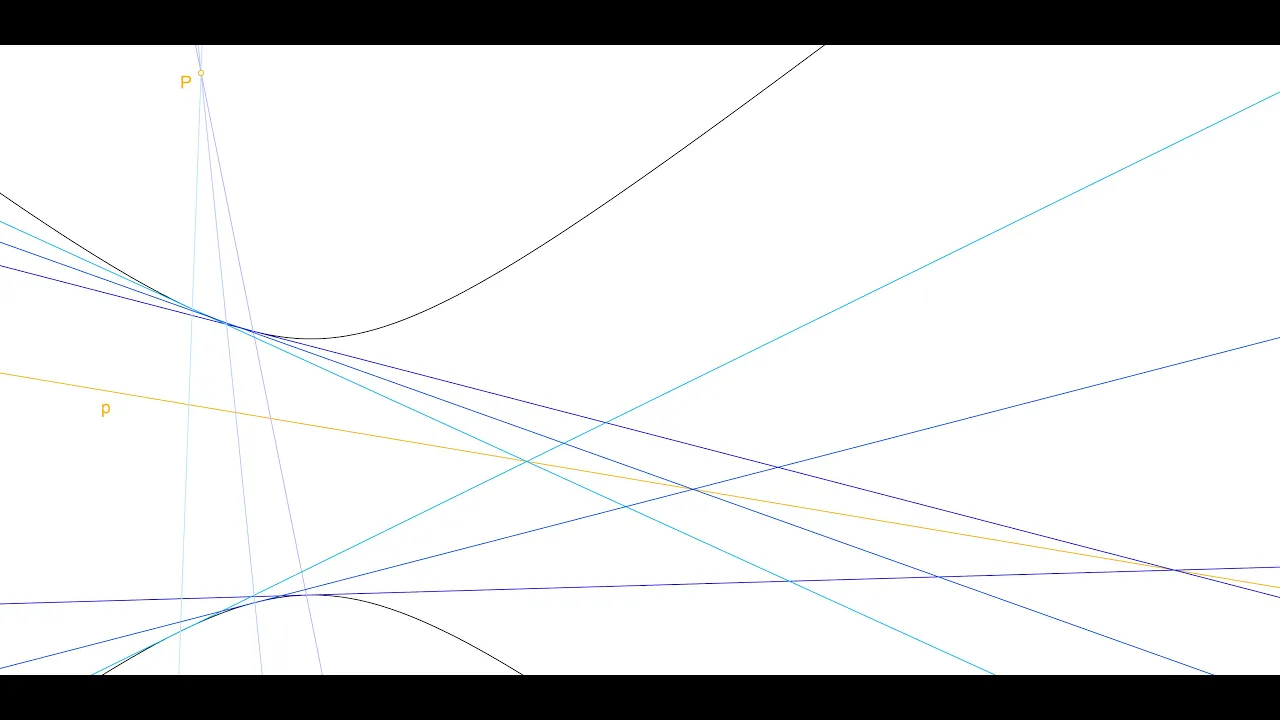
Pole and Polar in Projective Geometry: Harmonic Construction
@danielhafner1649
398 views•2021-01-28

8:17
JEE Maths | Circles: Pole & Polar Explained with Equations
@TargetPublications
14.4K views•2019-02-23
10:44
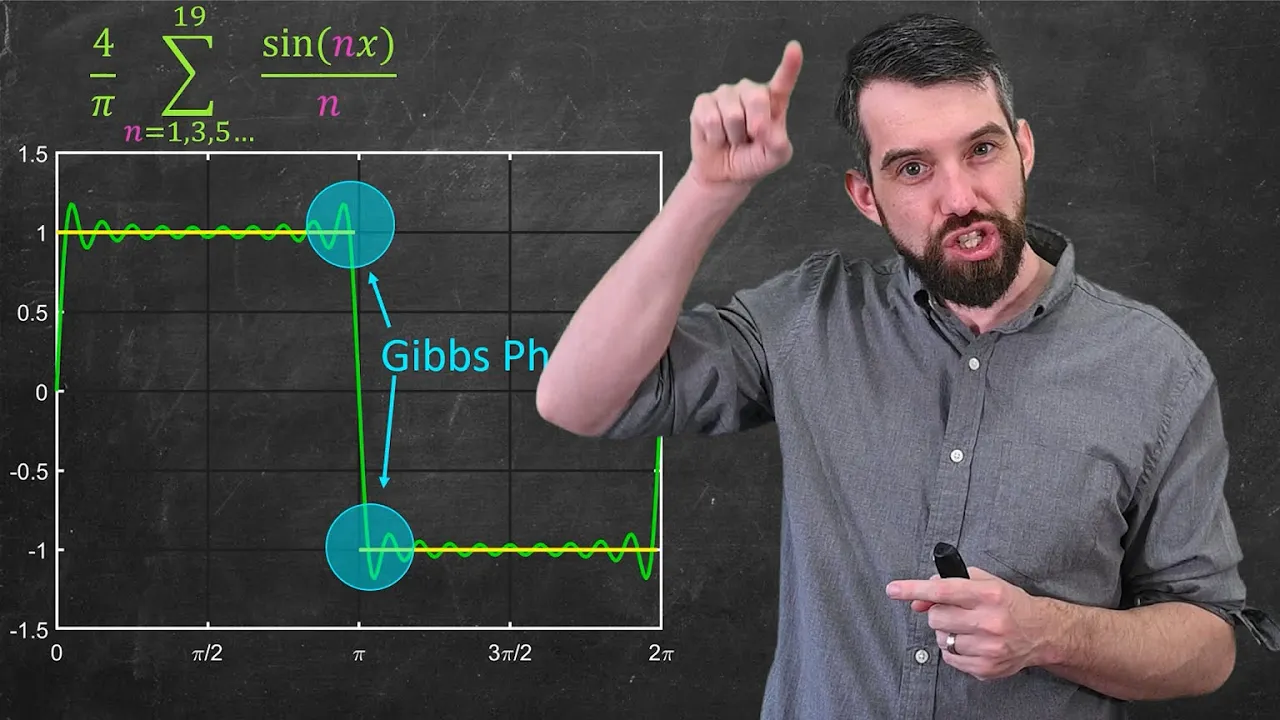
Fourier Series Introduction: The Big Idea Explained
@DrTrefor
387K views•2021-05-03
6:00
The Mathematical Impossibility of Accurate World Maps
@Vox
23.3M views•2016-12-02
Related Study Plans & Knowledge Roadmaps
Structured learning paths in Mathematics
mathematics
Projective Geometry: Coordinates & Conics
01From Euclidean to Projective Space
02Homogeneous Coordinates
03Duality and Projective Transformations
+ 2 more learning modules
14h5 modules
Explore Roadmap
mathematics
Tensor Calculus: Vectors to Riemann Curvature
01Mathematical Foundations: Linear Algebra & Calculus
02Covectors, Dual Spaces, and Tensor Basics
03The Metric Tensor and Index Gymnastics
+ 2 more learning modules
40h5 modules
Explore Roadmap
mathematics
Gödel's Incompleteness: Logic, Proofs & Limits
01Introduction to Formal Systems & Hilbert's Dream
02Set Theory, Cardinality, and Cantor's Diagonal Argument
03Arithmetization and Gödel Numbering
+ 2 more learning modules
14h5 modules
Explore Roadmap
mathematics
Galois Theory: Fields, Groups & Solvability
01Foundations of Abstract Algebra: Groups & Fields
02Polynomials & Field Extensions
03Splitting Fields & Symmetries
+ 2 more learning modules
24h5 modules
Explore Roadmap