




















![Accents: Sounding Like a Native Speaker – Myths and Reality [EN] - Tim Keeley at the PG 2016](https://i.ytimg.com/vi_webp/kVkg6vkcAtM/maxresdefault.webp)

Lenneberg's Critical Period Hypothesis proposes that language acquisition occurs most readily between ages two and puberty (approximately ages 2-12), during which hormonal, experiential, and age factors facilitate vocal learning; this theory suggests that children learn languages most effectively through imitation and sound-based activities during this critical developmental window, with implications for tailoring teaching materials and methods to match children's developmental readiness.
Lenneberg Critical Period Hypothesis in Language Acquisition
Added:The debate between Behaviorist (Skinner) and Nativist (Chomsky) theories of language acquisition, particularly Chomsky's concept of Universal Grammar.
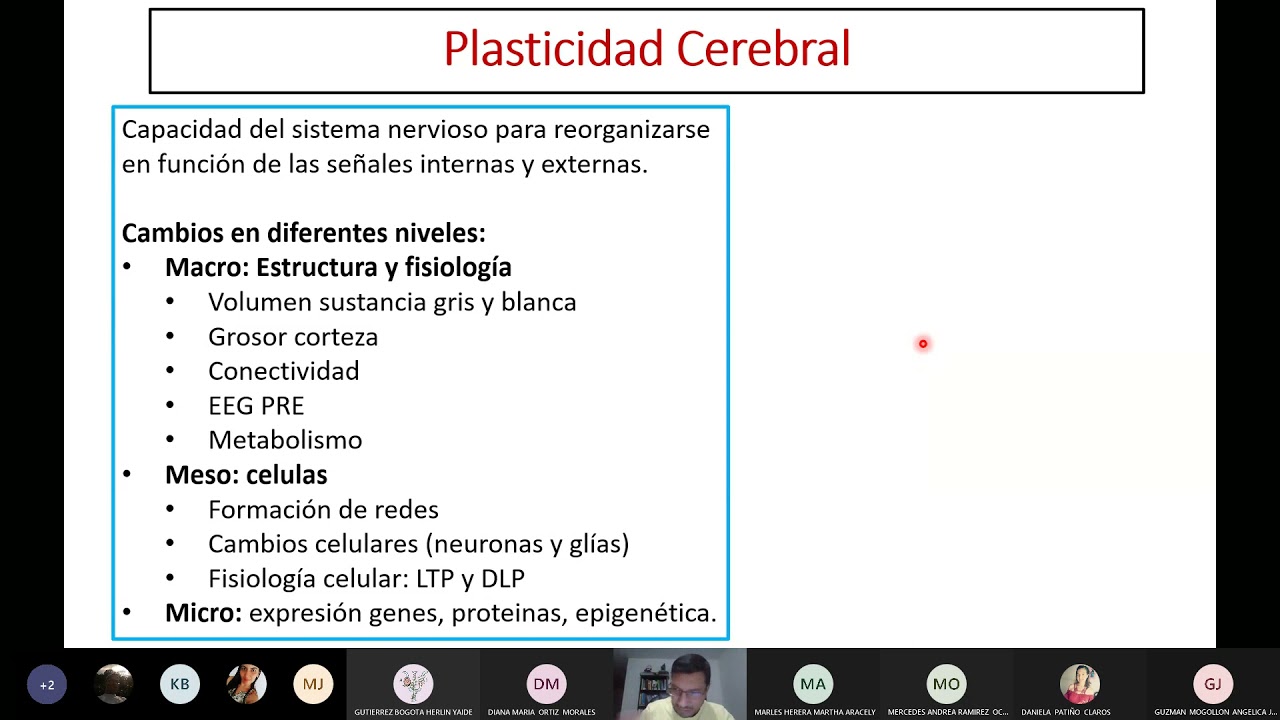
Basic neuroanatomy and the concept of brain plasticity (neuroplasticity), including how the brain processes and lateralizes functions during development.
The fundamental differences between First Language Acquisition (L1), which occurs naturally in childhood, and Second Language Acquisition (L2).
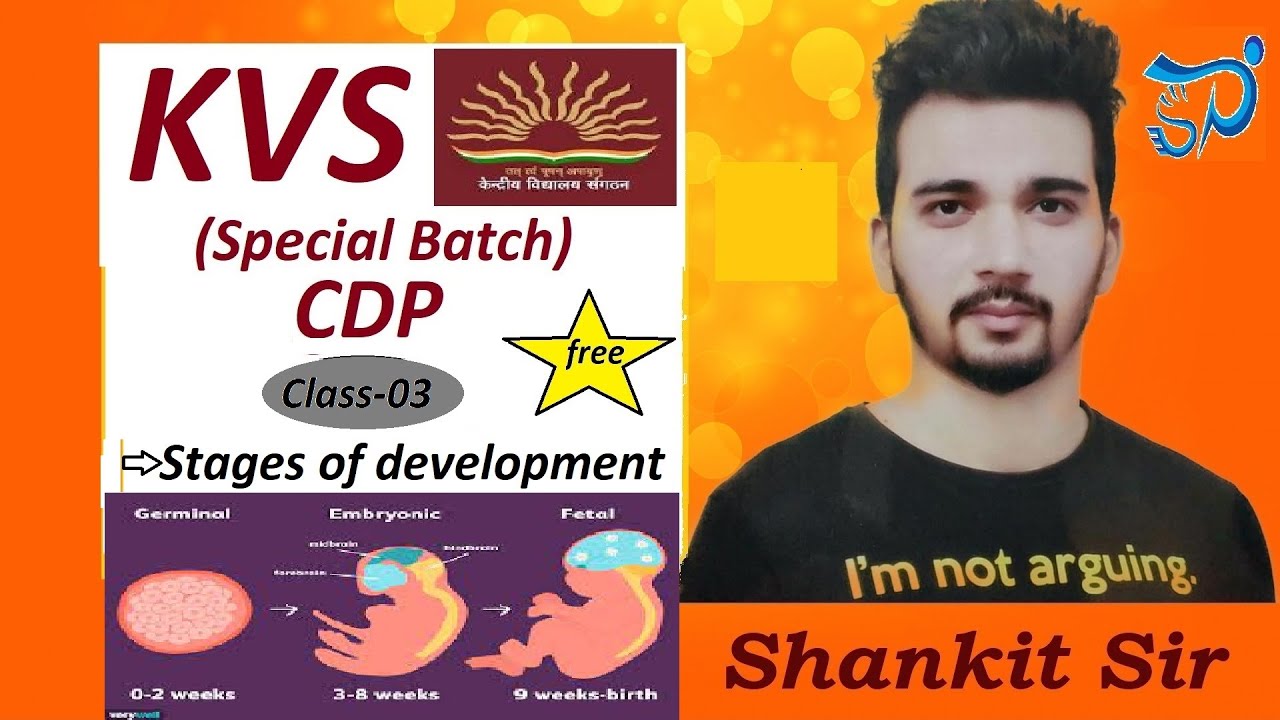
General stages of cognitive and physiological child development from infancy to puberty.
Analysis of extreme case studies of linguistic deprivation, such as the case of Genie Wiley, to evaluate the empirical boundaries of the Critical Period Hypothesis.
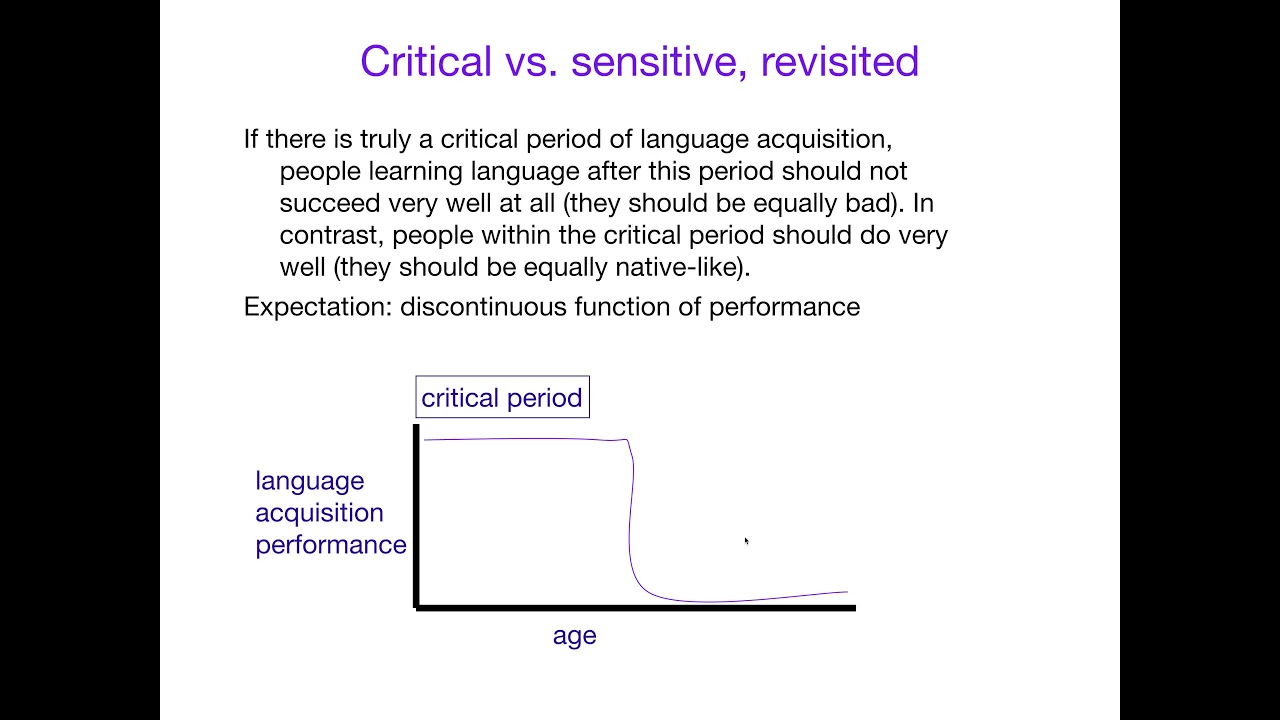
The scientific debate surrounding 'Critical Period' versus 'Sensitive Period' in Second Language Acquisition (SLA) for adolescent and adult learners.
Practical pedagogical implications, such as designing age-appropriate language curricula and early childhood immersion programs.
Neuroimaging studies (like fMRI) examining how age of acquisition affects cerebral representation and processing of multiple languages.
5.5K views54likes10:44Original Release: 2021-11-17
Hello everyone! This is the Lenneberg's critical period hypothesis on language or second language acquisition under the MTB- MLE. so today i will discuss to you further what is the behind the explanation uh what's the concept of linear periods critical period and what is the implication into uh teaching our young ones especially from age two until puberty that is the average age is h2 until uh 12 years old okay let's go so who is uh lady bird eric Hansen Lenneberg was a linguist and neurologist with a background of the the proponent who pioneered ideas on language civilization and cognitive psychology particularly in terms of concept and innateness and he was born in dusseldorf germany so what is critical period hypothesis this is the period where in the first few years of life is the crucial time illusion individual student or a child can acquire the first language if presented with an advocate or adequate stimuli so in here this is the crucial part because this is when the child or child learns his first language so the first exposure now is the crucial part argued that language uh position needed to be to take place between age two and puberty so money young age 2 and puberty so the average age for girls to begin puberty is 11 while for boys is 12. so morning age at bantay and as teachers to wear in our instructional materials our learning materials our teaching styles may suit to their needs where we have this kind of age from two to so for example because that begins in our family to age of two because it is again crucial part okay this is the starting point of learning the language i have a friend language again that's the crucial part that's that's why i i came into an affirmation of the steering at a great imitator that's why we need to be extra careful in in attending to them because so according to lenny bird in humans vocal learning seems to occur most readily within the age span define aesthetical periods bracket in which hormonal experiential and age factors come into play that is why when we teach we really start with the sounds when we teach the alphabet we really need to to i teach them first the sound of abc is in here the theory gives important vocal learning is vocal meaning we start really start from the pronunciation learning activities for critical period this is only a suggested activities now for this crucial age by age two kids start recognizing some letters that can sing and see a lot of the abc sound one mention so three kids may recognize about half letters in the alphabet and start to connect letters to their sound sound the vocal mention like s sound the s okay four kids often know all the letters of the alphabet and they're correct extraordinary by age five most children can use their hands and fingers motor skills but see to it these skills are ready defined motor skills are ready hold pen or pencil colors copy triangles and other geometric shapes triangle square to help them build their fine motor skills five decode basic words with strategies and identify sight words in order to read age-appropriate books you know it's suggested my children's book write simple words and sentences using punctuation and capitalization all in this age then from 6 to 12 word games expand your children's vocabulary and with word games jokes situations jokes are relevant captivating humor creativity riddles rhymes more names storytelling songs tongue twister it may include teaching of grammar no grammar because again in the field of grammar syntax then what is the implication of why we have to learn all these things the implication is that a teacher or a teacher must adjust her his or her teaching learning materials relative to the age of the student or people or child now just because again we have to consider uh his or her the child's readiness the ancient tudor suggested activities until 12 now and again we have to consider the the native language of the child before teaching them the second language if he has this first language in misaya and the attention okay so i think that is just for today discussing these things of lenny bridges theory later on we we shall learn another things another theories regarding language acquisition like that of russian okay so thank you don't forget to subscribe our future discussions for under the related videos of this lesson thank you and mindanao
Up Next
10:01
Language: Phonemes, Grammar & Development | Psychology
@crashcourse
2.4M views•2014-05-26
36:52
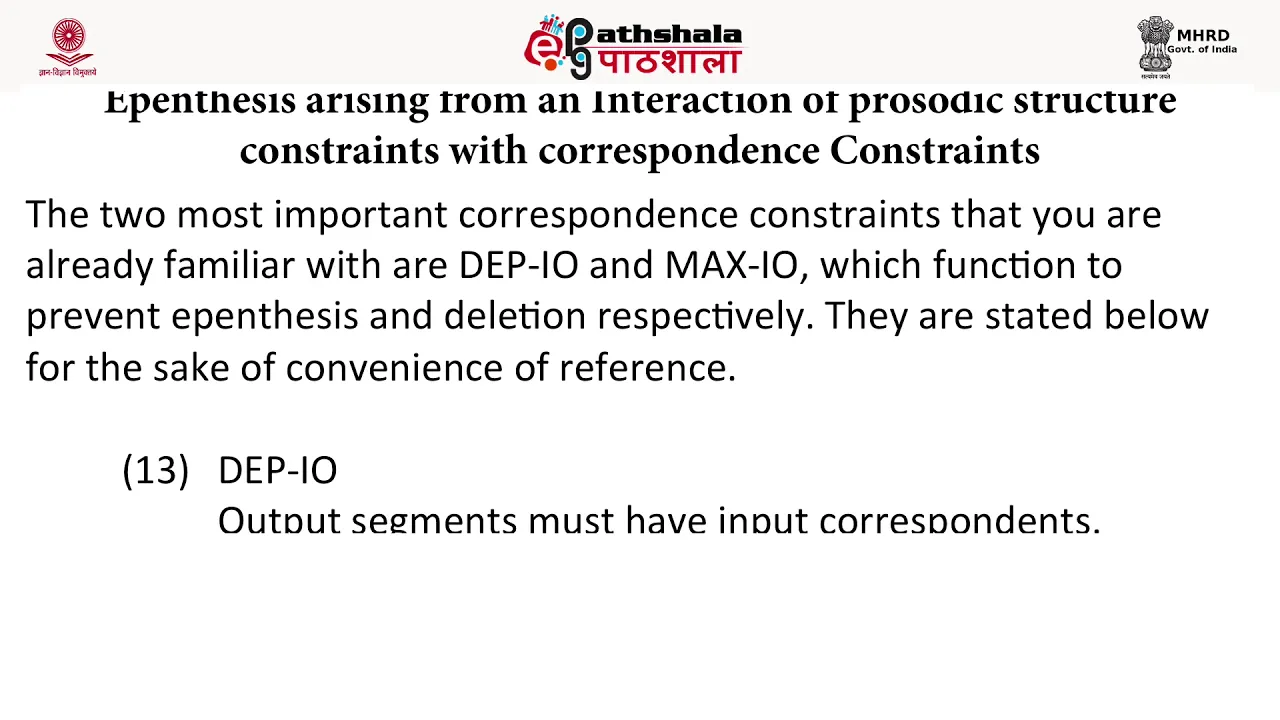
Constraint Interaction in Optimality Theory: Epenthesis & Deletion
@Vidyamitra
180 views•2018-08-20

8:59
Forensic Linguistics: How Language Solves Crimes | PBS
@pbsstoried
1M views•2024-01-25

21:32
Accent Expert Explains U.S. Regional Dialects | Part 1
@WIRED
9.3M views•2021-01-21
Related Study Plans & Knowledge Roadmaps
Structured learning paths in Linguistics
linguistics
Optimality Theory: Tableaux & Constraints
01Phonological Basics: Sounds, Syllables & Rules
02Foundations of Optimality Theory: GEN, CON, and EVAL
03The Constraint Inventory: Markedness vs. Faithfulness
+ 2 more learning modules
15h5 modules
Explore Roadmap
linguistics
Morphosyntactic Alignment: S, A & P Systems
01Foundations of Syntax: Transitivity and Arguments
02The Linguistic Variables: Mapping S, A, and P
03Nominative-Accusative Alignment
+ 3 more learning modules
12h6 modules
Explore Roadmap
linguistics
Analyzing Sign Language: Phonology & Syntax
01Foundations of Sign Language Linguistics
02Phonology: The Five Parameters of a Sign
03Morphology: Word Formation and Classifiers
+ 2 more learning modules
14h5 modules
Explore Roadmap
linguistics
Pragmatics: Speech Acts, Grice & Politeness
01Introduction to Pragmatics: Meaning in Context
02Grice’s Cooperative Principle & Implicature
03Speech Act Theory
+ 2 more learning modules
14h5 modules
Explore Roadmap