














![Mansfield Park by Jane Austen (feat. British Imperialism, Slavery, & Much Piety) [cc]](https://i.ytimg.com/vi/rSeIw7vTFt8/maxresdefault.jpg)
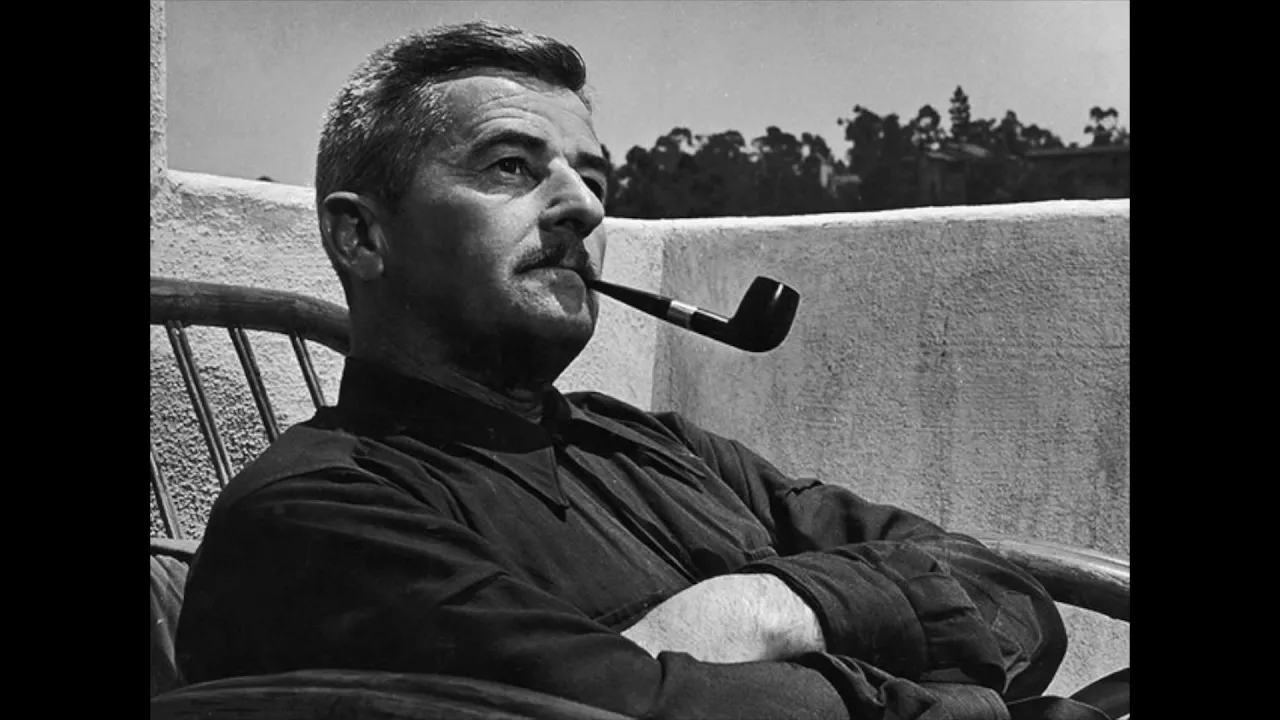
William Faulkner's novels, particularly Absalom, Absalom!, Light in August, and Go Down, Moses, explore the complex reality of race relations in the American South by depicting mixed-race characters who face violence and social rejection, reflecting both the systemic racism of the era and Faulkner's own patronizing racial attitudes; while Faulkner personally considered himself progressive on race issues and supported civil rights movements, his works contain subtle racist undertones that reveal a more nuanced form of racism where white Southerners judged African Americans based on behavioral standards rather than accepting them as equals, demonstrating how literary representations can reflect complex personal contradictions.
Faulkner & Race: An Analysis of His Works
Added:Historical context of the American Jim Crow South, segregation, and the socio-political climate of Mississippi in the early-to-mid 20th century.
An understanding of Southern Gothic literature, including its focus on ancestral guilt, racial tension, and historical decay.
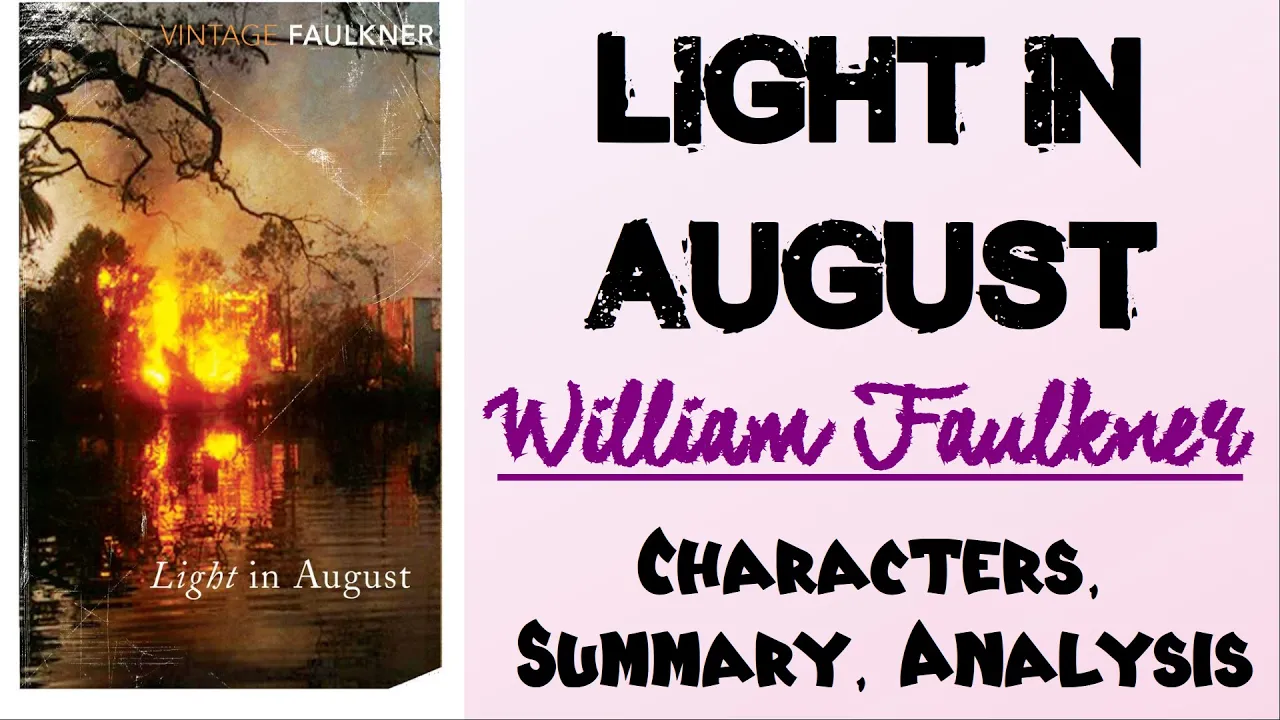
Familiarity with William Faulkner's major works, particularly those dealing heavily with racial themes such as 'Light in August', 'Absalom, Absalom!', and 'Go Down, Moses'.
The literary theory concepts of 'Intentional Fallacy' and 'Death of the Author'—specifically, the debate around separating an author's personal biases from the text they produce.
An in-depth critical analysis of specific Faulknerian characters, such as Joe Christmas or Charles Bon, to evaluate how Faulkner constructs racial identity and 'passing'.
A comparative study of Faulkner's depiction of the South alongside his Black contemporaries, such as Richard Wright, Ralph Ellison, or James Baldwin.
Examination of the broader literary debate of 'separating the art from the artist' applied to other modernist figures with problematic personal views.
Application of Critical Race Theory and postcolonial theory to Southern modernist literature to analyze systemic power dynamics in historical fiction.
4.1K views148likes16:47Original Release: 2019-07-18
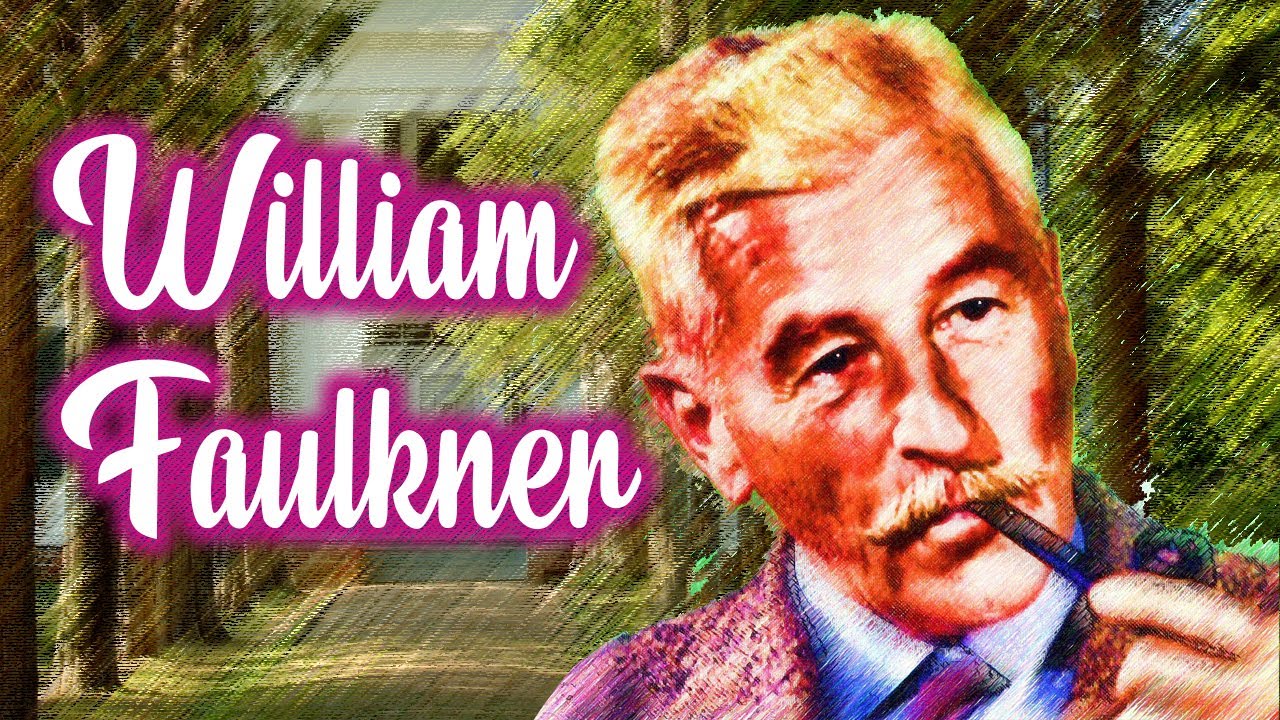
hello and welcome back to bookish today I want to do the last in my series about William Faulkner I've been doing a serious about Faulkner in which I kind of explore some of the themes a Faulkner's novel that are related to life in the South violence class and today or to deal with the issue of race and racism you know since Faulkner wrote about and all his novels and almost all his works were said in the American South in the late 19th and early 20th centuries it's impossible to avoid the issues of race in his work there are principally I think for works of Faulkner in which we can see his portrayal of race relations and racism the most clearly and therefore I think those are the four works that are potentially the most problematic before going into that I do need to tell you that Faulkner's characters frequently use the N word to describe african-americans this is something in itself that any number of people might find offensive and might find is a reason to avoid Faulkner fair enough but I do want to just point out one thing and that is that that term would have been used by white Southerners in the time period in which Faulkner's novels were set unfortunately this is true I think the n-word almost exclusively appears in the form of dialogue in Faulkner's works where characters are using the n-word but since some of his works or stream-of-consciousness it can be a little bit more difficult to tell the issue of race plays a role in four of Faulkner's works or plays a major role in for a Faulkner's works three of those are some of his most respected and major works those would be Absalom Absalom light in August and go down Moses but I also think race is a subtextual topic of his kind of collection of short stories which were put together in a novel called the unvanquished so in the first three novels Absalom Absalom light in August and go down Moses the issue of race involves what I think is it's fair to say is an obsession with Faulkner in his work and that is the his dealing with the reality that slavery produced a large number of mixed-race people in the American South we have no idea how common it was for African American slaved African American women to be raped by white men their owners etc but we have to assume that number was relatively high and this is a reality that Faulkner deals with and in these three novels in fact some of the major characters are characters with a mixed-race heritage it's almost always all three characters who are kind of major figures our male characters who had a white father an african-american mother by the way just let me restate any sexual relationship between a white slave owner and a female and african-american enslaved female all of those that all those sexual relationships are raped it's impossible to give consent if you're enslaved and therefore those are all rapes so in absalom absalom the mixed-race character is Charles Bond he is the the son of one of the most important kind of figures in the founding of yatin cognitive account II a man named Thomas Sutton and he comes to Mississippi to kind of claim his heritage as sutt pence son he falls in love with his hat his white half-sister and is later then murdered by his white half-brother who he'd become very close friends with Charles bond has a strong noble figure a person to be admired and I think Faulkner makes it clear that his brother who shoots him is the weaker brother and is the less you know he is doing what Southern tradition says he should do if an african-american man attempts to marry and therefore have sexual relationships with his sister in light in August the character or the mixed-race character kind of the center of that novel is a man named Christmas joke Christmas is you know not a particularly good person I've seen some critics describing him as a psychopath who ends up involved in a sexual relationship with an older white woman who is then murdered Christmas is blamed for it primarily because his mixed-race heritage and he is going to die from being shot to death and castrated by a member of a lynch mob who comes to look for him and then go down Moses the the most important mixed-race character in that book is Isaac McCaslin or Ike McCaslin and when Ike McCaslin learns about his mixed-race heritage he essentially decides to be celibate his whole life and had never married and had never reproduced and as a result he lives out the rest of his life as a figure of some respect in y'all capital County as I believe the line goes he was uncle to half the county and father to none two of the three mixed-race characters Charles bond and Isaac McCaslin are presented as sympathetically and the case of Charles bond I think somewhat heroically and while Joe Christmas is in fact probably a psychopath who may have murdered his adopted father even Joe Christmases death is not in Faulkner's view I think from the writings seen as a good thing the man who kills Joe Christmas and castration is an evil terrible man who I think that Faulkner clearly indicates has done something terrible in killing and castrating Christmas so I think it's kind of interesting to look at those three characters from those three books I try to figure out what Faulkner's up to what is he saying is he okay with people of mixed race is he okay with marriage between the races with you know interracial romances and marriages and children or is he against it you know one way of looking at it is is that Faulkner is relating the reality of life life in the South that african-american men who attempt to engage in romantic or sexual relationship with women were frequently the victor victims of violence and oftentimes terrible violence there is some reality of that is he holding up McCaslin as a model for how people of mixed race should behave or is he in dining white Southern society for not accepting its mixed race mixed race people are being more racially accepting before I kind of get to that and in those books I want to talk about the fourth book which is the unvanquished now the advantage is really a book about how white southern society has to change and adapt to the future in addition to that it also kind of describes african-americans enslaved african-americans and post slavery african-americans in really stark terms in that book african-americans who remained on the plantation remained on Colonel Sartoris plantation even though the Union Army was approaching and freedom was coming those who stayed who maintained traditions who helped the white family members preserve you know what they could of the plantation and of their way of life those characters are treated sympathetically and they're referred to by name african-american characters in the book and african-americans in general who ran from their plantations as the Union Army approached northern Mississippi and attempted to meet with the with the Union Army to gain their freedom are invariably referred to by the n-word and they are talked about and treated differently these are kind of I think interesting topics that come up here with Faulkner and the and the issue of race and so I think they'll Enid the question is our Faulkner's works racist was Faulkner a racist and this is a really complicated answer I think and I think it's one which we have to lead up leave up to the interpretation of individual readers so I'll just give you my opinion my opinion is that Faulkner the man was far more racist than Faulkner's works are this is because Faulkner didn't believe himself to be a racist Faulkner believed that his ideas on race were really progressive and he accepted and sometimes promoted the idea that white Southern society was going to have to accept all kinds of change including acceptance of African Americans as equal in his own personal life after Faulkner was well known for being kind and supportive and admiring of the african-american people in his own life of African Americans he came in contact with and I think his idea that he wasn't a racist his belief that he wasn't a racist means that he wrote books that were not racist he wrote books which I think he attempted to explain the reality of the racial situation in the South before and during his lifetime and to suggest that change had to happen and was inevitable so again I would just kind of go back to the idea that the books are less racist than the man because Faulkner was the kind of racist who believes that since he has these kind of progressive ideas about race that equality for African Americans was an inevitable change that white Southern society would have to accept that he doesn't believe that he was capable of racism and so I think he self-consciously make sure that when Joe Christmas dies he dies in an injustice that when Charles Bond dies he dies at the hands of a weaker white man that Isaac McCasland decision not to get married well you know viewed somewhat admirably is for him you know kind of a a personal tragedy in the unvanquished the african-americans who flee north to meet up with the Union Army are referred to by the characters in the novel by the n-word which i think is safe to say that in you know 1864 white southern slave owners would have used the N word to describe enslaved people who are trying to escape to the north what he portrays happening to those people though it leads to more ambach the african-americans who moved north to escape slavery by joining the Union Army ran into a situation where there wasn't a food or water or shelter for them and hundreds of them died tragically while crossing a bridge which collapsed under their weight so his father saying that African Americans should not seek freedom and equality auch nur did write these novels from the south an area in which racism was evident in the laws and in everyday society and I think it's impossible that his views on race weren't influenced by that but again I'll remind you that Faulkner thought about himself as progressive on the issue of race and he saw himself as a supporter of civil rights I think he famously complimented Martin Luther King jr. and the other leaders of Montgomery bus boycott one of the most you know iconic and important moments in the history of the civil rights movement but Faulkner is also famous and one famous quote said that he opposed forced integration just like he opposed for segregation and he didn't think the United States government should be coming to Mississippi and forcing the integration of public institutions and in fact in a passage which he later said he was misquoted he said that if Mississippi decided to fight against the federal government to prevent forced integration that he would take up arms and fight with Mississippi and that might include even shooting what he referred to as Negroes to avoid forced integration well that's not a very progressive idea about racism or equality for African Americans so I think the accurate way to look at Faulkner's issue on race is that his form of racism was a patronizing form of racism he had no problem with african-americans as human beings no problem praising their Verte individual virtues or promoting individuals are loving african-american individuals but he also was resistant to the idea of forced change in the South that the South he thought had to be allowed to change gradually and therefore he's against efforts to force integration not because he doesn't even equality for African Americans but because he believed almost that they had to earn that equality through their behavior that they had to prove themselves worthy of that equality by being patient and waiting and always doing what in his mind was the right thing well this is in fact a form of racism Faulkner is essentially saying that white people will decide when African Americans have earned equality and therefore began treating them equally that is an inherently racist concept in that form of patronizing racism is something that I think a lot of white Southerners adopted and it kind of leads me to the issue of and kind of one of the things I want to close this with is to be aware that there are all kinds of racism there's the Confederate flag waving hood wearing swastika tattooed cross burning in the street violent attack African Americans of the minorities racism that's the kind of racism I think that most people think about but there's also this more subtle form of racism which essentially judges the behavior of African Americans based on the standards of white people well that's a more subtle form of racism a form of racism I think that Faulkner was personally guilty of this would be the form of racism in which southerners like the southerners portrayed in the end of vanquished viewed African Americans differently based on their behavior those who followed traditions and didn't make trouble were seen as being good African Americans and those who made trouble and broke with those traditions and sought a rapid change were referred to by the n-word then there's this the other kind of racism which I don't think Faulkner ever really addresses and that is the even more subtle form of racism that I think we still battle with today and that is the form of racism the diffuse people of color as other white people viewing them as being inherently different as not being the same as not than being fully human is not then being fully citizens in the United States as evidenced by the president's racist comment to for women of color who remember the United States Congress that they should go back to the country they came from when this the United States is the country they came from so was Faulkner a racist yes I think in the patronizing sense he was a racist are his books did inherently racist I would say no because I think he self-consciously tried to not make them so because he didn't view himself as a racist and he didn't want to promote racism and his works are they're subtle hints of his form of racism evident in the novels I believe that's a matter of how you choose to read them so my own conclusion is that Faulkner's books are less racist than Faulkner the man himself actually was feel free to disagree with me feel free in the comment section to point out flaws and my argument about Faulkner and to challenge me on the idea that I view Faulkner's works as being less racist than fought in the man because I'm a fan of Faulkner's works anyway look forward to seeing all those comments in the comment section below and as always thank you for watching
Up Next
23:12
William Faulkner's A Rose for Emily: Full Audiobook
@thepostarchive
318.9K views•2018-05-06

13:43
Formalism in Literary Criticism: An Academic Lecture Overview
@mattalberhasky9952
39.1K views•2015-08-05

6:08
Point of View in Fiction: First Person vs. Third Person
@magicalthriftyteacher
153.8K views•2014-03-31

15:25
1984: Orwell's Dystopian World and the Mechanisms of Totalitarianism
@AlternateHistoryHub
7M views•2017-03-04
Related Study Plans & Knowledge Roadmaps
Structured learning paths in Literature
literature
Graphic Memoirs: Visual Art, Trauma & History
01Foundations of Sequential Art and Visual Language
02Autographics and Processing Historical Trauma
03Visualizing Personal Trauma, Grief, and Graphic Medicine
+ 2 more learning modules
14h5 modules
Explore Roadmap
literature
Campus Novels: Evolution, Themes & Critique
01Introduction to the Campus Novel Genre
02Mid-Century Satire and the Post-War Academy
03Dark Academia and the Critique of Privilege
+ 2 more learning modules
14h5 modules
Explore Roadmap
literature
Theater of the Absurd: Philosophy & Plays
01Postwar Existentialism & Historical Roots
02Dismantling Narrative: Esslin & Absurdist Conventions
03Samuel Beckett and Tragicomic Existentialism
+ 2 more learning modules
12h5 modules
Explore Roadmap
literature
Revenge Tragedy: Justice, Madness & State
01Foundations of Early Modern English Theatre
02Anatomy of Revenge: Structural Conventions
03Psychological Complexity: Madness and Melancholy
+ 2 more learning modules
15h5 modules
Explore Roadmap