





![도르마무! 자금을 돌리러 왔다!ㅣ[버디버디] 내 돈은 어디에 두어야 할까?](https://i.ytimg.com/vi/0FbExTncO1U/maxresdefault.jpg)




















A Minsky Moment is a sudden collapse of asset prices that can lead to a financial crisis, named after economist Hyman Minsky who observed that prolonged periods of economic stability encourage speculative borrowing and lending, building up debt and leverage until the system becomes fragile and susceptible to shocks; this phenomenon has occurred historically during the dot-com bubble (2000) and the 2008 housing crisis, with current indicators suggesting similar patterns may be emerging today.
Understanding the Minsky Moment: Financial Stability Risks
Added:Understanding of the credit cycle and how leverage impacts both corporate and sovereign financial system vulnerability.
Basic concepts of macroeconomic policy, particularly central bank monetary policy, interest rate fluctuations, and liquidity provision.
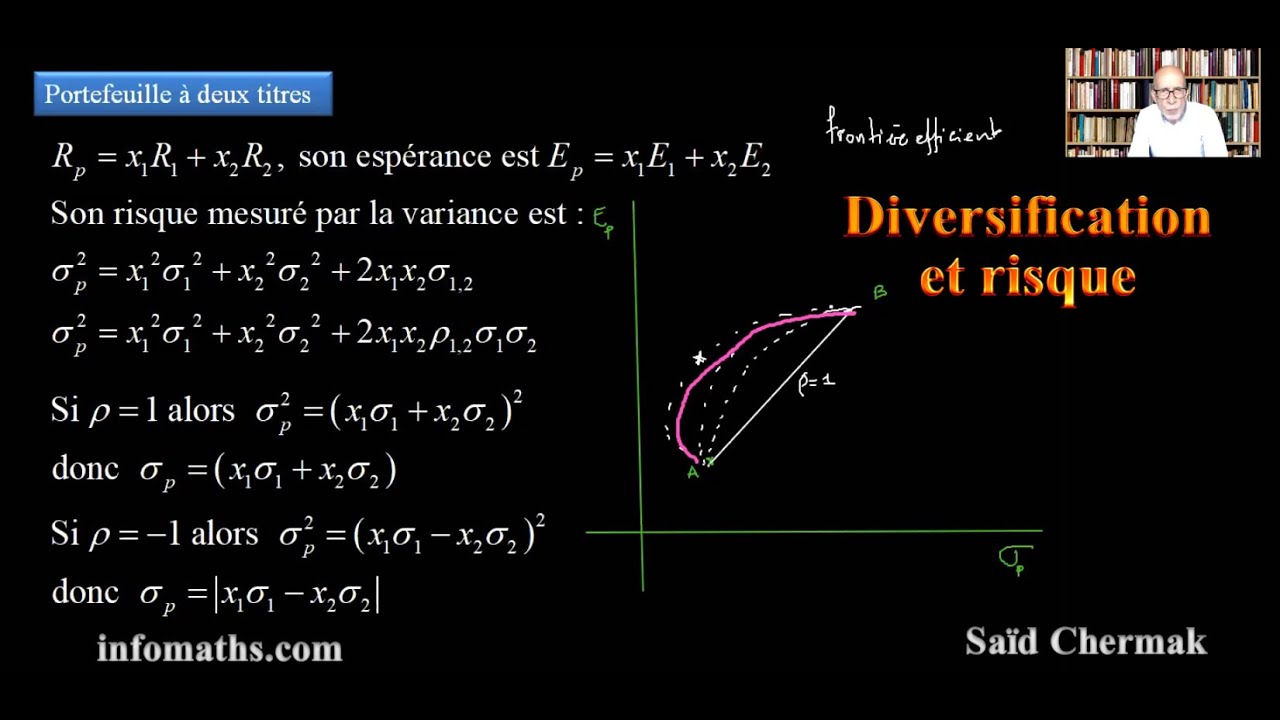
Foundational principles of asset allocation, including portfolio diversification, correlation coefficient basics, and risk-return trade-offs.
The basic mechanics of speculative bubbles, including how asset price inflation is fueled by debt and credit expansion.
Historical analysis of past global crises (e.g., the 2008 Great Financial Crisis or the 1997 Asian Financial Crisis) through the lens of Hyman Minsky's theories.
Advanced portfolio hedging strategies, including the use of derivatives, trend-following strategies, and investing in tail-risk protection assets.
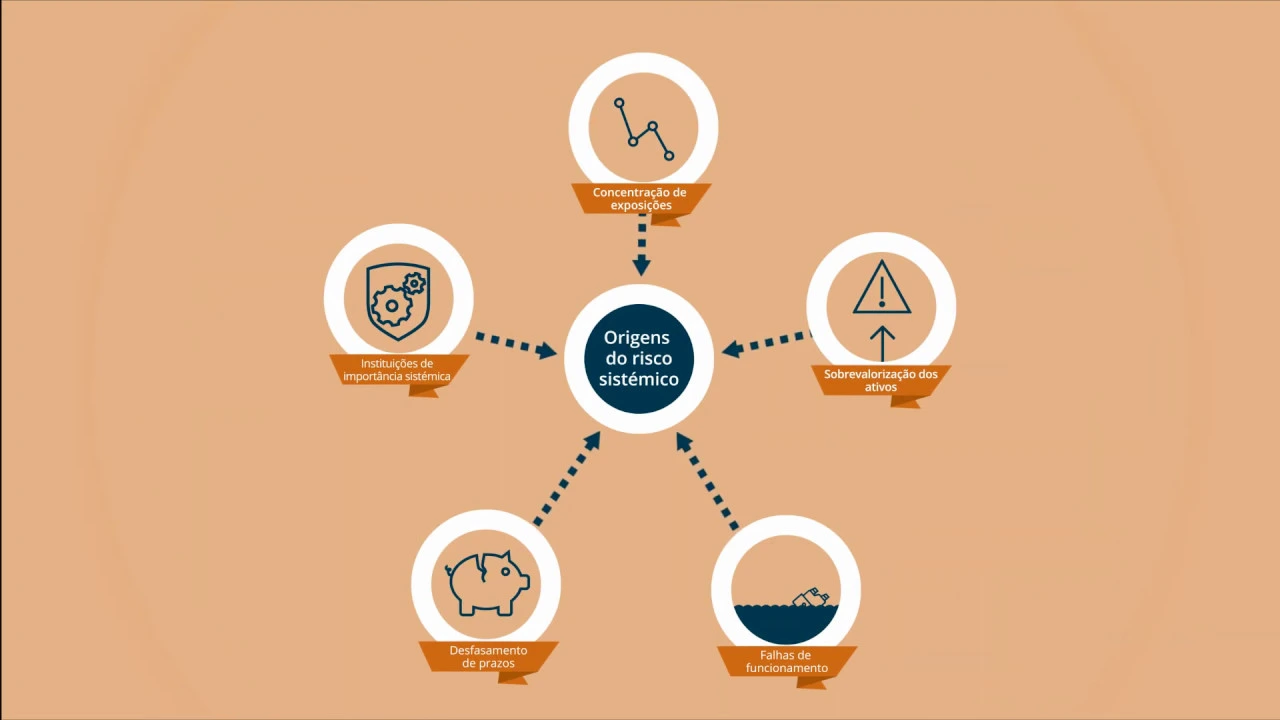
Study of macroprudential regulations (such as Basel III capital requirements) designed by central banks to mitigate systemic financial instability.
Behavioral finance theories that explain investor psychology, herd behavior, and cognitive biases during market euphoria and subsequent panics.
47.8K views1.7Klikes14:57Original Release: 2023-03-25
guys it is a scary time in financial markets right now in all markets right now you are going to see days sometime in the near future where they're going to Halt the stock market again we saw it during kova during 2020 and it is scary but there are many many reasons that this is happening lots of debt lots of people just pumping up assets that shouldn't be pumped up and eventually those are going to crash and burn it is going to be a lot of pain out there for a lot of people this has happened in recent history probably a lot of you that are watching it's happened in your lifetime these moments are called Minsky moments so what is a Minsky moment it's a moment of a sudden collapse of asset prices that can lead to a financial crisis the term is named after Hyman Minsky who observed that prolonged periods of economic stability can lead to an increase in speculative borrowing and lending resulting in a buildup of debt and leverage sound familiar this process can create a finance a fragile Financial system that is suddenly susceptible to sudden shocks or Minsky moments and that's kind of the situation that we're in right now it happened during the.com that wasn't that long ago in the grand scheme of things and it happened in 2008 that wasn't that long ago in the grand scheme of things so what do these come from high amounts of Leverage that's number one you're seeing it with people credit their loans on their homes their loans on their on their cars their loans with their credit cards you're seeing it in companies taking on astronomical amounts of debt especially in 2020 2019 2021 you had all these tech companies that were just swimming in debt because money was so cheap they had no looking forward of where to pay it off look at the banking system look at Silicon Valley look at signature what were they doing they were taking short-term assets going into long-term bonds and saying hey treasure interest rates aren't going to spike and look what happened this is part of the cycle second part asset prices screaming to the top guys look at the s p here look what happened from covet actually you know what let's Zoom this out and this is the s p chart going back to 2012. I'm just going to draw this little line here remember the second part about the Minsky moment is a sudden move look at that what looks different about that you're seeing a gradual incline over an eight year period and then all of a sudden that that is part of the Minsky moment number three deteriorating credit people are giving out loans to people that shouldn't have loans or creditors are giving loans to people that need money that shouldn't be having money you are seeing they put on a little bit more stringent regulations in 2008 do not get me wrong but during these times of greatness where asset prices just keep flourishing you start seeing people that are getting money that shouldn't be getting money personal people people like your neighbors also companies look at all these specs they were getting tons and tons of money they shouldn't have got them there are going to be a lot of defaults coming into the system I have a friend he's one of my neighbors if I said the company that he was CEO of you would all know it he is in the used car business they are seeing people default on loans left and right granted his business goes after people that cannot really afford to get a good loan they do have higher credit I'm sorry they do have lower credit they do have higher interest rates but you're already starting to see that happen very very quietly Minsky moments can happen suddenly or gradually just depends on what's going on in the system but this right now seems like it's pretty gradual to a certain point but at what point does this happen at what point are we gradual gradual gradual and then boom is it somewhere in here here is it somewhere in here I don't know but to me I think this is actually a little bit of a combination of both of them number four Rising interest rates all we have to do is say Silicon Valley Bank when you start seeing interest rates that are zero percent for a very long period of time people get extremely extremely comfortable with them and when inflation hits like it did don't they raised interest rates because they printed so much money and they gave it away that caused the inflation it doesn't matter what caused the inflation it matters that they had to raise the interest rates and when these interest rates go from zero the FED funds rate to 4.5 to I'm gonna put six percent on the high side who knows where it's going to go you are going to see some trouble you saw that with Silicon Valley Bank you saw it with signature saw it with First Republic you started with credit Swiss what bank is not going to exist on Monday that really what is what it comes down to number five lack of regulatory oversight you're seeing it right now you're seeing Janet Yellen out there saying you know what if this contagion effect happens we're going to bail out depositors we're just gonna bail them out no matter what and when you start to get that laxity there become problems in 2008 they put in more stringent regulations they went from a hundred thousand to two hundred fifty thousand dollars of FDIC insurance they told these banks that they had to have X number of liquidity because they if they get in a situation they have to be liquid to fight these issues and now you're starting to get in the situation of well we'll just we'll just back depositors it's not the same thing as FDIC insurance it's not the same thing as the banks having to have liquidity but you start seeing these Trends and one once you start going down that path it's a very very slippery slope guys we do videos like this all the time and I'm not done but we do videos like this all the time subscribe to the channel we do banking reactions we do earnings reactions we do chaos reactions subscribe to the channel you will have a better understanding of everything in the system when you start watching these videos regularly so let's go to 2000 2000.com what exactly was happening during the.com well frankly it was very similar to what was happening in 2020 you had these companies and I want to show a website here it's called spec analytics and it's one of my favorite websites it comes through and it tells you what these spec companies are so spec companies what are they they basically take a shell of a company take a likeliness of some celebrity raise a bunch of money and turn it into some big company that's very very lame in term of it but if you're looking at this 2000 let's go to 2016. there were 111 us IPOs of those 13 were specs nobody even knew what the hell of spec was as you start moving up you get into 2019 59 specs then they explode in 2020 to 248 613 in 2021.
this is the problem this is what happened in the.com what were these companies they were your EVS they were your Zoom calls internet calls they were your Gene coding of companies that are going to solve The World's problems of cancer and solve The World's problems of eye disorders and longevity of life and Etc disruption people get super excited about disruption and they will pay anything that they can pay for it and what does that do that jacks up asset prices and when it's jacking up asset prices what happens companies they get really really high on what's Happening and they go hire a ton of people and what do they do and how do they pay those people will they go take out a bunch of debt and this is this vicious vicious spiral to the top and then all of a sudden they hit the top and boom something happens and look at what happened 2023 we have eight specs right now 2022 86 so you dropped from 613 specs down to 86. come on get real there's no Revenue in these companies and if there is it's not sustained able there's no profit there's no cash flow these companies are not sustainable and this is what leads to those bubbles and what led to 2000 the.com okay now let's go to 2008 another Minsky moment totally different situation didn't really have anything to do with hyping up these disruption stocks it had to do with regulatory issues and people not being credit worthy what was happening you guys have seen The Big Short if you haven't seen The Big Short you need to go watch The Big Short there were legitimately strippers in Las Vegas Living in multi-million dollar homes that didn't have any credit they weren't worthy of having any credit you need to go and watch that movie and that's what was happening people that should not have been getting loans for homes were getting loans to an exorbitant number multiple homes in some cases and at some point when they can't pay those mortgages what's gonna happen they're gonna default and when they default it happens very very quickly now 2008 was kind of what we're seeing now 2008 you saw the the gradual the gradual decline and if you watch The Big Short you watch Michael burry he was pounding his head he's saying I know I'm right but at some point this needs to break I know I'm right but at some point this needs to break and finally it broke because it was a gradual gradual Minsky moment all of a sudden everything happened and boom everything fell apart that was the Minsky moment that happened in 2008 that's kind of the trend I see that's happening now think about it we went through covid and we started to have this sudden slight decline oh we're we're declining this was the this was the beginning of 2022 declining hey everything's okay stop declining hey everything's okay stop declining everything's okay stop and now we're in that situation so it's a very very slow move but there's a lot more complexity to this one we almost have the crisis of 2008 plus 2000 combined with ours so let's go back to housing I wanted to look at this stat and just say it kind of goes to who has credit right now who has all of the loans what's exactly going to happen and how fast this can happen so the housing market took 11 years to reach 100 billion dollars in Mortgage Debt each quarter okay it took 11 years to get there well it's taken 24 months to reach 282 billion dollars each quarter in Mortgage Debt so you can see that the amount of debt that has been taken out recently since 2021 call it 2020 has been an astronomical amount and that is not a normal situation coupled with you've seen home prices skyrocketing guys I tell you I'm looking at home prices right now there are homes that are there's this one home that I have talked about it multiple times on the show it was in Naples they bought the land for a million dollars okay they built a house for two to two and a half million dollars okay that's fine now what do you think they were selling that house for eight million dollars that's what they listed it at I'm sorry that is not normal you should not be making 40 50 60 70 80 a hundred percent on a home it just doesn't work that way and those people that took out those mortgages on those homes that they paid double for they are going to be in a very eye-opening situation in a couple of years when uh in when the housing market pulls back because it is going to pull back it is not possible to stay at those levels if you think that stocks are high right now the housing market just because of the what it's done basically doubled there's home values I mean right now I'm looking at some homes you paid a half a million dollars for them and now they're 1.2 million I'm sorry that's not normal you can't just double or more than double the price of your home or the value of your home in a matter of two years it doesn't work that way it's all going to come crashing down this is going to be a big Minsky moment again Rising asset prices that's what we're seeing looser monetary policy geopolitical risks we're seeing the war in Russian Ukraine we're seeing these oil this all of this oil stuff that's happening over in Saudi Arabia there are all of these little things that start to contribute to the issues of Minsky moments if it happens when it happens it probably will happen What do you do do you just give up and go under the covers and sit there for a couple of years no you diversify your portfolio have money in different areas make sure that your banks that you your deposits are insured up to 250 000 we don't know what's going to happen but we know that those are more likely than not going to be covered diversify if you have real estate keep generating that cash flow if you want to buy stocks go ahead and buy stocks when they start pulling back if you invest in ETFs get into your ETFs and just continuously invest in them month in month out quarter and quarter out whatever that is manage your debt and Leverage specifically when I'm talking about going and buying homes or going and investing in the market do not be trading or investing on margin especially during these times do not be taking risky bets that you shouldn't be taking any time but especially right now there's a lot of companies I was in a non-profit board meeting last night and we were talking about raising money from different companies and coming to a golf outing and going to other events there's a lot of companies that are no longer no longer have funds to go out and pay for a golf outing for for a day or go to a baseball game for a charity event if they're not doing it you shouldn't be doing it you should be buttoning down the hatches you should not be spending on things that you don't necessarily need and save and don't don't go on margin second thing or third thing keep an eye on asset prices guys when I look at a company like Google and I've used this so many times because it is getting so close to the Wheelhouse I want to buy this thing at 85 that's that's kind of my Target price and you can see the 52-week low on this was just in October uh at 83.34 get ready to go and buy great companies like this with great balance sheets just because Things Fall Apart in the world doesn't mean that it's a bad thing especially for Value investors when Things Fall Apart in the world selfishly we're gonna do better that's we do better in bad times they do better in really flourishing times anybody can do better in flourishing times not everybody can do better in bad times because you have to have the wherewithal and the balls basically so when all of this is falling down and this it gets to 65 you have to go well Google's not going away 65 is super cheap I'm gonna buy that thing because I know in 10 years this thing is going to be worth God knows how much that's the difference between value investors and everybody else and the last one stay informed watch this channel when the world is in chaos we're the ones that are here to keep you calm it is going to be okay over a very long period of time especially if you're in your 20s 30s 40s it is going to be okay the market is going to be in a better place 10 15 20 years down the road than today stick to your plan subscribe to the channel and have a great day
Up Next
96:23
Why Behavioral Economics Challenges Mainstream Models
@mmtpodcastwithpatriciapino1218
521 views•2024-02-26
5:07
Impact of Yuan in Indo-Russian Trade Amid Sanctions
@WION
261.9K views•2022-07-01
10:33
Behavioral Economics Explained: Rationality, Nudges, and Risk
@crashcourse
1.1M views•2016-03-12

113:18
The Age of Easy Money: Fed & Inflation | Full Documentary
@frontline
21.2M views•2023-03-15
Related Study Plans & Knowledge Roadmaps
Structured learning paths in Economics
economics
Sovereign Debt: Defaults, IMF & Restructuring
01Introduction to Sovereign Debt & Government Bonds
02Debt Sustainability & Credit Ratings
03Anatomy and History of Debt Crises
+ 2 more learning modules
12h5 modules
Explore Roadmap
economics
Market Design: Matching Theory & Gale-Shapley
01Introduction to Market Design and Price-Free Markets
02Two-Sided Matching & The Gale-Shapley Algorithm
03School Choice Systems and Mechanism Design
+ 2 more learning modules
10h5 modules
Explore Roadmap
economics
Impossible Trinity: Forex, Capital & Policy
01Introduction to Monetary Policy and Central Banking
02Exchange Rates and International Capital Flows
03The Mundell-Fleming Model
+ 2 more learning modules
8h5 modules
Explore Roadmap
economics
Healthcare Economics: Market Failures & Systems
01Introduction to Healthcare Markets and Market Failure
02Asymmetric Information and Adverse Selection
03Moral Hazard and Insurance Design
+ 2 more learning modules
12h5 modules
Explore Roadmap