









![Loper Bright v. Raimondo [SCOTUSbrief]](https://i.ytimg.com/vi_webp/YLS0lW-EDYc/maxresdefault.webp)







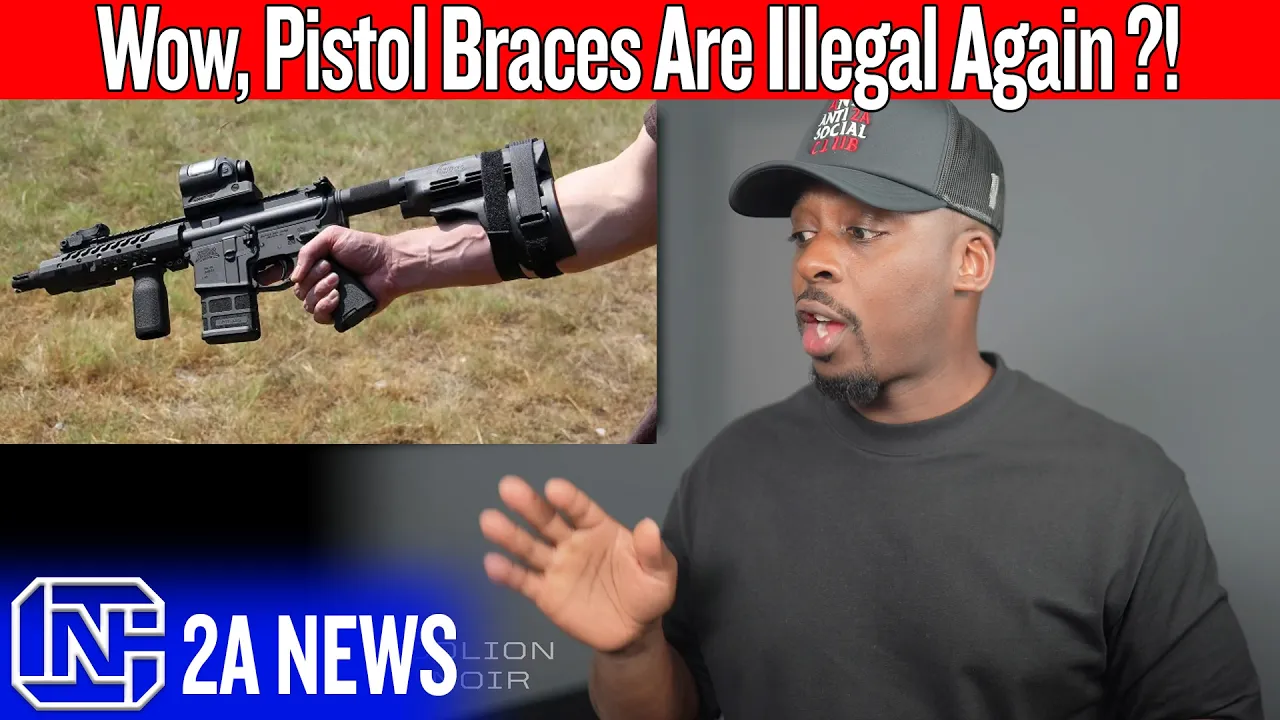
In the Mock v. Garland case, Judge Reed O'Connor of the Northern District Court of Texas ruled that pistol braces are protected under the Second Amendment because they are commonly used weapons—approximately 72% of firearms used in crimes are handguns, and the ATF's own regulatory analysis confirmed 3-7 million braced pistols are owned by law-abiding citizens for lawful purposes; the court also found the ATF violated the Administrative Procedure Act by completely changing their proposed rule to an unrecognizable final rule without proper public notice and comment.
Mock v. Garland: ATF Pistol Brace Ruling & Second Amendment
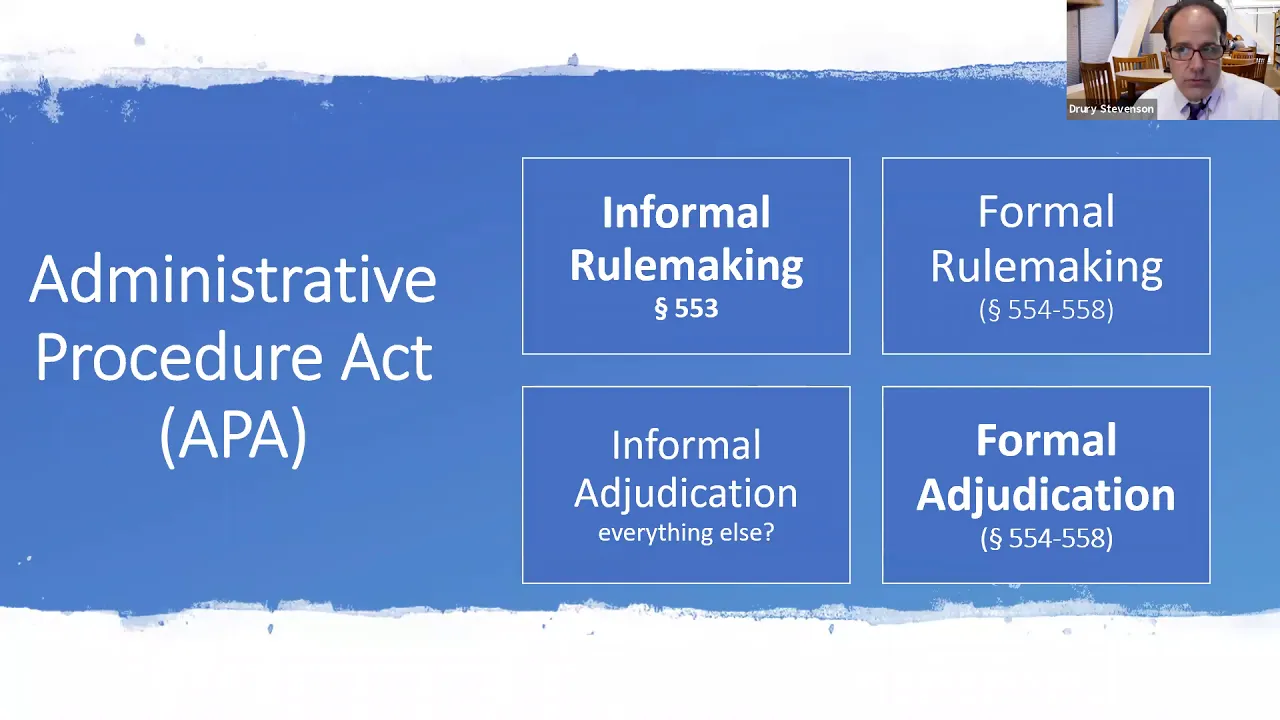
Added:The Administrative Procedure Act (APA): Understanding the legal framework governing how federal regulatory agencies propose and establish rules, and what constitutes 'arbitrary and capricious' action.
The National Firearms Act (NFA) and Gun Control Act (GCA): Basic familiarity with how federal law historically defines and regulates 'rifles', 'pistols', and 'short-barreled rifles' (SBRs).
Second Amendment Jurisprudence: Core concepts from District of Columbia v. Heller and NYSRPA v. Bruen, particularly the 'common use' standard and the 'text, history, and tradition' test.
Legal Remedies (Preliminary Injunctions): Understanding the legal standard required for a court to pause the enforcement of a government rule before a full trial on the merits.
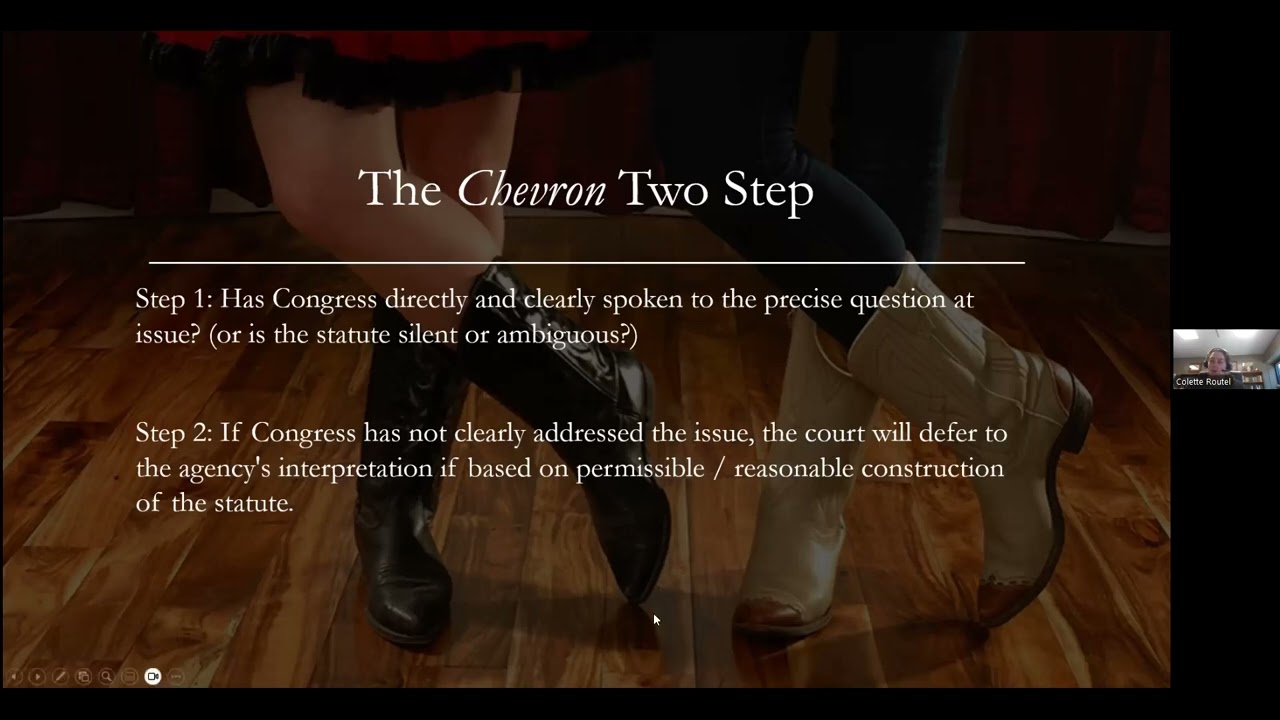
The broader legal impact of Loper Bright Enterprises v. Raimondo: Analyzing how the end of 'Chevron deference' affects federal agencies' ability to interpret ambiguous statutes like the NFA.
The debate over nationwide injunctions: Evaluating the power of a single federal district judge to block executive branch policies nationwide.
Comparative analysis of other ATF rule challenges: Examining similar litigation regarding bump stocks (Cargill v. Garland) and forced-reset triggers.
Separation of powers and administrative overreach: Exploring the constitutional boundaries between legislative lawmaking by Congress and executive enforcement/rulemaking by agencies.
116.7K views8.4Klikes17:59Original Release: 2023-10-03
big new Court ruling coming up on pistol braces we're going to be discussing it today I'm going to actually start with a summary of everything that you need to know before going to the Deep dive we're going to try this differently this time but here's a fun little quote quote having considered the party's briefing and applicable law the court grants the plaintiff's motion for preliminary injunction against the government defendants end quote that is Judge Reed O'Connor of the Northern District Court of Texas laying into the ATF and stopping the pistol braces we're going to be going on about what this all means let's get into it okay so here's the upfront summary in a 38-page blistering decision dismantling the ATF the judge Reed O'Connor ruled in favor of the Firearms policy Coalition as well as maximum defense in the plaintiffs on both the administrative procedures act that's the APA grounds as well as walking just up to the line without quite getting there yet a ruling in favor of Second Amendment grounds striking down or at least instituting an injunction the Striking down part will come later I hope but for today we're fighting the battle about the injunction and ruling that look the plaintiffs are probably going to wind up prevailing in the end and by the way this does get spicy with some big things that you will want to see regarding things like what's the definition of common and dangerous weapons what does that test look like pistol braces are discussed and so are AR-15s the court ultimately grants the preliminary injunction to the Firearms policy Coalition Inc and all of its members so there's no more questions it appears at least about whether you had to be a member before the lawsuit was filed or before the fifth circuit ruled or before the May 31st enforcement date this injunction just seems to blanket the question by saying all of the members so if you have a pistol brace and if you're worried about going to prison if if you needed another reason to join a fantastic group like Firearms policy Coalition also shout out to Gun Owners of America Goa join both I'm a member of both but for God's sake at least you have got a reason to get off your butt and do it right now for FPC however there's no Nationwide injunction for non-members okay the injunction is for the plaintiffs members of firearms policy Coalition as well as maximum defense and their customers so it appears that if you join FPC again you are going to be protected by this injunction for however long this lasts so I want to preempt some of the people who I know they're going to post in the comments section anyways who claim hey nothing has changed why did you make a video here's five things number one new Court ruling is always important and always deserving of analysis number two we have an expansion and clarification of the injunctions some of whichever recovered number three we still have APA that's the administrative procedure act violations by the ATF that the court gets into number four we have a brand new Second Amendment analysis and violation by the ATF and number five we also have a common use discussion by the court I still look forward to seeing those people post up in the comments section why did you make the video it's going to happen I've learned to accept it by now okay so before we get to the discussion we have a quick shout out by today's sponsor Counterpoint seminars.com absolutely fantastic group I may be a little bit prejudiced this is a Top Flight organization that's gonna be putting on Wisconsin use of force law in Brookfield that's a suburb Milwaukee Wisconsin December 16th if you or someone you know live in Wisconsin be sure to check this out an all-day seminar taught by actual attorneys who know the law on this I'm going to be one of them go check it out counterpointseminars.com there are limited tickets available hope to see you all there December 16th so now to the case details the entire decision is linked below and I also included by the way a written summary of the history of the ATF flip-flopping or as they call it clarifying their positions on pistol braces going all the way back to 2012.
so that way if you're looking for something to copy paste there you go I also included the timeline and procedural history of this case that's mock V garland that I won't cover here because it will take too long and you're welcome to those of you who always complain that I dare to give some sort of context and background if you want it it's in the description box below okay so the FPC lawsuit had six factors that you can read about in the description box below the two of them I'm going to season are going to be the APA and the Second Amendment we are talking about this case this ruling this opinion in the context of it being a preliminary injunction so this is not a final ruling this is not game over this is a preliminary injunction that was sent back down for these purposes from the fifth circuit the movement in a preliminary injunction that's the plaintiffs if you're trying to get an injunction you must show four things which are basically usually described as being only two things number one the substantial likelihood of success on the merits and number two the substantial threat of irreparable harm others are also in the description box below and again I cannot emphasize enough this is not the end-all be of the lawsuit but also remember and this is important so put the Cheetos down often how these preliminary injunctions go so goes the lawsuit as Colossus would call this this could be a culminating point of the lawsuit of the war where Victory may be secured though perhaps the war is far from over much like how Stalingrad or perhaps the Normandy breakout in Europe World War II were culminating points in the European theater or for instance the Battle of Midway in the Pacific these preliminary injunctions can often be but are not 100 of the time culminating points of the case that's the reason why this is so important don't be one of those those mouth breathers who are like ah it doesn't matter that's not over things can change but this is very predictive of outcome oftentimes so first let's talk about the APA the administrative procedures act so this is the narrow and alone the only issue of those six Rays by FPC in the lawsuit that the fifth Circuit Court of Appeals actually ruled on the fifth circuit as we've covered extensively in other videos did not actually go into Second Amendment now I hear some of you saying why well there's something called the Constitutional avoidance Doctrine that's out there and judges and courts generally speaking should try to avoid deciding cases on constitutional grounds if they have another reason or another path to the end zone so this is my suspicion about what's happened here is basically they had an opportunity to reach the end zone and to hit their ruling based on different grounds they never even had to look at the Second Amendment all right so that's the reason why fifth circuit never got into it but first here's a brief summary of the APA in very low resolution detail just so we can have this conversation there are about 438 federal agencies and sub-agencies Congress passes a law Congress cannot give any kind of interpretation to cover all sorts of different foreseeable issues and fact parents that the law May encounter so these agencies among their other duties have certain delegated authority under the ATF it comes from the attorney general in order to interpret and to provide some guidance on the enforcement of these different statutes that are out there again this is very low resolution solution there are some rules and checks however on how the agencies may do this they cannot give interpretations that are arbitrary and capricious they cannot give interpretations that overstep the statute they cannot give interpretations where they publish the notice of final Rule and then they seek public commentary and then they completely change the final rule such that it has no foreseeable resemblance no rational connection between the proposed public Rule and final rule as well as the actual final rule back to the case the court signs off on the APA issues as discussed by the fifth circuit which I'm not going to go into extensive detail here see our video on that the issue ruled on there basically though is that look you can't start with a proposed Rule and then completely change it to something unrecognizably different in the final rule so here we're talking about the fact that in the notice of final rule the ATF back on June of 2021 had this worksheet 49.99 that had all these different rules and different points that you basically needed to hire an accountant from Big Four counting firm to figure out whether or not you're going to be a felon or Not Sorry H R Block not for you this time and then they completely scrapped that and then came out with this six-factor test with an extra Factor over the top on the final Rule and there really wasn't much connection between the two now you can have movement again this is all very low resolution you can have movement between the proposed Rule and the final rule it has to be foreseeable and reasonable connection though the judge rules here that this particular case had neither and therefore it violates the law and as a result the plaintiffs are likely to win on this ground so that's one reason why the judge rules in favor of granting the preliminary injunction here's what you came here for though the Second Amendment now here's where it's gonna get spicy the judge could have basically just stopped at the APA and just been done but he didn't he went on into the Second Amendment as well from page 17 of the decision again linked below quote absent injunctive relief the final rule will impair and threaten to deprive them of their fundamental right to keep and bear commonly used arms as a means of achieving the inherently lawful acts of self-defense end quote why am I quoting this to you quote common use and quote he said it the Second Amendment prohibits the government from infringing upon an individual's right to keep and bear arms for self-defense this protects as well as defense against other things by the way such as tyranny but again I'm quoting from the case right now this protects an individual's possession and use of weapons that are in common use at the present time this both comes from the broon as well as the Heller Supreme Court decisions from 2022 and 2008 respectively conversely the second amendment protection is not extended to possession or use of quote dangerous and unusual weapons so said the Heller court at page 627 I'm actually prepping a whole big video on this exact topic of what's the history of dangerous and unusual weapons so be sure to hit the Subscribe button if you don't want to miss that a weapon is in common use rather than dangerous and unusual if it is quote commonly possessed by law-abiding citizens for lawful purposes today so said the Supreme Court in a third case called katano versus Massachusetts that comes from 2016. you can find that on page 420. the relevant test under the katano case is the current total number of a particular weapon that is in lawful possession ownership and circulation throughout the United States so said the judge in this case mock V Garland in the Northern District Court of Texas now as the judge observed as a per se matter semi-automatic pistols are commonly used weapons for lawful self-defense purposes across the United States today quote the court finds that the brace pistols subject to enforcement of the final rule are in common use today end quote a stabilizing brace does not somehow alter that status and effectively strip these pistols of their Sacrament protection said the judge it does not somehow magically make these pistols something different something intrinsically more dangerous when we consider that about 72 percent of firearms used in the commission of crimes are in fact handguns you could try to make the argument that statistically if you did attach a brace to these doesn't that somehow make them less dangerous and you know what apparently the ATF has actually agreed with this assessment so you don't need to believe the judge you don't need to believe me let's just look what the ATF has done and said the atf's regulatory analysis concluded that there are between three and seven million with a 50th percentile estimate of 5 million braced pistols under the ownership of law-abiding individuals for lawful purposes throughout the United States in the final rule publication by the way the ATF did not dispute the noteworthy public comments pointing out that there are millions and millions and millions of these braces that are currently in use and are commonly used by law-abody Americans for various reasons back to katano in 2016 U.S Supreme Court's decision now starts to rear its head catano found that stun guns are in common use based on quote hundreds of thousands of tasers and stun guns that have been sold to private citizens end quote here we have hundreds of thousands versus upwards of seven million just as Thomas noted as well in The Descent of a denial certiorary that semi-automatic rifles are in common use based on quote roughly 5 million Americans that own AR style semi-automatic rifles that happen on a different case we actually know of course that number is closer to 20 to 22 million so-called assault weapons AR style rifles and the like are in circulation around the United States today and possibly more or is the D.C Circuit Court said in the second Heller case yeah there's two you know the Supreme Court one from 2008 but you may not know the second one from 2011 let me know in the comment field below if you want that where they observed that finding semi-automatic rifles are in common use based on quote approximately 1.6 million AR-15s that have been manufactured since 1986 and quote up until 2011. yeah you're gonna have to multiply that by about 15 times or more to be more accurate and again there are two cases called Heller so the court wraps this up by saying accordingly the court finds that brace pistols regulated under the final rule are commonly used by law-abiding citizens for lawful purposes end quote the court lastly rips through whether pistol braces and pit their Epistles that they're attached to are protected under the Second Amendment and you can now start to see how these issues start to connect you would not be wrong by this point to Simply say because they are commonly used weapons and therefore are protected but the court also went on to add to that line of thought by clearly spelling out the pistol braces actually enhance the safety by improving accuracy and why are we trying to get rid of them therefore do we not want people to be able to hit the bad guy that they're aiming for that both protects the good guy using it as well as maybe other good guys or Good Samaritans that are round before we get to the bottom line if you have not already done so help this get out click that like button comment below what you want to see and be sure to stick around for the quote of the day there's a lot of people that say that YouTube Shadow bands and suppress his second amendment content be sure to show your support for the Second Amendment hit that like button here's my bottom line the court ripped into the ATF on both the APA and second amendment issues however it did walk it back on the second amendment in part when it wrote quote to reiterate the court makes no holding on this motion as to whether the final rule violates the plaintiff's second amendment rights on the merits of their claims rather the court merely determines based on the record before it whether Mock and Lewis face a substantial threat of irreparable Second Amendment injury from the government defendant's enforcement of the final rule end quote what does that mean in English it means that the court is not making a final ruling where the Second Amendment is concerned but it did make specific findings that we talked about such as the fact that hey these weapons are in common use and they're not dangerous and unusual although it certainly goes down the road of making that final ruling that we discussed about when we talked about class wits and culminating points but recall this is not the purpose of the preliminary injunction to make these final rulings the purpose is strictly to examine whether the plaintiffs met the burden to obtain an injunction nothing more nothing less so why did the judge spill all that ink talking about everything largely I think to put the ATF on notice and the fact that this is not looking good on either APA or second amendment grounds and that these are the goal posts they have to come up against and the reason why I'm concerned about that arguably the ATF could cure the APA issue by republishing notice of final Rule and copy paste their existing final rule from January 31st to become a notice for a new rule and go through that whole process all over again yes it would create a freedom week except it would create more like six months to a year of Freedom week before they can publish the notice Rule and the final rule again to get us back to where we are and that's the reason why the Second Amendment issue is so important it can get us out of that Groundhog Day loophole and put an end to this Fiasco once and for all a quote of the day comes from Roman Emperor Marcus Aurelius quote when you rise in the morning think of what a precious privilege it is to be alive to breathe think to enjoy to love we appreciate you sticking around this long I hope you love this court decision and I will see you in the next video thanks for sticking around to the end of the video If you enjoyed this one please feel free to check out some of our other great content and we'll see in the next one [Music]
Up Next
17:43
Understanding the Unitary Executive Theory and Its Impact
@DemocracyDocket
134K views•2025-03-02

4:27
US Secondary Sanctions Impact on EU Businesses and Blocking Legislation
@Bureauvandijk
1.6K views•2019-03-20

14:48
Minnesota Supreme Court Ruling on Duty to Retreat and Self-Defense
@AttyTomGrieve
100.7K views•2024-08-01

24:42
Police Interrogation Tactics: False Confessions & Legal Reform
@LastWeekTonight
7M views•2022-04-18
Related Study Plans & Knowledge Roadmaps
Structured learning paths in Law
law
Self-Defense Law: Imminence & Castle Doctrine
01Foundations of Self-Defense Law
02Imminent Threat & Reasonable Belief
03The Principle of Proportionality
+ 3 more learning modules
12h6 modules
Explore Roadmap
law
Defamation Law: First Amendment & Actual Malice
01Introduction to civil torts and the First Amendment
02Elements of Defamation: Libel and Slander
03Public Figures vs. Private Individuals
+ 2 more learning modules
8h5 modules
Explore Roadmap
law
Hearsay Rule: Trial Evidence & Exceptions
01Introduction to Trial Evidence & Courtroom Basics
02Demystifying Hearsay: The Core Definition
03Non-Hearsay: Exclusions Under FRE 801(d)
+ 3 more learning modules
14h6 modules
Explore Roadmap
law
Medical Malpractice: Law, Liability & Care
01Foundations of Tort Law and Civil Liability
02The Four Elements of Medical Malpractice
03Defining and Proving the Standard of Care
+ 2 more learning modules
12h5 modules
Explore Roadmap