














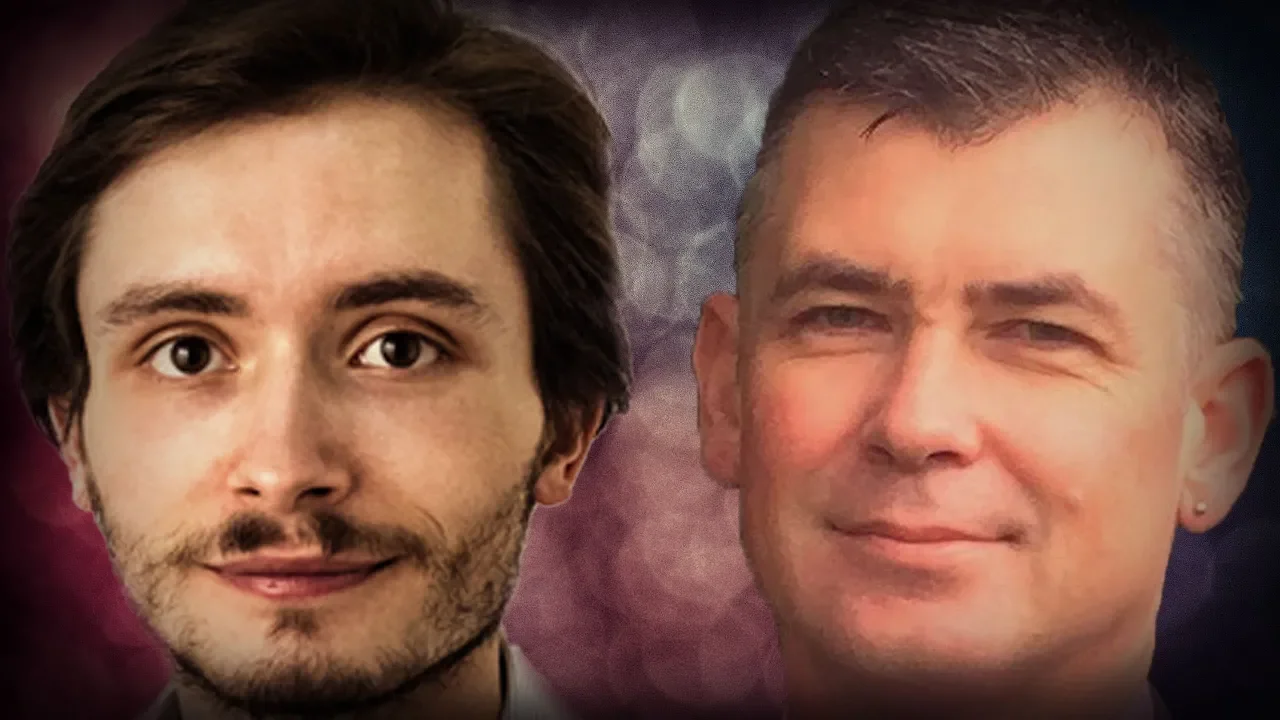



Human identity and behavior are profoundly shaped by context and environment, as demonstrated by examples ranging from language affecting personality expression to social situations triggering unexpected violent behavior; this suggests that understanding human nature requires recognizing how external conditions continuously reshape who we are rather than viewing identity as fixed.
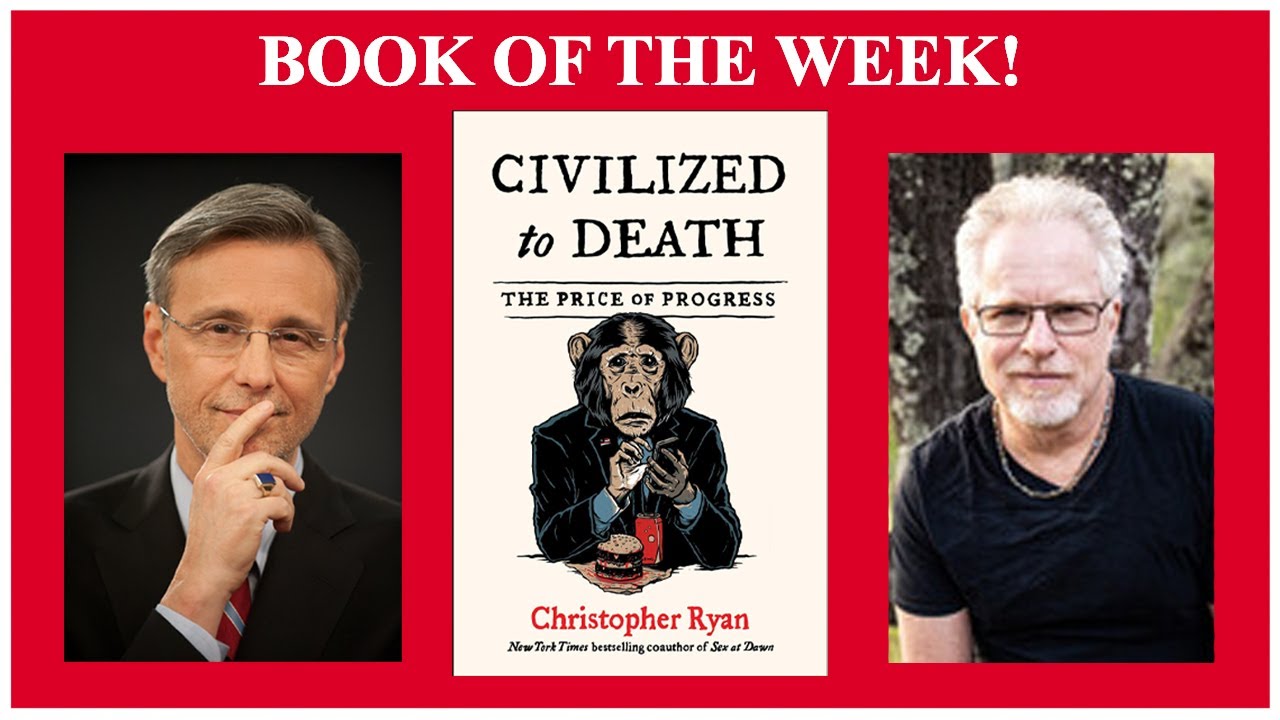
Joe Rogan Experience #1369: Christopher Ryan on Psychology
Added:Basic principles of evolutionary psychology, specifically how ancestral environments shaped modern human behaviors and desires.
The historical transition from hunter-gatherer societies to agricultural civilizations, and its general impact on human lifestyle and diet.
Fundamental sociological concepts regarding how social institutions, cultural norms, and environments influence individual identity and behavior.
An understanding of the 'evolutionary mismatch' concept, where evolved traits become maladaptive in a rapidly changing modern environment.
An in-depth analysis of Christopher Ryan's specific theories on the psychological and physical costs of civilization, such as those detailed in his book 'Civilized to Death'.
Advanced study of hunter-gatherer social structures, including egalitarianism, immediate-return economies, and communal child-rearing practices.
Exploration of modern mental health challenges (such as chronic stress, loneliness, and anxiety) through the lens of evolutionary mismatch theory.
Critical evaluation of different anthropological models of human sexuality, pair-bonding, and social organization across diverse historical cultures.
1.8M views19.4Klikes2:17:50Original Release: 2019-10-24
hmm and now the official hello hello Chris Ryan hello officially it's everything you distinguished-looking [ __ ] and I just think that's the goatee the whole deal yeah it comes and goes I don't know what do you been up to man I've been following your Instagram Chronicles yeah yeah you travel in the world in a van what are you doing van through Paulo gee I call it it's the van through Paulo G tour yeah yeah I love it man it's like you know you and I've probably spoken about in my 20s I backpacked all over the world and hitchhiked to Alaska a couple times and you know did all these adventures a Sprinter van that you have a bed in and a cooler and a freezer and that's kind of like a backpack for an older slightly richer dude you know that's how I look at it because you have everything you need with you yeah which is a feeling I love I love just being able to say you know what I'm tired I'm gonna pull over and sleep right here and before I do I'm gonna have a couple of beers and listen to some music and you know it's like everything I need is right here right can you what does it deal with pulling over and a Sprinter van and drinking are there a lot you know like you're not even allowed to be drunk in the backseat of your own car yeah I believe if you have a bed it's considered a domicile that's what I've been told I'm not a legal expert but my understanding is that the front two seats are considered the vehicle but beyond that in the back where you have the bed and that all the stuff that's considered your house so a warrant to search is is the same as someone coming into your house oh yeah cuz I know a dude who got in trouble because he was drunk in the backseat of his car because he knew he was drunk and says like I'm not [ __ ] driving I'm just gonna sleep it off and he laid down the back seat of his car and the cops knocked on the door and he opened up the door and he said yeah I'm drunk and I'm sleeping off they arrested him that's [ __ ] yeah well you know some cops they feel like they have to make a certain number of arrests you know some places have quotas yeah yes I've always thought that so strange like what happens if no one commits crimes what do they do about the quotas do they just make up crimes and how do they fill those prisons that are you know dependent upon 98% occupancy rate yeah they just assumed that there's gonna be a certain amount of people that [ __ ] up like what happens if something happens some I mean I don't know what it would be other than a mass consumption of mushrooms across that with people just on [ __ ] breaking laws yeah people just stop they'll just pass law I mean every one of us break several laws every day right like there were laws we don't even know exist that we're break like what kind of laws you think oh god I know I read an article about this years ago I'd be hard-pressed to give you examples right now but I'm sure they're financial laws and we're all cheating on our taxes not me not me buddy but everyone I know except for Joe I well I have a lot of hand mine off to accountants yeah but I mean cutting corners you know we're all cutting corners I ran to yellow lights on my way here I'm sure I probably you know it's four miles per hour over the speed limit so that's how they get you yeah I mean a lot of Thomas vehicles yeah that kicks into gear that's gonna be real interesting when no one's ever breaking the speed limit what do they do what is this Jamie six laws you bro you go Jamie you're the best man cracked.com always has great articles like this so what does it say what do we got here connecting to unsecured Wi-Fi networks that's what why are you guys so if you go to Starbucks and it's an unsecured or the airport that's very open for that purpose but like if someone actively your neighbor leaves there's an open I'm think that's what it's saying right here Oh Wi-Fi squatting and what about every time you click on one of you update some software and you click agree I have read and agree to this you didn't read that [ __ ] nobody reads it one of the things that Snowden talked about you oh yeah about the terms and condition right that you you accept and who knows what's in there that then you're not complying with well I would have to have a lawyer go over every piece of it and then a lot of is open to interpretation and then change it at a moment's notice right one of the things you see in terms and conditions is they have the ability to change it without notice which is like what Sam has had a great podcast with this guy who was an expert in data collection he was talking about what's actually happening now is that we have there's a commodity that commodity is data and we didn't know it was a commodity and then all of a sudden these companies like Facebook and Google made billions and billions of dollars off of this commodity that we didn't even know we were giving up yeah we didn't know that they had it we didn't know it was valuable and then you know this is no way to protect it and that's their business model their business model is and then they're also their business models tricking you into clicking on things by getting you outraged so they're consistently bringing up things whether it's you know Trump or abortion or whatever it is that like gets you riled up that outrage algorithm we're gonna find your little soft spot yeah I saw you just posted something on that recently on Twitter Facebook thing yeah yeah it was an argument that Facebook is the the what it is is an an algorithm that's designed to find outrage that's not free speech right it's just an out outrage accelerometers right well you think about even you know that goes back to his Willie Randolph Hearst you know saying like you know I'll I'll give you the war you know I'll you give me the war I'll sell the papers and and get the public behind it because it's good business yeah yeah yeah it's it's an interesting world isn't it are you talking about Tristan Harris was that the guy on Sam Harris's podcast the ethicist I do not know I don't I heard him on Sam Harris's podcast he was a I think he has a PhD in computer science and philosophy and he worked at Google as they're like in-house ethicist and then he quit because it's like there's no such job be evil exactly stopped having that don't be doesn't exist it doesn't exist is that when you have that yeah you can be evil weird thing to both have and then weirder still to remove yeah yeah I went to get a marriage contract that has that clause in it where you can update it without notification you know just get that in there have your lawyer slip that into the pre on any moment you could bail it's far bail or just change the terms you know yeah yeah yeah I don't know it's it's a strange world Joe that's why I like being in my van keep things simple well humans are strange creatures you know and we vary so widely that you you know trying to make any sense of putting 300 million of us together on a lot on island decides yeah good luck with that alright and we vary not only individually but I think we vary we become different creatures in different conditions so people sometimes will ask me like what's your you know what is human nature what's your opinion you know based on these books and I say it's like asking what's the natural state of h2o boiling is it exactly whatever what's the pressure what's the altitude yeah don't you feel like you're different people with different people as well yeah yeah I had a girlfriend a Spanish she was her mother was French your father's Catalan she was raised in Spain and then lived in Miami which is 13 to 15 or something so she spoke English really well Spanish French and Catalan perfectly right and we were living in San Francisco and I was high or smoking a joint she was across the room talking to her mom on the phone in French and then her mom put her dad on the phone so she switched to Catalan and and I was just high enough that I noticed like wow that's not Peggy talking to different languages and that three cuz she would like put her hand on the phone say yeah my mom said no Nona so English French Catalan it's not Peggy speaking three languages those are three different Peggy's she's different her facial tics and her movements in her body position changed depending on the language she was speaking right and at the time I was in grad school and I thought this is like multiple analogy disorder so I started researching multiple personality and I sort of came up with this idea that language in her case because she learned them all when she was very young reconfigures the brain in such a way that she actually has different identities in those languages and next time we were [ __ ] I started talking to her in Spanish and she freaked out yeah yes like like I was I was a stranger suddenly yeah I just said so I you know I just said like you're beautiful or something she's like Eddie's muy guapa yeah like get away from me you creep because our whole relationship had been in English yeah yeah it's strange so anyway so I looked into multiple personality disorder the story has everything and I don't know if you you've checked that out you member Stanley krepner my buddy who came down with the pox with you yeah he had done a bunch of research on that and there was a movie called Sybil yeah I remember that he was the consultant for that movie he was also a consultant for Rosemary's Baby remember that the the possession yeah yeah anyway as a Polanski movie I think so yeah yeah one of the early ones yeah people have with multiple personality disorder the research is bizarre it it seems to indicate that people have different physiological states in the different personalities so you could have a different baseline heart rate blood pressure you know these sort of baseline heart rate yeah in the different even it's now this is just I don't know how reliable this is but I even read that some people have different ocular pressure so that one personality needs reading glasses and another doesn't yeah how much is psychosomatic like really how much how much of who you are and how you how your body works is dependent upon the way your brain is caching things right culture language personal experience I mean it's all your mood how much you slept the night before you know all these things tyent identity is something we take for granted but if you start to look at it it's like it's like gravity you know gravity we sort of included in our calculations but nobody has any idea what's happening right how does that work like oh that's right real touchy about it oh really yeah yeah when I brought it up he I think he's we had a weird conversation and I think part of the word conversation it was the first conversation that he's had publicly since he's been accused of you know right he came back for misconduct yeah well he was you know they found him innocent according to whatever internal investigation they had you know then when they were doing his television show all right you know planetarium but it's still even if even if he's proven innocent you've you know you've got the weight of who knows how many people that think you're a creep now right you know and he's carrying that around because he was always thought of as being this jovial yeah sweet nice guy so he's a little tense anyway that's why I start out admitting I'm a creep it's good ladies and gentlemen I am a [ __ ] creep you can't just take it from the sheen shame Charlie Sheen but we had this conversation about gravity and it was weird it was like I was arguing with him and I wasn't arguing I was like I was like what what is cause he like like what causes it and he's like we know like he went into this whole thing we know what it is we know how to measure it we commit that's good enough for me yeah it was it was a very tense conversation that's interesting yeah because it is a faith-based thing there you know like he's right they know how to measure it but we also know how to measure placebo right and we don't know how the [ __ ] that works we know that hypnosis people can have open-heart surgery under hypnosis or have limbs amputated or all sorts of amazing things with no anesthesia whatsoever cuz I really been done you know yeah yeah yeah have you ever been hypnotized yeah but I don't have high hypnotic ability that differs it's another thing that differs among people and Stanley actually has a really interesting theory along those lines which is that and prehistoric populations hypnotic ability would be adaptive because a lot of the healing rituals were keying in to placebo response so if we have a certain ritual if you're susceptible to the you know you believe in that like voodoo there's a mmm you know voodoo death people die when your spell is cast or at least because they believe it if you don't believe it it doesn't happen so what happens the opposite direction as well with healing so his his idea is that that would have been a very adaptive characteristic in prehistoric societies whereas in contemporary societies it's maladaptive hmm because you're more susceptible to advertising you're easier to manipulate hmm yeah so I yeah I've when I was in grad school I had some professors who worked with hypnosis and I studied it a bit along the same around the same time I was looking at multiple personality disorder because I was real interested in this question of how the brain and the body interact how much of there's all this research showing that people with the same condition in hospitals exactly the same age same prognosis and all that they heal significantly faster if their hospital window looks out on trees as opposed to looks out in another building like that just looking at something like nature yeah he's the body into some sort of energy that that helps it to heal completely makes sense I've met people with multiple personalities well rosanna rosanna Scott doesn't she make sure that's true um I know another one that's a weird one is the football player Herschel Walker I think he had trauma induced multiple personality disorders Wow does she there's the article as it says like bill bill maher reminds as she does and then Roseanne says she doesn't so yeah I think and then she 2001 says seventh having seven personalities as tough her saying it so yeah well here's the thing about Roseanne I mean you know I'm saying this for the tenth time I guess she was hit by a car when she's 15 and she was put in a mental institute for nine months afterwards she had severe brain damage and she lost her ability to do mathematics and like really scrambled her brain and that is probably the birth of the Roseanne that we know the comedian and that's also the case of Sam Kinison Sam Kinison was also like a pretty normal kid and then he was hit by a car and you know pretty severe brain damage as well and brain damage for especially apparently as especially as an impact on your ability to be rational and impulsive behavior like people with brain damage a lot of times get very impulsive it's a very so widely yeah you know it's what what happens to you dependent upon like what kind of trauma where the trauma is what part of your brain but yeah when when they said it about Herschel Walker I was always confused I wonder if it was from football like football trauma or was it personal trauma like you know abuse yeah people with letter diagnosed with multiple personality disorder if I remember correctly almost always were severely abused as kids you know and in fact the the rationale is that they develop the alternate personalities as a way of escaping a reality that's intolerable makes sense yeah yeah I mean look people do weird things with horrible memories you know they buried them to the point where they don't even really have access to them anymore you know sexual abuse and some traumatic events when you're young yeah but the [ __ ] human brain then the way it adapts and molds the things as so bizarre yeah there's a there's an anecdote that is in this book civilized to death notice that segue yeah it's by the way the art is done by a guy listen to my podcast really it looks like but the art by guy was cheeseburger a chimp wearing a cheeseburger with a nice suit again an iPhone oh you have a story so there's a species of grasshopper in North Africa that you know they hang out there grasshoppers they're dispersed they eat grass they're chill right rains come the grasslands expand grasshopper population increases then the rain stopped the grasslands contract to the point where the the density of the grasshoppers triggers dormant genes so there's an epigenetic event in these grasshoppers and they start to transform and not over generations individuals front legs get shorter back legs get longer thorax changes shape of the head changes coloring changes and behavior changes from being these chilled out solitary relaxed grasshoppers they start attacking each other they become cannibalistic and they swarm locust locust exactly they become locusts so this species of grasshopper and locust is the same species it's the same DNA it's just responding to different conditions so you know we're talking about the brain and you know who you are and what identity is and all that and this I was reminded this when you said you know people are so different and the h2o thing we're not only different as individuals in the same context we change completely given the context were in yeah so the focus of his book is the hunter-gatherers were essentially a different sort of animal they were essentially you know the parallel is with the grasshoppers and now we're swarming yeah now we're a different kind of animal even though our DNA is the same well that completely makes sense I mean people that live in small towns are so different than people live in cities yeah it's so rare that you find someone who has a small-town sensibility in Manhattan it's got to get chewed up yeah yeah literally yeah it's um that's the the the locust thing's amazing have you ever written or read read rather the accounts of the settlers you know the pioneer days making their way across the country and dealing with these swarms of locusts and really not having any idea what to do with them or how to handle it eat them yeah yeah you can't the Native Americans ate him yeah yeah yeah that's probably a real good move right that's one of the things that people think is probably an excellent solution to some of the issues that people have with meat because a lot of people don't have any problem killing bugs but they wouldn't want to kill a lamb right you know but you can have cricket proteins we thought micro agriculture yeah yeah cricket proteins apparently like very healthy I've eaten crickets yeah I have two in Thailand I've had him in Mexico oh yeah let's go they've they had them fried and we were staying at a resort and I've put Tomita yeah I think was down there Porter Beata yeah and they had a bowl in the resort like when we walked into the hotel room like like it's like sliced mangoes and then they had [ __ ] crickets all right I'll try that I hosted fear factor there's a restaurant here in LA that I was at just a couple of weeks ago that has all sorts of crickets and grass it's a Mexican place they specialize in Molay I don't remember what good Mexican place really good like there's a lot of great Mexican food in LA but it's like you know like your basic burrito joints and tacos it's not like gourmet Mexican food it's very gourmet Mexican place places that right there yeah that's it that's right couldn't remember the name James way leg width up top yeah no I just I don't know the word it's like up I don't know if it means party but it's a celebration down oaxaca yeah Wacka serving up insects yeah check it out it's a good place I really the mole is fantastic is that what part of LA Olympic okay deep in the heart of Texas yeah damn beautiful yeah no I love mole and and let's face it shrimp lobster that's just bugs it was just big sea bugs well we found that out on Fear Factory was people that are allergic to shellfish are also allergic to roaches huh yeah we found that out the hard way no lawsuit no no if the dude was allergic to shellfish and he had to eat roaches for this thing and you know they wound up having to give him an adrenalin shot oh yeah he was seasoned up a little bit your windpipe starts constricting yeah yeah I'm not allergic to anything as far as I know congratulations very happy yeah me too yeah that's a bummer man allergies are but especially freakin peanuts I've heard peanut allergies are so bad that people will ask you to not eat peanuts on a plane you know someone who has a peanut allergy like some people's peanut allergy is so severe yeah even like the dust of you chewing peanuts on a plane next to them to get them sick and and it's interesting to think about the state of consciousness and how that affects allergies because apparently and again I'm always cautious about saying [ __ ] on the show shows there's so many people listening so caveats been a long time since I read the research but if I remember correctly under hypnosis a lot of people with allergies no longer in fact I remember the research yeah there was a it was a setup where the person could see so like you and I are talking across the table and there's a mirror behind me and in the mirror in your peripheral vision you see roses and you're allergic to roses you'll have a reaction even though they're plastic roses so it sort of enters the consciousness and triggers the response subconsciously yeah if I think that's how it was and then with people under hypnosis like Andrew Weil wrote about this cat allergies he was tripping it was on MDMA I think and he was playing with a cat and had no reaction to it Wow yeah hey this self-hypnosis squelches allergies hey you need a Jamie in my lie do damn picturing ski slopes reduces hay fever symptoms by a third look at that picturing ski slopes so weird I'm skiing what cuz you're picturing a place where there's no pollen right right it's you could probably picture the surface of Mars too yeah well you know you forgot a needle you know like you get a shot and the doctors about to give you the shot and you start like tensing up like you feel this like the anticipation basically your your heart starts quickening you get like really weirded out by it but then you get the shot like I wasn't [ __ ] like why was I freaking out like that but it's this the psychosomatic aspect of it I think that's what life is basically not sure yeah it's an analogy like we're always worried about things we spent so much time worrying about things most of which never occur yeah you know and even the ones that do occur it's like wow whatever like death you know what is I'm not worried about death dying maybe if it takes too long but if it's if it takes like an hour or a day to die that's a tiny fraction of your life who gives a [ __ ] you're not a guy that really spends a lot of time working on fitness or what's a nice way to put you you enjoyed that I take it as a compliment you things to do than work out Joe I get it you enjoyed that article that I wrote a long time I did the sand yeah human bodies like a sand castle yeah yeah you can make it beautiful but it's not gonna last yeah and you know that going in you know that way yeah and I and I mean I've got this idea for a book if I keep writing books which is sort of a self-help book but it's a parody of self-help books and so it'll be it'll be calling attention to the way so much of what we do to try to be healthy is actually counterproductive because we stress especially Americans everything's work you know everything turns into work and Americans are very suspicious of pleasure we're taught to that pleasure is you know evil and dangerous and all this hmm I've never bought that line of reasoning I've always felt like what feels good generally is good there's a reason it feels good you know now that can get corrupted by advertising and false messaging from a sick society that tells you you know sit on the sofa and drink beer and eat bags of chips all day but if you get beyond that and you can actually hear the voice of your body I think if your body is telling you to you know stay in bed because it's a rainy cold day now I know this is totally against your perspective on life where you're like you gotta tame the inner [ __ ] you got to get out of bed you got to work out it doesn't matter I'm like no man I'm staying in bed like you you go to what you need to do I used to climb mountains with his friend of mine in Spain and he was like you he was a [ __ ] billy goat he'd like go up there and I'd go with him till I got to a nice spot with a nice view I'd be like dude I'll be here when you come down taking a nap got a bottle of wine and some cheese I appreciate that too I'm not married to my perspective but I think I have a very peculiar biology that demands a certain amount of exertion yeah sure and I friends like that I mean I you know I've lots of friends like man I if I don't run every day I feel like [ __ ] I'm like Ronnie's very addictive though I feel fine yeah you get you get used to that there's a high that you get from running that's really interesting and any long-term cardiovascular exercise you get this it's like we did you know what last last October we did the sober October thing where we have this crazy fitness challenge so all of us were doing cardio like five hours a day really crazy amounts of cardio and one of things that Tom Segura and I both agreed on is like the the amount of internal chatter dissipates to zero like you've no anxiety because I didn't realize I had any anxiety until that happened and then I was like God it goes to zero it goes to nothing like when you do like five hours on a treadmill or just running just run when you when it's done man there's this like peace of mind that comes with that this release of endorphins that's incredibly addictive because that feeling is so pleasing so it's not that it doesn't it doesn't feel good to get out of bed and to just push when you don't want to but the end result feels amaze it does so I like I wonder if there's any research looking into whether that effect happens universally because I've worked out I've run there were times in my life I never I've never gotten a runner's high never I get my teeth hurt my knees hurt my back hurts I feel my brain you know bouncing around in my skull you know I'm half a mile into it and I'm like [ __ ] this this doesn't feel good you have to get in shape first that's a big part of it it's not it's not that simple it's like for me I never really got into running I like the first time I really did any serious running I my friend cam Haynes had a 5k which is what is that three miles something like that some like and I didn't run at all in preparation for it and when I ran the 5k I was like Jesus Christ this is hard like I didn't have and there was no good feeling at all yeah you know it's running on concrete and [ __ ] and right in Vegas it's gross and Vegas Melanson in the air and but when it was over I was like okay obviously I'm not I'm in good shape but not in good running shape at all so I should probably get in shape for this so then I started running and then when I got into running and particularly running hills then I started feeling it once I kind of got in that kind of shape and then when the you know when the workouts are over like I run all the time now and when it's over I just have this ha yeah you and Marshall or yeah doing your thing it's great yeah [ __ ] lot and he loves it too there's no crazy bonding experience with that dog you know because he loves it yeah I got my dad a golden retriever the best time years ago when my dad was like you know I get maybe its genetic is he's pretty lazy he'd come home from work you know sit in front of the TV and drink vodka and get upset about the news and and my mother didn't like dogs but I my sister and I convinced her that dad needs a dog because dad will get this dog and he'll go for walks cuz the dog needs to walk and so we got no golden retriever he named it Stoli bad sign right there and then and then he never went for walks totally just sat next to them and got fat I know wow it's common doesn't always work no yeah it helps me get going because I know that he needs exercise yeah it does but it helps me too and it's fun like I talked to him when we run you know I guess we're running you know I have little conversations with him yeah cool fun he's not judging you right really covered [ __ ] they probably prefer that more interesting yeah it's but the the runner's high is a real thing but you have to achieve some level of fitness before I think it kicks in yeah I closest I've come to that is the sex high mmm you know host ya know during coital now it's like yeah maybe there's like a workout element to that well sex when you're really aroused and you're really attracted to the person like in the middle of the act of it it's like you're on a drug yeah it can be like this incredible elevation where you you're high basically you're high in the shore and orphans aroused State yeah yeah and you have that that hyper focus you're talking about removing anxiety you're not thinking about yeah you know anything other than where you are it's one of those beautiful moments I had a guy in my podcast recently who's like a legend in the world of like high risk stuff he's a BASE jumper and he flies those wingsuits what's his name what is his name he lives in Bozeman Montana stump no that's crazy because my friend Andy stuff lives in Montana I'm sure he knows he's he holds the world record for that wingsuit Chen Stewart could it be a man I don't remember I'm sure Andy knows him yeah for sure in Bozeman and this guy's 44 he's been doing it a long time and it's about how old Andy is and he's probably probably fly together yeah yeah really nice guy but it was interesting like how you know here's this guy who's doing this super high-risk adrenaline stuff and like he just had done this thing where he's paragliding with another dude on the Brooks Range in Alaska and like just the two of them and they let land and camp oh my god you know nowhere bears everywhere like forget it and then they get up the next morning jump off the mountain and keep going but this guy was so calm he was just like it was like talking to Buddha or something he's just like so centered and relaxed and focused it was beautiful we had a really enjoyable conversation from my perspective anyway because I tend to be kind of scattered and you know tangentially speaking right now I'm going all over the place whereas he was just like it was just really centered and balanced it was nice you have to have laser focus if you're gonna [ __ ] around with that kind of stuff that's it you don't want to yeah Jeff Shapiro that's yeah yeah thanks Jamie yeah and that's his his Falcon he's got this Falcon as well right when I was starting to love him yeah he's all into into flight man he's yeah I guess yeah he's a cool dude those wingsuits man I mean talk about risk versus reward [ __ ] he told his story he was like he said yeah you know I've had the experience a few times of you know standing on this toes over the cliff 3,000 feet up or whatever and fist bump with your buddy and he goes to see you you know see you down there he goes and then you hear it bang yeah you know like I've carried dudes bodies out of the woods you know yeah I've done that too many times he was talking about you know these different approaches and how the young guys tend to be more half [ __ ] man they think they're indestructible and in his age he's seen enough he's carried enough bodies he's lost enough friends that he's not thinking that way anymore you know and he doesn't want to be around guys who are cuz he doesn't want to deal with the trauma you know well it's all there's a competitive aspect to it too come on don't be a [ __ ] yeah you know like that stuff can get you killed too cuz then just like sort of hijacks your own way of interacting with whatever the [ __ ] this danger is yeah yeah yeah peer pressure yeah that's real yeah I start off I'm a [ __ ] I'm a creep I'm a [ __ ] you know like you got no leverage I'm lazy you know what fascinates me man mob mentality I'm not mentality like like you know if there's like a riot that like physical violence yeah in a way that you would never like a lot of people who would never think about hitting someone when people are hitting people all over the place you'll just dive in like people dive in and kick people and punch people hmm very weird like bar fights you see I've never seen one in real life I've seen a bunch of him hey does that happen people just randomly punch in each other yeah yeah yeah people just punch people yeah I've seen some I've seen some pretty chaotic brawls it's uh it's but there's a strange feeling in the air it's almost like a smell you know like you Jim you not I was in a at a riot and that earlier that day in the day we like we were like the hornet's nest is gonna explode tonight we kind of felt it was business for the Ohio State Michigan game like mm too big a lot of State Michigan game I know you don't really know send the football thing of it but there it's a huge day big event we won in a very close game undefeated season for IO States they're headed to national championship this then meant sofas on fire in the street for like the next couple hours and then shortly as the night exploded there was a couple bonfires in the middle of the street we went we heard saw that on the news so we went close to see it cuz we were a couple blocks away as we got close we heard the D knocker bullets getting fired out so everybody scattered but it was rubber bullets yeah from like so with everyone went from one Street on campus to like three other streets then it started up again the street I was on seven cars got flipped over and lit on fire so people started trying to like move their car sit and lose it cuz they're college kids don't have any money whatever a lot of those people got caught on videos expelled from school whatever but at the end of that street I was at we were on and we saw all the riot police the SWAT team like lining up they started firing out tear gas everywhere a tear gas canister ended up on the porch of the house we were in like exploded in the house almost like we were all coughing and had to get the [ __ ] out of there lasted for a couple of hours like no one died anything like that there wasn't a lot of violence but just 12 to 15 cars got [ __ ] up the thing is someone could have died that's what's really that's what's really crazy about those chaotic moments of violence is that when when something's in the air act and you see like a big brawl going on it's like everything seems it's it seems like civilisations flimsy like for that brief moment I think there's a natural thing that kicks in with people that sort of allows them to act in war and allows them to act like when the tribe is invaded like when you know when a neighboring army invades your village there's some thing that kicks in where you like recognizes violence and you just look to swing on anybody that's around you and you see it in these these brawls when you see some sort of a riot like you see these people and you're like I guarantee you that guys never punched anybody before in his life and he's running over trying to punch people and everybody's punching everybody and people are swinging in and you know you see it in these [ __ ] whenever you see like like an auntie fho versus proud boys type thing you know I mean like these left versus right Trump supporters versus Bernie bros and you see chaos right online or an online stream those in person but see these moment tribal tribal moments where it feels like it could break out into violence at any time fee is a smell in the air it's like it changes the atmosphere of the air and you feel like you got to protect yourself like anything can happen in any moment from people that you would never think of as being violent like you would net you know you would never assume that these folks would be violent to you that they don't look scary they're not scary-looking people but everybody just seems to get out it's like a thing happens like the locusts right like a little trigger what happens with dormant yeah cave your patterns yeah yeah often wondered about what that is because I've been around at a bunch of times and well I was once big-time in high school when I was in high when I was in high school there was a kid who lives in this really nice house and he moved into the neighborhood for the first time and he decided was gonna have a party to meet meet a bunch of people make friends and people started robbing his house and in a brawl broke out I'll never forget it I was there I was there at the event horizon of the brawl I was there at the moment it happened a girl did something to a guy I can't remember what she did I can't remember she threw a drink in his face or if she hit him I don't remember but I remember him hitting her because I remember him I remember him pulling his hand back I'm like all my guys gonna punch her in the face and boom he punched her right I mean like he knew how to punch too it was like a real punch to the face the girl goes unconscious and then you know she falls back and then chaos I mean people diving on top of people piles of people out in the yard everybody's fighting everybody you're just ducking it's like a movie and then and almost everyone has no idea what they're even fighting I saw the moment it happened I was there I kind of wish I could remember memories so sucky you know it really is I have like yes malaria slides but I do remember that fist hitting her face because I remember he went like this I was like oh no he knows how to punch and he went bang he just cracked her in the face and she is back and she went out cold and I think somebody caught her I think someone caught her as she was going down and then it was just melee and I'm but I remember the feeling in the air cuz it was the first time I think I'd ever been around anything like that I was like whoa piles of kids fighting on the you know all the fighting no I was running away from everybody the [ __ ] out of here yeah I mean I always did martial arts but I was very very rarely involved in any extracurricular altercations so I just got the [ __ ] out of there and the other time was when I was a security guard for great woods great woods is a place in Mansfield Massachusetts was like this concert venue and Neil Young was planned of all people and there was a there's a lawn area I slept in his bed have you really y'all I can't tell that story so yeah so it's an amphitheater so there's this like this covered seeded area and then behind the covered seeded areas is gigantic lawn area and I remember it was cold out I remember what the deal was but people started lighting fires on the lawn like little bonfires and then it's just then chaos broke out we started trying the security people start trying to put out the fires and tell people to stop and then people started hitting people and just crazy and I I always kept a hoody with me because I you know it's getting like $9 an hour something like that right not gonna get shot for $9 now or a beat-up [ __ ] this so soon as [ __ ] went crazy I put my zip up I put my hoodie on I'm like I quit I quit the job was leaving has always quit I was watching people just beat the [ __ ] out of people I was like dodging my way through this thing like get out of here with this stupid [ __ ] job you gotta know when to leave it was a feeling it was like oh there's that [ __ ] smell in the air like anything can happen at any moment now right yeah I mean you think about these dudes who you know come back from war with PTSD you know again it's this consciousness context-dependent behavior where you know they they do things in that situation and then they come back to the normal world it's like coming out of a dream and it's hard to believe you did that you know it's hard to believe that was you and how do you integrate that into your life with your wife and your kids and mom and dad and the neighbors it's yeah I mean yeah those four guys they're dealing with some real heavy [ __ ] there and no one tells you how to do that you know no one knows how to do it right yeah yeah and no one gives a [ __ ] right like once they get there you know get you to go do what they want to do then you know it's hard to even get you knows what a two-year wait for any sort of psychological counseling is right yeah it depends on the state but at least that I had a guy on the podcast I'm actually the one Jamie showed us right before the wingsuit dude was a dude who had been in Iraq and and then he came back and worked as a SWAT team commander you know so he was like doing all sorts of really heavy stuff and then he just got out and now he's living off-grid in Idaho raising three little boys with his wife and he's a former Mormon so he sort of talked about how he's you know Mormonism taught him to respect authority and and do what he was told and and you know that just fed right into his experience and the army and with the police and but man yeah I have so much compassion for those guys who get out and like look back and say what did I do you know yeah who was that guy but how and how they sort of like stopped that like stop the thought process when they come back into civilization yeah but still have the memories and and how do you trust yourself right you know that I'm not gonna hurt anyone else mm-hmm you know yeah it's it's hard and and yeah like like we were just saying that they get very little support you know they they're sent off to do this horrible stuff and then they come back and it's like okay now don't do that anymore yeah the the incremental progress that we achieve as a civilization is it's amazing but also so frustratingly slow that no one I mean no one I've ever talked to thinks there's gonna be a moment in our lifetime where there's no war no one no one thinks is gonna be a moment in our lifetime where there's no murder no one thinks there's gonna be a moment in our lifetime where there's no rape where we just we just figure it out like I'm pretty confident if it was just the three of us forever no one would rape anybody no one murders the three of us sure because I'm probably the victim here like I'm saying like that what what number of people how how many people do they have to be yeah before one of those things becomes possibility yeah but what if you have a group of close friends a group of group of close friends who are good communicators and good honest healthy friendly people can live together and yeah you know whatever issues you might have with someone not doing the dishes or someone forgetting to put back your lawn mower or whatever the [ __ ] it is you could work that out it's no big deal like what is what's the number of PEEP 150 okay that's Dunbar's not enterprise number yeah I'm sure you've heard about that yeah I mean that might really be it that might really be what we're programmed for that's what hunter-gather that's where hunter-gatherer groups always splinter yeah or they never get beyond that and I think that's why because you know a hunter-gatherer group which is egalitarian and sharing and cooperative and all that by necessity right because that's how our ancestors survived is by taking care of each other mitigating risk you need reputational damage and if everyone doesn't know everyone reputational damage is no longer effective so if you let's say you go and you're you're a good hunter and you kill an antelope and then you don't share it and you just keep it for yourself that's not gonna go over real well with a hunter-gatherer group yeah you're gonna be ridiculed chastise may be expelled from the group maybe have a hunting accident and die because that the hoarding selfish behavior is extremely taboo in a hunter-gatherer society whereas you know you look at our society where reputational damage is no longer functional outside of your group of friends as long as you're good to your friends your golfing buddies you can screw the rest of the world you can not pay your contractors for years and become president right you know yeah everyone in New York I worked in real estate in New York in the 80s everyone knew who that guy was and what it was up to and we couldn't trust him he was full of [ __ ] and they ripped everybody off and but that's how business works in New York even the the company I was working for is really interesting to see how your leverage increased when you owed somebody a lot of money you know as there's that truism if you have someone five bucks you have a problem with you owe them a million bucks they have a problem you know I really see that but yeah I think it's 150 is is the cutoff for how many people we can keep track out I think Dunbar's number is proved to be pretty accurate well it seems to be what we what we evolved to sort of be accustomed to right yeah that's the well that's not real cortex that's you know Dunbar was looking at the the brain anatomy of different primates and by looking at the proportion of a neocortex to the rest of the brain he predicted the maximum social size of those primates of each of the species and that's how he came to the estimate of 154 humans and then they went and looked at people that they did you know data collection that's so crazy yeah they can do the physical size of something like that that there's a direct correlation like the direct correlation between the size of primates testicles and the amount of promiscuous females in the area you've read sexathon [Laughter] I'm thinking I might do I did the audio book of civilized to them which I really enjoyed that process I'm thinking I might do a 10th anniversary director's cut audio book of sex at dawn did you do the audio version now who did factors Oh yuck yeah oh yeah yeah and Steve Rinella he wrote a book on buffalo the American Buffalo you know just the history of Buffalo in this country and someone else wrote it and he finally got the rights back yeah did it himself now yeah I'm gonna build him because the person who read it it was like a soap opera actor right had no connection to the material at all and in sexathon there's a lot of there a lot of jokes and and you know Riya sides and stuff and the people who read it they they don't get it they didn't get the humor so it's just the straight ahead it's as if you know someone took your comedy material and just read it in a monotone it so that's called come on criticizing me in a blog do it someone takes it and just puts it in quotes like that yeah yeah good point you know there's no delivery there there's no voice it's yeah yeah I'm looking forward to that and I think I'm gonna I don't know if Steve did this or not but I think I'm gonna as I said a director's cut so I'll you know when I read a paragraph that reminds me of something or they you know what I thought when I wrote that or you know my dad really wanted me to include that phrase or you know whatever little asides so there will be some commentary ISM well I think yeah that's good move yeah Goggins had a really interesting way he did his he did his book where he actually didn't read it he had a friend read it and then in between paragraphs they discussed all the different events mmm that happened that he talked about and he gave other details that weren't in the book right so the audiobook is essentially like an audio book slash podcast yeah yeah so you're not just getting a reading of the book you're getting bonus material as well yeah yeah it's really good it's really good that's yeah I mean there's no rules of that kind of stuff you know it's your book alright you can kind of do whatever you want you can even talk about how you feel now okay that chapter sure you know what I would change yeah you know yeah how you feel about the material itself and but how you interact with the facts that you uncovered versus before yeah yeah you there is uh I don't listen to audiobooks much but in the van last summer I listened to the Keith Richards autobiography yeah yeah is interesting he reads like the beginning and then this actor who sounds like him how's the same accent reads most of it and then Johnny Depp reads a couple of chapters and then Keith comes back at the end well that was one of the weird things about Fear and Loathing in Las Vegas was Johnny Depp reading Hunter Thompson and then in a wet you know honestly did a better job of reading Hunter Thompson than Hunter Thompson has done reading Hunter Thompson yeah you know there's that famous speech about being there at the end of the 60s and watching the waves pull back shore you know a crested at the Rocky Mountains and then rolled back into yeah that's a fantastic speech but the way Johnny Depp said it was better yeah like have you ever seen breakfast with hunter yes do you remember he freaks out about that particular yes it's because who is it Alex well they were gonna animate it they were gonna animate it yeah and he [ __ ] pulls out the gun and kicks them off the property and totally loses his [ __ ] you're gonna take the best thing I've ever written and make it a [ __ ] cartoon yeah yeah I think that I used to go off he was so crazy did you ever meet him no angry angry that I never met him yeah yeah I would love to meet him yeah and you probably were probably a few years there where I could have could have yeah [ __ ] yeah there's a few people Dick Gregory he's one that I really wish I met hmm I would have loved to talk to him about what it was like to show the Kennedy assassination footage on Geraldo Rivera like 10 plus years after the fact you know there's a pruder film yeah he introduces a pruder film to the world really yeah dick Gregory's like a black comedian Yeah right yeah I remember yeah he brought the Zapruder film to Geraldo Rivera and they played the Kennedy assassination on television [ __ ] hadn't been seen now publicly no not only they had not been seen publicly I believe Time magazine owned it I think they bought the rights to it so you see if that's true and they shelved it for I want to say 12 years it was like 75 when it aired on television somewhere in that range and you know the assassination was 63 what is it 63 I think it was 63 I was born in 62 yeah yes it was right after I was born and so no one had seen his head go back into the left until that footage and then people like wait what really which doesn't necessarily get the rights I do not remember huh I think I don't remember who else have you met Verner Hertzog I've not are you Indian yes one of the best unintentional comedies ever and I don't think it's a particularly unintentional there's a [ __ ] moment in that film where the sheriff when the sheriff's talking about like the body and they carrying the body off in bags yeah it's like you know what did you think well first time I heard about it I thought he was [ __ ] and then the kid just has a smash - the sheriff's face and I'm [ __ ] howling yeah I'm howling laughing and I'm like this guy did this on purpose like there's so many cuts in this movie that are so humorous yeah I got to thank that and Werner Herzog's have you ever heard him on Eric Weinstein podcast no brilliant guy oh yeah he's really interesting intense guy and very dark sense of humor oh yeah yeah yeah well that's why I thought I was like this [ __ ] did this on purpose yeah I made this a comedy so do you think that what was the name of the character Timothy Treadwell yes yeah yes when I watched that movie my feeling was this guy is closeted gay dude 100% yeah you felt that he brings up if I was gay it would be easy but I'm not gay right so he says because you say why can't I find a girl you know he's like walking through the woods with this like lispy gay way of talking yeah and he's talking to the four people don't know what this documentary is about it's about a guy named Timothy Treadwell and Timothy Treadwell was well I guess you could say he was a bear expert but not really because the real bear experts were like this guy doesn't know what the [ __ ] he's doing get out of there like what he's doing is Rudy doesn't need to protect these bears he's pretending that he's protecting these bears he's living with them I think there was a certain element of it that was suicide by bear yeah I really do and he was walking through the woods holding this camcorder getting film going if I was gay I'd be so easy right talking not camcorder as his only friend yes he's out there alone for months yeah every summer but no one who's not gay says well if I was gay you'll be really easy and I said that a lot unless you're being funny with a friend yeah well if I was gay I'll just hook up with some dudes but he's saying it like why can't I find a girl if I was gay be so easy no wouldn't you're still living the woods with monsters I'm gonna get a bunch of gay guys gay guys they want to be in Boystown okay they should remake the movie in a bear bar on Broadway that would be hilarious yeah stead of doing it with the forest in actual grizzly bears in the West Village yeah yeah if I was gay bees bears everywhere I went to a bear bar with Andrew Sullivan and Dan Savage there's there's actually a bear bar oh there are lots of bear bars they call bear bars yeah yes and for people don't know what we're talking about bears are big hairy gay guys gay guys think Tom Segura and Bert Kreischer two bears one cave oh do it that's hilarious but neither one of them is gay but yeah that's not the point but if they were gay they'd be big yeah yeah yeah I don't know bears dan Savage is a trip I've had him on the park yeah yeah I know I saw that it was interesting he's an interesting guy he's he's super smart and funny as [ __ ] yeah and he's armed with nothing but a sense of humor and a great intellect and a big heart he's an honesty yeah yeah he's changed the world he saves who knows how many lives you know he's a he's beautiful I really like Daniel yeah when someone can just be themselves again you know that's who he is and Timothy Treadwell if he had listened to Dan Savage everything would be different well that leap man that coming out leap [ __ ] it's got to be so hard for people I know several guys that are closeted and it's torturous yeah torturous to see and one of them you know I've talked to him most like just come out man no one gives a [ __ ] we don't care yeah okay you it'll be a giant relief you know just they worry about especially you know actors you know they worry about the careers yeah yeah I mean what you know when your career is more important than the the integrity of yourself I don't think it hurts you I don't believe it yeah I don't believe it the only thing that would hurt with actors is leading man yeah Raul Hudson kind of guy yeah that's one thing that's [ __ ] real like if you're out I got on know if Tom Cruise is gay but that's always been this stupid rumor right let's let's assume it's true yeah if he did come out of the closet man nobody wants to go see a movie where he's a leading man he's got a wife and kids you'd be like that guy sucking dick look you'll never buy into it that's like a gay woman like Jodie Foster right could easily play a straight woman right in a movie and no one care fine but when a gate that's that that is the [ __ ] glass ceiling in Hollywood it's one of them right when a gay man comes out of the closet those roles with John Travolta or whatever it is whoever whoever would be I don't he's gay either but if he was that's that [ __ ] that's that's where the buck stops you cannot be the leading man who's the married guy with kids yeah or the the hot man who's you know in a sexual relationship with a woman if we know that you're having sex with men but then it's funny right we can watch straight actors pretend to be gay like mountain that's no problem sure no problem yeah very strange yeah it's it's that's one of the last open prejudices that we all accept because no one's been able to bridge that gap except what's that dude's name that fucking's got three names little skinny guy used to be on a sitcom How I Met Your Mother mmm Neil Patrick Harris yeah do he house it yeah that guy he's openly gay and did he play a womanizer on a sitcom I think on how I made mother yeah yeah I've never watched it but the thing about sitcoms is they're like plays like those kind of sitcoms in front of an audience they're horseshit mmm you know it's like it's not it's not like a movie there's worse [ __ ] you know you know it's horseshit everyone knows it's horseshit anything with a laugh track I'm very suspicious or studio audience like happy days like I love Henry Winkler but the Fonz yeah that's horseshit no wait he's Henry Winkler Jay no I don't think so maybe I always assumed he was because he was so overcompensating with the Fonz I think there was a character meet him in real life he is the nicest guy I've ever met yeah he's in Barry now right yeah he plays an acting coach and Barry I haven't seen a guy here that's never seen Barry he's a fly fisherman he wrote a book on fly fishing and I think the books called I never met an idiot on the river hmm because like there's something about fly-fishing and fly-fishing is a very weird pursuit because a lot of it is catch and release yeah which as a person who enjoys the outdoors and enjoys eating fish that I catch I'm very torn on that activity that catch and release activity I know it's fun and I have done it I get it but it's weird it's weird you're sticking a hook gonna say if they vomit eise's the fish it's got to they got a how many of them died well fly-fishing very few because you're dealing with barbless hooks for the most part so it just goes into this cartilage in their mouth they don't really feel and then allegedly don't really feel I don't know if they feel it and then you know they pull it out and they're fine but there's some catch and release especially with like three prong barbed hooks where the animals definitely die you know they get they get caught in their gills and they start bleeding from their gills and then you have to release them anyway because the you know some places the regulation is catch and release yeah but people love doing it they find like peace like drifting a fly past this area where the fish is lying dormant and then you pull the fly and then the fish grabs it then you got them oh boy but you tapping into this sort of primal reward system that you have in your DNA that makes you want to catch these fish what is your reason to be out by the river out in the morning normally it's morning or dusk when the Flies are landing I think I've been hunting but since the last time you and I spoke yeah bow hunting you went bow hunting yeah yeah on Hawaii Big Island Oh actually won a 200 with cow Kingsbury yeah and Greenfield that wasn't deer axis deer trip Tamala you have a bow I do how do you often you practice since I went hunting not much but before I went every day yeah I was I was in Java coach nope I had some friends who you know helped me out and I watched them you know cam your buddy him here yeah I watch them his videos but yeah it was it was an interesting experience so first I went on that trip with yeah Peter attea Bhatia and Ben Greenfield like all these podcasts human optimizations my buddy Kyle tier meant his big wave surfer okay he spends a lot of time in Hawaii and he knows a lot of people there Healy Jeff Healey I think big big surfer dude anyway so he knew all these people and I guess Aubrey and some other those guys sort of asked him to hook them up with a trip and so he put it all together and then at the last minute I think Aubrey couldn't go I think cuz you were coming down to Austin and he wanted to you know coordinate with you or something so they said yo Chris if you want to go it's it's all paid for and I'm like helicopters Hawaii yeah so did you have to practice leading up to that or where you're already shooting above I was already shooting because we had my Kyle and I Kyle chairman and I had already planned a trip for like three weeks after that so I was already practicing for that which was going to be a pig hunting trip on the Big Island but then I went on this deer thing but mainly I went on the deer thing just because it was an opportunity to fly around in helicopters and see Molokai which is amazing Brian but I didn't hunt on that because I didn't honestly I didn't want to hurt anything mm-hmm you know I didn't feel like you were competent enough no you want to do it well the deer are farther away and they're much harder they're much more aware and like socking them as a lot harder and so I just basically hung out and had a good time they're so hard yeah they're so that that animal access deer is an animal that evolved to get away from Tigers right they're the fastest thing I've ever hunted yeah super alert I hunted with campaigns and I'm not looking no unlit I and John Dudley just just before you guys went and we were there between the time we were there and the when we were there the last spring there was a hundred and fifty hunters that went there to bow hunt one was successful really everyone else pulled out a rifle huh everyone else like [ __ ] this because you can't get anywhere near those goddamn things without them jumping but if you can get your stocking skills down or you can sneak up on an axis deer and kill one with a bow holy [ __ ] that's no that's black belt level stuff well the dudes I were with Peter attea he he got two or three I remember he's very very very into it yes a super super smart guy yeah he is yeah he's cool I enjoyed hanging with all those dudes but then the next you know three weeks later we went Kyle and me and Simon Rex I know if you know him he's a actor slash comedian - Rast her nasty rapper yeah he's a good friend of mine anyway we went on this pig hunting trip and that was interesting that was you know I said I wanted to have the experience because I never hunted I never killed anything and I eat meat so I felt like I have this you know responsibility to have the experience and confront it and all that and I was actually the first of our group to kill a pig and it was strange I didn't feel sad or traumatized I felt heightened awareness you know like but I and I think I might hunt again I'm probably moving to Colorado I just bought land in Colorado oh yeah what part sort of South Central it's a tiny little town and yeah it's it's a interesting area there but anyway there's a lot of elk hunting there and I'll probably do some elk hunting with local people you gonna do it with a bow yeah no I think I'll use a rifle yeah cuz I think that's the way to go yeah not gonna be completely obsessed and do it every day I'm not yeah because I don't do that yeah and also I don't you know the thing about a bow is in maybe this is what you're implying here if you're not really good the chances of you of an elk running off or a pig running off with an arrow in its ass and dying a slow horrible death is quite high if you hit him with a rifle right powered rifle with a scope you know and you're in there still you can still wound them but you know it's your much more competent with a rifle and it's a better it's a better meat gathering tool right good way to talk it yeah describe it and Colorado has I think twice as many elk is any other state real injury yeah Colorado is one of the best places in the world to elk hunt yeah so that's a good spot if you're looking and also you're taking a life you take an elk that's a lot of meat mm-hmm I shot this pig it was about you know it was a yearling I think it's not a lot of meat on a pig that size No so yeah it's but it was in it was interesting are you living in this van are you now having a party I still have an apartment in LA but I'm about to give it up I think just to just be a nomad yeah cuz I mean I was in the van all of five months and it's like okay I'm paying rent what like four to leave my clothes there face it right like I don't really need to be doing that no I I admired that sort of a nomad sense of life I admire I don't ever see myself doing it yeah this romantic aspect to it that's undeniable well your life's different man you have kids you know your your give a life here that's really you've built over a lot of time you know I just got here a few years to that though in a certain way you're a prisoner to all your obligations there's no sure that's one of the things that man took about this nomadic thing that you're doing yeah it's like you know I have to come here have certain amount podcasts up to week but you're sick Joe you'd uh I don't I'd I mean that's I was thinking about we're talking about the you know closeted gay actors what what is money worth if you can't buy your freedom with it mm-hmm your freedom to be who you are right as a closeted gay person right let's say what is it good for I'm that's the first thing closeted gay folks the the real problem is like the feeling that you're gonna be rejected if you come out I think that's entirely different than someone who gets wrapped up in jobs like my other things I could say about the jobs that I have is that I really do enjoy them I'm enjoying this conversation I love talking to people yeah I love doing stand-up love it and I still enjoy doing the UFC those are my three jobs and I don't do the UFC as much as I used to would you do them all if you were making 100 grand a year total um I mean I certainly obviously could live off 100 grand a year yeah that's what I've made a year so so the money isn't what makes them fun no it's just it's the thing itself they're definitely that's what's made the money what's made the money is my I'm gonna think right I think it's my enjoyment of the things right that's made them interesting like one of the things about podcasts and I think they're it there's a parallel and stand-up is that genuine enthusiasm like real legitimate enthusiasm is contagious yeah and if you're genuinely interested in talking to people and genuinely curious it's interesting to listen to right and you know you do your best to get out of your own way and you do your best I do my best to not be annoying and [ __ ] sometimes there's no there's no if ands or buts about it I'm a human being and I've done but you cop to it when you do which i think is another thing that's endearing and I mean you're really interesting cases I'm sure you know and I've watched you even since I've known you like your profile has moved much closer to mainstream American you know popular you were you were mentioned on [ __ ] Saturday Night Live a couple weeks ago yeah we're right yeah you know and there where there's some article about Joe right where is it in Harper's or the New Yorkers something recently I read like super mainstream and but you're really interesting because you're like this man's man but you're also vulnerable you know you're also like you admit when you [ __ ] up like you had someone at the Twitter guy on and you're like yeah I wasn't prepared I [ __ ] that out and you had him back and that's cool that's and it's probably I don't know is it hard for you to maintain that kind of humility when you're getting all this pressure and opportunities and all this stuff coming in I don't think so no I think that's just being honest you know if you I mean I think if I'd stopped if I [ __ ] up and I stopped admitting that I was [ __ ] up it would all go off the Royals doesn't know well I couldn't maintain Who I am I would be thinking about it all the time right you'd be like back to the closet your closeted exactly yeah you just be pretending you're cooler than you are I think but part of being a human being is making mistakes it's a messy thing to be a person you know and I mean I'm also big on forgiveness and I think you have to be because human beings are fallible and like we're saying we vary from moment to the next and to try to hold someone to who they were six months ago or a year ago or five years ago or what they said or what they did and not accept it and hold a grudge to me that's crazy I don't like what you do you want people to do that to you that's what kind of life is that what kind of civilization are we creating where people hold grudges and yeah and and don't forgive people for things of the past but you also have to be able to forgive yourself that's I struggle with that way more believe it or not then I struggle with forgiving other people right I can forgive other people pretty easy for whatever reason I've always been able to you know I'm always so what's what's the difference I'm super self-critical and I have definitely some sort of obsessive compulsive disorder that allows me to get really good at things because I obsess you know it's probably unhealthy but I manage it but like the the mania that goes on in my mind I just figured out a way to put it to use right it's like okay I got this [ __ ] engine like what do I stick it out let me stick a thing in there and I could drill a hole with that instead of just having it go away a lot of people do a lot of people don't find a focus for whatever mania they have going on in their mind so I've found various things that's one of the reasons why I don't ever see myself not doing anything I don't have enough time that's my issue there's a lot of things that I love to do you know that I just don't have the time for do you feel like you're how old are you 52 do you feel like you're you've sort of figuring things out always yeah I mean like I have the sense 57 I have the sense that like I like I don't know like I'm I finally learned to dance and the party's almost over and finally figuring this [ __ ] out and I'm almost 60 well I remember when I was like 26 25 and when I first came out here I remember thinking bye boy bye time 152 I'll [ __ ] everything solved there's arbitrary numbers that we have in our head of who you should be yeah at 50 or 60 or whatever the number is and that's you're just alive man you're just alive and while you're alive you better forget about all those numbers we were thinking like now the year 2000 when year 2000 comes like what's that gonna be like wow I'm gonna be so old and yeah it's almost 2020 it's gonna be 2020 in a couple of months that's crazy that is such a number that's so crazy yeah well that's why I love living in the van dude yeah I mean I've you know so much has had since you and I said I don't know a year or so since we've seen each other yeah my dad's died I'm living in the van they're supposed to come out like all the stuffs happening but I've spent most of the time sitting by a campfire looking at the Stars you know it's [ __ ] the the times that I get outside like when I elk hunt every year and I spend time particularly in Utah in the mountains the place that we go it's just it's cleansing in a way that is so hard to describe it's so hard to describe what it's like just to be out there in the woods and be in the forest and be with the wild animals and you know it's your home yeah that's what this books about I don't mean to push the conversation to the book but that's why I wrote the book like we are designed by evolution civilized to the level now available at stores near you in Amazon and all the other stuff we're designed to live in that work yes so that's why it feels so good that's why golf courses look the way they do mm-hmm you know even [ __ ] you know old executives love being out there on the grass and the water and the undulating hills it's the African savannah Wow I know even it when it's manicured right it still feels good feels good to be connected to nature it feels good to be on a lake yeah lakes are the best man do sit on the dock of a lake like there's a feeling of like you know you look out you treat you've ever been a Coeur d'Alene yeah is there this summer I haven't but a friend of mine has a house there and I saw a picture of the water and like you look all the way down like 100 feet deep yeah down you see the bottom like it's like a piece of glass yeah this is bananas yeah I didn't take a shower for about three months mr. smelled amazing I smelled great cuz every morning I jumped in a river oh it was you know every ounce yeah oh yeah you so poor no I know I mean use soap in a decade oh Jesus okay how weird yeah my microbiome is is working well but there's art of motion written about that by by people that say you shouldn't use so ya know a lot of them cuz you're disrupting your microbiome yeah you don't I mean I use deodorant there's quarterly yeah sand points really nice to Idaho is great I know is gorgeous I love Boise yeah in Montana western Montana oh yeah methane yeah look how pretty that is though god damn that Lake and yeah when you have a boat on a lake it's like you have a car but there's no road everything is a road it's all flat yeah so you can go wherever the [ __ ] you want same thing with airplanes it's amazingly dimensional that's even crazier you end up flying well my friend bill has well he is a helicopter license oh yeah and he took Oh bill burr yeah yeah yeah he took me around his helicopter that's pretty lot about that I was like that might be a cool thing to get into but that's hard he's spent yeah he's spent a lot of time learning how to fly and it's expensive mm-hmm yeah but a single-engine airplane you can die 100 grand you get a decent single-engine airplane you can go wherever you want my uncle has an amphibious plane so he lands on lakes yeah and he used to could he land on ground - yeah so that's em fibia so it has wheels and floats does you have to switch things up or yeah so if you just change out the no no you just push a button the wheels retracts oh no [ __ ] yeah he forgot once and flipped it how many people fly drunk yeah I bet they do Yeah right well if the weather is good there wasn't that like a Patrick Swayze thing like before he kicked the bucket we said we laughing about no you laugh about something huh Harrison oh right was he drunk Ford might have been might have been might have been or might maybe the old dude old dudes look drunk all the time and babies yeah that is that's that's a great way to achieve privacy - right you like your if you're a guy like Harrison Ford I mean that guy it must be hard for that guy to go anywhere Yeah right it's probably real hard for him to go to a regular Airport yeah yeah I've got the perfect amount of fame I was thinking about this today on the airplane flying down from Portland I'm like I was in the front row so I had extra like legroom but I wasn't in business class that's that's where I am in Fame I want to stay right there a little lesser egg right maybe normal stretch your legs out some people recognize me but they all like me if you don't like me you don't know who the hell I am mmm that's nice yeah so you're at a different level there are people who recognize you who are like it [ __ ] I got you me nothing I mean you get most people are nice yeah even you know even people that don't like you they don't really know you right if they knew you at some image they have I'm nice if you know me you meet me I guarantee we're probably gonna get off yeah and if we don't I'm gonna work hard to make it I'm not uncomfortable yeah you know it's just the thing about people liking people not liking people a lot of it is this severely limited way of communicating especially when it's one-way right if you're putting out a podcast or you're putting out books yeah and they're reading your [ __ ] but they don't get to interact at all that builds resentment there's no there's a lot of weird resentment that people develop when they listen to you right they don't get to interact like say yeah especially if someone like me who's always talking [ __ ] right I'm oh I talk [ __ ] for a living basically and I'm always giving my opinions and some people have a problem maybe even a strong point that I probably even agree with them and they don't get to say anything so they're sitting in homeless and like [ __ ] this guy I'm tired of bull yeah you occupy space in their life yes and but they don't they don't you owe them something yes yes and that makes sense I mean there make sense yeah yeah crude way of communicating yeah he's one way methods of communication are very crude yeah yeah I mean when I was thinking my buddy Simon and I were in a in a restaurant in Venice and the woman recognized me and like oh I love your podcast and gave me your number and yeah I'll give her a call sometimes time it's like dude I would never do that you never never you know interact with your fans you know and then I was like no but Simon you don't get it she actually knows me like you know in Simon's case like he was in scary movie three four or five he was a you know he he plays these characters so when people are like yo Simon like they don't know him right they he's this the face they recognize but they don't know the dude so it's a different kind of thing I really like the van trips what are the van through Paulo G thing I'll say okay I'm going to be in the you know Boise at this beer pub Thursday at 8:00 and people show up fifty hundred people show up really oh yeah but it's mainly so they can meet each other so when you do this do you do live shows no do live shows I've never done a live show I've done like Duncan's a couple times you know we've done we did the was a couple years ago we did the keynote at the float conference in Portland oh yeah that's a tuned in group of people but I don't do the shows I just he noted a float conference Duncan yeah yeah but it's really just to build community that's what I want to do I want them to meet each other because they're all beautiful weirdos right right now hopefully yeah they are I've never met anyone through the podcast that I didn't really actually like what kind of numbers do you get like what kind of downloads how many episodes you know it's hard to know but probably 50,000 in episodes or something like that that's perfect yeah yeah that's good between fifty and a hundred like you know when you and Duncan we're on when we were doing the shrimp parade thing it would you know peak because it's you guys do you use advertising and I didn't for five years it was listener-supported only yeah and then this friend of mine who has this company mud water he was sort of launching that and he was like dude I want to I want to advertise on your podcast I'm like yeah I love you buddy but I don't yeah yeah I don't do that and he sent me an email that email chain where he was negotiating with another podcast that has roughly the same audience numbers as mine and I was like really I'm leaving that much on the table bug so I started at this point I only do ads for companies that I really like and that I use their stuff so I don't do you know I don't have a broker or any of that stuff yeah I think the subscription model like when people are paying like a paywall the the problem is the the growth is so limited so then you could either just do it for free and put it out there and maybe just sell books or sell t-shirt Essure tour you know in my case tickets to shows that would work all right I'm gonna be in Cleveland this weekend and Detroit nice what's it like to play Detroit Detroit that's right I love Detroit and people they're fun people that have been there yeah Detroit is not necessarily coming back to where it used to be it's a bit like what does it come back right you know I'm never gonna be an auto industry you get back in shape in your 70s what you're never gonna be who you were when you were 20 right you know it's not never gonna be what it was I mean it was the richest city in America at one point in time right you know during the the peak of automobile production I believe it was the rich or one of the richest cities in America and it's a far cry from that now and it's strange when you drive through the town and you see these boarded up buildings and factories with other broken windows and just you could buy a house for 100 bucks like it's weird it's weird but then there's also a lot of like craft restaurants and these businesses that are building up and these hippies that have kind of moved in and you know they're kind of you know making stuff there and there's a lot of cool [ __ ] cheap enough to get in and do stuff yeah yeah which is you know if you're a young person growing up there you know like you can make something happen and with the internet the your ability to establish a business and your ability to you know to actually get something off the ground it's so much different than it ever has been before yeah and and people love a good comeback story so Detroit like a bunch of Detroit made things could be exciting for people like yeah Detroit mob by that yeah isn't Detroit made you know as a company called shinola have you ever heard yeah the watch is really nice watches american-made watches they make a bunch of other stuff too like bags leather goods things along those lines but one of the things they proudly say is made in Detroit and it they make cool [ __ ] you know sort of there's something to that you know but the place I'm working at is the Fox Theatre and it's just like really [ __ ] cool old theater and what's interesting there's columns and it was back when people used to be able to smoke they smoked in there so much that all the columns are like they have that orangey nicotine sort of tint to them but one of the columns was replaced so this one column is like clear and smooth and clean and the other ones like [ __ ] orangey like you could he seems he could go up to with a butter knife and just scrape the nicotine off of them you know but it's a beautiful old building that was made way way way back in the day and they said that when it was first made it was one of the only buildings in Detroit that had air conditioning mmm so people would go to see movies there and they would pay to see movies just to say they could fall asleep and go in there just the cool air and they'd fall asleep during the summer because you know people just be sweltering yeah in the heat of the summer I've done that in Bangkok yeah just go to a cinema just to get out of the heat nice I [ __ ] love Thailand man oh yeah I really really enjoyed Thailand when you went recently yeah last summer it's like people are so nice foods gray amazing it's the one country I'm comfortable recommending to just about anyone yeah because the the sort of confluence of convenience and safety and ease and it's still exotic and really interesting and very foreign you know I wouldn't recommend India to everyone or Indonesia but Thailand it's like whatever your tolerance is you'll find something there that works for you yeah I know a lot of fighters who've gone there for camps for training camps and wound up either moving there are starting camps there or starting gyms there or they just love it so much I feel like part of their home yeah I've been there a lot probably ten times over the years yeah it's real cheap too yeah in terms of like food and eating yeah lodging the best food in the world yeah food I've loved spicy food so it's it's excellent and it's balanced it's interesting it's not just like blast your face off spices yeah really nice yeah did you go to Laos at all no I don't that's an interesting place yeah good yeah yeah Viet Nam's amazing you know I love ordains one of his fish yeah he loved it I know I know I was there for three months in Vietnam I didn't dig it that much there's some really beautiful places but I found I was traveling with Casilla my wife who's dark-skinned and there's a lot of racism she got harassed a lot because everyone assumed that she was a local and with me makes her a prostitute and dark-skinned makes her low-class so there was a lot she got but dude punched her she was on my punch yeah adolescent kid ran up we were on a motorbike in this rice paddies and this kid just ran up and punched her in the back and then ran off Wow yeah young kid like 15 or so yeah it was pretty heavy she got she got like physically accosted three times in Vietnam how long were you there three months [ __ ] yeah yeah so I didn't dig Vietnam that much then we went we got to Laos and it was in the and there was like I mean it's it's a tough country they've had I mean [ __ ] storm been going on there since the forties you know or even before that the French occupation and all that so I I know I'm not blaming anyone it's not a big part of the heroin trade Laos as well it was during the Vietnam War yeah yeah now I think heroines more coming out of Afghanistan yeah and in Mexico you know the cartels you see the [ __ ] [ __ ] that's going down yeah there's the where the the government and the armies have backed down and let the car run everything yeah well they took chapo el Chapo's son back right yes how insane is that I mean how is that gonna play out yeah yeah it's interesting I'm going to Mexico in a couple months but I'm going at different parties where you going Chiapas way down south on the border with Guatemala there's I really love it down there there's a town called san cristobal de las casas let's up in the the ponderosa pines 4,000 feet it's beautiful the Indian villages around and they come down on market day and I'm gonna go down there and work on another book what do you what do you right now you know it's kind of under wraps because I talked about this book way too much and it slowed me down so about Neil Young's bed can we cut that out get a guy in trouble for saying that you remember the first I was on this show how [ __ ] up it was at the beginning what were you even aware of that what happened so the first time I came on the show I didn't know you right and I didn't know anything about you cuz I was living in Spain and Duncan I done Duncan shows the first time I done a part I didn't know what a podcast was I came to LA to visit my parents I have this email from Duncan I'm a comedian you want to do a podcast I'm like sure never met a comedian don't know what a podcast is so I did it and we had a good time and after he's like uh you know I'd love to introduce you to my friend Joe Rogan I think you guys would get along and you could do his podcast I'd never heard of Joe Rogan right and no insult intended I just I lived in Spain I didn't ever watch Fear Factor I'd your whole thing was happening over here I didn't know about it and then I went back to Spain I was like okay Duncan's friend Joe does this podcast in his living room the way Duncan does isand right and I went back to Spain and I was talking to my buddy voodoo who's a tattoo artist and he's like so how was it last like yeah cool I did a podcast with his comedian it was really fun and interesting and he's like oh you should do Joe Rogan's podcast I'm like dude how do you know Duncan's friend Joe right there's this whole weird things like no dude Joe Rogan's uh so I tried to tell you that story the first time I came and the point of the story is I'm an idiot I don't know what's going on right I'm oblivious but we got to the point where I said I didn't know you and you were like so would you do Google me and I was like well not really and then and then we had to do a sound check or you had to do an ad or something and it got the story got interrupted and I felt like you thought I was trying to dis you or something I definitely didn't yeah well I was paranoid then you lit up a joint and I'm like [ __ ] if I don't hit this joint that I'm confirmed [ __ ] here so I hit the joint even though I hadn't smoked any weed in months and it was this like California weed I'm holding literally I remember I'm holding the bottom of my chair trying not to fall out of the chair and and we start talking and I'm telling the story about a dude that I'd met on an airplane and he was super into sex at dawn and then we were gonna do a movie together and whatever and then his wife like took the book away from him do you remember oh yeah yeah yeah yeah and and then I was just like oh [ __ ] I shouldn't have told that story that you know this this whole I'm [ __ ] everything up and I said to you can we just because we're like five minutes in at this point and I was like Joe can we just like cut this and start over and you looked at me he said is live [ __ ] you don't remember any of that I do now I do now oh man I knew the guy yeah yeah exactly and and you were like to say his name and then I said you're like he's a friend of mine and I'm like oh [ __ ] I should have said his name and the whole thing yeah and then I left Kissel des was here in the studio and we left we got in the car and I said man was that as awkward as I felt and she's like that's the worst I've ever seen you establish a great friendship yeah yeah I don't know maybe you enjoyed what should we suffer I don't know I do enjoy watching people get too high it's not a suffer thing it's like I've been there it's a commiseration thing I think I uh one of the things about these sober October things is you realize like there's so many things that are so much easier when you're not high yeah you know it's almost like you handicap yourself by getting baked like yeah well I was talking to read ban Brian read ban about this we were talking about like how the early days of podcast we would get obliterated before we do the podcast like for years like up until like maybe two thousand thirteen or fourteen like we would I had a volcano you know it fills up this bag and you take these big deep hits off this THC vapor and then as soon as you put the bag down and we like okay let's get going let's start the podcast and be like oh my god what have we done and it was this feeling every time we did the podcast was oh my god what have we done and you'd be in the middle of saying something and as you're saying like what am I talking about yeah I don't even know what I'm talking about and then you would say oh no no it's not that like you would screw things up you get scrambled in your head when there's no pot at all that never happens like you mean you might make mistakes but you know what you're talking about while you're talking about it right like when you're really really high like that there's a lot of times where you're talking about stuff well you literally don't know exactly what you talking about yeah it's like that split personality thing we were talking about it really marijuana has so many pros but it's got some cons like everything in life like like and good things and bad things and food and sleep there's pros and cons and then the cons become very evident when you're not doing it you know I still think every time I do these sober October things I always think well I'm gonna cut back I'm gonna cut back on some weed and I think I did last year like after October I was like I am NOT gonna do it as much as I used to do it do you drink yeah a little bit like wine beer I love wine with meals yeah yeah if I have a nice meal I love a glass red wine yeah I like a cold beer a hot day love that yeah yeah yeah I love that yeah I lived in steena I lived in Spain 25 years or something and like over there wine is like water yeah that you have wine with breakfast it's really oh yeah yeah it's it's just part of life it's like olive oil it's on everything that's funny because I just saw a restaurant was at a restaurant I was using the wrath of the bathroom and they had a sign up that said a meal without wine is called breakfast hmm so that's Italian yeah and in Spain they're like [ __ ] it yeah I mean not everyone's doing it but workers like you see workers in a bar you know they have their sandwiches and a glass of wine yeah some coffee with a little Bailey's in it nothing wrong with that there's nothing wrong with if you handle it well you know when I got to Spain I remember talking to people like wow alcohols everywhere and it's not like liquor licenses here like every cafes serving wine and beer and whatever you just sell it it's everywhere yeah yeah and kids are there and it's it's just you know it's not set aside that's right and the Spanish guy said to me you know in Spain we have many alcoholics but no drunks and it's true like you don't see people puking in the street you know raging drunken lunatics like you know in the US what about like sports events like soccer games they sell beer full-strength beer I don't remember if they sell wine and yeah I mean Barcelona is a special place I don't know what it's like in Madrid I never went to a soccer game in Madrid but Barcelona the Catalans are sort of dry very self-contained people so you know there's no raging and right now there's rioting going on but that's a political thing whether they're rioting over Catalan independence yeah then something happened today in Hong Kong I don't know some something I've been out of the Lucid of Hong Kong Hong Kong protests have been going on for so long I know yeah it's months and months and months it's like intense and chilly now - and Santiago Chile people are rioting yes it's getting interesting it's heating up yeah it's it's a strange time to be alive really is across the board yeah I feel like we're at an inflection point what's going on Hong Kong freeze murder suspect - whose case led to protests Oh interesting well they're trying to trying to take the air out of it yeah I feel you have a red joseph campbell yeah so the the hero with a thousand faces his observation that societies all over the world have basically the same origin myth which is the Odyssey rights the person goes out and has all these challenges and faces their fears and learns all the stuff and then returns home with the knowledge that they've gained and they realize that what they were looking for all the time is actually at home right I feel like as a species we're at the point in that journey where we're turning toward home that's my that's sort of the underwriting narrative of this book that what we're where we are now is we've learned enough that we can go back to or go toward a way of living that replicates in important ways where we came from so you're doing it you're hunting you're spending time in nature you know we're looking at different ways of raising kids we're looking at you know paleo diet fasting controlling the frequency of the light that comes into our eyes at night and they're all these there's this awareness that the way forward requires an understanding of where we came from so I kind of feel when I'm having a good day I feel like we're at this point now this crisis point where these institutions central institutions of Western civilization are collapsing around us you know they're just government Wall Street religion it's all just like being exposed as you know incompetent and useless and in many cases and but we've learned these really interesting things like birth control and passive energy and all you know different ways of living on the earth without destroying it and so the sort of metaphor I use in the book is that we're gonna live in zoos right but do we want to live in the Calcutta Zoo or the San Diego Zoo and I feel like you know what we're seeing now is we're clearly in a moment of massive global change and I hope that what the opportunity will that's being presented is to redesign human existence in a way that's more in accordance with our nature mmm does that make sense yeah as I'm struggling to be optimistic I'm glad I'm optimistic too I just yeah I always wonder if the numbers are just unmanageable well that's why I mentioned birth control Yeah right like we know how to reduce global population but people want babies they but why do they want baby because it what's the incentive for women I think there's a biological need there's a feeling that something not all women but many women have yeah where they have that biological clock it's telling them to have a baby when they have a baby I mean you've seen women that have children it's a it's the most intense bonding the most intense release of oxytocin the most intense love and and feeling of of connection with another living creature that I've ever experienced that I could ever explain to someone and it's a natural part of being a human being it also chain who you are as a person when you are responsible for these little people and then you have the love for these little people like Dave Chappelle said to me want something that really resonated he said not only has it changed how much I love it changed my capacity for love and that that resonated I was like that's what it is like it changes how much you changed how I feel about other people and you know the experience for a man is entirely different than it is for a woman because the woman literally creates the being in her body right a baby is growing inside a woman's body and then she gives birth to it with a man he you do what you always do you [ __ ] her you know and but now you have a baby and it's undeniable that you love the baby you love your child but you did not have the experience of having it grow inside your body which I think isn't a connection that's no man is ever gonna understand yeah you're never gonna just I don't think it's possible to understand what a woman experiences when she has a baby grow inside of her body but then what had changed for me which was a big one was it made me look at people instead of looking at them like static beings you see the whole thing yeah I looked at them I was like oh that was a baby yeah Christopher Ryan he's taking a baby I was cute too I bet you were adorable yeah and now he yeah I mean this is yeah this is something that's missing in our experience when we don't we're not there and we don't see that little person become a big person yeah you know that's what that's missing I feel like I've gained you know this is part of what I was referring to earlier where I said like you know we're learning to dance and the party's almost over I I feel I don't have kids I've been around kids but I feel like when I was in my 20s let's say I sort of worked this out recently in relationships that I think I think there are three things there's attraction there's compatibility and there's love mm-hmm and I look at a lot of my relationships women they had two of those hmm always love yeah sometimes the sex was great and sometimes the compatibility was great and very rarely all three of those but I used to think love was a really limited scarce experience in life and the older I get the more I feel like no love is I could love anybody hmm if I spent enough time with them and got to know them I'd feel love for them right you know that's not hard to find it's it seems it's everywhere mm-hmm and when I was young I thought it was really hard to find well for some people it is you know some people it is it's hard to find someone who loves them and some people are burdened down like you're you're very free in the sense that because you have this unusual way of making money and you have you don't have a lot of needs you don't need a lot of material things some people are very burdened by these needs you know and they're not free and they're confined to a job and it's very difficult for them to meet anybody right and they're all so stressed out all the time it is a bills and horseshit and then work politics and work dynamics you know dealing with the [ __ ] environment of the office yeah and you got a boss that's an [ __ ] who's like you know you have board meetings and [ __ ] and everybody's gonna sit there and get cancer one [ __ ] talks you know the board table and some guys what we got to do with this company you know the matrix and I need you to be here after work I need you you're here 9:00 to 5:00 I want to see a real commitment I want to you know what I'm we're a family 7 yeah when I'm leaving at 7 I want to see you still here working yeah and then it's hard to meet somebody it's hard to find love yeah okay you're certainly you're right about that I I didn't really mean in a dating sense so much is just like compassion sense okay you know what I mean right that everybody's loveable sure you know like one of the things that I love doing in my podcast is meeting somebody who's never told their story before and never even thought of their life in terms of a narrative and in the course of the podcast having them realize [ __ ] interesting they are and how interesting their life is but I've had people like break into tears and stuff you know because they've never thought like no one's ever asked right you know everybody's interesting everybody's got some kind of bizarre story to tell often they don't know it you know and I feel the same way like everybody's lovable every I'm not talking about romantic I know what you're saying you're just like yeah and it and you reminded me of what you're talking about seeing the full person's life sometimes I've looked at like women that I was with who were you know 35 years old and I let see the old lady in them mm-hmm be moved by that you know like you're gonna be a beautiful old lady I'll be dead yeah I see that I'm like I gotta get out of here before she becomes an all day I see menopause coming anybody angry yeah no I know what you're saying I know what you're saying and I mean everybody's lovable to somebody right I mean unless you're a [ __ ] psychopath I had it I added another thing I put on my list here I wanted to mention I almost as a public service sleep apnea hmm I have sleep apnea and I have you know about this yeah do you snore I have a mouthpiece you have the the CPAP machine oh you do the job no no it's different holds my tongue down right tongue from sliding back world difference changed everything that's that's why I wanted to mention it like anybody who's got like I I was not breathing for 20 seconds at a time and yeah this this woman I was sleeping with like actually counted you know and she's like dude you're choking you're suffocating yeah so I went and got a test it's super easy you take it home and hook this thing in your finger and all that and they told me I think it was like 25 episodes per hours considered severe I had 70 for every minute I was suffocating to the point where I sort of woke up and like my throat tissue you know the muscles contract so you can breathe again so you're like always at the surface I got one of those machines dude I'm like sleep being again I'm dreaming it's fantastic now do you have a hard time put that putting that thing in your mouth no no it's no problem it's like since it's like scuba diving you got a regulator you know I mean the one eye you have the full-face one that goes over your nose and your mouth if you tend to breathe through your mouth or they have them that just go over your nose which one do you have I have both I started because I used the nose one and then I was breathing through my mouth and that's all weird so then I got the big one but after a month with that now I just used the nose one now that pumps air right what it does is it creates air pressure mhm but just very slow what it's adjustable it adjusts based on your reaction to it and so when you are when you're breathing the air pressure keeps the passages open so it can be anatomical it can be your tongue falling back I had a sweater man yeah so it keeps the the passage open it's just the slight pressure and it's really nice because you take a it's like you take a deep breath and it fills your lungs because there's just that little extra push mm-hm and it's totally quiet like there's all this stigma around it like people think it's really like gross or loud or whatever it's not that much the new machines are great they have a humidifier in them so you can adjust the do you how do you power it up when you're camping and stuff well I've got electrical system in the van and I also have a backup battery a little lithium battery that's all you need you know power the whole night like that yeah if you don't use the humidifier if you use the humidifier it sucks up more because it's it's a heating thing you know does the unifier help yeah it's great because you can adjust it you know like you're in LA we're in a desert it's dry so you can turn it up if you're you know I was in Seattle to turn it off doesn't matter so let's just change the way you you feel I feel so much better I'm like sleeping through the night I dream again yeah I didn't I mean I feel kind of evangelical about it because you know I know a lot of people have this men and women and there's this weird kind of shame around it and I'm just trying to be everything to be shameful yeah [ __ ] it man sleep you gotta sleep it's really important it makes everything better you're like 50% more likely to have car accidents if you have sleep oh oh yeah yeah it'll [ __ ] up your job it'll fight you won't get hard-ons it'll like ruin everything some people it's really bad too and it goes on for years and years and years they don't even know about I was on a plane once and there was a guy behind me and I would hear yeah I turned around and I was like oh this poor bastard he was a big guy like very overweight and I mean I was watching this guy lying there with his mouth open like this Suffolk a long time and then finally he would jostle and catch some air and he woke up and I said hey man and I said do you know you have sleep apnea he said what do you mean and I said okay I mean let me tell you what's going on and I showed him my mouthpiece I don't know I have this thing and I have to sleep with cuz it was a long flight we're on and I said you gotta go to a doctor get that checked out and he goes oh okay thanks I go no no really yeah you got to go to a doctor I go this is gonna it'll change your life heart disease like a lot of bad [ __ ] can hat also affects people's dietary choices because when you're exhausted like that I know how I am like last night I was tired I came home from the improv it was like 1 o'clock in the morning I should not have eaten but I was like [ __ ] it and I made a peanut butter and jelly sandwich i won again I definitely shouldn't add that jalapenos man well I just felt like peanut butter and jelly yeah bad choice but when you're tired you make bad choices right and that make bad dietary choices it's a very very common yeah people are exhausted and overworked and I think that has to apply to people with sleep apnea yeah when you're you're always exhausted like throughout the day you're just sucking down coffee and trying to stay awake yeah yeah dry my dad had it for sure mm-hmm and he never had it treated and yeah maybe that's another reason that I'm sort of evangelical about it because it's like it's so easy so many of the things that mess up our lives are really hard to address like you know the litany of things you were talking about board meetings and all yeah but you know if you can get a good night's sleep for you know a visit to a doctor and in I mean this thing cost 800 bucks for this machine I have yeah it changes your whole life your whole life solves the problem now you know like that's pretty cool it's pretty [ __ ] cool some people have a problem with those CPAP machines but maybe it's just the kind they use Joey Diaz changed his life mmm started using that thing he brings it guys got a portable unit it brings them on planes yeah brings it everywhere yeah yeah it's great I mean I wish every problem were that easy to solve mm-hmm Yeah right no kidding yeah what else you got there on my list bunch of notes of anthropomorphic are awards I what's that do you know about that so my buddy al Kyle and I did it last year we had a so the idea is we're we're hiking one day in Topanga and we're talking about how he's an environmental activist as well as a big wave surfer Kyle chairman show he's a podcast as well but he has a project everybody's got a podcast he's a really good guy he's like one of these he's 28 he's like super earnest and he's like kind of guy like you're having a conversation and you mentioned a book and a week later he's like hey I read that book you mentioned it's really good it's like all right all young people should be like you you know yeah he's really like too smart yeah and serious about stuff anyway we're talking about how hard it is to get people to pay attention to environmental issues because it's such a downer you know and I was like man I know all these comedians it would be cool if we could find a way to get comedy into the environmental thing and we came up with this idea where we flip everything upside down and we say we have an awards ceremony to honor the companies that are doing the most to [ __ ] mother earth and the awards are accepted on behalf of the companies by comedians so we did it last year and it was [ __ ] wild it was so great so the presenters were people like Matt Taibbi from Rolling Stone and the guy who was a founder of Greenpeace and you know different environmental people and sort of political people and accepting on behalf of these people like Leo flowers and if you know em Jake johansson Moshe kasher and Natasha Leggero did this incredible bit where they they were incestuous brother-sister couple yeah yeah I think they represented the Chase Bank yeah and Brendon Walsh she was fantastic it looks like Dennis Miller there hey it does yeah so it was great I know we wore tuxedos and we did this whole way to do that at a theater in the miracle theater would ya yeah it was great and it was it's funded by various people but the Nell Newman Foundation Paul Newman's daughter how cool she's a big supporter when you doing it again December 3rd oh cool yeah it's great same place same place if you're free come accept in a warm let me find out yeah I think I'm out of town yeah that's the thing we're with lighting like Bryan Callen yeah he wants to do it but it's a lot so we're gonna get it tonight oh good dinner with him a week ago we did two shows last night and you were doing two shows tonight he's I like that guy I love them to death is my favorite people yeah and he's also a real down-to-earth he's a real dude Reese people often ask me like I guess I'm like a conduit to people like you and Bryan and it's like what do they like in real life it there they're like they seemed to be yeah I don't think you do as many podcast as he does mm-hmm or as many as I do and be somebody else right I don't think it's too much work holding up the facade I don't think it would work yeah I don't think you could hold up a facade that that long yeah I don't I mean again everybody varies you vary who you are dependent upon the day and the stresses and the influences in life but I don't know anybody who's full of [ __ ] I don't know anybody who's doing a podcast who's got like a totally different persona right I bet a lot of those self-help fellows probably they're rocking that yeah that's a that's a full-of-shit industry yeah you know let's look it's one of those it's like there's people that are real self-help people that are doing real work and they're really they really are committed to it and they love it and they really love helping people and then there's other people that find that as like a niche it's a way to get in so a little greased path you know it helps you like slip on in yeah yeah yeah and it's sometimes it's hard to tell who's who in that work yeah you know that's a weird world it's one of the weirdest worlds the world of constant motivation we are constantly motivating people and yeah and trying to find some new way to say things you've already said a thousand times and what's it all boiled down to you know it all boils down to the same simple [ __ ] again and again experience over possessions forgive yourself and others love yourself and others but sometimes they can say something that resonates sometimes some people can say something that resonates but those people have to they have to be there's to be something unique about them like their life experiences they have to have accomplished something they have to there's they have to be there has to be some actual meet find their words and there's a lot of people that are doing it that are just doing it because they're not really doing anything else yeah they just do that that's very strange it's very strange because they've tapped into this need and this feeling that people have where they need to be motivated and they need you know they need someone to say positive spiritual things that resonate with them so these people sort of found that as a way to become popular or famous or instafamous or whatever you know yeah it's like buying a membership to a gym and they're never going you know or what I do sometimes like I'd love to buy camping gear there yeah I don't really camp very much though yeah but I love camping gear they had like high-quality tents and other packs and go to Ariana and play yeah I need steaks I need those little [ __ ] aluminum scientific tents into the dark like yeah the the spiral was really good in sand as well I got them I got a special hammer to put them in and then it's got holes that you like hook and pull them out yeah yeah I've used it maybe twice in five years lucky yeah I bought one of them [ __ ] what are those things called those little stoves the little propane stoves you know thing yeah it's on top never used it you know sitting in my I was like I'm gonna use this on our next trip but when you know when civilization collapses you got that in the garage collapses you really want flint and steel and you want some tinder I mean all you can't count on any of that [ __ ] because you don't know how to make a lighter so you can't count on lighters you got to be able to make a fire without a lighter also when civilization ends you're not gonna want to live yeah yeah that's the thing it's just too hot there's no way to really prepare for it now it's too hard yeah you know to live I mean I guess if that's all you've ever known if all you've ever known was living in an incredibly primitive way and hunting and gathering you'd be fine with it well hunting and gathering is easy for hunter-gatherers if you live in a fertile place even if you don't in the Kalahari Desert the Kong sand people work roughly 20 hours a week and with we're calling work is hunting and gathering what are they hunting I guess there are some sorts of antelope rabbits rats desert rat I don't know I haven't spent much time in the Kalahari Desert you can a rat uh-oh there's a [ __ ] crazy article about these monkeys that are eating rats good macaque macaque the hiset macaque monkeys there look at esque [ __ ] killer rat eating monkey stunned scientists in Malaysia I saw that yesterday and I was gonna tweet it I was like all right I've tweeted too many [ __ ] crazy things today whenever I read something really bonkers and I tweet it but that one I'm like imma saving this one for tomorrow but look at the size of that goddamn rat and these monkeys are ferocious predators and they thought of these monkeys as being primarily fruit eaters but no they they really favor eating rats and it's holding this goddamn rat down and eating it headfirst the hell of an image [ __ ] a right ya [ __ ] aim at look at his like the distant look in his eyes yeah this is eating a rat head yeah you ever been in a place with wild monkeys yes yeah yeah Costa Rica it was weird we were worried too they come right yeah yeah okay we were staying at this resort and we we one of my kids wanted to feed the monkey and Oreo and my wife was like oh it probably shouldn't it's not good for them and then I said this give him one [ __ ] Oreo who cares I bet he's already had an Oreo before I forget what the conversation was anyway the monkey takes the Oreo opens it and eats the white frosting I was like that little [ __ ] you exactly what to do who turned it just like everybody does start scraping off the frosting and looking right at ya yeah it was there was different kinds of monkeys - there was howler monkeys and there was other month there was big monkeys and little monkeys that's a crazy place Costa Rica's wild man maraca dials and [ __ ] that was another interesting place I visited the crocodiles are a trip man because we were in a boat and we went on this like sort of tour of this river system and you go on a tour the river system I'm watching this [ __ ] 15-foot crocodile slide into the water from the bank I'm like [ __ ] and you see the crocodile slides all over the banks cuz these these rivers just filled with crocodiles and so anytime my kid would come anywhere close to the railing of the boat of like hey hey hey let's stay over here let's stay in the middle the [ __ ] away from the monsters I I met this dude long time ago I don't remember where he was but we were sitting around a fire talking about like bizarre experiences we'd had travelling whatever he was from I think New Hampshire and he had a thing like you and and Marshall go running every morning he had a thing where he and his dog would go down to the lake and take a swim every everyday at dusk African when he got home from work you take the dog for swim as a black lab I think and and he went to visit his brother in Florida mmm he drove down there and his brother was out and when he arrived and it was around dusk and he's like let's go first one there's a lake and he jumps in the water with his dog and they're swimming across the lake and he hear it it's quiet right and here's this bro and he's like what was that it's a weird sound and then he realizes I'm in [ __ ] Florida I'm not in New Hampshire there are alligators here what the [ __ ] am i doing so he turns around and starts swimming back and he's swimming off trying not to panic and the [ __ ] dog goes are dogs gone alligator croco and took his dog never saw the dog again it could have been him - yeah one of my favorite alligator stories from Florida's there was a high speed chase got a stolen car and it gets to a bridge the cops chasing them guy jumps out of the car jumps off the bridge gets eaten immediately alligator literally landed in front of the alligator that often but they definitely will yeah that's not what they do well the crocodiles ox it a legate errs are less aggressive than crocodiles and there are crocodiles in Florida but they're much less frequent what's the difference American alligator is a smaller animal they have a longer pointy or snout and they have more exposed teeth an alligator has a blunt more rounded face and they they get much larger than American crocodiles American crocodiles are pretty small american alligators get pretty [ __ ] big so in africa do they have crocs and elegant no Africa is just crocodile just crying yeah much much mother Hugh of crocodiles yeah they have Nile crocodile right you see them take those water buffalo and stuff terrifying saltwater crocodiles I thought I'd seen video what you said so I googled it four different times at least in the last couple years this has happened one guy lost his arm two people died the Florida thing getting chased by the cops and ended up getting the finality lower demands Florida is so wacky that is the place where all the refuges and the outcasts they all go to Florida man yeah yeah more than once I'm sure it makes sense we jump in the water man you've risking it like they don't just because alligators don't eat people as often as crocodiles do in Africa it doesn't mean that they wouldn't they don't have a rule all right like oh that's a person should need them they don't give a [ __ ] if you're a dog or a person or a kid yeah there was a an alligator ate a baby at Disneyworld Oh remember that yeah yeah three years ago yeah yeah [ __ ] two year old baby playing by the water the alligator slides up on the bank snatch pulls it right under um [ __ ] that day yeah but I lived in Florida when I was a kid huh we lived in Gainesville and there was alligators everywhere and I remember one of them snatched some lady's dog and I was like Jesus Christ I didn't know they kill people's dogs yes he would see them floating around and they seemed so innocuous because they did they were almost always still yeah they very rarely moved there were signs they didn't want you to feed him marshmallows people would throw marshmallows and the alligators would eat marshmallows and they just don't want you don't think I still owe the marshmallows I guess and they would just chew him up and swallow him some people would throw marshmallows at the alligators just to see it that was back when alligators were endangered this was in the late 70s and they're not endangered anymore in fact they you could kill as many of like you can get it commercial hunting tag for 500 alligators I watched that on that Swamp People show it is a show about alligator killers and just killing alligators because you know that mark the last Indians to be pacified I hate that phrase then in the United States the last tribe to finally give up was the seminal in the Everglades yeah after the patchi's and the Sioux and all that yeah cuz man they have weird life yeah far live in the Everglades so the Everglades are another thing that human beings ruined because of white trash people in Florida because releasing pythons there's literally nothing left alive in the Everglades all the deer are missing all the raccoons are missing all the all the marsh hairs gone everything's missing like the scientists and biologists have done these surveys of wildlife and the difference between like 1980 and 2019 is so unbelievably stark yeah it's so crazy and it's all those [ __ ] dorks that want to keep pets and then they release them they release them out there in the wild yeah yeah Python so it's not just the Everglades right it's I'd read recently like 30 percent of all the birds in North America are gone well they say in the last that's how skiers live that's how scary yeah have you ever seen the numbers how many house cats how many birds house cats kill billions billions in just in United States but they're cute adorable [ __ ] the billions though killers billions of birds like you see like scientists were baffled when they did the actual survey they found there were the real numbers they're like this can't be real this can't be right billions you have a cat right yeah - Kelly you had a whole bit in your staff oh yeah yeah yeah I like cats I love cats yeah they're they're interesting creatures I had three of them in Spain that's funny they had their own little world you know yeah three of them did what they wanted to do the only bummer is litter boxes yeah had them outside gotta have them outside the house in my neighborhood you cannot yeah coyotes yeah and okay holes are cilona owls and coyotes yeah those owls are a [ __ ] they'll snatch them up just as quick as anything we have big owls out here so if you were gonna die from an animal attack what animal would you like to die from you'd like a big cat because they would kill you before they'd eat you yeah you know yeah a bear would just eat you yeah black bear Lee grizzly bears sometimes eat well they'll [ __ ] you up and anyway this is what I was told when I was in Alaska that you play dead with a grizzly but never with a black Wow hmm because some Grizzlies that if they think you're dead they'll kick some dust on you and come back a week later when you're surrounded they're like French people they want they want a test and you know that's not totally true it depends on how hungry they are and whether or not they're old but you are more likely to be attacked by a black bear for predation right a friend of mine was attacked recently really yeah he had a he had a shoot a black bear yeah yeah he was he tried to chase it off and he stumbled upon there was a smell he's a rancher he stumbled upon this smell and the smell was a dead cow and this black bear had been eating this dead cow and he tried to chase the black bear off and the black bear decided to try to go after him and had to wind up shooting it he had a rifle or pistol I think it's a pistol but it was it wouldn't stop it wouldn't leave him alone just trying to say get the [ __ ] out of here yeah gotta throw it waving his arms you know wolfed at him then it turned around and came out on from another direction and then it literally ran up within like 20 feet of him there okay we're done here that happened to me with a monkey once really yeah there eat the monkey I didn't know did you feed him a rat I this was in Malaysia I was in a Botanical Gardens in Penang Malaysia I actually told this book the story at the beginning of sex at dawn I was with my girlfriend at the time and like your situation in Costa Rica she wanted to give some peanuts to these monkeys these guys at the entrance were selling little bags of peanuts and so she there was this baby monkey hanging by his tail over the trail where we were and she pulled out this bag of peanuts and like you know opened it and that attracted all this attention from other monkeys and while she was handing a peanut to the baby this other monkey jumped out from the bushes lepton her took the bag of peanuts and was gone like in a flash it was so happened so fast she's screaming I'm like what the [ __ ] it was just like holy [ __ ] and we're surrounded by these monkeys they're everywhere mm-hmm and that's when we realized like all the local people have these big sticks and we thought they were walking sticks or something they'd like to keep the monkeys away I didn't have a stick so I got like I was too triggered yeah I got like [ __ ] you monkeys you know you leave my girl alone he said that like Joe Dirt not into it and yeah I felt like you know all this testosterone adrenaline and I was like and Hulk smash yeah so we you know 20 minutes later or in this sort of field and there's a tree in the middle of the field and there more baby monkeys and by now she's totally forgotten about it she's like oh they're cute so I have the peanuts now and she wants to give more peanuts so I pull out a bag to give to her and this monkey comes out of the woods sort of a big one and he's like looking at me and I'm just like [ __ ] you dude like I'm three times your size [ __ ] you and he sort of like moves you know sort of does this thing and he's looking at me and there was a branch I picked up the branch and threw it at him right kind of like what your buddy is trying to do with this bear like hey get the [ __ ] out of here you know and this monkey just looked at the branch land in front of him and looked up at me and it was like you [ __ ] up and he lept over it and came charging at me with it like these fangs yeah just coming straight at me I went nuts I turned into a monkey I just started going and I was like jumping up and down and spraying spit everywhere and he stopped and when I got and he's and my girlfriend screaming and we're like ten feet away and then he just like backed up but like yeah [ __ ] you whoa primal moment whoa very primal and he didn't plan that now if I had had a stick it would have been necessary so the moral of story is Cara was carry a stick when your own walk softly yeah carry a big stick dude I wrap this up yeah take a nap civilize to death the price of progress Christopher Ryan then gently speaking and what's the other walking about it forever the first book sex at dawn no no the what do you call your you do podcast from the van still just oh yeah gently it's still tangentially speaking it's just hashtag of anthropology social media always gets you but thank you brother thank you thanks for being here yeah bye everybody [Music]
Up Next

41:33
Steven Pinker: The Cognitive Psychology of Religious Belief
@prometheusunchained4236
223.6K views•2014-01-15

57:36
Sex Differences in Fear: Brain Structure and Behavior | Neuro Science
@NortheasternAlumni
437 views•2020-09-22

9:55
Thinking, Fast and Slow: Daniel Kahneman Animated Book Summary
@FightMediocrity
2.3M views•2015-06-05

6:40
The Nocebo Effect: How Beliefs Can Cause Real Harm
@CGPGrey
10.4M views•2013-12-23
Related Study Plans & Knowledge Roadmaps
Structured learning paths in Psychology
psychology
Parasocial Relationships (Psychology & CBT)
01Foundations of Parasocial Interaction
02Attachment Theory and Media Identification
03The Illusion of Intimacy in Modern Digital Spaces
+ 2 more learning modules
14h5 modules
Explore Roadmap
psychology
Neuroscience of Creativity: Networks & Training
01Foundations of Creative Cognition
02The Cognitive Neuroscience of Insight & Fixation
03The Triple Network Model of Creativity
+ 1 more learning modules
15h4 modules
Explore Roadmap
psychology
Imposter Syndrome: Etiology & CBT Framework
01Defining the Imposter Phenomenon
02Socio-Developmental Etiologies
03CBT Fundamentals & Thought Distortions
+ 2 more learning modules
15h5 modules
Explore Roadmap
psychology
Adult ADHD: Executive Dysfunction & Scaffolding
01Neurobiology of the ADHD Brain
02The Core Triad of Executive Deficits
03Executive Dysfunction and Emotional Regulation
+ 2 more learning modules
12h5 modules
Explore Roadmap