



























Supercapacitors (EDLCs) differ from batteries by storing energy through electrostatic charge separation rather than chemical reactions, enabling rapid high-current charging and discharging; their energy storage follows the formula E = 1/2CV², and their low Equivalent Series Resistance (ESR) allows them to deliver sudden bursts of current for applications like power backup and regenerative braking, though they cannot maintain voltage as steadily as batteries.
Supercapacitor vs Battery: ESR, Energy Storage, and Charge/Discharge
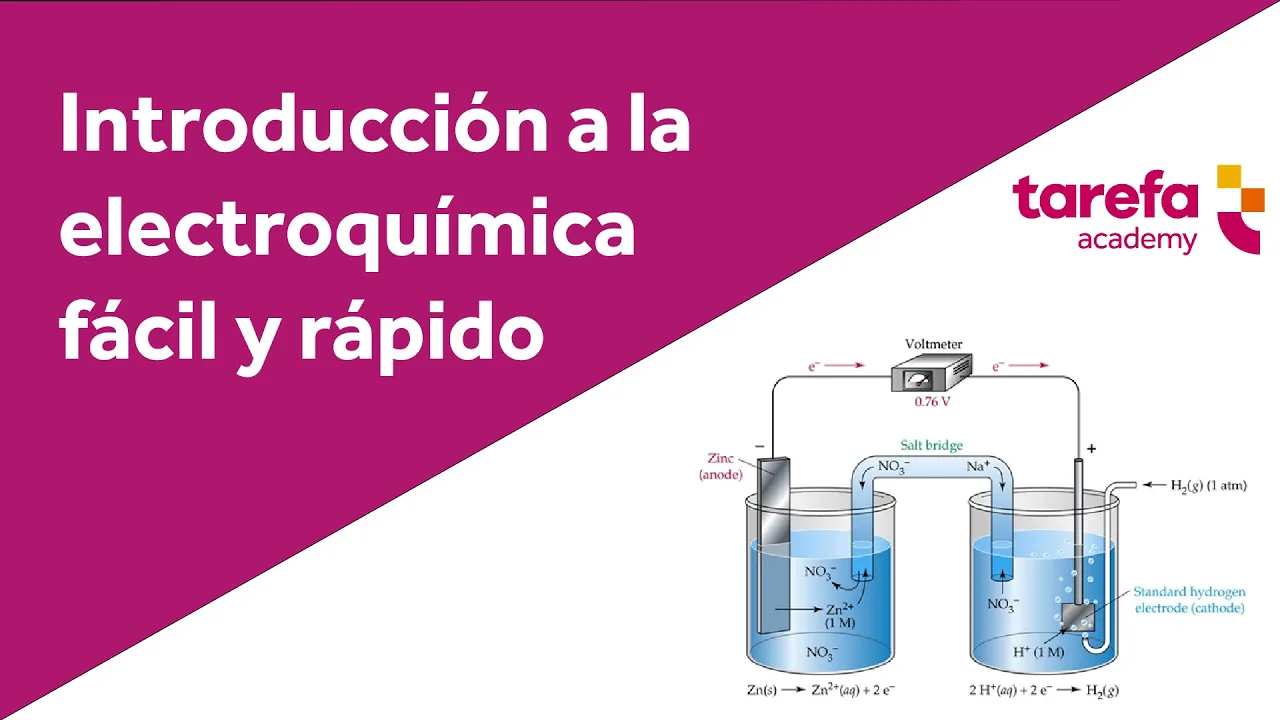
Added:Basic electrochemistry: Understanding how chemical redox reactions store and release electrical energy in standard batteries.
Electrostatic theory: Knowing how traditional capacitors store charge within an electric field across a dielectric medium.
Ohm's Law and circuit fundamentals: Familiarity with voltage, current, resistance, and the basic concept of internal resistance in power sources.
The distinction between energy density (capacity to store energy over time) and power density (the rate of energy delivery).
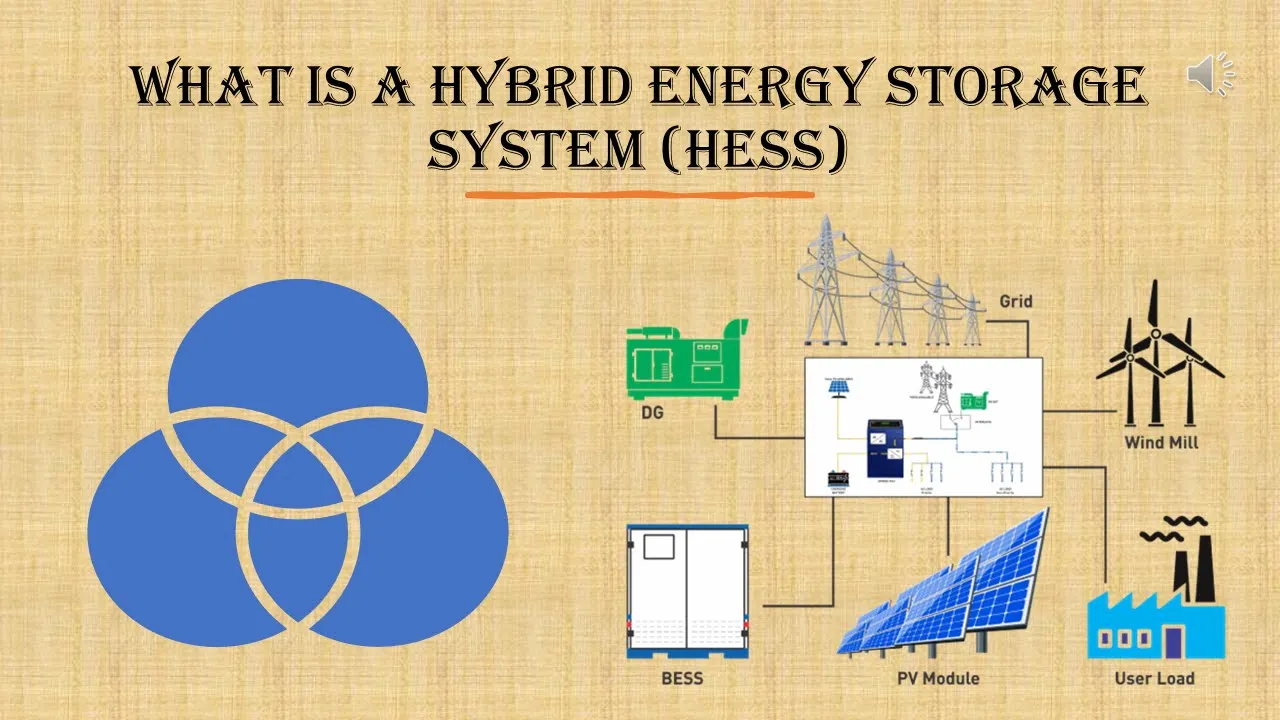
Hybrid Energy Storage Systems (HESS): Exploring how to combine batteries and supercapacitors to maximize efficiency, lifespan, and power delivery.
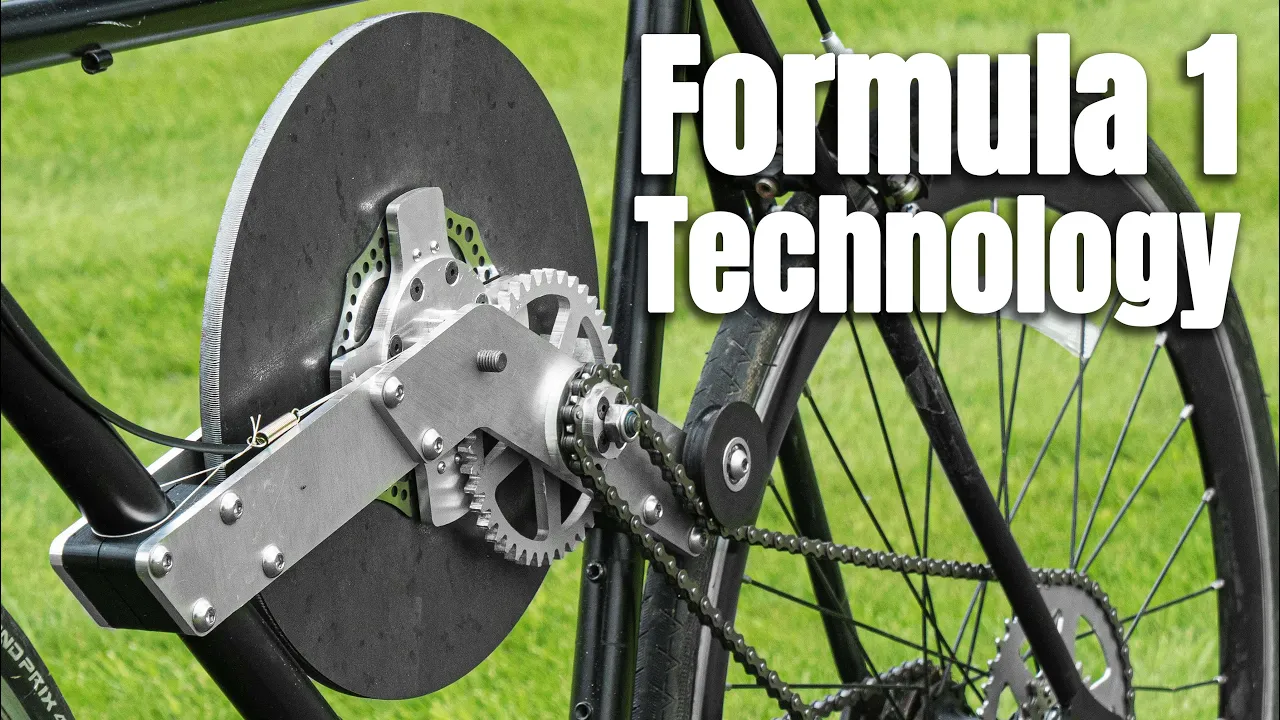
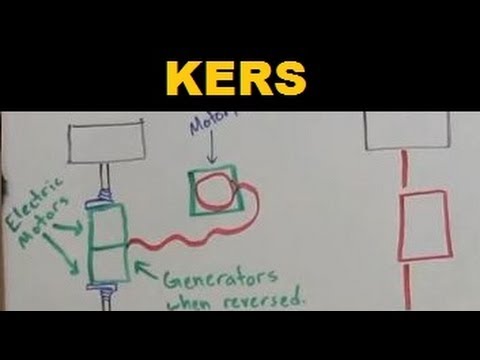
Regenerative braking and kinetic energy recovery systems (KERS): Studying how supercapacitors capture rapid bursts of energy in electric vehicles.
Battery Management Systems (BMS) and balancing circuits: Learning how to monitor and equalize charge across multiple supercapacitor cells in series.
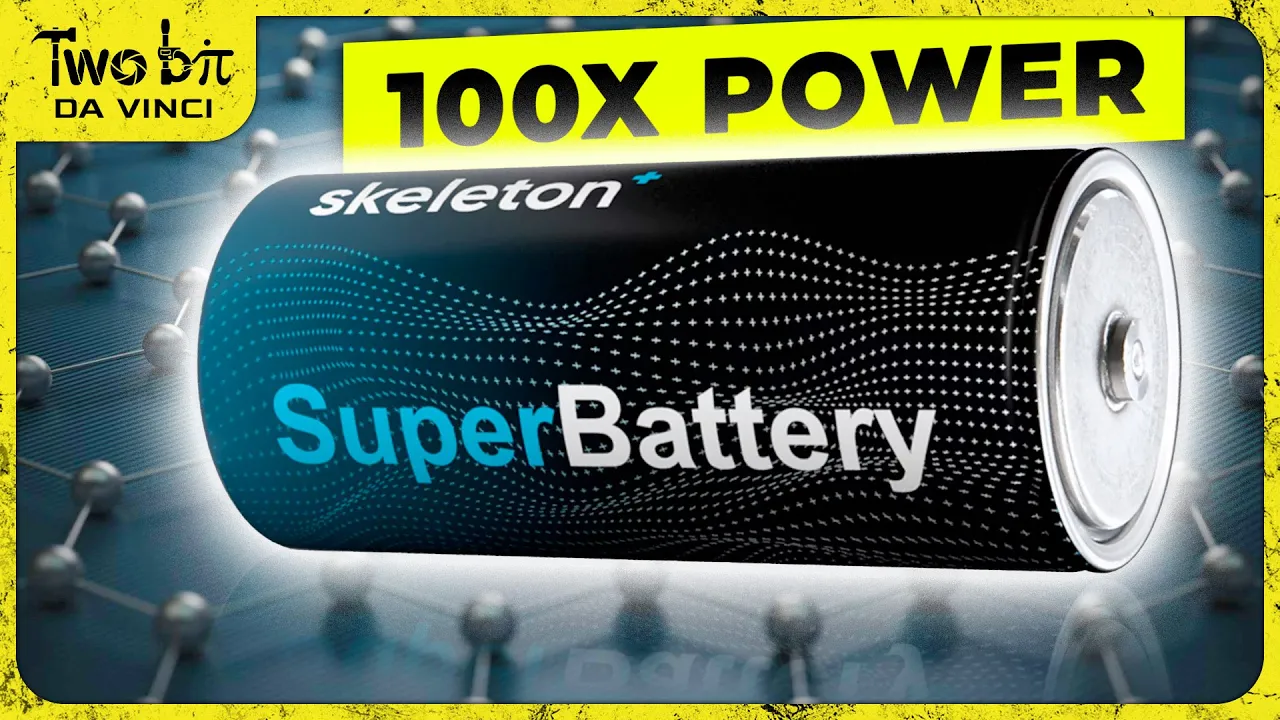
Next-generation nanomaterials: Investigating how graphene and carbon nanotubes are being used to narrow the energy-density gap between supercapacitors and batteries.
117.1K views671likes9:24Original Release: 2015-08-24
Hey, what's going on guys? It's Kada here and today let's talk about some super capacitors. So if you don't know what is super capacitors then it is just like a capacitor but uh it is pretty huge in terms of the capacitors.
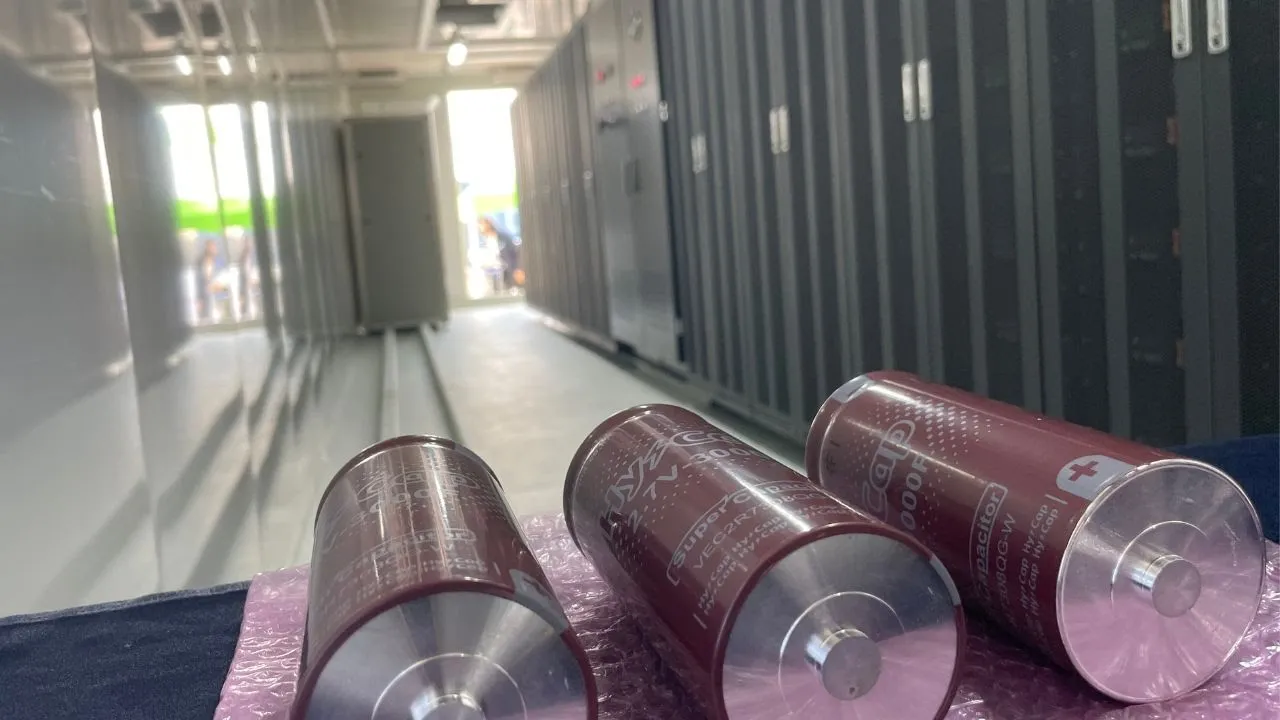
So usually you'll see only the units parads for large super capacitors like this.
Even the smallest one which I have is one parad and 5.5 volts in ratings.
So these capacitors are not similar to the electrolytic capacitors that you can found in power supplies and other filtration power filtering stuff. These super capacitors are EDLC type which is uh known as electric double layer capacitors. So first one is the NC 5.5 volt 1 farad super capacitors.
So the equation for calculating the energy stored in these capacitors is 1/2 capacitors into voltage squared. So it is uh 15.12 JW and uh it is decent if you look at the size and the capacity ratio of this capacitor. Then the second one I have is 2.7 volt 100 farad capacitors.
For these capacitors it can store 364 jw of energy in it.
And this large one capacitor can store 1,822 JW of energy.
Well, if you are asking about the current that it would take to charge the capacitors, then it is pretty huge cuz the equivalent series resistance on these capacitors is pretty low in milliohms for this one. and uh it is in range of the few ohms for this smaller one. So it will literally short circuit your input supply for the voltage range uh for this capacitor. If you give it 2.7 volts then it will take whatever amps you have given to it for 2.7 volts.
So I have this patt solar panel guys and here is DC toDC buck converter.
So the output wtage is currently seted to 5.2 volts and as you can see it is giving me 70 milliamps. So let me start the charging using the solar panel and it is reaching quite fast increasing the voltage. Now I'm charging this capacitor with my solar panel.
It is charging at 70 milliamps.
But as you can see it is reaching [Music] the voltage almost by 100 m volts per second.
[Music] [Music] Okay friends. So it is 5 volts and well of course you can give high currents and charge it in seconds.
So let me show you how much sudden current it can give. So switch to current range. What's the ampers?
[Music] So I have connected my emitter here in series with this capacitor. So I'm charging this capacitor 100 farad capacitor using one lithium ion cell.
The maximum current it gives is uh about 2.5 amps and it is fully consuming the 2 [Music] 5 amps approximately and the leads are getting hot so might need to remove it.
So you can get the idea how much load it can puts onto your source. So let me show you onto this small charging session how much voltage we got onto our capacitor.
As you can see it reached up to 1.1 volts. It instantly charges.
And well, let me show you the discharge rate of this capacitor again.
So I'm directly short circuiting it with my emitter.
As you can see 1.8 amps started from it is 2 amps.
And similarly for this 500 parad capacitor.
So let me connect it up with emitter. So so as you can see now here is the charging current.
It is taking 4.7 amps. So the current is reducing but the the lead temperature is getting so hot. I can't hold it. So let me stop for a seconds. Let let let it be cool.
[Music] [Music] Now the problem is that I don't have here the proper connections.
If uh it would be connected then the the termination resistance in here will be further reduced and you'll see that this current is further increased. So it will take much less time to charge. So let's check the voltage.
It should be charged for 2 volts now.
It should be so as you can see it is charged to 1 volt and uh as you can see it is putting 3 and 1/2 amps.
Okay guys to sum up this video this 5.5 volt 1 parad capacitor super capacitor is uh [Music] put loads of 1 amps approximately onto your supply voltage at 5 volts and it is good for high current sudden burst applications and uh it is nice uh other than these capacitors because this is 5.5 volts.
And uh the voltage is also important in some cases.
This 100 parades is just similar to this 100 parads. These both are 2.7 volts and uh they are literally just short circuit if you are charging it. Okay guys, so my next idea is to connect these capacitors in series and possibly make a 12 volt battery to jump start bike or maybe a car. So tell me what applications you have in your mind and put it in the comments down below guys and please like this video guys.
Share and subscribe for more stuff like this and I'll see you in the next one.
Peace. Goodbye.
Up Next
16:09
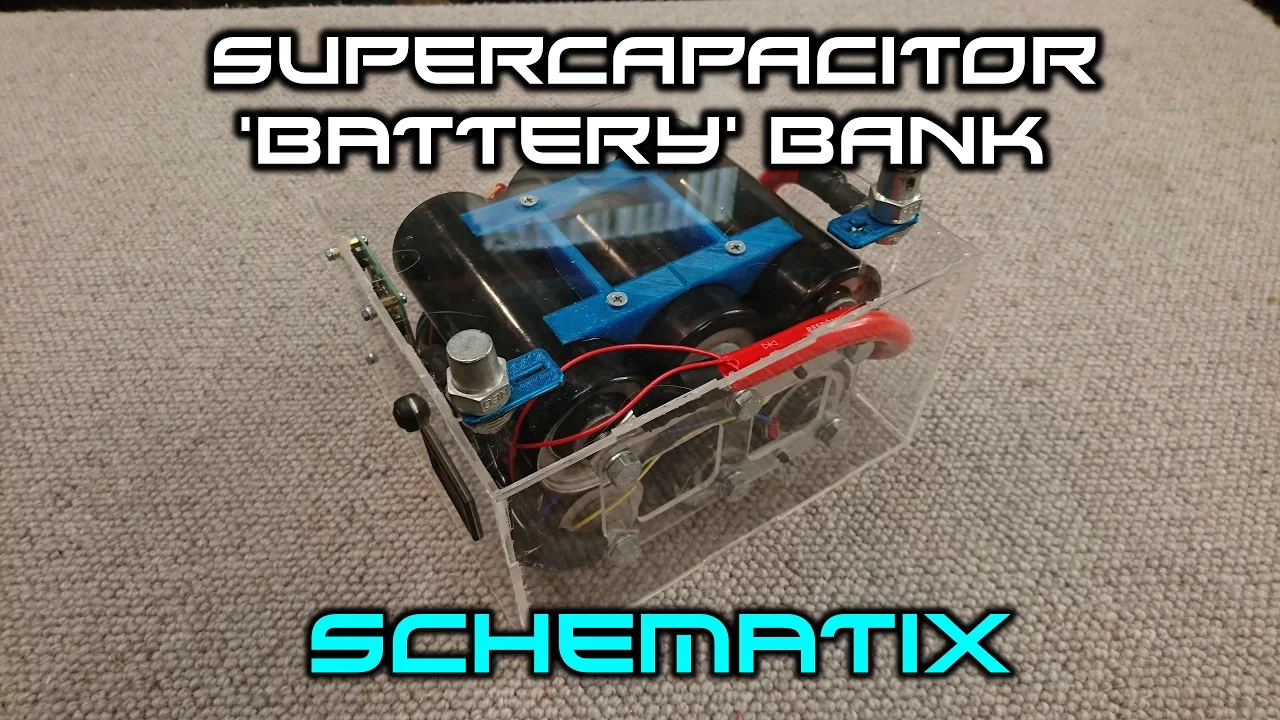
DIY Supercapacitor Bank: Construction & Assembly Guide
@Schematix
182.7K views•2017-04-18
30:32
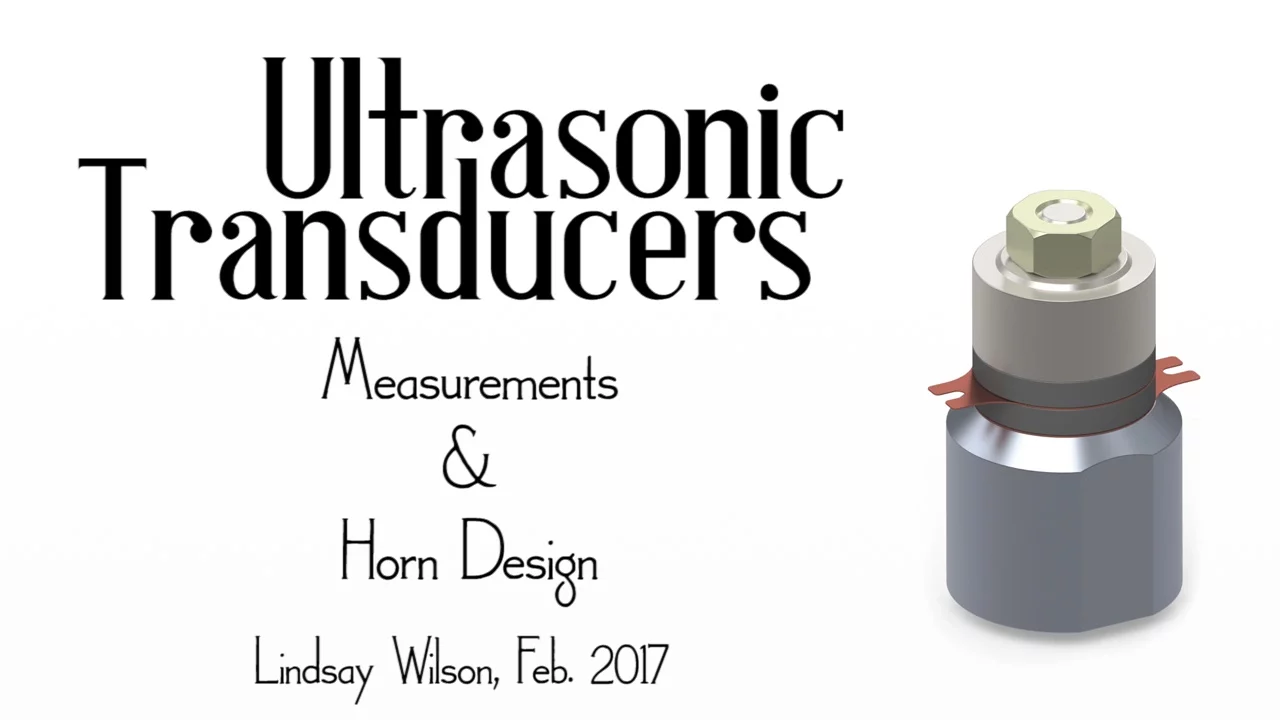
Ultrasonic Transducers: Resonant Frequency Measurement and Horn Design
@imajeenyus42
229.9K views•2017-02-22
54:16
Polymer Environmental Degradation: Mechanisms & Stabilization
@iit
1.8K views•2012-07-10
33:39
How a Student's Question Saved a NYC Skyscraper from Collapse
@veritasium
22.8M views•2025-04-26
Related Study Plans & Knowledge Roadmaps
Structured learning paths in Engineering
engineering
Building Acoustic Levitators: Physics & Arduino
01The Physics of Sound and Standing Waves
02Piezoelectric Transducers and H-Bridge Drivers
03Arduino Programming: Generating 40 kHz Signals
+ 2 more learning modules
14h5 modules
Explore Roadmap
engineering
Building Peltier Cloud Chambers: Particle Tracks
01Cosmic Rays & Cloud Chamber Physics
02Thermoelectric Cooling (TEC) Fundamentals
03Custom Liquid-Cooling Loop Design
+ 2 more learning modules
18h5 modules
Explore Roadmap
engineering
Yagi-Uda Antennas: Modeling, Build & VNA Test
01Introduction to RF and Antenna Fundamentals
02Yagi-Uda Antenna Design Principles
03Antenna Modeling and Simulation in 4NEC2
+ 2 more learning modules
18h5 modules
Explore Roadmap
engineering
ECG Monitor Design: Op-Amps, Filters & Noise
01Electronics & Breadboard Basics
02Op-Amps and Instrumentation Amplifiers
03Bioelectricity and ECG Fundamentals
+ 2 more learning modules
18h5 modules
Explore Roadmap