








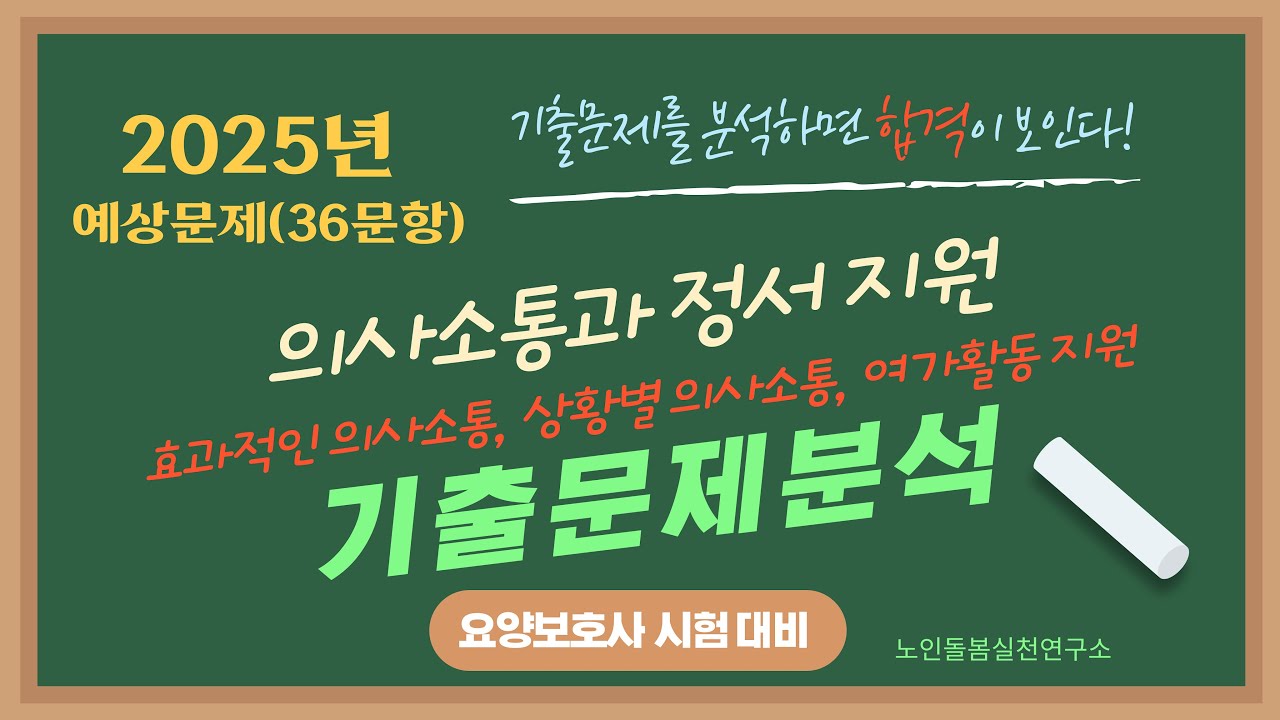
![[전략적공부5] 실기 3번째 공부해야 할 영역, 의사소통 및 여가지원](https://i.ytimg.com/vi/pl7ahN11fY4/maxresdefault.jpg)







This video provides a comprehensive summary of Module 1 for PSW (Personal Support Worker) exam preparation, covering essential foundations including terminology distinctions (patient, resident, client), the Canadian healthcare system structure (primary, secondary, tertiary care), ethical principles (autonomy, justice, beneficence, non-maleficence), the Resident Bill of Rights, advanced directives (POA, living wills), holistic health concepts, DIPS framework (Dignity, Independence, Individualized Care, Preferences, Privacy, Safety), social determinants of health, communication skills, pain management types, ADPI nursing process, Maslow's hierarchy of needs, Piaget's cognitive development stages, Erikson's psychosocial development stages, and physical changes in aging adults.
PSW Module 1 Foundations Summary for NACC Exam Prep
Added:[Music] thank you hi everyone this is Winnie welcome back to PSW exam prep Happy New Year to all of you happy 2023. we're going to get the year started with a suggestion that I received from quite a few of you even in the comments you wanted me to go over the chapters that are required for studying purposes so what I will do is I will go over the chapters but I will also just give a summary on each module this is going to be beneficial for students and this is hopefully also going to be beneficial for those who are writing The Knack so let me know what you think today we shall be covering module one so I will just highlight the chapters that Knack wants you to know and this is based on the fifth edition book so here are the chapters that are listed for your reference and just be sure to go over these chapters and these pages and just be aware for example chapter 23 you don't have to read the whole chapter 23 just look at the pages that they say in order for you not to read too much so I'm hoping you find this video helpful this is just a summary on what module one is all about so like I said the summary about this module is just introducing what it is to be a PSW this is how they're laying the foundations to really talk about your role for you to understand what it is that you will be doing what kind of workplace settings will you be in what's the legislation that's around everything that you're going to do you're also going to learn about an interdisciplinary team and you're also going to learn about your scope of practice as a PSW so you might ask why is it important to understand this module why is it important to understand these terms so we will go over the summary and I will say this is a summary guys you will still need to do your own thorough study but I'm hoping that this supports you along the way so the first thing that I will talk about is the difference between a patient resident and client it might seem like the same thing and people might think you know you can interchange them but you have to be very careful about these three words you have to know what type of setting you are working in and what kind of word you will use so a patient is someone who was in a hospital setting a resident is someone who's in a long-term care home or a retirement home a client is in a community setting so I remember when I first started nursing I had all three jobs I was working in a hospital I was also working in the community and I was also working as um in a long-term care center so I just had to remember when I was documenting that I would say patient in the hospital that I would say client in the community and then of course I'd say resident in the long-term care home that I was working at so a way that I usually remember this is that I say client C is for a community I don't know if that will help anybody but it's important for you to know where to use these words you need to under regulated worker is for example nurses are regulated OTS are regulated and an OT is an occupational therapist pts are regulated and that's a physiotherapist so regulated workers are self-governing and they have to report to a college they also pay what we call Annual fees for example as a nurse I have to pay some fees every year but what happens is if anything happens or if some care doesn't go well for example neglect you know or some type of maleficence then of course this is reportable to the college but you as a PSW you are certified so you do not report to any governing body the third thing that we're going to talk about is what we just mentioned that a PSW is known as a UCP which is an unregulated care provider and like I said you do not report to any governing body the next point is understanding the Canadian Health Care system so this is covered in chapter two of the fifth edition but you need to understand that although we follow Western practices for example going to the physician you know and then going for different types of treatment that we're going to talk about which is primary secondary and tertiary although we do these things we must respect cultural differences so a lot of times especially in Canada we're a Melting Pot meaning we have a lot of immigrants from different different places so we need to understand these cultural practices in order for us to be culturally sensitive to be honest because if you try to impose your views or your values or your culture on another patient then this is not good and this is what we call cultural conflict another thing we need to respect are the indigenous Health Care practices and I'll give some examples so indigenous Healthcare practices include using ceremonies they believe in Mother Earth they also believe that plants and animals have energy and that they relieve or get a lot of Health from these particular factors so you shouldn't go with that approach or a judgmental approach of oh so you didn't take this medication you should do it because that means that you are putting your values and your beliefs of Western medical practices on somebody who has their own practices so it's very important to be empathetic and respectful so the next point that we're going to talk about is Primary Health Care secondary health care and tertiary Health Care so what is the difference with these three so Primary Health Care to be frank is just the first point of contact with the health care system this is the first time you go to your doctor this is the first time you have your own private doctor or the first time you actually have a family doctor or the first time you go to a walk-in clinic but it's just that first point of contact secondary is like additional layer to primary this now includes a little bit more complexity and that they're more assessments this is when something is a bit more complex than before so maybe your primary contact would be you go to the doctor because you have the flu but maybe they discovered that with this flu you possibly need some treatment you probably need like a CT MRI because maybe you have a lung infection or they want to really figure out what's going on with you then you need more assessments and more complex care finally tertiary Healthcare is the most expensive type of healthcare and we try our best not to go there but of course sometimes you know you cannot prevent that so what is tertiary Health Care this is specialized this is the highest level of care this is now when you go beyond the primary you go beyond the secondary so this is for example for your teeth when you need an orthodontist you know so you're going higher and higher and needing a specialized level of care or if you need like a ENT you know ear nose throat specialist like you're going higher and needs an actual specialist to deal with a particular issue that you are facing so the next point is to understand ethics so what are ethics ethics are what discovers or what really determines right versus wrong that's the definition of ethics in a nutshell so we have covered Justice we've covered beneficence and we've covered all these other factors especially non-maleficence in other videos so please be sure to review them just to understand what they mean I will give another summary now but the videos will be helpful because they also have questions just for you to understand it a little bit further but again like we said ethics are the rules of conduct to guide one in deciding what is right or wrong but a moral is something that One Believes is right for himself so my moral is what I think is right for me as Winnie but that doesn't mean it's right for Jim it's right for Mary it's right for Sarah it's just a moral and it's something that I believe and it's based on my upbringing it's based on my values it's based on a lot of different factors my culture just my the way my life has been so that's what determines my morals morals are very personal and individualized so what are the things what are the terms that you need to know in the ethics chapter you need to know about autonomy so autonomy means self-determination this allows patients to make decisions for themselves and about themselves this is where you allow Mrs Smith to wear the red shirt with the purple pants and the yellow shoes because that's what she wants to do so you are not imposing your needs or your beliefs or your perception or your clothing style on her you are allowing her to wear what she wants to wear because she has a right to determine herself Justice is different to autonomy and that it's just treating everyone in a fair manner so an example is just because one of the patients eats very slowly it would not be fair for you to not give them care and just go give the care or help feed the patient who eats quickly that's not Justice fairness means you treat people equally regardless of their limitations regardless of how you feel it will make your job feel Justice is fairness for all beneficence is when you do good for a patient so that's it in a nutshell but the way I remember beneficence is beneficence has the word benefit in there so this is just benefiting a patient non-maleficence so if you remember the movie maleficence malefic I don't remember but that movie but it was a movie about doing bad so the word non in front of it shows that you are doing no harm that's pretty much it so for example you don't perform a task outside of your scope just because you get along with the family they'll say you know what we really like you just insert this catheter I know you can do it you don't have the training you know it's not in your scope as soon as you insert that catheter you are doing harm because this is a skill that you are not trained for so you have to be very careful that you're not out there trying to please families and putting yourself in the patient into some type of Jeopardy I would say okay so the next thing that we're going to talk about is the residence Bill of Rights so as you know we in this profession as psw's work with a lot of different patients but I will say that the majority of patients that you will work with are older adults so the residence Bill of Rights goes back to what we said before where resident obviously is something to do with the retirement home or the long-term care but the residence bills of Rights is usually in a long-term care setting because they even have committees and stuff like that to discuss how the long-term care is governing a lot of factors and they bring it over and they discuss everything month by month to make sure that the residents are happy with the care because what you have to realize is that long-term care is their home and this is maybe the last home that they will have before they unfortunately pass away so it's very important to ensure that we have a Bill of Rights so what are the examples of Bill of Rights so the examples include like the right to privacy privacy meaning if you're providing care make sure that their roommate is not seeing everything you're doing close the curtains and then there's also the right to confidentiality don't go to the hallway and start talking about Mr Smith and what happened or don't go tell your friend on another floor what's happening on your floor that is none of their business and that is actually violating somebody's confidentiality the right to autonomy as we already mentioned and the right to give or withhold informed consent so what is informed consent so informed consent means consent where you have been informed so this means that you give somebody some information and then they make the decision as to whether they want to do what you said or not so the patient has the right to decide what will and will not be done to his or her body and who can touch them they need to understand the reason for the treatment what will be done and how and who will do it there must also be an out like an understanding or a discussion of outcomes and treatment options you cannot just give one option you have to outline all the information and by outlining all the information this is when we say it is informed consent the next important one is Advanced directives so I did have someone who just took the exam and they called me and they said they had so many questions about sdms and poas and thankfully we had spoken about that but it's just maybe something that people might Overlook but it's very important especially in the neck exam so we're going to discuss that right now so Advanced directives are legal documents that allow someone to discuss decisions about his or her own end of Life Care so what happens typically when a person is newly diagnosed I will give an examples of dementia that point they may still be very cognitively aware and they could then make the decision off you know what in the event that I am now incapacitated or where I am deemed incapable I would like somebody to make decisions for me because my decisions are unsafe so what will happen in this point is they will appoint a POA they're different types of Poa and this is a power off attorney so you can have a power of attorney for finance you can have a power attorney for property you can have a power of attorney for personal care you can have a power of attorney for a lot of different things you can have one power of attorney or you can have all your children as power of attorneys jointly or you can have all your children as power of attorneys jointly and severally so the difference with jointly means that everybody in that power of attorney has the right to make the decision and they all have to have an anonymous vote on the decision if one person disagrees it's not going to happen jointly and severally however means that one person can make the decision and the other people do not have to be present so that's the difference with POA jointly and POA jointly and separately so the substitute decision maker is in the same league it's not as legal as the POA The Substitute decision maker has a ladder and the latter can be reviewed if you look up online SDM ladder you will see who's at the top and who's at the bottom but there are some people who do not have family members and if they don't have family members you as the institution or the PSW cannot make a decision for them it goes to who we call pgnt who is the public guardian and Trust so they make the decision for the patient but the substitute decision maker is not legal the POA is legal so the SDM is just somebody who again makes the decisions as a substitute so this allows a person to make decisions for another person who is unable to give consent due to inability to understand and the other one in the section is the living will this is a document that allows patients to outline their wishes to accept or refuse Medical Care to sustain their life a good example is a DNR do not resuscitate someone can say do not resuscitate me if there's anything that happens in an emergency situation I do not want any life-saving measures this is something that you have to abide by so this is what we are talking about when we talk about Advanced directives the next thing you need to know about in module one is torts battery assaults Etc so I did Cover these and you can find these in a separate video 10 random questions you cannot get wrong in the neck exam all right the next thing that we're going to talk about is holistic health so this is very important but sometimes can be missed the concepts of holism is something that dated way back when there was such a priority on physical health only it was previously believed that health is just the absence of illness so if you're physically okay everything else doesn't matter but things have changed we now value holism so according to the World Health Organization the definition of Health has changed so health is a state of complete physical mental and social well-being not merely the absence of disease or infirmity so holism considers the whole person there is a diagram in your book Anaconda shows like what the components are for holism but these include physical social spiritual emotional and cognitive health what this means is if I have physical spiritual emotional and cognitive but I do not have social I am not healthy all of these need to be there for holism to be there and for me to feel healthy they must all be present for your health so another one that we already covered but we're going to cover it is dips I'm hoping by now through these videos you're really starting to see the importance of dips but like I say a lot of times they show it at the end of every chapter so they will throw in a dips question but let's really discuss what dips means you know you might know what it stands for but let's go into it a little bit more detailed so the first one is D which is dignity and this just means making somebody feel valued the next one the I has to so sometimes you can see dips with d i i or sometimes it's just d i but you just have to know that the I stands for two things the first I stands for Independence this is where you allow patients to do things for themselves so honest truth it's much easier to just do everything for somebody it's quicker but that does not promote Independence that does not promote autonomy that in fact infantilizes a patient and in fact it sets them back so what you always need to remember is you need to allow every patient to do as much as they can do for themselves up to their highest level and then you step in after that level and then we talk about individualized care just because Mary likes her hair a certain way doesn't mean Joanne likes her hair that way so you need to understand and provide care based on differences from Patient to Patient do not put everyone in a one-size-fits-all just because they're on a unit you have to understand each patient and build a care plan that is individualized for that patient and then we talk about preferences so this is when you allow patients to make the choices what do you want to wear what do you want to eat do you want meals section one meal section two meal section three I do know a lot of facilities I've worked at they had different options and then a person would pick what they wanted for lunch for example or maybe even two options do you want the salmon or do you want the meatloaf for example but you allow them to pick something based on their preference and again this is an example of maintaining their autonomy another one is privacy so make sure please that you do not disroble uh take off somebody's clothes the Privacy curtain is not is open the curtain on the window is open everybody can see this is very humiliating particularly for somebody who's non-verbal so you want to make sure that you close the curtains and you protect patients from public View or if you see somebody wandering in the hallway and they're naked hurry up and get a gown and then take them away and get them dressed provide privacy as much as you can and then the final one is safety so safety just means providing a safe environment for every patient so the next thing we're going to cover in this module are social determinants of Health so there are 12 social determinants of health so what is the social determinants of Health it's just something that really honestly determines your health in a social way that's pretty much it like the sentence actually explains what it is so pretty much these factors determine how your health will be for example they're 12 but I'll give you two one is income so your income will determine your health based on for example can you afford the dental insurance I'm speaking things that maybe are not covered under o hip right now can you afford dental insurance can you afford to go to an optometrist like can you get your eyes checked like are you able to afford these things that is your income your education level as well determines things you know so if you have higher levels of Education you have more knowledge about the importance of certain things right for example if you have a high level of Education you know okay if I do this this may be a side effect so let me do that let me do this let me do that but I would really say the income and the education levels are tied together but at the same time they are also very different it is important to know each of these 12 determinants and these are found in chapter six in the fifth edition the next thing that we're going to talk about is culture and diversity so there's a difference between these two so we already started talking about culture earlier when I spoke about cultural conflict when you put your own cultural beliefs on someone else that's not right but culture refers to different characteristics that a group has for example their language their religion their beliefs but diversity is an exploration of a combination of things where you look at people and all their differences and you allowed for them to coexist so an example of a place with diversity is your workplace or even your classroom has diversity people of different colors people of different nationalities people of different genders people of different ages people who have children and people who do not that's all an example of diversity and this is something you need to embrace as you provide care to patients you need to respect diversity and embrace it and welcome it because if you don't now you're leaning into these negative qualities the first one I will mention is bias this is when you impartially judge someone because you have a notion an example is you could say you know people of color have a high pain tolerance so I'm going to prescribe less medication in terms of the dosage because they're not going to feel pain that's a bias you came with that preconceived notion and now you're doing something that will negatively affect somebody and that of course is not just right because we say justice is fairness so bias is tied to not being just another one is stereotyping so stereotyping is a belief about a group of people you know ageism for example all old people are grouchy all old people cannot keep up with technology all old people are just going to want to sleep all day these are really bad bad bad types of stereotypes because you will find someone who's way older than you who's excellent at technology better than you even someone who runs way faster than you even so you have to learn not to stereotype and another type of stereotype of course is homophobia and unfortunately that is something we still see in the world today the next thing you need to know for this module is communication but namely interpersonal communication so interpersonal communication is communication between two people interpersonal is between me and someone intra i n t r a is something I communicate Within Myself so if I'm communicating to someone with words this is what we call verbal communication non-verbal is usually like actions or gestures but this is the loudest and most accurate reflection of how one feels so if you say to me Winnie how are you and I say I'm fine but overall my face I look I'm frowning I'm grimacing I'm just honestly fidgety that I'm fine does not match my non-verbal so you will not believe that I'm fine you will believe my non-verbal more than my verbal open-ended questions allow one to talk they open up one to further communication right so what do you think you're going to do today is an example of open-ended because the person will say well I'm gonna go to the store and then I'm going to do this and I'm going to do that but close and it is either a yes or no are you going to the store today yes are you going to see your grandma today yes do you live alone no so those are close ended where you do not allow further dialogue you just kind of shut it down and then you don't kinda allow that you need to use both to be honest guys because sometimes you just need to get straight to the point and then sometimes you need to explore so both of them are very very effective ways to communicate so you also have what we call defense mechanisms so defense mechanisms are ways one avoids uncomfortable feelings so sometimes something can happen that is so traumatic for example someone very young gets raped they can repress that memory and it's a defense mechanism not to remember that experience or another one could be someone just went to work you know I'll say Jane went to work you know and her boss stressed out the unit was busy it was short staffed she was just ridiculously exhausted and she just handled it in there but the pent-up anger that she has is still within her as soon as she walks in the door her kids come running to her and she starts snapping at her kids get away from me shut up you know using all these negative things so that anger that she had she took it and that stress and she displaced it by putting it on someone where she knew she had some level of control this is also a type of defense mechanism so there are quite a few defense mechanisms that you can read about the next one is the types of pain so pain is so important and I'll tell you why with pain it affects the level of care that you give someone pain affects what somebody understands like have you ever had like a very bad migraine and someone comes and tries to tell you something important you are not going to retain the message you're probably going to retain about 10 of it pain can actually really inhibit a lot of different factors so as a healthcare practitioner we always want to address pain effectively and make sure that a pain level is within a therapeutic level where a person is not feeling any pain our goal is to have no pain so you must understand however that there are different types of pain and pain is subjective if you're an award where people are giving birth you ask one Mom how are you doing what's your pain from zero to ten she'll say three I'm fine and another mom is screaming and she's saying her pain is a 15 out of 10. you know you still need to take what they say because pain is very subjective and you cannot compare the lady who said three with the lady who said 15 out of 10. and the 15 is just to show that it's really bad guys but really honestly the scale should be 0 to 10 but I'm just giving an example so if people are non-verbal we look at their actions more for example if someone has dementia there's a scale we call pain ad p-a-i-n-a-d which actually is showing the behavior of people to quantify what the Pain Scale is so they're different types so the first one we talk about is acute pain this is something that to start suddenly but it lasts below six months acute always means short-term even if you go to an acute unit you're there for a short amount of time right but chronic however lasts for longer than six months this may be someone who was in a car accident and had a really really bad accident and they continue to have pain and then another one I always love to talk about and I've spoken about it in other videos is Phantom limb pain this is a body part that no longer exists but a person will say I'm feeling pain in my toes but there's no like they're no tolls like they were amputated so it's just the nerve cells and the neurons in the nervous system that are working to actually bring that pain right and then the last one that I'll talk about is referred pain so referred pain is pain that shows in an area very different to the source of the pain an example is someone having a heart attack they might feel pain in the jaw they might not experience the chest pain like you know when you're having a heart attack you can have many different symptoms but for some it's just that feeling of a pain in the jaw and they don't know why but the jaw is very very far from the heart right so this is an example of preferred pain okay so the next thing that we're going to talk about is AD pi so ad Pi is important but this is really something that the nurse does but it's still something that you need to know about so that you can understand what the nurse is doing so what's ad Pi it's an assessment it's a diagnosis but here I said nursing diagnosis and it's planning it's intervention and it's evaluation so why I put nursing diagnosis is because a nursing diagnosis is very different to a medical diagnosis an example of a medical diagnosis is diabetes hypertension but a nursing diagnosis is a bit different it's that we look after an assessment and try to kind of figure out what is going on with somebody right um for example we can look at someone and they kind of socially isolating themselves and we can make that a nursing diagnosis based on that type of objective data right so it's different to the medical but let's discuss what ad Pi really means so the assessment is just honestly Gathering all the data looking to see what's there what's happening this is objective this is subjective you gather the data you have it in the assessment after you gather that data you come up with a diagnosis that makes sense and this also determines the care plan which is the next thing so okay I can see that ever since Mr Smith came to the hospital he's really been withdrawing you know he has very little social interest what are we going to do in the care plan to promote social activity to promote him being with other people so that he's not feeling isolated how do we stimulate them a bit more once we plan it we set it out and then we intervene or not intervene we implement or we implement the interventions so the intervention just means implementation where you actually conduct what's in the care plan after some time you look at Mr Smith again and say is it better is he now socially you know out there with other people is he interacting is there an improvement that's the evaluation phase if he's still not out there he's still in his room we need to start over so this process can be cyclical and that you keep going and going until you find something that really works for Mr Smith to address whatever the diagnosis is so that is what ad pi means in a nutshell so the next one we're going to talk about are the documents and charts so it's very important to understand these documents and they also love to ask about these documents the first one that I will talk about is a progress note so these progress notes are the ones that show interventions during a shift and they also show a patient's progress how is the patient doing what happened from seven to three or what happened from seven to seven this is where you chart along the way to show what care you provided and how the patient tolerated it so that's progress note the next one is a graphic sheet and these are typically measurements so temperature pulse blood pressure respiratory rates these are usually put on graphic sheets so know the difference between a graphic sheet and an ADL checklist so the word checklist is the key thing here in that it's a list where you usually just use ticks to show what you did so an ADL checklist typically has for example uh Oral Care you take it bathing you take it you know so it just shows you things that you can take right so that's what an ADL checklist is and of course ADL means activity of daily living so it'll talk about bathing grooming dressing you know hair care and things like that those are all activities of daily living an incident report is what it is where you report an incident so this is an unexpected event it's something that we were not expecting but it happened but it must be documented for example a workplace accident we're not walking around every day at work expecting an accident guys but if it happens we document that in the incident report and of course this is the best way to put it and then the manager can follow up and a good thing about incident reports is if there are a lot of like like qualifiers or you start to see a trend in a specific issue then it can be addressed so incident reports are very important even on a management level to discover what exactly is going on on a certain unit for example so when you are documenting in all of these you must use the 24-hour clock format so I will reiterate this and I put this in I underlined it because I said there is no colon between the hours and the minutes if they ask you this question please do not get it wrong so for example 1am is zero one zero zero there is no colon between 0 1 and 0 0.
is this zero one zero zero just like that and 4 pm is 1600. if you have any issues with knowing about the 24 hour clock there are many videos on YouTube to discuss what that means so I would urge you to take a look at that and get more information about it because it would be very very hard for you to lose a mark on the 24 hour clock the next concept that we're going to talk about is Abraham Maslow's hierarchy of needs so this is a very important part of module one as well so this is where you kind of see a tower it looks like a pyramid if you remember it and the needs are arranged in order of importance so the lower needs must be met first and then the needs go from lower and up up up so what happens is the base is very wide and why it's very wide is they're trying to show that this is a very important need but as you go up in the pyramid they're saying this is important but not as important as the one at the bottom so as per Maslow you cannot meet the next need until you fully meet the lower one so the first one or the bottom one with the widest base is physical so what's physical oxygen water things like that and then the next one is safety do you have somewhere to live but honestly do you really think you're going to think about where you're living if you do not have oxygen or water you know so Maslow's diet hierarchy of needs is very easy to understand why once you start to look at like okay this makes sense I need this before I get that and then the next is love and belonging so for example if you are not if you don't have a home or you're not feeling safe you're not going to be thinking about love you know so they're trying to show that first you need this to then think about that so the next one is self-esteem after love and belonging and the final one is self-actualization and not everybody gets to this level self-actualization is very tiny but a lot of people do not get there this is where you really fully accept yourself and a great like you have gratitude about everything and you just honestly are in a good place so unfortunately not a lot of people get there so the next thing that we're also going to discuss is the other stages of I guess development this is undergrowth and development and this is in chapter 31. so we have someone called Piaget and every time I think about him I think about cognition so he had four stages and it's important to realize what these four stages are like I said they're in chapter 31 but the main thing is remember that he was talking about cognitive stages and he talked about the different things that at different ages you should achieve on a cognition level and it also shows how the brain develops then we have Ericsson who's more psychosocial so psycho means psych which means the mind and social means social which means to do with people so he has eight stages that span a lifetime from the very beginning to the very end for example the first one he starts with is trust and mistrust where he talks about you know a young child should trust their parents you know they look for their mom like for example if they're crying they're expecting that their mother will breastfeed them if that doesn't happen over time they start to mistrust their parent so Erickson has all these different stages as well and then at the end it's integrity versus despair for the very final stage stage eight so it's important to know what each of these stages mean to really outline how someone's life is going so that's the growth and development the next thing you need to know and I know module one is very very long guys bear with me we're almost there but the next thing you need to know is about like the changes that happen as one gets older so unfortunately like I spoke about earlier there's so many portrayals in the media about how old people are and how they should act I think it's starting to change a little bit though we're starting to have more positive views but overall the images in the media emphasize ageism okay so it's important to reflect on your personal biases and just other people's biases as well especially when caring for older adults but there are many things that happen when people age and we're going to talk about them right now so the first thing is people go through emotional changes for example when they lose their loved ones or they lose their pets or they lose their homes this is a very emotional difficult time or they go through social changes where they now go into retirement now they're on a pension plan they might give up their house and move into a retirement home this is also very difficult so depression may occur but it's not something that we should say is inevitable it's not something that we should say oh it's normal it is not normal for depression to occur it's something that you should report to the nurse in a timely manner so that it can be addressed and then there are lots of changes that happen so physical changes for example the integumentary system which of course means the skin the skin loses its elasticity and a fatty tissue layer men go through hair loss women have hair thinning you also may have gray hair or white Hair Etc other physical changes musculoskeletal system the muscles decrease in number the atrophy which means they start to wear down and to kind of you know wear away bones become brittle which opens up a lot of like hip fractures Etc and Mobility decreases so they used to do a lot more walking but now it's difficult now they might need a walker now they might need a wheelchair who knows but that's another change as you get older the nervous system also changes nerve conduction and reflexes become slower they'll put their hand on a hot stove but it takes a while for them to sense that so before you know it they have a major burn and now they're going to a unit for that to be treated taste decreases and sleep patterns start to change for the circulatory system the arteries that are supposed to pump blood away from the heart to the rest of the body they start to narrow and one may need rest because the oxygen is not flowing like it did before the respiratory system which is the lungs there's no dyspnea which means difficulty breathing there's less energy to cough or clear Airway secretions meaning they pull in there and there's a lot of congestion for the digestive system which means a system that breaks food down to allow it to go out and to take all the nutrients there's now difficulty swallowing which we call dysphagia the teeth start to get lost they may need dentures at this point and peristalsis decreases meaning that they may be constipated or meaning that the food they eat is not kind of going down in a smooth wave-like form it's taking a longer time other physical changes are like the urinary system so the bladder size decreases meaning they need to use the toilet a whole lot more but maybe they cannot make it on time because the mobility has decreased so now they have incontinence episodes and it also means they cannot hold their urine as much as they can like they did before men their processize increases so they'll need prostate checks prostate checks usually start around the age of 50. where they really go and they check they do like a digital rectal exam and what I mean by that is a physician will put a finger up the anal area to check for the prostate to see if it's big so that starts to happen and then every person will start to go through a high risk for a urinary tract infection and the final physical changes in the reproductive system orgasms are less forceful erections are lost quickly menopause occurs for women so they cannot have children anymore and last but not least women can also experience vaginal dryness so there are way more symptoms or way more components than this guys that kind of just picked the ones that I felt were very important but they definitely lots of changes that happen as in adult ages so yes guys so this finalizes module one I did go through all the chapters that I had listed in the beginning and I just picked out what I felt is very relevant and summarized it so I'm hoping that this is going to be good for your study purposes I will ensure that I do module one all the way to module 12 and I'm hoping that this will be good as a study Aid before your exam or if you're doing The Knack before your nap just to have a summary of each module let me know what you think if this is helpful or not and thank you so much for your time and see you next time and please do not forget to like share and subscribe bye guys
Up Next

Medical Student Joel Bervell Tackles Health Disparities on TikTok
@kellyclarksonshow
117.3K views•2024-03-25

Triumph of Orthodoxy Icon: Byzantine Art & History Explained
@BenCallan
2.1K views•2024-08-06

FastAPI vs Flask vs Django: Choosing the Right Python Web Framework
@TechWithTim
302.5K views•2024-05-26

Game of Thrones Opening Credits: A Cinematic Analysis
@gameofthrones
46.3M views•2011-04-18
Related Study Plans & Knowledge Roadmaps
Structured learning paths in General & Interdisciplinary Studies