












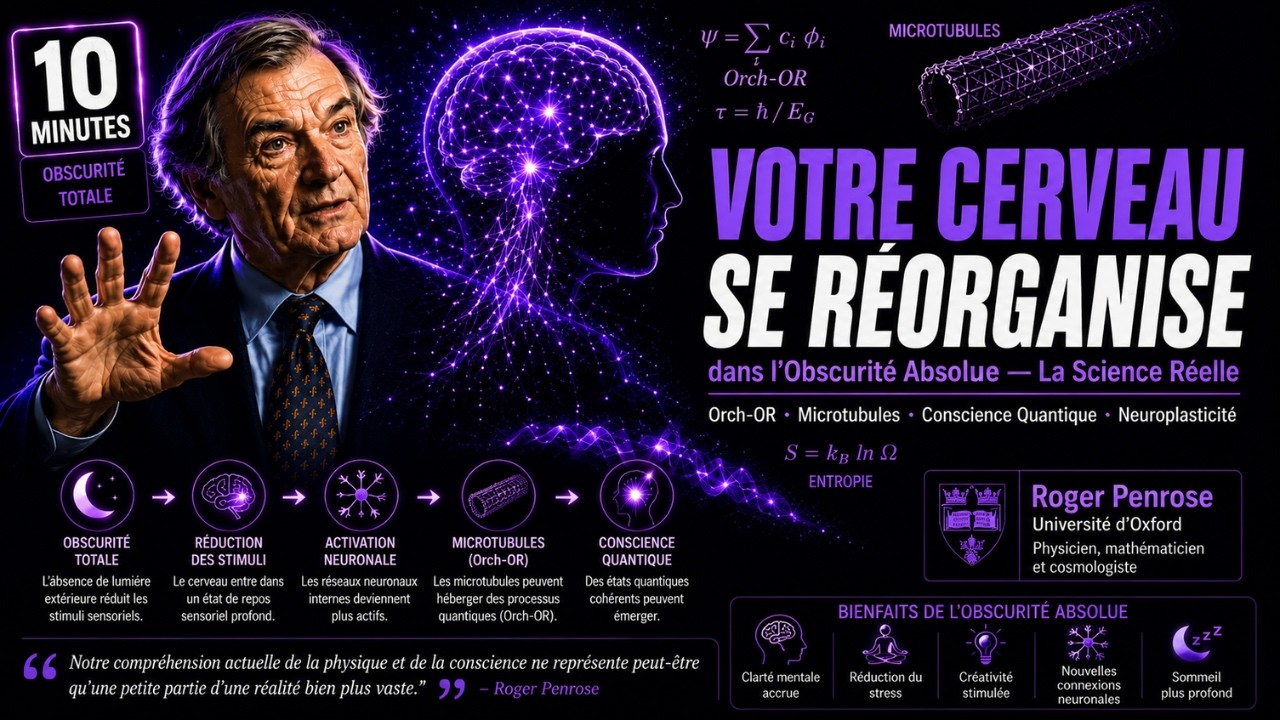


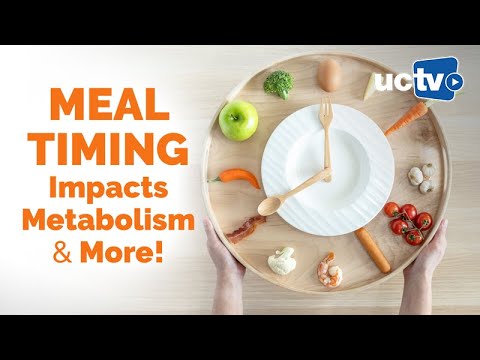

Circadian rhythms are regulated by a master clock in the suprachiasmatic nucleus (SCN) of the hypothalamus, which communicates with peripheral clocks in organs like the liver, kidneys, and heart through hormonal signals including glucocorticoids, melatonin, insulin, leptin, and ghrelin; these rhythms are entrained by photic stimuli (light) and non-photic stimuli (food, exercise, arousal), with melatonin specifically acting as a key synchronizer that resets the circadian clock through its receptors in the SCN and peripheral tissues.
Hormonal Control of Biorhythms | Endocrine Lecture
Added:Basic anatomy and physiology of the endocrine system, specifically the hypothalamus-pituitary-adrenal (HPA) axis.
The concept of physiological homeostasis and the mechanisms of negative and positive feedback loops.
An introductory understanding of the central nervous system, particularly the location and function of the suprachiasmatic nucleus (SCN) in the hypothalamus.
Fundamentals of hormone synthesis and secretion, with emphasis on the pineal gland (melatonin production) and the adrenal cortex (cortisol/glucocorticoid production).
The clinical implications of circadian disruption, including Shift Work Sleep Disorder, jet lag, and non-24-hour sleep-wake rhythm disorder.
Chronopharmacology, which explores how the timing of drug administration can be optimized to match body rhythms for maximum efficacy and safety.
The molecular biology of clock genes (such as CLOCK, BMAL1, PER, and CRY) that drive the transcription-translation feedback loops in peripheral cells.
The pathophysiological connections between chronic circadian misalignment and systemic conditions like metabolic syndrome, type 2 diabetes, and cardiovascular disease.
524 views9likes28:03Original Release: 2022-01-24
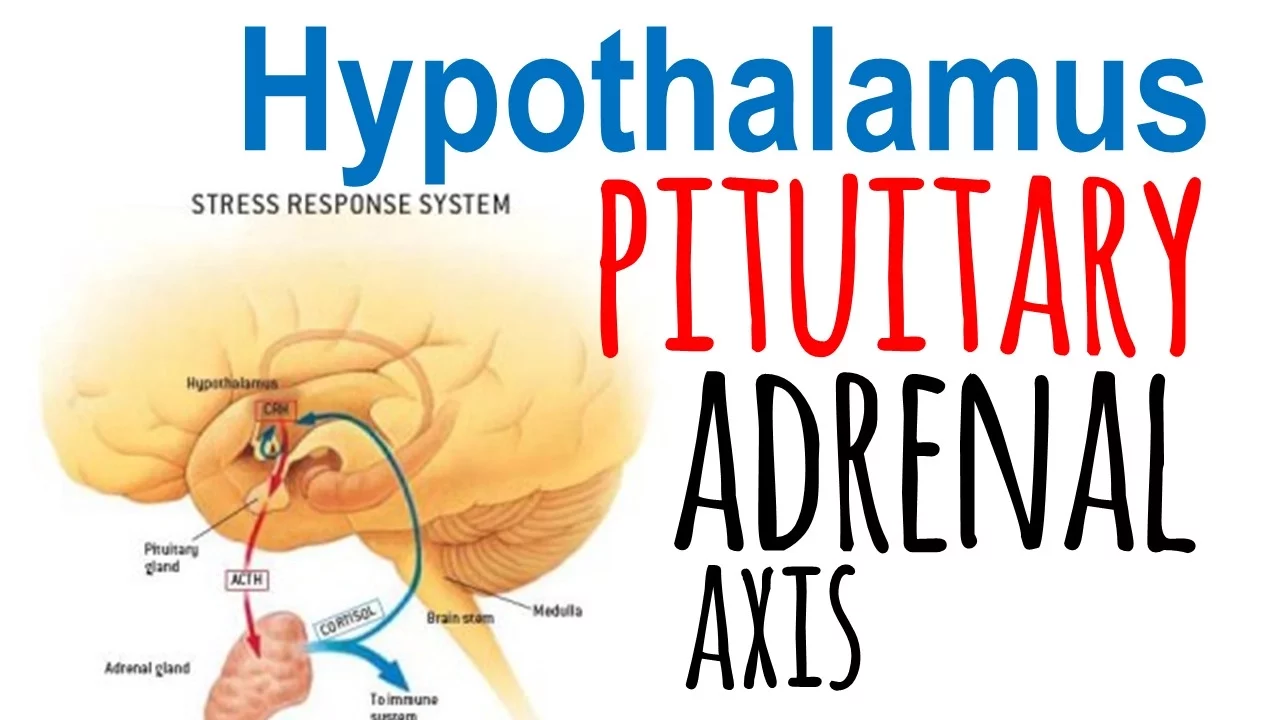
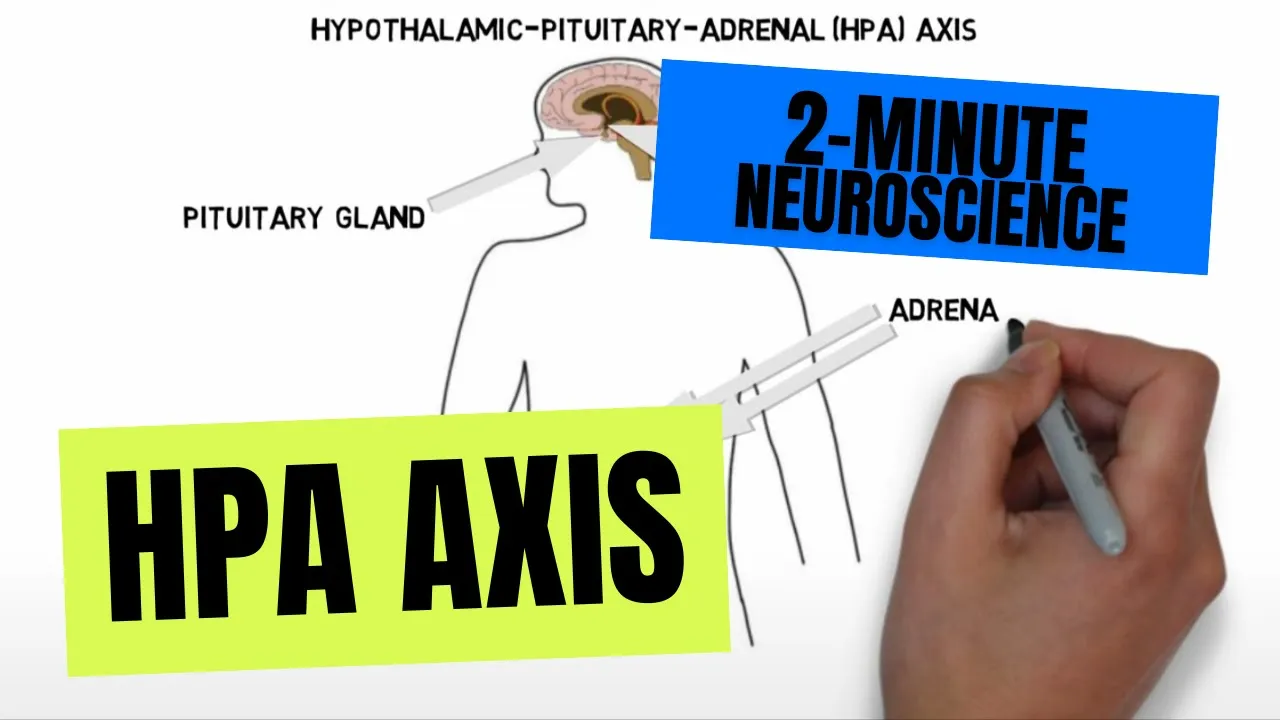
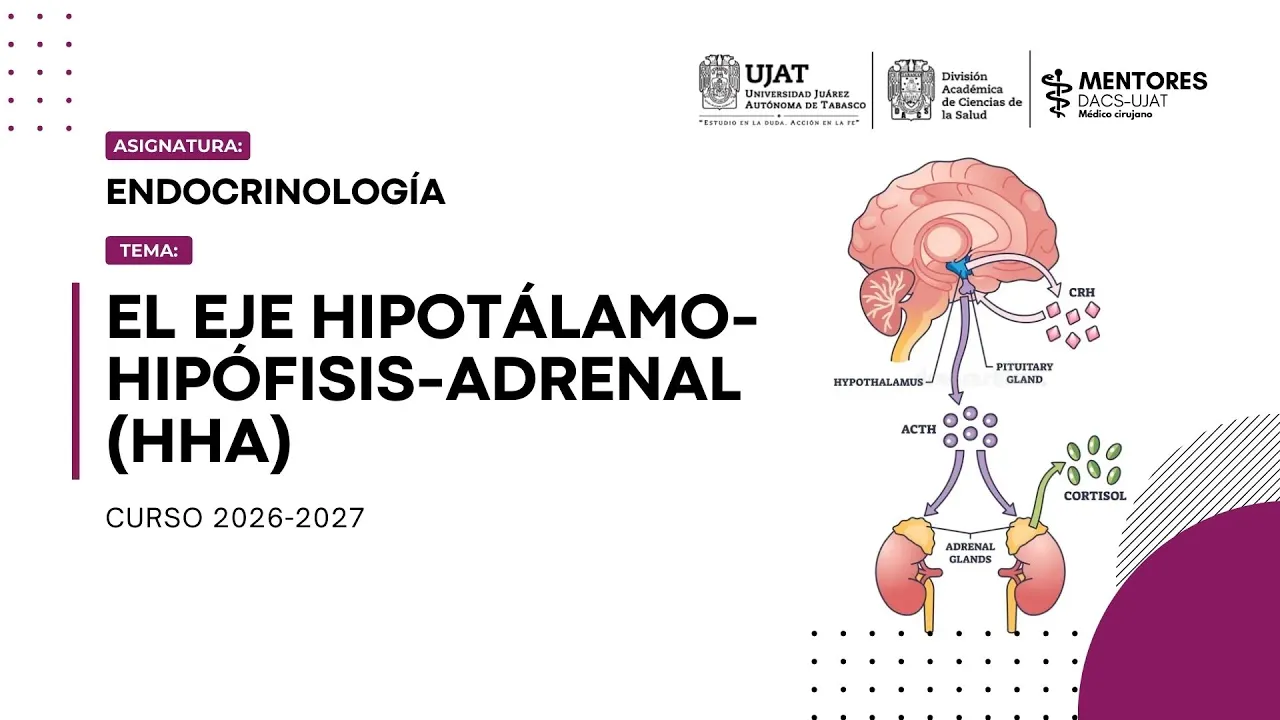
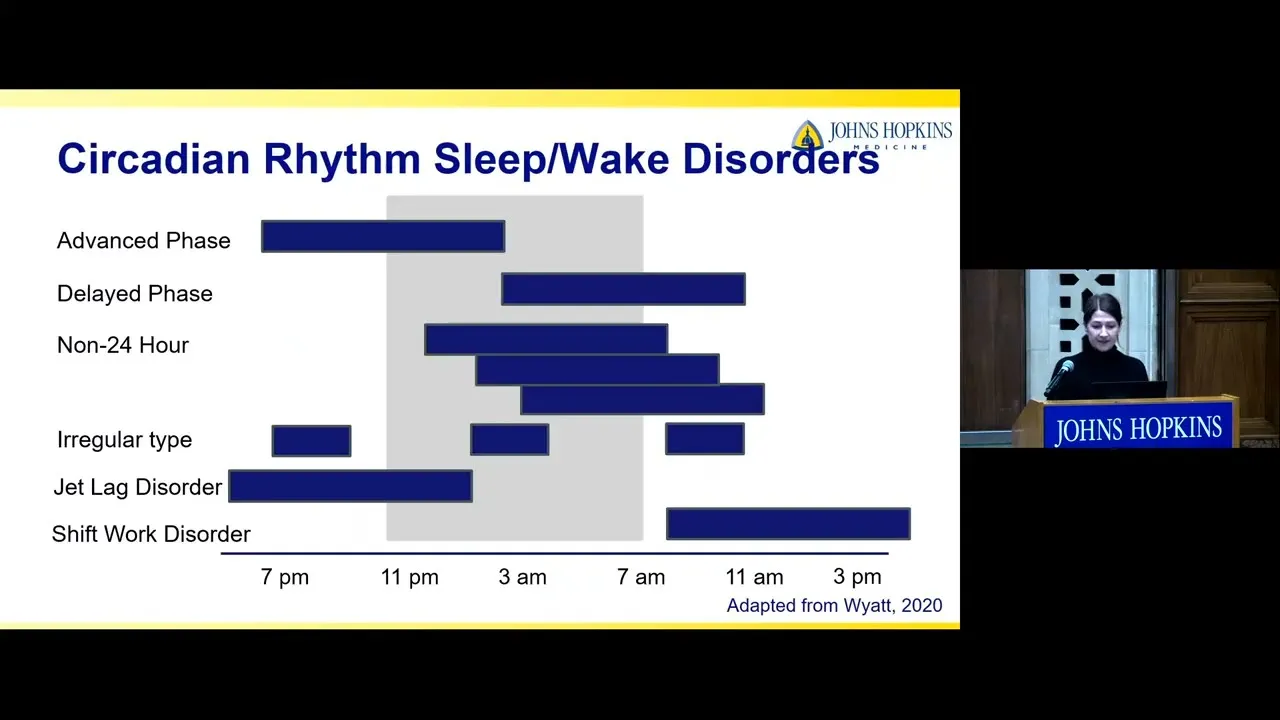
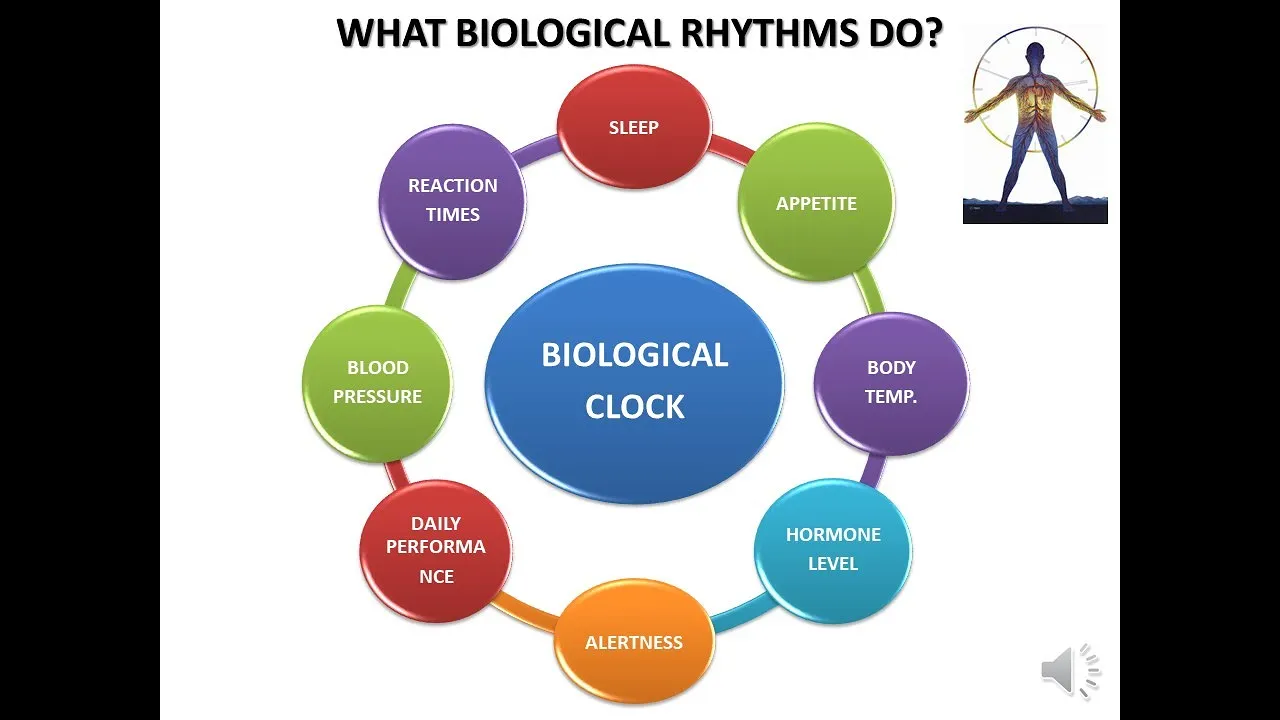
good evening from the department of endocrinology amrita institute of medical sciences at the outset let me thank the endocrine society of india for having given me an opportunity to be part of this weekly endocrine seminar on systemic endocrinology the topic allotted to me is hormonal control from biorhythms i should confess that i am not an authority or an expert in expert in this field i have great difficulty understanding the topic and hence if the talk doesn't leave up to your expectations please pardon me i have tried to make it as simple as possible so i'll be giving a brief introduction i'll be talking about the master clock and the peripheral clocks the entrainment of rhythms photic and non-40 endocrine control of rhythms mainly focusing on glucocorticoids menstrual cycle and melatonin rhythm disorders and clinical applications so someone in the past said birds do it bees do it even advanced please do it so everyone thought he was talking about love but then who knows he should have talked about circadian rhythms so these are the plants who made men think that there is a circadian rhythm a common shy plant which opens the leaves in the morning and close in the night even if you avoid the exposure to light you keep it in a dark room still it opens and it closes in a circadian rhythm so as also the beans and the drosophilia or the common fruit fly who has a rhythmic locomotor activity and vibration in the morning and meeting in the evening which follows a circadian rhythm the organism on which maximum work on circadian rhythms are done so it all started in 1920s with identifying identification of these circadian rhythms the supra charismatic nucleus was discovered in 1997 and the clock genes were discovered in late uh early 2000s and the nobel prize in medicine were given to these three nobel laureates in 2017 for their work on clock genes so biological rhythms may be circadian rhythms which have an intrinsic period close to 24 hours example melatonin diana rhythms whose patterns of activity which mainly occur in the day time which may or may not also be circadian for example daily physical activity i'll trade in rhythms which occur with a period of less than 24 hours and may be as short as few minutes for example incident secretion or inferior rhythms which occur longer than 24 hours for example menstrual cycle so there is a path this is the pathway by which the circadian rhythms work there is an input which goes into the clock the input goes mainly into the central clock but the peripheral clocks also receive the input and the clock gives out output which controls the circadian rhythm so light is the major input which controls the central clock the peripheral clocks are controlled by other uh stimuli like arousal stimuli temperature food and feeding so the central clock gives its output in the form of autonomic innovations endocrine signaling and body temperature and controls the peripheral clocks in the liver in the kidney in the heart and all the other organs of the body so this is how it works so the master clock is the suprachiasmatic nucleus which are paired structures in the hypothalamus it functions as an autonomous pacemaker just like our sa node and av node in the heart and cultured supracosmetic nucleus cells will continue to produce in circadian rhythm even after one month in vitro so it is divided into the core ventral lateral suprachiasmatic nucleus and the shell is that also medial nucleus so the core nucleus will secrete vasoactive intestinal polypeptide and gastrin-releasing peptide so both of which will control the rhythms associated with exercise body temperature heart rate and hormone synthesis the dorsomedial suprachiasmatic nucleus releases the abp and calvitine and studies have shown that people with avp deficiency have got weak rhythms so the endocrine control comes from the suprachiasmatic nucleus itself now come at a molecular level there are many clock genes which are described in the control of these switches so the main genes are the clock genes the bma l1 gene the pr gene or the period gene the cryptochrome of the cryg the nr1d1 and the retinoic acid orphan receptor genes so what it does is during the day time the clock and the bmal complexes with the e-box promoter and activate the transcription of the per and the cry genes now the per and the cry proteins make heterodimers and they enter the place within the nucleus there is a dynamic equilibrium of the per cry complex and the solitary per and cr1 and there are other proteins as well when it reaches a critical level this complex will feed back on the c uh clock bmail complex and inhibits this transcription so during night the complex dissociates and the solitary cry binds to the clock bma ebox ternary complex and inhibits the transcription of per and cr1 both by physically interfering with the trans activation as well as by interfering with the pose translational modification this is called the transcription translational feedback loop of the mammalian circadian clock now this is stabilized by another clock which another pathway which includes the nr1 d1 protein which represses the transcription of the cloth bmal complex and the retinoic acid organ receptor protein which has the opposite transcriptional function to activate this complex so the competition between these two factors will depend will decide at what state the bml clock genes are so we have secondary clocks and or peripheral clocks which are present in almost all the organs of the body they are under the control of the suprachiasmatic nucleus but there is synchronization at the tissue level as i said earlier by exercise by arousal stimuli it enhances the robustness of circadian signals coming from the suprachiasmatic nucleus so it is present in the peripheral brain heart lung liver pancreas kidney intestine adipose tissue skeletal muscles lymph nodes spleen bone marrow stromal tissue epithelial tissue reproductive tissue everywhere the peripheral clocks are found and if there is any interference with their activity it can lead to all sorts of disorders in the respective systems so how does the supracosmetic nucleus communicate with the periphery in the brain it communicates mainly with a paraventricular thalamic nucleus free optic area posterior hypothalamic area the tubero mammillary nucleus hypothalamic parameter also medial nucleus sub paraben regular zone then it communicates through the autonomic nervous system with adipose tissue and the other organs as well as the parasympathetic system through transmit neurotransmitters chemicals and hormones and this is where the hormones are in involved so we have seen the master clock and the peripheral clocks now we will deal with factors which control this circadian rhythms or which entrain them so the main entertainment factor is that sunlight so that is called the four general so the photic sieve zebra entrains the suprachiasmatic nucleus there are now many other non-photic seed jabbas which mainly entrains the peripheral oscillators and they work in synchrony and they are these peripherals peripheral oscillators will control the secretion of glucocorticoids glp1 brelin insulin leptin the nutrients glucose fatty acids ketone bodies so whatever you are eating what hormones are being secreted from the body all of those will in turn influence the suprachiasmatic nucleus and the surrounding structures so cross rhythms which are entrained by any seed jabber is called seed jabbar time and which they are not and if they are not entrained by any queues they will follow a circadian type which is an internal time on its own without being entrained outside so the most important entrainment factor is sunlight so how does sunlight entrain the rhythm sunlight enters through the eyes to the retina tissue pathway is not absolutely essential for entrainment the light will be concentrated by the melanoxin containing retinal ganglion cells which communicates through the ganglia hypothalamic tract with the ventrolateral sprachasmatic nucleus the neurotransmitter involved there is glutamine and this controller this suprachiasmatic nucleus in turn will signal the pineal gland to produce melatonin so it lacked the live dark cycle induces phase shifts in circadian rhythm by acting on the suprachiasmatic nucleus and it synchronized with melatonin and melatonin feedbacks on the suprachiasmatic nucleus through the melatonin receptors now the sleep wake cycle is the another important system which controls uh which is being controlled by the circadian rhythm so there are specific sleep promoting areas in the hypothalamus and as uh the arousal systems in the hypothyroidism so the error the sleep is maintained by homeostatic processes whereas the alertness is driven by circadian processes so you can see there the sleep processes um sleep process and the alerting signals uh working in opposition to produce a six hour sleep uninterrupted eight hour sleep time followed by a weight period of 16 hour period during the day now if there is light exposure during the late evening and first half of the usual sleep period the face will get delayed if there is light exposure at the end of the usual sleep period and in the early morning there will be phase advances the transition from phase delay to phase advance occurs between 4 and 6 am in the morning which is the time at which the body temperature is minimal negative masking means light exposure at night inhibits melatonin that occurs both in humans and in other mammals positive masking means bright light at night in the mind in the morning triggers release in rodents and humans respectively so this is how the hormones control the circadian buddha now coming to the non-photic stimuli the mainly the non-photic stimuli is the arousal stimuli like exercise caffeine social interaction stress so it mainly acts on the thalamus i think through the endogenous tract and the neurotransmitters are neuropeptide by gaba and endorphins it also acts on the median rapid nucleus to produce serotonin both of them will control the suprachiasmatic nucleus function then the other important entrain factor is food it is called the food and drainable oscillator which produces a food anticipatory activity the thought about food makes you awake how food produces food induces the release of insulin insulin acts on the liver and adipose tissue at the muscle peripheral clocks which in turn act on the sca hypocaloric dioxide scl they're also there also the levels of insulin ghrelin and leptin will vary and it will influence the sca food will release origin and really and it will influence the aca so all these will influence the circadian rhythm even the micro gut microbiota affects the circulating signals enderic neurons and vehicle appearance that convey hunger and satitu the brain and it contributes to the rhythmic interactions between the gut and brain thus participating in the circadian regulation of food intake temperature is a strong i say in trainer but it is not strong a antenna as food or arousal stimulant so in short what happens is that the endocrine feedback the circadian clock the brain or the in the in the brain the targets are mainly the lateral hypothalamus the median graphene nucleus and the archway nucleus so from the liver and the muscle from the white adipose tissue from the stomach from the pancreas insulin connecting violin leptin everything influences this nuclei from the arduino's glucocorticoids also influence this nuclei another molecule which is recently implicated is the fgf21 which is implicated in the pathogenesis of obesity and diabetes and is being studies are ongoing for its clinical application in the management of diabetes now next coming to the effect of menstrual cycle cycloorgans we all know that in the preorganity follicular phase estrogen levels are high post ovulate will utilize there is increasing levels of circulating progesterone and at that time there is an increase in body temperature so people have studied the hormones during these two times there is no change in the profiles of melatonin cortisol tsh and prolactin during follicular phase but during nuclear phase there is a phase delay in melatonin cortisol and pss there is a decreased gsh amplitude and an increased prolactin amplitude and slaughter sleep time is unchanged at different menstrual phases so what is the clinical implication in pre-menstrual dysphoric disorder and bipolar disorder there is decreased melatonin secretion face advanced of circadian rhythms and body temperature rhythms significantly advanced melatonin and tsa segregation and therefore it contributes to the poor sleep quality and more symptoms so non-pharmacological therapies like phototherapy sleep deprivation therapy have been found to be useful in the treatment of these disorders now coming to the second important controller of hormone the glucocorticoids and the vitamins so the glucocorticoids are secreted in a circadian rhythm by the interaction between central and peripheral clocks the suprachiasmatic nucleus improves the parametrical nucleus permiss where rhythmic crs will release uh is released which triggers the secretion of acts from the pituitary the autonomic innervation of the arduino resets the adrenocortical clocks regulating the sensitivity of the stereogenic machinery to the acts and this synchrony between the hpa and the adrenal acts gating results in high amplitude and robust circadian glucocorticoid rhythms so the 24 hour profile of acps and cortisol is an early morning maximum declining levels throughout the daytime custom period at midnight abrupt elevation during late sleep followed by the early morning maximum now how does it affect the circadian rhythm glucocorticoid receptors are ubiquitous except in the suprachiasmatic nucleus the proximal promoters of the per genes and the other genes will contain contains glucocorticoid response elements so which are activated by the glucocorticoids and they will reset the phase of the transcription translational feedback loop which i described initially so when there is lot of steroids around us in steroid therapy or in stress the nr1d1 is the expression uh the glucocorticoid will suppress the expression of the nr1d1 via e-box in the promoter through a protein-protein interaction without direct binding of the glucocorticoid receptor to the dna this process is called tethering and this is very important in the control of the circadian rhythms this is how glucocorticoids control circadian rhythms so this is the usual profile of glucocorticoids you are the onset of sleep the glucocorticoid the cortisol levels are minimum if you open your eyes in darkness you get a surge in cortisol if you open your eyes in dim light you see your whatsapp message at midnight you get a higher level of cortisol you wake up in the morning and you you wake up in the morning and you wake up in a dim light that is before the sun shines you wake up and look at your mobile the cortisone levels are maximum but if you transition from dim light to bright light the cortisol levels are minimum so it is always advisable to open your eyes into bright light so if you if you are sleep deprived the high glucocorticoid will remain as such even in the late afternoon this will again cause nocturnal awakening which will lead to high glucocorticoid levels thus causing a vicious cycle of high glucocorticoid levels so the clinical implication is that in cushing's disease addison's and in chronic stress there are many sleep and circadian rhythm disorders when we are replacing steroids in addison we should try to match this circadian rhythm of i was talking about melatonin can i continue from here uh please do that's correct thank you uh so melatonin uh is synthesized from mainly from the pineal gland but levels in the gi tract are 10 to 100 times more than that found in the blood it is also secreted from the retina the brain the bone marrow and the other blood cells so it starts getting secreted at around 8 pm it peaks its level at around 3 am to reach lowest level at around 7 am so it is synthesized from tryptophan by the action of tryptophan hydroxylase which converts it into 5 hydroxy tryptophan and it gets decarboxylated to form serotonin serotonin is acted upon by ireland and acetyl transplants to produce anesthetic serotonin and then acetyl serotonin methyl transferase will convert it into melatonin now how the pineal gland is innovative from the suprachiasmatic nucleus as i already told through the retino hypothalamic tract and the ganglia hypothalamic tract it uh it gives input to the cellular um uh hypothalamus parametrical hypothalamus and then it innervates the sympathetic three ganglionic neurons in the intermediate lateral cell column of the thoraxic regions of the spinal cord which innovates the post ganglionic neurons in the superior cervical ganglion and ultimately supplies no adrenergic innervation to the pineal gland so it is a beta receptors which are present in the penileocytes and the molecular mechanism is it increases cyclic ambi and the protein kinase c so light inhibits non-epinephrine release from the superior cervical ganglia and thereby it inhibits melatonin synthesis so melatonin acts on three receptors the melatonin receptor one two and three otherwise called one a one b and one c one is present in the pituitary and the suprachiasmatic nucleus and retina it is a g protein coupled receptor which controls the circadian rhythms two is mainly found in the retina and the peripheral brain it is involved in spaceships three is in the brain and peripheral tissues it actually is a keynote attacks through the non-reductase 2 and is involved in cellular detoxification so the main role of melatonin is to control the internal clock that is the suprachiasmatic nucleus through the melatonin receptor one it acts as the clock resetting signals and it helps the body to adapt to the environment so you wake up early in the morning your cortisol increases you have your food you you will feel like having your food to get some energy all these are based on uh the melatonin separation which comes down in the early morning so it synchronizes the peripheral oscillators in the all the organs of the body the adrenals the pancreas liver kidney heart lung fat gut etc it is also involved in the regulation of the reproductive axis it keeps the gnrh axis suppressed so there is absence of melatonin you can get precocious puberty it is involved in fetal development it is involved in detoxification that is that is why it is involved in the pathogenesis of cancer it is involved in cardiovascular and immune system function making it um a part of pathogenesis of cardiovascular diseases and autoimmune diseases and it is also involved in maintaining the body mass and the bone mass and making it a pathogenic factor in diabetes obesity and osteoporosis so how does what all effects melatonin has on the rhythms it will increase the sleep it will decrease the body temperature it will increase the gradient of the distal and the proximal skin temperature and it increases sleep so impaired melatonin secretion is seen in primary degeneration of the autonomic nervous system diabetic neuropathy alzheimer's disease and certain drugs like beta blockers clonidine naloxone and endocytis in diabetic autonomic neuropathy even if there is no frank autonomic neuropathy even in subclinical autonomic neuropathy we will get sympathetic denervation of the pineal gland resulting in sleep disorders associated with diabetes so diagnostic use the it is measured using lcms in saliva or blood in dim light two weeks to block melatonin production that is called dim light melatonin onset normal levels in the blood is 80 to 120 picogram per ml it provides a unique and immediate measure of the face of the suprachiasmatic nucleus and is the most accurate clinical tool available to study surplus circadian clock in humans so therapeutic use of um the melatonin is to is they are used as lakshmi mentioned in few of the questions it is used in phase shifting and resetting circadian rhythm disorders it is used for gestala it is safe when it is used for less than three months it doesn't increase the sleep slow wave sleep time it is the first line pharmacological treatment according to american association of family physicians for the treatment of insomnia but it is not fda approved many formulations are available iv immediate oral immediate release extended release combined formulations dosing is not well defined we give whatever tablet is available in our locality in our locality 3mg tablet is available but with varying strengths from 0.1 to 10 milligram is availability subjected up to two hours before bedtime melatonin receptor against ramalteon antisemition are fda approved for insomnia elimination half-life of oral is one to two hours and it depends on the formulation it is metabolized mainly in the liver it is relatively non-toxic but long-term use can lead to drowsiness daytime sleepiness headaches and nausea there is no evidence to suggest that people develop tolerance to melatonin now coming to the rhythm disorders most of these have been described by dr lakshmi so jet lag disorder is caused by rapid travel across more than two time zones eastward travel causes more severe symptoms than westward travel so if possible travelers should gradually shift their sleep quick schedule before travel to approximate that of their destination and after arriving at the destination they should maximize exposure to daylight in the morning and exposure to darkness before bedtime shift work disorder the problems which will be related to the frequency and magnitude of the shift changes number and length of consecutive nights work and frequency of counter clockwise changes or sleep advancing changes fixed shift work is preferable if you are rotating you should go clockwise that is initially you should take day then evening and then night while you should maximize light exposure while awake and minimize while sleeping then there are altered sleep face disorders the delayed sleep phase syndrome which most of our adolescents have because of the increased screen time patients go consistently go late to bed and awake late so treatment is you can try melatonin for to five hours before the desired bedtime progressively earlier rising plus morning bright light or progressively delay bedtime and awakening time by one to three hours until the correct sleep and wake times are released advanced sleep phase syndrome is seen in older people early to bed early to rise treatment is by giving bright light in the evening and light preventing goggles in the morning known 24-hour sleep aid syndrome mainly seen in blind people they sleep and rise whenever they like so circuited misalignment is associated with metabolic ill health there is higher incidence of insulin resistance hypertension and heart disease higher mean arterial blood pressure higher circulating levels of glucose and insulin lower levels of liptine maximizing exposure to natural daylight with corresponding minimization of light exposure at night will improve the circadian health eating meals within a limited window of 24 hour cycle which is called time restricted eating which which equates to our intermittent fasting nowadays or at least avoiding meals in the late evening is very good for metabolic health now there is a term called chronotherapeutics where the clinical efficacy of the drug depends on the time at which the drug is taken so more studies need to be done before you can make this practical and then finally this is involved in the timing of hormone measurements dr lakshmi has mentioned in her science cortisol is mainly circadian rhythm growth hormone and prolactin increases with sleep tlc there is evening elevation nocturnal inhibition by the sleep and if you are sleep deprived there is increase in nocturnal tss and aging also affects the hormones old days there is a higher nature of the cortisol then there is the low growth hormone and prolactin and there is a significant advance in melatonin and a lower levels of melatonin which is associated with decrease in slow wave sleep in aging so exposure to bright light and physical activity will improve the circadian rhythms in old days so to summarize growth hormone we don't have any random growth hormone measurement doesn't have any uh clinical significance except in unequivocal high levels in acromegaly thyroid function tss levels do vary but t3t4 levels don't vary much so you can draw it any time of the day reproductive axis we all know but other hormones in relation to reproductive follicular phase level phase is not clinically significant testosterone you always pressure in the morning cortisol there's a diagonal rhythm and prolactin you always measure in the late morning because early morning the nocturnal peak may still remain thank you for the patient listening happy wish you from all of us in kerala thank you
Up Next
14:53
Anthozoa | Flower Animals, Anemones, & Corals Explained
@ProfessorDaveExplains
41.6K views•2022-04-18

50:12
Bacterial Communication: Quorum Sensing and Biofilm Formation Explained
@JHUAAP
12.6K views•2011-06-28

5:35
Enteric Nervous System Explained: The Gut's Brain | Neurobiology Lecture
@alumniu6029
438 views•2018-09-12

7:08
Bacteriophages: Earth's Deadliest Killers and Future Antibiotics
@kurzgesagt
34.6M views•2018-05-13
Related Study Plans & Knowledge Roadmaps
Structured learning paths in Biology
biology
RNAi: Biogenesis, RISC & Gene Silencing
01Molecular Biology Foundations: DNA to Protein
02Introduction to RNA Interference (RNAi)
03Molecular Biogenesis of miRNA and siRNA
+ 2 more learning modules
10h5 modules
Explore Roadmap
biology
Mycorrhizae: Signaling, Biophysics & Ecology
01Foundations of Mycorrhizal Symbiosis
02Molecular Signaling and Root Colonization
03Biophysics and Bioenergetics of Nutrient Exchange
+ 1 more learning modules
11h4 modules
Explore Roadmap
biology
Circadian Clocks: TTFL, SCN & Periphery
01Foundations of Molecular Biology & Gene Expression
02Introduction to Chronobiology and Actograms
03The Core TTFL: Molecular Architecture of the Clock
+ 3 more learning modules
14h6 modules
Explore Roadmap
biology
Population Genetics: Math, Drift & Selection
01Genetic & Probability Foundations
02The Hardy-Weinberg Principle and Baseline Models
03Mathematical Modeling of Natural Selection
+ 3 more learning modules
18h6 modules
Explore Roadmap