
















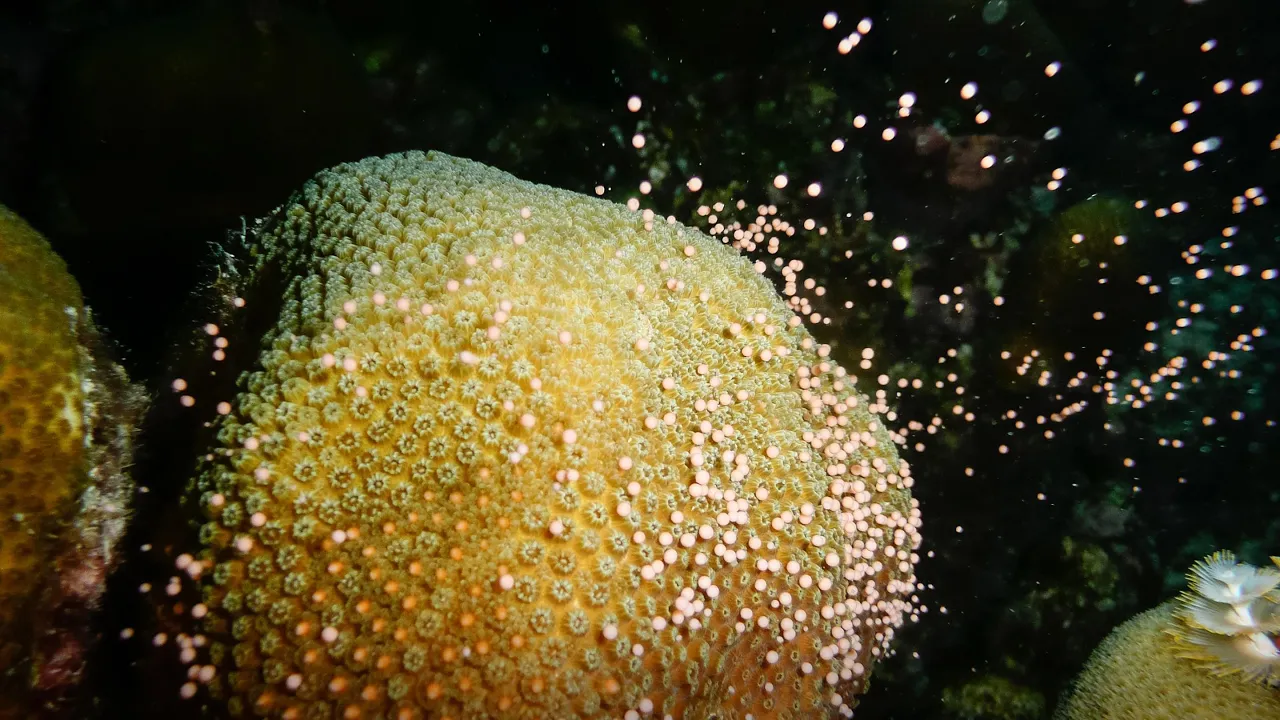


Class Anthozoa, known as 'flower animals,' consists entirely of polyps that lack a medusa stage and includes three subclasses: Hexacorallia (sea anemones, hard corals with six-fold symmetry), Octocorallia (sea fans, sea pens, soft corals with eight-fold symmetry), and Ceriantharia (tube anemones). These organisms range from solitary sea anemones to massive reef-building stony corals (Scleractinia) that form the foundation of coral reef ecosystems through their symbiotic relationship with photosynthetic zooxanthellae, which provide up to 50% of the coral's nutrition and enable growth rates three times faster than non-symbiotic species.
Anthozoa | Flower Animals, Anemones, & Corals Explained
Added:Basic understanding of the Phylum Cnidaria, including their radial symmetry and tissue-level organization.
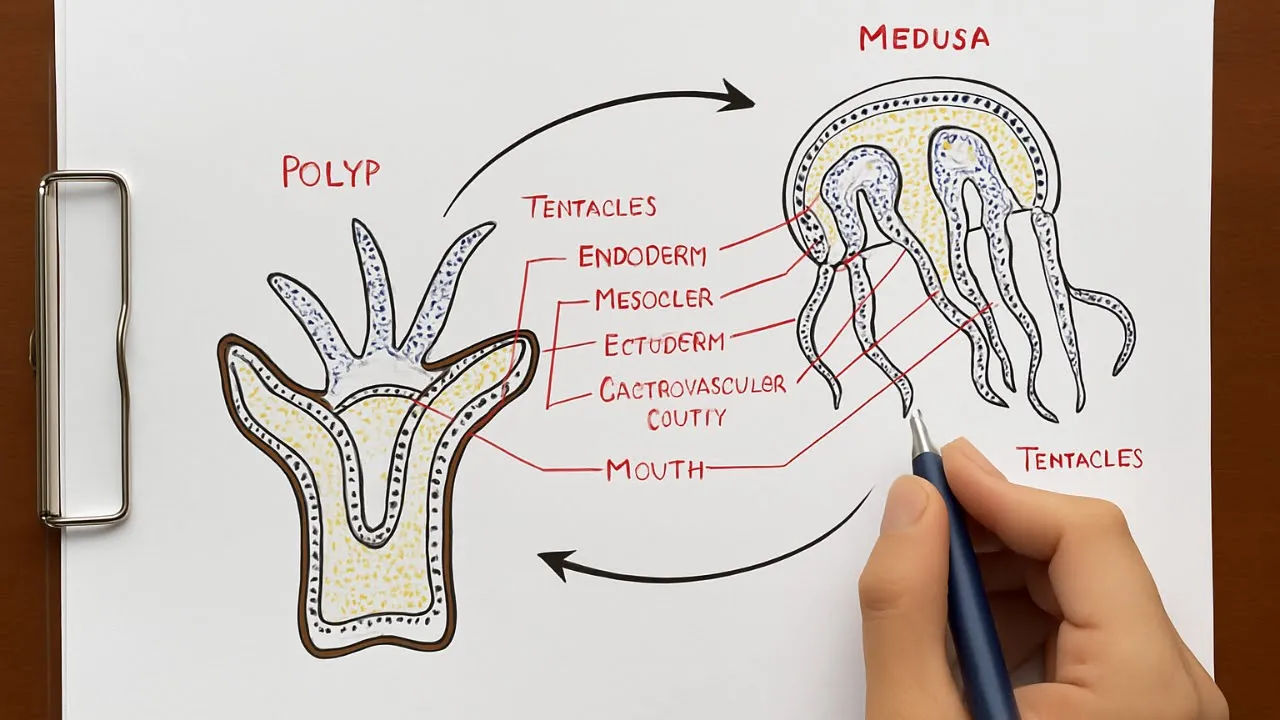
The general cnidarian body plans, specifically the structural differences between the sessile polyp and mobile medusa forms.
The function of specialized stinging cells called cnidocytes (and nematocysts) used for prey capture and defense.
Fundamental ecological concepts of marine ecosystems, particularly the distinction between benthic (sea floor) and pelagic (open water) organisms.
The symbiotic relationship between reef-building corals and photosynthetic algae (zooxanthellae) and the cellular mechanisms behind coral bleaching.
The impact of anthropogenic climate change on Anthozoans, specifically how ocean acidification affects calcium carbonate skeleton formation.
Comparative anatomy and life cycles of other Cnidarian classes, such as Hydrozoa (hydras) and Scyphozoa (true jellyfish).
Current marine conservation strategies and biotechnological methods utilized in coral reef restoration and rehabilitation.
41.6K views1.2Klikes14:53Original Release: 2022-04-18
With four of the five major classes of phlyum Cnidaria covered, there is just one left, Anthozoa. Anthozoans, or “flower animals”, are all Cnidarian polyps that lack a medusa stage.
There are three subclasses of Anthozoans; Hexacorallia, which includes over 4,300 species of sea anemones, hard corals, and many others, Octocorallia which includes the horny corals, sea fans, sea pens, and soft corals, and Ceriantharia, which includes the tube anemones.
At first glance, the tube anemones look very similar to the sea anemones, but the two are actually quite different. Unlike sea anemones, the tube anemones have completely unpaired septa and can withdraw into the fibrous tubes made of mucus and sticky substances excreted by their glutinant type nematocysts. In addition, the tube anemones have two crowns of tentacles, an outer crown of long extended tentacles and an inner crown of smaller erect tentacles.
These Cnidarians have notoriously cryptic life histories and some, like Isarachnanthus nocturnus have extensive larval stages that closely resemble medusae.
Meanwhile, all members of Octocorallia are colonial, connected by a system of gastrodermal tubes known as solenia. Each polyp has exactly eight tentacles arranged around the mouth and eight septa arranged within the gastrovascular cavity. Though different species of octocorallian polyps may look similar, the structures they form are incredibly diverse. Compare for example, the venus fan, to the feathery sea pen. Or compare the bamboo corals, to the blue coral.
Collectively, these animals are sometimes called “soft corals” because they lack the distinctive stony skeleton of the reef-building corals. The sea pens, named for their resemblance to old fashioned “quill pens,” are unique among the anthozoans in that instead of having relatively morphologically uniform polyps, a sea pen’s polyps are specialized.
A single polyp develops into a rigid, erect stalk, or rachis, loses its tentacles, and forms a bulbous root-like structure, or peduncle, at its base. This polyp then reproduces asexually to produce branching polyps from its central stalk that form siphonozooids, for water intake and respiration, autozooids with nematocysts for feeding, and gonozooids for reproduction. The entire colony is fortified by calcium carbonate in the form of spicules and a central axial rod.
Some sea pens, like the orange sea pen, survive best at depths between 14 and 225 meters, while others, like the Umbellulas can survive at depths of about 200 meters to over 6,100 meters below sea level, where they feed on planktonic organisms. Others, like the strikingly colored and bioluminescent sea pansy are found only in shallow coastal waters.
Now, unlike members of Octocorallia which have eight-fold symmetry, members of the subclass Hexacorallia have six-fold symmetry. They are further divided into five extant orders: Actiniaria, the sea anemones, Antipatharia, the black corals, Corallimorpharia, the false corals, Scleractinia, the stony corals, and Zoantharia, also referred to as Zoanthidea or Zoanthiniaria, which includes the zoanthids. The sea anemones of order Antipatharia are named after the terrestrial flower of the same name. They range in size from 5 to 200 millimeters, though some, like Mertens’ carpet sea anemone, can grow up to 1 meter in diameter. Though anemones are more common in warm water, they are also found on substrate in coastal seas all over the world.
In general, sea anemones are cylindrical polyps that are larger, heavier, and more muscular than hydra polyps. Their small slit-like mouths are positioned at the top of their oral disk and surrounded by tentacles. Their mouths lead into a pharynx which empties into the gastrovascular cavity. Their gastrovascular cavities are further divided by complete septa into six radial chambers, and each chamber is partially divided by smaller, incomplete septa that further increase the surface area of the gastrovascular cavity to aid in digestion.
Sea anemones are some of the most muscular Cnidarians. Their well-defined, longitudinal retractor muscles stretch from their pedal disc, which is used for attachment, to their oral disk. Many species also have longitudinal epidermal fibers within the tentacles and oral disk. These muscles allow them to actively expand and contract their tentacles when searching for prey, which they paralyze with nematocysts and drag into their mouths for digestion. Their musculature also allows them to glide along the substrate, contract and withdraw their tentacles and oral disks, and even swim, more or less, by utilizing rhythmic bending movements. Anemones are perhaps most famous for their symbiotic relationship with anemonefish, in particular the clown fish. Anemonefish and their hosts have a long history of mutualistic coevolution.
The sea anemone protects the anemonefish from predators, as well as providing food through the scraps left from the anemone’s meals. In addition, occasional dead anemone tentacles function as a safe nest site. In return, the anemonefish defend the anemone from its predators and parasites.
Anemonefish are highly host-specific, and different species prefer different anemones.
The most common anemones to host anemonefish are the carpet anemones, the magnificent sea anemones, and the bubble-tip anemone. The specific mucus that the anemonefish secrete does not cause host anemone nematocysts to discharge. Anemonefish that had their mucus removed experimentally were killed by their host anemones. Other mutualisms include the anemone shrimp, the boxer crab, and the anemone hermit crab which appear to pick and choose specific anemones.
Some anemones are monoecious, that is they are male and female at the same time, while others are dioecious, meaning either male or female. The monoecious anemones are also protandrous, they develop first as males that produce sperm, and later as females that produce eggs.
Their gonads are arranged within their septa where they are fertilized externally by species that spawn eggs, and internally by species that allow fertilization to occur within the gastrovascular cavity. Fertilized eggs develop into ciliated zygotes that swim or drift to suitable substrate.
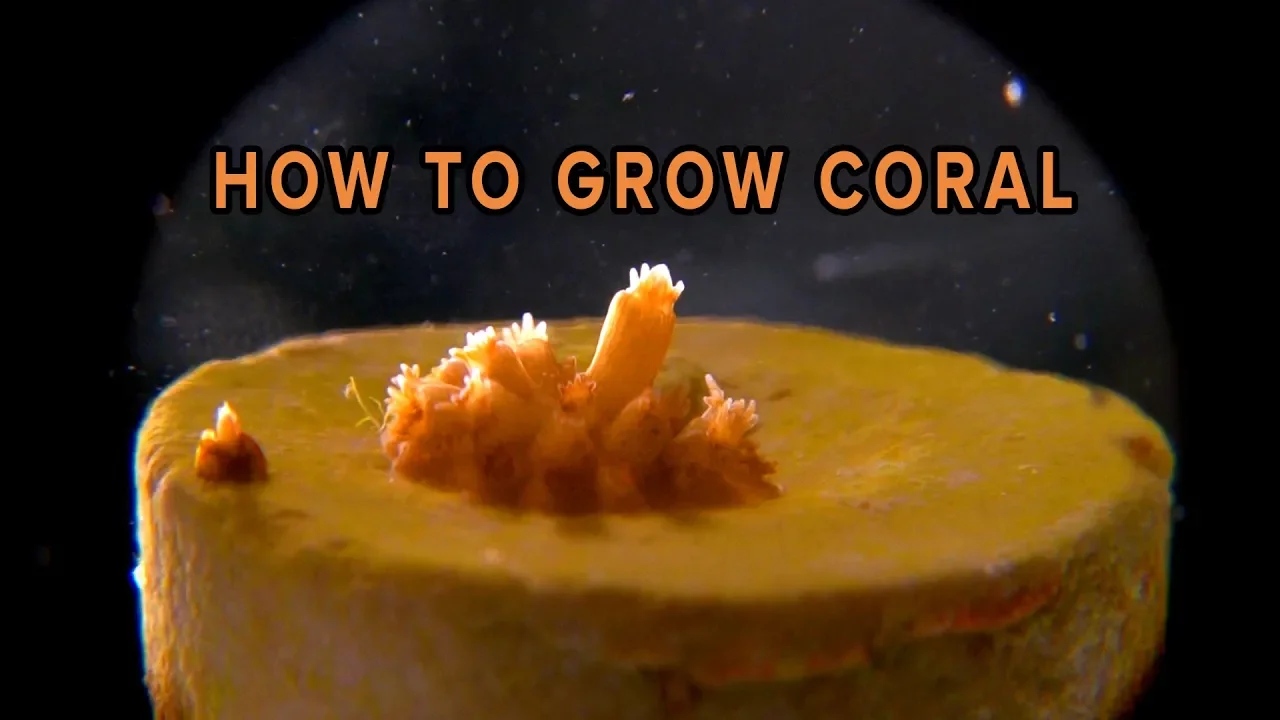
Many sea anemones can also reproduce asexually by budding, longitudinal fission, transverse fission, or pedal laceration, where small pieces of the pedal disk break off as the animal moves and regenerate into new anemones. Though the anemones play important ecological roles, they do not rival the ecosystem building capacity of the hexacorallian corals of Order Scleractinia. These include the “true,” or “stony,” corals also known as hermatypic, or reef-building corals. A close-up of an individual coral polyp resembles a miniature sea anemone. And like the sea anemones, their gastrovascular cavity is divided into multiples of six. However, unlike sea anemones, they have no pedal disk and instead live in secreted calcareous cups that project into the polyp between its true septa. Superficially, stony corals resemble the soft corals. But they are unique in their calcium carbonate skeletons, rather than chitinous, which give them the capacity to build some of the most productive of all ecosystems, the coral reefs.
In many corals, the secreted calcareous skeleton can become massive, and individual coral polyps form a living, connected tissue sheet that covers the surface.
The ectodermal cells of hermatypic corals contain high concentrations of symbiotic, unicellular, photosynthetic dinoflagellates known as zooxanthellae, up to 5 million per square centimeter in fact. Up to 50% of the organic compounds produced through photosynthesis by the dinoflagellates are utilized as food for the coral polyps. The dinoflagellates also supplement their hosts with oxygen as a byproduct of photosynthesis. This oxygen, combined with additional energy derived from sugars produced by zooxanthellae enables these hermatypic corals to grow at a rate that is up to three times faster than similar species without symbionts.
The black corals, or horn corals, from the order Antipatharia, are deep-water soft corals generally distinguished from other corals by their polyp-filled black or dark-brown skeletons lined with small spines. Black corals are found around the world from subtidal to abyssal depths, though they are most common in tropical and subtropical waters at depths greater than 50 meters, where competition for space is less fierce. Within suitable habitats, sessile organisms must compete for space, and as such, have evolved a wide range of adaptations to hold off invaders. Black corals, on the other hand, escape such competition by occupying deep-sea habitats with strong currents that are generally avoided by other sessile organisms.
They survive at such depths as suspension feeders, with strong holdfasts, that mainly prey upon passing zooplankton they capture with their nematocysts. In addition, deep-sea black corals, in particular, may be some of the oldest colonial organisms on the planet. At least one sample of Leiopathes glaberrima found at 450 meters below sea level, was over 4,200 years old.
The false corals, commonly known as the mushroom anemones of order Corallimorpharia, look similar to anemones since they have no skeletons. However, they are more closely related to the stony corals.
Though the false corals do not build reefs, they are often found among stony corals where they sometimes overgrow reefs in a carpet-like formation. Most false corals grow as colonies that resemble encrusting corals, like the elephant ear anemone. Others like the strawberry anemone are solitary. Most false corals are, like the black corals, suspension feeders that prey on tiny planktonic organisms common in coral reefs, though some, like Ricordea yuma, supplement their diet with symbiotic zooxanthellae, much like the stony corals.
Finally, the zoanthids, of order Zoantharia, sometimes called Zoanthidea or Zoanthiniaria, are some of the most commonly collected corals used by hobbyists in reef aquaria due to their high tolerance and ease of reproduction in captivity. Many also fluoresce under a black light, and others have been bred to produce a wide range of distinctive colors.
They generally grow in small colonies and are distinguished from other anthozoans by their exclusively marginal tentacles and ability to incorporate sand and other small pieces of material into their tissues to help make their structure. Like all anthozoans, they are capable of asexual reproduction, though they generally remain attached to the original polyp.
Like the false corals, zoanthids are often found living among the reef-building corals, where they feed by capturing plankton and supplementing their diet with symbiotic zooxanthellae.
And that’s it for the general characteristics and phylogeny of class Anthozoa. However, since the reefs constructed by the hermatypic corals, or order Scleractinia, form the basis of entire ecosystems, we are going to want to discuss those in more detail.
So let’s move forward and investigate the structure and types of coral reefs.
Up Next

7:55
Coral Polyp Anatomy: Build an Edible Model | Marine Biology STEM Activity
@georgiaaquarium
2.6K views•2020-04-16

50:12
Bacterial Communication: Quorum Sensing and Biofilm Formation Explained
@JHUAAP
12.6K views•2011-06-28

10:50
Protein Structure Explained: Primary to Quaternary | Biochemistry
@ProfessorDaveExplains
1.4M views•2016-08-27

7:08
Bacteriophages: Earth's Deadliest Killers and Future Antibiotics
@kurzgesagt
34.6M views•2018-05-13
Related Study Plans & Knowledge Roadmaps
Structured learning paths in Biology
biology
RNAi: Biogenesis, RISC & Gene Silencing
01Molecular Biology Foundations: DNA to Protein
02Introduction to RNA Interference (RNAi)
03Molecular Biogenesis of miRNA and siRNA
+ 2 more learning modules
10h5 modules
Explore Roadmap
biology
Mycorrhizae: Signaling, Biophysics & Ecology
01Foundations of Mycorrhizal Symbiosis
02Molecular Signaling and Root Colonization
03Biophysics and Bioenergetics of Nutrient Exchange
+ 1 more learning modules
11h4 modules
Explore Roadmap
biology
Circadian Clocks: TTFL, SCN & Periphery
01Foundations of Molecular Biology & Gene Expression
02Introduction to Chronobiology and Actograms
03The Core TTFL: Molecular Architecture of the Clock
+ 3 more learning modules
14h6 modules
Explore Roadmap
biology
Population Genetics: Math, Drift & Selection
01Genetic & Probability Foundations
02The Hardy-Weinberg Principle and Baseline Models
03Mathematical Modeling of Natural Selection
+ 3 more learning modules
18h6 modules
Explore Roadmap