















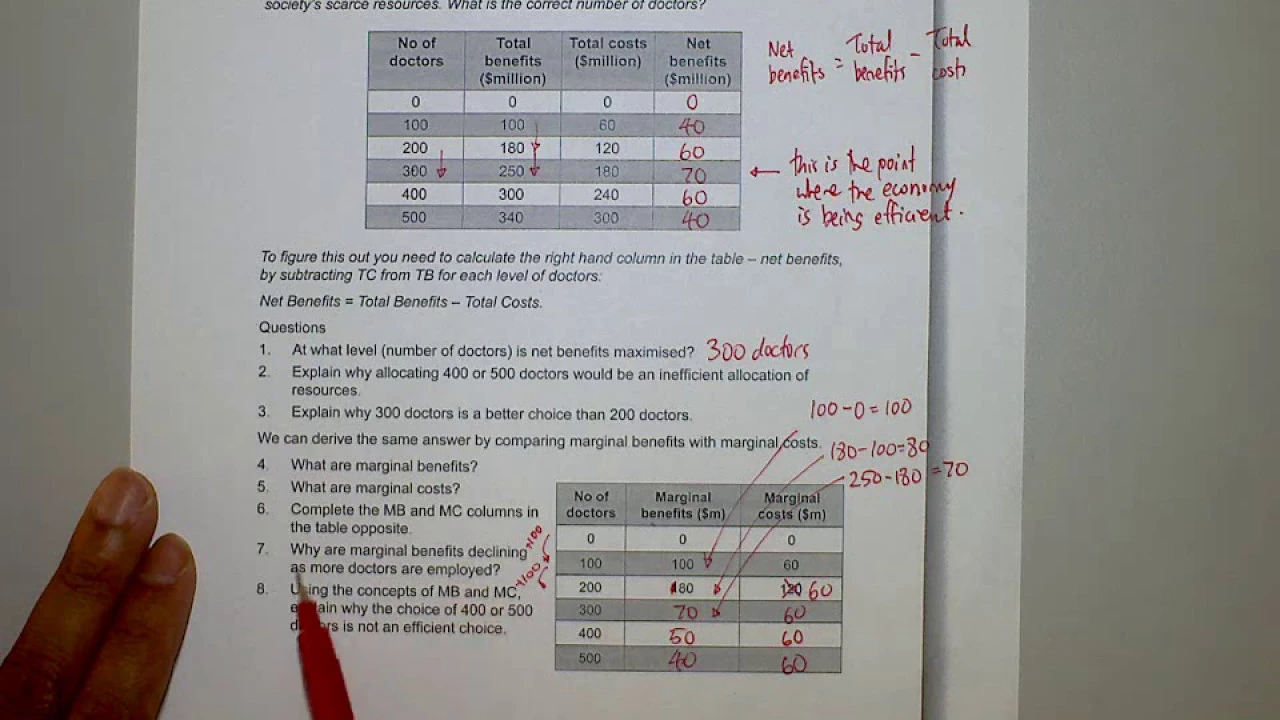





Economics is the study of choices made by individuals, businesses, and societies due to scarce resources, and the first principle of economics is that people face trade-offs—every decision involves choosing one thing over another, requiring careful consideration of alternatives and their consequences.
Economics Introduction: Scarcity, Trade-Offs, and Micro vs Macro
Added:Fundamental understanding of resources (such as time, money, and labor) as finite constraints in everyday life.
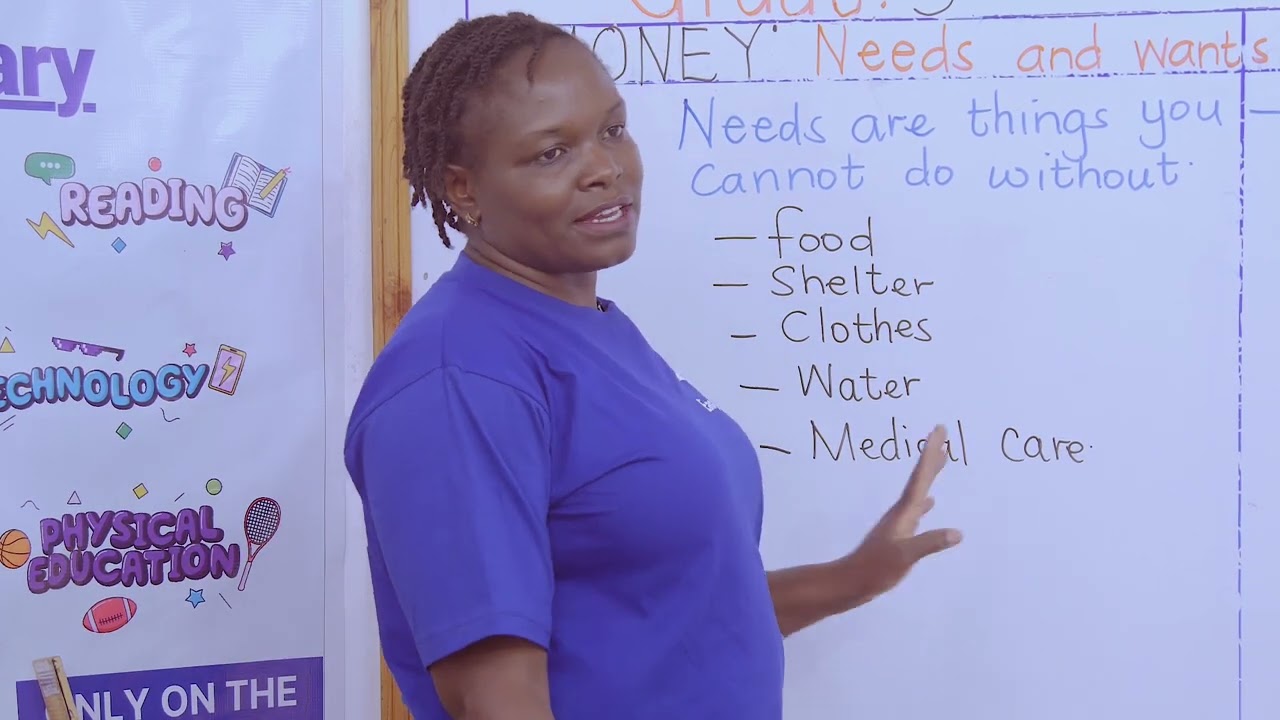
Basic logical reasoning regarding prioritization and distinguishing between essential needs and non-essential wants.
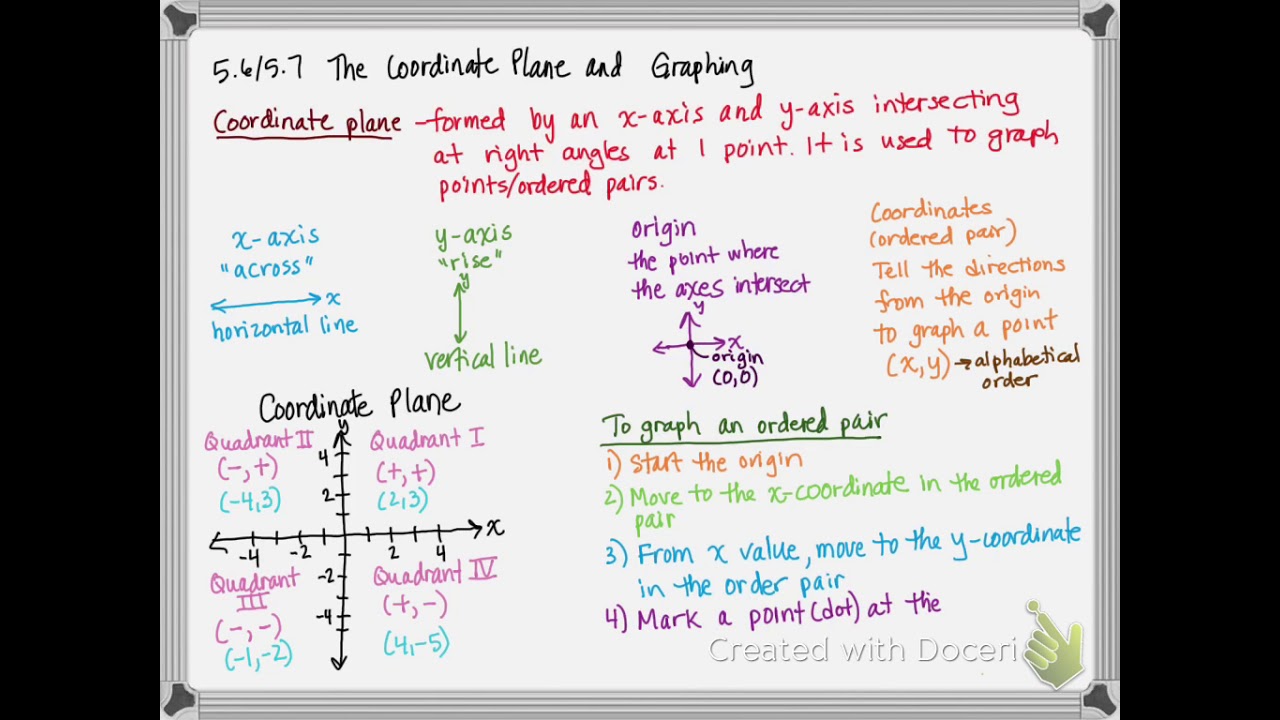
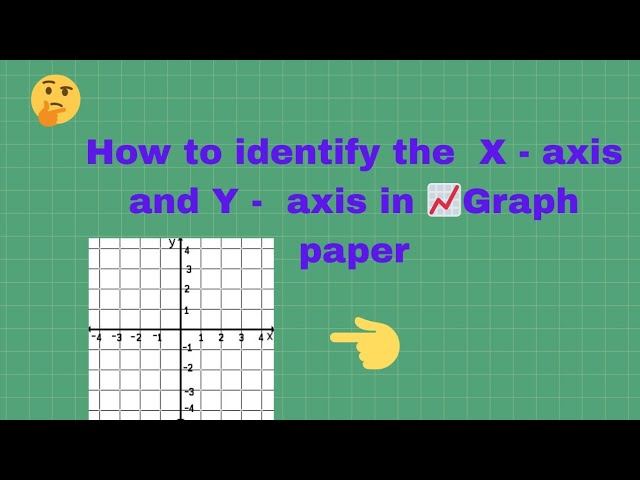
Familiarity with interpreting basic graphs and coordinate planes (X and Y axes).
A general awareness of how individuals, businesses, and governments act as distinct decision-makers in society.
The Production Possibilities Frontier (PPF) model, which graphically illustrates scarcity, trade-offs, and efficiency.
The laws of Supply and Demand and how they interact to determine market prices and resource allocation.
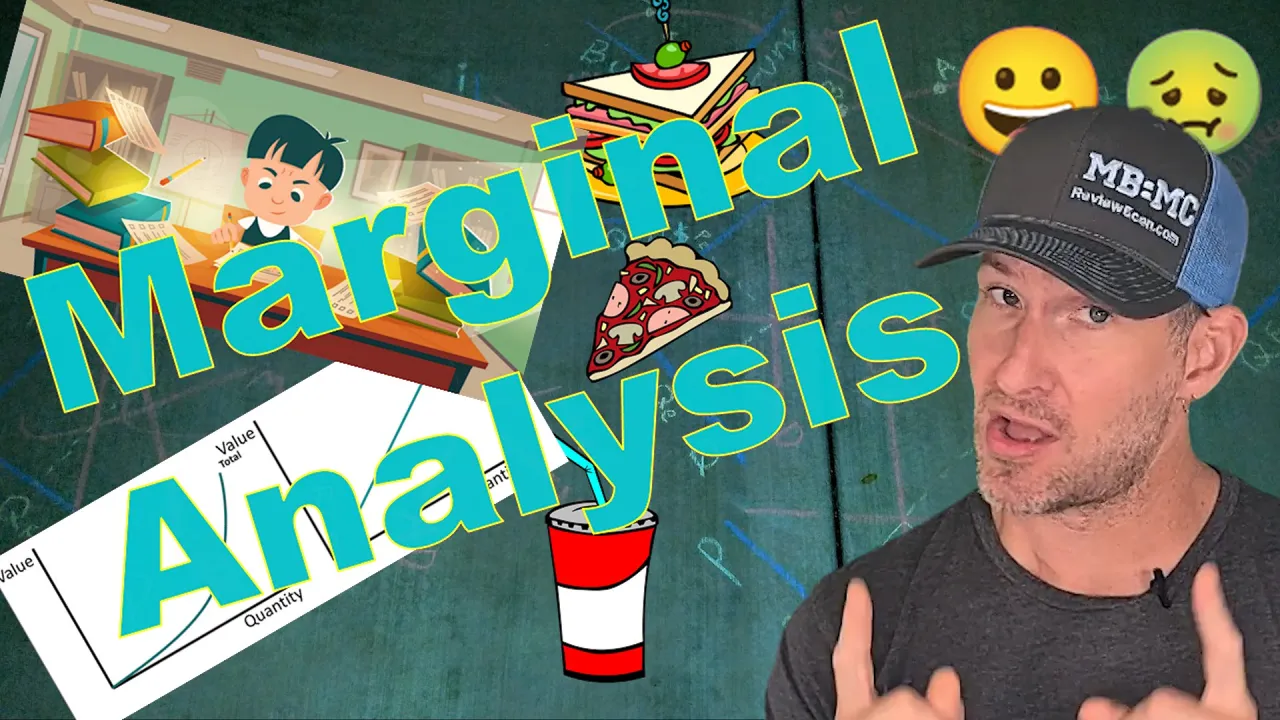
Marginal Analysis, specifically how consumers and firms make optimal decisions by comparing marginal benefits and marginal costs.
Introduction to key macroeconomic indicators, including Gross Domestic Product (GDP), inflation, and unemployment.
The role of government intervention in markets, exploring public policy tools used to balance economic efficiency with social equity.
654 views3likes7:25Original Release: 2020-05-30
alright chapter 110 principles of economics personal we're going to start off with the basic definition of what is economics economics is the study of choices how you and I make choices businesses or how even a society makes choices because all resources are scarce because all resources are scarce we cannot fulfill everybody's maximum needs and wants because everything is limited in comparison to how many people want that thing there are two basic subdivisions of economics the first one is microeconomics and this looks at how households or business firms make decisions with their scarce resources so this is about things like profits and costs and then macroeconomics looks at large economy wide phenomenon like the entire US economy and it looks at things like price inflation unemployment GDP the first principle of economics is that people face trade-offs every time you make a decision you have to choose one thing over another and that's how we get a trade-off so let's say you have a really big exam tomorrow so what how do you spend your time tonight now some of you would say you'd study for a test but we know that not all students study for every single test they have so there's lots of other things you could be doing with your time and sometimes you might opt to do those things and not study if you have two big exams on the same day now you've got a more difficult decision do you study for one of them both of them or do neither and if so how do you split your time studying for the two exams now some people would make this decision by looking at their grade in the class by predicting whether they think one test is gonna be harder than the other by looking at the point value of the test compared to their particular grade or how their grade on this test could go up based on how well you know like the material and want to actually study for it so there's lots of different choices you can make as to why you do one thing over another family also have to make these choices a family is disposable income is the money they have leftover after they've paid their major bills so I want you to name one way a family might spend their disposable income so some of you might have said go on vacation or save and invest that money disposable income means all the bills are paid so the rent has been paid the the you know electricity is on food is on gas is in the car and lots of people also in addition to those things will upgrade the things they have they buy a nicer house in a nicer neighborhood or they buy a second car or they save up money for something like a private school education for their kids so name something that a company can do with their profit profit is defined as revenue minus costs so remember again a profit assumes that the costs have already been paid your workers have been paid these ingredients it took to make that product have already been purchased they've already done advertising and marketing for that product so some firms decide to give that money to their shareholders if the company is owned by stockholders they call these dividends some companies decide to share it with their executives so people in management upper management executive level or CEOs often have in their pay structure a bonus based upon the company's profitability so they basically take those profits let's say it's you know a million dollars and then they you know devise a plan on how to give that out in bonuses to executives governments also have to make decisions with scarce resources obviously tax revenue is scarce so they have to figure out what's the best way to spend our tax dollars I've put two examples here let's say that these both cost literally the same amount the government could spend that money fixing our roads getting rid of potholes smoothing them out so that people aren't you know popping their tires when they drive or could give a subsidy to a business subsidy is free money that the government gives to a business this helps them to reduce their costs or sell that product cheaper it's sort of like welfare but for businesses as opposed to a family now there are both positives and negatives to both of these examples it's not that roads fixing roads is always better than businesses or subsidizing businesses is always better they both have both positive and negative side effects so you always have to weigh those things before you figure out which one would be best or best suited to the society at the time remember all of society's resources are scarce so government's often have this trade-off between making an efficiency decision or an equity decision efficiency means you're gonna spend your money in order to get the biggest return out of your scarce resources and an equitable decision it means you're going to use that resources and spread it fairly or equitably amongst all the people in the society it's not that a government always makes efficient decisions or equitable decisions they actually make a little bit of both from our previous example of fixing the roads or subsidizing businesses which one would be efficiency and which one would be equity and hopefully you figured this out that fixing the roads would be an equitable decision and subsidizing businesses would be efficient if we give a subsidy to a business and they can produce that product at a lower price sell a lot of goods then as their profits go up they have to pay taxes on those profits so that would give a return to the government but roads are equitable we do not only let taxpayers to drive on our roads so everybody is allowed to use things like roads and sidewalks and parks we don't let just people who pay taxes low-income people homeless people can use the roads too and so doing something like that would also help everybody including businesses who also use the roads the ultimate idea behind economics is do you make decisions that taste good or do you make decisions that are good for you ultimately if you are trying to make the very best decisions for yourself you would make the decisions that are good for you in the long run now sometimes a taste good decision tastes really good right now but it's really bad for you in the long run and sometimes things that are really good for you in the long run are really hard to do in the short run so this is a long-run short-run trade-off here but ideally if you're trying to maximize your benefits you would always be making decisions that are good for you
Up Next

31:22
How the Black-Scholes Equation Revolutionized Finance
@veritasium
15.8M views•2024-02-27
5:07
Impact of Yuan in Indo-Russian Trade Amid Sanctions
@WION
261.9K views•2022-07-01
10:33
Behavioral Economics Explained: Rationality, Nudges, and Risk
@crashcourse
1.1M views•2016-03-12

113:18
The Age of Easy Money: Fed & Inflation | Full Documentary
@frontline
21.2M views•2023-03-15
Related Study Plans & Knowledge Roadmaps
Structured learning paths in Economics
economics
Sovereign Debt: Defaults, IMF & Restructuring
01Introduction to Sovereign Debt & Government Bonds
02Debt Sustainability & Credit Ratings
03Anatomy and History of Debt Crises
+ 2 more learning modules
12h5 modules
Explore Roadmap
economics
Market Design: Matching Theory & Gale-Shapley
01Introduction to Market Design and Price-Free Markets
02Two-Sided Matching & The Gale-Shapley Algorithm
03School Choice Systems and Mechanism Design
+ 2 more learning modules
10h5 modules
Explore Roadmap
economics
Impossible Trinity: Forex, Capital & Policy
01Introduction to Monetary Policy and Central Banking
02Exchange Rates and International Capital Flows
03The Mundell-Fleming Model
+ 2 more learning modules
8h5 modules
Explore Roadmap
economics
Healthcare Economics: Market Failures & Systems
01Introduction to Healthcare Markets and Market Failure
02Asymmetric Information and Adverse Selection
03Moral Hazard and Insurance Design
+ 2 more learning modules
12h5 modules
Explore Roadmap