




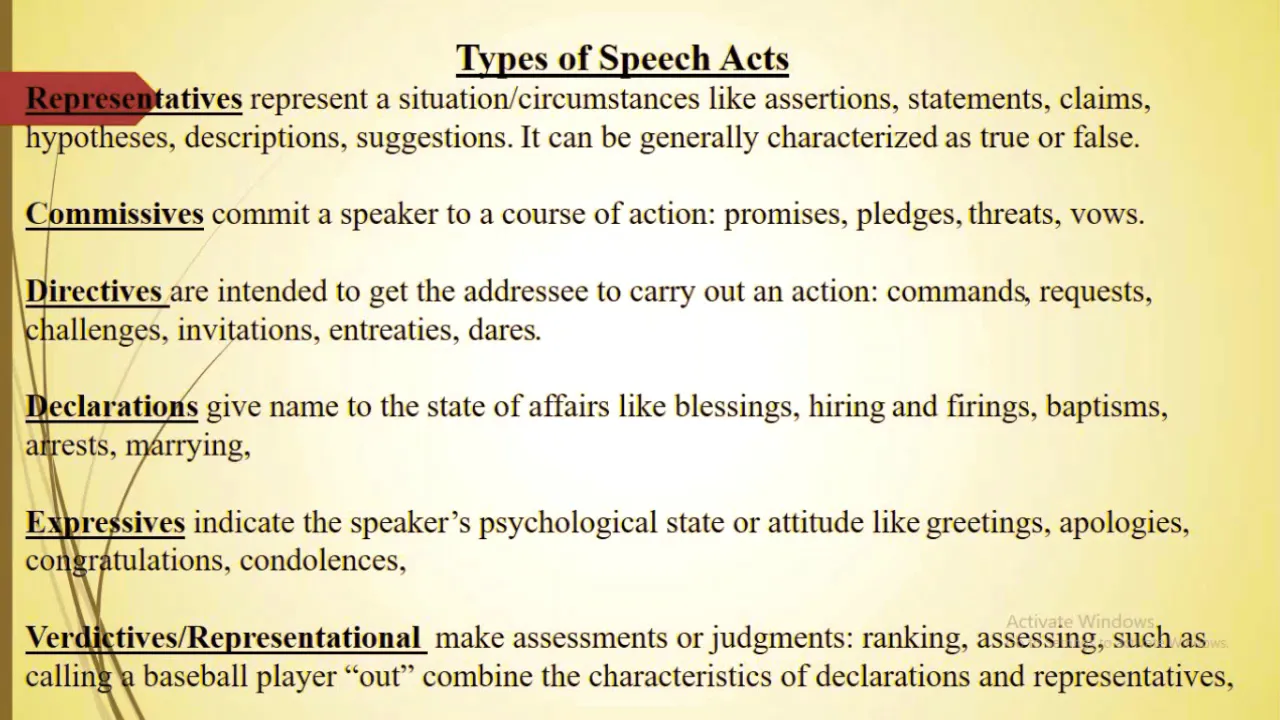














Pragmatics examines how communication relies on cooperation through the cooperative principle, which consists of four maxims (quantity, quality, relation, and manner) that guide speakers to provide relevant, truthful, and clear information; conversational implicature occurs when speakers convey additional meaning beyond literal statements, with six main types including generalized conversational implicature (using indefinite articles to indicate non-ownership), scalar implicature (using degree words like 'always' to imply negation of lower-scale terms), particularized conversational implicature (context-dependent meanings), and conventional implicature (meaning tied to specific word associations rather than cooperative principles).
Pragmatics: Cooperation and Implicature Explained
Added:The fundamental distinction between semantics (literal meaning) and pragmatics (contextual meaning).
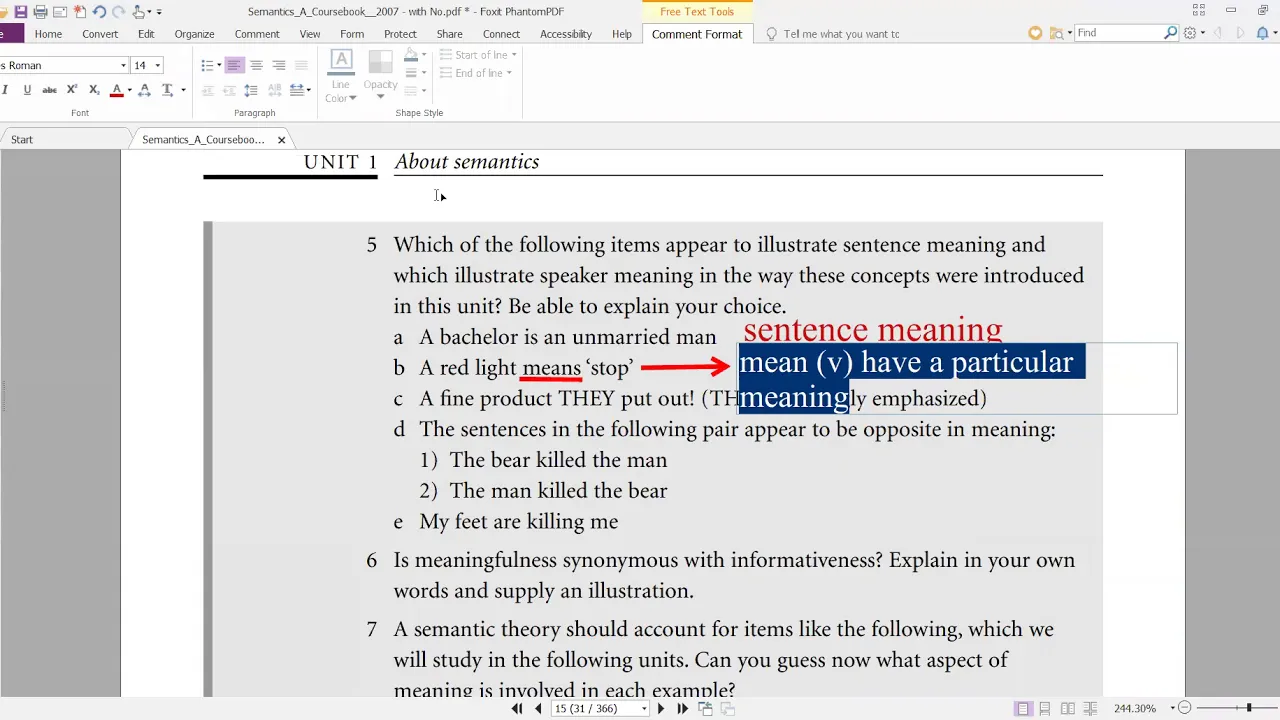
The concept of 'speaker meaning' versus 'sentence meaning' in linguistic communication.
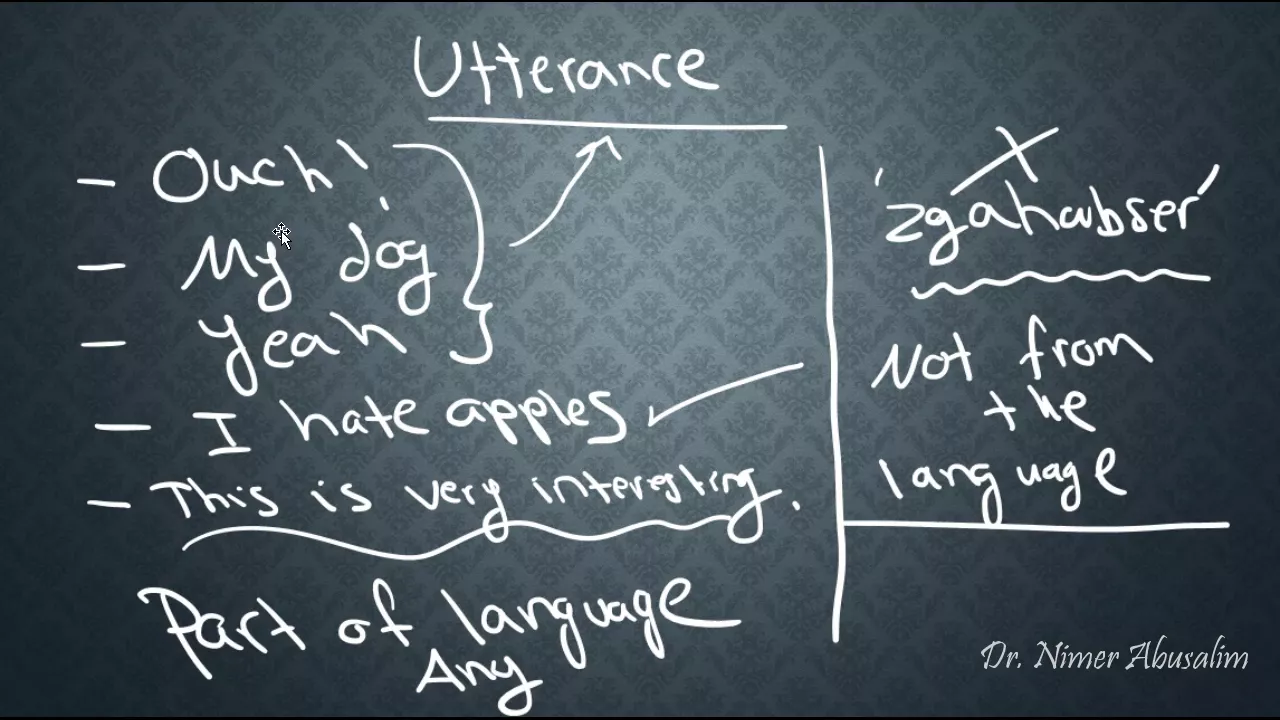
The definition of an 'utterance' as opposed to a grammatically structured sentence.
The role of context (social, situational, and physical) in determining how messages are interpreted.
The conversational mechanics of 'flouting' and 'violating' maxims to convey sarcasm, metaphor, and irony.
Neo-Gricean pragmatic frameworks, including Laurence Horn's division of labor and Stephen Levinson's three heuristics.
Relevance Theory (Sperber and Wilson) as a modern, cognitive alternative to the cooperative principle.
Politeness Theory (Brown and Levinson) and how the desire to save 'face' motivates speakers to violate maxims.
Applications of conversational implicature in natural language processing (NLP) and designing empathetic AI dialogue systems.
22.1K views372likes9:04Original Release: 2018-07-15
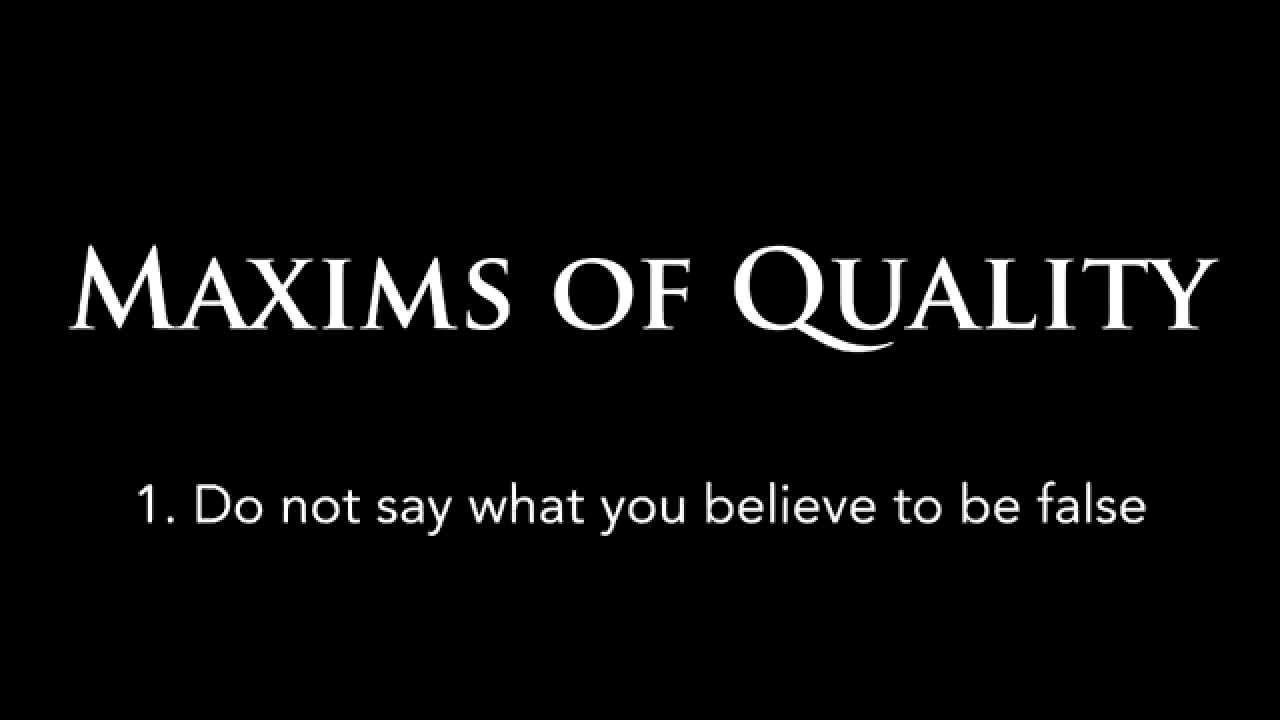
hi my name is Claudia nice to meet you today we will be talking about pragmatics specifically about cooperation and implicature at first we have to assume that a communication is based on cooperation and the general aim is not to confuse or trick and in general not to withhold relevant information from each other these apparently pointless expressions are called tautologies and show the speakers or writers intention to communicate more than as being said this seemingly nonsensical expression has an additional conveyed meaning it is called implicature in our example we can find two implicatures no opinion either good or bad of the speaker on hamburgers and the second implicature is that the speaker thinks all hamburgers are the same so now let's move on to our next point the co-operative principle yes you're right our first sentence included that already but there's way more to say it is important to know that the conveyed meaning of the speaker contains the relevant information to answer the question being asked without any important information being left out this cooperative principle can be split into four so-called Maxim's will now have a closer look at the these four sub principles there is the maxim of quantity quality relation and manner the first maximum quantity makes sure that all the relevant information according to the question is given not too much but just the right amount of information next there is the maxim of quality in this case it's the speaker's intention to make the answer honest and truthful don't say something you believe could be untrue or something you let adequate evidence for now there's the maxim of relation it's only about being relevant with this Maxime last but not least the maxim of manner this lasts Maxime is about showing the right manners in the right situation be brief and orderly and avoid obscurity of expressions and ambiguity using these for Maxine's people try to be as clear truthful and relevant as possible of course it is not always possible to follow all of these Maxim's in every situation if people are unable to adhere to the Maxine's there are indicators which can be used in order to show that the speaker is trying to follow but can't promise to fulfill all the criteria of the Maxim's mentioned previously these expressions are so-called hedges and examples are following matching the Maxine's here are examples according to the maxim of quantity it is important to note that there are situations violating this mix scene such as courtrooms and classrooms here is another example according to the maxim of quality and another example according to the maxim of relation and our last examples according to the maxim of manner got this great so now let's get to our last topic of the video the following aspect as seen by many linguists as a central part of pragmatics implicatures there are six different types of implicatures conversational generalized conversational scaler particularized conversational properties of conversational implicatures in last and not least conventional implicature conversational implicature conveys more meaning than is being said speaker one assumes that Charlie hasn't arrived speakers use implicit ruse in order to communicate meaning and the listener has to recognize and understand the convent meaning through inferences if the listener doesn't have knowledge of the context of an utterance but they still understand a convent meaning the speaker may have used two generalized conversational implicature the underlined indefinite article indicates that the speaker doesn't owned a bottle whenever an expression with an indefinite article is used to listener can assume that it's neither the speakers nor the families belonging that's not a secret we all know that but let's take a closer look on the scale of values indicators of a scaler implicature are for example all most many some few always often sometimes and so on thus in the case of scaler implicature it is very important for the speaker to follow the Maxim's of quantity and quality the speaker selects the most appropriate word from the scale above which is most fruitful and informative according to the situation the implicature in this case would be that the lecture is never uninteresting which is indicated by always but watch out there are different types of scales one of these is the scale of likelihood of course there is an example for this one as well words on these scales are possible likely unlikely safe and so on now let's get to a quite interesting and funny implicature the particularized conversational implicature saying yes or no seems boring to you then listen closely now at Aransas like yes or no are avoided and replaced by longer more complex utterances for the listener it's important to understand the context of the utterance otherwise they won't be able to understand the convent meaning so what do you think does speaker be like chocolate I'd say yes of course actually as much as the Pope is Catholic and to be honest who doesn't like chocolate the next implicature is the properties of conversational implicature it is based on the assumption of the speaker's cooperation and use of Maxim's these properties can be calculated suspended cancer reinforced so in our example the speaker can deny or reinforce the meaning of the implicature suspension cancellation reinforcing last but not least let's go ahead and talk about conventional implicatures these aren't based on cooperative principles or Maxim's and they don't have to occur in conversations the interpretation doesn't depend on a special context unlike a generalize conversation implication to make the last implicature a bit clearer we have one example the contrast is created by using a specific word but there's always an association with the specific words that convey additional meaning in this first example it is but so let's get straight to our next example the difference between these two statements is that in the first sentence it is meant to be an addition after end so I work on the assignment while I listen to music where is in the second sentence it is a sequence of actions I fed the dog and after that I left a house you see how flexible the word end is it can be an addition or indicating a sequence how cool is that so let's have a short recap of what we've learned together today we started with a conversation being a cooperation and underlying the co-operative principle the co-operative principle consists of the four Mack seems quantity quality relation and manner next we talked about hedges little words indicating the evidence or truth of a statement according to the formax seems a major part of this tutorial consisted of the six different types of implicatures conversational generalized conversational scaler particularized conversational properties of conversational implicatures and last but not least conventional implicatures I hope you enjoyed this video and see you soon
Up Next

10:56
Face Theory Explained: Positive & Negative Face (A-Level English Language)
@englishlanguageA-level
24.8K views•2021-04-18
36:52
Constraint Interaction in Optimality Theory: Epenthesis & Deletion
@Vidyamitra
180 views•2018-08-20

5:11
Pragmatics Explained: Speaker Meaning, Context, and Distance
@pragmatics-phkarlsruhe890
186.3K views•2018-07-15

21:32
Accent Expert Explains U.S. Regional Dialects | Part 1
@WIRED
9.3M views•2021-01-21
Related Study Plans & Knowledge Roadmaps
Structured learning paths in Linguistics
linguistics
Optimality Theory: Tableaux & Constraints
01Phonological Basics: Sounds, Syllables & Rules
02Foundations of Optimality Theory: GEN, CON, and EVAL
03The Constraint Inventory: Markedness vs. Faithfulness
+ 2 more learning modules
15h5 modules
Explore Roadmap
linguistics
Morphosyntactic Alignment: S, A & P Systems
01Foundations of Syntax: Transitivity and Arguments
02The Linguistic Variables: Mapping S, A, and P
03Nominative-Accusative Alignment
+ 3 more learning modules
12h6 modules
Explore Roadmap
linguistics
Analyzing Sign Language: Phonology & Syntax
01Foundations of Sign Language Linguistics
02Phonology: The Five Parameters of a Sign
03Morphology: Word Formation and Classifiers
+ 2 more learning modules
14h5 modules
Explore Roadmap
linguistics
Pragmatics: Speech Acts, Grice & Politeness
01Introduction to Pragmatics: Meaning in Context
02Grice’s Cooperative Principle & Implicature
03Speech Act Theory
+ 2 more learning modules
14h5 modules
Explore Roadmap