



















![【231201】[민들레 이슈톡] 민주당, 연동형 비례대표제 안락사 안돼](https://i.ytimg.com/vi/EWUytSUOKdE/maxresdefault.jpg)
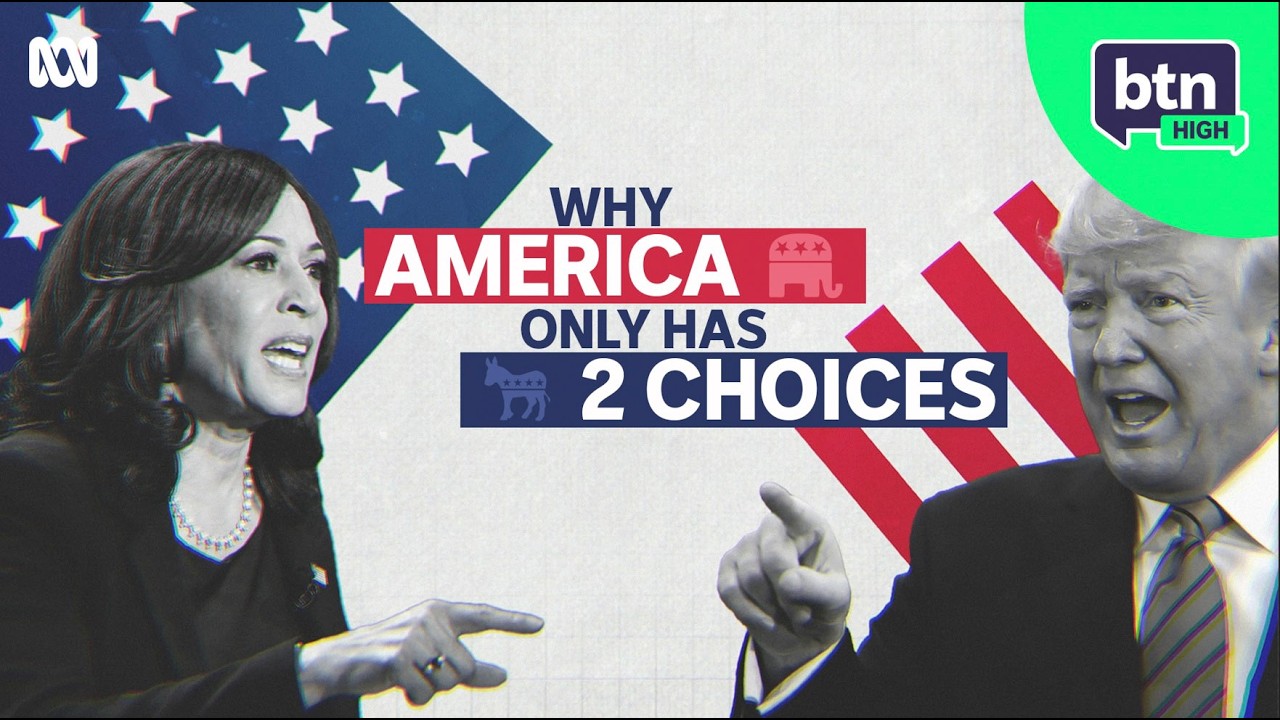



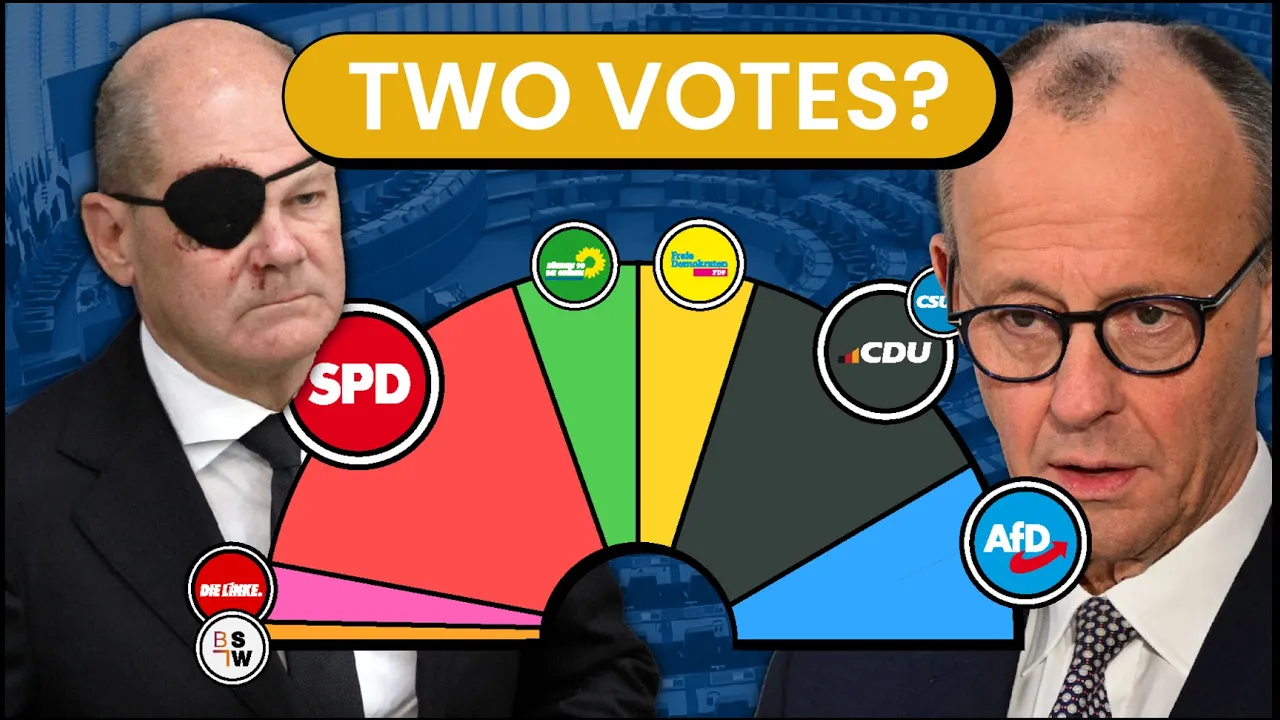





An electoral system is a set of rules determining how elections are conducted and results are announced, with key characteristics including independence of the electoral body, periodic elections, universal adult suffrage, judicial independence, and equality of all votes; the main types include single member constituency with single vote (winner-takes-all), single member with preferential votes (votes transfer from eliminated candidates), single member with second ballot (runoff between top candidates), and proportional representation (seats allocated proportionally to votes cast).
Types of Electoral Systems: Explained with Pros and Cons
Added:The fundamental principles of representative democracy and how citizens delegate power to elected officials.
The concept of political parties, their role in elections, and how they organize legislative bodies.
The distinction between a majority (more than 50% of votes) and a plurality (the most votes, but not necessarily an absolute majority).
The basic structure of a legislature (e.g., parliament vs. congress) and the concept of electoral districts or constituencies.
Duverger's Law and how different electoral systems systematically influence the number of political parties in a country.
The mechanics of coalition governments, political bargaining, and executive stability in proportional representation systems.
The practice of gerrymandering and how redistricting impacts electoral fairness in single-member district systems.
Comparative analysis of real-world electoral systems, such as Germany's Mixed-Member Proportional (MMP) system or Australia's Alternative Vote.
The constitutional and political challenges involved in lobbying for and implementing national electoral reform.
11.1K views200likes15:07Original Release: 2020-05-04
every nation which practices a democratic system of government is said to be faced with one major challenge this challenge often comes with the periodic organization of elections in nigeria for instance the 2019 general elections was said to cost the nation is staggering 189 billion this goes to show you how much is taken into consideration before embarking on an election i am paul o'keeke and i welcome you to another exciting time in government class today we shall be looking at the topic types of electoral systems under the team political parties pressure groups and elections by the end of this lesson you should be able to list the types of electoral systems identify the characteristics of electoral systems and discuss the advantages and disadvantages of electoral systems what is an electoral system an electoral system can be defined as a system or process whereby the people of a given nation in legs or decide those who would stare or pioneer the affairs of the nation in other words we can see that electoral systems can be defined as those processes or systems involved with selecting and voting individuals into political offices this may also be defined as a set of rules that determine how elections are conducted in a nation and also how the results of these elections are announced in nigeria the body responsible for the conduct and organization of elections is known as independent national electoral commission inec this commission was however formerly known as federal electoral commission and conducted its first general elections in 1979.
there are some characteristics which distinguish and make electoral systems unique some of these characteristics may include independence of the electoral body the independence of an electoral commission is highly important if it is to deliver all that has been stated within a constitution in other words electoral commissions are known to perform very well if there is no external influence or control it is to say that federal and state governments should not have access or have influence on these commissions the second characteristic of electoral systems is periodic or constant elections electoral systems ensure that there is a periodic or constant election in order to be able to change governments peacefully in nigeria for instance inec ensures that elections are conducted every four years this helps to ensure that no government stays in power beyond its stated time in the constitution thirdly we have universal adult suffrage what is universal adult suffrage universal adult suffrage can be defined as the right of adults in a nation to participate in electoral processes what this means is that regardless of race ethnicity world or social status every qualified adult in a nation must participate in the electoral process in nigeria for example the constitution states that those who are 18 years and above are to participate in the electoral process firstly we have independence of the judiciary what is the judiciary you may ask the judiciary is an arm of government sadhu the responsibility of interpreting the laws of the land the independence of judiciary plays a vital role in electoral systems for instance when political parties present a petition against the electoral body the judiciary is expected to be non-partisan and by non-partisan it is expected to be devoid of influence or external control this helps the judiciary to pass judgments without favoritism lastly on the characteristics of electoral systems is the equality of all roads electoral systems not only ensure that qualified adults participate in the electoral process they also ensure that the votes carry equal significance this means that regardless of race economic status or ethnicity every vote in an electoral system should carry away a whole significance let us now look at some of the types of electoral systems electoral systems differ from one another depending on the nation and the constitution with which that nation operates however some of the most popular electoral systems include single member constituency and single votes single member with preferential votes single member and second balance and proportional representation what is single member constituency and single vote this is a type of electoral system where the candidate with the highest votes is declared the winner in that election nigeria is one of the countries set to practice this type of electoral system in a nigerian electoral system the candidate who secures the highest votes is usually declared the winner in that election let us look at some of the advantages and disadvantages of this type of electoral system one of the advantages of the single member constituency and single vote electoral system is that it provides voters with strong consequences representation in other words in this type of electoral system voters are highly represented another advantage of this type of system is that it ensures geographic representation what this means is that every location has its representation at the center although this may be seen as the most viable electoral system to adopt by several nations it however has some disadvantages and one of the disadvantages of this system is that it does not enable proportional representation this is often so because political parties are often sent to field candidates who may not serve the general interest of everyone another disadvantage of this system is that it will be withdrawn regularly to maintain an actual population size what this means is that before an election is conducted in this type of electoral system in sensors has to be taken to determine the actual size of a particular location the second type of electoral system is a single member and second ballot in this type of election if a candidate fails to secure majority votes a second election is conducted however a second election is not just conducted for every candidate this second election usually involves those candidates with higher votes and those who scored lesser votes are dismissed or retired this type of electoral system has some advantages one of its advantage is that it reduces the cost of a rerun this means that when a rerun or a second election is conducted not all candidates participate in it only those candidates who scored higher votes in the first election are allowed to participate in the second election thereby reducing the cost of organizing the second election or every run this system is regarded as one of the most credible because candidates who do not stand a chance any rerun are asked to withdraw so as not to waste resources on campaigns although this system is regarded as one of the most credible systems it however does not go without some disadvantages one of such disadvantage is that it is not a true representation of democracy what this means is that in this type of electoral system those candidates who scored lesser votes are asked to withdraw regardless of whether they were voted by electorates who perhaps believed in their mandates another disadvantage of this system is that electorates of voters may change their minds in a rerun for instance a voter might vote party a in the original election and change their mind by voting party b in every run this affects the chances of party a winning that election going forward let us look at the third type of electoral system which is the single member with preferential votes have you ever heard of the term the which gets richer while the poor gets poorer well if you have this explains this electoral system in this type of electoral system those who scored higher votes have the votes of those who secured low tunnels spread amongst themselves while those candidates who were unable to meet up with the required number of votes are asked to go home what this means is that if a person has little votes the little that he or she has is taken from them and given to the person who secured a large number of votes it may seem unfair but this is also a type of electoral system as funny as this electoral system may sound it has some advantages let us look at some of these advantages under this type of electoral system there seems to be a close connection between a constituency and its representative although this may seem like an unfair type of electoral system it however is said to promote a close connection between a constituency and its representative or representatives the second advantage of this system is that there is wastage of fewer votes as low votes are spread amongst those candidates who secured high votes let us take a look at some of the disadvantages of this type of electoral system one of the disadvantages of this electoral system is that it gives preferential treatment to those candidates perceived to be wealthy what this means is that only candidates who are said to be rich have a higher chance of winning an election in this electoral system another disadvantage of this system is that the votes of electorates are spread amongst candidates they never voted we can say that in this type of system an individual or a voter may vote candidate a while his or her vote is given to candidate b without their knowledge or consent lastly on the types of electoral system is proportional representation what is professional representation the simple definition of this type of electoral system is that it is a system used to elect representatives into the parliament we can also say that proportional representation is a type of system used to allocate seats in proportion to devote cast in more than one member constituencies let us take a look at some of the advantages of this system one advantage of this system is that less votes are wasted as people's preferences are taken into account another advantage of this is that it ensures continuity in government and also requires greater participation in policy making or formulation lastly on the advantage of this system is that we can say that professional representation gives minority parties a chance of winning seats in the parliament let us now look at some of the disadvantages associated with this type of electoral system one of this disadvantage is that this system is said to reduce accountability on behalf of elected officials some of the disadvantages of this type of electoral system include it is said to reduce accountability to voters as a party not voted for can form alliance with those voted also it has a greater complexity of choice and this sometimes puts voters off and lastly it also weakens the links between an elected representative and his or her constituency we have come to the end of this class but just before we go let us take a quick reminder of all that we have learned so far we define electoral system as a process and method through which the people of a country determine and elect their political representatives into various political offices also we said in nigeria the body responsible for the processes and conduct of elections is known as the independent national electoral commission inec we went for that to say that some of the features of electoral systems include independence of the electoral body independence of the judiciary and constant or periodic elections lastly we said that some of the types of electoral systems include single member constituency and single votes single member with preferential votes and single member and second ballot now let us take this test question to test our knowledge on all that we have learned so far dash can be defined as a process and method through which the people of a country determine and elect their political representatives into various political offices option a proportional system option b electoral system or option c single member the correct answer to that question is option b electoral system we define the electoral system as a process and method through which the people of a country determine and elect their political representatives into various political offices question two which of the following is not a type of electoral system option a single member and second ballot option b single member with preferential votes or option c single member constituency and second vote if your answer was option c single member constituency and second vote you are correct the single member constituency and second vote is not a type of electoral system i hope by now you are able to list the types of electoral systems if you are asked to do so and also discuss some of the advantages and disadvantages of each system shall i come away next time bye for now
Up Next

12:38
Electoral Systems: Majoritarian, Proportional & Mixed
@dhingcollege8596
559 views•2021-09-30

24:30
BRICS Pay and de-dollarization: A New Financial Order Emerges? | 55 chars
@DannyHaiphongYT
164.6K views•2024-10-22

7:33
Government Surveillance Methods: 10 Ways You May Be Watched
@BeAmazed
1.6M views•2017-04-09
10:19
Explaining the Saudi-Iranian Proxy Conflict in the Middle East
@Vox
18.2M views•2017-07-17
Related Study Plans & Knowledge Roadmaps
Structured learning paths in Political Science
political-science
Economic Statecraft: Sanctions & Chokepoints
01Foundations of Geoeconomics and Economic Statecraft
02The Mechanics of Weaponized Interdependence
03International Sanctions: Types, Implementation, and Efficacy
+ 2 more learning modules
12h5 modules
Explore Roadmap
political-science
Central Bank Independence: Politics & Policy
01Foundations of Central Banking and Monetary Policy
02The Time Inconsistency Problem & Inflation Bias
03The Delegation Model and Designing Independence
+ 2 more learning modules
12h5 modules
Explore Roadmap
political-science
Consociationalism: Power-Sharing & Stability
01Democratic Dilemmas in Divided Societies
02Introduction to Consociational Democracy
03The Four Pillars of Consociational Design
+ 2 more learning modules
12h5 modules
Explore Roadmap
political-science
Rebel Governance: Legitimacy, Economy & State
01Foundations of Rebel Governance and Statehood
02Establishing Political Legitimacy and the Rebel Social Contract
03Wartime Economies and Rebel Resource Management
+ 2 more learning modules
14h5 modules
Explore Roadmap