






![第49回総選挙総評 積極財政への転換は実現するのか? [三橋TV第463回]三橋貴明・高家望愛](https://i.ytimg.com/vi/DaQVr3jhaIk/maxresdefault.jpg)








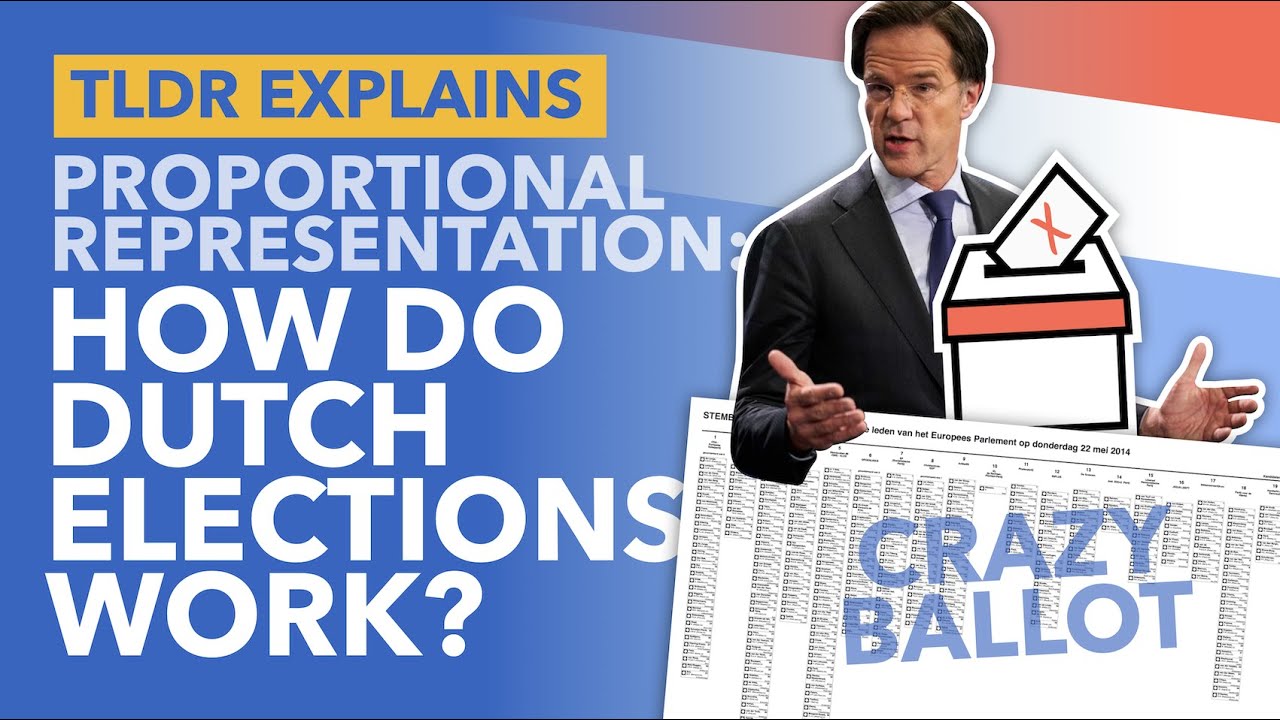
















Electoral systems are sets of rules governing how elections are conducted and how votes translate into election outcomes, with three main types: First Past the Post (FPTP) where the candidate with the most votes wins in each constituency (used by 58 countries), Proportional Representation (PR) where seat allocation corresponds to vote percentages (used by 38% of countries), and Mixed Systems combining both approaches; FPTP is simpler and promotes stability but may over-represent larger parties and encourage tactical voting, while PR better represents diverse political views and reduces wasted votes but often results in coalition governments and reduced accountability.
Electoral Systems: Majoritarian, Proportional & Mixed
Added:Basic understanding of representative democracy and how citizens delegate power to legislators.
The concept of electoral districts (constituencies) and the distinction between single-member and multi-member districts.
The fundamental role of political parties in organizing voter choices and contesting elections.
The difference between legislative and executive branches of government, particularly in parliamentary vs. presidential regimes.
Duverger's Law and how electoral system design directly influences the number of viable political parties in a country.
The dynamics of coalition government formation, negotiations, and political stability in proportional representation systems.
Advanced voting methods and specific reforms, such as Ranked-Choice Voting (RCV) and Single Transferable Vote (STV).
The study of electoral manipulation, including gerrymandering, malapportionment, and strategic voting behaviors.
Comparative analysis of historical electoral reforms, such as New Zealand's transition from First-Past-The-Post to Mixed-Member Proportional.
559 views44likes12:38Original Release: 2021-09-30
hello viewers today i'll be talking about electoral system a comparative perspective and i am konkana sharma assistant professor department of political science think college noga assam so i have divided my presentation into six sections the first section will deal with the very meaning of electoral system the second section will be taking upon the various types of electoral system and there are three mainly first pass the post system proportional representation and the mixed system in the third section the first pass the post system will be dealt upon the various types of it and advantages and disadvantages of course past the post system will also be studied in the fourth section the proportional representation system its various types its advantages and disadvantages will be looked upon in the next section i will try to compare between first pass the post system and proportional representation and then the conclusion now what is a electoral system this entails a set of rules that determine how elections are to be considered and how their results are determined according to haywood who writes in 2013 and i quote him an electoral system is a set of rules that governs the conduct of elections it includes all aspects of voting for example when can an election occur who is allowed to vote who can stand as a candidate how ballots are marked and cast how the ballots are counted how votes translate into the election outcome limits on campaign spending and other factors that can affect the result it is defined by constitutions of each country and electoral laws and are conducted by election commissions and can use multiple types of elections for different offices as i mentioned in the very introduction there are mainly three types of electoral system first pass the post system or majoritarian system second is proportional representation and the third one is mixed system in the first pass the post system candidates with the highest number of votes wins with no requirement to get a majority of votes it is the second most common electoral system for national legislatures with almost 58 countries adopting it it is also the second most common system used for presidential elections with 19 countries resorting to this electoral system there are four types of first-person post system single member plurality system second bailout system alternative vote system and supplementary vote this electoral system can be used for single and multiple member electoral divisions in a single member election the candidate with the highest number of votes is selected in a multiple member election its voter costs up to the same number of votes as there are positions to be filled and those elected are the highest placed candidates corresponding to that number of positions here i have tried to illustrate how this very electoral system of first the post election method actually works if we take into account that a particular state has 100 seats and there are four parties red blue green and yellow now if the red party gets 32 seats blue gets 30 green 18 and yellow 20.
in this scenario under the fptp system red party will win election as it has the highest number of seats but the voting percentage is less than 50 hence this system is also known as the majoritarian system the fptp electoral system comes with its advantages and disadvantages the advantages of fptp system is that is it it is very easy to understand the system and it also has popular support because it has got legislative sanctity and supporters of fptp also argued that use of proportional representation may enable smaller parties to become decisive and it's a benefit which they otherwise wouldn't have achieved hence a ptp system reduces this possibility but fptp system also has its disadvantages it entails in over representations of larger parties and under representation of smaller parties next is which is very important that in many cases in fbtp system the voters resort to a kind of tactical and planned voting as they have an incentive to vote for a candidate who they predict is most likely to win as opposed to their preferred candidate who may be unlikely to win and for whom a vote could be considered as wasted now coming to the second electoral system which is the proportional representation system this refers to an electoral system in which the distribution of seats corresponds closely with the proportion of the total votes cast for each party for example if a party gets 40 percent of the total votes a perfectly proportional system would allow it to get 40 percent of the seats the essence of such systems is that all votes contribute to the result there are mainly three types of proportional representation party list pr single transferable vote and mixed member pr in the partyless proportional representation system the political parties define candidate lists and voter vote for a list the relative vote for each list determines how many candidates from each list are actually elected lists can be closed or open closed lists are determined before the elections usually by the party heads or by primary elections open lists allow voters to indicate preferences for individual candidates during the elections second one is single transferable vote here a voters can rank individual candidates rather than just vote for a single best candidate during the count as candidates are elected or eliminated surplus or discarded votes that would otherwise be wasted are transferred to other candidates in order of preferences forming consensus groups that elect surviving candidates single transferable vote enables voters to vote across party lines to choose the most preferred of a party's candidates and vote for independent candidates knowing that if the candidate is not elected their vote will likely not to be wasted the third system is the mixed member proportional representation system here two-tier mixed electoral system are considered voters typically have two votes one for the single member district and one for the party list parties that are underrepresented by district elections are compensated by additional members such that the total number of members of each party is proportional based on the party list vote here is an example of three types of proportional representation however there are advantages and disadvantages attached with this electoral system also coming to the advantages first the first one is that it represents all section of society then all parties have equal representation in this system it also benefits the regional parties under proportional representation fewer votes are wasted as more people's preferences are taken into account the next one is that it also offers more choice for voters and it encourages voter turnouts disadvantages of pr the first one is that proportional representation produces weak coalition governments rather than strong majority governments second one proportional representation can reduce accountability to voters the last but not the least it is a very complicated process and it is difficult for voters to comprehend such a process in the mixed electoral system which is the third system a combination of fptp that is the first possible system and proportional representation is done here i have also tried to make a comparative study between first past the post system and proportional representation in case of first past the post system the entire country is segregated into various geographical units which we also known as constituencies but in case of first-past-the-post system there are small constituencies and in case of proportional representation there are large constituencies next in case of first-past-the-post system only one representative is selected from each constituency whereas in case of proportional representation there can be one or more than one representative in case of first pass the post system the voters vote for the candidate whereas in case of proportional representation the voters vote for the party in case of first-past-the-post system votes may or may not be equal to the seats got but in case of proportional representation a party gets seats as per the proportion of what it gets here a map is shown which represents almost all the countries of the globe and the kind of electoral system that these countries have adopted and is as you can see mostly there are two systems that countries have adopted one is proportional representation with almost 38 percent and then the majority in system or the fptp system with 39 percent of countries adopting the system now with this comparative study of first-past-the-post system and proportional representation i have come to the conclusion that it is difficult to say that which system is better because both the system have its pros and cons well every country adopts one system over the other on the basis of their convenience and contextual needs and other factors with population being one of them whichever system a country adopts preponderance should always be paid to its citizens that's what matters
Up Next

61:57
Comparative Politics: Understanding Electoral Systems
@PatrickTheiner
4.4K views•2022-02-17

24:30
BRICS Pay and de-dollarization: A New Financial Order Emerges? | 55 chars
@DannyHaiphongYT
164.6K views•2024-10-22

7:33
Government Surveillance Methods: 10 Ways You May Be Watched
@BeAmazed
1.6M views•2017-04-09
10:19
Explaining the Saudi-Iranian Proxy Conflict in the Middle East
@Vox
18.2M views•2017-07-17
Related Study Plans & Knowledge Roadmaps
Structured learning paths in Political Science
political-science
Economic Statecraft: Sanctions & Chokepoints
01Foundations of Geoeconomics and Economic Statecraft
02The Mechanics of Weaponized Interdependence
03International Sanctions: Types, Implementation, and Efficacy
+ 2 more learning modules
12h5 modules
Explore Roadmap
political-science
Central Bank Independence: Politics & Policy
01Foundations of Central Banking and Monetary Policy
02The Time Inconsistency Problem & Inflation Bias
03The Delegation Model and Designing Independence
+ 2 more learning modules
12h5 modules
Explore Roadmap
political-science
Consociationalism: Power-Sharing & Stability
01Democratic Dilemmas in Divided Societies
02Introduction to Consociational Democracy
03The Four Pillars of Consociational Design
+ 2 more learning modules
12h5 modules
Explore Roadmap
political-science
Rebel Governance: Legitimacy, Economy & State
01Foundations of Rebel Governance and Statehood
02Establishing Political Legitimacy and the Rebel Social Contract
03Wartime Economies and Rebel Resource Management
+ 2 more learning modules
14h5 modules
Explore Roadmap