
![[서양미술사 강의] 추상표현주의에 반대하며 등장한 팝아트 ! 팝아트 등장배경에 대해 알아보자! Abstract Expressionism & Pop Art](https://i.ytimg.com/vi_webp/QoJW3zECBD4/maxresdefault.webp)















![SECT 5 - Introduction of Participants [Part 1]](https://i.ytimg.com/vi/XCa5G54YZgo/sddefault.jpg)



![ศิลปะง่ายๆ จากศิลปินมหาชน Keith Haring … [ศิลปะล่ะ EP.30]](https://i.ytimg.com/vi_webp/lD9Rk8KBvH0/maxresdefault.webp)
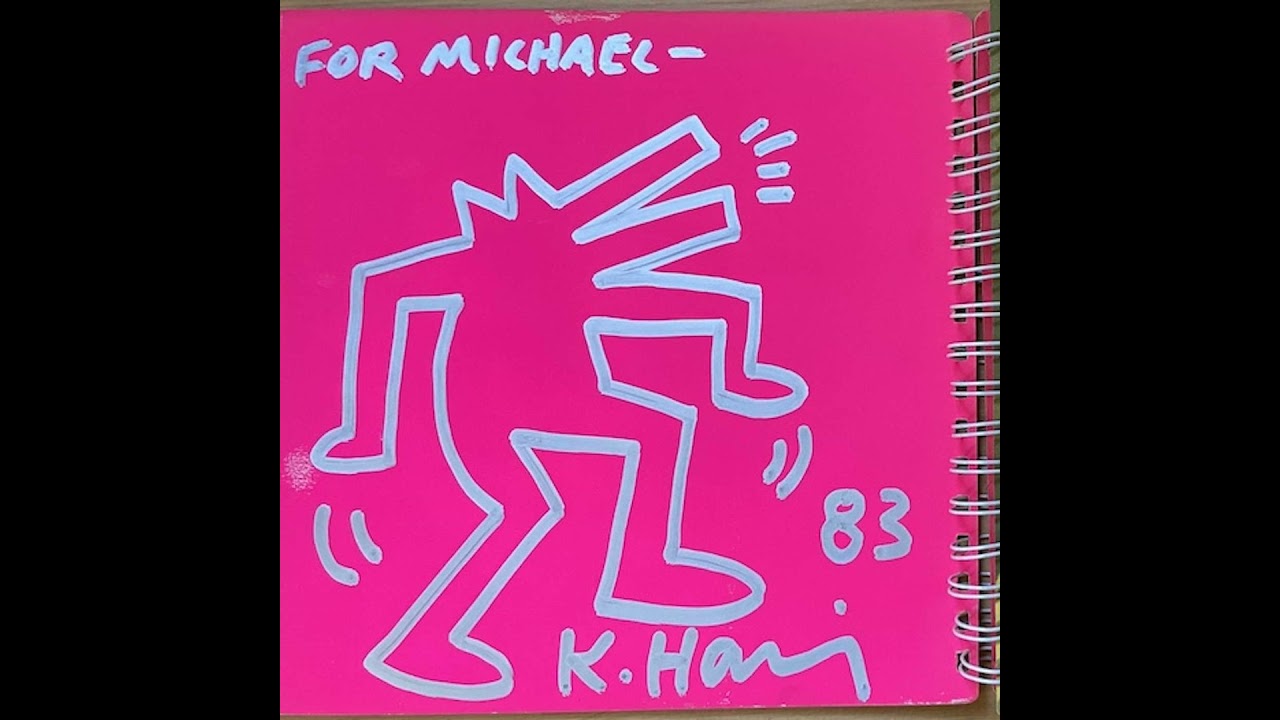
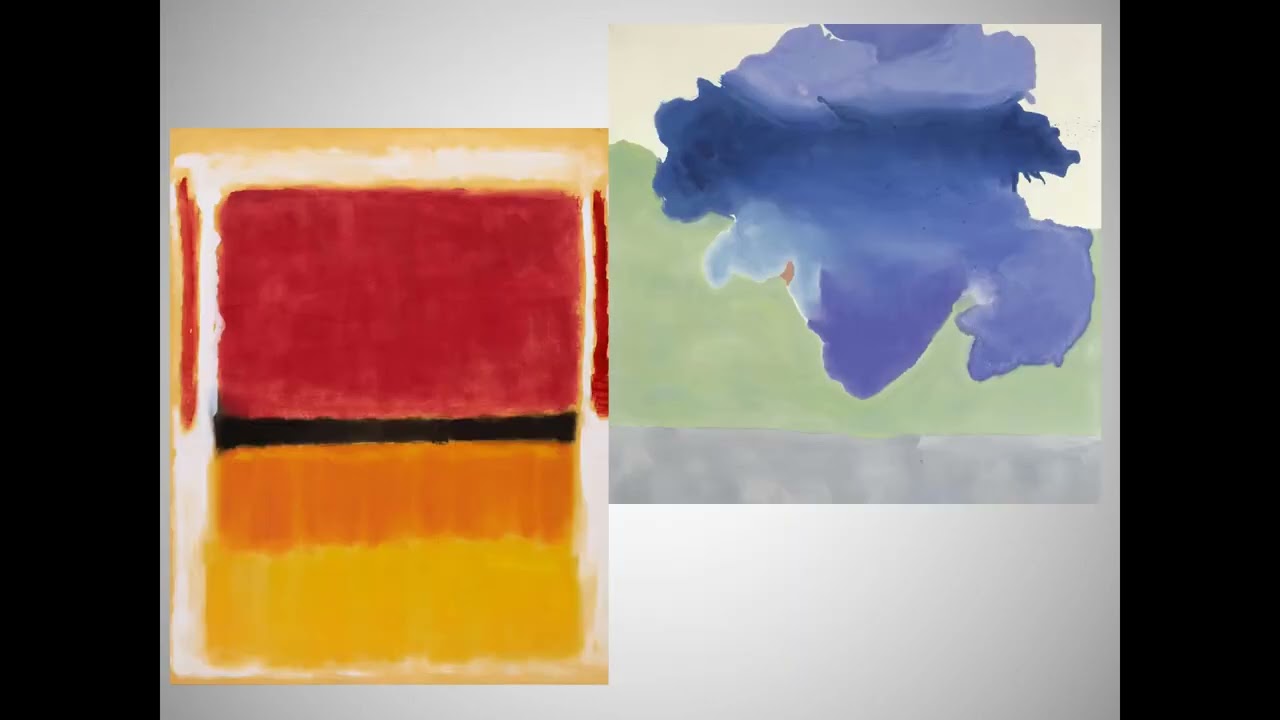
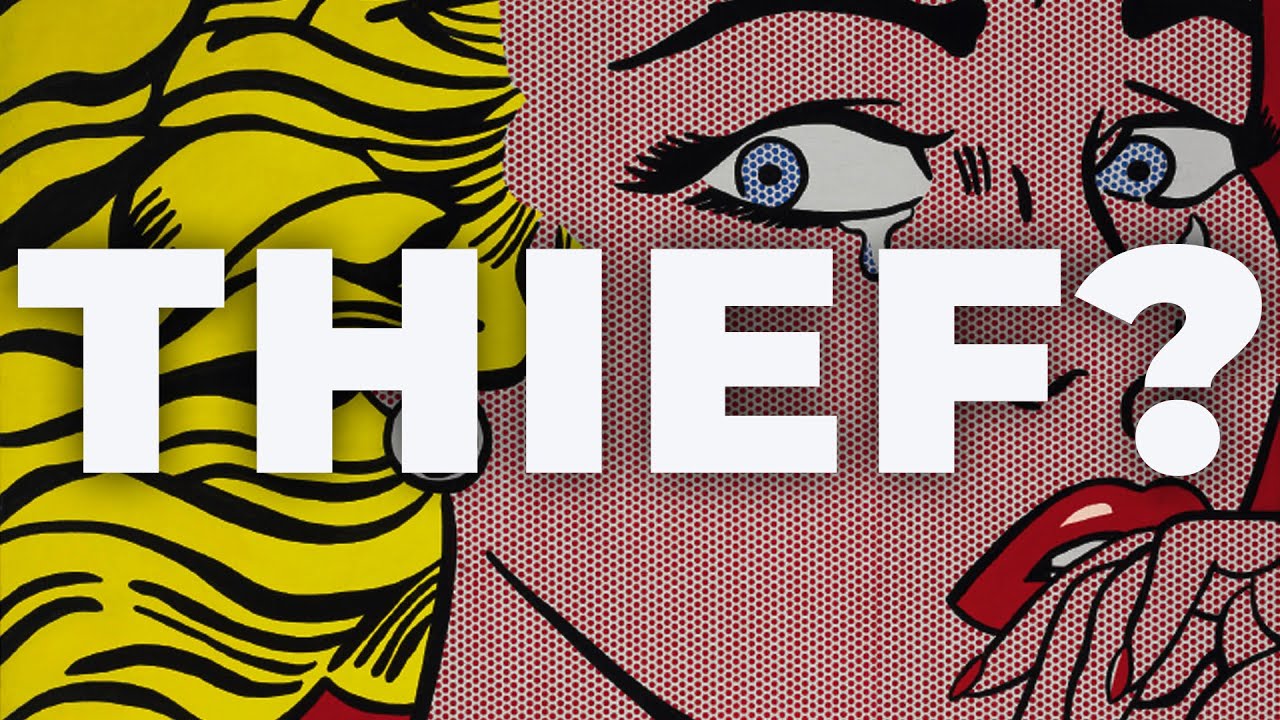
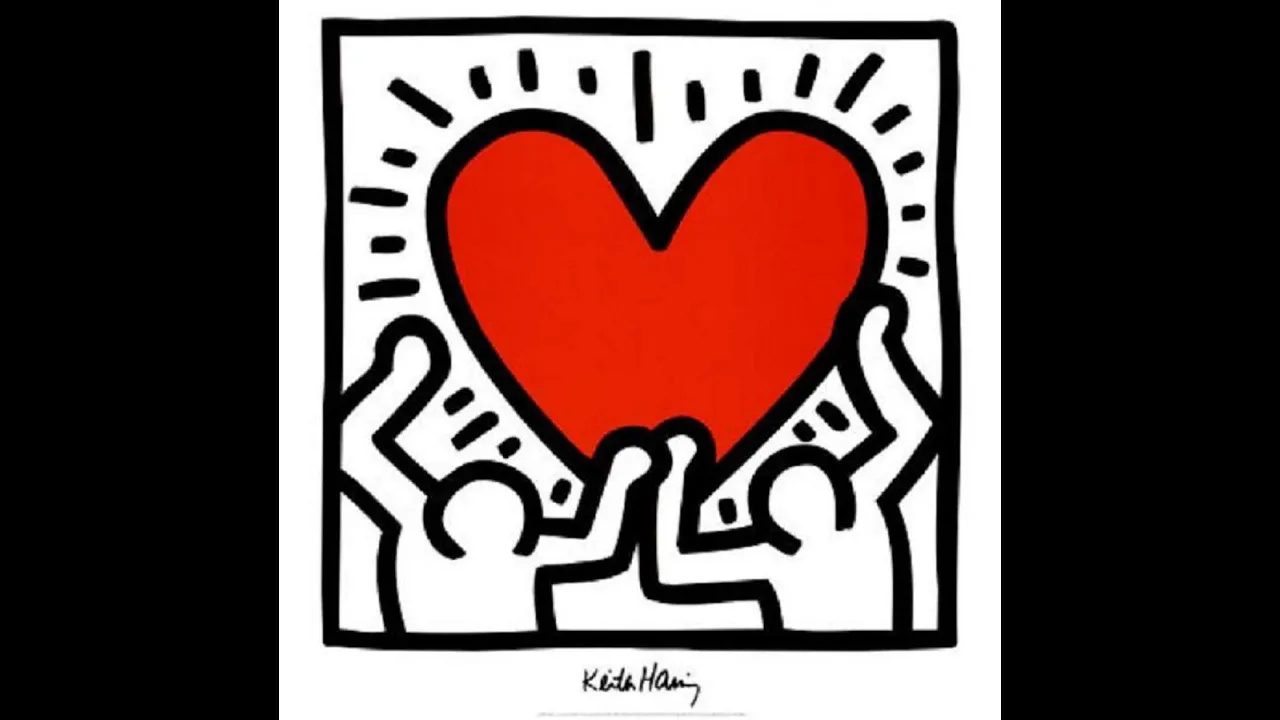
Pop art emerged in the 1950s-1960s as a rebellion against abstract expressionism, using mass media imagery, advertising, and consumer products to democratize art and bridge the gap between high art and popular culture, with key artists including Andy Warhol, Peter Blake, Peter Max, Roy Lichtenstein, and Keith Herring.
Pop Art Movement: Origins, Key Artists, and Cultural Impact
Added:Understanding Abstract Expressionism, the dominant art movement of the 1940s and 1950s that Pop Art reacted against.
Familiarity with the post-WWII economic boom, the rise of consumer culture, and the proliferation of mass media and advertising in the US and UK.
Knowledge of Dadaism and Marcel Duchamp's concept of 'readymades', which first challenged traditional definitions of artistic media and authorship.
The basic historical distinction between 'high culture' (fine art, classical music) and 'low culture' (mass-produced goods, comics, commercial design).
Exploring Neo-Pop and contemporary artists like Jeff Koons, Takashi Murakami, and Damien Hirst who further collapsed the boundary between art and commerce.
Analyzing the transition into Postmodernism and how irony, pastiche, and cultural skepticism became defining traits of late-20th-century art.
Investigating legal and ethical questions surrounding artistic appropriation, intellectual property, and copyright in modern art.
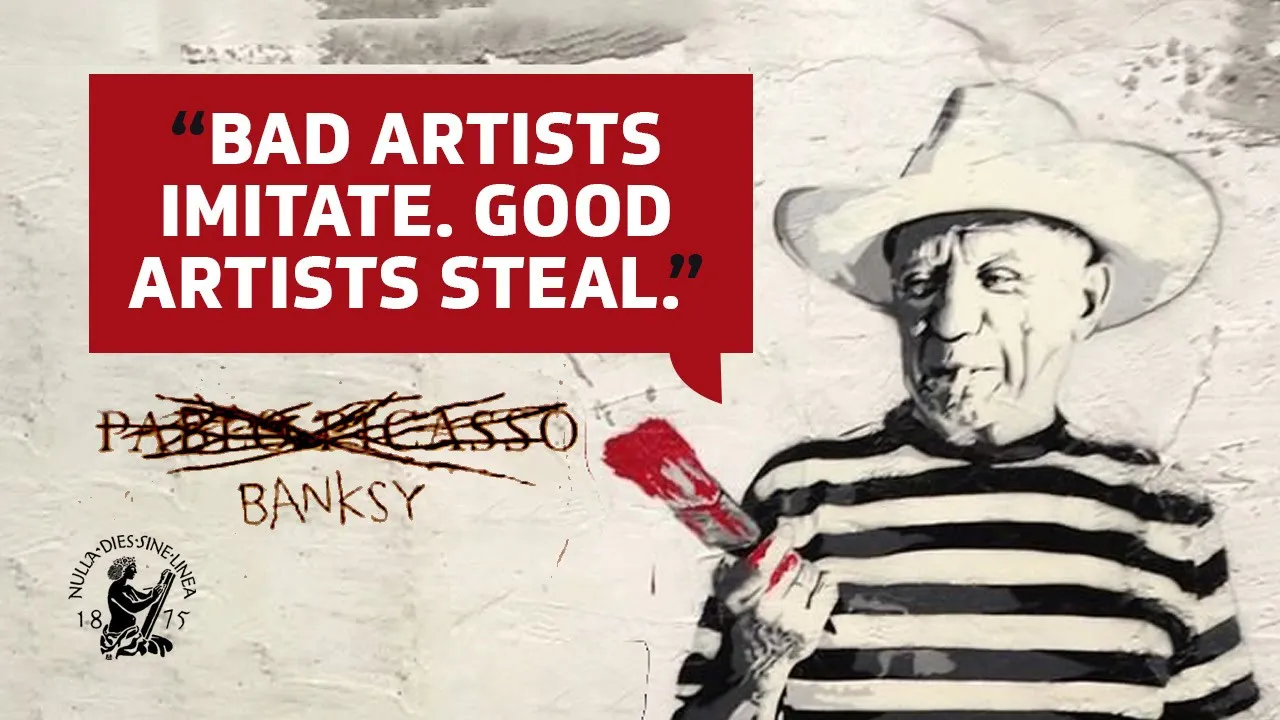
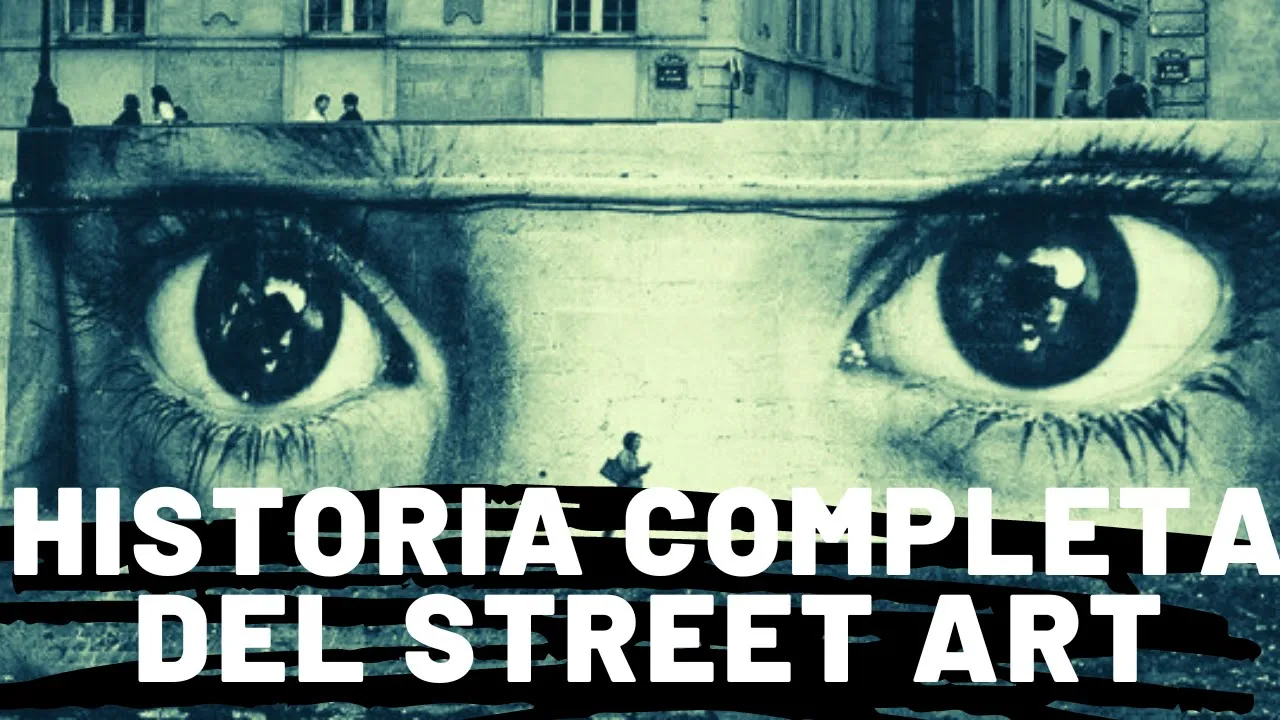
Examining the evolution of street art and public art movements, tracing how Keith Haring's subway drawings influenced modern figures like Banksy and Shepard Fairey.
377.9K views539likes10:49Original Release: 2007-10-24
[Music] [Music] Andy Warhol was born in 1928 in Pittsburgh Pennsylvania [Music] David Hackney was born in Bradford England in 1937 the artist known as Christo was born in 1935 in gabroo Bulgaria Wayne tibo was born in Mesa Arizona in 1920 Peter Max was born in Europe but raised in Shanghai China for the first 10 years of his life in 1953 Peter's family immigrated to America Keith Herring was born on May 4th 1958 he grew up in kown Pennsylvania Jasper Johns was born in 1930 and grew up in several small towns throughout South Carolina Larry Rivers was born in 1923 in the Bronx New York City these artists and as many as 60 more from all walks of life exploded onto the art scene and defined the pop art movement as with most great art movements pop art arose from a rebellion against an accepted style pop artists thought the abstract expressionists who came before them were pretentious and over intense forget it have you seen our he forget your HEAP you'll get a brand new for every other year as a movement and style pop Arc started in England in the 1950s and made its way to the United States during the 1960s the term pop art first appeared in Britain and referred to the images of mass media advertising comics and consumer products in Britain the 1950s were a period of optimism following the end of wartime rationing and a consumer boom exploded pop art focused its attention upon familiar images within popular culture pop art also coincided with the youth and pop music phenomenon of the 1950s and 60s and became very much a part of the image of the fashionable and hip London [Music] scene mat the SL in 1959 Peter Blake emerged as a full-fledged pop artist with his group of collage based paintings of Pop musicians film stars and pinup models he used imagery from Comics magazines and advertisements evoking The Swinging 60s he even designed album covers for Elvis Presley and the Beatles he is best known for his cover designs for the Beatles LP Sergeant Pepper Lonely Hearts Club Band Blake also placed Marilyn Monroe in his pictures in the in the same way that Warhol was immortalizing Marilyn Monroe in the USA sir Peter Blake was kned by Queen Elizabeth alongside Nick Jagger in 2002 pop artists share the same interest the album cover for Yellow Submarine by the Beatles was created by pop artist Peter Max after completing High School Max continued to study art at the art students league in New York City the animated film Yellow Sub Marine is a swirling mixture of pop art images brought to life with a clever anti-war message woven into it Peter Max's art is greatly appreciated for its bold use of color with unrestrained optimism and Youthful Vitality Peter Max was on The Cutting Edge of the media and Technology wave Bridging the art traditions of the past with the art of the future wow what's that after shave you're wearing God you High karate After Shave is so powerful it drives wom right out of their minds that's why we have to put instructions on selfdefense in every package High karate the brisk Splash on after shave that Smooths and soothes and cools in pop art the Epic was replaced with the everyday and the mass produced awarded the same significance as the unique the gulf between High art and low art was eroding away pop art generally involved the use of existing imagery from mass culture images already processed into two Dimensions all media advertising and even comic strips were favorite subjects for pop art celebration of consumer Society the most famous of the pop artists was the cult figure Andy Warhol whose Innovations will have an everlasting effect on the art World Warhol began as a commercial illustrator Andy warh Hall worked in all available mediums silk screen drawings prints photography sculptures and installations Warhol even produced a series of experimental films his film Empire was a static 8h hour shot of the Empire State Building Roy lonstein born in 1923 continued pop Arts commitment to low brow popular culture by seizing upon comic strips and the standardized imagery seen in the newspaper comic sections the topics of his paintings using this technique reflected upon violent action and sentimental love his paintings look like one enlarged frame the work is simplified two-dimensional and outlined forcefully in Black the dots are a reflection of the cheap printing process used in black and white newspapers known as halone for standard cartoon Fair Keith Herring had a rebellious adolescence After High School he enrolled in the ivy School of Professional art in Pittsburgh in 1978 Herring moved to New York City and studied at the School of Visual Arts in 1980 Herring began painting in the Subways on empty black panels which had been put there to cover up old advertisements using simple outlines he created a language of icons and symbols these Works would appear seemingly from nowhere and surprise Subway riders in the morning the word of mouth surrounding these drawings brought Herring to the attention of the art world and his career above ground skyrocketed in 1986 Herring stopped doing Subway drawings Herring directed his art to a wide range of social causes in 1987 he participated in art against AIDS a benefit cision engaged in a widespread campaign for AIDS awareness in 1988 Keith learned that he was very sick with the same disease at that time doctors could do little to help people with AIDS Keith knew he was going to die but he was very brave and kept working as hard as he could until the end he made posters to tell people about the sickness and gave money for doctors to search for a cure although Keith herring's life was cut short by AIDS he moved pop art into a new generation dissolving the boundaries between Fine Art and popular culture between the gallery and the street pop artist left the Holy Temple of art behind and approached an empty canvas as an opportunity to address the visual ual noise of their daily visual environment such as magazine illustrations advertisements and Comics they agreed that it was time to focus on the now and on popular culture by bringing to Contemporary Art the vocabulary of the masses and by embracing elements previously considered vulgar by the art World these pop artists made imagery understandable and accessible to all the movement viewed commercial culture as raw material for artistic IND ever thus the pop artist energized and returned art to the public at [Music] [Applause] [Music] Large sometimes you feel like a nut sometimes you don't Jo got nuts Ms don't alond Jo got real milk chocolate coconut and Munch too Ms got deep dark chocolate and chewy coconut sometimes you feel like a n sometimes you don't a [Music] nuts feel like don't [Music]
Up Next

26:18
Jackson Pollock: Myth, Art, and Abstract Expressionism
@GreatArtExplained
298.2K views•2025-06-13

114:18
Christian Iconography: History, Theology, and Meaning | Fr. Panayiotis Papageorgiou
@Trisagionfilms
58.8K views•2020-02-21
7:48
Ukiyo-e Art: History, Woodblock Printing & Influence
@japanathand
6.3K views•2023-06-08

16:34
Earliest Depictions of Jesus in Art: 10 Ancient Images Explained
@UsefulCharts
5.9M views•2022-06-03
Related Study Plans & Knowledge Roadmaps
Structured learning paths in Art History
art-history
Gothic Cathedrals: Engineering, Light & Society
01The Birth of the Gothic: Romanesque to Suger's Vision
02The Structural Triad: Pointed Arches, Ribbed Vaults, and Flying Buttresses
03Theology of Light: Lux Nova and Sacred Geometry
+ 2 more learning modules
14h5 modules
Explore Roadmap
art-history
Pre-Raphaelites: Realism, Symbolism & Critique
01The Victorian Art Establishment and Academic Formula
02The Founding of the PRB and Radical Realism
03Medieval Revivalism and Literary Symbolism
+ 1 more learning modules
8h4 modules
Explore Roadmap
art-history
Street Art: From Subways to Art Market
01Subcultural Origins in Philadelphia and New York (1970s)
02The Subway Era and Style Wars (Late 1970s - 1980s)
03The East Village Scene and Early Gallery Crossover
+ 2 more learning modules
10h5 modules
Explore Roadmap
art-history
Classic Maya Art: Iconography, Glyphs & Ritual
01Foundations of Classic Maya Visual Culture
02Deciphering Maya Hieroglyphs & Text-Image Integration
03Sacred Geography and Cosmological Architecture
+ 2 more learning modules
14h5 modules
Explore Roadmap