







![ChatGPT ti sta IMBROGLIANDO [AI e Bias Cognitivi]](https://i.ytimg.com/vi_webp/ua3FKHyXzYQ/maxresdefault.webp)





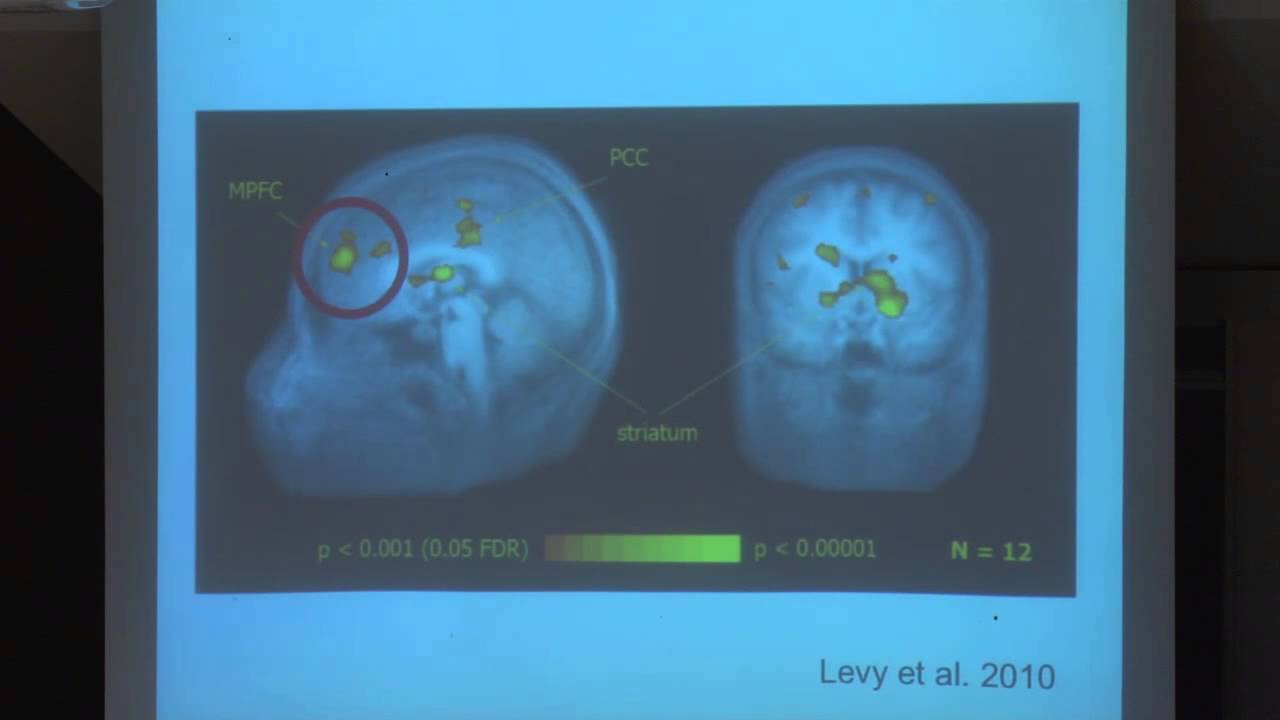






Neuroeconomics is an interdisciplinary field that combines neuroscience, economics, and psychology to study how biological processes in the brain influence economic decision-making. Unlike traditional economics which assumes rational, utility-maximizing agents, neuroeconomics reveals that decisions are often driven by subconscious neural mechanisms rather than conscious deliberation. Research shows that people frequently lie about their true preferences in surveys (with 25% error rates in voting intentions), and that different brain regions—particularly the amygdala, insula, and nucleus accumbens—activate differently when people make hypothetical versus real decisions. This field has revealed that humans suffer from 'evolutionary mismatch,' where our brains evolved for survival on the African savannah but are poorly adapted to modern financial markets, leading to predictable biases like loss aversion (losses hurt about twice as much as equivalent gains) and herd behavior. Understanding these biological foundations helps explain why even sophisticated investors make systematic errors and why behavioral economics has gained prominence in explaining market anomalies.
Behavioral Economics and Neuroeconomics With Colin Camerer
Added:Bloomberg audio Studios podcasts radio [Music] news this is Masters in Business with Barry rolz on Bloomberg Radio this week on the podcast finally I get Colin CA in the studio to talk about neuroeconomics behavioral finance and really all the fascinating things he's been doing at Caltech for the past GE he's been there for almost uh 30 years is that about right he's really an interesting guy not just because he has the mathematical and behavioral Finance background but because he essentially asked the question what's going on inside our brains when we make decisions what's happening before we even have a degree of awareness of our own decisions um I I just find what he does fascinating not just FM our eyes but eye tracking and EG and um [Music] conversation to be absolutely fascinating and I think you will also with no further Ado my sit down with calex Colin camera thanks for having me so I've been looking forward to having this conversation with you for a long time not just because of my interest in behavioral Finance but because of the space you occupy in neuroeconomics we'll talk a little bit about that in a bit but let's start with your back ground which is kind of astonishing you get a bachelor's in quantitative studies from John Hopkins at 17 and then an MBA in finance and a PhD in decision Theory from the University of Chicago at 21 that's a lot of school really quickly what were the career plans were you thinking Academia or were you thinking Finance um I was actually kind of not quite sure so I got in I went to Chicago grad school for PhD um in the booth now Booth School of Business because I had learned a little bit about Finance I took an independent study from Carl Christ who's a famous econometrician at John's Hopkins um when Gan fama's book uh foundations of Finance had just come out in fact I I literally worked in the College Bookstore part time and I remember unpacking the box that have this F book and so I immedately bought one and you know I was going to do this independent study and read through and by the way it really is some books are often called foundations of blank it really was foundations of blank you know it it was the it was the summary in the 1976 right very early days um and so Carl Christ had said well you should think about Chicago that's a Powerhouse place for finance and um so I started studying Finance there and passed the prelim which is no which is no small feat it's very selective and then um um I got interested in Behavioral Science because Finance was really obsessed with market efficiency and you know there was no Behavioral Science behavioral Finance in sight at that time but there were other folks at at Chicago well if I recall correctly dick Thor was there early in the behavioral Finance uh um or or or did he end up there later yeah he came later he came later so when I came in the late 70s um uh a lot of Nobel Prize winners were there F Miller scholes I think Fisher black might have just left for when I came um but it was pre Andre schlier and Rob vishne who did a lot of interesting behavoral finance and then Dick theor came I think around 1995 196 um and you were at Caltech by then right just correct yeah so dick and I had just passed like ships in the night and um I regret that sometimes not having just stayed and you know been part of a new Vanguard um well but you are you actually are part of a new Vanguard cuz the work you do in neuroeconomics which we're going to get into especially uh fmis and all the other things you've done more or less created that space I mean that's pretty foundational behavioral Finance has a number of fathers including um dick Thor and Danny Conan um so well let's Circle back to to the neuroeconomics in a little bit but I want to ask what led you into decision-making research how did you find yourself taking the background you had um in in quantitative studies and um your PhD and MBA and and go into decision- making um so I some of it was when I was in college at John's Hopkins I I studied physics and math that was too abstract and number theory was just too mind-blowing you know for me like I'm just not going to work at that level and then I studied psychology and that seemed like just kind of a list of things that happened to people but there was no unifying squishy and then economics um which I really only took a little bit of a lot fewer than my peers I later competed with in grad school was kind of in between like the three little bears you know was there was and there was people right you know physics didn't have people psychology didn't have math economics was kind of the Right Mix exactly exactly um and I think a lot of a lot of social scientists may feel that way and the people who'd let like math L stay in Psychology or go to Sociology or something where the the mathematical structure isn't really the the cannon and the foundation um so what led you into Game Theory you end up writing a book behavioral game theory that was published in 03 uh how does that relate to economics and decisionmaking and investing um so when in graduate school when I pivoted away from Finance there was a couple of um psychologists hilly Einhorn and um Robin Hogarth who were interested in judgment decision making they were doing things very similar to Conan and derski it was sort of somewhat mathematical attempts to understand actual human decision- making not really stylized like B Bas Rule and optimization you know those are good things to know but they were interested in deviations from those and what that might tell us and what the Practical value is so that's what I eded up to in grad school game theory came a little bit later because um at Chicago at that time in the late 70s there was hardly any interest in game theory for peculiar reasons they were you know the economic world was dominated by Price Theory supply and demand like Gary Becker you know there was a lot going on Game Theory just was not flourishing there but my first job was as an assistant professor at Northwestern and that happened to be through just historical coincidence a hot bed of great game theory Paul Milgram was there Bank Holston was there Robert Weber who worked on um uh lots of things on auction Theory uh Dave Baron who was interested in political economy and G you know political systems as games so mgram and Holstrom went on to win Nobel prizes and went to other places so it was sort of this incubator place that then you know like a incubator like um uh hulet Packer and things like that where people then went off to do other stuff uh and so I basically learned game theory in my in my first job at assist Professor um and and that game theory is similar to behavioral economics the the standard theory that everyone teaches in every introductory course is people are rational and um make the best choices given what they think others will do and their correct guessing about what others do like a bunch of people who played poker with each other you know every Friday night for decades they kind of know what the Tells are and but I we we were interested in what happens before you get to this kind of e what's called Nash equilibrium you know where everyone has guessed correctly what everyone's going to do um and so to me there was a huge room for for understanding the psychology of strategic thinking uh in game so so that's really interesting uh to me I always found the traditional economic homo Economist of humans as rational calculating profit maximizing actors is just complete contradiction of real life experience how did you go from your initial interest in behavioral Finance into neuroeconomics where you're looking at the biological underpinings of what happens as people make decisions yeah so the neuroeconomics to me was sort of a natural extension of Behavioral economics which was we're going to grab for any interesting data and different ways of thinking about humans outside of standard economics and kind of pull it in and try to you know generate a kind of hybrid it was almost like an import export business I'm going to import some psychology or dick Thor imported from conoman and what is this going to tell us about fairness and reference points and loss subversion what have you and neuro economics seem to me like just another thing to do part of it is my personality is kind of like intellectual entrepreneurship so I liked you know doing different things you know over the years I've worked on lots of different methods and with different groups of people and neuroeconomics was just a chance to do something even more um dramatic and and tell us about your patent on Active Learning decision engines what on Earth is that so Active Learning is the computer scientist term is sometimes called Dynamic adaptive learning for basically like if I was going to try to figure out um how much you like Risk like you're a client and a financial adviser is asking you know I might start by saying well here's a portfolio is this too risky or not risky enough and if you say nah that's not risky enough i' you know I'd rather go for more and then I would I would give you a better one that's a little has a little more risk in it and in chemistry it's called titration you know you kind of change the mixture of the chemicals and so for each person you're asking them a dynamic customized set of questions to get to the best answer as quickly as possible and that's called Active Learning so one of my colleagues at Caltech at that time Andreas Krauss was studying he was a computer scientist so they're always on the frontier of how to get the truth faster and subject to computational constraints like you know because sometimes it's not just a question of getting there but can you do it in real time so you don't have to wait half an hour you know to ask the ask the next highly informative question um and so the patent was just a a method that Andreas and another guy who now works like Google I believe Daniel Govan and me had worked on to apply this in a in in a particular way and so it was basically a software patent there was an it was a patent on an algorithm so so you're asking people questions um how do you know they're giving you honest answers and and I I I asked that question for very specific reasons that will be evident in a moment how do you know the answers are legitimate okay so in experimental econom one of the the the main rules like a commandment is we almost always pay people unless we can't like with children sometimes or what have you we almost always pay people money or something we know they value based on the decisions they made so when we do these kind of risk assessments again not with clients but say in a simple experiment for modest amounts of money 20 bucks 50 bucks what we'll do is we say at the end we're going to pick one of the things you said you wanted and we're going to actually play that for money and if you if you know if you don't tell us what you really wanted you're going to get stuck with something you want So you you're creating an incentive for them to to be somewhat honest corre the the reason I ask we're recording this about two weeks before the 2024 presidential election I wrote something a month ago about why polling errors are really a behavioral problem because when you ask people uh who you're going to vote for what you're really asking is not just their preference but hey you going to get your lazy butt up off the couch and go to the library and vote and I assume hey there's an error of 5 6 7% built into that and that's why polls are so bad researching your work about hypothetical bias I was shocked the data that you came is when you ask people if they're going to vote about 70% say they will in reality just 45% of them do that's a massive error of 25% what value is there in polls when people have no idea what they're really going to do yeah so I mean I I think the best pollsters are know that and so they try to phrase the question or gather some other data but this is often called acquiescence or yes bias right so when you say people are you planning to vote oh yeah I'm planning to vote well are you g to are you going to not vote because it's too yeah I may not vote what happens if it rains what happens if you're busy what so you can often get numbers that add up to more than 100% you know yeah I'm going to vote no you 70% um yeah I probably won't vote 55% that's 125% the math doesn't math um and you see it particularly one of the things we studied was product purchases so when you show people new products and say you know you think you'd be interested in this you get way too many yeses and that's one reason new products fail is because somebody who's the product Champion inside the firm like in a consumer Products Company looks at this polling date and says see see you know give me money to roll this out in a test Market um so what one of the things we have done is to try to see if we didn't we wrote A Few papers on this but I don't feel like we exactly crack the nut was to see if a combination of what people look at if you measure where their eyes are looking like how often they look back and forth between a price and a product and maybe brain signals could help us predict when they say yeah I'm going to vote are they really going to vote or not and neuroeconomics um a as as I've learned about it through you is you're putting people in a functional MRI machine you're asking them a series of questions and you're identifying what parts of the brain are actually lighting up correct exactly so that so and and by the way fmri is glamorous and fantastic um but there's lots of other methods that are used as well it you know it's unnatural because people are in this tube it's very loud you know if you want to claustrophobic if you want to study cluster probia you cannot you know because the cluster robics won't go in there um but it does give you a picture of the whole brain and in the in the case of the um we we did some experiments where we show people the consumer good and in one condition the first part of the experiment we say you don't have to actually buy this but just tell us you know if it was on sale for this price like yes no strong yes week yes so we get a four-point scale and then we surprise them and say now we're going to show you some different products and these you're going to actually buy so if you say yes and we choose that one out of this bin you get it you have you have to buy it we give you some money and we're going to take the price out and give you the the residual money and the product and you're going to leave here with this product I think some of them we we mailed it to them on Amazon and some we actually had you know products there in a in a box and so the question is what's going on in the brain when they're seriously thinking about buying something for real versus hypothetical which is like a survey right um and what we found was the tricky part is to to predict when people say yes hypothetical but um the brain says no you know can you can you see a brain and can you identify that uh modestly well right and it turns out the most there's two interesting markers one is there's a very old area in the brain old you know evolutionary yes called the midbrain which is actually where all of the dopamine eneric neurons live and then it and then connect to Middle areas of the brain called baso ganglia that are kind of computing reward and value and then frontal cortex which is really putting together the modern portion the modern exactly like the it's like a thinking cap on top of the monkey brain and um in the midbrain there's a stronger signal um when they say yes and they actually do do yes hypothetical and it's a yes real there's a stronger signal than when they say yes hypothetical no real so it's almost like way Upstream in the brain um if if if in that region they say yes I'm going to buy it hypothetically there's enough activity they're going to buy it so my general sense of the and I'm curious as to how you what what the reality is my sense of it is on the one hand people are social animals and they want to be agreeable and say yes to people on the other hand we really don't know what the hell we want especially if you're talking about something six months from now um I guess the tricky part is how do you get people uh in MRI machines when you have a question for them we can't even get people to pick up their phone to answer polls how difficult is it to get subjects to go through this process or are these all mostly undergraduates and you know they're Lab Rats you can do whatever you want some of them are undergraduates although at Caltech um they're very unusual human beings because they're they're actually useful they're very useful Lab Rats who payable economics because the median math is 800 they're the most mathematically skilled people except for that's a perfect score isn't it like exactly that's the perfect score like Harvey mud MIT there are other places that have you know similarly Hy analytical kids um so if like if they can't do something like a computation M easily nobody can so it's very useful for establishing like bounds on rationality you know that people we often get critiques like well you wouldn't get bubbles if people were smart enough like well we have the smartest people and you get bubbles um it's got less to do with the frontal cortex and intelligence and everything with that liic system and the lizard brain back yes exactly so they have the they have all the things in the brain they have they have other skills that are cortically expressed um but so in a lot of these MRI studies we also use we work pretty hard actually to get regular folks from the community who and who you know are different ages we you know we we don't really have a representative sample although you could you could try to get pretty close in Southern California um and then we we we almost always never do a study that's just say CTIC undergrads because we worry about the robustness across right it is true in the case of something like trying to get brains signals to Brick when people actually buy products um the other type of study we've used involves eye tracking and things like that and it turns out that when when you ask people hypothetical questions would you buy that you don't really have to buy this but would you they just don't look at the price that much right and when they're really shopping they really look at the price so one way to tell whether people are being serious in expressing a genuine what and going to really do it is just something like how much time they spend looking at the price and looking back and forth huh and there may be other like if if um if a consumer Products company was trying to use fmri or other methods there are others that are much more portable like EEG and you can get a pair of glasses you walk around and it you know it records where your eyes looking so there are there are things you can do outside of the confines of a campus lab um I think we would just look for things that are that are easy easily seen biomarkers of this midbrain activity fmri because we're never going to be able to do that you know at scale in a shopping mall or something so let's go through each of these we know what fmri is right you're in a an MRI machine EEG and scr tell us what those do so EEG is electroencephalography and it's basically all the little things on your head you p with electrodes um if you're bald like me that's good for science you know if you're a supermodel with big puffy um Texas beauty pageant hair then no good no good um so you're measuring electrical activity in the brain and you could really specify where it is by you know just triangulating with all the different uh leads that you put basically exactly so the the you know you can put 16 to 120 different electrodes the signals are very weak but the advantage of EG is it's really fast so if you want to study something like thinking fast and slow you know like if I show you a picture of a person and you have a snap reaction that they're scary or they're someone you want to vote for then FM is too slow because it measures these blood flow signals that take like one or two seconds to show up but like one one or two seconds is too slow for you know a lot is going on in the in the first two seconds where people are thinking out of decision um that's really interesting not necessarily you know which mortgage to finance their refinance their house in or who literally system one thinking fastest exactly so it's and the term psych social psychology us is also called thin slicing uhuh which is that and the thin slices on the order of meaning a a very aggregate somewhat confident judgment is made within you know 10 seconds 30 seconds there's a big literature in in in interviewing about this that you know face- Toof face interviewing unless you're really trained to have a comparable interview for different people you know the first couple of minutes of the interview you're kind of making up your mind um at least a lot of studies indicate that and andr is what so scr skin conductance um response um also called galvanic skin response and so basically it turns out when people are aroused uh in any any direction it doesn't tell you good or bad but it just tells you arousal you have this detectable increase in sweating you can measure in the fingers so and and in all these things you're actually taking measurements not asking people things and and one of the quotes that caught my attention since most of our brain activity goes on without our awareness subconsciously we cannot solely rely on individuals accounts when analyzing their behavior how important is the concept of the subconscious to to neuroeconomics um it's pretty important so the saying we use is sometimes you want to ask the brain rather than ask the person um and there's some there's some extreme ways in which that works for example if I show a a face of somebody who's expressing fear but only for 30 milliseconds which is which is one movie frame right right and then I I show a mask meaning another face right on top that's neutral or in another condition I show a happy face very enthusiastic and then neutral mask if you ask people did you see a happy or fearful face they say like I have no idea I didn't see I didn't see either one but if you look at aydal activity which is a region that's known to be rapidly detecting potential threats and including fear uh the igdal activity will respond to fear not um in 30 milliseconds not um not happiness in the same way so the the brain knows it's just that it doesn't get to the like the publicist desk you know to Consciousness so I'm so glad you said it that way so don't ask the person ask the brain how do you think of the different parts of the brain so obviously the amydala and and any of the is it fair to say that's part of the lyic system yes um so when you're talking about the publicist what portion of the brain are we discussing um well in terms of sheer territory it's probably not very much um forbrain hindbrain where where yeah prefrontal cortex would be and and and um there's a lot of sensory processing that's going on you know preconscious or like before we could say you know motion to something or use words to explain what's going on I I think it's it's it's genuinely hard to pin down a number like is you know if I read for example it's 90% subconscious and 10% conscious I don't know if that's right and it may vary across life cycle um uh so you know we usually were reluctant to pin down a number I think it's fair to say that there's a lot of things that are going on we usually say implicitly that are not people aren't explicitly aware of enough enough to make it very interesting so so whenever I hear people talk about you know things happening within the brain that you're not aware of I always think of the split brain experiments and Bing um tell us a little bit what does that reveal about our decision-making process yeah so the split brain was actually uh first explored by Roger sper at Caltech actually and his student Mike Isa um you know made a big chunk of career over out of it and so the split brain patients means they don't have much communication between left and right hemispheres Corpus colossum is that right B you're A+ so you're you these are the one I remember was uh it was some seizure or epilepsy and they found cutting that stopped the seizures but then your left brain and your right brain don't really communicate anymore exactly so for examp so so if you have um a breakdown of Corpus kosum the right and left aren't really communicating there despite the right brain left brain most modern neuroscientists don't think there's that much specialization there's some interesting kinds but one kind that's pretty rugged is languages mostly in the brain in regions called broka area vernik area and we know that because you know when you have specialized damage in that area you can see people start to talk differently like they can remember they can't remember words butas I remember reading about people who can speak could write but couldn't read just all sorts of wacky things happen when when those two areas are damaged correct exactly so there these very localized pretty well understood aphasias that have to do with local damage so there's there's often what we call plasticity where another part of brain will take over so if you had some damage as a young child it might be that the Aphasia you know another another part of the brain like takes over that function but if it happens later in life not so anyway so language is somewhat specialized to left region so for example if someone with a and um the sensory systems are controlateral so the right side of the brain sees the left side of a picture left side sees the right side so suppose I show you on the left of a picture um uh a picture of a friend of yours and I asked the person um if you see this friend of yours what might what what gesture might you do or what might you if you see a friend here as opposed to a house or a shovel what would you do and the person waves their hand mhm and then you ask them why did you wave your hand now the left side of the brain has to answer the question because that's the language area but the left side doesn't know that the right side saw a friend and that's why they waved so the left side makes stuff up confabulates an an explanation for why they're waiting exactly it's like the publicist for you know for a very guilty uh person and or Mike Gaza calls it The Interpreter so The Interpreter says I don't really know why so I'll kind of make give a plausible answer and they'll say something like oh I saw somebody I knew walking by out the window outside um so that's an example of where we know what the brain saw and why the wave occurred but the left part of the brain doesn't know h that that's really that's really fascinating let's stay with the idea of tracking eye movement so you could do this with glasses you can do with this this with a computer when you're tracking eye movement asking people about hey would you purchase this product how big of a tell is it when they look at the price and and is it something they just kind of glance at or is it a repeated and obvious they're focusing on the cost yeah there's there's sort of two interesting markers for number one it's not that big of a ta so if we try to predict whether they're going to actually buy something we might get say 42% right and with the the eye tracking data it might get up to like 54 MH you know so as academics we think that's kind of a modest effect size if you're running a business and you want a 2% lift and purchase maybe a billion dollars right so sometimes we're a little cautious as academics about is this a big deal or not I where's some of these things the same in the world of nudges and so on sometimes small you know a half% increase and get out the vote if we could do that you know scientifically May well decide an election right anyway so the the the lift is not that big but the two tells are basically looking at the price and the other is refixation which basically means not just looking once but going back and forth you know it's it's the it's the rapid brain equivalent on a one or two second basis of say a couple who's shopping for a house going to look at a second time and a third time you know the repeated looking right usually good signal exactly tells you the serious huh that that's really interesting so so give us some examples of what the studies or the experiments look like when you're doing eye tracking what are you trying to what parts of the brain are you looking at or is it just the eye tracking is it is this uh by itself or can you combine this with other types of uh of neuroeconomics yeah so actually the eye trackers we use which are commercial made for science basically and sometimes for clinical uh use they use cameras to to look at what the where the eye is looking they sync that up with where on the computer screen you're looking um and so besides the location of where the eyes are looking you also measure pupil dilation and pupil dilation turns out to be you know the eyes of the wi of the Soul so the the peoples actually generate a lot of information although it's it's crude it what the dilation is telling you it's about cognitive difficulty am I having a hard time thinking about this and arousal which again may be negative or positive it's like something pup is your roused tight pupil is you're having a hard time exactly and so um I think if you trained yourself and maybe depending on the the color of the eyes you might be able to tell like a poker player might be able to train themselves with a to notice pupil dilation but just in case that's why poker players will wear glasses dark sunglasses yeah the sunglasses right because the idea is if you look at your cards and you have two Aces your pup will dilate like and it might be hard to see with a naked eye but the machines we use can definitely see it that would be a big jump you know a big tell and so we're able to use pupil dilation and ey tracking to judge things like cognitive difficulty a lot of the early studies actually were used in Game Theory because in Game Theory the assumption is if I might want to see what my opponent's payoff is in order to decide what they're going to do and if you ask people what are you looking at on this computer screen you know there's there's a 4x4 Matrix of numbers and I'm trying to think of what you're going to do there's a lot to look at and if you ask people for a self-report they're not going to tell you exactly what their eyes are doing the whole time they're probably looking at 42 different things sometimes very quickly sometimes they're going back and looking again and again and again they just don't have conscious access to that process the way that ey tracking does so so that's really fascinating the that speaking to the brain but not the person gives you a whole lot more insight into the decision-making process to speaking generally what does this tell us about people as you know rational profit um seeking actors in in the world of of finance and investing I think it's useful to think about say young naive investors or they may to be young but people who with less knowledge about the markets and people who spent a lot more time thinking about estimating fundamentals reading 10ks um you know having years of trading experience because another important fact which we try to um keep track of in behi economics is that a lot of decisions and structures people have to make are not things that we're necessarily evolved to be particularly good at but people are also extremely good at learning and able you know and able to like collect memories and distill things into um into knowledge so let me turn to the concept of price bubbles because I think that's a useful one so we have a couple of one fmri um study on price Bubbles and we have some new stuff that includes skin conductors measurement to see if you know can you kind of predict when a crash is coming from people's hands you know reflecting nervousness it it looks like we can predict a little but not great you know that's a high mountain to climb what we found in our first FM study about bubbles was um people trade an artificial asset so we know the value the fundamental value of the asset which we never know in you know in Natural Markets and that the price is completely what they agree upon so typically what happens is the the fundamental value is a number that we control uh which happens to be 14 and because the value of the asset comes from the fact that if you hold at the end of a period of trading you get a dividend or you can invest currency in risk-free bonds and so the the tradeoff between the risk-free earnings and the value of the dividends establishes an equilibrium price it's a very simple equation sure um and typically the price starts around 14 and goes up to maybe 20 or 30 and then crashes and then and then in order to bring the experiments to a close we have them trade for 50 periods or 30 periods and at the end they were able to cash the assets out at 14 mhm so what would you pay for an asset that you'll get 14 for correct after a series of dividends 30 or 50 trading periods in future ex and so so put yourselves in the mindset of somebody who in period 31 the price is 60 right and you you kind of know that in period 50 19 periods from now it's going to be 14 sell well unless you think it's going to go up to 75 right right so it it's it's true and in fact that's very helpful for me so what we found from the brain was that there was two interesting signals I'll start with the more interesting one the other one's a little more obvious the interesting signal is people who sold uh before the bubble crash which was the smart thing to do and again the bubble crash is not announced it's something you only see historically looking back in thew mirror right same in Natural Markets exactly just like in Natural Markets right bubbles are only shown in hindsight Jee F has written a lot about this it's one reason he's skeptical that that we should even talk about bubbles you know as a scientific phenomenon okay I I think he goes too far with that but anyway anyway yeah you know what I mean um so it turns out the people who are more likely to sell when the price is at 60 and we know it's going to crash but we're not sure when um have heightened activity in insula cortex which is another region that's involved in emotion and interception so interception means knowing what's going on on the inside of your own body like a self-awareness exactly so perception is the outside world interception is the brain's like the body's ambassadorship to the brain you know knowing if nervous or and it's often um activated by particularly by negative emotions so if you see something disgusting insula if you if you choke a person a little bit or you you know you cut off the oxygen not so it's dangerous but just to make them uncomfortable insula Financial uncertainty insula and so we think of the insula is the early warning signal that there's going to be a crash and the other interesting brain region is is nucleus accumbens which is basically a reward center in what called straum um part of baso ganglia in the very center of the brain and that's active in the people who are fueling the bubble like when the bubbles you know forming the people who have the highest nucleus succumbent activity buy the most so you you have a run of Traders participating in this and you could tell by the brain activity who's contributing to the bubble and who's saying this is getting crazy I want to take my chips off the table yes now number one we can't tell with exquisite precision you know we you can sort of see these groups and we're only looking at this expost so I think it's it's conceivable but challenging to do this in real time you know so there you're watching the market unfold you're doing real- time FMI measurement that can be done um and and it's like okay Traders 79 and 11 you know we think they're probably going to sell they're the Skeptics they're the the Bulls and 14 17 and 21 their nucleum activity seems they're really all in they're going to be forming the bubble and so on and so on I mean we're we're a few steps away from being able to do it but we see these as what we call proofs of concept like it can be done it may take a few million dollars if any donors are listening but it makes perfect sense that that is possible different parts of the brain are responding to different inputs um and it's consistent with what we've observed amongst you know just various investors and Traders there are people with as the you know the latter stages of a bull market they think it's just going to keep going forever and they Pile in and the flip side of that there are people the famous irrational exuberance speech by Alan Greenspan in 1996 you still had a ton of of gains until the March 2000 top so some people I I'm just curious what what drives that now that you know what to look for and how to measure it in traders in real time what do you think is the underlying drivers of whether a person is going to be participating in One Tribe or the other uh that's a great question I I'll say a little tiny bit more about that you mentioned the term irrational exuberance which was coined as I recall by Bob Schiller in his book about um I think it was from the irrational exuberance speech um Schiller may have helped Greenspan with that speech if I'm remembering cuz I've seen I've seen both whether it was Schiller's phrase or green SP it maybe it maybe you know it's kind of hist some you know some apocryphal we you know not sure exactly who said it first but certainly there was a kind of meaning of the minds that this was a useful and in fact when we didn't we use the phrase in our paper but we didn't put it in the title it just seemed a little too unscientific it's okay for USA Today or something but this is the proceedings of the National Academy of Sciences you know and um but we think of this nucleus succumbent activity that's the that's the measure of irrational exuberance M and the irrational part is you know when it's too high you're going to end up paying a high price uh for something that crashes fast so this the rational is really in in there um literally but yeah and and also we when I present this in academic seminars and uh later today I'm meeting some Caltech people we talk about this famous um saying from Warren Buffett I believe when people are afraid be greedy when people are greedy be afraid and these brain areas like insula is Sim IL to fear and greed and nuclear succumbent you know it's about as close you're going to get to to brain areas matching what Warren Buffett had to say which was such a wise thought so so you really kind of answered the question I was about to ask which is why has behavioral economics been so successful describing decision-making where traditional economics seems to have faltered but what you're really saying is we don't know what's going on in our brain when we're making decisions as individuals and when you look underneath the hood it turns out there's a lot more things happening than at least classical economics seems to imply yes exactly exactly um and and also this isn't something we've carefully research but but I think it's a good speculation for your audience which is when like when I was going to Chicago in the late 70s all of my gradu student friends were also kind of critics of of nobody liked bille economics at that time oh really oh yeah it was um you know people said things like I think you I'm worried you might be ruining your career because you switched out of finance and um well and what it was was there was a series of of critical questions which were but if people make all these mistakes couldn't someone profit from you know Arbitrage or from selling them crappy Goods like well it seems like that may happen you know or if people make these mistakes don't they learn over time not to make mistakes that may also happen it may be that there's a sucker born every minute but there's a you know a generational process and markets are always filled with some combination of new investors or you know Sovereign funds of people who aren't very Savvy about markets or something like that so early in the history of behavi Economics there was really a lot of uh hostility about it um and then we gradually one thing about Chicago and and the economics profession in general is data do win arguments so ideology will often persist like for Gene Fama for example he's he'll always always be skeptical about behavioral Finance um for his own reasons and and you know the their ideas but um but eventually data win arguments and there you know there were just so many anomalies and ways in which investors were making mistakes and and it wasn't just small investors you know who were refinancing their mortgage mistakenly it was you know some of these implicit things may be very big you know like Venture capitalists joked about how well you know when I I think of Mark Zuckerberg and a hoodie and that's kind my template for a good founder to invest tens of millions of dollars in like that's not as sophisticated that's not home economicus economics I recall reading one of the papers Bob Schiller wrote was looking at dividend yield and saying if if markets are fully pricing in all data why does this dividend yield swing around so much it should be much more consistent than this correct uh but apparently it's not uh I just I was very amused by F and Schiller being awarded the Nobel together it's almost as if the committee said look markets are kind of efficient and except when they go crazy you two guys work it out yes yeah yeah it was quite a um it was kind of a charming and and I think sensible award for that reason and the you know the journalists said like well is there you know one person says a is true one says a is not always true like how could you give that award the answer is they both made made a lot of progress you know in in different ways let's talk about some of the other ways that we can look inside are we looking at things like adrenaline or dopamine or any of the sort of hormones that seem to affect our behavior when when we're trying to analyze decision-making yeah so actually um that's a very good question Barry the um neuroeconomics uses a lot of different methods the eai is sort of like you know the movie star in a family with four sisters you know the the Glamorous one that pays attention to but is actually high maintenance and then but all the other siblings are you know kind of contributing in some interesting way so um pharmacology is something people are really interested in meaning specifically pharmacology drugs that are in your system so pharmacology is drugs but but some of those for example lopa will actually um ramp up dopamine levels and you can see if some interesting things happen elopa is a drug you can consume correct in order to raise your dopamine exactly so it's it's B elopa is basically minister to so Parkinson's patients have a um degradation of dopamine and so to kind of ramp them up to normal levels elopa is often used in treatment pharmacology is one what are some of the other four systems um so we we do look at neurotransmitters like oxytocin Arginine vasopressin is one that we've studied oxytocin sounds a lot like Oxycontin any correct overlap no okay no exactly so oxytocin is um is sometimes called as like an affiliate ation hormone so for example if you get a really pleasurable massage you might feel a surge of oxytocin um when my wife was um giving birth they often to induce labor they often give somebody synthetic oxytocin and oxytocin is also produced after birth and when the mom is first cing with the baby and probably the dad although maybe less you know it's this very pleasurable thing that makes you want to like hug somebody and feel feel Affiliated Affiliated is the sort of term so there's a bunch of studies on oxidos and suggesting that improved trust but there's a cautionary tale which is we me and some colleagues went back and looked at those carefully and U it just seems that giving people artificial giving people oxytocin for a modest dose and then seeing what happens you know an hour later it improves trust a little bit but it's it's scientifically very very tricky and some of the standard results if you do the exact experiment over again you just don't always get the same result so we don't know how sturdy oxytocin is what what are some of the other chemicals you mentioned neurotransmitter when we studied I I'll say a little bit was argonon vasopressin and so that's another hormone um which is similar to oxytocin and that when when animals are are bonding in groups this argonon vasopressin sort of you know you'll get a surge and it shows that so when you say bonding in groups I'm thinking of a wolf pack or a hyena pack where yes they're Cooperative species that work together and uh there are chemicals that contribute to that is that is that what we exactly so so part of me wants to say we're just meat saacks operating obliviously to what's going on underneath our skin where where we think it's free will but it sounds like there's a lot of things happening below the surface that's really in influencing our decision making yeah oh absolutely I mean think about things like breathing breathing is so automatic then when we stop and do sort of breath work and try to think about it like maybe seals might have a breathing exercise to calm down before a terrifying thing they have to take you know it actually takes a lot of executive function to think about breathing because we never have to because it's automated it's because it's so automated so the the fact that it's actually grabs a lot of attention is because the automation is is we've completely flipped back in the opposite situation let me tell you Argan vasopress study we did so there's a game similar prison dilemma but not the same called the Stag Hunt game and the idea is two people decide to show up in the morning and hunt for a stag it's a very old-fashioned name from the jejo in the 1600s we're talking about a a a male elk or deer an elk or deer yeah the point of this tag is it's so big that no one person can't catch themselves one person has to spot and the other to shoot or something like that or they cannot show up in the morning at the appointed spot and just hunt for rabbits on their own mhm and so the structure of the game when we do it with money or reward with with animals is you get one point if you just go for rabbit if you both hunt for stag you get two if you hunt for stag but if you show up by yourself prepared to hunt for stag you can't catch any you get zero MH and so the choosing a rabbit is choosing one and not helping your friend both showing up for stack is better for the both of them but they have to somehow coordinate that activity and so what we found was when you give people this AVP and it's a crossover design which means sometimes they get AP and sometimes they get a placebo because there's a you know well-known placebo effect where if they think maybe they got the AP it might subconsciously affect the right Behavior so we always control for placeo effects just like in drug trials you know the same thing very routine when you give them AVP they're more likely to choose stag which is the socially risky and beneficial thing it's it's like it generates this willingness to join the group in a way that's going to help everybody if another if no people join um and the the other thing that was really nice in this paper was um we we also used fmri so we had two groups of people with administering AVP one group was scanned and one was not scanned which is just to see like to replicate do you get the same behavioral thing if they're not you know boom boom boom in the scanner and in the scanner you see activity in Globus palatus which is known to be it's a small region it's not one of the more familiar areas you know that show up a lot over and over in economics like bezo ganglia um amigdala insula PFC but you do see activity in globis paladis when people um under AVP are choosing stag so it looks like the the AVP is sort of promoting the Stag choice but when we see people working cooperatively you see a similar neurotransmitter corre uh as you do in the pack ex and it's and and it's causal right so these are a group of people and sometimes they just get this drug um and it makes them want to cooperate and it makes them want to cooperate in a in a way that that's risky but benefits the group but we sometimes think of it it it overcomes their inhibition to to be well I don't know if you're going to choose Stag and I don't know if you're going to show up well the prisoner's dilemma is you're always better off throwing the other person under the bus um this is not that because here the other person helps out you want to help out too it's the best response so it's different structurally than the prison's dilemma so so I keep coming back every time I read a new anything about behavioral Finance NE economics anything about this I I can't help but come back to the conclusion that all of our evolutionary biology has led us to a state where we're so well adapted to um adjusting to changes in the natural world and all of those those things that have developed over the Millennia really don't help us in the modern world if anything it it's Pro certainly an investing it seems to be pretty problematic yeah exactly in fact that's called The evolutionary mismatch hypothesis oh really I didn't know it had a name yes exactly so so tell us about you call it the rols hpo if only so so this mismatch is simply we evolve to adapt on the Savannah and that doesn't help us figure out which bonds to buy is it that simple exactly exactly so um another way to think of it is is institutions sometimes it's families it's political advertisement it might be fine print about fees in a you know in a in a financial advertisement those are all things that are kind of tricking or or exploiting vulnerabilities in our basic ancestral biology now again people are smart too so there's there is adaptation and kind of plasticity so over a lifetime you might or or maybe one MBA course or right even possibly a high school course you might learn some principles of Basic Finance that really help you avoid dumb mistakes you know like compound interest really compounds quickly you know the the the the caveman brain thinks compounding quickly I have no idea what that means my brain can't imagine that if I invested in the S&P $1,000 40 years ago how much I'd have you know I can't compute that number right well we live in an arithmetic World exponential numbers are hard to comprehend the brain is mostly linearizing things that that and if they're not linear or they're dramatically nonlinear like pandemic um uh compound interest we can learn to overcome it but we need these kind of external tools it's almost like exoskeleton you know whether it's education advisors and so on so let's talk a little bit about risk aversion which has been this behavioral Finance concept people dislike losses twice as much as they enjoy G um what does the world of neuroeconomics say about loss aversion I've seen a few mathematicians claim oh it's just a statistical anomaly I I remain unconvinced that that's the case yeah so actually I know a lot about loss version we we published a metaanalysis last year about there's a reason I'm asking question it's not out of left field right um You Came to the right place um so in the Met analysis we looked at hundreds of studies basically every study we could find you know using informatics and nowadays you can really do this it's like a industrial fishing you know you throw this net out and you get 4,000 studies then you winow it down to the ones that are really just all trying to measure the same thing so you can add them up there were something like 370 estimates of Lambda which is the Greek symbol that means the ratio of the disutility of loss to gain and as you mentioned two is sort of a we think it's a little bit smaller like 1.7 but you know it's comparable yeah it's comparable and it's not one which which would be the case in which you're not distinguishing loss and gain at all you know they're just like one scale um so the evidence is pretty good um some other fun facts about loss aversion which is you might think that loss aversion is is some kind of handicap but actually we published a paper with two people who have brain damage and bilateral amydala which means neither part of the amigdala can compensate for the other there a very unusual disease comes from a herbag disease and they basically the amydala is kind of like calcified so it's it's there but it's like deep freeze you know which just work you these people lose the ability to have these emotional responses to stimulus correct correct correct um and a lot has been known about because they've been studied one of my colleagues Ralph adol has studied um several of them for years and they um you know they come back every so often and do a different kind of task and um so let me guess they're pretty good Traders generally in disability because um the amydala damage is enough to make they basically take too much risk in a lot of areas of life um so so they're risk embracing not risk averse all so so the the idea that that risk and fear are there to kind of protect you applies to them like when you remove that like one of the patients SM makes a lot of poor choices um give us examples well this example I recall I hope I'm not getting that my memory is not mangling too badly is she went on some kind of a date and the person was very sexually aggressive and she ended up okay and then somebody said well would you want to go out with that person again she said yeah yeah it was fine it was fine you know she just didn't have this trauma the igdal was not processing this is really bad run away run away avoid avoid so so how does this manifest itself amongst investors making risk decisions if their ability to process threats process fear isn't present what what what happens with those sort of decisions well so so for these two patients with igal damage they have no law subversion none whatsoever none in fact so aggressive Traders and investors well so yeah so the way we measure is we give them these Financial simple Financial risks like you could win most people if you say you could win 10 um but you might lose eight or might lose seven they're kind of just indifferent because a loss of seven and a gain of 10 or you know half if I could do that on a billion dollars I would you know I'd love to do that um but these two so damage the mdala no more loss aversion so that's partly a reminder that um be careful what you wish for right right um like you don't want to react emotionally to everything correct right the the reason it's so hard to do what Warren Buffett says is when everybody's clamoring to buy you get most people get caught up in that enthusiasm we're we're social primates and when the group is Scream scaming bye bye bye it's very hard to go in the other direction and then at the bottom when everybody is selling the fear isable ex the fear is almost contagious almost like right yeah yeah yeah so so you lose that risk aversion do you have the ability to just go opposite the crowd cuz you don't care it it could be I mean I've um I have a feeling successful Traders is it's not that they're not loss of verse but they managed to inhibit it somehow or uh we we did a study in this but it's I don't think the details are all that interesting for your readers but or they're able to do what we call bracketing or kind of portfolio view which is to say you have bad days and good days and at the end it's my you know it's my p&l at the end of the month or at the end of the year at the end of the quarter and manage to kind of shrug off a loss now I don't think that's that easy to do if you have intact amydala right right so it's it's almost it's it leads into another interesting topic which we've studied a little bit called emotion regulation which is the fact that a lot of our emotions are sort of involuntary you know if there's a loud boom you and I are both going to have this fear reaction you know hair will stand up will freeze um but you can also learn to to regulate emotions I mean kids are learning that when when they learn to you know not be too afraid on their first day of school um as people get older they learn to regulate emotions um it's a pretty important skill and so I think successful trading is probably some kind of cocktail of either a little less natural loss aversion but not too little right because you don't want to like going crazy you don't want them to be immune to loss just like you don't want your hand to be immune to pain right because you're going to lean on a on a hot um right stove one day and not notice that your hand is on fire right uh so you you a good Trader probably has a little less natural loss aversion and then a really good ability to emotionally regul late you know when too much loss is is acceptable or getting you into trouble so so the emotional regulation um aspect is really interesting I'm going to push you a little outside of your your normal I think of your normal research area one of the interesting comments that have come up when discussing who's a great fund manager who's a great Trader who who are these folks that have put together these really impressive track records a surprising number of neuroatypical folks oh yeah reason I asked you this is it seems like not only is there a little bit of ability to manage the emotions but there's that ability to step outside of the crowd and say I don't care what the rest of the primates are doing here on in March 2009 stocks look really attractive and I want to be a buyer even though everybody else is selling I is there an aspect of that to those sorts of of Traders a fantastic Topic in fact it is close to something oh it is all right good we've been thinking about so one thing is I I want I was going to mention from before so one of the Striking things I was working on a neur economics book and I was reading a lot of papers on social Conformity and it turns out that almost every study finds the typical Paradigm is something very stylized and simple like you know you see a face and three other people see the same face and you're asked to say is this person friendly or unfriendly and the Conformity case the other three people say friendly and some other subject the other three say unfriendly mhm and people people there seems to be reward activity when you conform to the group right and the these are not we're not super stress testing so we're not quite something like you know you're in the depth of a a crash 2008 crash and everyone's selling and you know ethically it's hard for us to generate that dramatic of an event in the lab but so but even for the mild effects and a lot of these people if you ask them do you follow the crowd they would say no no no I kind of Go My Own Way like if a bunch of people said someone was friendly and you weren't sure if you thought they weren't friendly would you disagree yeah yeah yeah I wouldn't bother me but study after study after study shows there's generally reward value from Conformity which is essentially just the the modern evidence for what you were talking about which is that part of being a social animal right the evolution of cooperation has has been very successful for us hard to fight the crowd it did its job yeah exactly um so I thought that was quite striking again if you were if you wanted to study anti-authoritarian personality it might be a way to get into that that there may be people who almost pathologically but let's get back to your point about um neuroatypical people so um we're actually working on beginning the a study on autism so it's autism is called a spectrum disorder which basically means it's not like you have it or you don't like schizophrenia so you know statistically it's it doesn't look like two humps you have a little you can have some you can have more you can have a lot correct correct and there's often differences of symptoms like extreme autism often involves katonia and severe language deficits and what have you and so when people often think about Asperger syndrome which is something that's called high functioning autism right which is basically you just just socially awkward and hard to understand what people do but um a lot of these pathologies or disorders I should say pathologies the right word a lot of these disorders are accompanied by some enhancement so for example Asperger's patients have are more likely to have perfect pitch for a sound they are better at ignoring sunk costs which is a classic behavi economics thing you know I I spent so much on this dessert I you know I came to New York it's $18 for some flower you know flowless cake I have to finish it right the autists the money is spent whether you get the calories or not so the autists have the right idea yeah right um and there is a sweet spot I I'm going to get you a list of the people who I know in this field who have put up impressive numbers and have either stated there on the Spectrum or it's kind of obvious hey yeah yeah yeah you could look at fil video or written statements and cl you know machine learn them and say this person talks or looks I'll ask on Twitter who who's who's on the autism spectrum in the world of finance and has a good track record but I I have like two dozen names in my head I'll give you a name I would unfortunately he just he died not too long ago Charlie Monger so I got toet Charlie a few times right and he he doesn't strike me as a very spectr me well but one marker of autism is is like poor conversational turn-taking you know and so when I the times that I met Charlie just twice and if you see him at the the Brookshire haway I mean he's he's amazing I think it was like the Mark Twain of Finance for sure you know because he was really witty and but also there was always like a really deep psychological insight in there you know it wasn't just funny it was like funny and true and often something other people didn't want to say uh but um when I met him he was just like a freight train and so you had to interrupt and I realized the goal is to not have a conversation you're just going to move the train in different just nudge him in different directions right exactly well you know that reminds me of X boom and then he's off discussing X I never realized that about him so you're saying anyway that's my non-clinical I am not a train clinician like you know disclaimer part of it is reflected and why he was successful you know he he saw himself as an average person who wasn't making the dumb mistakes other people make but some of those dumb mistake people make may you know he may have not made them because he doesn't get caught up in Social Conformity or because he's very focused on he has good metacognition like if I don't I don't buy a company I don't understand right you know that's probably a good straty so I'm working on a new book I'm almost done and Munger is um one of the two people I dedicate the book to and the quote of his that very much informs the the theme of the book is someone once asked him was Burk Shear successful because you and and Warren are so much smarter than everybody else and his response was it's not that we're smarter than everybody else we were just less stupid which is such an insightful observation hey just fewer Charlie Ellis make less unforced errors and you'll do better in tennis or investing than the guy trying to slam the Ace in most people are not going to get it in um him and Munger had the the two Charlies had the same belief system just be less stupid it's really fascinating so so when you've interviewed Munger what are some of the takeaways you've had from your conversations with him um one thing I remember was for we so we went and looked at our neuroimaging Center he um did you ever get him in a machine no um I wish we I wish we had he we he may have gone for it too he's you know he's a pretty interesting person and I think very openminded to crazy stuff right scientifically curious as well as in in his um Financial life he had gone to celtech for a while so he was um we got to run into every so often of course we were always people like that they're always trying to get them to give money and or at least show up and um a speech something yeah talk and so um so we showed him the brain scanner he had a really interesting thought which I didn't quite appreciate till later which was um he said what you guys should be doing is if you're trying to change Behavior like let's say you're trying to get somebody to vote or to um wear a mask or you know quit smoking opioids the really hard stuff you know weight loss he said what you should really do is rather than doing one little thing you should go for a laaloa you know like basically try to add in six different things to get the biggest ability to get people to quit smoking let's say makes sense and so he was thinking as a practitioner like I want I want to know what's what's going to work as scientists we're often thinking peace meal like if we put six different things in and it works we don't know which of the six is the active ingredient but it could be a different combination for each different person exactly so exactly um but and so the reason I was thinking about that was nowadays one of the fallouts or one of the products I should say say from Fall it's definitely the wrong word one of the products from Behavior economics was this idea of a nudge that often because people are often sensitive to very subtle things like opt in versus opt out right you know there may be a lowcost light touch way to change Behavior a little bit well just look at the 401K exactly making the default go to uh just a um some specific investment as opposed to it just sits there in Cash correct uh for for God knows how long um seems to have really had a big impact yes exactly that that was definitely the the the poster child for the simplest nudge and we kind of understand the psychology of it anyway so so now what a lot of people are thinking about nudges is exactly this La laaloa idea of mongers which is if we want to get people to get out the vote rather than try six different things we should be trying like six combinations of three things statistically it's messy CU you you'll never really end up knowing of those is the active ingredient but to just get results that's useful information it's useful information so the nudge um Enterprise which I've been connected to a little bit is moving somewhat in that direction that Munger mentioned many years ago huh really interesting all right I only have you for a limited amount of time so let me jump to my favorite questions that I ask all of my guests starting with what are you watching or listening to these days what's keeping you entertained so Katie milkman's podcast choiceology is one that I've been on that I think is quite good it's basically the the baval economics um podcast they're quite a few others but Katie is a real expert on this and is a a great interviewer and has had good guests choiceology choiceology tell us about your mentors who helped to shape your fascinating career um so two people who are on my thesis committees Robin hug and hilly Einhorn were too and there's an interesting story so Robin was Scottish um very verbal every sentence started with um howsoever therefore not withstanding hilly was a very blunt Jew from Brooklyn and it was the exact opposite right so hilly would mark up my thesis and put in all these fancy hilly rather would take out the whatsoever and the howevers and the therefores and he was like put in more like boom like short sentences no semicolons but like he had one punctuation mark period that's it right like you know but like he bought a million periods at a store and like I'm not going to use those and Robin was the other way around oh this really need do semicolon you know let's plop this in and at one point I was going back and forth you know near the completion of my thesis with the two of them were co-advisors and I got so frustrated and I said how should I write this and we had this this kind of like grasshopper moment of it's your thesis you figure out how you want to write it MH and I realized they were kind of waiting for me to find my voice like they say in writing you know like and one of them love tables and the other love graphs so the draft my thesis was the table and a graph they exactly the same thing and I had to decide was I a graph person or a table person or was I kind of like bilingual so I basically became kind of bi bilingual in terms of the how I was thinking about t that was very helpful the other person probably is Dick Thor because he um he's a very good writer he did exactly what so many academics aspire to and we always ask for more of we just to write a small number of extremely high quality papers it's it's very unusual because for career reasons and stuff you have to get tenure and right and dick just couldn't really write a bad paper I don't write as many great papers as him and I as a result I write too many okay papers but that's something I think is useful for everyone he he's one of my favorite people in the world I I got to interview I don't know half a dozen times uh only once since he won the Nobel Prize but I I always find him so informative and entertaining and I I just loved his response to winning the prize what what are you going to do with the money his answer was I'm going to spend it as irrationally as I possibly can just so show him he enjoys life he very much does just he's just also a fascinating fascinating Charming guy um let's talk about books what are some of your favorites what are you reading right now um I am reading Emma Klein book called The Guest mhm especially for for New Yorkers in your audience it's about a very grifty sketchy woman who goes to the Hamptons and kind of cons her way around the Hamptons it's really it's almost like a very didn't we have kind of a real life thing like that happening a a year or two ago yes exactly it may be Loosely inspired by anad delie in Manhattan or some or some similar cases it's basically almost like a a 19th century novel about class uhh because she's very conscious of not belonging in the Hampton but she's very beautiful and kind of Charmed in this sort of Maneater fital way uh and I'm almost done with that it's really delicious the other thing I I love movies and books about Capers and heists and grift which includes Emma Klein the guest so I'm reading these books by Jim Swain who's not well known I got on to it because leech child who I who I love my wife reads all of his books plow plow through all of them exactly yeah and and and that did that include the Reacher series The Reacher series yeah that's what he's most famous for the Le child but so Jim Swain was blurbed by Lee Child saying Jim Swain's the best of what he does and what he does is he writes about a very sophisticated cheater in Las Vegas who cheats casinos and it you know I'm going to use recycle this in your in very shortly for you but um basically they're procedurals about how to cheat a casino uh but in the end if you get caught there's also this sort of socio psychopolitical thing of you know if I make up a story about why something happened like if there's a murder in a casino and I make up a story about it that helps them act like the murder was freakish and won't drive away customers I'm actually delivering a gift to them and they're going to trade off they're not going to send me to jail if I give them this gift so there's a lot of layers of this is not doovi it's not brilliant this is not literat fun Sumer Beach reading sounds like but for me there there's a lot of like psychology and you know in a way it's like Game Theory what if there's an arms race between the Vegas uh gaming commission and each of the individual casinos who are very sophisticated they hire a lot of ex- cheats you know to to tell them what to look for and then these cheaters who know you know so trly this arms race of who's going to win I found those really interesting um if you like books on griffs and cheats and um corruption I'm going to recommend pretty much anything he's written I've been a fan of his for years Carl hiassen was a reporter for the Miami haral crie reporter and then just one after another these series of novels and and his one of his more recent books is now a TV series on Apple Plus um Bad Monkey but oh there is it but all of his books it's bad monkey and the I think the sequel's called razor girl but all his books take place in Florida everybody's corrupt the police are corrupt the building inspectors are corrupt the politicians are corrupt and there's always one one or two good people in the heart of the story and it's how do they navigate this just Endless Sea of treachery and Corruption um and he's just a delightful entertaining writer if you you could randomly pick any of his books and they're just all they great Beach reads um yeah let me also mention the wire because I grew up in Baltimore County and um I read the series yes and David Simon's book The Corner is a kind of a precursor I mean he's a very interesting person was a reporter M and um I think he may have Baltimore is Baltimore and the corner is like this beautiful I think it was a precursor to the wire but it's it's basically about a corner in West Baltimore where everyone bu buys drugs and it's about drug addiction and all the things that surround it so as somebody who you know one of the things we study in behavioral economics is habits and addictions and you know and the Neuroscience of course is fascinating along the way and that one is great and the wire having grown up in Baltimore County which is not b City the wire is almost like a documentary and it has all this Baltimore stuff as well as Baltimore accents where you you know people talking about talking like this and it has Tommy Garcetti is this political character who's sort of inspired by Tommy delandro whose daughter is Nancy Pelosi oh really that's amazing I I found the series The Wire it's a tough watch it's a great show but it's brutal gritty is is mild I mean some of the stuff that goes on in the show is just like yeah there's a famous scene with a nail gun you're um which if your listeners have the stomach that's pretty classic um similar uh in the Jack Reacher series there's a uh really something not that far off yeah they toned it down for television but the book is is really brutal all right we're up to our final two questions what sort of advice would you give to a college grad interested in a career in fill in the blank neuroeconomics behavioral Finance or even just investing for somebody who would say um doesn't want to get a PhD that's a different track and probably of less interest and there's you can get a lot of guess advice on how to do that I would study not just Finance like straight asset pricing and derivatives but also um behavioral economics Game Theory I think because even though game theory is usually like two players or small numbers of players it really sharpens the logic of you know when do I know something another person doesn't know and do I know that they don't know it you you know you have to really relentlessly think about the math underlying that and then there's a lot of experimental and real world data one of my I just got a text from our students this term and there's a lot of data from Sports about whether sports activities are like equilibrium responses to other players um so you can actually there's there's a lot of sources of data besides just say the lab experiments I talk about in my book book from 2003 sneaking that plugin um cognitive science is something I would study too so cognitive science is a modern brand of cognitive psych that has more math in it and a lot of it actually goes back to something we spoke about like evolutionary mismatch but they're quite interested in what they call resource rationality which means a lot of the mistakes people might make like anchoring on one number and being influenced by that the famous anchoring adjustment heuristic may actually be rational if you if you only have so much working memory or you under time pressure or you're tired it's also closely related to the way economists would think about U mistakes which is they may be optimal given some constraint like what is that constraint and can we test that experimentally so I think there's a lot of stuff you could learn there that will help you think about markets the other thing I would say is get experience thinking about markets whether interning or I mean I'll tell you the story but what worked for me which was when I was 12 years old in uh cockyville Maryland every August there was a one Monon racing program at a small race track called Tonia Maryland and it was a 58 of a mile track so it's like a you know small I would go with my dad and a friend of his who was a stock broker and we would also go to the big tracks like pimo where they pre Stakes is but if you go to Timonium you get to see all the horses there was so much interest you learn so much about markets it it number it gives you I think a respect for market efficiency cuz the odds are actually not that bad they're extremely good they're pretty pretty dead on exactly and so you see you know eight horses come out they all look pretty similar you know they're the jockeys are all you know the same size and they're all pretty good there's a lot of Statistics you can see but somehow the crowd has decided that number three is even money favorite which is a 5050 chance to win and number six who looks pretty good too is like 70 to one and they're mostly right so you know part of why how I got into economics and psychology was thinking about episodes like that how does the market put this information together and are the mistakes like how do you beat the market so so F turns out to be more or less right about the right abouton Maryland and there were other interesting lessons too like so on the if you go like around the third race you know I was I was a kid so I was broke um and my poor mom my Irish mom was worried I was going to you know lose too much money um I kept telling it's tuition Mom it's tuition um but you if you go in the third race there were these people who would sell tip sheets for like $5 right and you know because they know what's going to happen they're selling the tip sheets not making the bets exactly the customers Yachts exactly but if you go like in the you know the third or fourth um race they would quit selling them and they would just give them to you well like a loss leader maybe you'll you maybe next time you'll buy it and so I'm sitting you know here's my little cynical 12 13y old old brain thinking why are you giving away for free tips that you claim can make me money like this does not the math does not math and um I think that's a good lesson in life for markets right yeah um es you know just just to clear away like the most naive you know immunize yourself to the most naive schemes you know you you would think if the tips were valuable rather than waste your time printing it up and selling them you would just bet on the on the running horses especially in a param mutual system right because um you know the more the more your Tip Sheet buyers are betting on your horses exactly they betting against productive our final question our final question what do you know about the world of neuroeconomics today might have been helpful when you were first getting started back in the 1980s um you know I'll answer that like a politician I'll answer a question I have a better answer for which is about behavioral Finance sure well either or uh Bui or orconomics got it um so neur economics I don't think we made too many mistakes I think I wish we had you know we got a a lot of Grant support Caltech was very supportive I got to know a lot of interesting people who are generous with their time who were kind of my tutors on Neuroscience I I never took any formal you know coursework on it it was came way way way after my original rad training so thank you everyone um I wish we had we have not had much impact in academic economics particularly M and I that's something we're kind of working on maybe we can do better behavioral Finance I think um I started graduate school in the late 70s in 1978 Mike Jensen published a very influential paper it was an interu to a special issue and one of the first sentences is the market efficiency hypothesis is one of the most well-established empirical regularities in economics but and but that was like the high water mark right and the special issue was about there's some things that are anomalous like earnings drift you got a weird earnings announcement the market reacts but then the market reaction drifts up for it takes a couple weeks almost like food for the market to absorb it should not take a couple weeks right there were other things where we see you know like one within one hour markets are repricing MH really well but despite this Jensen article the um fa ility to behavior Finance was ferocious fer that's a big word it was that so late 7s early ' 80s late 7s early 80s and so that's when I was kind of deciding do I want to stay in finance or mix it with and I remember having a discussion I don't know if Jean remembers it the same way with I had to write a paper for Eugene F's course who was also kind of a mentor in the sense that even though I didn't end up doing work that was close you know he was he was really Relentless and very empirically driven and he had a really good idea when he he started people were thought he was crazy right because there was all this stuff on you know there was even he wrote some papers on dividends like well the optimal dividend payment policy and of course Miller and him was like why pay dividends at all you just like take money from one pocket and put it in the other um well back in the early days of widows and orphan stocks you people lived on their dividends yeah exactly because of the liquidity right you don't want to sell you want to hold on to it just and then the dividends you know is enough to live on now the theory has shifted towards uh it's more efficient return of capital to shareholders doing buybox than dividends but that's only total return if you're looking for that income stream BuyBacks don't necessarily help you right right exactly so that's and that's also where the pay economics comes in with you know why can't you just like create whatever income stream you want by borrowing and selling right that's right and if you know if you're really liquidity constrainted or credit constrainted you can't but for most people that's not a big deal anyway so so if I had known behavioral Finance would it didn't take off quickly so from 1978 which is Jensen 1981 I graduated 1985 was the failor and devont paper about um January effects and even that was published as a um it was in the proceedings issue which meant the the president of the of the AFA could panp pick papers so the proceedings issue had the most radical papers that were the foundation of behavi Economics um Fisher black wrote a paper called um noise Traders I that it might have just been called noise and then dick R wrote a paper got r squared and he said you know if only news moves the market right then the r squared on days with no news you know you shouldn't have any volatility and of course days with big news and small news similar to those story uh um you were telling in the beginning days with big new big obvious news and hardly news move about the same M um the Assumption being by the time it's in the front page of the New York Times it's already reflect moving the market right but also there may be things that are not newsy at all like in the October ' 87 crash you know the bundis bank moved rates by a quarter of a point or something right who cares that was the big news but right that but you know you never know when that last straw breaks the camel cor correct but but so all those ideas now that that we we you know we feel like we have an understanding and examples there was a lot of hostility to that so I the I remember asking Jean um I'd like to study Market psychology like what do you know about Market psychology and he said what's that market psychology there Boston accent you know I I I think it's just a word they use on the news like in Bloomberg it's just a word they use on the news when the market mov they don't know why right well no one wants to admit it's fairly random dayto day we're very humans are very I know that humans are very uncomfortable and we're good at pattern sense making right we make up patterns we come up with a narrative to explain it yeah um I'm I'm I I recall dick Thor quoting maybe it was Max plank um who was talking about physics sence one one funeral at a time theor said the same thing about behavioral finance and he also said I'm bypassing the current generation and going right to the kids so adapted wholesale and um literally he said uh I'm teaching grads and undergrads this so we don't even have to wait for the funeral and uh it seems to have worked oh yeah no absolutely Colin thank you so much for being so generous with your time this has been absolutely fascinating I'm glad we finally managed to do this we have been speaking with Professor Colin CA of uh California Institute of Technology if you enjoy this conversation well check out any of the 500 previous interviews we've done over the past 10 and a half years you can find those at iTunes Spotify YouTube Bloomberg wherever you find your favorite podcast and be sure and check out my new short form podcast at the money short single subject conversations with experts about issues that affect your money earning spending and investing it at the money in the Masters in Business podcast feed or wherever you find your favorite podcast I would be remiss if I not thank the crack team that helps put these conversations together each week John werman is my audio engineer Anna Luke is my producer Sean Russo is my researcher Sage Balman is the head of podcast at Bloomberg I'm Barry raltz you've been listening to Masters of business on Bloomberg Radio [Music]
Up Next
Build a CHIP-8 Emulator in C & SDL2: Setup and Window (Part 1)
@QuesoFuego
27.9K views•2022-11-29

Triumph of Orthodoxy Icon: Byzantine Art & History Explained
@BenCallan
2.1K views•2024-08-06

FastAPI vs Flask vs Django: Choosing the Right Python Web Framework
@TechWithTim
302.5K views•2024-05-26

Game of Thrones Opening Credits: A Cinematic Analysis
@gameofthrones
46.3M views•2011-04-18
Related Study Plans & Knowledge Roadmaps
Structured learning paths in General & Interdisciplinary Studies