



![[무료 유기화학 강의]_11장_1강 – Polyene과 콘쥬게이션 계 (Polyene and conjugation system) (Ch 11.1)](https://i.ytimg.com/vi/iaTM2IhgGPY/maxresdefault.jpg)
















The Jablonski diagram illustrates six major electronic transition processes in photochemistry: absorption (molecules absorb photons to reach excited singlet states S1 or S2), fluorescence (rapid S1→S0 emission within nanoseconds), phosphorescence (slow T1→S0 emission that is spin-forbidden), internal conversion (non-radiative horizontal transitions between electronic states conserving electron spin), vibrational relaxation (energy transfer to surroundings reducing vibrational energy), and intersystem crossing (spin-flip transitions between singlet and triplet states that are spin-forbidden and slower than allowed transitions).
Jablonski Diagram Explained: Photochemistry Transitions
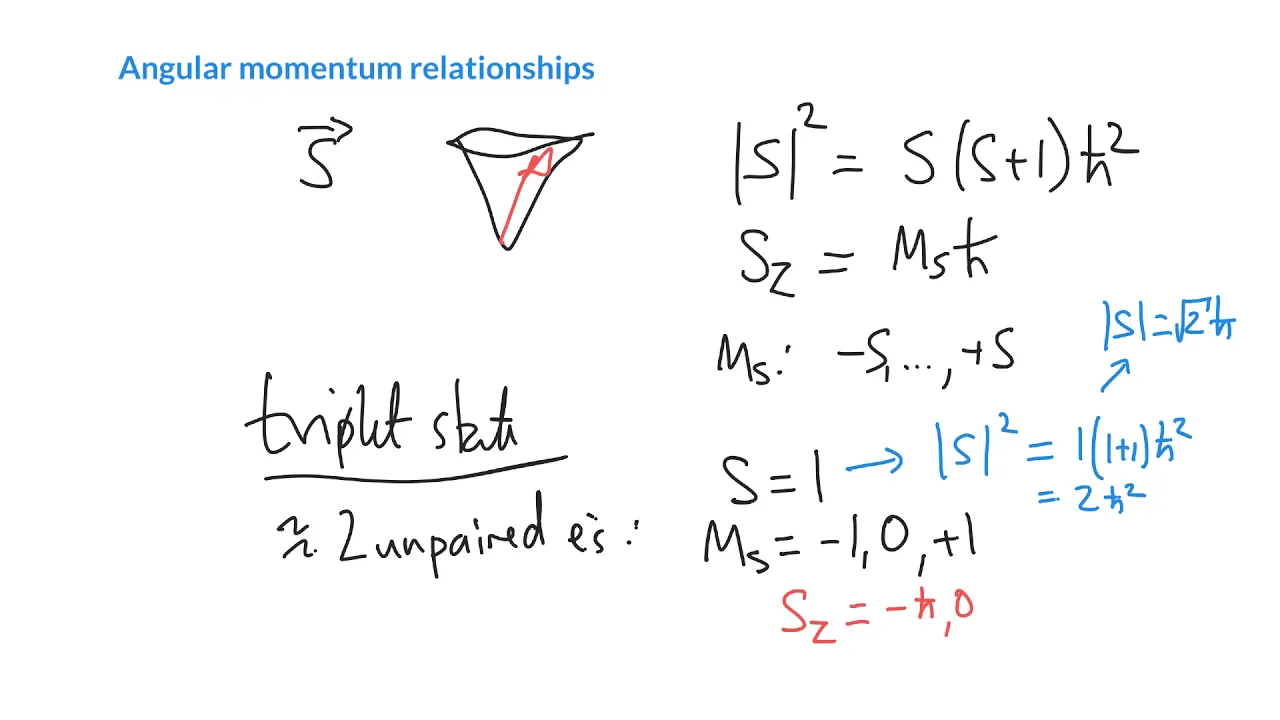
Added:Understanding of electronic spin multiplicity, specifically the difference between singlet and triplet states.
Basic molecular orbital theory, including molecular ground states, excited states, and the concepts of HOMO and LUMO.
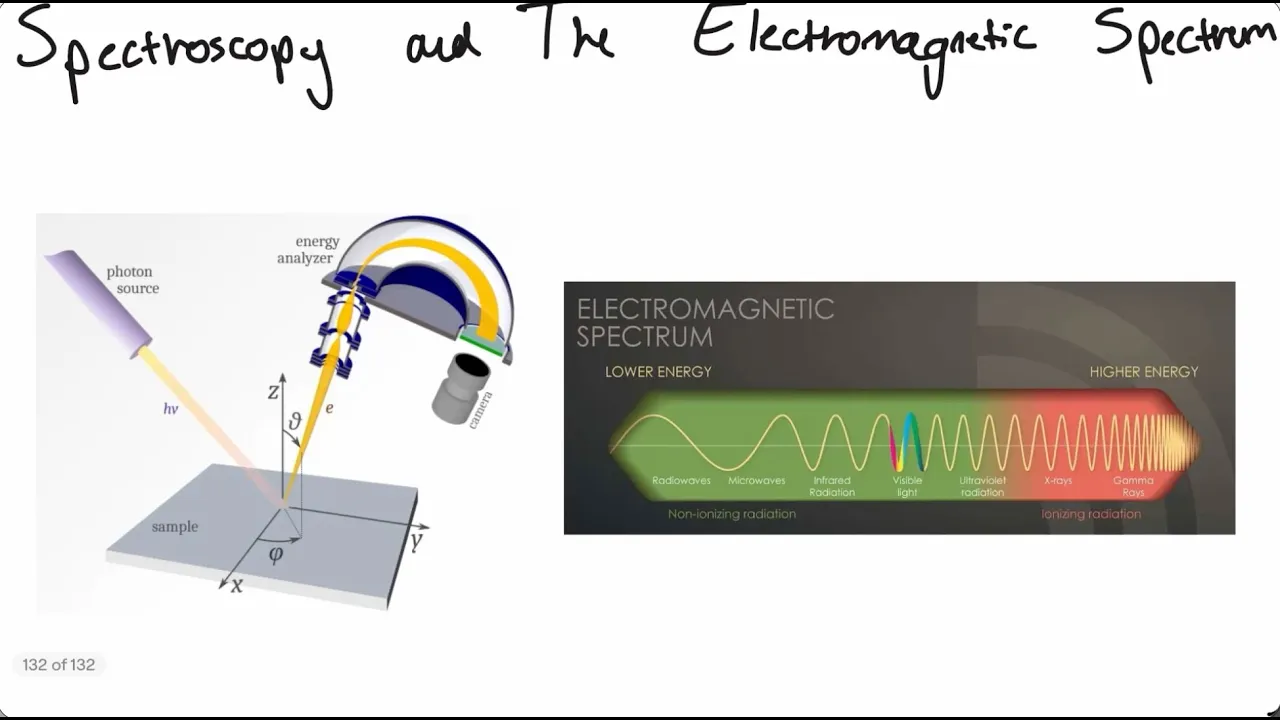
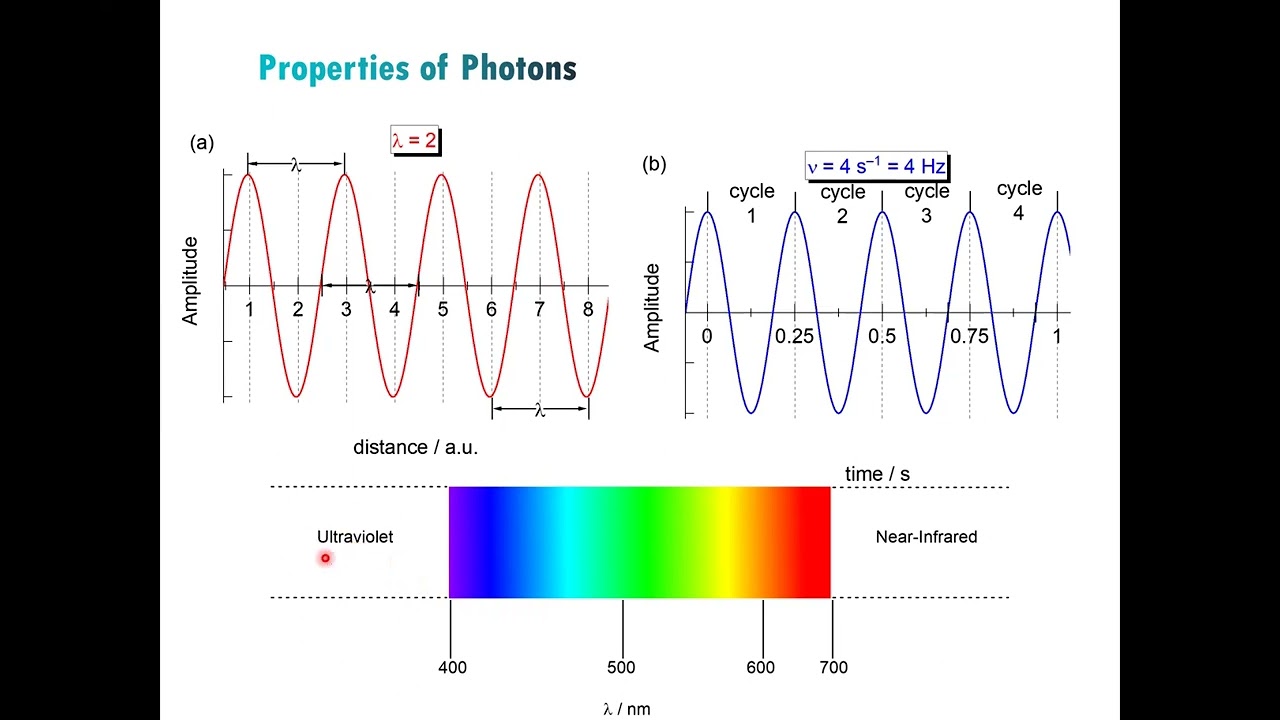
Fundamental principles of electromagnetic radiation, quantization of energy, and how molecules absorb and emit light.
Familiarity with the concept of vibrational energy levels nested within electronic energy states.
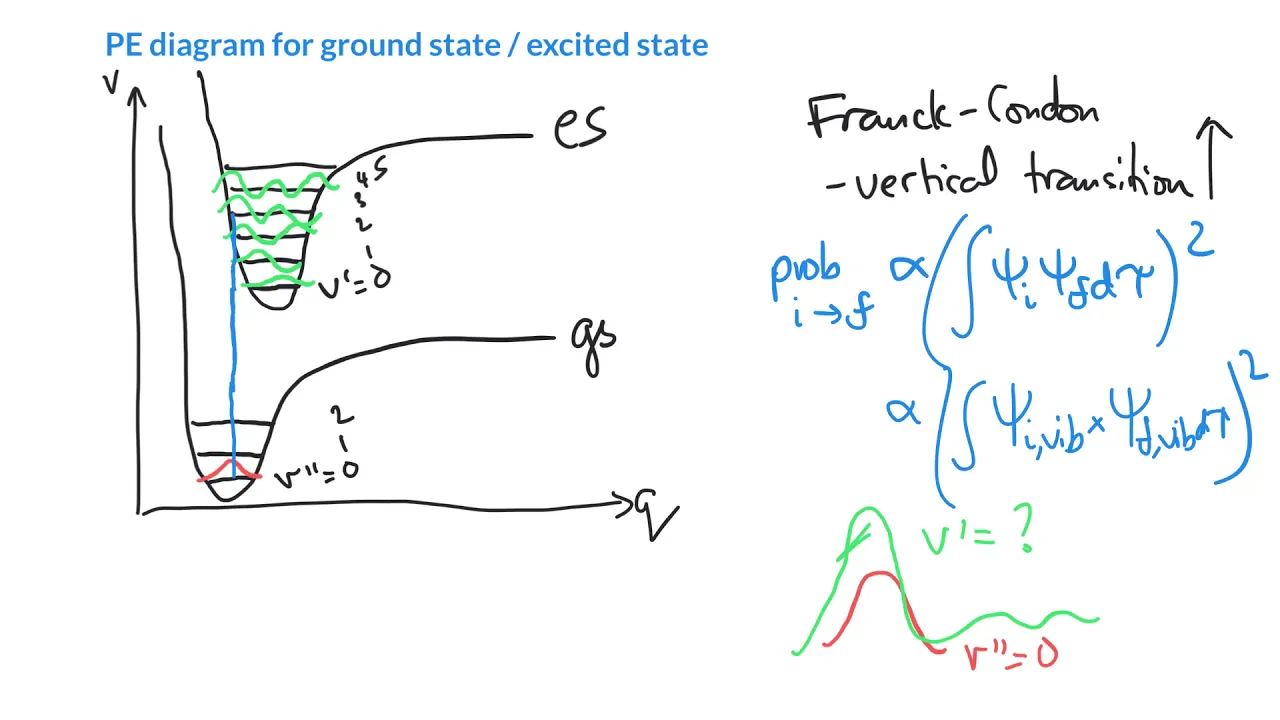
The Franck-Condon Principle, which explains the intensity of vibronic transitions and the structural factors of absorption and emission.
Mathematical calculation of excited-state kinetics, including quantum yields and the lifetimes of fluorescence and phosphorescence.
Advanced photochemical mechanisms such as Stern-Volmer quenching, photo-induced electron transfer (PET), and energy transfer.
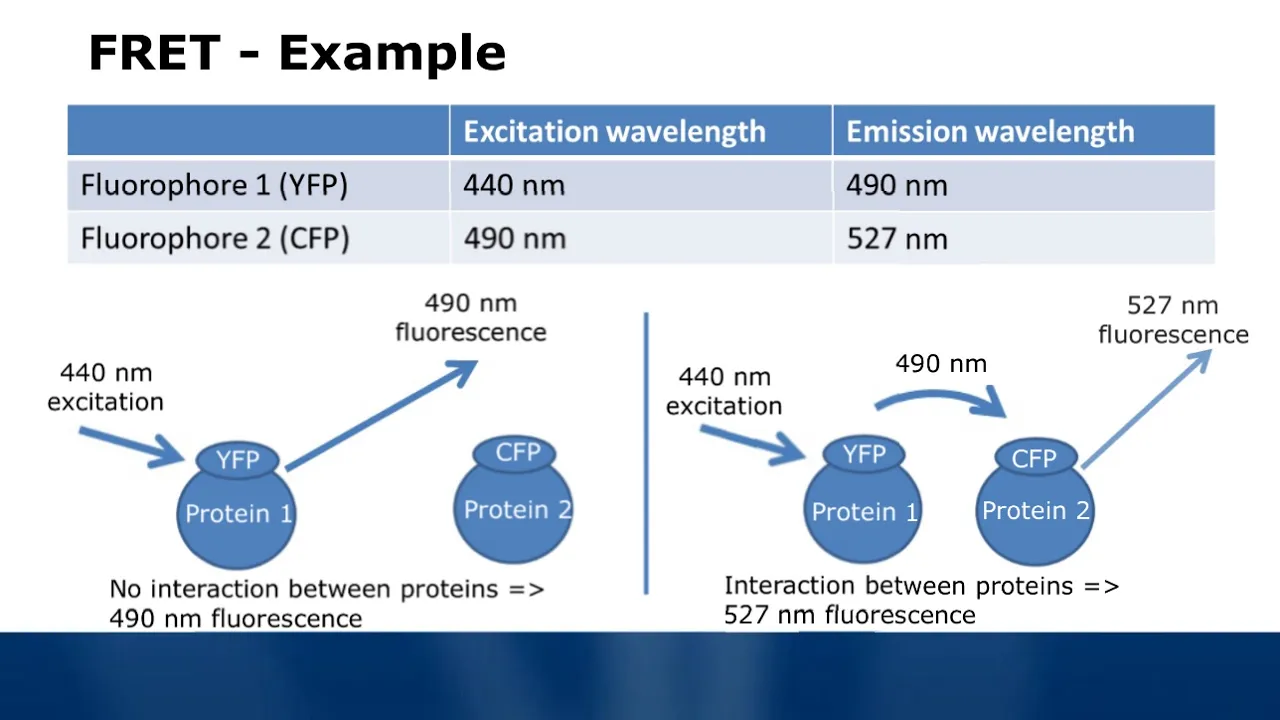
Practical applications in spectroscopy and technology, including fluorescence microscopy, FRET (Förster Resonance Energy Transfer), and the operation of OLEDs.
109 views4likes8:43Original Release: 2023-11-16
chapter 22 electronic and AMR Spectra of molecules section 22.4 the Yoni diagram of photochemistry the Yoni diagram depicts the six major electronic transition processes in photochemistry absorption fluoresence phosphor resence internal conversion vibrational relaxation and inter system Crossing so now let's examine this jabloni diagram uh we have several electronic States here s0 that's the ground singlet electronic State S1 and S2 are also singlet electronic State uh this is the first excited this is the second excited singlet electronic State uh we also have uh this T1 electron ionic State and you see a bunch of lines on top of s0 those are vibrational energy levels for S1 we also have many vibrational energy levels uh so does this S2 and T1 now let's look at absorption so you can see absorptions those up arrows a molecule may absorbs a photon and gets excited to some S1 or S2 exited states that absorption it takes place within uh one or several FAL second and now once the uh electronic state is changed to the higher energy level for example this S1 State well it's not going to be very stable it's possible for this uh molecule to under uh electronic de exitation so it can jump back from S1 back to s0 uh this is pretty fast as well uh usually nanc it's called fluoresence Uh in the fluoresence process a photon is emitted and now let's look at some other processes so again you know we can have uh this uh uh electronic excitation from s0 to S1 or even to S2 and now let's look at this Wiggle line This is so-called vibrational relaxation so it's possible for for us to excite this molecule to uh this S2 excited electronic State and also excited vibrational energy level for example over here this is the vibrational energy level uh n equals uh 0 1 2 three so from here we can you know do some vibrational relaxation that means the vibrational Energy may decrease uh the vibrational qual number May decrease from 3 to 2 or from 2 to 1 1 to Zer Etc uh where does this energy go uh this uh vibration Energy may be transferred to some surrounding molecules and this is vibrational relaxation and also you can go from S1 so for example we excite the molecule from s0 to S1 and then from S1 horizontally you can go through this so-called internal conversion internal conversion from S1 to s0 uh in the internal conversion process uh the electron spein is conserved so it's from singlet to singlet from S1 to s0 but now you can see over here although it's uh the s0o ground electronic State uh this is actually vibrational excited state so really high vibrational energy level and also it can undergo vibrational relaxation uh I can tell I think this is probably a equals 11 or 12 uh the vibrational quantum number can decrease from uh either 11 or 12 to maybe just lower vibrational quantum numbers all right so it explains this uh uh wiggle arrow in purple color it's called internal conversion uh and also you can go from S2 to S1 uh this is also internal conversion and and and Then followed by this vibrational relaxation now let's look at the another process that involves uh the flip of the electron spin so this is going to be called in inter system Crossing inter system crossing over here from the S1 excited state to the T1 excited state uh we have to flip the spin of one electron and then going from here to here this is actually a spin forbidden process so usually this is uh uh slow from S1 to T1 and then after you go from S1 to T1 well we can uh still undergo this vibrational relaxation from higher vibrational energy level to lower vibration energy level and from T1 to s0 well uh this is also called the inter system Crossing uh in which uh the energy is conserved but uh the electron spin uh is flipped you need to flip uh the speed of one electron to go from T1 to s0 and from here you can uh we can undergo vibrational relaxation all the way to the uh bottom line and also from this T1 to s0 we can also go uh through this uh uh phosphor resence process uh in the phosphor resence process you go from T1 to S s0 uh directly and emit a photon and also from T1 to s0 uh this is actually SP forbidden electronic transition so uh phosphorescence is usually much slower than fluoresence fluoresence is beingin allowed phosphor resence is beingin forbidden so you can see uh this uh time scale is much longer than this time scale phosphor resence can take much longer to ur just because it's been forbidden and again in both fluoresence and falor resence uh a photon may be emitted you know that takes the energy difference into account but over here falor resence is much much faster than fluoresence uh this is also a yablonski diagram uh in this diagram we have the s0 uh the ground singlet electronic State S1 uh the first excited uh singlet electronic State T1 the first triplet electronic state so if we go from S1 to T1 it's called inter system Crossing that involves uh the uh flip of electron spin this is been forbidden but it can also happen and all those wiggle arrows those are vibrational uh relaxations and uh from bottom up this is uh absorption the molecule may absorb a photon and undergo the electronic transition from the s0o ground singlet electronic state to S1 first excited singlet electronic State and again you know we can see some vibrational relaxation and also from here to here uh this is a vertical arrow pointing down it's called fluoresence in which a photon is emitted uh this is a Ultra fast process as well usually Nanos seconds uh and then phosphorus you know after we excite electron here we can go down here after inter system Crossing we can go from S1 state to T1 state in the T1 State we have many vibrational energy levels again veal lines that means vibrational relaxation the molecule may lose energy to the surrounding molecules in the form of heat and then over here from here to here it's from T1 to s0 this straight arrow is a phosphor resence this is a a spin forbidden that's why from T1 to s0 the phosphor Rin takes much longer than Flor Rin
Up Next

36:26
Photochemistry: Jablonski Diagram & Selection Rules
@pgchemistrylectures177
1.2K views•2022-11-27
83:56
Biocatalysis and Catalysis in Islatravir Synthesis | Merck Webinar
@SCIwheresciencemeetsbusiness
675 views•2020-10-08
19:15
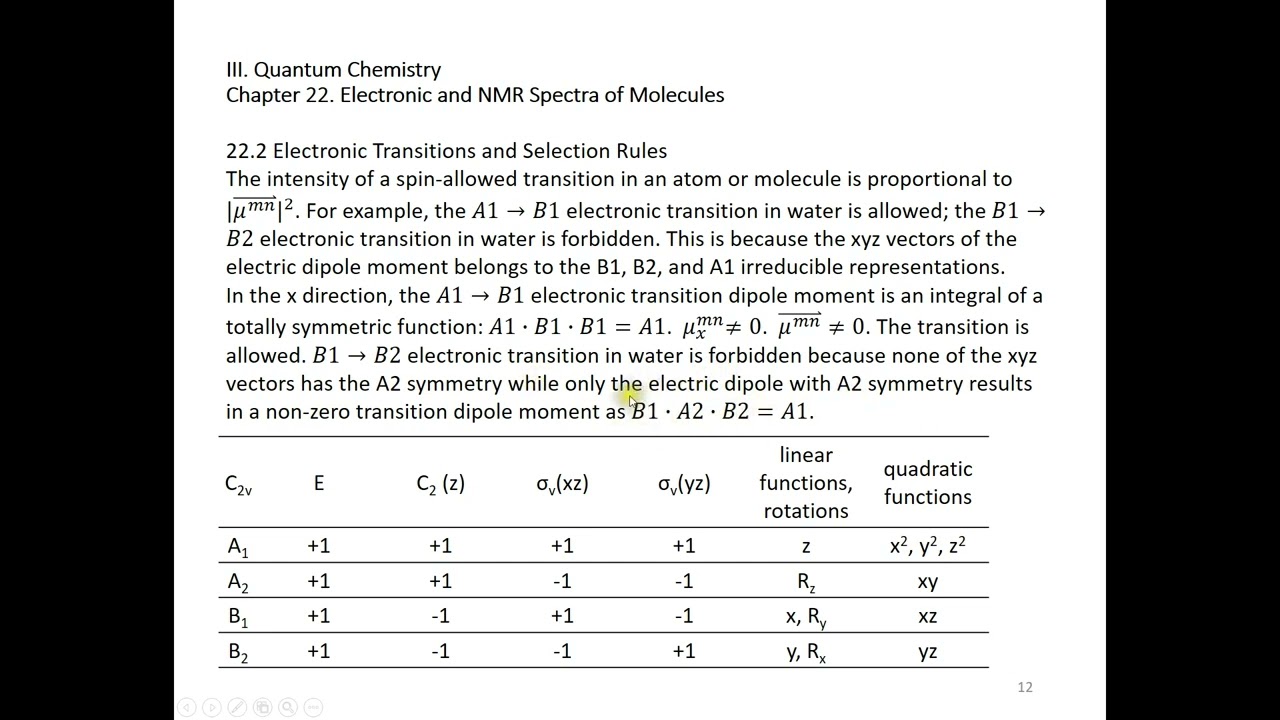
Electronic Transitions & Selection Rules in Quantum Chemistry
@physicalchemistry_pchem
214 views•2023-11-16

17:31
Edible Water Bottles: A DIY Guide to Sodium Alginate Spherification
@ryan
10.5M views•2019-06-21
Related Study Plans & Knowledge Roadmaps
Structured learning paths in Chemistry
chemistry
Nuclear Chemistry: Decay, Meds & Fuel Cycle
01Introduction to Nuclear Structure and Radioactivity
02Decay Dynamics and Kinetics
03Radiation Interaction and Detection
+ 2 more learning modules
24h5 modules
Explore Roadmap
chemistry
Supramolecular Chemistry: Forces & Machines
01Foundations of Chemical Bonding and Intermolecular Forces
02Introduction to Host-Guest Chemistry
03Thermodynamics and Dynamics of Self-Assembly
+ 2 more learning modules
16h5 modules
Explore Roadmap
chemistry
Photochemistry: Excited States & Reactions
01Foundations of Light-Matter Interactions
02Molecular Orbitals and Electronic States
03Photophysical Processes and Jablonski Diagrams
+ 2 more learning modules
18h5 modules
Explore Roadmap
chemistry
Coordination Chemistry: Bonding & Properties
01Introduction to Transition Metals and Ligands
02Crystal Field Theory (CFT) and Geometry
03Magnetic Behavior and Spin States
+ 2 more learning modules
14h5 modules
Explore Roadmap