










![[3] Sonic Adventure 2 OST BLOWS Music Teacher's Mind + Reaction LIVE Original Sound Track](https://i.ytimg.com/vi/gSBII5BpZS4/maxresdefault.jpg)
![20th Century Music Theory [20세기 음악이론] Asymmetric Meter & Mixed Meter](https://i.ytimg.com/vi_webp/uw4ig4dCfV8/maxresdefault.webp)



Time signatures indicate how music is divided into beats per measure (top number) and what note value constitutes a beat (bottom number, typically a power of two), with common signatures like 4/4 feeling natural due to human preference for base-2 patterns, while prime-number signatures like 5/4, 7/4, and 11/8 create asymmetrical grooves that evoke specific emotional responses such as tension, urgency, or exotic cultural qualities, as demonstrated through Nintendo game music examples.
Every Time Signature Explained Using Nintendo Music Theory
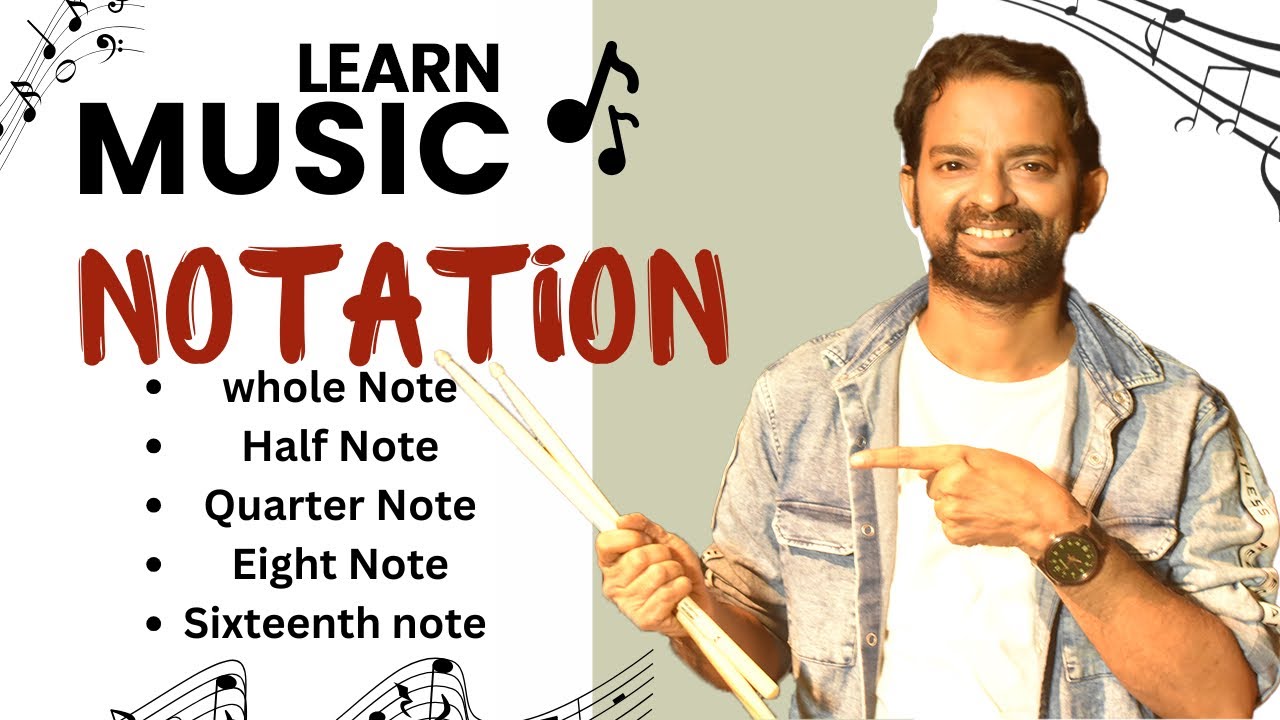
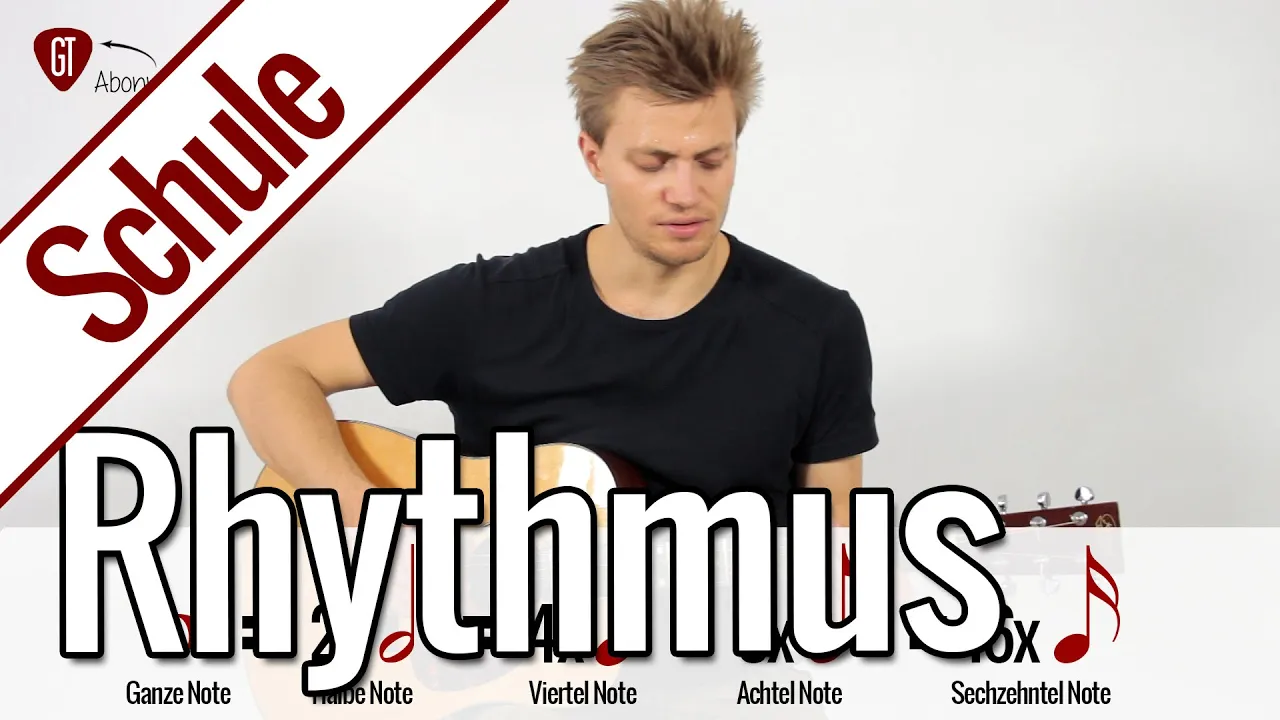
Added:Basic rhythmic notation, including the values of whole, half, quarter, eighth, and sixteenth notes.
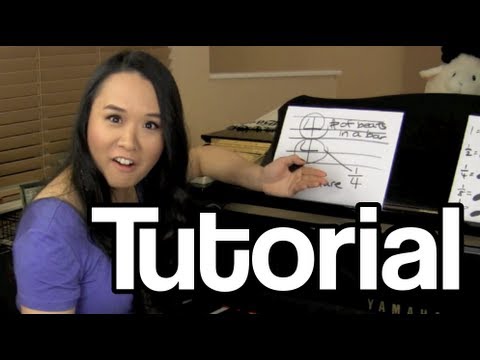
The fundamental structure of standard time signatures, specifically understanding what the top and bottom numbers represent in simple meters like 4/4 and 3/4.
The concept of musical pulse, tempo, and basic beat subdivision (duple vs. triple groupings).
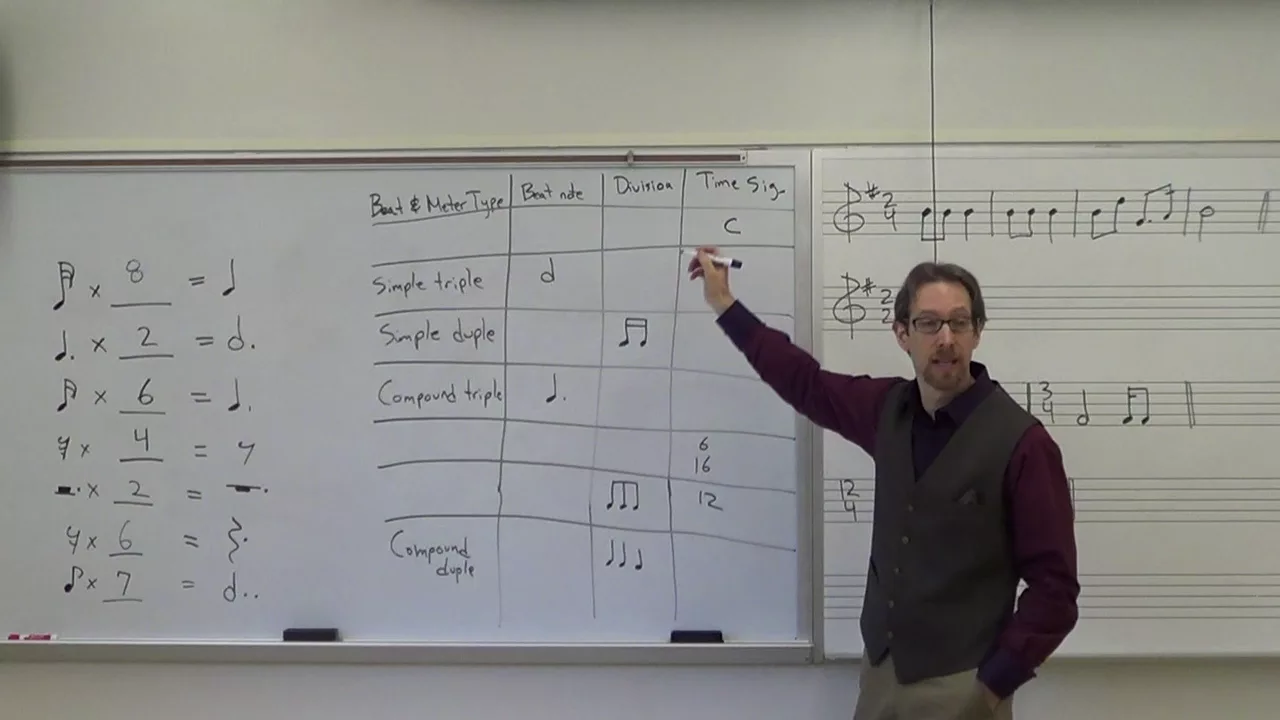
The distinction between simple meter (e.g., 2/4, 4/4) and compound meter (e.g., 6/8, 9/8).
Advanced rhythmic concepts such as polyrhythms, polymeters, and cross-rhythms where multiple subdivisions occur simultaneously.
Metric modulation, which involves transitioning smoothly between different tempos or meters using a shared note value as a pivot.
Practical application of odd and asymmetric meters (like 5/4, 7/8, or 11/16) in original composition, songwriting, and video game music arrangement.
Analysis of irregular, shifting, and mixed meters in 20th-century classical music (e.g., Igor Stravinsky, Béla Bartók) and progressive rock/metal genres.
1.7M views79.5Klikes32:15Original Release: 2024-01-05
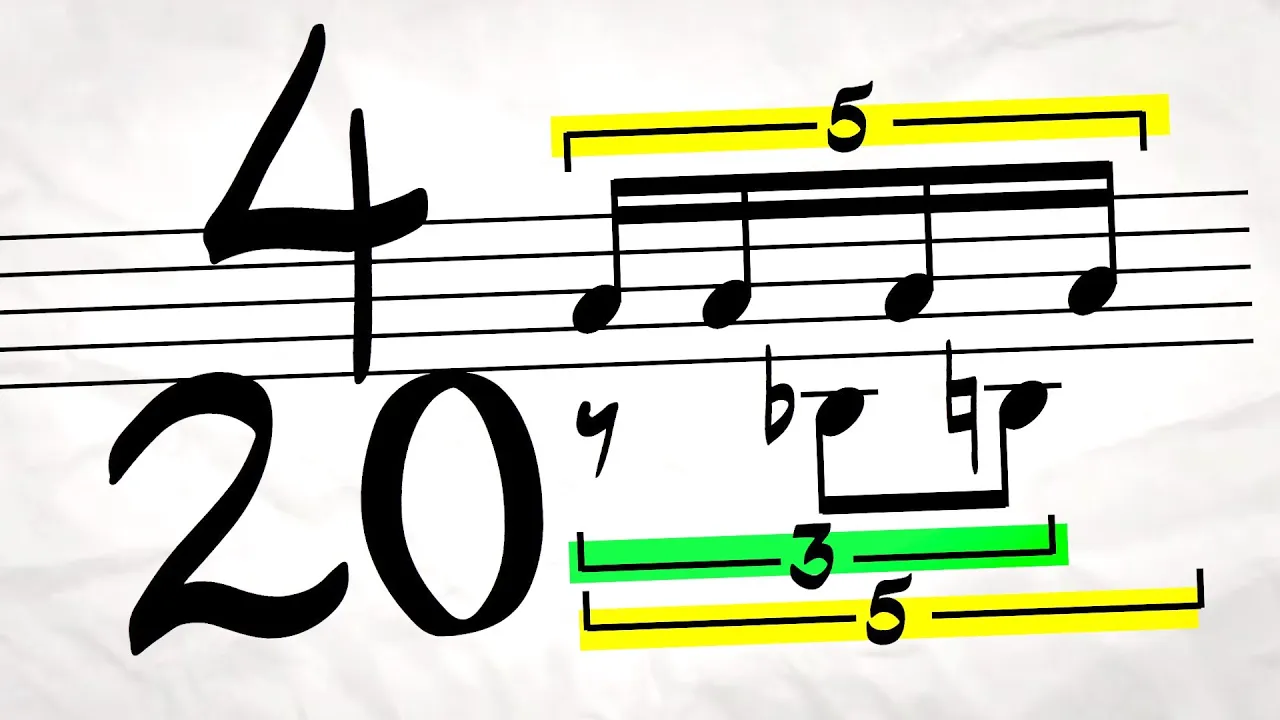
time signatures are cool I've always been fascinated by the idea that our human pattern-seeking brain naturally sorts loud noises into mathematically divisible sets and we generally like to stay in that division without changing songs counted in 2 4 8 16 and even three sometimes feel very natural to us but as soon as things start going into 5 7 11 or switching between numbers it's counterintuitive and something feels weird that's at least what I told my high school band teacher when I couldn't play shiny's ride of [Music] spring [Music] all right so before we talk about every single time signature let's discuss what time signatures are in the first place time signatures are essentially a way of notating how we feel the division of Music the top number indicates how many beats we have per measure if the top number is four for instance we can count Loops of four and it will feel natural in align with the beat the bottom number will always be a power of two so either 1 2 4 8 16 Etc and the number corresponds to what kind of note is considered a beat if the bottom number is four then that means one quarter note is considered a beat commonly eight and some sometimes 16 are used for eighth notes and 16th note divisions specifically but especially in modern pop music any other divisions are pretty uncommon there can also technically be non power of two bottom numbers but those are cringe and we're not going to talk about it because of the clean divisibility of the number four 44 is far and way the most common time signature in Western popular music but that doesn't mean others are particularly uncommon 34 for instance is used fairly frequently commonly associated with a waly kind of feeling apart from the upper number there is also subdivision how we divide each beat into smaller pieces most commonly we have duplate subdivision each beat feels like it should be split into powers of two there is also triplet subdivision where each beat is split into groups of three there's a lot of rules for the nomenclature of time signatures but I think those rules are not very intuitive outdated in a tad gatekeeping so here's how I like to think about time signatures we feel the number of beats per measure and we feel the subdivision that's it for instance 44 we would feel in four with a duplate subdivision something like 128 for instance we would usually also feel in four with a triplet subdivision since each grouping of eighth notes tends to make up one compelling beat but we'll talk about that more later another rule to address is the difference between something like 64 and 68 it's the same number of beats per measure just the type of note changes it usually just comes down to Tempo generally the faster the tempo gets the shorter the note value per beat so slower songs than six would perhaps be written in 64 while faster Tunes would perhaps be written in 68 we'll see some exceptions later though one final thing is that we're only going to be looking at Tunes which use the time signatures as a Groove any schmuck can put a single measure of 1316 in their video game Bop but I really want to analyze a prolonged Groove in each signature since I think that's generally harder to accomplish and more indicative of the tendency and patterns each time signature provides all right cool so now let's take a look at some tunes starting with something in one all right so one4 doesn't really exist oh my God bro hell no man okay wait wait wait so the reason why is because realistically it's hard to imagine any scenario where you can compellingly have one beat per measure or feel a Groove that Loops every one beat if you try it'll sound like a subdivided version of a more staple time signature like something in 2 3 or 4 for example that doesn't mean you can to find examples of single measures of 14 but as far as I know humans just cannot handle something in one but who knows if any of you can find an example of 14 that compellingly sounds like it's in one post it in the comments and I'll pin it to demonstrate something in 24 we're going to look at a song from Super Smash Bros ultimate One-Winged Angel oh my God broell okay so I know this is originates from a non- Nintendo game but I would argue this is the most quintessential example of two4 in perhaps all of gaming don't worry guys everything after this will be from Nintendo IPS but anyways One Wing and Angel is Iconic you probably already know it let's take a [Music] [Applause] listen two4 is a dupli Groove felt in sets of two listen to how the Basse instruments have a cycle of two quarter notes and each figure in the following measures has a cycle of two beats that's why one we an angel feels so two four instead of something like 44 each idea feels like it's contained within sets of two beats in terms of genre this theme is also a wonderful example of the most common real life application of two marches many national anthems or militaristic marches are written and felt in two4 or two two because humans have two legs the music is meant to be March to and in another sense that's a really cool example of how time sigs work in a majority of cases rather than a bunch of calculus Majors sitting in a room calculating what number to put in the beginning of the sheet music time signatures are quite often retrospective it's based on movements or dances that humans intuitively came up with and I think that's pretty cool but not as cool as this melodramatic March for the edgiest character known to man 34 is pretty interesting it's an odd number time signature which means we can't cleanly split the number of Beats down the middle this asymmetry is the backbone of most Tunes in 34 let's check out the ever classic Rosalina in the observatory from Super Mario [Music] Galaxy this student perfectly demonstrates 34's asymmetry as a duplate time signature in [Music] three notice how we have the emphasis on the one with these bass notes but the latter two beats are echoed with the chords similar to 24 34 in the west is frequently derived from a real life movement waltz's the Walt dance is felt in three with the same kind of two three echoing the one type feel 34 is most likely used here to give Rosalina in the comet observatory that Whimsical princess-like quality here it is the Everyman the most common boring option the Super Mario of time signatures 44 it was actually kind of hard to find a song for 44 not because I couldn't find any of course but how could I really encapsulate the 44 sound in a single song [Music] wi Sports Resort isn't talked about as much as it should be the harmony is great the melody is Iconic and the groove is so fun we have this driving Baseline fast high hats and syncopated offbeat Melody all coming together to make this fun little sish Groove each measure contains an idea that perfectly fits within four beats this kind of offbeat stuff happening in each measure helps it to compellingly feel like it's in four rather than two the syncopation in each measure always resolves Itself by the end of each four beat cycle this tune is also a great example of how subdivis ability can vary 44 is duplate and felt in four but we feel each beat kind of subdivided into fours rather than twos because many of the instruments delve into that 16th note land take a [Music] listen what else is there to say about 44 it's like explaining breathing it's very intuitive because humans operate on base 2 and we like that to visibility of the number four 54 is our very first example of a non-3 prime number time signature because five is isn't cleanly divisible the groove is forced to be asymmetrical let's look at the Smash Bros arrangement of gear getaway from Donkey Kong Country [Music] Returns 54 is a duplate Time Sig felt in five in this case the duplet feeli is also swing the eighth note subdivisions of each beat are Jazzy and slightly offset so because of the asymmetry of 54 and other prime number time sigs we'll look at later we naturally want to split the feel into two Kinder numbers most often 54 is felt as 3 + 2 as it is here it's easy to see this in the melody the groove matches this as well these first two notes take place within three beats and then we have the following two beats it's kind of funny in a sense even with 54 it's most often split split into some funky fax similia 44 with two long beats and two short beats here's a bunch of 54 examples that also do [Music] this in terms of why 54 is used here it's probably because the asymmetry is what gives the groove its driving quality it always feels like it's rushing to get to the next downbeat that's why it's used here in the chase sequence from Donkey Kong Country and most other examples are also high stakes action settings another underrated soundtrack Super Paper Mario is a gold mine for cool music theory let's look at the theme for the main Town flip [Music] side [Music] despite 54 being kind of weird 68 is actually rather common it's felt in two with a triplet meter so we divide the 6 e notes into two sets of [Music] three that's what gives 68 its bouncing swaying feeling apart from the cute quirky nature RM Parts on flip side I associate 68 with C shanties and the kind of arm swing and tight Beat fornite battle pass like seriously go listen to the SpongeBob soundtrack it's pretty much all 68 one last note about 68 is that you may notice 68 and 34 technically have the same number of Beats the difference however is in the field we know something is in 68 because it's felt in two with a triplet subdivision while 34 is felt in three with a duplet subdivision on to seven after the jovial and relatively kind 68 we have seven a lopsided prime number time signature the final boss of Super Metroid motherb brain features this time signature in her theme check it [Music] out 74 is asymmetrical in this case and most often it's felt as 2 + 2 + 3 with a duplate [Music] subdivision seven to me feels kind of like the anti five in a sense whereas the long long short short feeling of five has that rushing feeling seven has that short short long tipe beat giving the feeling of hanging on that last beat for added thrill I can think of a few famous film themes that use this action-y driving nature of seven both of which adhere to that same 2 plus 2 plus 3 [Music] feel in the case of motherb brain it pushes this feeli even further leveraging that hanging vibe to be a prime example of a terrifying final boss theme this Fusion of the time signature with the harsh sounding synths sparse inhuman Melody and chromatic Baseline all serve to invoke that feeling of dread Metroid dread some of you may disagree but I think for similar stability reasons to 14 it's hard to make a case that 84 88 816 and all further multiples actually exist 44 is just too stable you hate to see it but who knows post examples of eight if you guys have any 98 is an absolute Delight despite looking a bit intimidating 98 is almost almost always felt in three with a triplet subdivision so three sets of three the title theme from Wind Waker demonstrates this [Music] perfectly it's very similar to 68 in that kind of rocking hippity hoppity three beats per [Music] measure 98 was likely used here to give that folk music Irish jig kind of quality to this theme and I think it really works out one thing we really didn't get to explore in the 68 section is that especially in a fast triplet meter often only the first and last eighth of each triplet is emphasized looking at the melody we can see how most of the time we have this long short long short pattern it's something we'll take a look at soon in our next triplet meter tune ten is weird and mysterious kind of like the hex Maniac from Pokémon X and Y at least until they flanderized her her encounter theme is cool [Music] though 104 has a duplate subdivision and is perhaps felt as 3 + 2 + 3 + [Music] 2 so by this point we're starting to reach multiples of previous time signatures 104 could very easily be felt as two measures of 54 added together but all of the elements Loop every 10 beats and the 5 beat split doesn't feel as convincing as usually does in 54 bangers ten is used in this tune to give that spooky witchy vibe to our encounter with the hex Maniac but I think 10 at least in this example is kind of a weak time Sig I could definitely be convinced that this is just two bars of five but I think that's the beauty of time sigs like other Concepts in music it's fairly subjective and time signatures are especially just up to how you feel it and that's okay 118 is another example of a prime number time sick and this one is wacky to count let's look at the theme of Super Mario odyssey's lost [Music] [Applause] [Music] kingdom what isn't happening here we have this catchy little atinado that plays two variations of the same rhythmic Groove and and a sparse flute Melody on top 118 in this instance is mostly felt as 3 + 3 + 3 + [Music] 2 this is a really cool example of a time signature being used to evoke the feeling of music from a different culture in this case Indonesian [Music] galon the hypnotic interwoven cyclical nature of Galan is emulated using 118 also I'm fairly certain the atinado is being played on the Indonesian rang which of course further adds to the Galan vibe in Galan the composite of these interlocking Parts is called koton and this idea is further explored in a later part in the [Music] tune super cool this galon feel on this level adds so much and gives a neat real world inspired distinction from similar jungle levels in other Nintendo games one final note about 11 is that it's strangely a little common well not very common but there are two other decently well-known video game tunes that use 11 namely the results music from Mario Kart 64 and sagot theme from Street Fighter [Music] 2 128 is very friendly and perhaps the last friendly time signature we're going to see today remix 3 from Rhythm Heaven features a wonderful example of 128 let's take a [Music] lesson [Music] definitely what makes 128 so nice is the clean divisibility as mentioned earlier almost always and in this song 128 is felt in four with triplet subdivision having 12 notes to work with makes it very fible because a Groove felt in four is so stable there's room for syncopation cheekily emphasizing the offbeats without losing the sense of where the groove sits the entire Melody line pretty much never touches the downbeat because it doesn't need to for it to feel like 128 but also because of the divisibility 128 can also have pockets of six beats with duplate subdivision without sacrificing the groove remix 3 does this fairly [Music] frequently the purpose of 128 being used in this context was the variability itself taking place in a challenge level of a rhythm game The Groove switching up is meant to be difficult to the player while still sounding like a stable groove of an actual song now if only I didn't keep messing up this little picture section we have another prime number time signature this time we're looking at the shrine battle theme from breath of the Wild after that short intro in 44 we're immediately thrust into 138 land it took me 10 billion years to transcribe this because this is our first example that doesn't feel like a Groove nor is it intuitive in any way in fact I think they wrote this specifically to be difficult to count we know for sure we're in a duplate meter actually subdividing our 138 notes into 16th notes sometimes but otherwise it's hard to really say what the division of the measure looks like we have pockets of division like the second measure feels vaguely like 2 + 2+ 2+ 3+ 2 plus 2 to me but otherwise especially since a lot of the offbeat subdivisions are emphasized I think at the end of the day 138 in this example is strictly an expression of the loop and not any felt Groove the only only reason why it even vaguely feels like a 13 beat Loop in the first place is because of this base repeating that g once every 13 beats the composures of breath of the wild use weird time signatures like this throughout the soundtrack to give a kind of unfamiliar feeling to the world link wakes up 100 years in the future and at the same time he's also encountering alien technology from thousands of years in the past and also zela composers just like using weird time signatures we're still going to see three more Zelda Tunes in this video starting with this one there are few other tunes that capture the vibe of pure 14 as well as this one from A Link Between [Music] Worlds 14 is a multiple of seven so it could very easily be felt as two bars of seven in many cases but I would argue this one feels like pure 14 because of the division of the measure unlike the last tune the groove here is very easily felt as 3 + 3+ 3+ 3 + 2 each little grouping of 16th notes cleanly outlines one chord moving in [Music] parallel because of such an overt division we feel the entire loop as 14 for the same reason it wouldn't feel like one big subdivided bar of seven the 3 + 3+ 3+ 2 is just too strong it actually gives me more of that rushing five feeling than a hanging seven feeling with four groups of three in that final group of two it definitely feels like we cut off and rush into the next measure this gives that classic high stakes action feeling to the final boss fight of A Link Between Worlds this atinado is actually borrowed from ganon's theme in A Link to the Past and that dude loves complex time signatures as we'll see a bit later okay okay so I know I'm cheating again with this one but this is definitely my favorite example of 15 of all time it's the famous Moon theme from DuckTales for the [Music] NES just such a delightful theme 1516 is divisible by both five and three so it was would make sense to have something felt in five with a triplet subdivision but DuckTales doesn't do that we have 4 + 3 + 4 + [Music] 4 it feels like an almost 44 so the question is if the Austin a is kind of jumping all over the place how do we know the division is 4 3 44 instead of something cleaner like 4443 for instance because after this 1516 section we actually do go 44 and that missing 16th note is filled in this is one of my favorite principles of Music Theory retrospective analysis music is a temporal art form meaning we can't listen to an entire song top down like we can look at a painting for instance as such context and information for an earlier part of a tune often comes from the future which retroactively changes how we perceive something that already happened in the music this is one of the most important principles in music theory and applies to almost every single concept within in fact music theory in itself is the retrospective analysis of Music Trends but anyways Manifesto aside in DuckTales this retroactive change is not a limitation of Music being a temporal art form but actually a strength we feel like we're in almost 44 reaching yearning for that eventual catharsis this 156 section combined with the descending Harmony fills one with such wonder and the joy of exploration and once we finally hit 44 we're in go mode legendary tune and for good [Music] reason doesn't exist for the same reason as eight all right guys so I looked and I looked and I looked and I swear I could not find anything even close to any time Sig between 17 and 20 in a Nintendo game if you guys find anything I'm begging you please post it in the comments but that doesn't mean we're [Music] done all right so why the quotations I'm not trying to pull a fast one on you guys but just take a listen to this [Music] every other component of this tune is ostensibly in 44 except for that high-p pitched Austin a it looks like it never quite lines up with that 44 base that's because it's on a 216 cycle here's the same sheet music in 20116 for reference 216 is divisible by 7 and three so a tun and 21 could be felt in seven with a triplet subdivision but this doesn't do that it looks like the division is 2 + 2 + 3 + 2 + 2 plus 2 plus 2 plus 2 plus 2 plus 2 I suppose I mean come on now who really feels that intuitively this 2116 Motif is overlaid on top of the four4 groove with a two bar Loop creating a desync called a polymeter doing the math this would theoretically eventually resolve itself and syn up again in 84 measures of 44 or 64 measures of 216 but the atinado doesn't last that long so what we're left with is a unique combination of the notes interacting with each other that never repeats this theme was composed by janichi masura who was also the main developer for Pokemon Red and Blue and a known dork who really really really likes math the 216 polymeter used here is likely because he thought it was hilarious but it does also sound pretty cool and giv that unsettling feeling to the place where Mewtwo was created I don't have anything for 22 and there will be more gaps coming up as well but there is a very prominent example of 23 ganondorf's theme from Ocarina of Time is in 2316 and 8bit did a wonderful explanation of this so go check it out if you haven't already but did you know Gondor from tears of the Kingdom also uses this very same theme and it's still in 23 I split up the 23 cycle into 11 and 12 readability but that's also how it feels with each two bar cycle feeling slightly different within the 118 half it split up as 3+ 3 plus 2+ 3 and the 138 is 3 plus 3 plus 2 plus 2 plus [Music] 2 such a great way to bring back such a menacing Motif on an evil prime number and it fits right in with the other wacky time sigs in this game and its predecessor one thing that saddens me though is why are all the cool time sigs only given us final boss themes to the villains I think it misrepresents a lot of the variety you can get out of complex meter maybe one day an indie game will come along that puts the main character's theme in 23 maybe one day you would think this 248 example is kind because 24 is very very divisible you would also be [Music] wrong tears of the Kingdom takes the wonderfully divisible number of 24 and splits it up into two prime numbers 11 and 13 so funny it's very similar to ganondorf's theme in that regard just adding one extra beat to the second measure the division of the 11 measure is a clean 3332 and the 13 measure is a 3334 adding two extra eighth notes into the groove there really isn't much else to say about this it follows the same chittery enigmatic Vibe of the shrine from the previous game and uses odd time signatures to mirror the Arcane esoteric flavor of the Zoni this is the final example and the highest upper number I could find fishing frenzy from Splatoon to Salmon Run [Music] mode [Music] this tune is simply bananas a cello and tiany duet so despite the insane prime number of 31 this is actually relatively easy to count 31 is just 32 minus 1 and 32 is just a power of two so essentially this piece just feels like looping bars of eight beats except we're slightly rushing the last note of every measure let's count it like [Music] that wacky I mean seriously who even thinks of this the in-game lore of the tune is that it's actually performed by the fictional in-game band Omega 3 a trio of unhinged disgusting unlovable salmonoids their three Collective brain cells are responsible for all of the tunes and salmon runs sounding very very stressful because they all use weird time sigs that mix together and that's pretty much it most of these are just one example music theory has no rules and there certainly exist exceptions to every single Groove he broke down today also there are a few other time signatures we didn't talk about like time sigs with lower number of two overall though that's pretty much every time Sig you'll ever see in your entire life but who knows Toby Fox might put 4116 in Delta Rune and I'll have to make a part two until then though I'm going to go back to practicing my [Music] Counting [Music] oh
Up Next
11:02
How to Understand and Use Odd Time Signatures in Music Theory
@SignalsMusicStudio
829K views•2018-08-12

10:20
Mozart's Musical Dice Game Explained: History, Rules, & Fun
@webpianoacademy
5K views•2023-03-13

23:02
Metric Modulation and Non-Dyadic Time Signatures Explained
@CadenceHira
121.4K views•2025-11-02
10:49
Understanding John Coltrane's Giant Steps: A Music Theory Analysis
@Vox
10.4M views•2018-11-12
Related Study Plans & Knowledge Roadmaps
Structured learning paths in Music Theory
music-theory
Composing Galant Music: Partimento & Schemata
01Foundations of Figured Bass and Keyboard Harmony
02The Rule of the Octave (Regola dell'Ottava)
03Galant Schemata: The Building Blocks of Form
+ 2 more learning modules
30h5 modules
Explore Roadmap
music-theory
Decoding Overtone Series: Tuning & Drone Music
01Acoustic Foundations: The Physics of the Overtone Series
02Tuning Systems: Equal Temperament vs. Just Intonation
03Microtonality and Spectralism: Beyond Standard Pitches
+ 2 more learning modules
24h5 modules
Explore Roadmap
music-theory
Impressionist Harmony: Scales, Planing & RPGs
01Foundational Music Theory: Keys, Intervals, and Seventh Chords
02Impressionist Color: Chord Planing and Parallel Harmony
03Whimsical Textures: Pentatonic Cascades and Whole-Tone Scales
+ 1 more learning modules
14h4 modules
Explore Roadmap
music-theory
Negative Harmony: Axis Reflection in Indie Pop
01Music Theory Foundations: Scales, Intervals, and Triads
02Functional Harmony and the Circle of Fifths
03Demystifying the Negative Harmony Axis Reflection
+ 2 more learning modules
16h5 modules
Explore Roadmap