









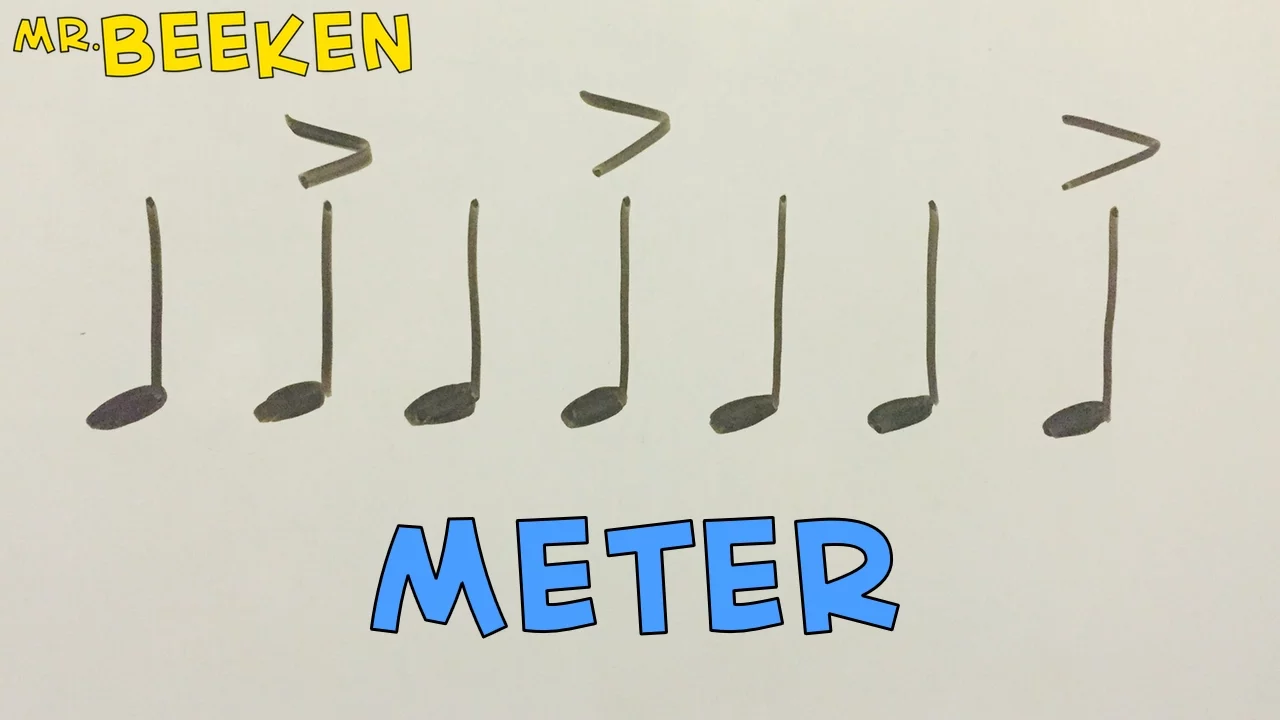





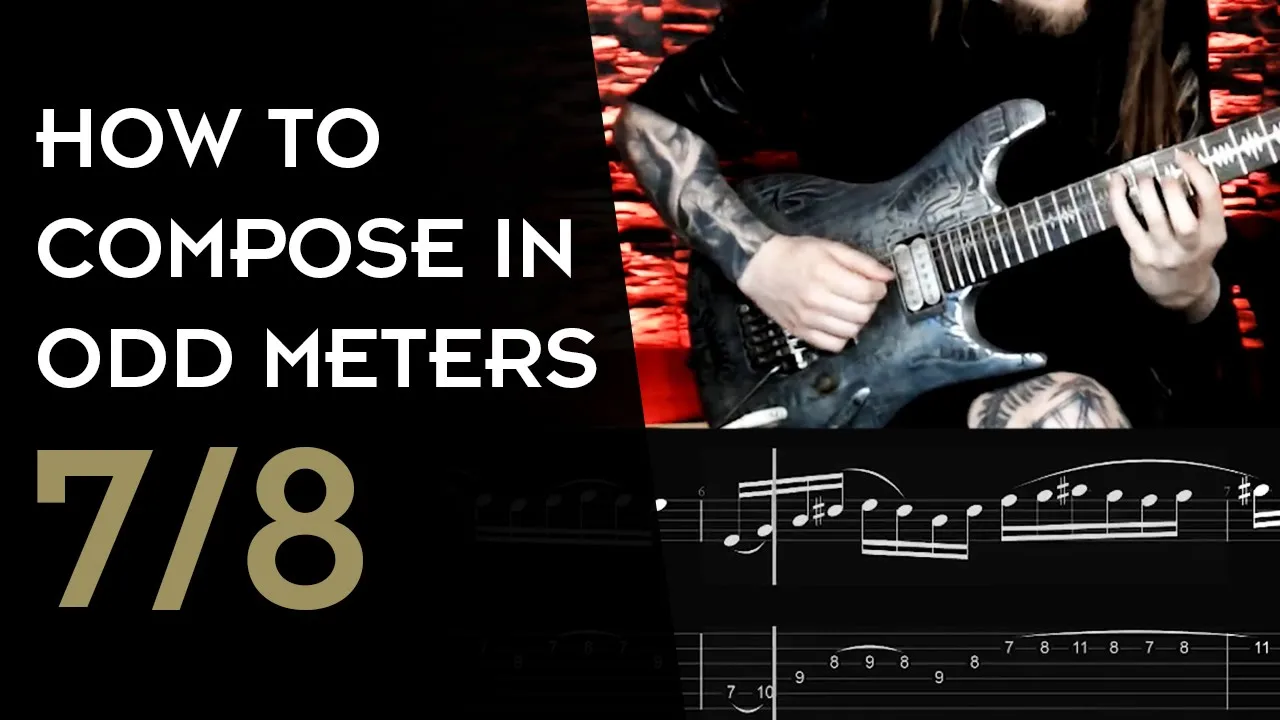


Odd time signatures, such as 5/4, 7/4, 9/8, and 15/16, are time signatures where the top number indicates a non-standard number of beats per measure (like 5, 7, or 9) and the bottom number indicates the note value that receives one beat (like quarter or eighth notes); these signatures can be made more musical by varying note values, using melodic elements that create anticipation, and employing them strategically as transitional passages rather than extended sections, as demonstrated in famous examples like the Mission Impossible theme (5/4), Pink Floyd's 'Money' (7/4), and Dream Theater's 'Home' (15/16).
How to Understand and Use Odd Time Signatures in Music Theory
Added:Understanding of basic simple time signatures (such as 4/4, 3/4, and 2/4) and how the top and bottom numbers function.
Familiarity with standard note values (whole, half, quarter, eighth notes) and the basic subdivision of beats.
Knowledge of compound time signatures (such as 6/8 and 12/8) and how they differ from simple time signatures.
A foundational understanding of metric accents, specifically how strong and weak beats define the feel of a measure.
Exploring mixed meter and shifting time signatures, where a composition transitions dynamically between different meters within a single piece.
Studying polyrhythms and polymeters, where multiple conflicting rhythmic patterns or time signatures are layered simultaneously.
Learning metric modulation, a technique used to smoothly transition between different tempos and meters using rhythmic relationships.
Applying odd meters to advanced composition, syncopation, and phrasing within genres like progressive rock, jazz fusion, and modern classical music.
829K views31.7Klikes11:02Original Release: 2018-08-12
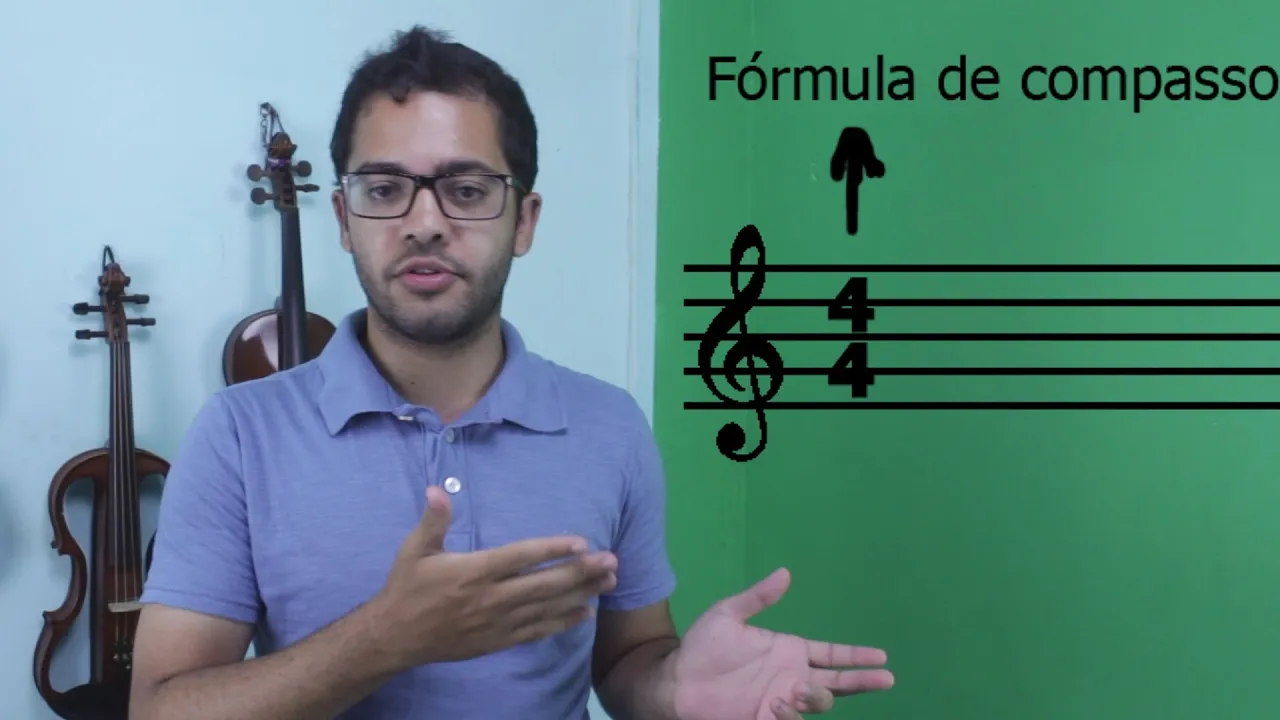
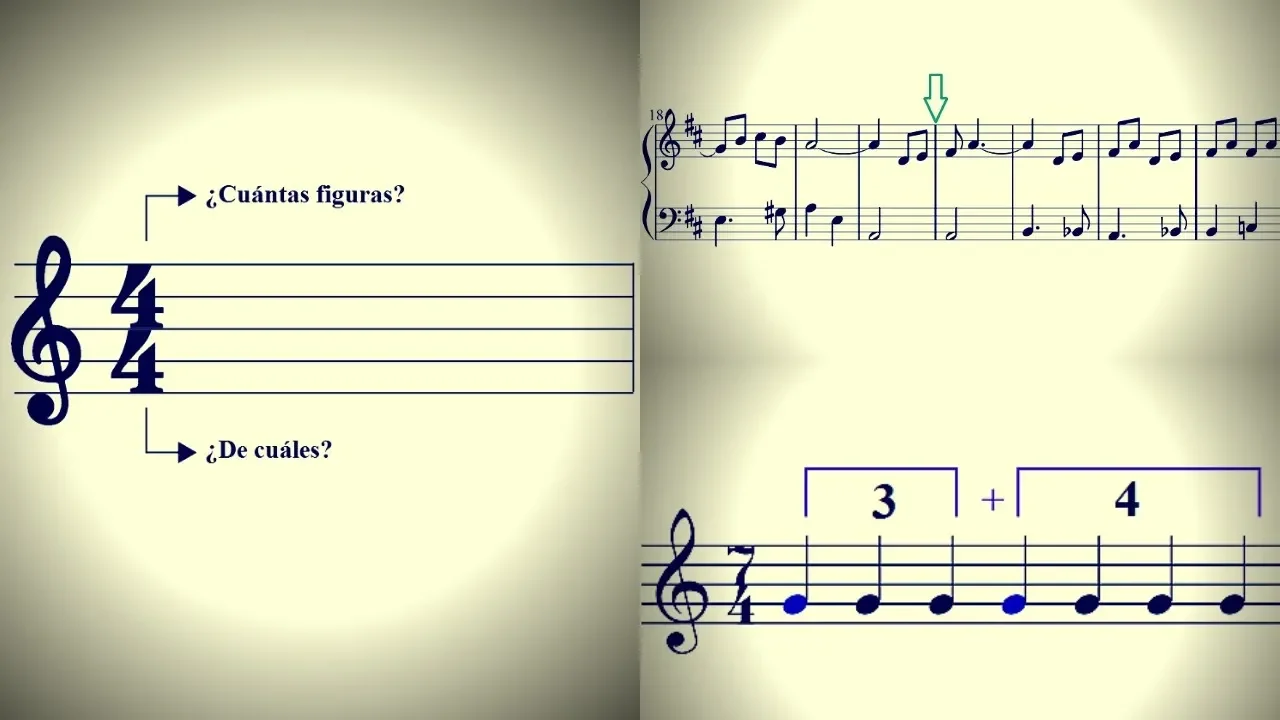
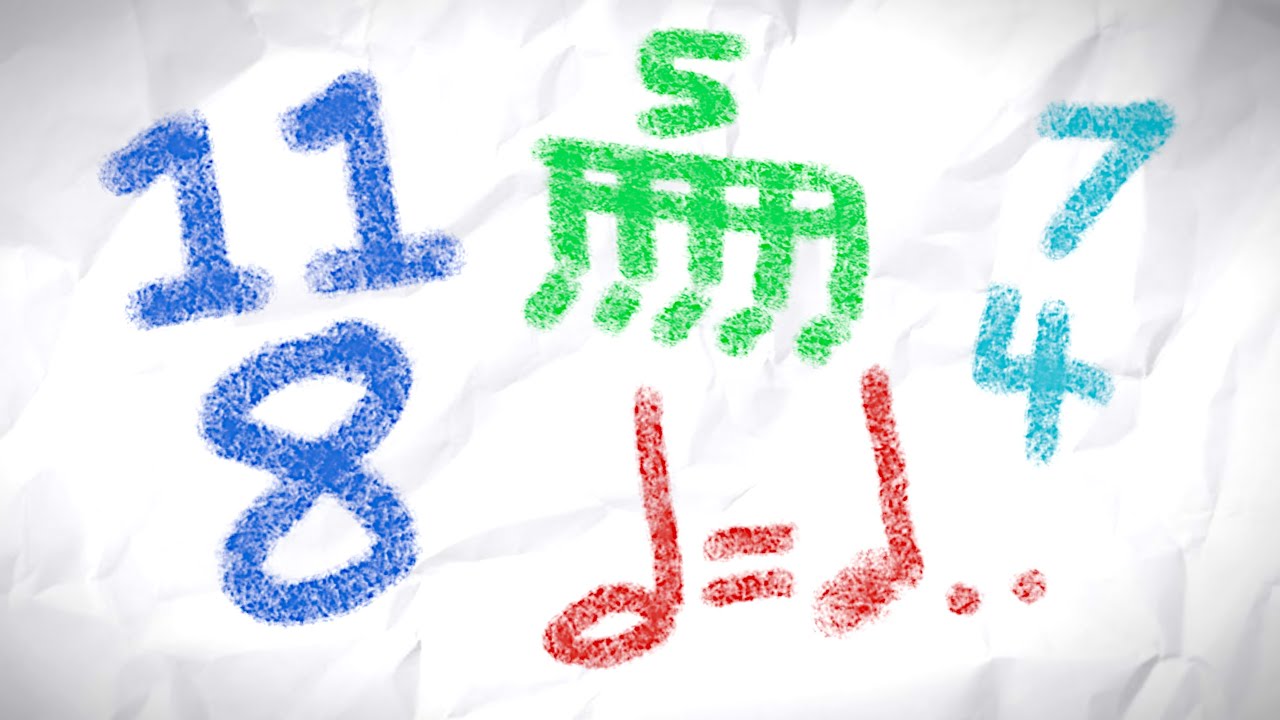
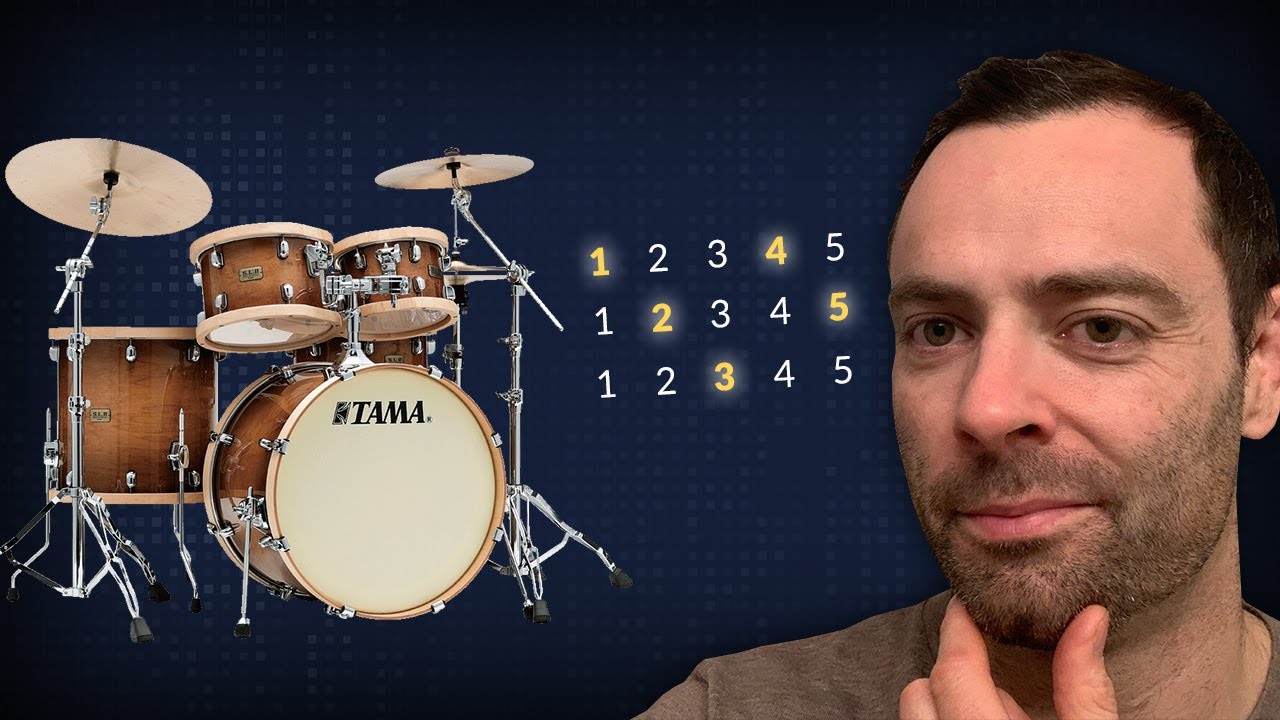
odd time signatures can be pretty intimidating if you're new to music and music theory but there's really nothing to be scared of so in this video what I want to do is talk to you about odd time signatures what are they how do we count them how can we parse them and I want to show you examples of where we hear this stuff in actual music throughout this entire video as I'm giving you these examples I'll also be talking to you about how do we write our own odd time signatures and make them more musical because this is a big problem when you start writing with odd times is things sound a little clunky a little monotonous and a little repetitive so there's a lot of tricks we can do to make our odd time sound more musical and I'll be describing that throughout the video so let's get started if you don't know about time signatures there's two numbers there's a top number and a bottom number the top number just tells you how many and the bottom number tells you of what so here when I see four four it's telling me I have four quarter notes alright that bottom number that four means quarter if I had an eight down there it would mean for eighth notes if I had a sixteen down there it would mean four sixteenth notes and that's just telling us how many beats are in my measure in a measure of 4/4 I have four quarter notes that's just four beats but in a measure of five four and well now I have five quarter notes in a measure of 7/4 I'd have seven quarter notes right but let's take a look at 5/4 specifically one quarter note is just one beat and now I have five quarter notes in my measure so that's five beats in my full measure one two three four five so at the very simplest level I could write something in 5/4 just by stringing together five quarter notes what I'll do is I'll go in F sharp F sharp minor and I'll just play up five notes of the pentatonic minor scale one two three four five one two but like I said this is pretty boring it is in five for them if I wanted to make it more interesting one thing that I could maybe do is start adding in some agents just because I'm in five four doesn't mean I have to play five quarter notes I could play ten eighth notes I could play some sixteenth notes as long as it all adds up to five beats then I'm in five four so let's say instead of just playing these five quarter notes I decide to maybe play some dotted quarter notes instead like this I'll do a dotted quarter note a dotted quarter note and then two quarter notes that all adds up to five beats one and two and three and four and five and one and two and three and four and five and one and two and three and four and five and one and five this is sounding a little bit more interesting already and what if I switch things up a little bit [Music] you should recognize that as the Mission Impossible theme which is a great example of five for V and it's a very comfortable fly for there's really nothing awkward about that v for what helps is you've got that nice interesting dotted quarter-note pattern but also if you see what's going on there I'm an f-sharp minor and then here I play an E which is my flat seven and then I play my leading tone right next to it and an F natural and takes me to f-sharp when I play E F and an f-sharp like after E and F you know what's coming next that f-sharp is the obvious choice there so we're repeating our measure as soon as that obvious choice of f-sharp comes in and I think that's what helps this 5/4 groove so well is that we don't leave that last beat hanging out and like unexpected you know what's going to happen next as soon as I play that DF sharp so you're kind of being cute off you're being like nudged to believe this is in five four and it sounds natural that way and I think that's an important part of writing and odd times is also understanding what are the melodic elements actually doing to assist our odd time so there's an example of composing with five quarter notes what about seven four instead well like I said that top number tells us how many and the bottom number tells us what so here I just have seven quarter notes instead of five quarter notes so I would count to seven now a quick warning hear the word seven actually has two syllables so if you try counting one two three four five six set then you might end up splitting that seventh beat into two beats instead so I kind of recommend maybe just use the word sev instead or just say seven really fast and be aware that it's actually two syllables there so it's not the most convenient way to count to seven sometimes I'll just subdivide and I'll just count 1 2 3 4 1 2 3 or 1 2 3 1 2 3 4 and that way I can avoid saying the number 7 altogether so I'm gonna play around in be here right now I'm going to be in B pentatonic minor and if I just play 7 quarter notes of the B pentatonic scale 1 2 four five six seven one two three four five six seven once again I'm in seven four but it's pre boring right so what I'm gonna try and do is add in some eighth notes and maybe we'll add them in 1 2 & 3 4 5 6 7 1 2 & 3 4 5 6 7 1 2 & 3 4 what if I bait my eighth notes swung eighth notes instead of straight eighth notes I have one two three four five six seven one two three four five six seven if I start changing the notes around a little bit you'll hear this riff come through which is money by Pink Floyd and that's just probably the most famous example of seven four three one two three four five six seven one two three four but that's dealing with odd times and quarter notes but what about when you get into odd times with an eight on the bottom something like nine eight well nine eight would mean I have nine eighth notes and I want you to think of that like a full measure of four four plus an extra eighth note so you'll have a full measure of quarter notes one two three four then one two three four that half note that half of the quarter note is at the end of my entire measure of four four two three four five one two three four five one two three four five six seven eight nine one two three four five six seven eight nine one now this is much more rare than just using an odd number of quarter notes you're gonna have to search a little farther to find examples of it in common music the example I'm going to give you specifically nine eight is from Jeff back the song scatterbrain on the album blow-by-blow now you can hear I'm counting one and two and three and four and five one and two and three and four and five one but I could also just count to the number nine that's a legitimate way to count odd times as well [Music] by point [Music] five six seven eight nine [Music] now it's pretty rare to hear these odd time signatures build up an entire section or an entire song especially with something like seven eight or nine eight we usually hear these things as just one little measure of that thing happening at maybe the end of a section to help us transition into something different you can hear something like this and here comes the son by the Beatles most of that song is in 4/4 but after the second chorus we go into a bridge section that uses a quick measure of 7/8 to kick us into another measure of 6/8 and then a measure of 5/8 and then back to 4/4 it's pretty complicated for a Beatle song you might think that most of those songs are simple but we've got some pretty complicated time signatures going on there so if I try counting over the top of it it would sound like this same kind of thing in this on classical gas by Mason Williams most of that song is in 4/4 there's scattered measures of odd times though and there's a measure of 7/8 at the end of the chorus that takes us straight into a measure of 6/8 once again just as a transitional bump almost like a speed bump to get us out of that 4/4 feel and into something more rambunctious [Music] lastly let's talk about odd time signatures with a sixteenth note on the bottom something like seven 16 or 17 16 so if I've got something like 7 16 that just means I have seven sixteenth notes you would count that one E and two E and uh one E and a two E and whan e and a 2 e n and once again we don't even have to full quarter notes here I do want you to think about the quarter note in a relationship to this I've only got one full quarter note and then I've got 75 percent of a quarter note 1 e and a 2 e and 1 e and a 2 e and 1 e and a 2 e and 1 and understandably this is fairly difficult to compose with and it can be pretty jarring but it's used a great effect in progressive rock a lot of progressive rock and progressive metal is meant to keep you off your toes rhythmically so stuff like 7 16 and 15 16 pops up pretty frequently in prog rock like hey candor Dream Theater at the end of home by Dream Theater there's a quick little line of 1516 that sounds like this by the energy by the Indiana so hopefully this gives you some ideas of where you might hear odd time signatures and a little bit of information on how to compose with them better but really why should you be using odd times in my opinion odd times give a lot more power to good old four four four four is amazing it's a great great time setting she has so much power so much energy but it kind of loses its currency when all you get is four four if you have something off settling like nine eight then all of a sudden four four is gonna groove really hard when you break into it most of writing good music is about contrast and that doesn't just mean melodically or harmonically or with Tambor it also means with rhythm and you'll hear a lot of good examples of four or four sections driving harder than they should just because they were surrounded by more disjointed time signatures so I think that's one of the big values of working with odd times also it's just more fun sometimes working with odd times can be a taxing event on your brain and it can really keep you active in keeping count as opposed to just you know internally feeling the beat and I find it's really good exercise I find a lot of fun stuff that comes out of working with odd times and it opens up a whole new box of shapes and patterns and rhythms and grooves it can be hard to work with and in my experience the hardest part is making it musical so people when they hear it they don't just instantly think it's just random chaos something like that Mission Impossible theme song is a perfect example of an odd time that just fits in perfectly and to me that's the goal is to be able to use these things just as seamlessly as we might use for for it's important to remember that this is only odd for Westerners there's parts of the world where 9 is on equal footing with 4 in India for example there's many of their rhythmic cycles are based on 7 9 11 Pali rhythms are very commonplace in Carnatic music so for us this might seem pretty weird but it's important to keep in mind that a lot of parts of the world this is just music they don't see anything special about 5 or 7 to them it's just as legitimate as 4 I think that's a cool way to think so I hope you enjoyed this video I hope you learned something from this video if you enjoy videos like this please like subscribe comment and share this video with your friends and I could use your help on my patreon page these lessons would not be possible without your support and I appreciate that so I plan on seeing you in the not so distant future
Up Next

7:39
How to Count Odd Time Signatures in Prog Rock | Music Theory Guide
@RickBeato
466.7K views•2019-01-12

10:20
Mozart's Musical Dice Game Explained: History, Rules, & Fun
@webpianoacademy
5K views•2023-03-13
9:57
Phrygian Mode Explained: Third Mode of Major Scale Theory
@SignalsMusicStudio
625.9K views•2018-10-03
10:49
Understanding John Coltrane's Giant Steps: A Music Theory Analysis
@Vox
10.4M views•2018-11-12
Related Study Plans & Knowledge Roadmaps
Structured learning paths in Music Theory
music-theory
Composing Galant Music: Partimento & Schemata
01Foundations of Figured Bass and Keyboard Harmony
02The Rule of the Octave (Regola dell'Ottava)
03Galant Schemata: The Building Blocks of Form
+ 2 more learning modules
30h5 modules
Explore Roadmap
music-theory
Decoding Overtone Series: Tuning & Drone Music
01Acoustic Foundations: The Physics of the Overtone Series
02Tuning Systems: Equal Temperament vs. Just Intonation
03Microtonality and Spectralism: Beyond Standard Pitches
+ 2 more learning modules
24h5 modules
Explore Roadmap
music-theory
Impressionist Harmony: Scales, Planing & RPGs
01Foundational Music Theory: Keys, Intervals, and Seventh Chords
02Impressionist Color: Chord Planing and Parallel Harmony
03Whimsical Textures: Pentatonic Cascades and Whole-Tone Scales
+ 1 more learning modules
14h4 modules
Explore Roadmap
music-theory
Negative Harmony: Axis Reflection in Indie Pop
01Music Theory Foundations: Scales, Intervals, and Triads
02Functional Harmony and the Circle of Fifths
03Demystifying the Negative Harmony Axis Reflection
+ 2 more learning modules
16h5 modules
Explore Roadmap