





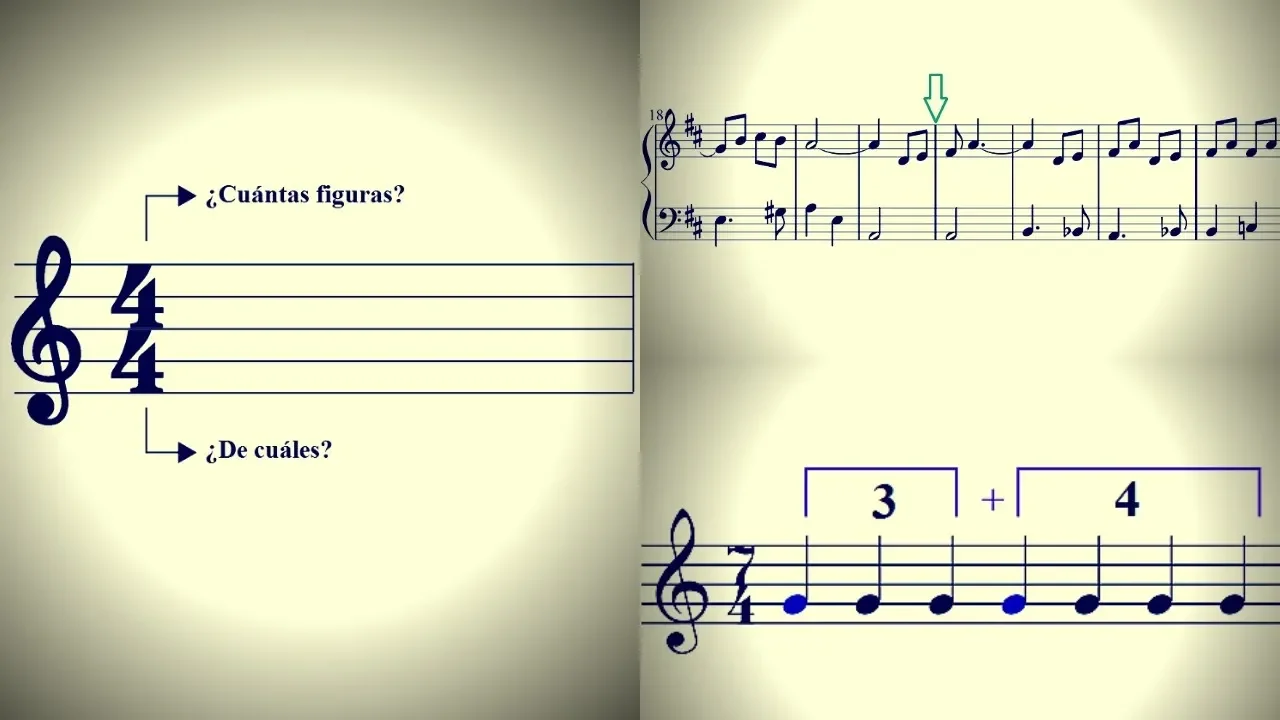













Odd time signatures (such as 5/4, 7/4, or 13/8) can be understood by breaking them into additive groupings of twos and threes; for example, 13/8 can be felt as 3+3+3+4 or 3+3+3+2+2, and these time signatures can be subdivided in multiple ways (like 5/4 as 2+3 or 3+2), requiring musicians to identify natural subdivisions and remain aware that patterns may shift throughout a piece.
How to Count Odd Time Signatures in Prog Rock | Music Theory Guide
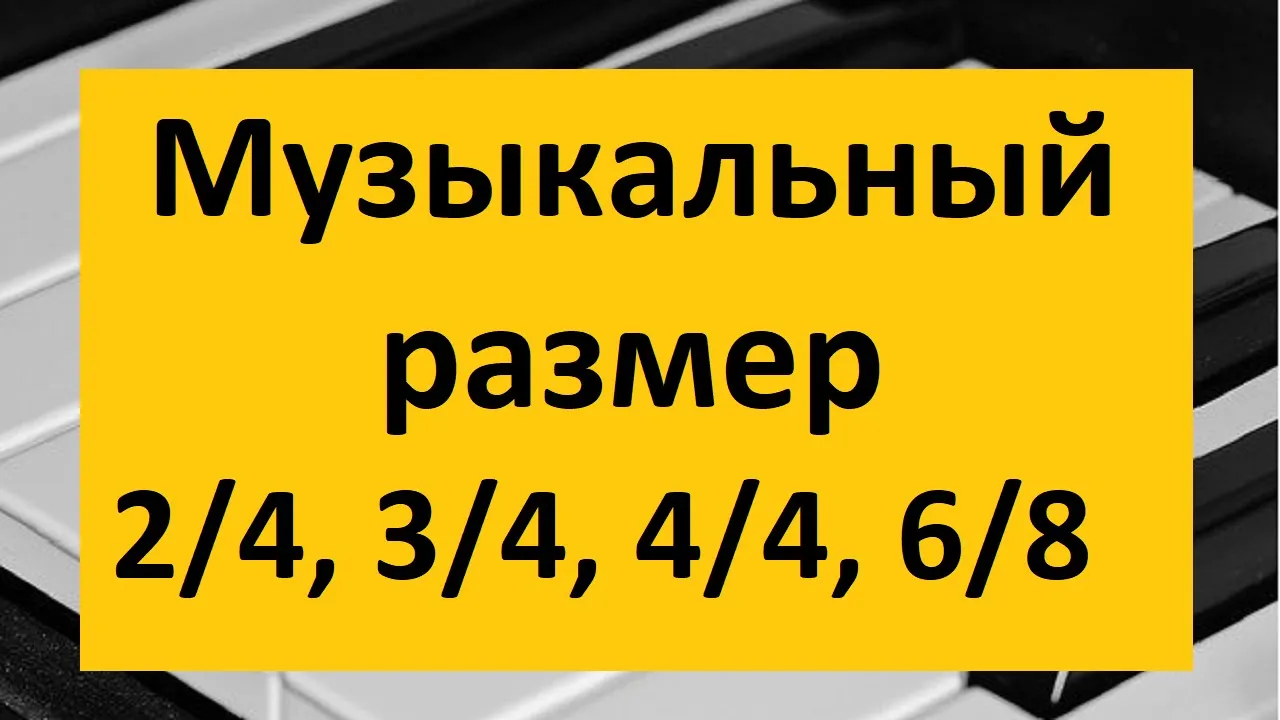
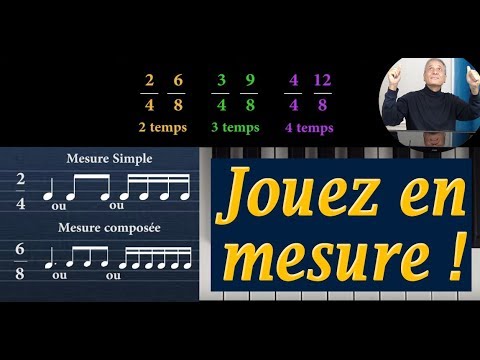
Added:Understanding of standard simple and compound time signatures, such as 4/4, 3/4, and 6/8, and how they dictate beats per measure.
Familiarity with basic music notation and note values, particularly quarter notes, eighth notes, and how they relate to the beat.
The concept of musical pulse and tempo, including how to identify strong and weak beats within a measure.
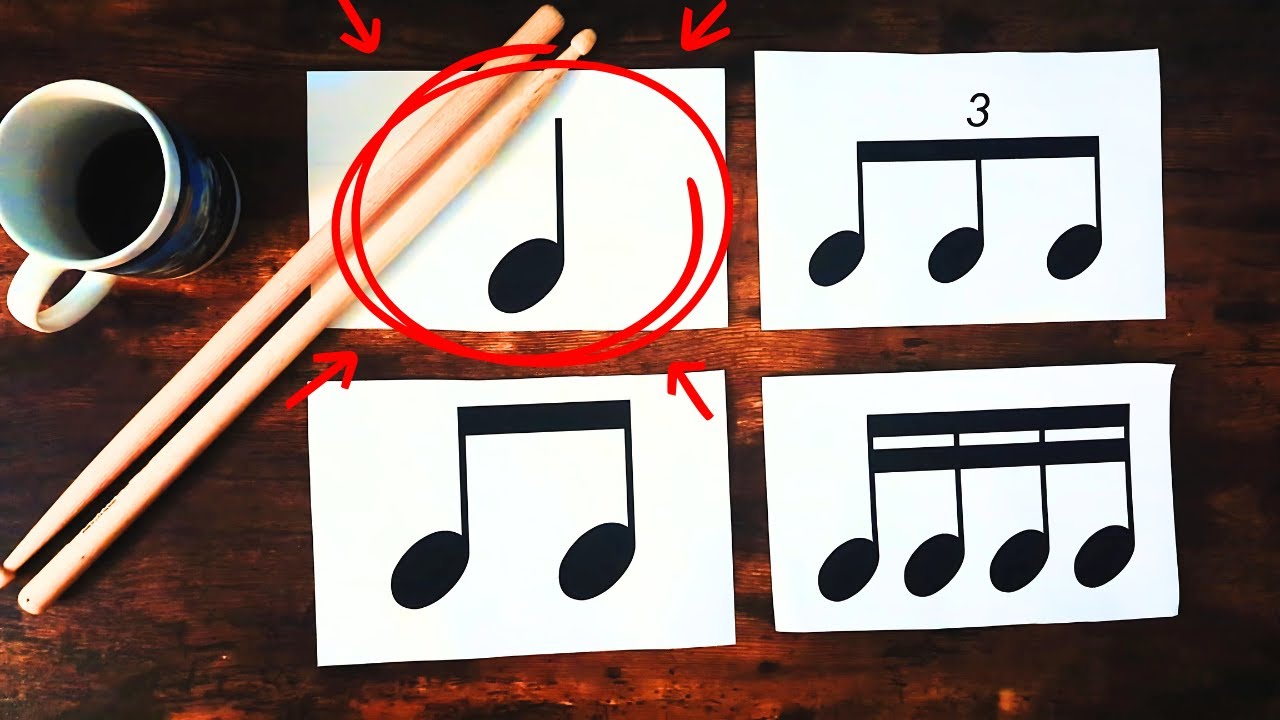
Basic knowledge of rhythmic subdivision, such as dividing a single beat into halves (eighth notes) or quarters (sixteenth notes).
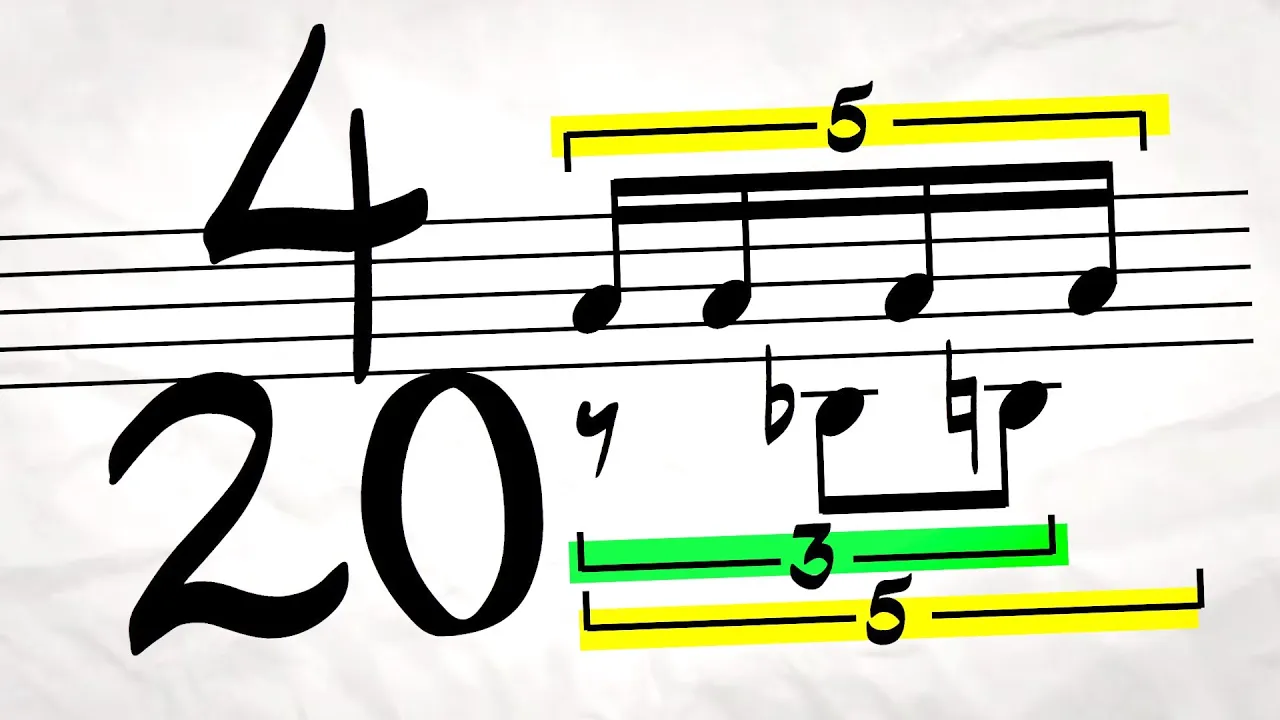
Introduction to polyrhythms (such as 3-against-4) and polymeters, where multiple rhythmic structures occur simultaneously.
The study of metric modulation, which involves transitioning between different tempos using shared note values as a pivot.
Compositional application, including writing melodies, riffs, and drum patterns that naturally flow within asymmetrical meters.
Advanced analysis of complex progressive rock, math rock, and jazz fusion compositions to study rapid time signature changes.
466.7K views21Klikes7:39Original Release: 2019-01-12
hey everyone I'm Rick biato on today's episode we're going to talk about how to count and feel odd time signatures now I know there's a lot of you that are into progressive rock that follow this channel you're into bands like rush and tulle and periphery and animals as leaders and yes and Genesis and all types of progressive rock I've talked about odd time signatures in certain videos for example uh my video Tool Schism video where it has a lot of um changing time signatures but I haven't actually talked about how to count and feel an odd time signature meaning what is my process or how do you figure them out now many times you can tell it's in an odd time just because you're tapping along with it and you can feel that the time turns around somewhere okay so then it's a matter of figuring out okay what are the elements that make up this time signature I want to play a tune by a band called Pini this is a an Australian guitarist that fronts this band I was listening to them the other day I actually first heard about them I think from Steve VI a couple years ago and I was listening on Spotify to their first tune the other day and it's called electric sunrise and it starts out and it's obviously in an odd time and I thought this would be actually a good tune to talk about about how you actually figure out what the meter is so let's take a listen okay I can already tell it's not in 44 [Music] okay so I know it's a regular pattern meaning that it keeps recurring so now I have to figure out what the additive pattern is meaning what are the groupings of threes and twos are in this [Music] so breaking it up into twos and threes I would count it like this 1 2 3 1 2 3 1 2 3 1 2 1 2 let's see if that works 1 2 3 1 2 3 1 2 3 4 1 2 3 1 2 3 1 2 3 1 2 3 4 1 2 3 1 2 3 1 2 3 1 2 1 so I would say that that is a 138 that's my first impression on how to count this let's check out when the main Melody comes in 2 3 4 you'll notice even the drums are going B bomb at the end of the phas check it out Love That Let's Take a look at the rift I've just transcribed it and see if it lines up with a 138 pattern okay let me play it slowly [Music] first that's the first line and the second line [Music] [Applause] goes if I play it up to Tempo it goes something like this [Music] okay if you look at the groupings here if I take these 16th notes and then subdivide into eths and use the high E flat as the target note you'll see you have the groupings of 3 plus 3 + 3 + 2 + 2 or you could look at it as 3 + 3 + 3 + 4 if you add those together it equals 13 or 138 notes so if you look at the way I've broken this down I've taken the 16th notes broken them into e and looked at the groupings using that high E flat each time as the way that you're feeling these different groupings because that every time that E flat hits it's the beginning of a new group so three groups of 38th notes okay which is nine and then you have a group of four eighth notes so 9 and four is 13 or you can look at it as 33322 I think it's easier to think of it as 3334 one 2 3 1 2 3 1 2 3 1 2 3 4 1 2 3 1 2 3 1 2 3 1 2 3 4 1 [Music] now the difference between writing it and feeling it are two different things I think it's easier to feel it in the way that they're playing it [Music] [Music] like one of the cool things about this tune is it goes through 138 in the intro into a halftime feel for the Riff and then the solo check it out two 3 4 1 2 3 4 1 2 3 4 1 [Music] 2 then this part is still in halftime 5 2 3 4 1 2 3 4 1 1 2 3 4 1 2 3 4 two solo when you think of halftime don't think of halftime necessarily as a Slowdown it's just where your snare is not on two and four one two three 4 one two three four right because you got that high at da da so remember there's many different ways of feeling an odd time signature 54 time can be 2 + 3 or 3 + 2 74 can be 2 + 2 + 3 it can be 2 + 3 + 2 and 3 + 2 + 2 so what you need to be able to do is to subdivide and break the meter down into where it feels natural where the natural subdivisions are in it sometimes they're not always obvious and sometimes they shift sometimes you'll have you know a seven where it'll be 2 32 and then it'll go to 32 to for example so always be aware of that and these are ways to think when you're playing in an odd time now when you have multiple odd time signatures if you're going from 5 to 7 to 11 then you really have to count we'll talk more about that in future episodes until then please subscribe here give the video a thumbs up if you're interested in the Bato book you go to my website at www.ri bato.com and if you really want want to support the channel even more think about becoming a member of the B Club you can find the info on my website as well thanks for watching
Up Next

5:58
Funk Guitar in 7/8 Time: Ross Bolton's Groove Breakdown
@guitarworld
214.8K views•2010-06-07

10:20
Mozart's Musical Dice Game Explained: History, Rules, & Fun
@webpianoacademy
5K views•2023-03-13
7:07
Unlocking Phrygian Dominant: Scales, Chords & Film Scoring
@RickBeato
360.6K views•2022-09-01
10:49
Understanding John Coltrane's Giant Steps: A Music Theory Analysis
@Vox
10.4M views•2018-11-12
Related Study Plans & Knowledge Roadmaps
Structured learning paths in Music Theory
music-theory
Composing Galant Music: Partimento & Schemata
01Foundations of Figured Bass and Keyboard Harmony
02The Rule of the Octave (Regola dell'Ottava)
03Galant Schemata: The Building Blocks of Form
+ 2 more learning modules
30h5 modules
Explore Roadmap
music-theory
Decoding Overtone Series: Tuning & Drone Music
01Acoustic Foundations: The Physics of the Overtone Series
02Tuning Systems: Equal Temperament vs. Just Intonation
03Microtonality and Spectralism: Beyond Standard Pitches
+ 2 more learning modules
24h5 modules
Explore Roadmap
music-theory
Impressionist Harmony: Scales, Planing & RPGs
01Foundational Music Theory: Keys, Intervals, and Seventh Chords
02Impressionist Color: Chord Planing and Parallel Harmony
03Whimsical Textures: Pentatonic Cascades and Whole-Tone Scales
+ 1 more learning modules
14h4 modules
Explore Roadmap
music-theory
Negative Harmony: Axis Reflection in Indie Pop
01Music Theory Foundations: Scales, Intervals, and Triads
02Functional Harmony and the Circle of Fifths
03Demystifying the Negative Harmony Axis Reflection
+ 2 more learning modules
16h5 modules
Explore Roadmap