




















![[MDCAT/ECAT] Chemical Kinetics in One Shot (PMC Syllabus - 2022)](https://i.ytimg.com/vi/_HH_u3_X0V0/maxresdefault.jpg)

The Arrhenius equation (K = A × e^(-EA/RT)) describes how the rate constant K of a chemical reaction depends on the activation energy EA, temperature T, and the frequency factor A, where R is the gas constant (8.3145 J/mol·K); this equation can be rearranged into linear form (ln K = -EA/R × 1/T + ln A) for graphing purposes, and further transformed into practical forms for calculating rate constants at different temperatures or determining activation energy from experimental data.
Arrhenius Equation: Activation Energy, Rate Constant K
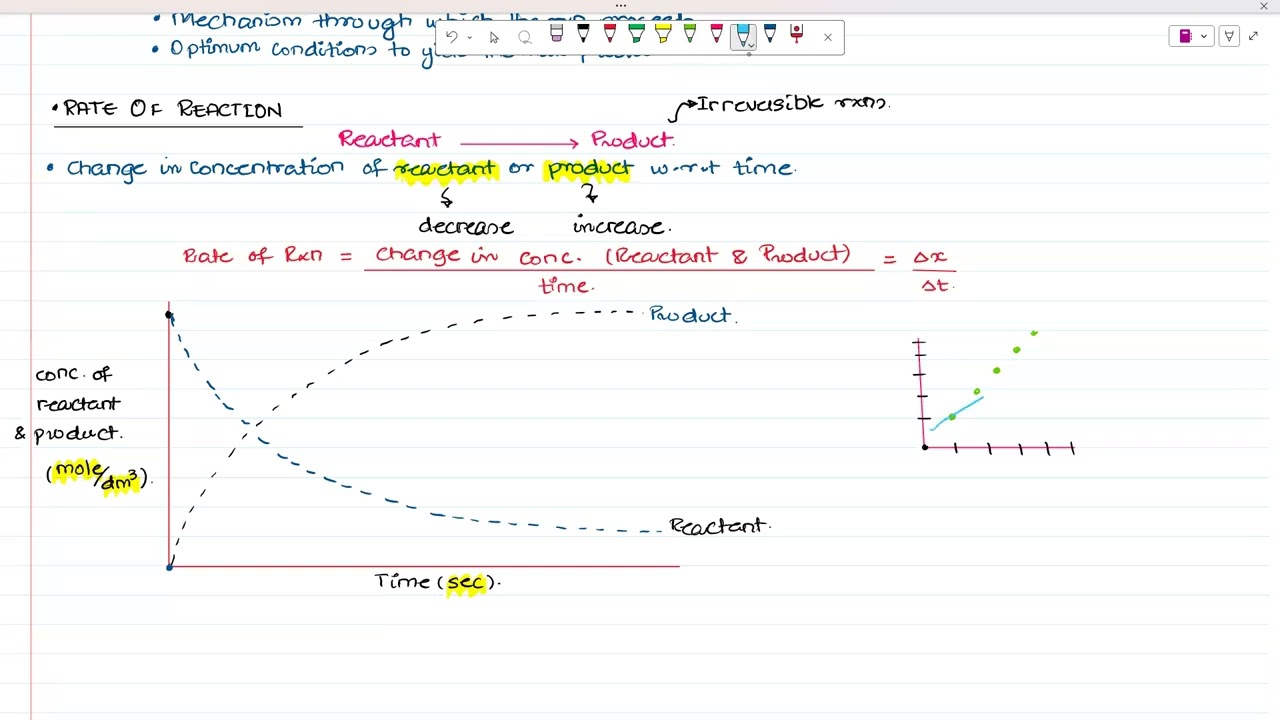
Added:Fundamental chemical kinetics, including how reaction rates are defined and how rate laws express the relationship between concentration and rate.
Collision Theory of chemical reactions, which states that reactant molecules must collide with sufficient kinetic energy and correct orientation to react.
The concept of potential energy diagrams, showing the energy pathway from reactants to transition states and products.
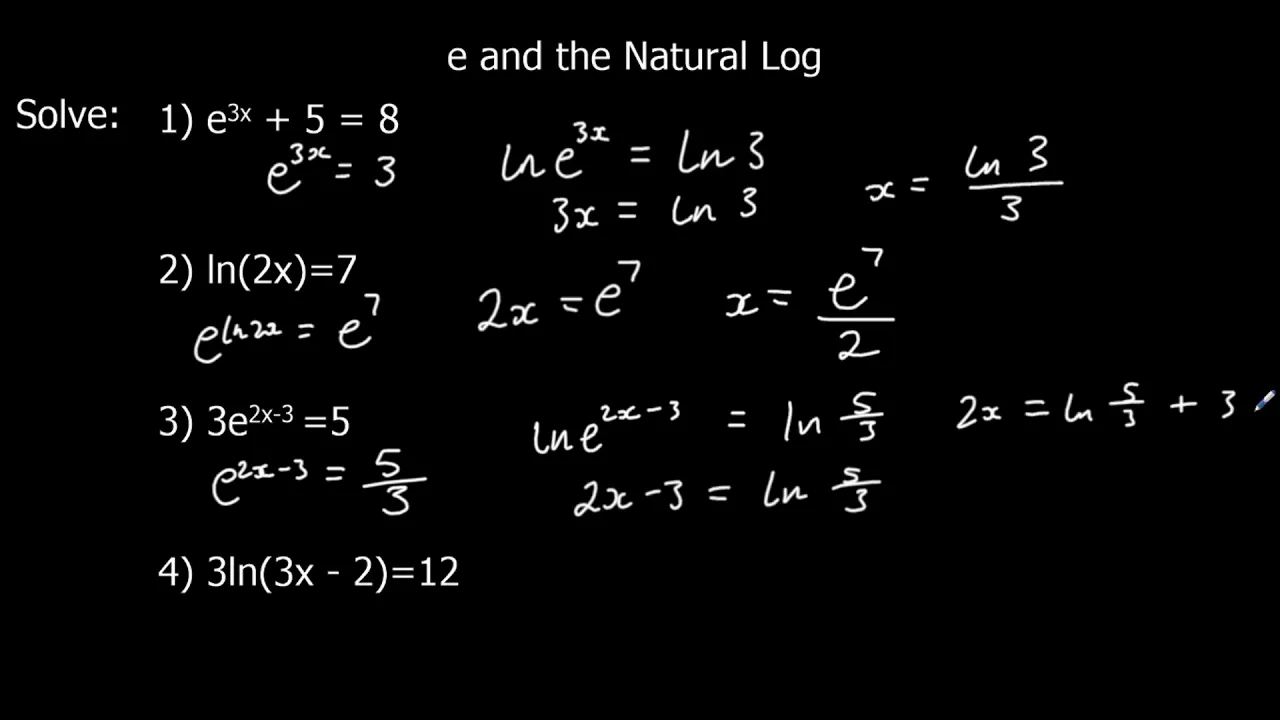
Mathematical proficiency with natural logarithms (ln), exponential functions (e), and rearranging linear equations into the y = mx + b format.
Reaction mechanisms, including multi-step reactions, reaction intermediates, and identifying the rate-determining step.
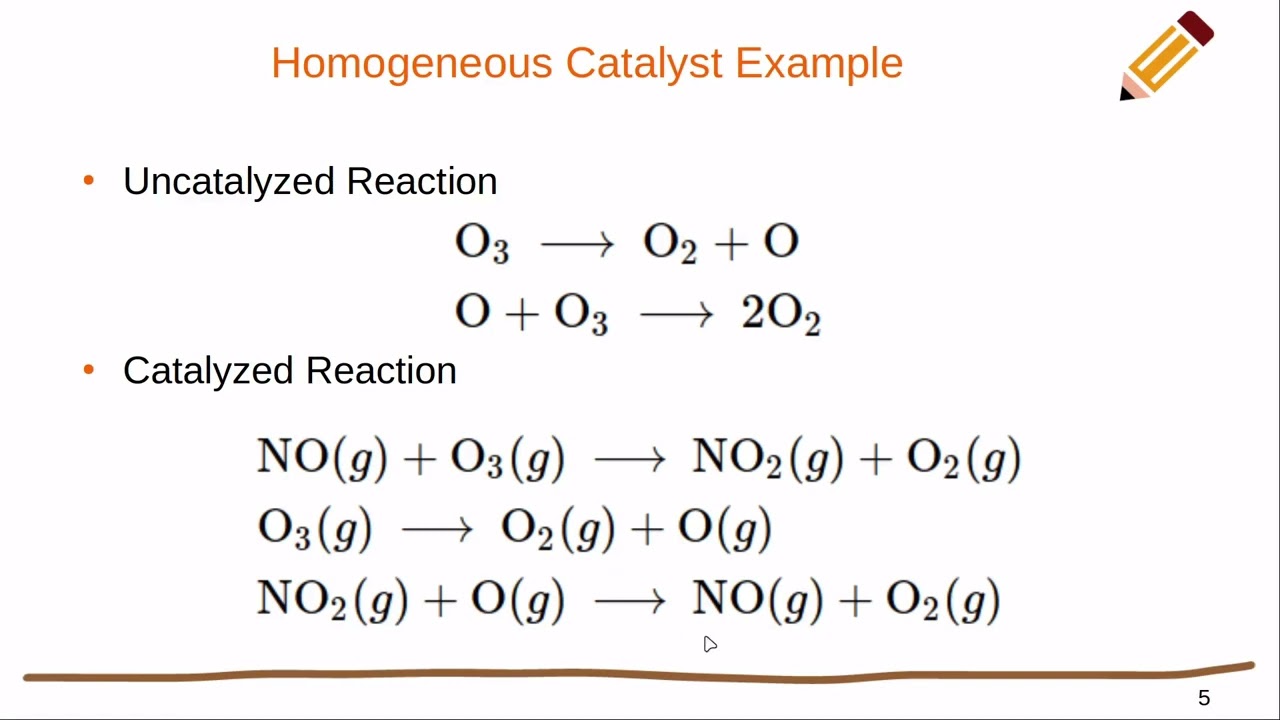
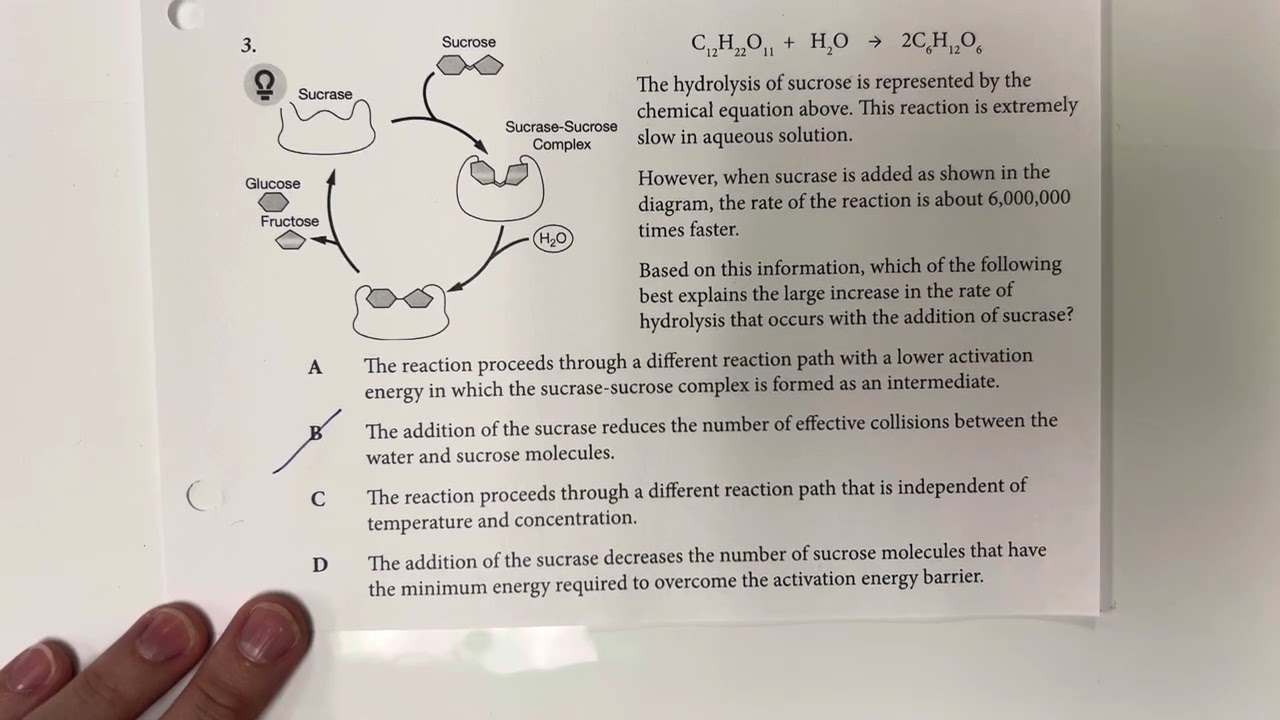
The chemistry of catalysis, specifically how catalysts provide alternative pathways with lower activation energies to speed up reactions.
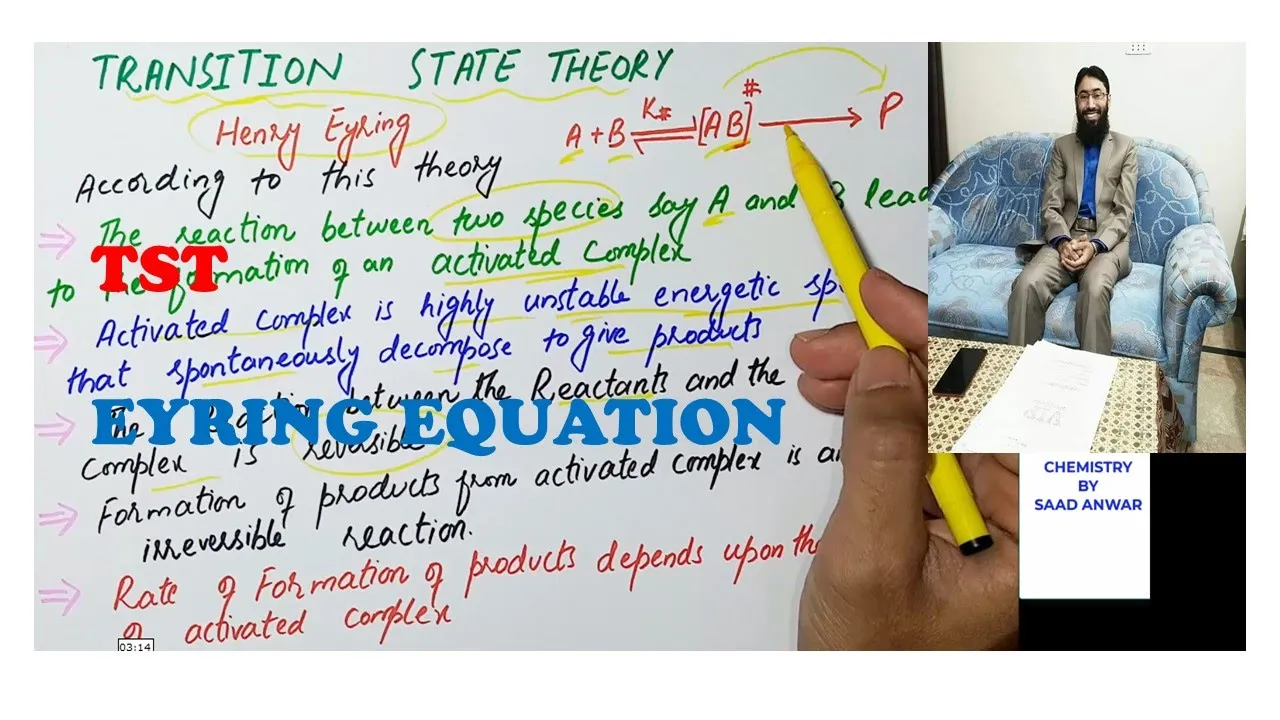
Transition State Theory and the Eyring equation, which offer a more advanced, thermodynamic treatment of reaction rates beyond the empirical Arrhenius equation.
Industrial applications of kinetics, such as designing chemical reactors, predicting the shelf life of pharmaceuticals, or studying atmospheric chemistry.
731.1K views9.4Klikes17:21Original Release: 2016-07-13
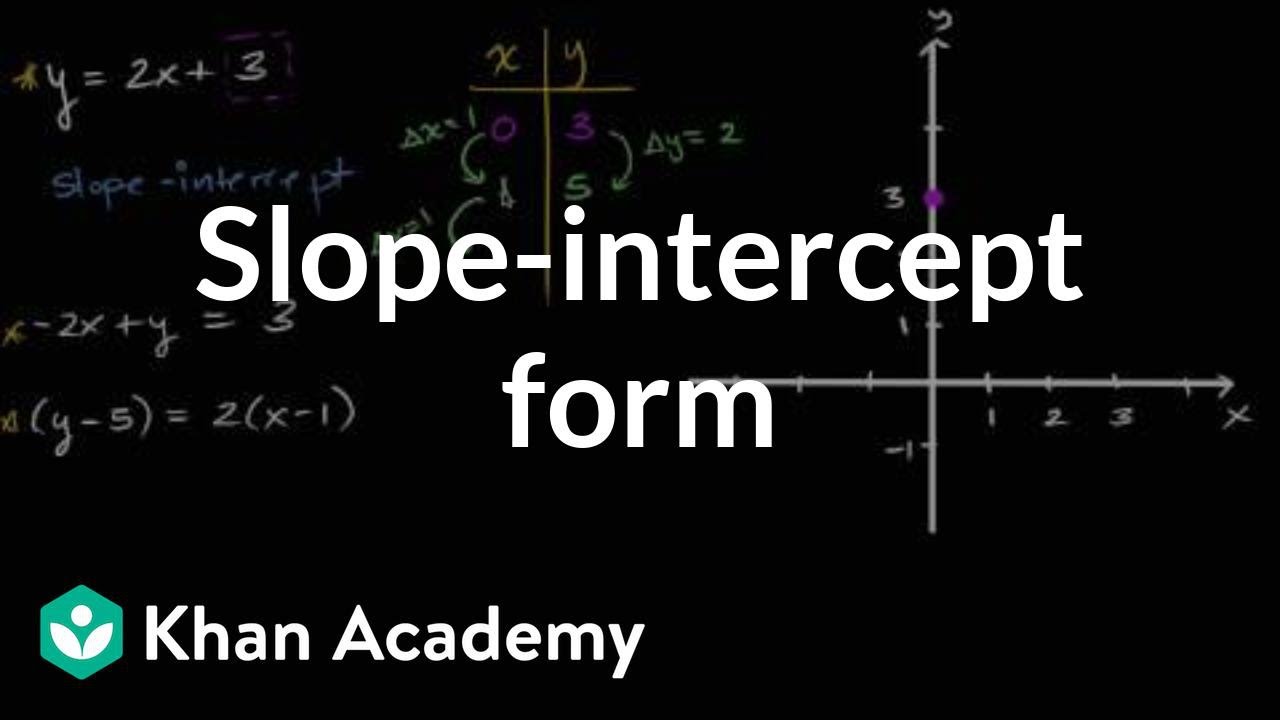
in this video we're going to go over the AR ranous equation where K or the rate constant K is equal to a * e raised to the E A / RT so what do these variables mean a is the frequency factor a is equal to Z times P where Z is the Collision frequency and P is the steric factor but for the most part for a typical chemical kinetics question you really don't have to worry about a or Z or P EA is the activation energy that's how much energy you need to get the reaction started we're going to talk a lot about that now R is the energy constant and it's equal to 8.3145 and the units are Jewels per mole per Kelvin so therefore temperature is measured in kelvin you don't want to plug in the Celsius temperature in this equation the activation energy has the units Jews per mole it has to match with the units of R now we need to understand the relationship between temperature and and K and activation energy but before we do that you need to know how K plays a role in the rate law expression let's say if we have this rate law expression rate is equal to K * a is this A first order reaction second order or is it a zero order reaction what would you say now the exponent of a is one so it's a first order reaction which means that that if you double the concentration of reactant a the rate of the reaction will double if you quadruple the concentration of a the rate will quadruple so anytime you increase the concentration of a reactant if it's first order or second order the rate will increase now if it's a zero order reaction if you increase the concentration of that reactant the rate will not increase if it's zero order because let's say if you doubled it two to the0 power is one now if you double or if you increase the rate constant K what's going to happen to the rate of the reaction will it increase or decrease if you increase the rate constant K the rate of the reaction will go up now as you mentioned from the our heus equation K depends on the activation energy which is EA and it depends on the temperature so if you can increase the temperature the rate constant K will go up however if you decrease the activation energy the rate constant K will also go up now typically when you increase the numerator the value of the whole fraction goes up but since it's on the exponent and sits there's a negative sign it's kind of opposite to that usual Trend so it turns out when you decrease the activation energy the rate of the reaction goes up because K goes up now let's draw a potential energy diagram so here we have the reactants the products and this is the transition state also known as the activated complex the activation energy or at least the forward activation energy is the difference between the energy of the reactants and the activated complex the reverse activation energy is the difference between the activated complex and the energy of the products Delta H the enthropy of the reaction is the products minus the reactants now what's going to happen if we add a catalyst to this reaction what would a catalyst do now you know Catalyst speeds up a reaction but how exactly does it do that well what a catalyst does it lowers the activation energy and it does so by providing the reaction an alternative pathway another way to get to the products and so that's how it lowers the activation energy by the way that reaction is it exothermic or endothermic anytime the products have less energy than the reactants they're low in energy it's an exothermic reaction now anytime you add a catalyst the activation energy decreases when the activation energy decreases the rate con K goes up and whenever K goes up the rate of the reaction goes up as well when you increase the temperature the rate constant K goes up and therefore the rate of the reaction will go up as well now if you increase the concentration of a reactant if it's first order or second order and if it's not zero order then K will stay the same K is not affected by the concentration however the rate will increase if you increase the concentration of the reactant because the rate depends on k and a concentration of a if it's a first or second order reaction so if you increase the concentration or if you raise the temperature or if you add a catalyst you can increase the rate of the reaction so now let's say if we start from this equation the uranous equation we're going to do is we're going to take the natural log of both sides starting from this equation we're going to come up with a few other equations where if you're solving a problem it might be useful to know those equations so right now we're going to have the natural log of K is equal to uh the natural log of a * e raised to the other stuff now a property of natural logs can allow us to separate a single log into two logs for example Ln a * Ln or Ln a * B is equal to Ln a plus Ln B so this is going to be like a and this is going to be like B so we're going to separate it into two um separate natural logs so on the right side we're going to have uh LNA a plus Ln e raised to the E A over RT now another property of logs is you're allowed to move the exponent to the front so this is equal to 2 natural log a so let's take this exponent and let's move it to the front so right now we have Ln K is equal to LNA a and then it's going to be minus E A over RT * Ln e the natural log of e is one so that's going to disappear and I'm going to switch these two so what we now have is uh natural log of K is equal to EA over RT plus natural log of a now I'm going to put this in slope intercept form so Ln K is equal to E A over R Time 1 / T which is the same as EA over RT so this is like Y and this is m x plus b it's in slope intercept form so L and K is y the slope is negative EA over r m is the slope in the slope intercept form equation and one / T is X and the Y intercept which is B is l and a so if we were to graph this function since LM K represents y we can put that on the Y AIS and 1 / T represents X so we can put that on the x axis and the slope is negative so it should we should get a straight line but going down and so therefore as 1 /t increases Ln K decreases which means that K decreases if L and K Goes Down K goes down as well so if T increases T is the reciprocal of one/ T that means Ln K increases which mean k goes up that's why we can say that as you increase the temperature the rate constant K goes up and the rate of the reaction goes up as well now there's some other things to know um about this equation and one of those things that you want to know is the slope we said that the slope which is m is equal to E A over R so if you ever need to find the activation energy the activation energy is R * the slope so if you can find a slope with this line by doing R over one or you know by using equation Y2 - y1 is equal to X2 - X1 well you can calculate the activation energy but using that equation we're going to get another equation so here's what we're going to do let's replace M with what it equals negative E A over R so e a/ r is equal to this thing R over run now Y is associated with Ln K so it's going to be Ln K2 minus Ln K1 which is like Y2 minus y1 now X is associated with 1 over T so it's X2 is going to be 1 over T2 and X1 is going to be one over T1 now let's uh make some space now keep in mind Ln a plus lnb was Ln a * B now turns out that Ln a minus lnb is Ln a / B so using that fact Ln K2 minus Ln K1 is Ln K2 / K1 and if we so we have that and then 1 over T2 - 1 over T1 and if we multiply both sides by r or negative R these will cancel and so the activation energy is equal to R times this whole equation now you might have seen this equation differently perhaps you've seen this equation like this Ln K2 over K1 is equal to EA / R * 1 / T2 - 1/ T1 if you rearrange the equation you can get this equation this is like the standard form of the arous equation now if you need to solve for K here's what we need to do let's say if you have Ln a equals B the base of Ln is e e ra to the B is equal to a so you can change it to this equation so using that fact this natural log has a base e so e raised to everything on the right side is equal to to everything inside so that means that K2 over K1 is equal to e raised to the EA over R * 1 / T2 - 1/ T1 and if we multiply both sides by K1 this is how you could solve for the rate constant K2 so K2 is equal to K1 * e raised to the netive EA / R * 1 / T1 - 1/ T2 and make sure if you want to find a rate constant K the activation energy must be in Jews per mole don't plug in kles or you will get the answer wrong and keep in mind one KJ is a th000 Jew so to go from kles to Jews multiply by th000 if you needs to go from Jews to kles divide by th000 so now you know how to find the rate constant K and we use the other equation to find the activation energy so now sometimes you may need to find the temperature so let's see if we can rearrange the equation to get the temperature so let's start with this equation so in addition to the last form you also want to remember this form of the equation so let's multiply both sides sides by R over EA so on the left side we're going to have R Ln K2 over K1 and then it's going to be divided by EA on the right side well let's add the negative sign as well so negative R so the negative will cancel R will cancel and EA will cancel on the right side so we have 1 over T2 - 1 over T1 so what I'm going to do now is I'm going to take this term and move it to this side so one / T1 is negative on the right side but it's going to be positive on the left side if you add one over T1 to both sides so 1/ T1 minus r Ln K2 divid K1 / EA is equal to 1 / T2 so therefore if we raise both sides to the Nega one 1 over T2 is going to flip to T2 so here's the other form of the equation if you need to calculate the temperature use this it's going to be 1 / T1 minus r Ln K2 / K1 which is equal to well divided by EA and then raised to the minus one so that's what you need if you need to find the temperature let's put all the equations together and if you need to find a rate constant K use this equation it's going to be K1 * e raised to the E A over R and then 1 / T2 - 1 T1 and in order to find the activation energy we said that the activation energy is equal to R Ln K2 / K1 there's a negative sign in front of the r and it's going to be divided by 1 1/ T2 - 1/ T1 so now you have the three forms of the equation so if you need to find the temperature use the first one if you need to find a rate constant K use the second and if you need to find the activation energy use the third and that is it for this video so thanks for watching and uh have a great day
Up Next

10:33
The Global Carbon Cycle: Chemistry Explained
@crashcourse
1.3M views•2014-01-13
83:56
Biocatalysis and Catalysis in Islatravir Synthesis | Merck Webinar
@SCIwheresciencemeetsbusiness
675 views•2020-10-08
45:35
Intermolecular Forces: Hydrogen Bonding, Dipole-Dipole, Ion-Dipole
@TheOrganicChemistryTutor
2.5M views•2016-06-17

17:31
Edible Water Bottles: A DIY Guide to Sodium Alginate Spherification
@ryan
10.5M views•2019-06-21
Related Study Plans & Knowledge Roadmaps
Structured learning paths in Chemistry
chemistry
Nuclear Chemistry: Decay, Meds & Fuel Cycle
01Introduction to Nuclear Structure and Radioactivity
02Decay Dynamics and Kinetics
03Radiation Interaction and Detection
+ 2 more learning modules
24h5 modules
Explore Roadmap
chemistry
Supramolecular Chemistry: Forces & Machines
01Foundations of Chemical Bonding and Intermolecular Forces
02Introduction to Host-Guest Chemistry
03Thermodynamics and Dynamics of Self-Assembly
+ 2 more learning modules
16h5 modules
Explore Roadmap
chemistry
Photochemistry: Excited States & Reactions
01Foundations of Light-Matter Interactions
02Molecular Orbitals and Electronic States
03Photophysical Processes and Jablonski Diagrams
+ 2 more learning modules
18h5 modules
Explore Roadmap
chemistry
Coordination Chemistry: Bonding & Properties
01Introduction to Transition Metals and Ligands
02Crystal Field Theory (CFT) and Geometry
03Magnetic Behavior and Spin States
+ 2 more learning modules
14h5 modules
Explore Roadmap