





















Taxes significantly influence both government revenue and individual economic behavior, with progressive taxation systems where higher-income individuals pay proportionally more in taxes, while tax policies like Value Added Taxes (VATs) can efficiently raise revenue by taxing consumption rather than income, though they may discourage work and savings; additionally, tax rates affect economic decisions such that higher rates can reduce reported income through deductions and avoidance strategies, and the optimal tax rate balances revenue generation against behavioral distortions.
Understanding Taxes: Economic Impact & Policy Trade-offs
Added:Basic microeconomic principles, specifically supply and demand curves and how market equilibrium is established.
The concept of price elasticity of demand and supply, which dictates how consumers and producers react to price changes.
An introductory understanding of fiscal policy, including how governments generate revenue and manage budget deficits.
The fundamental distinction between direct taxes (such as income tax) and indirect taxes (such as sales tax).
Tax Incidence analysis, to determine who actually bears the economic burden of different taxes (e.g., corporations vs. consumers).
Optimal Taxation Theory, which explores how to design tax systems that maximize economic efficiency and social welfare.
Comparative public finance, examining the structural differences and trade-offs between US-style tax systems and European-style VAT systems.
The political economy of tax reform, focusing on how public choice theory and interest groups influence real-world fiscal policymaking.
3.5K views9likes1:08:27Original Release: 2010-11-08
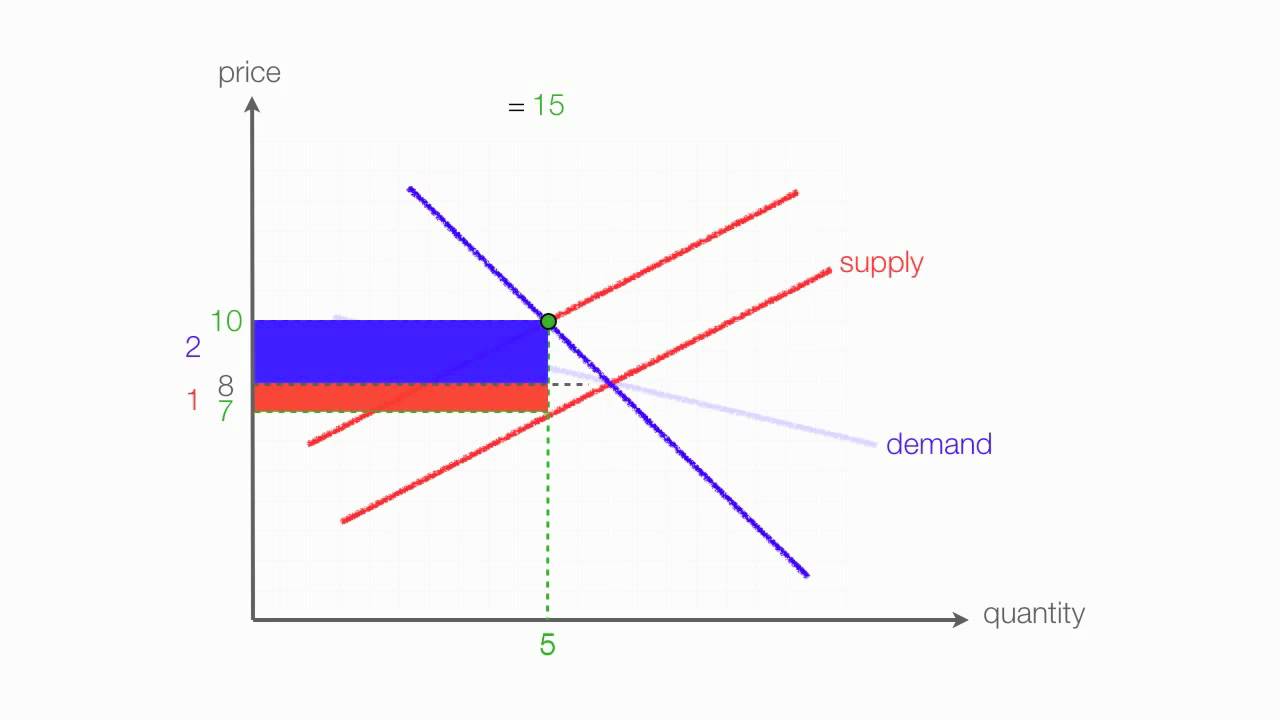
[Applause] well as an economist I'm uh supposed to tell you a lot of bad news so let me start off with pointing out that as you know you are not living through the usual recession um and we know now what Financial crises are like and how they are very different from run-of-the-mill recessions uh some people like to look at the US and treat it as if it's its own country that what happens here can't be compared to what happens anywhere else um my colleagues and I in economics are are not not convinced of that um Carmen Reinhardt and Ken rogoff both great famous economists um have written a new book that sums up a lot of This research about what how Financial crises are so different from normal recessions and one of the insights they come up with along the way is they found out that government tax revenues tend to plummet after financial crisis and stay low for years and years years and years so um so by financial crisis we mean something that's you know where the banking system collapses or there have to be bailouts or the stock market plummets and there's massive government intervention afterwards these kinds of things things that happened in the US in the last couple of years things that happened in East Asia in the late 90s things that happened in Japan in the early 90s and in Sweden in the late 80s um what we know is that uh in the few years this is just the three years after a financial crisis in the typical country the value of government debt tends to explode by an average of 86% so almost doubling in just three years right and in the US there's a lot of people are noticing wow the debts going up wow deficits are really big um what's this caused by is this caused by big collapses in government revenues or is it caused by big extra government spending um well Reinhardt and rogoff looking around the world noticed that the main cause is the inevitable collapse in tax revenues looking at the US experience we fit in with that just fine um we we like the Japanese after their crisis um and unlike many other countries went on a big government spending binge uh but that's still not big enough to explain what's going on so um this book's been a a great seller if you want to get a good sense of what Financial crises are like um just as medical doctors need to know uh what a cold is like a flu is like and the way you learn that isn't by just talking to one person or asking for a couple of anecdotes you look at a lot of data here Reinhardt and rogov looked at eight centuries of financial Folly and summed it all up so uh you'll certainly be hearing a lot about this book in the next few years so there's going to be a lot less Revenue um here I uh took a slide from the CBO director Congressional budget office director Elman dorf's uh presentation he has been giving great and very candid presentations about the longrun fiscal state of the United States um CBO Publications for years have done a good job reminding uh trying to remind members of Congress and their staffs about the long run um commitments that that your bosses have made and how difficult it will be to keep those over the next few decades um so so here um Elmendorf does something which is a little unusual for uh the CBO and and very practical they just he just assumes let's let's usually the CBO when they project the future that by law they have to project by saying we have to act as undercurrent law so we have to assume for instance under current law all of the tax cuts all the Bush tax cuts expire in the end of this year um by law they have to assume that the AMT fix is not going to be plugged in by law they have to assume the doc fix won't get renewed that's the standard CBO set of rules here um he does something that's normal that's common sense which is he says let's see what re government revenues will be like if we just keep doing what we've been doing lately renew the usual things that we usually wait until the last minute to renew so here he says here's the dark blue line tells us what government revenues will look like over the next decade or so and it's a projection it's a forecast forecasts are noisy but assuming that the Bush tax cuts are extended and the Alternative Minimum Tax the AMT um keeps being indexed uh keeps being uh bumped up and in this case index for inflation I think that's what he's indexing it for inflation and um the Blue Line isn't all the light blue line isn't all government spending it's um just basically the the things that we talk about it's the Medicare Medicaid Social Security defense and net interest things that most of us in this room think just well you're going to have to keep that promise one way or the other um and as you can see um you know just for the next couple of years um government tax revenues just aren't going to be enough to or haven't been enough to cover um even those those core programs and so we've been borrowing to pay for the rest but uh even after the CBO thinks the recovery is going to kick in and revenues are going to start drifting back up again you see that um in a few years by the end of the decade uh we'll be in a world where once again the entire Federal take income taxes Social Security taxes corporate income taxes will not be enough to cover just Medicare Medicaid Social Security defense and uh interest on the debt so um so if there are other parts of government you want to pay for um you know you better I don't know start taking a collection um now one thing I should point out is that the cbo's Assumption the cbo's forecast about um how revenues are going to recover you can see CBO is noticing here boom they they notice a big collapse in revenues and they're assuming things are going to kind of bottom out for this year and then they'll start recovering uh but they see this big big recovery in 2011 I'm not that confident a lot of my colleagues are not that confident they think that's a little bit a bit of a Rosy scenario but not by much um their their projections are still in turn a bit more opt a bit more pessimistic than the administration's forecast the administration's forecast thinks that we're basically in a normal recession where when things go down they come right back up quickly um the CBO isn't quite as sanguin they think things go down they're going to bottom out for a while and then sort of drift back up um the experience of Japan not not as good as this so if you want to know what the normal us tax take is like for the federal government it's a remarkably stable number 18% we don't get many nice round numbers in econ but this one has one that's basically held true since the end of World War II well basically since the Korean War so 48 is where economists sort of start thinking of a return that as a return to normal life from 48 to you know couple of weeks ago the longrun average take of the government is 18% it's almost like there's an iron law it's not a law of Economics really of course it's a law of politics it's a law of what your B have helped create right there seems to be some process at work in in the American political system not an economic law really more of a political law that 18 is the number it drifts up to if it gets higher than that it seems to kind of head back down to 18 it got up to about 20 21 during the late Clinton years as the economy really boomed and the government brought in a lot of capital gains and a lot of investment and a lot of high income Revenue a lot of income from the rich during during the Clinton years drifted up to 21 it's drifting back down now to drifting down to a super low level about 15 um but the CBO thinks that their best guess is you know um director elmor's best guess is in the long run we go we go back to 18 my hunch is it takes a little longer than they think but I'm that's arguing over quibbles so 18 is what you got unless something really big changes in the American political life so um let's get a let give you a sense of who's actually paying these taxes here I'm not looking at federal income taxes a lot of people um like to hear about um who pays the federal income tax as you know the bottom half of households on average pay very little federal income tax because of the standard deduction because of the child tax credit because of mortgage interest deductions because of the Earned Income Tax Credit the the majority of people in the bottom half of the income distribution pay very little Federal Income 1040 type taxes but that's not the only tax there's Social Security taxes there's Federal excise taxes on things like alcohol and tobacco um there's uh corporate income taxes that people pay indirectly um there's tariffs that you pay on some imports from foreign countries so um so let's add so what this does is this adds all of that in this from comes from the CBO if you want a One-Stop shop for this I'm amazed I I'm not normally a tax guy in my day-to-day life now I'm a macroeconomist I focus on business cycles Long Run growth I um still keep an eye on the tax system but I dive into this every every few months and look at it and I'm amazed at how the um tax policy Center keeps fantastic data on their website I was um it's a their website is tax policy center.org it's a joint project of Brookings and the urban Institute and it's just fantastic data regardless of your political leanings it's just they then they pull data from CBO they pull data from IRS um the most sort of the most exciting maybe maybe not the most noble part of their website but the most exciting part to read is their summaries of the uh income tax forms of the 400 richest Americans every year so they have a nice little summary of here's what their incomes are like here's what their standard deduction here's what their deductions are like here's what their capital gains are like it's all a breakdown of the 400 richest Americans every year the surprising thing about that number that you should keep in mind when thinking about what it means to tax the rich is that um the 400 is a basically a different group every year the top 400 is a different group they looked over uh 12 years of data I think it was might have been 15 12 years of data let's say it was and there were actually 2400 people 2400 different families in this group of the 400 richest families over this 12year period so only a few families only a few individuals were were repeats for more than um more than two years only a tiny number were repeats for more than three years so it's the 400 richest Americans is a different group every year so it's not quite uh according to the IRS according to tax statistics um so things in the real world are not as stable as you would think from reading the Forbes 400 list or something like that so with that in mind this is just breaking it down by quintiles quintiles are 20% so this is the lowest 20% the middle the highest 20% um the gray bar is their share of federal tax liability ities and the uh blue bar is their share of before tax income um and as you can see so the um the top 20% of Americans earn about 58 or so percent of the income and they pay about 70 or so% of all federal taxes federal including income Social Security and the rest um people in the lowest quintile we often hear that um people in the lowest quintile certainly do pay taxes they're not just just because they're getting away with not paying Federal income tax doesn't mean they're not paying tax but um that bar is pretty low it's it's still positive it you can might be able to see I think it's like one pixel on the screen so maybe it's two pixels I'm not sure depends on what the resolution is to use so but you can see that the lowest quintile is um getting a great deal from from their government uh presumably I mean it's a little bit of a judgment call whether they're getting a great deal or not but they're not paying that much of course a fact keep in mind is what's go what I said about the top is also true at the bottom just at the people at the top 400 isn't the same list every year similarly the people in the bottom quintile aren't the same folks every year people bounce back and forth bouncing between two quintiles over the course of your life very common bouncing over three from year to year as you go from your first year out of college to getting a decent job to the year you sell a home to the year that you're sick these things bounce you around the course of normal life events um but on average you can see that our system is quite is is Progressive I don't know if it's the right level of progressivity too much or too little but it's just as a raw matter of objective fact the federal total federal tax system is is Progressive so people at the top are paying um more than their share in the income and people at the bottom are paying less um here's a broken down by um with some more facts um I want to use this to focus on the the raw dollars let's look at the top 1% which I think are a fascinating group and they're always worth talking about um that's who we spend most of our time uh reading about on Gossip websites and it's probably who we spend we spend a lot of our time talking about on when talking about tax policy um so the top 1% the average person in the top 1% is earning what uh this is 2005 data right it's reasonable to use 05 or 06 because that might have been sort of the last normal year that we've had in American history right so from 07 on there have been you know with the financial crisis it's a little hard to compare that so 05 is a nice sort of normal year in American politics so people in the top 1% earning the average person in that group I think that's the mean not the median $1.5 million let me round that I just let me round that to a million and a half dollars that's good solid money um and um the typical person in this group is paying how how much in total federal taxes um half a million dollars so I mean wow that's that's a lot of money it's I mean I mean a million and a half dollars is a lot of money that's a lot of money to make um and um so they're paying an average rate of 31% of their income in um taxes and as you can see this number uh does rise in terms of the percentages as you go higher and higher through the income distribution people at the top are paying a higher average tax rate um 31% of their income on average and the people at the bottom here lowest quintile uh 4.3% so maybe it looked a little higher than that than that chart um of their income in taxes and um so so debates about tax policy if they if they want to be about the raw amount of money people are paying or the percentage of your income again we see that it is it is Progressive I I'm not a philosopher I'm not a moral philosopher um so I'm not in a position to say what the right number should be here but um you know half million dollars is a lot of money so um and again this is all federal taxes so now there's always distinction between perception and reality right um and you might want to know what do your cons what do your boss's constituents think reality is so just this week uh one of our very talented PhD students at George Maya and defended a a really great dissertation I mean was it was a great dissertation um and what he did is he looked at how what the what public opinion says about tax policy what do typical people believe about tax policy and doesn't match up with the truth do people know how their government works uh my colleague Bri he did this under my um this dissertation was supervised by my colleague Brian Kaplan who wrote a book The Myth of the rational voter Princeton University press fantastic book got a lot of press was a financial times book of the year he pointed out that voters systematically misunderstand just the raw facts of of American politics and they also misunderstand raw facts of Economics as well um so it's hard to imagine voters making wise decisions if they don't actually understand how the system works um so it's easy to compare people it's it's easy to survey people and say how much do you think you pay in taxes and then compare it to what they actually pay right if you if you compare if you survey a bunch of low-income Americans and ask them how much do you think you pay in taxes you talk talk to the top bottom 20% and ask them then you compare it against reality are they right are they wrong so Gerald did this and um he as I said a newly minted PhD um he now works at the he's been working at the tax Foundation here in Washington DC and um I I hope this work gets some great attention um this is just one of he he wrote 100 pages with about 300 pages of tables uh this is just one little fact to pull out Americans underestimate the share of taxes paid by the rich and they overestimate the share paid by middle-income Americans so as you know if you survey Americans you probably know this if you survey Americans and ask them do you think you're middle class 80% of Americans say they're middle class right so um very few Americans say that they're part of the rich or or upper class and and very few actually also say they're poor too um so they um they over estimate the share of taxes paid by folks like themselves and they think that the rich are paying very little um he tries he tries to explain why he thinks this is going on you can come up with your own explanations he didn't have a test of this so he's sort of having to think this through on his own one of his explanations is pride Theory you want to think that you're chipping in a lot to the government alternatively you might think of it as the man is sticking at Tom man I'm always getting beaten down gosh um so and um another version of this is class delusion people want to think they're richer than they are and maybe they have a sense that the rich pay more in taxes and so they think well I'm rich but so people do systematically think they're paying more in taxes than they than they actually are people in the middle think that they're paying much more so there's a lot of lot of irrationality among among voters they really don't know how the system is working the same people who could tell you how to fix a car or the same people who could tell you um how to cook a great um omelet couldn't tell you the first thing about um how the US tax system works so um over the next few years uh certainly your bosses are going to be looking for different kinds of Revenue raisers so I'm going to talk a little bit about the different options that exist out there uh one that gets a lot of attention here is something called the value added tax um the vat um it's a consumption tax every other country in the oecd that's a rich country's Club the organization for economic cooperation development every other country except for us has a has a vat so we're the hold outs the United States this is a this is a case of American exceptionalism you know there's this comes up often in American history America is an exceptionalism Keen is certainly the go-to person for quotes uh who's done an enormous amount of research he's at the IMF uh does an enormous amount of research on that um just looking through his papers and looking through he who he cites is a a good tour so people should be bring him up on the hill talk um and he starts off a survey article a non-technical completely non-technical survey article in the top economics Journal this way if economists were to vote for their favorite tax the vat would surely be high on the list uh now the question is why I'll get to more detail on this later but for now let me say that economists in general favor consumption taxes over broad income taxes economists generally think that you should tax if you tax labor D if you tax all income you tend to get less of it whereas if your tax consumption what are you encouraging you're encouraging saving you're encouraging thinking for the future you're encouraging investment and building up machines and equipment so that you can produce more in the future so the vat is a one form form of consumption tax another form of a tax on consumption is one that we're all familiar with a a sales tax states really have these things all the time states have Most states have have sales taxes as a big Revenue Riser uh some people have proposed a national retail sales tax as a way of solving this problem um some people have proposed it uh in in a book called fair tax right um as a a complete replacement for the US income tax uh the rate to make that work would have to be around 30 some odd per apparently uh as a national retail sales tax rate um but both of the same story both both vat and a national retail sales tax are a way of getting at this problem of or a way of raising a lot of money by taxing consumers um does anyone know how a vat works and how it works differently than a sales tax who pays a sales tax who excuse me first as a matter of law who pays a sales tax well literally it's the business writing the check to the government but as as you probably know the who Bears the burden of a tax has nothing to do with who legally cuts the check right um one way you can make a business bear the burden of a tax let me think of a classic example suppose there's um if think of a think of a a I want to tax one gas station in a town or on a street corner see I've got a street corner with four gas stations and the city government decides to only put a tax on one of those four gas stations you know 10 cents a gallon is that one gas station owner going to be able to pass the tax on to the consumer at all no they're going to have to cut their price because the people go customers will just go to the other three gas stations they try to raise it more than a penny or two people just everybody goes to the other gas station so in that case the tax is borne by completely by the business owner by contrast if you taxed all if you had the imposed the same 10 cents a gallon tax on every gas station in town then they would probably be able to raise the gas tax a couple of cents they would excuse me they would be able to raise the retail price of gas a couple of cents all of the if if everybody is stuck with the same burden then they have a chance of passing it on to Consumers here's an extreme version of it which I saw in an econ textbook decades ago um the city of Washington DC actually the city tried to they thought well everybody needs to buy gasoline so we're going to tax gasoline and so they passed a big big sales tax on gasoline maybe this was in the 80s or the 70s I'm not sure when it's better it's better told just as a fable right rather than worrying about the actual fact once upon a time there was a place where so what happened afterwards you don't know the history you don't know about the story but you know what happened afterwards when Washington DC decided to raise its gas tax by a lot what do people do they bought it in Maryland Virginia so this is the core a core idea in taxation if people have good substitutes that they can switch to easily that tax isn't going to raise a lot of Revenue and it's going to hurt some Core group of people especially badly right it destroys it destroys gas stations right so if people have good alternatives to the thing that you're taxing they'll switch to it um so interestingly a lot of countries that have um so retail sales tax is legally paid just at the just at the final consumer that you see the final business so I go to the I go to the 7-Eleven the 7-Eleven charges a you know has a sales tax you know every month or so they have to cut a check to the state government maybe the county here's how much the revenue is um now when somebody has a runs a retail sales tax when a government runs a retail sales tax businesses have a pretty strong incentive to sell things under the table then right they can sell things under the table as a way to make money or even better they can just buy the stuff as business people and then keep it for themselves okay so I have uh so my personal plan if the US government ever be ever um starts a national retail sales tax is I'm going to start a small business I'm going to start a small business and my job is going to be to basically resell stuff that buy on the internet right so I should because I'll be a business person I won't have to pay the the sales tax because I'm buying it for my business right so I I'll just go and buy stuff I'll buy like well my business involves selling a bunch of clothes so I'm gonna buy a bunch of clothes I wouldn't have to pay any tax on that because this is for my business um maybe I'll buy a house because I need a house maybe I'll sell houses too I'll buy a computer I need a computer to maybe I'll sell computers too so I buy all these things and then while I keep it as I'll keep it as inventory keep it as inventory so uh my mom has a next door neighbor who's a fantastic woman and uh she does um antique she's an antique collector right so um she loves Antiques and she's actually very good at selling them and runs some runs a couple of great shops where does she keep the inventory does she keep the inventory in some closet or in some Warehouse somewhere no she keeps it in her house she keeps the thing she likes in her house that's her inventory so that's one of the great things about owning a small business is that like the inventory you're not taxed on while sitting there as an inventory that uh you don't have to pay tax on it so um I when when people Advocate the national retail sales tax I always think well if it ever happens I know what I'm going to do so national retail sales taxes just like states sales taxes are pretty easy to evade if you have your own business um to some people that's a feature not a bug so um so States generally avoid High sales tax rates for that reason they don't push them up that high because when you push them up too high there's a lot of evasion part of it is that you know people can move across state borders or whatever but um just just evading by selling under the table or starting your own business is another way to avoid it um the value added tax gets the same e to an economist not thinking of the how the government bureaucracy works but think of it as the raw economics of it a that's the very same thing um it is a tax on Final sales but instead of just taxing it all at the end you tax a little bit each at each step of the way so let's say a product um let's say there's uh there's two steps in a production process you know you somebody chops down a tree and they um f fashion it into a canoe and they sell it to a canoe salesman and the salesman the canoe salesman has a little shop and sells the canoe so two steps under a national retail sales tax the only person who has to pay tax to the government is the person running the canoe shop they pay whatever price they to the to the Forester they want and then the sales tax all just gets paid at the end under a vat how does it work under a vat it's two-step process person who makes the who chops down the tree and fashion it into a canoe say the canoe is worth 50 bucks at that point he has to pay he added $50 in value so there was $50 in value added on that canoe he sells it for $50 to the canoe shop and he has to pay a tax just on the value that he added in his step of the chain so that's what value added tax means so if it's a 10% rate $50 for the canoe he'd pay $5 to the central government so then the next step person with a canoe shop paid $50 for a canoe let's say he sells it for $75 how much value added was there I bought something for 50 I sell it for 75 I added 25 bucks in value $25 in value so all he pays tax on is not the whole 75 but just on the value added the 25 so you add you only pay a tax on the value that you add to the process so um the surpr so as you might imagine one of the from a government's point of view from a government's point of view the strength of the vat over a retail sales tax is that you only have to you collect a little bit at each step of the chain so therefore you learn therefore you don't have to worry about one person along the way just not paying you and you get nothing so another strength of the vet from the government's point of view is that people are all end up ratting on each other as part of the tax process you end up getting a lot of businesses to Spill the Beans about where their revenues are coming from who they're buying stuff from and this turns out to be very helpful in enforcing income taxes so some countries that have um actually countries governments know this right because in order to run a vat in order to run a value added tax every business wants to be really collect really great records on everything they bought from everybody why because they get to D that you only pay tax on the value you added so you want to tell people well I had to pay a lot of money for electricity I had to pay a lot of money for uh all the materials that I bought I had to pay a lot of money maybe for rent I had to pay a lot of money to a lot of people to build this process so you want to report all of your costs in turn what you're doing when you report that the government gets that data and then they the government says oh you you paid 2 million doll to this um computer firm two years ago oh that computer firm told us they only um sold a million and a half to you but you're saying it was 2 million so there's when numbers don't match up when the sales of one company don't match up with the purchases of another um that means that there's some uh discrepancy and it gives the gives your government's tax collection agencies a lot of power to go in and try to reconcile things so people have an incentive to report it's some some honesty problems um if you see those as problems so surprisingly so these are really I mean incredible Revenue generators actually the ability of the vat to sort of help rat people out on the income tax side is so strong that some countries I want to say it was Ghana I can't remember it was in kean's article actually one of keen's Articles talked about this um Keane pointed out that one country that um created a vat promised that it would not use the data from the vat and hand it over to the income tax side so they promised like an iron wall you know uh a steel wall between the income tax side of the tax government tax agency and the vat side we promise not to share information we know this information is very powerful and we promise not to share it so um another thing that happens with Vats is that most countries that have Vats end up carving out exceptions some carve it out for medical care oh we we don't want to have a sales tax on Medical Care oh we don't want to have a sales tax for basic food oh we don't want to have a sales tax for whatever um so Britain has the most holes in their vet of any of the rich countries uh that have them they have a you know you're taxing some things you're not taxing other things you by now know what that means it means people just shift their purchases over over to whatever is not being taxed oh so you're not going to tax food but you are going to tax uh movie tickets okay I guess my friends and I have more dinner parties and less nights at the movies so you're using the tax system to change the way people live their lives especially when it's a 20 or 30% tax rate 15 12 to 15 is more common once it starts getting up higher than that you can imagine people start building their lives around um so uh Keen noted that um the vat tends to be an incredibly efficient Revenue raiser I think I might have used this phrase already that it seems to be a money machine for a lot of governments uh to some people that's a feature and to some people that's a bug uh my colleague at um George Mason uh the Nobel Prize winner Jim Buchanan wrote back decades ago an our a book with um uh Brennan Brennan and Buchanan they wrote a number of Articles and a book on this topic and they argued that for political economy reasons for political reasons they thought that it was a bad idea to create a tax system that was too efficient because if you create one that's too efficient then government will tend to keep the tax revenue for itself use it for its own selfish purposes and it will tend to not use it for um the best interest of the citizens so an efficient tax system in the Buchanan worldview is a bit of a bug not a feature um to others though um if you if you think that the government tends to pick its make its choices wisely then you're more comfortable saying well let's just have the best tax system that works let's we've got to we're going to spend some stuff we've already decided we've got a bunch of old people and they're going to keep getting older we're going to pay for the healthcare we don't want to pull the plug on them how are we going to raise the money for that well this thing works so some people so the big choice that you you and your bosses are going to face over the next decade is um as government spending is rising um if if you're going to decide to keep paying for it what is going to be your choice if you have a choice between raising a lot of income tax rates or choosing a vat this is going to be a this is certainly going to be one of your options um so one thing that Keen noted in a paper uh that countries that switch to the vat on average rich countries oecd countries I'm not talking about third world countries countries where people are living on $2 a day in the rich countries when countries switch to Vats two things tend to happen one of which is the thing that doesn't happen one thing that tends to happen is that on average other taxes come down a little there is substitution in the tax system not dollar for dollar governments that switch to a vat governments that add on a vat tend to raise more money overall but they tend to cut something else so you can imagine that with something you could imagine something like that happening in the US right we say okay well we're going to raise a vat and we're going at the same time we're going to cut taxes for these special folks folks on the income tax side you can imagine something like that happening that bundle that deal tends to happen a lot around the world where you raise the tax in one place and you cut it a little bit somewhere else it's part of the deal um another thing is that Keen um in his in this work that I actually uh wrote a I tweeted and then my colleague uh Tyler Cowan linked to it um on his blog marginal Revolution just this morning um is that it seems that on average in the oecd the when you when you kick in a vat government spending doesn't tend to change from where from its old path so government spending seems to be the thing that's stuck and it's government tax taxation Revenue that Wiggles so many people worry uh people who are oppose to more government spending they worry that if you add an a vet a more money is going to come in and B government is going to spend all that money um maybe the US is a special place where that will happen but on average that doesn't seem to be what's happening in the other rich countries in the other rich countries um a switch to a vat means two things a small cut in other taxes and no apparent change in the government's longrun spending path so it's a way to pay for the stuff that their voters told them they already had to buy anyway so um uh there are a lot of uh razors that come around during time times of trouble uh Revenue raisers one is taxing sin um some forms of taxing sin are um you know we think of Alcohol Tobacco sugary sodas um other forms of taxing sin involve say pollution taxes um in general economists are they they'll tell you one thing tax things you want less of don't tax things you want more of right so um personally I I drink diet coke so you go ahead and tax all the sugary sodas you want that's no skin off my no right they'll have no impact on me as far as I can tell um but I can tell you that if uh you start taxing sugary sodas um people can easily find a lot of great substitutes so the level of substitution is it's a little bit like going to be like taxing one gas station on a street corner um my colleagues at the Marcus Center Richard Williams and Caitlyn Christ have a have a short four-page policy brief that goes over excise taxes and some of their uh their uh benefit and costs of them it's well one of the things that people often point out about these kinds of syntaxes do I have a laser here yeah I do is that um these are items that tend to be purchased by uh the poor in percentage terms as a bigger amount in percentage terms um the poor spend more on alcohol in terms of total dollars the rich spend more on alcohol I used to uh I got my PhD at UC San Diego in in La Hoya right which is kind of a posh neighborhood kind of a little too Posh to put a collge in and it's tough being a grad student living on living there but um part of what you see is uh you you learn a lot about how the rich live um when you're in this fancy neighborhood and there are a lot of liquor stores there and they carry nice stuff so in dollar terms the rich spend more on alcohol than the poor probably not with tobacco anymore I don't know that though but um in percentage terms they the rich spend less so um so it is a tax that in percentage terms tends to fall more heavily on the poor um as you noticed from the last slide though the poor aren't paying the bottom 20% aren't paying uh that high a percentage compared to the rich anyway so maybe that's a feature not a bug um but this is a this is certainly the kind of thing that gets debated in Washington um one fact is this I like I just always like an excuse to talk about how taxes change people's behavior and I looked at the literature on this which I hadn't been familiar with um and a number of study showed the same thing this was uh oh this was a summ a survey of some folks um but um young people uh really change their cigarette and alcohol purchases um when taxes change they really are strapped for cash um and 12 to 17 seem to seem to change more and but over 35s um once people um I guess settle into excuse me settle into their ways they seem to be more stubborn um I saw one nice study that showed that um apparently when you raise the tax on alcohol uh young people are more likely to smoke pot so they switch over to the substitute so substitutes are everywhere substitutes are everywhere it's not just like do I work or do I stay home it's do I work do I go to school do I stay home do I take care of the kids do I help take care of my sick grandmother there's so many choices that people have in their lives and and tax policy changes all um another way to raise taxes is um to uh get rid of all these uh little extra lines on the 1040 form um this is one that'll certainly come up in the next few years the Obama Administration has proposed a miniature version of this um but certainly bigger versions will come down the pike in future years so tax expenditures is the irs's term for um what normal people call loopholes uh but it's only a loophole when it's somebody else's right right when it's you it's like you know it's a patriotic Duty or something I think that's what you're is that patriotic Duty do they still use that word here or is that old fashioned I think they use patriottic Duty so um so the IRS have been keeping track of these things since the 70s um and it's been a great thing that they've been doing it and uh so tax expenditures are just anything that's an exception to the normal rates anything that's an exception to the normal rates that are you know in the first page or two of the tax code and the five biggest um are the taxfree the fact that Health um purchases by your employer are taxfree um the mortgage interest deduction which of course is never going away um although President Clinton did manage to cap atate a million dollar value of the mortgage um charitable deductions state and local taxes which are deductible um on the IRA your IRA and pensions um the individual retirement accounts which are uh that income isn't tax in the air year ear for for traditional um that is three that adds up to $370 billion a year just the top five that are for personal there's a bunch of corporate ones too um just to give you a sense of how big this is what this graph is telling you is that um tax expenditures are as big as discretionary spending so all of all of the stuff that normal people think of is the government you know people outside of Washington think that like Social Security and Medicare and Medicaid that's like tiny and they think that foreign aid is like 20% % of the budget they do they do this is part of Brian's book right um they have this in you know so so but this is the tax expenditures are enough to pay for discretionary spending so um from an economist point of view um eliminating tax expenditures has a benefit that you you get more money without raising marginal tax rates for people you can still keep the same statutory rate say our top rate right now is officially 35 for for a little while for another couple of months you could keep that 35% and still raise a lot of taxes from um High income Americans by sort of capping this or capping that or capping that so they're versions of that that float around a lot in the US lexicon us political lexicon um the Obama administration's plan for this is to basically cap the um abil the rate at which um High income earners can deduct right now if you a high income earner and you you know give $1 in charity give $1 to a charity that say that cuts your tax bill by 35 cents because you're in the top rate every dollar you give to a charity Cuts your taxes by 35 cents every dollar you pay in state and local taxes Cuts your taxes by 35 cents every dollar you paying mortgage interests Cuts your taxes by 35 cents because the top rate's 35 the um administration's proposal is to cap that so that if you um are above a certain income level all of these deductions the core ones mortgage interest charitable state and local I know that's wrapped in you'd only get to cut your taxes by 28 cents on the dollar which is the rate for people sort of in the middle so it's a way to basically it would discourage people buying big homes which nowadays isn't maybe sound that sounds like good policy idea that'd be another talk um it would discourage the rich from giving to Charities they they are tax sensitive it would discourage it would it would the rich would spend more time pressuring state and local governments to pay to cut taxes certainly um so but it would so it would have some fairly clear effects um but that's just one thing that people are going to be looking at um you know getting rid of tax expenditures cutting back on tax expenditures is not small potatoes the top five is an enormous chunk of money um I always knew it was big but until I saw this TR I didn't know how this the GAO did a nice study this in' 05 um I didn't put the whole title down but that's enough to Google it but um they they collected great data on that so but yeah it's uh if it's yeah if it's not for you it's uh it's it's a loophole right okay so so when you when you raise rates and when you or when you cut rates people respond to that people change their behavior it's important to remember a point that it's important for me to point out a certain fact which is that a consumption tax a national sales tax these are still labor taxes okay Ed Prescott who won the Nobel Prize a couple years ago he wrote a paper that sort of started battering economists over the head with this again something that we'd forgotten I think or hadn't thought about too much which is that a consumption tax a sales tax a vat they yes they discourage consumption they also discourage work why well aside from those few of us who work solely because of like the glory of helping our fellow persons why do most of us work you work to make money but do you work to make money just to have the money or because you want to buy something later most of us want to buy something later some of us just like to brag about our incomes but most of us choose to brag about our incomes by driving a flashy car by telling people we had a dinner at citronel by doing by telling people we went on vacation to Paris or Morocco right you so even if you are trying to show off you show off with the consumption you show off with the c right not with the L um so labor is a means to an end and that end is consumption so um when I talk here about um changing what it would mean to change different taxes I'll talk about labor taxes but keep in mind consumption taxes have the same effect on labor so um both in theory and and in practice because people always have an alternative to consuming and that's leisuring economists usually just call it the alternative consumption the alternative to consumption we usually call just Leisure but um there's so many things other than buying stuff that can make you happy we all know that right spending time with friends um you know traveling nearby going exercising a lot of things that the government um has not yet found a way to tax so um this goes back to an old survey um but it still sums up I think kind of the best numbers in the field uh fuks PBA and Krueger um PBA is now runs the National Bureau of economic research uh smart guy seems very friendly um Journal of economic literature so the big story about Labor Supply responses the big story about work is that women married women respond a lot more than men men according to survey after survey after survey and study after study and experiment after experiment men are just robots who just work mindlessly and until they die right that this actually has changed slightly in recent decades um where you see that labor participation rates of men has declined like men are retiring at younger ages or they they sort of get more casual about their labor in their late 50s and early 60s they're a little less aggressive about taking work than if a few decades ago once they get into their late 50s and early 60s um my hunch personally is that the next generation is going to see a huge effect of a drop off of men in the labor Supply because of uh Xbox um I think that's such a great alternative it's so inexpensive and like it's just so awesome it's just so much awesomer than most of real life but um until that happens we've got we're stuck with this fact which is that married women are very sensitive married women act the way economists think people act which is they respond to incentives um they have good alternatives to to working in the labor force um that's working at home basically um for for for not for cash so uh married women um seem to have pretty good siiz responses to a change in the tax rate um I'm summing up I'm boiling down their studies a bit here uh so it's roughly speaking 10% cut tax rate 5% more hours with men it's like 150 effect um surprisingly from a lot of people's perspective poor people actually respond more when it comes to hours to like sort of the fraction of people in a group who work I'm not literally talking about somebody working 40 hours versus 42 hours I'm talking about looking at a whole group of people of married women and saying how does their total group chunk of hours change most of that's by people just deciding not to work rather halftime versus full-time but uh so low earners do respond a lot more um and high earners seem to respond less when it comes to hours but with the rich it's not really about hours of work it's about what you do um High income people who work just tend to work a chunk of time and the question is are they going to make a lot of money or a little money so they have options of taking an easy job versus a harder job I have a friend who's an uh been was an executive at a uh stock firm in the trading firm in the Midwest and um you know he always had to he had to decide do I want to do I really want to grab the brass ring and never see my family again you know do I really want to go for that and do I want to climb to the next step of the corporate hierarchy do I want the corner office um that's a real question so the tax rate can have an effect on that decision what kind of work you do how stressful it is um and then there's timing stuff the rich are really good at timing their taxes I I'm I'm quite sure you're going to get a big influx of capital gains Revenue this year you're going to get a huge chunk of capital gains Revenue especially in December this year people are going to be selling their stocks and buying and selling stuff trying to get everything fixed before the rates go up in 2011 so um I have a bet with a with a statistician actually who thinks that 2011 is going to be a huge depression year much bigger than what we saw last year and uh he's so convinced of this that uh we made a $100 bet so he's predicting a a massive depression next year about a 6% fall in the economy and my guess is just going to be it's going to be less than six whatever it is it's going to be less than six but his story is All built around the fact that taxes are going up big time next year and so people are going to do their work now people are going to start businesses now people are going to you know get work done now and then 2011's going to be the great vacationing so um so he thinks I think people respond to tax incentives but not to the extent he does so um so how much do the rich change their taxable income when taxes change for some purposes what you folks care about is how much work people really do for other purposes what you folks care about is what gets reported on the 1040 this is focusing on what people report on the 1040 so um range of estimates let me focus on the grber and s's number here say is like the the sort of Dean of modern Public Finance economists um modern tax economists uh now at Harvard I guess it was at Berkeley earlier so um they think that uh the rich do have a pretty decent sized response to to um changes in the tax uh changes in the tax rate every time you increase the take-home the fraction of the take-home pay in other words roughly speaking every time you cut taxes by 1% you get a 0.6% rise in taxable income I did a back of the envelope estimate just based on this crude number last night I worked this out in Excel if this was if I took this number completely literally just completely literally the um optimal tax rate for the rich would be 34% if you all you cared about was milking them for as much money as you can if that's all you cared about if you wanted to get the peak of what they call the laugher so that's 1% lower than it is right now now that's just a back of the envelope story but um uh if you push it up higher their their taxable income what shows up on their 1040 starts shrinking really quickly um a lot of that comes from um extra being more aggressive in taking deductions that's what se's found in a lot of his work he finds that the rich get really really aggressive about taking deductions and about finding tax deferral strategies and paying a lot of money to tax accountants the higher that uh your boss is raise the rates so um you know One path to good tax policy is if um a lot of if a lot of tax accountants are coming into you and saying um if you if you guys pass this reform you're going to put a lot of us out of work that should be the stuff you you vote for right that should be the stuff you put in the memo to the boss and you put that usually I think the thing you want your boss to vote for you put number two on the on the list of options right one two three ABC B is always the one you want him to pick I think that's that's the way it work for Nixon according to Memoirs um Austin gby who works in the Administration has um found some estimat they're a little lower in the long run but a lot bigger in the short run he finds that the rich are really good at paying any of your tax games he looked at what happened when uh President Clinton uh came into office so he looked at you know in between 92 and 93 when it became clear okay it's November late November early December Bush just lost big time um the rich new taxes were going up what did they do in at the end of 92 did they literally put in a lot of long hours in December so they get all their work done no what they did is they timed the purchases of time timed the um option exercising and the exercising of stock purchases so that they made a lot of their money in '92 and so 93 was a sort of dry year for taxes from the r a little bit of long run effect but not not as much as sa finds so there's this idea of the laugher curve how many people here heard of the laugher curve okay most people so but not everybody so art laugher um is famous for a economic theory that he wrote on the back of a napkin um he did that because back in his day they didn't have Twitter right people made fun of this idea because you know he wrote on the back of a napkin how good could an idea be but most good economic ideas are just these little aphorisms these little onliners so not all of them some of them are complex and take hours to explain but a lot of them are these on liners so we drew this on the back of a cocktail napkin supposedly and he said okay if your tax rate was 100% people would it's not that nobody would work it's that nobody would work and report it to the government people might work they might not but they wouldn't report it to the government if you had a tax rate of zero the government wouldn't raise any revenue for another reason because they just have a tax rate of zero and so there's some point in the middle I don't know where it is you drew it right here because it looks like 50% but um there's some point in the middle which is the the top where you get the sweet spot where your tax rate's low enough that people actually are willing to report their money to the government government uh but at the rate's high enough that you actually can make some money that the government can make some money off so um he thought he wrote this in in 1978 or so he came up with this idea and started popularizing it um the late Jack Kemp uh pushed in the House of Representatives for um bringing back uh bringing down top tax rates as a result anybody here know what the top tax rate was in the late in the late 70s during the Carter years 70% yes the top rate on paper was 70% so as you can imagine the rich were playing a lot of games they're paying a lot of money to their accounts to try to get away from that 70% and um the president uh Reagan uh p with the work of with the help of uh Jack Kemp and others uh passed a bill to bring the top rate down from 70 to what in 81 it brought it down to 50 and um so Brad dong who worked uh who's a prominent blogger and he works at Berkeley and he worked in the Clinton Treasury and um blogs a lot he he ends up uh talking with my colleagues a lot through the BL blogosphere he says that reducing the top rate from 70 to 50% is probably a revenue Gainer and surely not much of a loser so we're getting back to the point in the US where these 50% numbers are starting to seem more closer to closer to fate right if you have if the top rate goes back up to 30 9.6 which I'll call 40 and you've got this new Medicare tax um you've got the Medicare tax that's higher for high earners uh and on capital gains for the for high earners and the 5% s tax people have talked about you start getting up to this 50% level which is maybe on the right side of La recurve maybe not but I think across the board macro economists around the world are like wow 50 if you add up all of the different tax rates all the different income tax rates that adds it to something higher than 50 you're probably on the wrong side so laugher himself um he gets stuck with this idea that he thought that all tax cuts paid for themselves he's never said that in an interview in Time Magazine two years ago he pointed this out um he just points out that people really respond to incentives now that said laugher has made a prophecy U my bet with this gentleman um was inspired by an article I read by a laugher where um laugher laugher said that he thinks it's going to be a huge depression next year he thinks 2011's going to be terrible because of all the uh tax increases um so that's what inspired this so laugher thinks that people really really respond to tax incentives that's Ed Prescott Nobel Prize winner is another guy who thinks that people respond much more to tax incentives than I than I do so there are smart people who disagree with me on this um people worth paying pay attention to and people who people who should be testifying before committees so um so let me wrap up um with uh talking about taxing capital income in theory um there's um this is one of the strangest results in pure economic theory I know of the Nash equilibrium result is pretty awesome there's a couple other ones uh that are pretty like something where you can just do a little math proof like in a geometry class and get something kind of great at the end chamley Jud chomley Jud gave us this result um it's been around for 20 some odd years and economists who really want to tax the rich always have to fight against this result every article every academic piece that wants to say we need to have higher taxes on the rich or we have to have higher taxes on capital or higher taxes on corporate profits they have to wrestle with this result in their paper there are way ways around it but it's tough so little like Jacob wrestling the angel you know if you can beat an angel you good for you you know you're pretty awesome so they said that taxing capital is a bad idea there's actually a paper with that title um and cap capital income is any income that's about you doing something today that will pay off in the future um in general includes corporate income taxes interest and profit taxes capital gains taxes um any of these kinds of income it's a striking result the key idea is that that goes on in the model is that part of the reason you earn More Today Than People decades ago not the whole reason part of the reason you earn more today than people did decades ago is because you have more machines to help you at work those machines make you more productive and then you and the boss split the gains of how much extra awesome the machines make you so if there's less Capital around if your machines and equipment crummier machines and Equipment outdated machines and Equipment you're less prod productive so you're not making as much so the boss doesn't have as much to split with you so Capital Tax causes less Capital which causes lower wages in the long run um and the nice result I forget whether it was tromley or Jud who proved this um which of the two of them but they said they showed in their model even if you had a vote if people in the society had a vote the capitalists are just one class and the workers are just another class and the workers got a had to vote on this and you said told the voters I'll give you two options we have a tax on Capital and we give all of the money directly to you every single dollar versus option two we have no tax on Capital but in return we know what's going to happen which is you get more machines and more equipment and they help you more produ be more productive they show they show that um future-minded workers would actually vote to to to pay for their government by taxing themselves not by taxing the capital because having having the machines to work with is so valuable to you that you'd rather pay for your government through a labor tax you the worker would rather pay for your government through a labor tax rather than through a Capital Tax I I'm amazed that this is true like I thought when I read this and I I didn't even get taught this in grad school I learned it years later I my professor just maybe they thought it was too dangerous you know no this is a third this is just pure Theory this is pure Theory this is like if you actually if people were actually rational we know voters aren't rational we know voters don't know how the system works we know voters don't know how the economy Works voters don't even know I mean citizens don't know how medicine works right people don't know how their toilet works right so how are they going to understand this right so I don't know how my toilet works so um so this is something that like if people were actually rational they would actually think this way if people were future-minded and prudent that's what they would do this is just a theory um there are arguments against it but it's surprising how clean and general this result is I don't mind teaching this one because it's so robust it's one of these things that comes up again and again it's a little bit like the I don't know the three-sided triangle adding up to 80 180 degrees it's about like that um so this is this is the story yeah this point um there's some there fair amount of evidence that if you did switch to some kind of consumption tax whether it was a pure from our current system from our mixed motly crew of tax packages to a pure consumption tax that um the economy would grow faster when when people surveyed there are a lot of little channels it works through a lot of little channels but if you boil it all down by just saying let's go survey a bunch of economists and ask them um how how much faster would the economy grow how much richer would we be in the long run if we did this um 2% faster growth I don't know that's worth getting excited about The Optimist thought that you'd get about a half percent faster growth a year if you switch Swit to a pure consumption tax say a pure vad instead of the national income tax um so I don't know if that's a big number a small number it's not like 200% if it were 200% I'd say my whole talk would have been about this but it's not 200% it's 10% 25% richer so building up more machines building up more equipment getting citizens to be more future-minded yeah that pays off uh no Miracle but but it pays off um let me take a second to talk about the corporate income tax um your constituents seem to think that there are these things called corporations that pay taxes right even some of your bosses might think that I'm not sure but you do know that only human beings can pay taxes right only human beings can pay taxes if a corporation on paper's paying a tax who's who's giving up that money a corporation I mean if there were then like okay when somehow the corporate income tax is a burden is a burden that's born by actual human beings somewhere maybe it's just the the chief Executives who take it in the form of less pay maybe the more the higher the corporate income tax you have the less pay the executives get okay maybe that's what it is um but on on average it seems like what happens when you tax corporations is you're telling people um don't uh don't build up don't make us it's a profit tax right the income tax is a profit tax and it works the same way as any other profit tax profit taxes discourage the accumulation of capital they discourage the accumulation of machines and Equipment they discourage longrun thinking they encourage short-run thinking so um it's the clearest example of what it seems to be is a Capital Tax it's partly a sales tax on things py from corporations that means consumers end up paying it seems to be partly a labor tax partly it's a tax on just people organizing as a corporation I mean there's more than one way to set up a business right you can be a limited liability company you can be a partnership you can be a corporation you can be a sole proprietorship corporate income tax is just a sort of a tax on a business person who decides to set up their business a certain way so the idea that a corporate income tax is actually paid by something called a corporation that's not a human you know it has to be wrong right only humans can bear the burden of tax um but this is something where it's there's still debate over to what extent it works as a labor tax or Capital Tax or a sales tax this is this is where the battle goes on um so some so regardless of what it is just keep in mind that there's some human being bearing that cost I just don't know who it is um so to conclude let me just point out that the you are going to be stuck with low revenue for a lot of years so that's apparently going to be a fact of life unless there's a big economic miracle that doesn't seem to happen after financial crisis um another fact is that our tax system is Progressive it uh may not be as Progressive as you like or might be more Progressive than you like but it is overall taking into account federal income and Social Security taxes still Progressive um tax rates really do change the amount of savings and work that people actually do and um Capital taxation is bad in theory but very popular in practice so um let me take a couple questions f
Up Next

9:51
Income Tax vs. Consumption Tax: Examining Tax Reform
@peterschiff
74.3K views•2010-04-16

6:22
Mundell-Fleming Model: Negative Goods Market Shock Explained
@Inlecture
831 views•2020-05-07
10:33
Behavioral Economics Explained: Rationality, Nudges, and Risk
@crashcourse
1.1M views•2016-03-12

113:18
The Age of Easy Money: Fed & Inflation | Full Documentary
@frontline
21.2M views•2023-03-15
Related Study Plans & Knowledge Roadmaps
Structured learning paths in Economics
economics
Impossible Trinity: Forex, Capital & Policy
01Introduction to Monetary Policy and Central Banking
02Exchange Rates and International Capital Flows
03The Mundell-Fleming Model
+ 2 more learning modules
8h5 modules
Explore Roadmap
economics
Healthcare Economics: Market Failures & Systems
01Introduction to Healthcare Markets and Market Failure
02Asymmetric Information and Adverse Selection
03Moral Hazard and Insurance Design
+ 2 more learning modules
12h5 modules
Explore Roadmap
economics
Ag Policy: Subsidies, Price Floors & Markets
01Foundations of Microeconomics in Agriculture
02Price Floors and Government Price Supports
03Agricultural Subsidies and Production Decisions
+ 2 more learning modules
11h5 modules
Explore Roadmap
economics
Housing Policy Economics: Zoning & Rent Control
01Foundations of Microeconomics: Supply and Demand
02Price Controls, Surplus, and Market Inefficiency
03The Economics of Rent Control
+ 3 more learning modules
12h6 modules
Explore Roadmap