



















The gamma match is a built-in antenna tuning system that uses a variable capacitor to adjust the impedance of a half-wave antenna by varying the distance between two conductive plates (the gamma rod and shorting bar), allowing for easy on-site tuning without external matching networks; this design works across multiple bands including 2m, UHF, and 6m antennas by grounding the center of the driven element and connecting the coaxial feed line to a movable aluminum rod inside an insulated tube, where sliding the tube changes the capacitance to achieve optimal resonance.
Gamma Match Antenna Tuning Explained for Ham Radio
Added:Basic antenna physics, including resonance, feedpoint impedance, and the structure of half-wave dipole elements.
The concept of Standing Wave Ratio (SWR) and why impedance matching is critical to prevent power reflection and transmitter damage.
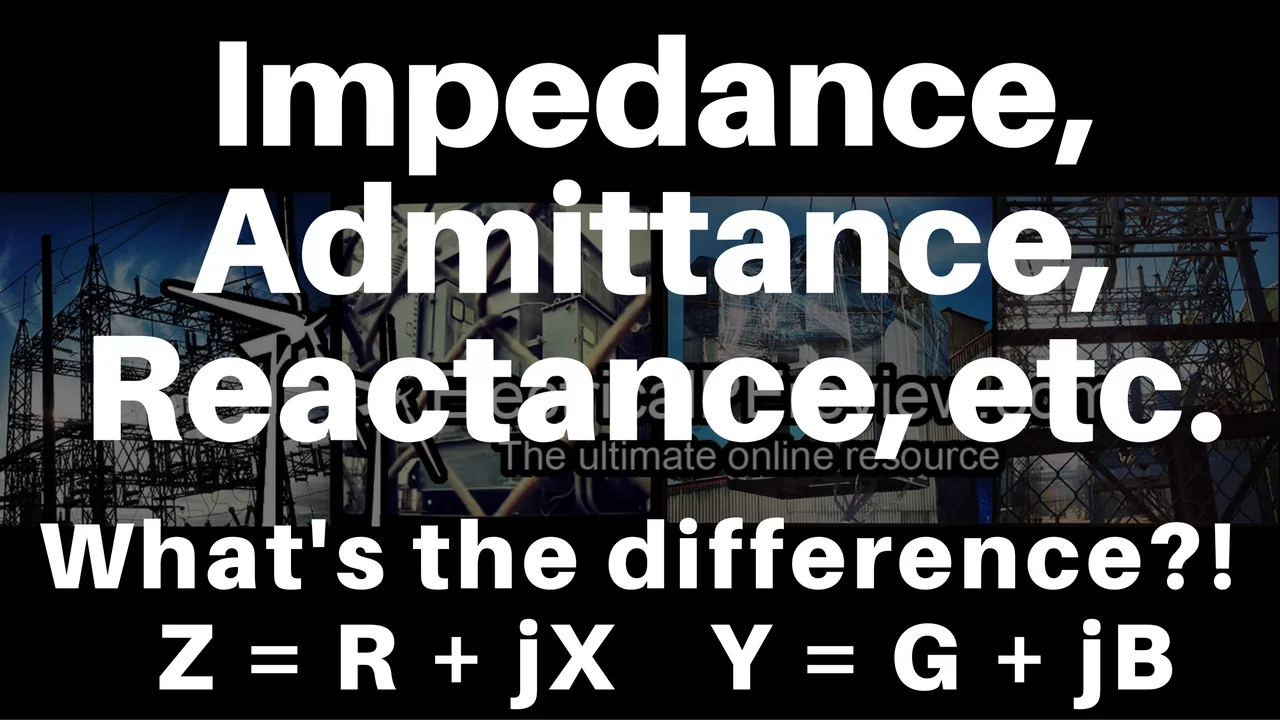
Fundamental AC circuit theory, specifically how inductive and capacitive reactance affect RF impedance.
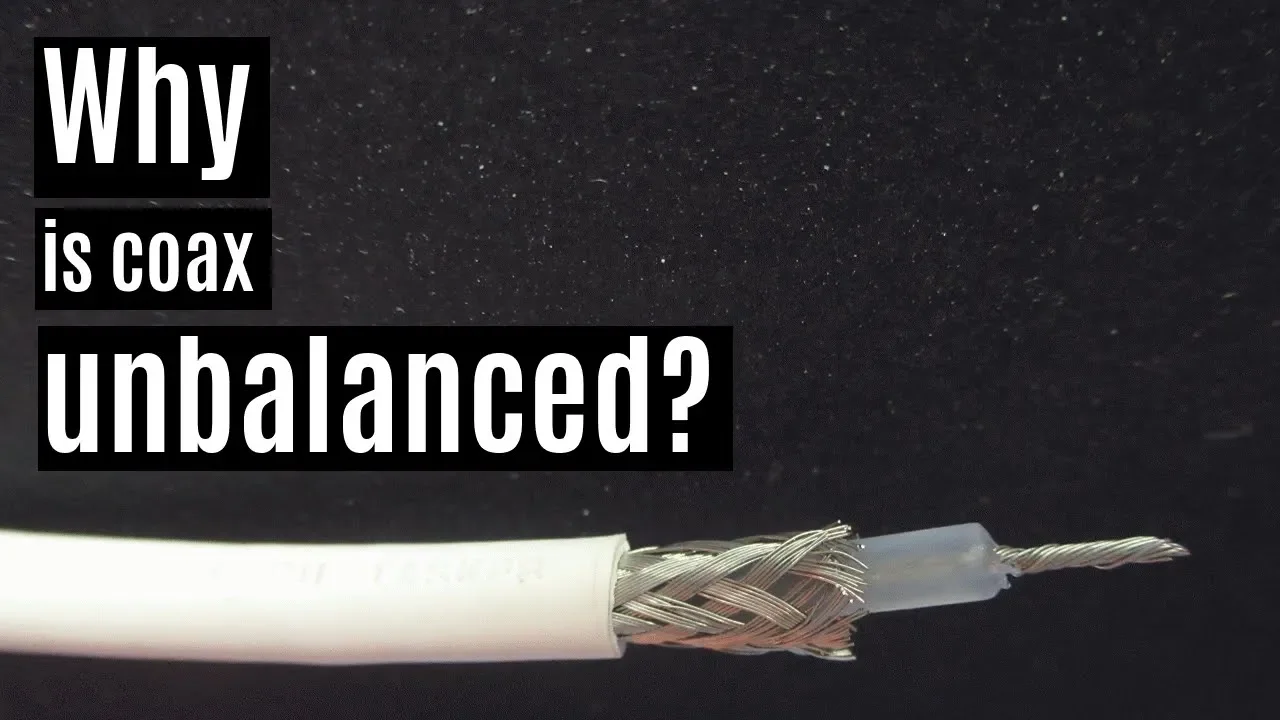
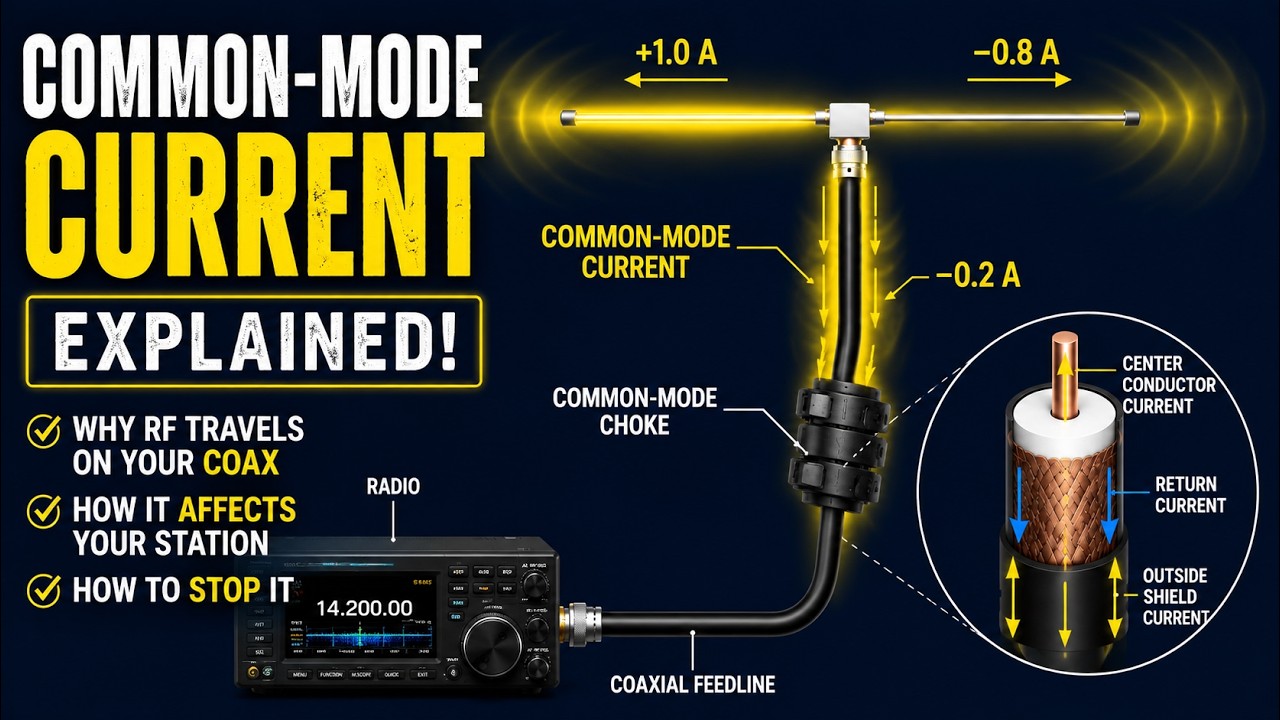
The difference between balanced and unbalanced transmission lines (such as coaxial cables) and the basic concept of common-mode currents.
Practical design and construction of multi-element Yagi-Uda directional antennas utilizing a gamma match.
A comparative analysis of alternative antenna matching techniques, such as the T-match, Delta match, and Hairpin (Beta) match.
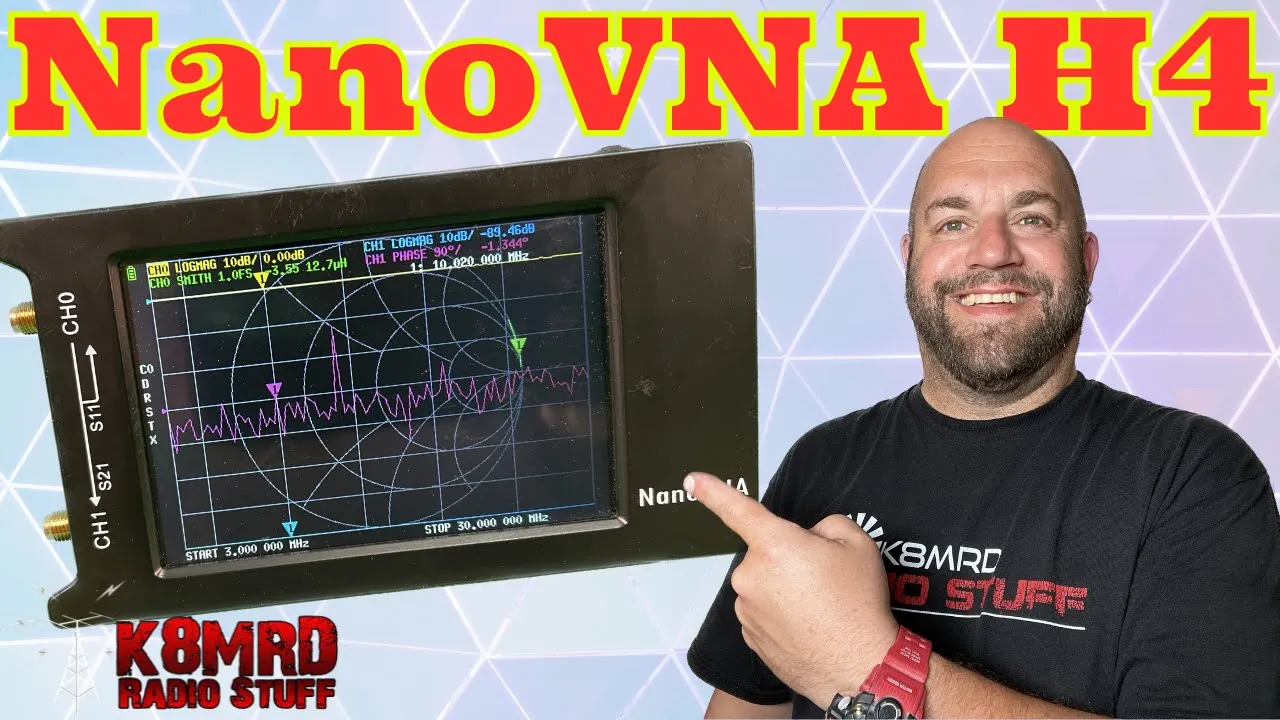
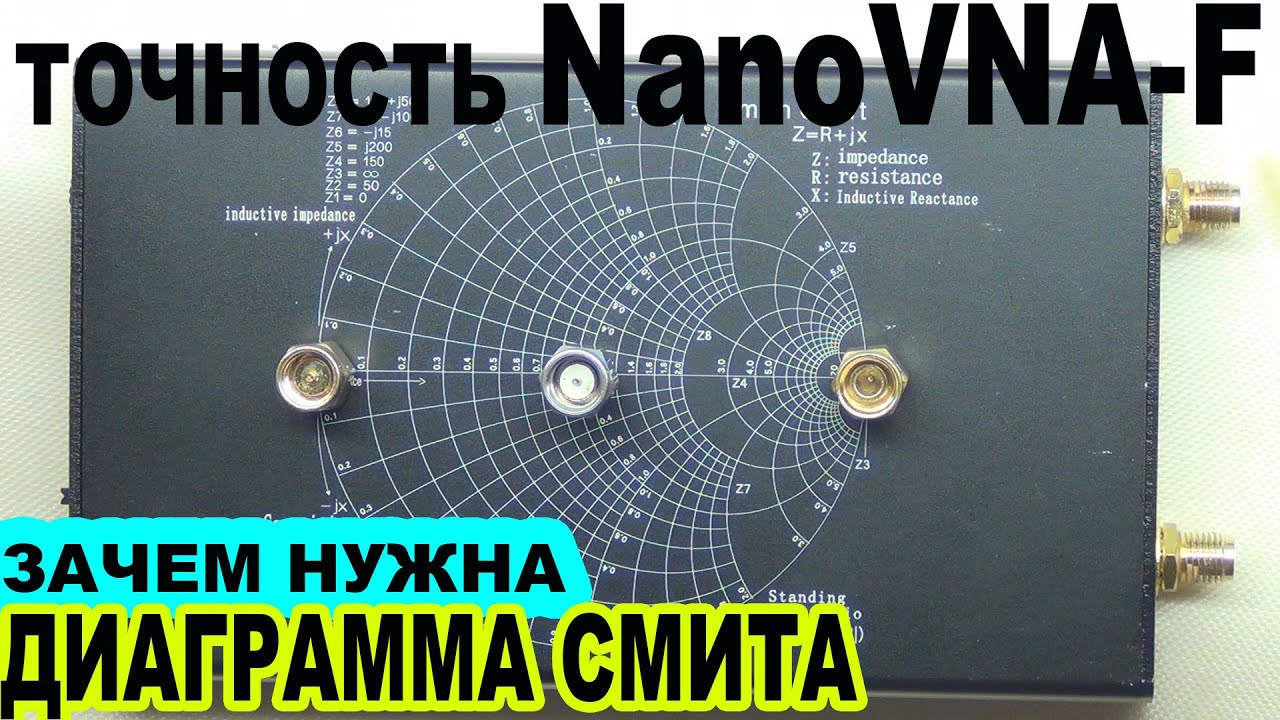
Advanced antenna measurement and calibration using a Vector Network Analyzer (VNA) to plot complex impedance (R ± jX) on a Smith Chart.
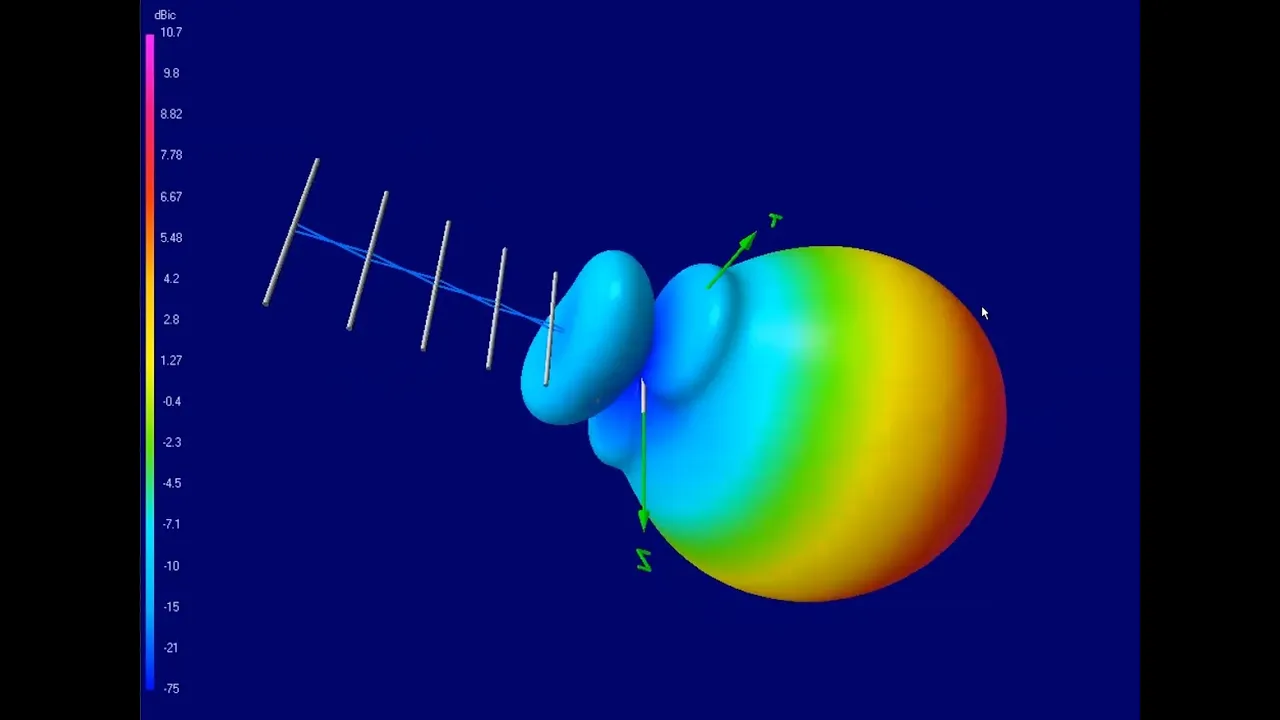
Computer-aided antenna modeling using NEC (Numerical Electromagnetics Code) software to simulate and optimize gamma match dimensions virtually.
63K views1.7Klikes12:31Original Release: 2023-01-16
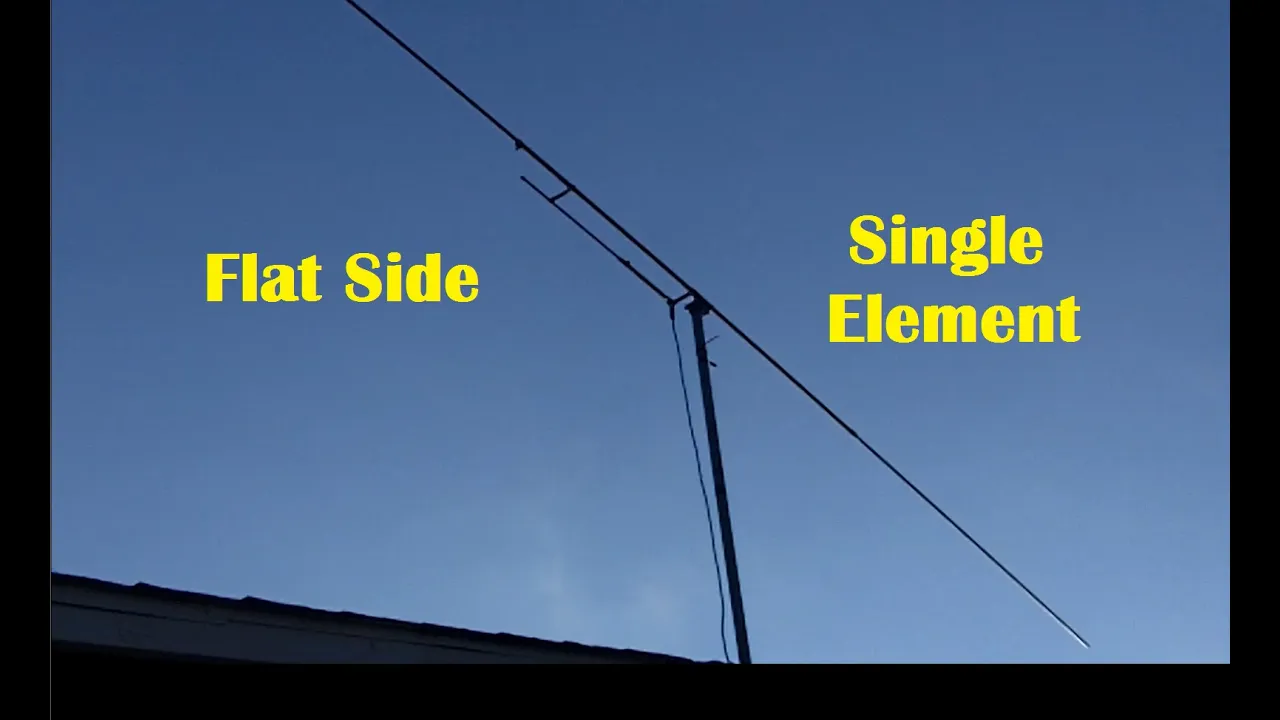
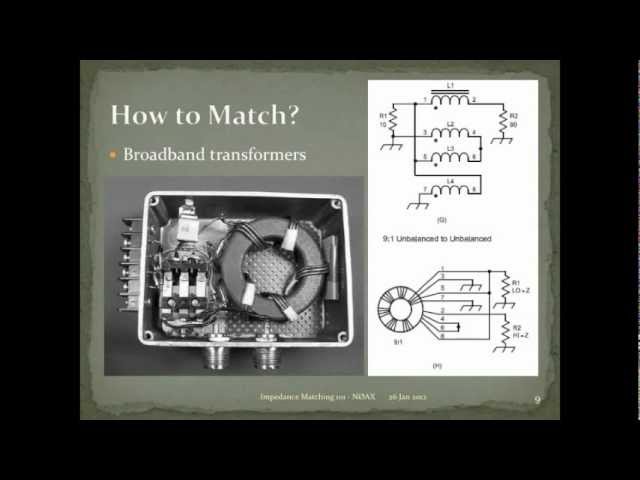
good day folks this video is dedicated to a good friend of mine now is silent key for on kbn who gave me some advice when I was first building antennas he said that if you're building an antenna there are three things you should keep in mind I said oh what's that he said adjustable adjustable adjustable we both had a good laugh but uh I took his advice and it hasn't failed me yet some of you may be looking through antenna books and see something like this this is a a representation now of a halfwave antenna halfwave halfwave antenna now if you're using this on the 2 m band that's easy numbers because a half wve on 2 m just happens to be 1 meter so we got 1 meter from here to here and we'll call this point here the center of the antenna now once again you may have seen this in uh some antenna books I'll represent it as close as I can for you whereby there is your Cox and we have your braid and of course your main insulation out now some of you may have seen this in antenna books and may have wondered what's going on because they show the braid joined to the center of the antenna now for first thing you're going to say why is my driven element grounded well the reason for that is because according to antenna Theory the voltage at the center of a halfwave antenna is zero so you could ground it at that point then they take the center of your Cox in the diagram and come out and show the design for a variable capacitor now some of you looking at this and say variable capacitor grounded driven element now if you can get past having your driven element grounded you're well on the way to understanding how this works this capacitor happens to tune out any uh off frequencies any feedback from it on the this feed Point here we'll call this a shorting barar uh this could be varied in in the design and this can be varied as well so the adjustability comes into play with this uh antenna design it's a great little design it makes for easy tuning of your antenna all built into the design which is great stuff now a capacitor by its simplest terms is two conductive plates separated by a dialectric so conductive would indicate that it' be some sort of metal and the two plates separated by a dialectric can be shown here this is a simple capacitor we have two plates separated by dialectric if I vary the amount of surface area this will vary the capacitance the amount of capacitance there are three main factors the size of the plates the area the distance between the plates and of course the type of dialectric used now other factors such as your media and stuff but uh those are the three main factors that uh you really uh have to bear in mind if you're trying to reach a certain range of capacitance for instance now on a 2 m band you don't need a whole lot of capacitance as a matter of fact it's recommended that it's about 7 paarat 7 paarat per meter of wavelength 7even pear per meter of wavelength so if you're using it on the 2 met band for instance it'll be somewhere around 14 paarat which is not much capacitance so you don't need a whole lot in other words so when you think variable capacitor most people would think of something along the lines of what they see in Old tuners and old receivers and that sort of thing something of this nature whereby you have sets of plates that mesh in with other ones and this is a variable capacitor now if all those plates removed and we just one of each left just two plates it'll still be a capacitor but res reduced down to its simplest form of two plates separated by a dialectric now the dialectric is just another word for insulator there are various types of dialectric most common being air this would be known as a air variable so that would be the most common you could also get vacuum variables they're probably about the best and they can handle the highest voltage so there is such a phenomena as dialectric voltage breakdown so if you get too much voltage that the dialectric can't handle it can break down an arc and that could be a bad day in its very simplest form nobody said that the plates had to be flat this is a capacitor this is a variable capacitor doesn't look like much I know have an aluminum rod here some heat shrink and another layer of insulation put into an aluminum tube as this is moved in and out the distance between not only not sorry the distance but the area between the two plates this place and this plate here this area changes so therefore the capacitor changes and this is how your tuning enters in in this type of an antenna so it's a great way of feeding a halfwave now putting this into practice see something like this here it's a 2 m antenna it's a half wve so it's about 1 M long you can see a connector here where you can screw on your coax connector is grounded to the center of the antenna and it has a rod connected to the center of theend of the uh connector connector body of connector is grounded with the center of the antenna center of the connector is actually uh connected to the gamma Rod now the gamma tube this is done with the heat trig uh it's great insulation as well so there something else you can use any type of insulation plastic whatever you can find and uh get some tubing now this is drilled this is a solid piece that's drilled here you can see and uh it didn't require much because the heat shrink that's on there uh don't allow for a whole lot of distance between the two plates so therefore you don't need much of it inserted for the amount of area to make up the amount of capacitance needed but this is the shorting bar so this will be this part of the antenna there's a shorting barar here this is your capacitor and your of course your ground connection is with you braid on your Cox and your live connection is directly to your capacitor now this could be uh applied to other bands besides the 2 M BAND if you want I built one experimentally a few years ago never did use it been laying around and collecting dust this is uh the same concept for UHF and uh you can see that it's uh basically the same same type deal you get your connector here connects to a gamma Rod it's in insulated inside of a tube as a shorting barar to the main element so it's basically uh exactly the same thing only made for it's a bit shorter because of course it's made for UHF and the wavelength on UHF is much shorter this is about a half wave on uh UHF handband about around 450 Megs also too we'll take a look at the gamma match on the 6m Halo anten it's still a halfwave antenna but it's made into a loop but the gamma match is still basically the same we have your connector here connector body is grounded with the center of the antenna and the center of your connector goes directly to the gamma rod in this case it's a/ qu in diameter aluminum rod some plastic tubing that snugly fits that and all that just fit into this nice uh aluminum tubing and the shorting barar for this one it's actually just a strap so there's a couple of uh nuts and bolts and washers and keeps the strap there and a little cap to keep water out of it so this can be loosened here and you can slide the tube in and out and this provides uh your variable capacitance tuning for this antenna so it's a great way of uh feeding a 2 m antenna or UHF antenna or even a 6m antenna I've used it uh on all of them so far and got great results it's a great way to tune the antenna where you have the set screws and you can loosen it up and make final adjustments and tune your antenna directly in another thing too this type of antenna makes it uh really great for mounting on the side of a tower you mount it off the tower like this and and this config figuration it doesn't interfere with anything that you may have at the top of your Tower it can be mounted off from the side so far up mounted bolted directly to it and pointed towards your favorite repeater now in this configuration it will behave like a two element beam because if your Tower is metal of course it will act as a reflector now if you wanted to add on this antenna with the boom and add more directors it becomes even more directional and you have yourself a yaggy so this the gamma match is a great way of feeding not only a halfwave element but also a halfwave driven element in the case of a yaggi so it's makes it a uh a great great way easy adjustability all built in uh no Moss no Force um set it up tune it in and uh let it go go and uh I'd recommend it to anybody very easy very simple very satisfying and very rewarding thank you very much for watching guys hope you enjoyed this little uh exploration into the gamma match it's a great way of uh doing things makes it a lot simpler makes it a lot uh easier when it comes tuning time thanks for watching guys bye-bye
Up Next

25:54
Master VNA Calibration: When, Why, and How | RF Measurement Guide
@MegawattKS
27.6K views•2020-11-15

12:54
Triumph of Orthodoxy Icon: Byzantine Art & History Explained
@BenCallan
2.1K views•2024-08-06

9:49
FastAPI vs Flask vs Django: Choosing the Right Python Web Framework
@TechWithTim
302.5K views•2024-05-26

1:42
Game of Thrones Opening Credits: A Cinematic Analysis
@gameofthrones
46.3M views•2011-04-18
Related Study Plans & Knowledge Roadmaps
Structured learning paths in General & Interdisciplinary Studies
general-studies
Elevator Engineering: History, Physics & Cities
01From Hoists to Safety Brakes: The Dawn of Vertical Lift
02Hydraulic vs. Traction: The Engineering Physics of Elevators
03Modern Speed, Safety, and Algorithms
+ 2 more learning modules
12h5 modules
Explore Roadmap
general-studies
Rubber: Material Science, History & Geopolitics
01Origins of Natural Rubber & Mesoamerican History
02The Chemistry of Natural Rubber & Vulcanization
03The Geopolitics of the Rubber Boom & Colonization
+ 2 more learning modules
12h5 modules
Explore Roadmap
general-studies
Containerization: Evolution, Logistics & Trade
01Ancient Trade & Bulk Cargo: Amphorae to Barrels
02The Industrial Revolution & Cardboard Packaging
03The Containerization Revolution: Malcom McLean
+ 2 more learning modules
12h5 modules
Explore Roadmap
general-studies
Textile Tech: Evolution, Labor & Global Impact
01Pre-Industrial Textiles: Handloom & Cottage Industry
02Mechanization: The Spinning Jenny to the Power Loom
03The Factory System & Global Labor Transformation
+ 2 more learning modules
10h5 modules
Explore Roadmap