



















Flavor is fundamentally created by molecules binding to receptors in the brain, primarily through taste and smell senses; while the traditional tongue map showing distinct zones for sweet, sour, salty, and bitter tastes is a myth, the sense of smell (particularly retronasal olfaction during chewing) contributes more significantly to flavor than taste alone; umami, the fifth basic taste discovered in the early 20th century by Japanese chemist Dr. Kikunae Ikeda, is the savory taste of glutamate found in proteins; cooking transforms flavor through chemical reactions like the Maillard reaction, and modern agriculture has bred much of the flavor out of commercially available produce, though this can be addressed through selective breeding and understanding the molecular basis of flavor.
The Science of Flavor: Taste, Smell, and Umami Explained
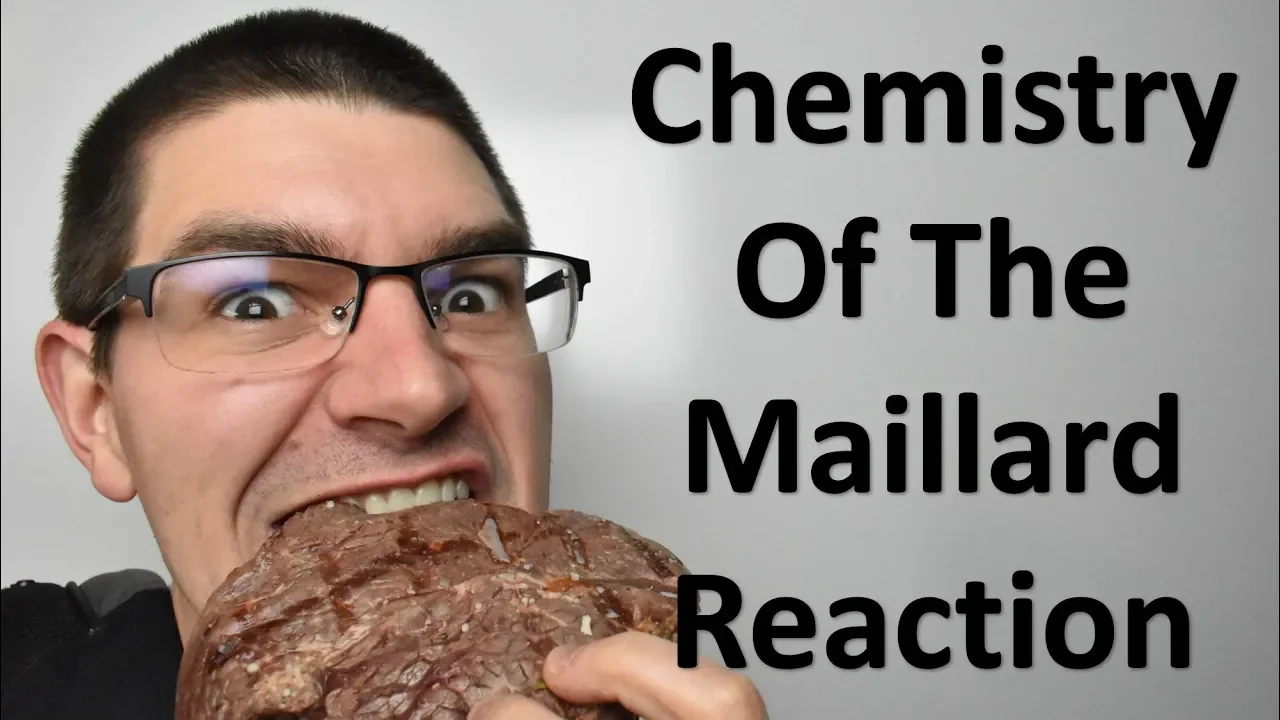
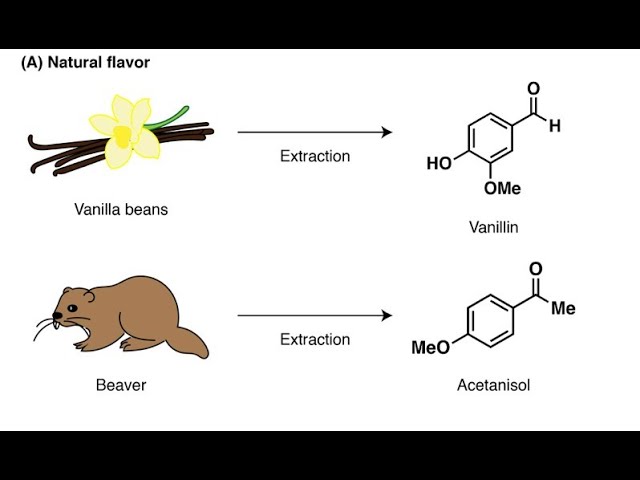
Added:now I was intrigued as a kid I saw a map of the surface of the tongue he said here is is sweet here is sour salty Ah that's BS tell the truth unfortunately that's got to be BS the map is a [Music] fiction this is Star Talk special edition got with me my usual co-host Gary riy Gary hi Neil hey hey former Soccer Pro turn soccer announcer and we get to share you with the soccer Universe thanks for being part of the St talk family and of course Chuck nice Chucky baby hey what's happening Gary you and your producers put this together so give me the setup for this okay so I suppose we all do it we all eat you think yeah okay bodies need fuel we shovel it in and we burn it up into your pie hole in their pie hole and it goes but how many of us stop to consider the fundamentals of what we such as flavor is it luck where some meals taste better than others or are we being cleverly led into a Foody Heaven uh then ask yourself why do some foods work better than others and whose idea was it to put sea salt on caramel really whose idea was that because it works really really well but it wouldn't come straight to your mind unless somebody to you so then you go is cooking just cooking or are we looking at science here I'm going to guess it's always science that's I'm gonna guess that's all right there you out in the limb again Neil so we've got with us a repeat guests uh this might be your third time on Star Talk scattered over five or six years Ariel Johnson Ariel welcome back to Star Talk thanks so much for having me back you have the coolest designation as a flavor scientist that that's thing flavor it's a it's a niche field but uh yeah we're passionate about it okay you are the flavor scientist that's how nichy it is uh you're advisor to some of the world's top chefs top restaurants you have a PhD from none other than UC Davis which has a I know about their wine division but they they also have a food division there they they do I was actually in the wine department because they have a really like strong experience with the science of flavor so so do I yeah that's that's anology isn't it that's yeah viticulture andology yeah and your co-founder of the fermentation lab which sounds a little weird you know that's better than the fomentation lab I guess and what does it have to do with that world renowned restaurant in Copenhagen called Noma n so uh no Noma started with in retro a little bit of a a stupidly difficult uh creative constraint which was let's cook with ingredients only from Scandinavia oh God which yeah yeah and and I mean seriously and we're celebrating this place come on yeah potatoes be onions let's let's just get real like cabbage cabbage exactly exactly exactly this Norma restaurant is world famous possibly even across the Galaxy and I know people there are people with means who said this weekend let's go eat out at NoMa and they chared a plane and flew there just for that so that's so this has got to be have some remarkable draw upon people's taste buds so what was your relationship with that restaurant remind us uh well so when I was in grad school studying uh flavor chemistry I went to grad school because I was really passionate about food and wanted to you know be a scientist that was working with chefs and restaurants that applying that Nomo was a place that had started their own Nordic Food Lab to study ingredients and flavor and we're working with techniques like fermentation and wild ingredients and uh just sort of everything you know that I wanted to be doing so I kind of talked my way into a an internship in their uh in their initial lab and really hit it off with everybody and um you you just talked your way in a little bit Yeah okay very cool great uh yeah I think they were a little skeptical but uh after you know some light hazing uh a couple of you know cases of rhubarb to juice to see if I would would do it um yeah no it turns out that uh you know they're sort of deep thinking about flavor and how to find it and how to work with ingredients and my knowledge of uh you know food chemistry was really complimentary and you're also the science officer that even such a thing on Alton Brown's TV show Good Eats yes yeah well just to remind people we had both of you on stage at the same time for a star talk live at the wasn't at the Beacon Theater I think it was the uh uh Town Hall here in okay yeah and it was some years ago so we've been exposed to you before is that relationship still exist Good Eats isn't in production right now but Alton was actually kind enough to uh come and do uh my initial book launch event here in New York at RI bookstore so is that the flavorama book that that is the flavorama book I have it uh this is the book oh my God that's cool and when did it come out uh this came out in March so it's been about three months March 2024 and subtitle a guide to unlocking the Art and Science of flavor okay can't argue with that I mean come on oh yeah everybody loves flavor right yeah they do they do everybody loves flavor tell me are you helping to create meals for a Michelin star restaurant so that they keep their star or did they not previously have a star until you arrived kind of investment they then earn one or more of their Michelin stars we need another star go get AR well I don't think about things like Michel and stars but it's kind of thing where uh a place like Noma is constantly you know pushing the boundaries and trying to kind of not rest on The Laurels and find ways of you know being more creative coming up with new ideas and turns out science has really helpful for that so I don't feel like I can take any credit for uh uh whatever uh you know Awards or stars but um I do know we uh work well together and make some tasty stuff so are there some fundamentals Ariel to your sort of view on flavor or actually the way flavor exists and how we experience it or is it as simple as salt it it it it often is but uh but not always so you know going back like you know we agree everyone loves flavor uh and they do it turns out that everyone loves flavor but no one really understands what it is or how it works um but fortunately and the Sciences we do actually know that that information just hasn't crossed over cross over I like that because the science of the rest of the world has it crossed over I don't know but SST are up on it yeah the wall academic Garden um yeah so the the the first things I like to get kind of bring people up to speed on is that flavor is molecules so you know everything that you uh uh experience as a flavor started as a molecule that binds with one of your many uh receptors flavor is an experience created by your brain flavor is the mostly the senses of taste and smell and those are our two chemical senses so um whereas you know vision is sensing uh light and uh hearing senses pressure vibrations through the air we call that sound by the way yeah but no but that is what's uh but is it sound until uh your brain interprets the signal into into sound is it or is it just waves through the air philosophers like distracting themselves with that question yeah yeah so there's a there's a difference areel is there not between orthonasal olfaction and retronasal old faction yes and I'm not quite sure I know the difference but you will won't you okay yeah I I do um fortunately so flavor is taste and smell most people understand that flavor is taste because Olive flavor feels like taste it's you know happening in your mouth when I tell people that flavor is also smell and in fact that smell is like probably a more a larger part of flavor than taste um that's kind of a hard cell uh for for people I thought people knew that if you hold your nose you don't taste your food we've all did that as an some some some people know yeah no and it's it's a good experiment especially now that more people have had Co I was going to say a better analogy is to have a cold exactly just think how you how you feel about food when you have a cold and the reason is that normally you can't smell things and so food isn't nearly as appealing yeah so as like flat tasting as food is that is actually flavor with only taste flavor without smell without smell tastes themselves are very flat um so yeah the the the tricky way that smell is a part of flavor so first off uh while we're eating our brain tricks us uh it doesn't we experience smell but it doesn't feel like smell it doesn't feel like it's happening in our nose we'll be perceiving smells in our nose but uh it's a pretty famous psychological illusion actually that uh that sensation gets kind of moved so that you perceive it as happening inside your mouth so if you um you know were to take a jelly bean and uh chew on it with your with your nose closed like that and then open your mouth you'll feel like the the the kind of fruity flavors of the jelly being Bloom on your tongue it's actually happening in your nose but it's sort of translocated uh in your brain to to the mouth the brain just never telling us the truth the brain is always a liar yeah yeah well you know I think it's important to to know you know what's perception what's reality how are the two related um big fan of that I mean the other thing is when you say smell most people think like sniffing uh so like oh you have a plate of food and there's smells coming out of it and I guess you sniff it before you chew it I mean you do but uh yes this there's actually two types of smell two types of old faction as as Gary mentioned sniffing is orthonasal olfaction so it's uh you know Ortho because it's normal uh forward the front of the nose but since your uh you know nasal passages in your throat is basically just a tube air can go uh in through the nostrils but air can also travel uh from uh you know your lungs out and so while you're chewing your food uh it's full of volatile molecules that are able to float through the air and they just sort of float up the back of your throat normally when we think of the word volatile we think of something that would ignite into flames or a person who is otherwise unstable but I think when a chemist use the term they're just referring to molecules that will readily evaporate from whatever wherever they were yeah so molecules that are kind of light and unsticky enough to be uh gaseous some of the time um but uh yeah retronasal olfaction uh every time every time you have food in your mouth all the every time you're chewing every time you're swallowing you get these little puffs of sort of scented air that go up the back of your throat and into your nose and uh those volatile molecules can bind with your olfactory receptor and then uh you're smelling as you're chewing now I was intrigued as a kid I saw a map of the surface of the tongue and where you a here is is sweet or is sour salty whatever was that just Ah that's BS come on tell the tell the truth unfortunately that's got to be BS there we go yes so unfortunately uh the map the map is a fiction uh you don't have many taste bus in the center of your tongue so the only thing I could conclude was that if I put flavors in the center of my tongue I did not taste it mhm that was I found that to be so yeah yeah t taste buds are like much more concentrated along the kind of edges and tip of the to okay okay so so I wasn't entirely misled by it no no uh but unfortunately it's not quite as tidy as having like the sour area like way tidier I said evolution is not this tidy it kind of makes sense when you look at the construction of your mouth and eating so along the edges is where you chew and the first taste comes in through the front of your mouth so there the tip of your tongue so it would make sense that that's where you would want to stimulate taste the most I got a good one for you uh I I forgot what two cities I was between when I was giving a public talks and I had a driver and her name was Taylor I think if I'm remembering that correctly we had a whole chat about all kinds of things and she used to work for FedEx but then started gendro trucks and then like like big trucks and then she became a driver like a car service driver so I had and she she knew I was a scientist we just started talking sciency things and she said she made a discovery and I said and she told me the discovery I like whoa I'm G to try that so here's her Discovery she eats her hamburgers upside down you mean hanging upside down like a bat no I don't think that's what she meant if you invert the hamburger and you bite it all of the toppings you put on the the pickle the ketchup the the cheese that hits your tongue sooner than it otherwise would if it were face up and and I it made sense to hear it but then I tested it it's like yes I don't have to keep swishing around the food to get to my tongue see I have a better way of doing that because this is how I do it I just put all the condiments on both buns both sides both sides like the sauteed onion ons I put them on top and bottom KET slices of cheese everything you know true Innovation yeah yeah and and now the only thing I don't do is two slices of cheese top and bottom so maybe maybe I'll try that yeah sound good I'm just wondering a couple of things is a big part of what you do I I I think this is what drives modern chefdom is not just what a flavor is but what a malange of flavors might be and what insights you might have in combining those flavors to come up with something trans Dental you know a lot of a lot of uh restaurants now are much more like seasonally driven and are interested in uh you know things like local produce and uh things that that Peak and change with the seasons and figuring out the best way to uh kind of Express the flavors of all those ingredients and and put them together I thought it was odd first time I ate at a Chinese restaurant and there's there were food items called sweet and sour or hot and sour sweet and sour when I'm thinking to myself do I really want sour with my sweet and why are they putting uh something that burns my tongue in the middle of the honey why is there hot honey like who who thought this stuff up well I mean it's interesting because uh like Chinese cuisine is really like the oldest continuously developing Cuisine I mean there's like recipes that are 6,000 years old that are from ancient China that you know are still good still good really I mean yeah they're still there're they're like uh much more advanced than what people in uh in Europe was cooking uh 6 I was going to say they're still in use it doesn't necessarily mean they're good thank you let's clarify that yeah so so Ariel is there like a color wheel for flavors where you know when you're matching things that you know what the sweet will go with the sour because it sort of lines up in the Spectrum right that question yeah like yes and no um I mean a lot of other flavor scientists have um spent time kind of building Wheels like that there's uh the wine Aroma wheel was one of the ones yeah um out of UC Davis yeah I mean It's Tricky CU flavor is so multi-dimensional um I mean you know color depending on how how you look at it has like three or four dimensions um or can be you know sort of expressed that way I mean like there's brightness there's Hue there's exactly so yeah or like you cyan magenta yellow and black there's like several different ways of uh of expressing it you know with flavor we have uh we have five tastes uh sweet sour salty bitter Umami tell me about Umami cuz we none of us grew up with umami Umami just somebody just that just showed up at the doorstep yeah and then and then this has Umami this has Umami it's like what the hell is Umami Umami is like the most recently identified of the tastes uh you know you can go back to like classical Antiquity and find the Greeks writing about you know sweet and sour and salty and bitter Umami you know chemically speaking it's the taste of glutamate which is the ion form of glutamic acid one of the 20 amino acids that are in all of our proteins it's a Savory taste it's a kind of uh mouth filling brothy Savory didn't we just call that savory though like back in the day we just called that savory so D will Mommy bump out the word Savory from the vocabulary well yeah I basically um you know who whoever like discovers something first gets to name it so uh you know we had a concept of savory but it wasn't until the early 20th century that a Japanese chemist Dr kikon Ika at the University of Tokyo he was studying uh seaweed so in Japanese Cuisine they cook a lot with kelp called kuu it's very it's very Savory tasting is kelp the same as seaweed I mean they are they considered the same food kelp is a type of seaweed okay uh there are you know they're brown seaweeds red seaweeds uh various macro algae things like that but yeah kelp kelp is a particular type so uh yeah comu it's actually like a very uh it's like one very long blade or Leaf we've all seen kelp forest water exact exactly I think it was even in finding so that meant it's really it's legit yeah it's legit so um so he was he was studying these broths and sort of concentrating them down and concentrating them down until he eventually like purified the Savory component in them which was glutamate um so he identified it as glutamate and then you know called the the sensation of pure glutamate Umami which comes from umai and me which means delicious flavor delicious taste in Japanese Oh I thought it'd be something deeper than that yeah so so that was that was you know around the turn of the century but but uh it took about another 80 or 90 years to actually find The Taste receptor for Umami so there was some controversy throughout the 20th century of as to whether it is really exist is Umami a real taste does it just enhance other tastes what is it but then you know we have we know what the omami receptor is it's been well characterized so it's uh kind of now officially enshrined as one of the basic tastes wow that's fascinating as you've discussed with us just now you've mentioned the ancient Greeks you've mentioned the Japanese if you had the same plant same protein in Japan would it have the exactly the same flavor where in Eastern Europe around the Mediterranean or is this some some way that's varied the flavors that come out of where are you talking about a variation in the plant or a variation in Regional taste buds in the flavor itself will the environment and then maybe the food chain that's involved if it was a a predator would that change I guess there's like two ways of looking this one um you know if if uh if you drink wine they talk about the concept of Tero which is uh kind of uh you know sometimes it's described to just like the taste of the rocks and the soil which isn't really how it works but it is like the taste of place so um you know they have a lot of like Colones of grapes there's like ponor clones that are genetically identical and uh if you grow it in the Sonoma Valley versus in you know New Zealand they're going to taste different even though they're genetically identical so phenotype so you know the way the way that a uh an organism you know appears in his constituent I'm going to add to that Ariel since you hung out at UC Davis sure maybe they there's something about this I like French wines more than I like Italian wines but there was nothing greater than the taste of an Italian wine a tuskin Italian wine that I had in Italy in Tuscany on a ravine over look I mean just that was psychological man you were sitting there like damn I spent a lot of money to be better exactly basically the composition of any organism chemically biologically is going to be an interaction of its environment and its genes so growing the same plant or you know animal or whatever in two different locations will make it chemically different depending on how it responds and then it'll taste different okay if you had exactly the same fruit two of the same fruit that you cloned uh well not Co replicated uh so they were chemically and biologically identical and at Star Trek they use them replicator exactly exactly um to uh in two different locations two different people with different experiences with food wouldn't necessarily have the same eating experience of them we use our sense of flavor to kind of figure out what to eat to you know uh to not die but also to you know fuel ourselves and you know hopefully increase our quality of life so we use you know both taste and smell to help us with that but we'll use like any context cues that we can find to figure out if uh this thing that I might be eating is is it is it a good idea or is it a bad idea and so you know you're we're actually wired to kind of build up a bank of those memories and experiences and kind of pull them up the next time we taste something and be like okay have I tasted this before did I have a good time did I have a bad time do any of you guys like Root Beer do you drink root beer us yeah Gary yeah so um so you know root beer is a very American drink it's got uh yeah uh kind of herbal flavors with some kind of winter green kind of stuff going on yes uh in in Europe they don't really use those flavors for food uh in fact that kind of uh root beer root beer scent flavor is most prominently used in bathroom cleaning products you know and that's why we don't drink bleach here you know I mean unless you're trying unless you're listening to a certain former president who knows how to cure a certain kind of disease please don't do that but yeah no I know and I have European friends that have come to America and tried root beer and they're like this is absolutely disgusting this tastes like a toilet like white would you drink this there's a uh an antiseptic ointment okay tastes exactly like root beer which is amazing good to know you're tasting your ointment no it smells SMS smell is very much the case so you've experienced that uh you know Aroma experience before but not in a food context it's in a very much not like a non-food context um so you it's possible to like override that by exposing yourself repeatedly to to a new flavor in a in a food uh food way but uh without deliberately doing that people are going to have uh bring different experiences to their uh you know immediate surroundings and interpret flavor differently so cool okay so now we all agree I think in spite of the raw food movement that most of us like our food cooked not only does it change the texture but flavors rise up in ways that were not there with the food remained uncooked so when I think of heat I think of breaking apart molecules not bringing them together so are there complex molecules in uncooked food that somehow manifest flavors once the molecules break apart oh yeah I mean I guess to a a chemist would think of heat as like molecules moving around faster so you know when they move faster and Collide they can break apart but they can also kind of stick together it's like if you threw a bunch of Legos in a cloth dryer and uh let it go the if you had a Lego figurine end you have a pie but they uh they do stick together at the end you have Megatron exactly uh or you know something less ordered but stuck together in a in a different way um so yeah I mean like if you think of like a a steak um as you as you cook it first you'll get reactions between the oxygen carrying molecules in the muscle the uh the heem and the myoglobin there's like a little iron atom and uh iron is quite reactive that will react with some of the the cell membrane lipids in the cells and create that kind of like cooked beef flavor and then as you continue heating up the outside um you'll start to generate reactions between sugars and amino acids there's like Trace Amounts of both uh in the kind of you know meat juices essentially and that will create the myard reaction which is a lot of people's favorite food chemical reaction because it creates the flavor of uh well well seared steak but also chocolate roasted coffee toast brown butter butterscotch things like that so any kind of uh delicious toast The Nutty Brown flavor uh comes from that my reaction I did a lot of cooking in my life and I would say one out of 20 times something happens by accident and of those accidental times maybe one in 10 of those is hey and so how much of what we count as Cuisine really came about by accident somebody made a mistake or somebody was missing an ingredient and they had to grab something else off the shelf and invented an entire New Taste experience yeah no I I think I think a lot of it uh comes from that both from uh well from mething up from adapting to you know uh straightened circumstances where you can't cook but you know how to cook and also you know I guess just the right proportion of weirdos that like to mess around with things on purp well now I'm wondering about your PhD who's like was that just you just walked into the kitchen and made stuff up uh I guess I like to think of it as like guided making making stuff up organized chaos you know organized chaos that's the best word when when you make a reduction in a source why do the flavors become that much more concentrated Gary you're evaporating out the water and water's got no flavor exactly so what why didn't ask you a hard question I didn't ask you did I I wanted to know for me that in the UK they don't reduce sauces that's only in France so you're stuck with your watery liquid gravies is that what's going on possibly but uh but but yeah while while while you're reducing you are evaporating water uh and so the taste molecules specifically taste molecules aren't volatile um you'd have to put them under like an insane vacuum to make them evaporate so they get more and more concentrated just so that our audience knows the less air pressure there is on the surface of anything but let's say liquids the less air pressure the more likely the molecules of that liquid whatever it is will jump off the surface and go into the air so you use the term the in a vacuum you could possibly evaporate some of these molecules but at normal air pressure you're not yeah right okay so I just want to make sure everybody was understood yeah yeah yeah and I mean and interestingly um this practice of uh cre creating a vacuum to evaporate things at lower temperatures a lot of bars and restaurants use that now in the form of a a rotary evaporator uh so they're able to distill things at uh you know 30 degrees celsius instead of boiling well how about sving and I mean that's low temperature cooking too without the vacuum it's just a closed environment that you put whatever it is that you're cooking yeah you'll use like a vacuum chamber to basically like shrink wrap a piece of meat or whatever else you're uh cooking so then when you put it in a temperature controlled water bath you get good contact with uh with the with the entire last time I S I didn't have a vacuum chamber but I accomplished the same thing plastic bag yeah a plastic bag plastic bag yeah a sturdy plastic bag if you submerge it all the water in the plastic bag wants to get out yeah because it wants to float up so you just have a little straw hole in it and as you lower it the bag looks like it shrinks down on the food then you seal it and I have a basically a vacuum packed bag yeah no it's a handy handy trick for if you don't have a vacuum sealer yours is broken I've done it before it works really well it's like you look at it it's as though it had been vacuum sealed yeah yeah yeah so there's a case getting back to Chuck's point we're not cooking it at high temperature and so Sven especially Meats has become quite the rage in recent months and years so who said let's not sear it and still cook it well no I know what it is they still sear it only after they s yeah that's it and that's what happens but it's but I got to tell you when you do that it's like you're sealing in all the flavor with the sear and it's and it Sears very quickly very quickly that's the other thing too it's like it's already almost at the right temperature it's already it's already it's almost like you pre-cooked it really that's all it is that's what it is I mean what quite literally yeah do the red meat at 130 degrees and say Here's your steak so slap that puppy back on the pan so I mean if you're cooking a steak on like a grill or a griddle um notu feed you're you're kind of doing you're using like the the high heat of the pan to do two things at once one you know bring the interior of the steak to your desired dness which might be like 130 Fahrenheit something like that but then also create flavor on the outside of the steak by bringing it to a much higher temperature than that and uh hoping that not too much heat leaks into the center so you got to kind of like time it so that uh the inside and the outside are the way that you want it notice how she said 135 Dees fhe specifying her units of measure here as opposed to the vapor the vaporising 135° C yes so when I grew up no one seemed to fear the idea of artificial flavoring in Foods we just viewed that as science making things easier and faster and more profitable and now of course it'd be highly objectionable to most people what is the industry of artificial flavors look like today yeah no I mean there's still a huge flavor industry it's you know multi multi-billion dollar uh a year industry I was pissed off last time I bought truffle oil only to find out that was artificially flavored no no Truffle in the oil baby no truffle and they usually you know something like a truffle will have dozens or hundreds of different flavor molecules in its in its flavor profile and usually for something like truffle oil to pick like one the one that smells most strongly of truffle I'm blaming you for this because you like you could have stopped them you could have called me right at the minute I was buying that product why didn't why didn't you text me Neil like so folding back into to what we were discussing just a little bit earlier about the environmental psychological effects on flavor and taste why is it that foods are the bad for us taste better than foods are the good for us because that that doesn't seem to be us evolving well to defend ourselves yeah well I mean I don't think that's necessarily universally true because I've had you know beautiful delicious vegetables and fruits and uh things that are uh you know quote unquote natural and great for tell that to a 5-year-old Ariel Ariel we can't we have to Discount the whole interview because we know you're lying I mean I I I love a Dorito as much as the next girl but yeah I mean you know even even in food science deliciousness is not really like a quantifiable uh feature palatability is so you know we'll often talk about highly processed foods with a lot of flavor added as being highly palatable so uh yeah it's not so much uh that that it is the most delicious thing that can be achieved but that people tend to enjoy it and eat a lot of it so yeah on the one side you got this this feature of that uh you know processed shelf stable or you know long storing foods are much more profitable than uh than fresh ones and so there's a lot of money put into making them as palatable and you know sensorially interesting as possible um on the other hand you've got Agronomy and plant breeding and uh agriculture uh you know for the whole 20th century we've basically been reading all of our fruits and vegetables to be you know higher and higher yielding grow faster grow more uniformly and prettiness they got to be pretty too exactly we don't want eat no ugly fruit no no no and uh you know if you compare an an heirloom tomato that's sort of like bulbous and and nov to a perfect uh Supermarket tomato one is definitely easier to to look at than the other but yeah I mean essentially a a huge amount of time and money has been spent into basically optimizing everything except flavor in uh in plants and ingredients yeah like if you look at like just corn if you look at corn from 200 years ago you will not recognize it it just doesn't look go back to caveman days there were these tiny little corn stalks teent yeah uh the the original ancestral corn no yeah right so Ariel before we turn this over to our Q&A section of with our patreon supporters because they we told them we were going to talk to you nice and questions just flowed in like Rivers just give us a quick overview of of your book flavor R and who published it uh Harper Collins Harper Harvest division of Harper Collins it's really uh you know G giving you the um the lay of the land and the tools that you need to uh understand the science of flavor uh well enough to improvise with it so I think a lot of um you know science books about food can take a kind of like bossy tone of like well this is the right thing to do or uh oh this is this is correct and I think you know with with cooking you know what what what you love what you find delicious is really uh up to you so I'd rather give people the tools to figure out how to how to achieve that easily love the idea right so this this this should be in everyone's kitchen is what you're saying I I think so I think it she's definitely saying that she is definitely saying that that without a doubt she's like not only your kitchen it should be in every kitchen of every person you know buy it for your friends right um yeah no I mean and you know uh spending time working with with chefs in uh different different restaurants who were like really skilled at what they do but like didn't have a background of science um I I found myself explaining a lot of the same Concepts over and over again and uh saying like oh I wish I could give you a book that's the shest force operating on book writing that's how that's how it happened let's let's pivot this to our Q&A okay so um seeing as no is in a Scandinavian country let's visit that particular region Frederick Johansson hello doctors and Lords for those who wish to be appropriately titled Frederick from northern Sweden here famous dishing Sweden is s string it's fermented stinky Herring when I was younger I hated the smell and taste but after trying it over the years I today believe it's the most delicious food in the world well that's quite a come turnaround yeah how can someone's perception change so drastically is there then an evolution in our tastes and flavors developing over the all years as we as we age yeah um absolutely so I guess uh suring is a pretty extreme example um for those who haven't uh tasted it before it's uh it comes in a in a can that's sort of bulging because of all the like fermentation gases have it looks like a bad idea listen s explodes she's over and you throw it no it's recommended not to open it inside because uh when you put the can opener through uh can emit a jet of uh concentrated juices uh so yeah it's a it's just just just getting a food is an extreme sport there's a health warning on the K on the can I I think so um I i' i' I've been around a can I haven't tasted it myself because um you know it was uh it was really too uh too too much for me um which I guess I need to remedy now that I'm braver than I was then but uh yeah so so so sir string I've I've heard the taste uh compared to dirty diapers um it's it's really it's really an intense uh intense experience but um you know there are other things that uh that most people don't enjoy when they first try them they come to to love um I uh I I I used to work with someone whose favorite t-shirt said what's that smell it's either bad meat or good cheese um so there are uh yeah there there are you know processes especially in the fermented foods that uh you know microbes can do in the American South the food that res this this story arc is chickin right this pig intestines boil for half a day yeah but seasoned yeah and that's yeah and I will never eat it and my my mother used to make it all the time my grandmother made it and I called it slave food because that's what it is and um I was like I'm not eating it uh you know why because if a pig came into your house and took a dump in your kitchen that is what chitlin smell like yeah no way no way I mean you literally are eating something that smells like literal poop it's ridiculous say it's some of the best food they've ever had in their Liv it mirrors this example here yeah you know why in in both cases here's why because at some point your brain um capitulates and accepts the abuse that is being heaped upon you so in in Frederick's case this is just kind of like a stinky fish Stockholm syndrome stome at some point he's just like you know this is actually good because you know all those years of abuse as a child being made to eat it finally caught up with them that's yeah okay you get that off your chest yeah the concession here chck I mean so yes those those are two excellent examples of a quiet chaste but then I mean even even something like a strongly flavored cheese you know like like a camon bear or a Limburger um if you compare that to milk uh it's horri dying uh it's like well milk should not smell like that but then um you know we're basically built as humans to uh be skeptical of new things but then um once we eat something a few times and uh don't get sick and kind of uh record that sense memory as a as a positive one uh well we can develop a taste for just about anything actually and Ariel I the day I knew I was grown up was the first day I realized I like blue cheese there you go said I'm grown up now it's a I remember at one point I was 18 and I got a sudden craving for olives despite having like hated olives every other time right yeah they're bitter they're pungent uh yeah now when you start drinking martinis at 12 that's all I'm saying okay I keep going who's next up all right from hello from North Vancouver please visit is it possible to genetically make vegetables taste more appealing like a chocolate flavor or Oreo flavor yes I am Canadian so put the letter U some words because you matters that's how we see sh yeah well so I have friends that uh are uh you know synthetic biologists that uh do exactly this not so much with vegetables but uh it is definitely possible to um you know most uh since flavor is is molecules well I just have to clarify here nowadays when we refer to someone as a synthetic biologist they're freaking making life right they're genetically modifying organisms but the GMO got a bad word in recent decades exactly so you found another thing to call them so it's not that the biologists themselves are synthetic they're real but they're making synthetic food types yeah well I mean one one famous uh example and I think this is actually in in use in the flavor industry is that once you figure out the kind of enzymatic pathway that's a plant like vanilla or Rose uses to make one of its uh flavor or smell molecules uh people have tried you know inserting those genes into a yeast and uh making making a fermentation that's uh kind of like brewing beer actually but the end result is uh a lot of flavor molecules from the beginning not added later so exactly exactly so you uh basically Brew up vanilla flavor and then uh purified the the sort of wol soup in theory that's possible I I do know um quite a few people I mean going back to our like you know earlier conversation about how you know all the flavor has been bred out of vegetables so you know when people say like Tomatoes don't taste like tomatoes when I was a kid like it's literally true most most uh commercially available fruits and vegetables um have very little flavor compared to you know 50 years ago there are people that are uh interested in changing that um I have uh I have some friends at Washington State University that uh have a bread lab so they they breed weeks is that St Louis uh oh no uh WSU in north of Seattle so in would be in Washington state wouldn't it I was thinking of Washington University University yeah isn't is in St Louis um yeah so so there are like academic uh wheat breeders and vegetable breeders that you know up until maybe 10 or 15 years ago would have been making these terrible Supermarket varieties that are like high yielding Etc um that have kind of gone Rogue and are uh really interested in making making seeds for for fruits and vegetables that Express a lot of flavor and are uh easier to grow maybe than a little seeds which is what people have uh traditionally tried to use if they want like a really delicious tomato or wheat I don't know if we have time to go here but I heard and it made sense to me that the reason why children don't like vegetables but as adults we're either neutral to them or come to like them children don't like vegetables because vegetables on average are bitter and most poisons in nature are bitter and poisons are much more potent on a small body such as a infant or child or toddler and than they are on an adult so that this was an evolutionary uh resistance to not dying by eating something that was poisonous wow yeah no that that's exactly how it works uh CH children also babies and children have uh more taste buds than adults so we're you know born with a lot of taste buds that we sort of gradually lose over our uh lifetimes um so you know everything they're tasting is more intense than what an adult will taste so I can imagine a whole new TV show where children who can't otherwise speak yet you just hear their thoughts stop shoving this down my throat I can taste this and you can't because you're old but I could just I could picture the whole dialog yeah yeah um yeah well I mean our tastes our and our like enjoyment of tastes is like pretty hardwired so like babies are born liking sweet Foods liking Umami being very like disgusted and aversive uh towards towards bitter and breast milk is is sweet soet yeah it is sweet yeah um so regular then what we think of as regular milk yeah cow milk yeah good source of calories uh and human breast milk because all mammals would have breast so this is true it's in the name uh so next up Chuck give me another question here all right alicon hemorr says hello Dr Tyson Lord Chuck Dr Johnson Gary my question is how is Molecular Gastronomy changed the way we eat in the future uh is everything just G to taste like chicken where'd that come from anyway taste like chicken yeah I think I think uh you know not not not to harp on about the uh destruction of flavor in the 20th century but uh you know if you eat if you eat a an heirloom chicken or a wild chicken it has a very intense flavor so uh the the kind of blandness of of current chicken is is a relatively new phenomenon so um maybe it will taste like chicken but tastes like you know the chicken of the 19th century or the uh you know uh red jungle fell arel what does chicken taste like I'm sorry it's a good question that's a deeper question than any of us ever expected it would be yeah Molecular Gastronomy this is thinking about uh food and cooking on a molecular level rather than just on a macroscopic level yeah so uh do you see a trend line here in the future yeah I mean you know so you've got uh like large food companies paying you know more and more attention to flavor especially as they're making you know plant-based meats and things like this but I think um other people working on food whether that's Farmers Seed breeders chefs are um you know finding a lot of different ways that understanding the molecular side of things helps them do what they need to do so yeah no I think it's going to change change the way we eat in in uh in so many different ways that there's not going to be like one particular Trend and if you don't like in the end chicken will always taste like chicken okay whichever side of the road it's on exactly right next question Renee a chin hello everyone from Silver Spring Maryland when we ultimately inhabit the moon how will cooking differ will the boiling and freezing points of water change will food cook faster or slower will we need special equipment I can handle this Ariel if we no I think I think you actually have more experience with this than uh than I do yeah yeah sure so if you have a Hab module presumably it's pressurized and if it's pressurized then everything is normal the boiling points are normal as we discussed earlier the pressure of air or of an atmosphere on top of the liquid affects what evaporates and what doesn't and at what temperature so now the fact that there's lower gravity uh I don't know that gravity matters much aial in in food preparations what do you think um I I don't know for cooking I know that for people that have been trying toow like research growing food in microgravity um water has such high surface tension that uh it's sticky in a way that uh that most plants are not used to dealing with so in terms of growing food definitely in terms of cooking probably not so much but probably not so much but I can tell you this with a lower gravity honey will never come pour out of it if you're waiting for the ketchup to come out of the ketchup bottle so I think yeah that that'll be quite frustrating but if they don't pressurize the cabin that that's the old running joke you know the restaurants on the moon would would all be fascinating uh but they'd have no atmosphere yeah well I guess you wouldn't have Barbe barbecue outside would you on the moon well you put at barbecue provided your source of heat does not require oxygen oxygen yeah yeah no Flame hard to get all those smoke flavors from wood without mixing some oxygen in so yeah yeah okay one more let's see we get one more in here willest 74 hello doctors and comedic Lord will from Hawaii here in the movie The Matrix they were discussing if machines have gotten the flavors wrong to which Doza replies it's a single cell protein combined with synthetic aminos vitamins I say vitamins and minerals everything the body needs what do you think about getting the flavor wrong if food is made up of certain chemicals and combinations thereof will food taste the same to everyone who has the same similar receptors or is this more philosophical versus scientific perspective like when determining how red is the red one sees if red at [Music] all yeah well one of the reasons that like the science of flavor is not more well known in the public is um we we didn't really have the instrument sensitive enough to tell what was making flavor until the last like 40 years or so and um there's there's even yeah there's been papers in the last 10 to 15 years kind of like identifying completely new natural flavor molecules that we just had no idea about because they were in such uh intially tiny amounts that uh a gas chromatograph Mass spectrometer couldn't sense it but our nose could sense it um so I mean like provided that you have perfect data and then could access all of those chemicals in theory it's definitely possible um but it's something that you know practically is uh is vity what I think I The Matrix got wrong there it assumed that the flavor was something separate and distinct from the molecular structure of what you were eating but if if you've reproduced the molecular structure of it all it should have the flavors that it would have in the authentic version of itself so so I think they got that wrong and you know like there's experience in evening where um you know we have things like glutamate receptors in our intestines so so that doesn't like create the sensation of umami but uh yeah the experience of eating is uh kind of shaped by chemistry even after we swallow yeah like you have sugar receptors in your gut as well so prepares your brain to receive the signal that hey I'm eating sugar this is great yeah g we got time for one last question what do you have one all right here we go Bruce Ryan hi jents and of course Ariel he's from Alexandria in Virginia I always wondered why carbon dioxide stick mix to water to make fizzy drinks do other gases work the same way if so why don't people make fizzy drinks with helium thanks for all you do well you're welcome sir yeah that would be fun huh so um carbon dioxide sticks to water because gases are able to dissolve in water and all gases I I think are able to dissolve in water beer gas so if you're if you're setting up a tap system at at your restaurants and uh using gas to dispense it is usually a mixture of carbon dioxide and nitrogen or nitrous oxide depending on what what beer you're pouring you'll use like a slightly different ratio so that like really creamy head on a Guinness is often because there's like a lot more nitrous oxide in in the gas um but of course you know carbon dioxide and nitrous oxide have different flavors um nitrous oxide uh it's kind of creamy um it's uh you know got that sort of like witch cream smell a little bit wait I thought that was laughing gas isn't that nitrous oxide laughing uh yes so um there there are also recreational uses for uh whipped cream uh devices whip it more maybe I don't know yes exactly but uh yeah no carbon dioxide is special um because it it has a uh a prickly flavor um and we're not actually sure yet uh what what that mechanism is whether we have a distinct the carbonation taste sensor or if it's interacting in a special way with our sour receptor tell me dissolved helium wouldn't have a prickly sensation on your tongue probably not um and you know you consider like you know a human's experience with carbon dioxide um you know usually if you're breathing in a lot of carbon dioxide uh you're in a lot of danger because you're about to suffocate so you know our our Suffocation reflex is actually from like high carbon dioxide as opposed to like low oxygen uh so it's a little bit masochistic I guess that we like to you know just micro do on Suffocation look at that Pepsi it's your new autoerotic asphixiation flirting with danger yeah who would have thought all right we gotta end it there guys uh Ariel thanks for coming back onto Star Talk I mean we should have you more a yeah it's a lot of fun yeah I'd love to just let me know like 10 other subjects I wanted to cover and there wasn't any time and we went over anyway actually we just learned you are a resident in the city so you come by my office and we could totally uh make this maybe a regular thing amazing on the food spectrum and and this and next time we'll do it with taste test oh yeah bring bring some of your damn food you I will I will run so many tests on you guys it'll be no that's not what we said we didn't say that you have to take the test and then we can we can eat things all right Ariel delighted to have you back on and watch out for her book which uh which hit the stand just a few months ago flavorama flavorama yes thank you much give me the full subtitle of that book oh a guide to unlocking the Art and Science of Flav I love it when you put Art and Science in the same sentence you know it's going to be good all right Gary good to have you always good to have you there this has been Star Talk special edition as always I bid you to keep looking up
Up Next

Chromatography Principles: Mobile & Stationary Phases
@WACEChem
23.9K views•2016-08-12
Biocatalysis and Catalysis in Islatravir Synthesis | Merck Webinar
@SCIwheresciencemeetsbusiness
675 views•2020-10-08
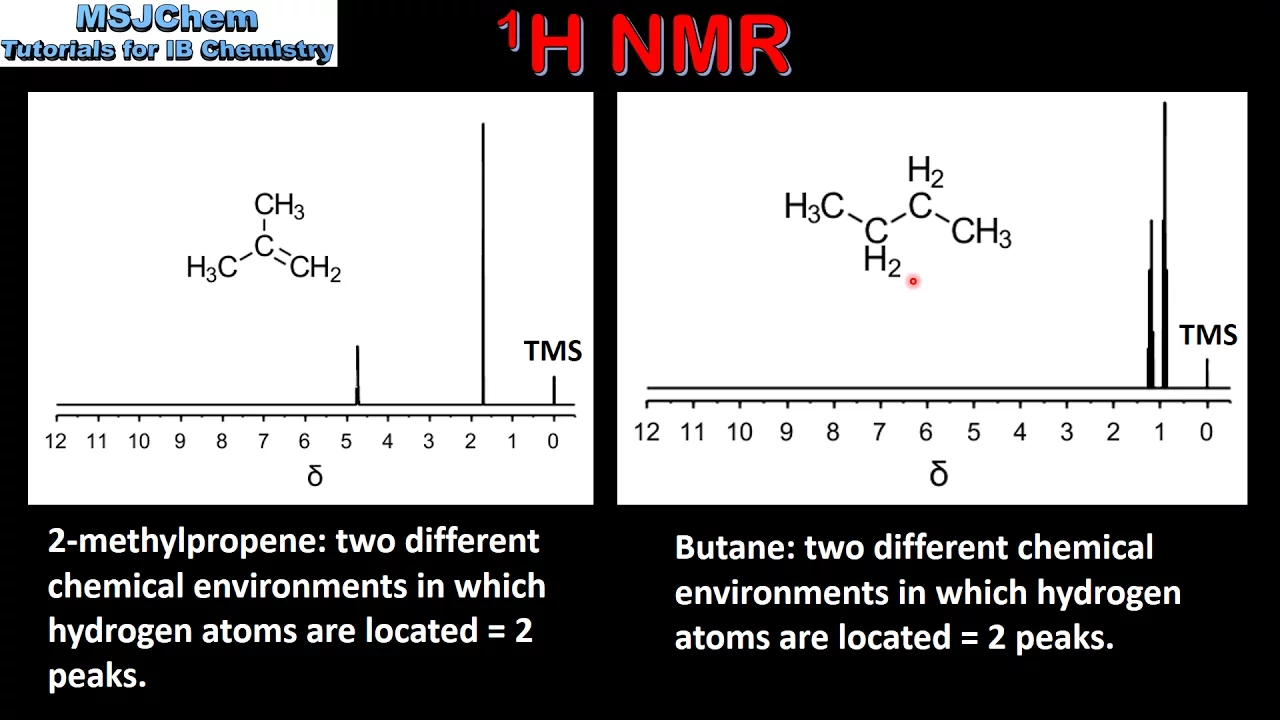
1H NMR: Determining Number of Peaks from Structure
@MSJChem
59.2K views•2017-04-06
Edible Water Bottles: A DIY Guide to Sodium Alginate Spherification
@ryan
10.5M views•2019-06-21
Related Study Plans & Knowledge Roadmaps
Structured learning paths in Chemistry