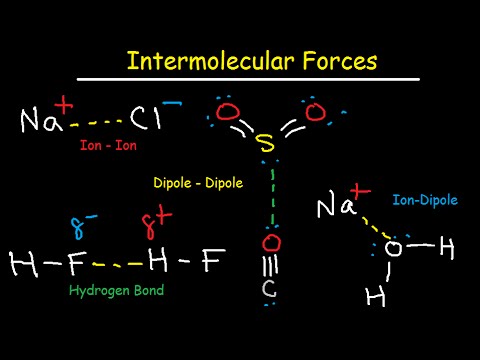








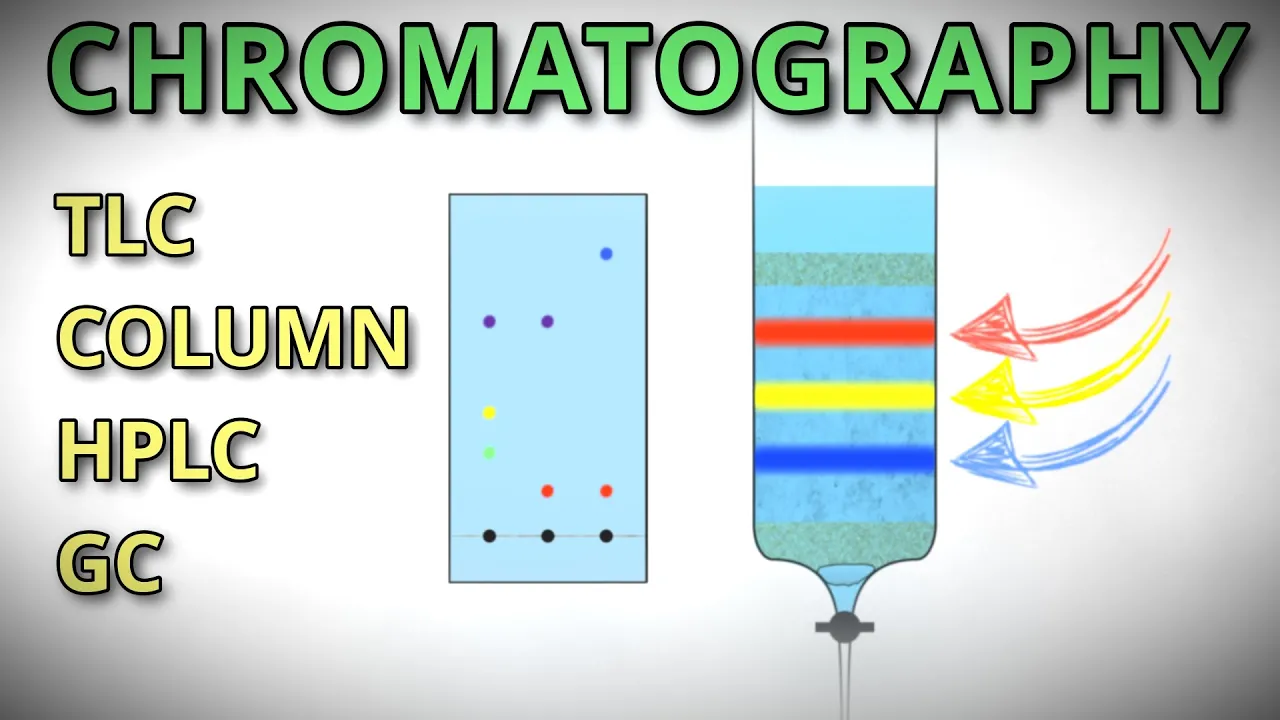









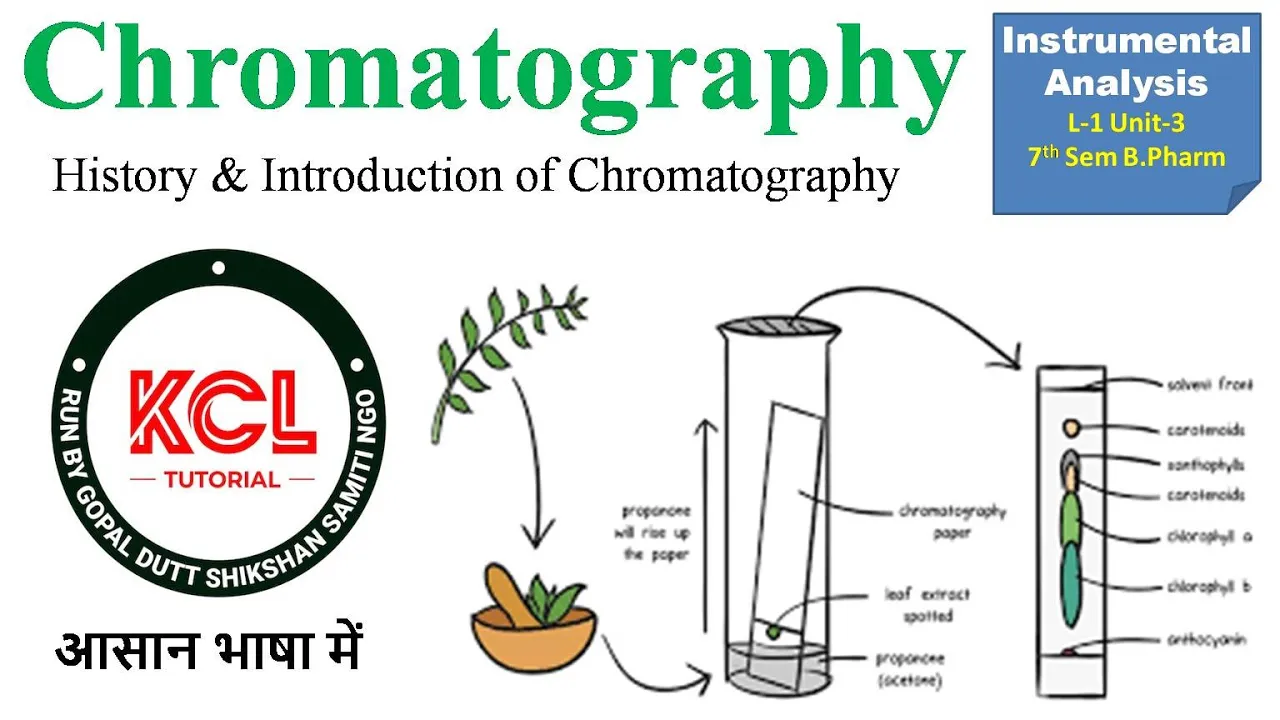

Chromatography separates mixture components based on intermolecular forces between them and the stationary phase (which remains fixed, such as filter paper) versus the mobile phase (which moves, such as water); components with stronger attractions to the stationary phase move less, while those with stronger attractions to the mobile phase travel further, with adsorption (sticking to the stationary phase) and desorption (dissolving back into the mobile phase) occurring repeatedly during the process.
Chromatography Principles: Mobile & Stationary Phases
Added:Understanding of intermolecular forces, including hydrogen bonding, dipole-dipole interactions, and London dispersion forces.
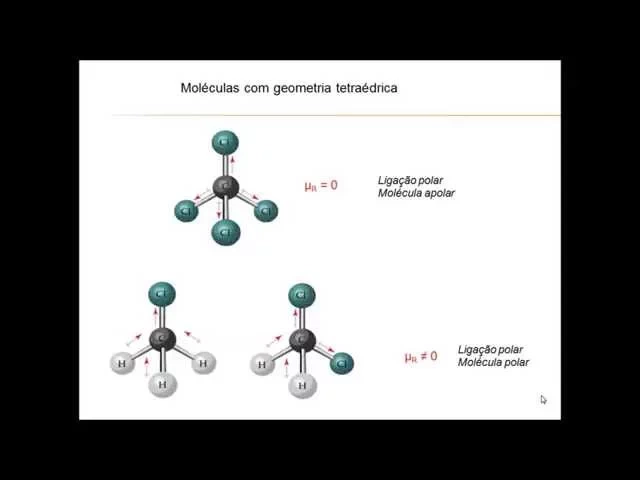
The concept of molecular polarity, electronegativity, and the general rule of 'like dissolves like'.
Fundamental knowledge of physical separation techniques versus chemical reactions.
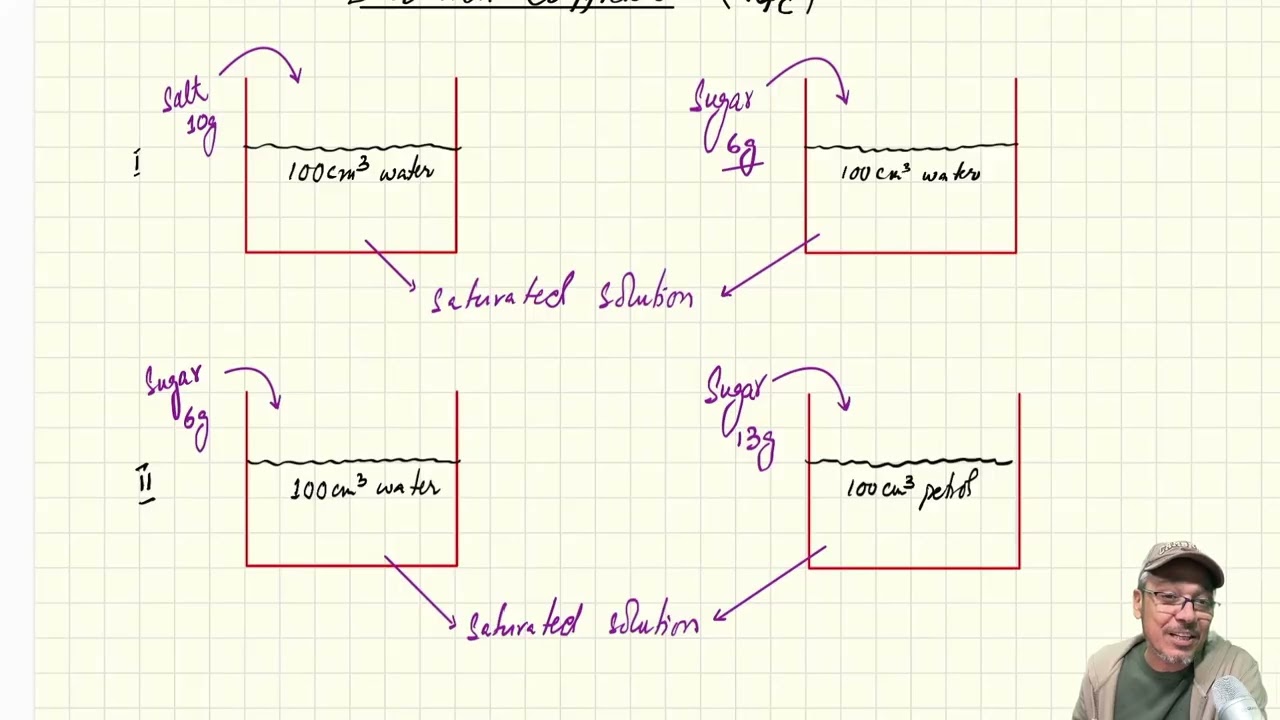
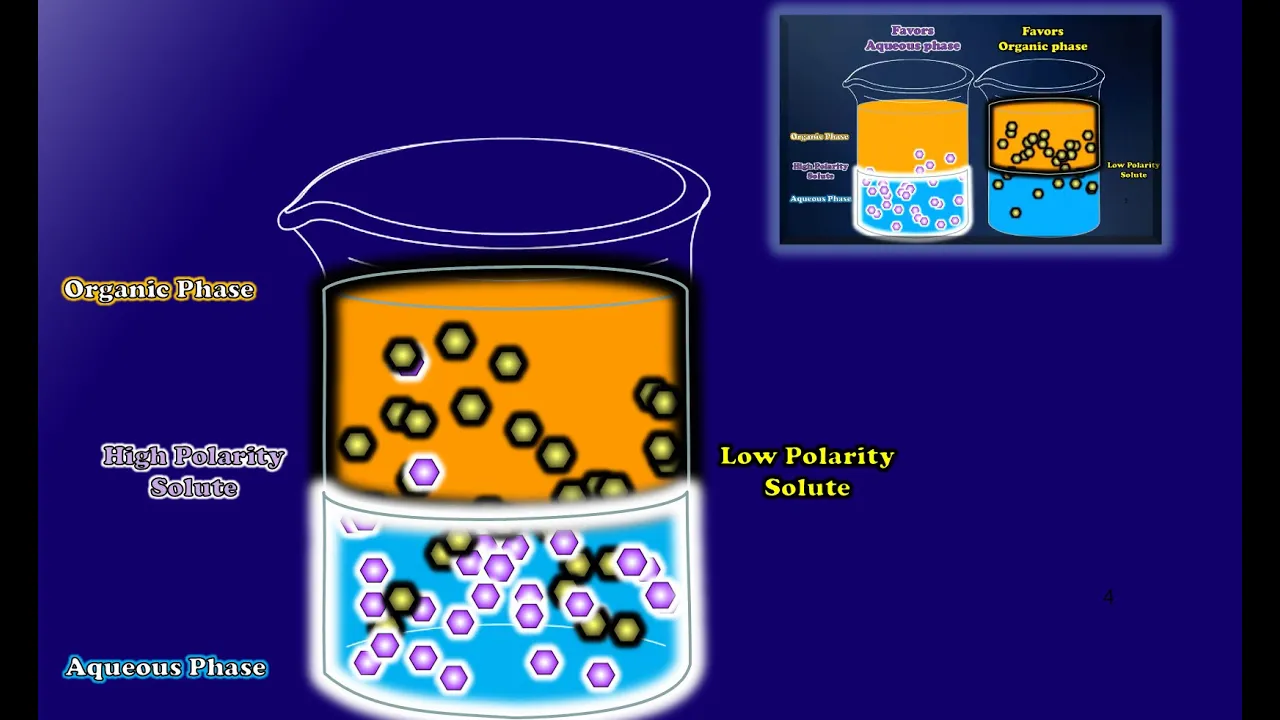
The concept of dynamic equilibrium and how solutes partition themselves between two immiscible phases.
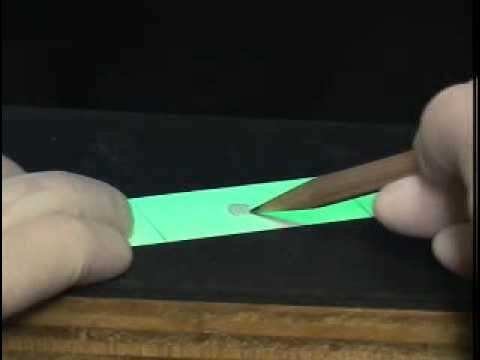
Practical application and execution of Thin-Layer Chromatography (TLC), including calculating Retention Factors (Rf values).
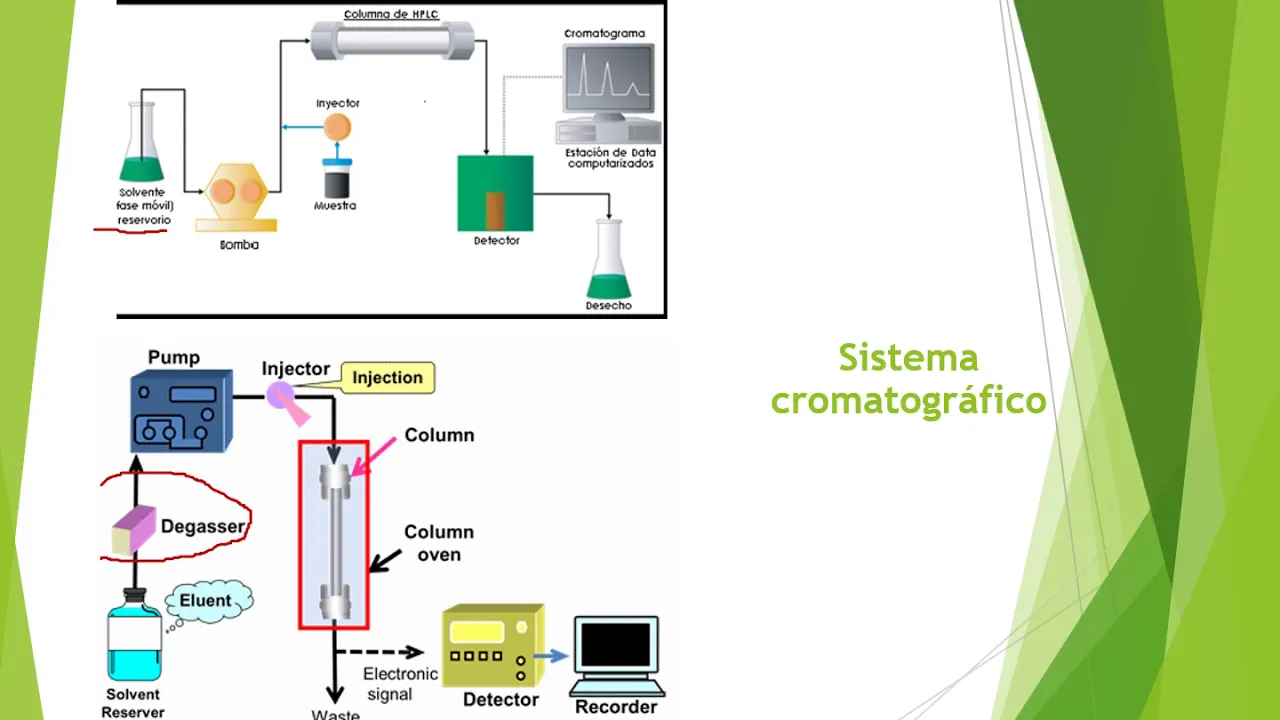
Advanced separation techniques such as Gas Chromatography (GC) and High-Performance Liquid Chromatography (HPLC).
The distinctions and selection criteria between Normal-Phase and Reverse-Phase chromatography.
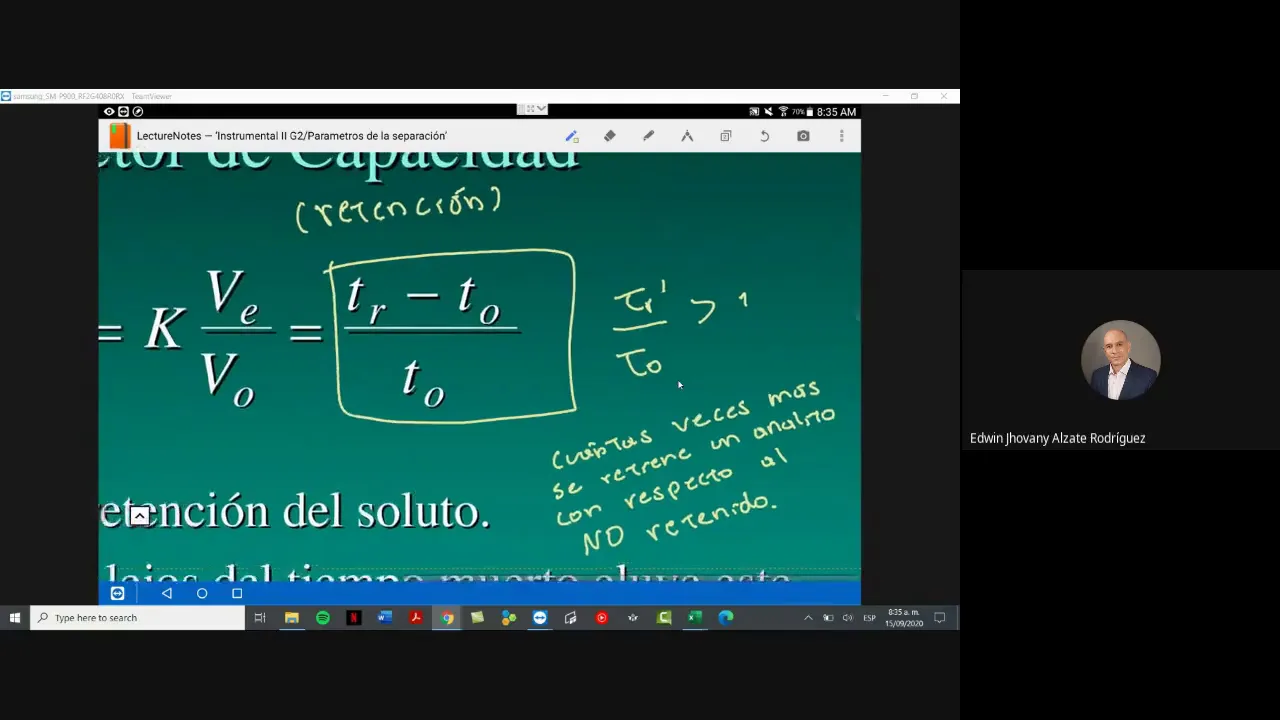
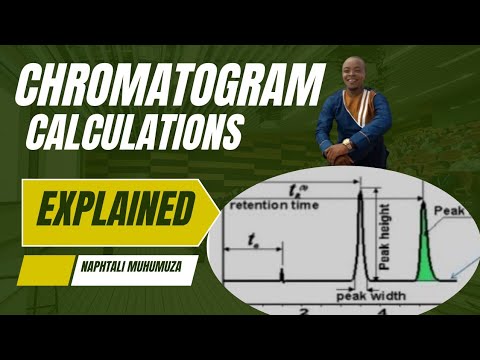
Quantitative analysis of chromatograms, focusing on peak resolution, retention time, and column efficiency (Van Deemter equation).
23.9K views403likes7:07Original Release: 2016-08-12
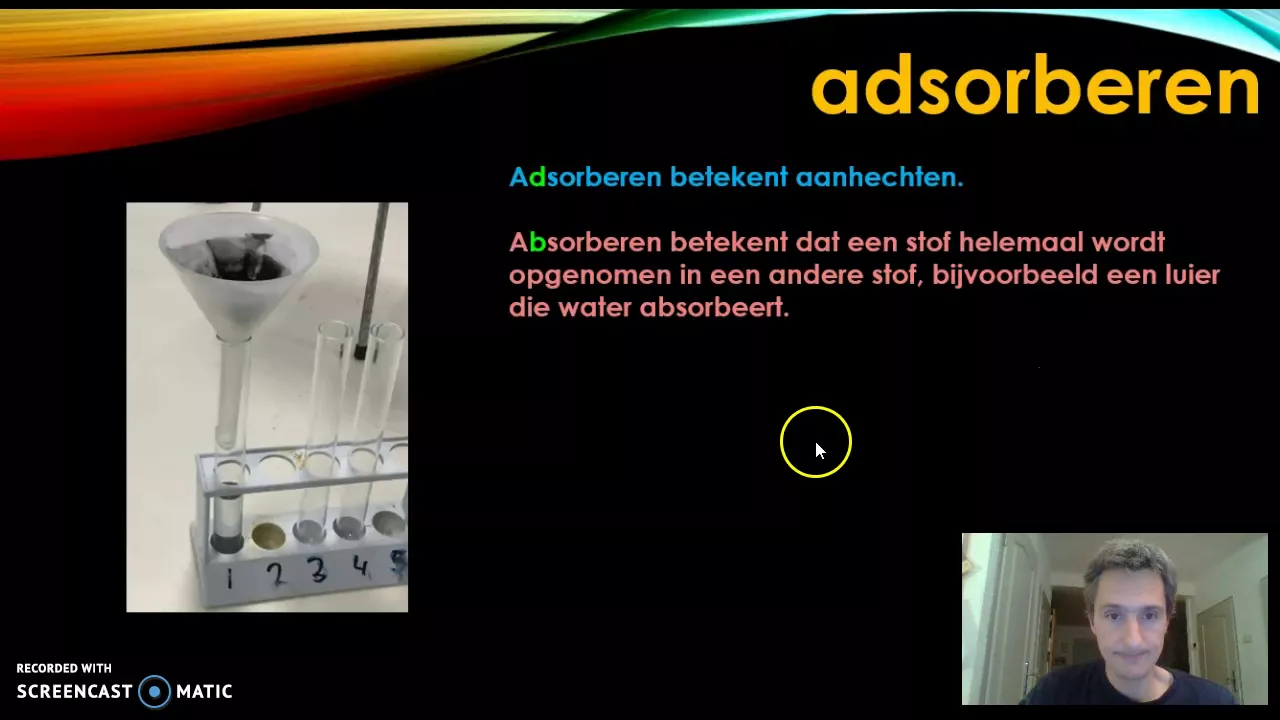
hello and welcome to this film which is all about chromatography now in this course we're going to be looking at three different kinds of chromatography in a little bit more detail but in this film we're going to look at how chromatography works in general and in particular how intermolecular forces that form between the components in a mixture and the mobile and stationary phases will actually allow us to separate the components of a mixture when we carry out chromatography okay so first of all let's remind ourselves of what chromatography is I say remind ourselves because there's a good chance you'll have done a simple chromatography experiment before by the time you get to a year 11 and chromatography to cut a long story short is a way of separating mixtures it sometimes doesn't work especially when you do it in a very simple way like getting the pigments in a dye to move up a filter paper but what you may remember when you do it from when you did it the first time is that you may have been told it basically depends on how soluble the different parts of the mixture are in the solvent that's moving along the filter paper and there's some truth in that for sure but what we're going to do in this film hopefully is explore that in a little bit more detail and come up with some key terms that will help us explain okay so first of all we're going to look at something called the stationary phase now all the pictures that you see in this film of simple chromatography experiments like the kinds of chromatography that you're likely to have carried out yourself okay so filter paper is used as your stationary phase and water often used as your mobile phase so in in in general not just in these simple experiments but in general in chromatography the stationary phase is the part that doesn't go anywhere okay so to give you an example if you were using a filter paper and you had some dots of ink on it that you wanted to separate from the dyes in you separately wanted to separate the dyes in those inks from one another I should say so in that case the filter paper would be the stationary phase because it's not going anywhere okay now if we compare that to what we mean by a mobile phase so you might remember that if you dip a filter paper in water whether or not it's got an ink on it the water will start to rise up the filter paper so the filter paper is kind of staying where it is it's stationary and the water rises up it moves so in the case of this simple chromatography experiment that we keep referring to the water is the mobile phase because it's moving and the mobile phase will usually take parts of a mixture with it and what we observe is that some parts of the mixture move further than others okay now if we try and explain why there is what we've got to do is to consider what forces are formed between the parts of the mixture itself and the stationary phase and the mobile phase okay so if we've got an ink spot that we want to separate and we're going to separate it out into these dyes then as this solvent the mobile phase moves up the stationary phase the distance that these different colors are going to move is going to depend on how strong the forces are between these five different colors and the solvent and how strong the forces are between them and the stationary phase because the more time they spend attached to the stationary phase the less they're going to move and the more time they spend attached to the mobile phase the more they're going to move okay so if we can consider what kind of intermolecular forces will form between one of the parts of our mixture and the solvent or one of the parts of the mixture and our stationary phase then we can get some idea of whether we think it's gonna be good at dissolving in the mobile phase or sticking to the stationary phase and there's some key terms we use for those things so that dissolving and the sticking and they are adsorption and desorption so if I can just risk a little bit of drawing here okay already it's gone not particularly well that was supposed to be quite a vertical but here is a stationary face so like our filter paper and we might have some water coming past it on its way up okay on its way up the filter paper in our simple experiment so here's our mobile phase out here and here's our stationary phase now as I say these things can take lots of different forms okay they don't have to be filter paper and water but for the purposes of this just trying to take it back to the simple things we know let's imagine this is a filter paper in this system of water now if I had a molecule that formed very strong intermolecular forces with water and very weak forces with the stationary phase then the likelihood of it adds orbing onto the stationary phase would be quite small adsorption is the process of any component in this mixture that's being carried along by the mobile phase actually sticking on to the stationary phase so when a particle in the mixture forms intermolecular forces with the stationary phase and bonds with it that's called adsorption now that needn't be a permanent thing in fact most times it's not okay so if I've got a particle that has adsorbed onto this surface then if it dissolved that would mean that it's fallen off it so in other words the forces that it formed with the stationary phase weren't so strong that they kept it there forever and at some later point in time it might get back into the mobile phase now depending on how often it adsorbs and how often it dissolves that's going to influence how much time it spends in the mobile phase in other words how far it travels when we carry out our chromatography okay so in general terms that's what intermolecular forces have got to do with chromatography and really and truly in this topic of chromatography that's what you've got to understand most of all that there are things called mobile and stationary phases and that the intermolecular forces that form between these things and the components of a mixture will influence how long the components of the mixture stay on each one of these things and how far they travel and how well they could be separated okay we're now going to look at a few different types of chromatography where we're going to look at these phases in a little bit more detail but really and truly that is the bulk of the topic now hopefully it makes sense if it doesn't or if you've got any questions or if you've got any comments then please feel free to come and see me and ask some questions or post a comment on YouTube
Up Next
9:15
Chromatography Basics Explained: Types & Principles | MCAT Prep
@khanacademymedicine
1.3M views•2013-09-17
83:56
Biocatalysis and Catalysis in Islatravir Synthesis | Merck Webinar
@SCIwheresciencemeetsbusiness
675 views•2020-10-08
10:06
1H NMR: Determining Number of Peaks from Structure
@MSJChem
59.2K views•2017-04-06

17:31
Edible Water Bottles: A DIY Guide to Sodium Alginate Spherification
@ryan
10.5M views•2019-06-21
Related Study Plans & Knowledge Roadmaps
Structured learning paths in Chemistry
chemistry
Nuclear Chemistry: Decay, Meds & Fuel Cycle
01Introduction to Nuclear Structure and Radioactivity
02Decay Dynamics and Kinetics
03Radiation Interaction and Detection
+ 2 more learning modules
24h5 modules
Explore Roadmap
chemistry
Supramolecular Chemistry: Forces & Machines
01Foundations of Chemical Bonding and Intermolecular Forces
02Introduction to Host-Guest Chemistry
03Thermodynamics and Dynamics of Self-Assembly
+ 2 more learning modules
16h5 modules
Explore Roadmap
chemistry
Photochemistry: Excited States & Reactions
01Foundations of Light-Matter Interactions
02Molecular Orbitals and Electronic States
03Photophysical Processes and Jablonski Diagrams
+ 2 more learning modules
18h5 modules
Explore Roadmap
chemistry
Coordination Chemistry: Bonding & Properties
01Introduction to Transition Metals and Ligands
02Crystal Field Theory (CFT) and Geometry
03Magnetic Behavior and Spin States
+ 2 more learning modules
14h5 modules
Explore Roadmap