





![[Sách Nói] Tưởng Tượng: Giải Phóng Sức Sáng Tạo Của Não Bộ - Chương 1 | Jonah Lehrer](https://i.ytimg.com/vi/J1C0eykFdbY/maxresdefault.jpg)


![오픈 포커스 브레인 | 쉽고 효과적으로 명상하는법을 찾고 계시다면 | [책을쓰다] 마인드맵](https://i.ytimg.com/vi_webp/70n_lvJ4zUU/maxresdefault.webp)

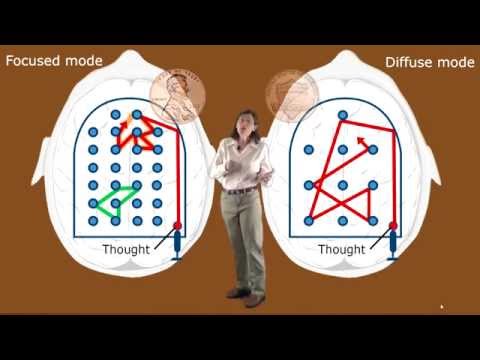
















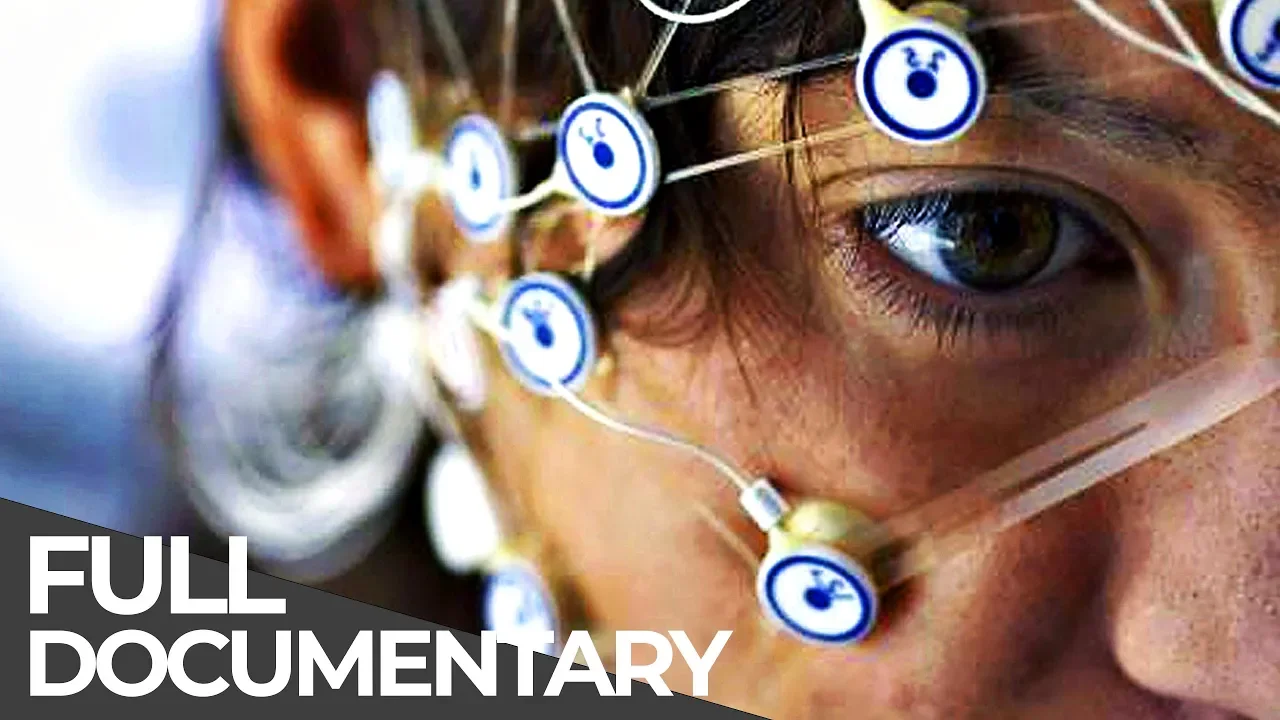

Eureka moments (insight-based problem-solving) involve distinct neural processes compared to analytical solving, including activation of the right anterior temporal lobe for integrating distant semantic information, the anterior cingulate cortex for cognitive control and attention switching, and are characterized by reduced visual attention (blinking more and looking away from the problem) approximately two seconds before the insight occurs; these insights can be facilitated by positive mood states and require alternating between focused analytical work and periods of relaxed, less selective attention.
Eureka Moments: Brain Mechanisms of Creative Problem Solving
Added:Basic neuroanatomy, specifically the distinct roles of the left and right hemispheres and the prefrontal cortex in cognitive processing.
The conceptual distinction between analytical (deliberate, step-by-step) and insight-based (sudden, intuitive) problem-solving methods.
Fundamentals of cognitive psychology regarding attention, including the differences between focused (narrow) and diffuse (broad) attentional states.
An introductory understanding of electroencephalography (EEG) and fMRI, particularly how brain waves (such as alpha and gamma bands) correlate with mental states.
Advanced cognitive neuroscience of the Right Superior Temporal Gyrus (rSTG) and its specific role in semantic integration and remote associations.
The neurobiology of mood, focusing on how neurotransmitters like dopamine modulate cognitive flexibility and facilitate creative incubation.
Practical methodologies for inducing 'flow states' and positive affect to optimize creativity in educational and professional environments.
The exploration of neuromodulatory techniques, such as transcranial Direct Current Stimulation (tDCS), to experimentally enhance or inhibit creative insight.
2.4K views41likes51:17Original Release: 2019-03-21
welcome to today's webinar AHA the Eureka moment and creative problem-solving in the brain I'm Roberto Diaz Brinton the director of the Center for innovation in brain science at the University of Arizona Health Sciences I'll be moderating the webinar today during this presentation you'll learn about creative problem solving and the cognition that is related to the AHA or Eureka moment will address questions that the audience submits at the end of the presentation now let's get started today I'm going to give you a brief tour of some of the amazing resources brain facts org is available for you you can see on the homepage that brain facts has five broad topic areas along the top with a multitude of articles in each category the thinking sensing and behaving section is filled with a large range of topics including brain development across the lifespan stress and anxiety and the five main senses under diseases and disorders you can find information about mental health Alzheimer's and epilepsy amongst others take a look under brain anatomy and function to learn more about evolution cells and circuits and body systems neuroscience and society has content related to technology and arts effects on the brain as well as special materials for educators and finally you can meet you can find our meet the researcher section as well as information on the newest neuro technologies under the in the lab section now I'd like to introduce you to our speaker today dr. Marc Beeman is professor and recent chair of psychology at Northwestern University studying the brain basis of creative problem solving how mood affects attention and cognition and how solving can benefit from incubation period including even sleep his research has been funded by the National Institutes of Health the National Science Foundation and other federal and private agencies now let's hear from mark hello and thank you all for listening today there are many different aspects of creativity and creative cognition and I'm going to focus on just one which is how we come up with new ideas and in particular new ideas in the context of solving problems often new and creative ideas arise as people are trying to solve problems in particular problems that have previously resisted they're solving efforts now I don't want to dismiss the analytic method of solving problems taking a very methodical and incremental approach is very important and many problems are solved that way which is why we often talk about standing on the shoulders of giants and even sudden leaps still come off of the shoulders of giants but the other way besides more basic analytic solving that people sometimes solve problems is with a sudden insight a somewhat revolutionary breakthrough where they see the problem in a new light which has been described as Naha or famously Eureka moment such as Archimedes supposedly had when figuring out how to prove to the king whether his crown was made of pure gold when he had his Eureka moment in a bath and supposedly ran naked through the streets of Syracuse shouting Eureka I have found it now of course some people argue that that story is apocryphal and we don't really know it's true but in any case I'm not quite old enough to have interviewed Archimedes and find out what was really going on in his head but another more modern Eureka moment happened when Jerry Swartz invented the first handheld price scanner Jerry had been a physicist looking at optics and light and had had a number of other inventions and like many other people at the time counter top price scanners were already in practice but they were these very large heavy devices and he included multiple moving laser beams within the countertop and nobody could think about how to shrink the lasers and incorporate them into an handheld device so the field and Jerry were at a dead end at trying to solve this problem but everybody knew would be very useful to have a handheld price scanner if you've ever tried to lift a 50-pound bag of dog food across the grocery counter you know what I'm talking about so one day Jerry was home playing with his kids he had a primitive laser pointer and he was showing the kids how you could create little dot of red light across the wall across this apartment and and even out the window on the cars parked on the road and he'd move it up and down and around and they were really enjoying themselves and as a car drove by and he moved the laser pointer up and down and the car moved in the perpendicular direction he created a pattern on the side of the car like a sine wave and I should mention he was careful to avoid the drivers eyes but on the side of the car itself he saw that there was a pattern created and he instantly knew how he could use a pattern like that to create a handheld price scanner now it's important to know that he said that at the time he this happened he was not even thinking about the problem he was just trying to enjoy his time at home with his kids and he was in a very positive relaxed mood which may turn out to be important but as soon as he saw that pattern of light on the car he had a Eureka moment I knew I had it he said I knew I could develop this price scanner and this exemplifies a Eureka moment in a number of ways because he had been stalked me found a new way of structuring the problem where he could have one laser with mirrors moving in simple patterns to create the complex pattern that he needed to get reflections from the price code so that the computer could read it and that night he sketched out a few prototypes and the next day went into the lab and started building it and his company symbol technologies came out with the first handheld price scanner and he got relatively rich on that and he was sure that many of his inventions had come through these Eureka moments and in fact he then sponsored a brain seminar on our brain little conference on the brain basis of sudden insight to which I was invited and where I got to talk with an interview Jerry about his invention it's an experience so insight although only happens on rare occasions it has it's important for a number of reasons one is it is often responsible for creating very creative solutions to problems where people are able to overcome past barriers in our lab beliefs when we have people solve a variety of puzzles they're more likely to be correct if they report that they have solved the problem with insight rather than having solved it analytically furthermore people who have insights say that the insight sticks with them that they have better more integrated memory about that insight moment and the experience itself is rewarding and therefore self reinforcing if it creates a positive mood but this combination of all these things leads to a great deal of confidence and then therefore persistence in pursuing their theories or ideas or inventions and sometimes that's important because as Mark Twain once said a person with a new idea is a crank until the ideas exceeds so when the rest of the world is calling you a crank you better have some confidence to persist in your ideas but like many forms of creativity how can we actually study it even if we knew who the next marie curie was we couldn't just stick her in a brain scanner and wait for her to have her aha moment and even if we could do that we one moment wouldn't be enough we usually need many different moments you need to have them to be repeatable and we need to see them across many people to really understand how the brain helps support these moments so in the lab we use puzzles puzzles that generally speaking we think people have enough information to solve so they don't need to learn some whole new field but that they have to think about the puzzle in a unique way in order to actually come about a solution so we use some spatial ones like this one where you are given eight coins in two rows and you have to imagine moving exactly two coins so that in the new arrangement each coin touches exactly three others so that put that puzzle and other were posted online and after the talk I'll give the solution to this one and others and there will also be a file available online for if you want to look up the solutions there so we had a variety of Eastbay puzzles there's a wide range of solving time but usually about a third of people can solve these with anywhere from within anywhere from one to five minutes we also have other types of puzzles like what's called a realist problem where you get some collection of letters or words in a box but they're they're arranged spatially in some interesting way that's supposed to represent some common phrase title or concept that people would be familiar with we usually give people anywhere from 30 seconds to two minutes to solve these we can sometimes give them more time but they get a little frustrating if you haven't solved it in a short enough time again I'll give you the answer to that one later but one of the most common ones that we've used in my lab is a very short verbal problem that can be solved in anywhere from 15 to 30 seconds that is if you're going to solve it at all about half the time these get solved we wouldn't learn anything if everybody solved all the problems so we have to know what are the situations that make them easier or harder to solve now there have been an existing test called the remote associates test affectionately known as the rat where you got three words like tennis same and strike and you had to come up with a solution word that had something anything really in common with each of the three problem works so in the case of this problem you could say match because tennis match is a thing you can strike a match and same and match or roughly synonymous but these are very tricky problems because you're not sure how the solution word will be related to the problem word so we made it a bit simpler we gave people a direction that each of the three problem words can form a compound word or a familiar two-word phrase with the solution work so it has to be a two-word phrase or a common or an actual compound so these can be solved as I said in about 15 seconds at a time we usually give them now but people will solve about a third although there's a very very wide range and it varies from problem to problem a lot - so what's easy for one person might be hard for another and we've used these compound remote associate problems RCRA is if we call them to look at a number of different features of processing including some of those that I talked about before so as the idea that unconscious processing is involved in trying to solve these so one way that we have looked at this is to have people do a task where they're primarily trying to solve a problem like the three words that I just gave you and they work on that for a while and at some time limit if they have not solved it yet a solution word can flash on the screen or a control word will flash on the screen and their job is to simply read the word or in some experiments to actually recognize whether or not that is the solution so we might flash up the word brain which in this case works because you can have a brain child a brain scan and there is a such a thing as a brain drain and you notice that the word appeared on the right side of the screen so in this case if a word appears in the right visual field and you're looking straight ahead it will get directed initially to the left hemisphere and vice versa and that allows us to tap into relatively more of right or left hemisphere processing depending on which side of the screen the word appeared on now when we do this we find several things we find that people respond very quickly to the solution word when it's paired with its problem as opposed to when it's paired with a different problem and that shows us that there's unconscious activation of the solution word before people are able to utilize that activation to solve anything so activation here just means people are thinking about it and presumably with neurons that are active and this is especially true if we show the word to the right hemisphere via the left visual field and in fact if we ask people to judge whether the word is the solution or not people will recognize the solution faster when it's presented to the right hemisphere via the left visual field than the other way around and that's really dramatic because always show a right visual field or left hemisphere advantage when responding to words so the fact that they actually responded faster to the visual field right hemisphere words is really a remarkable finding in that experiment furthermore we find that both of these effects are even stronger or more more dramatic when people report that they have solved the problem within sight as opposed to resolving it analytically particularly true in the right hemisphere so this suggests it in a way this aha or Eureka feeling has a little bit to do with a sort of knew all along effect that has to say oh I had some unconscious activation of that but because it was unconscious I couldn't report it yet but now that I see the answer it makes perfect sense and I think I actually had that summer in my brain just not available to me and you know the idea that this happens more strongly in the right hemisphere fits with this idea that what I've suggested is that for semantic processing the right hemisphere engages in relatively coarse semantic coding so while the left hemisphere strongly activates information that's closely related to input words which is really helpful when you're trying to understand quickly what people are saying the right hemisphere activates a larger semantic field or more information including things that are distantly related to the word or related to alternative meanings like the idea that a foot could mean 12 inches rather than the thing that's at the end of your leg now that might be pretty tricky for trying to understand what somebody's saying and you can't figure out what they mean by the word foot but it might allow for these distant semantic relations to overlap when you have multiple words like in the slide I showed earlier when I presented the problems in the first place so you can find connections across these larger semantic fields so all of that was happening when people were failing to solve problems because we need to look at their response to the actual words but what happens when we're looking what we really want to know is what happens when people are actually solving the problem and we'd like to see what's happening in the brain so we turned to neuroimaging specifically fMRI to look at what's happening when people are reporting that they're solving with insight and is it really different for when they actually still solve the problem but solve it more analytically and of course if it is different how is it different and that how is a little bit informed by where we see activation in the brain so we predicted that solving these tricky problems would require a special kind of semantic integration making new connections across information that's only distantly related or weakly active in response to the problem words themselves and that this would be activated in primarily or one key area would be the right hemisphere anterior temporal lobe because I had shown up in a few weeks Berman's and language comprehension is being important for a similar kind of process we also thought that areas of the brain involved in cognitive control and switching attention would be important and this would include a frontal Network including areas known as the anterior cingulate cortex and lateral prefrontal cortex so what we did is we gave people these problems and at the time represented by by the red arrow at some random time when the subjects solved it which was completely up to them we would look at neural activity for about two seconds prior to them solving to see what happened just before they solved these problems so what's happening at the Eureka moment and then subjects would report the solution and then they were report to us whether they had solved it analytically or within sight and they gave them some training on this but most people understood that intuitively as having a sort of mini aha moment so the question is where different things going on in the brain when people said they solved with insight or did it just feel different and what was going on now notice that this is a very so we're doing what's called an event related neuro imaging design in fact we were looking at activity that's locked to the solution of when they came up with the answer and we were comparing insight solutions versus non insight or analytic solutions so this is a very tight comparison it's not gonna reveal every area involved in solving just the areas that are different for insight compared to solving analytically and sure enough we found a variety of differences this is from our second experiment looking at this where we were able to test more subjects and with better brain imaging data but I'd exactly match what we found the first time which was strong activation in the right anterior temporal lobe which was one of our predicted areas and that we think is involved in integrating distant semantic relations some areas involved in memory and attention and also the anterior cingulate cortex which is one of the key areas involved in cognitive control that's that midline frontal area in the left brain image and it's circled in blue interestingly we wanted to know if this was similar across different types of problems so I should tell you we also did this experiment with EEG and we found a gamma band activity in the same area with over the scalp of the right hemisphere at a particular frequency of EEG that suggests that this was the solution essentially emerging into consciousness because gamma band frequencies associated with binding information into a conscious percept now interestingly we also see we wanted to see if we've get similar types of brain activity with different types of problems so it gave people visual images where people could solve an image like this sketchy outline here try to figure out what it is and people sometimes have the experience of solving is with insight where they get a gestalt like effect of the whole image coming to them at once and other times it might solve it sort of piece by piece by say looking at the top and saying well those look like two ears but what kind of animal stands up like that and they might figure out eventually that it was actually a kangaroo this like those other problems you can solve it with a sort of feeling of insight when it comes as a whole or you can solve it piece by piece more analytically and when we looked at that and this was a bit of an underpowered experiment so the data here are actually a little bit weak but we actually found almost exactly parallel areas to what we found before um but sensible in a different way where that some of the areas involved were more involved in object recognition rather than word processing but we found the same cognitive control and anterior temporal lobe of the right hemisphere involved in solving these problems that depended on visual processing as well as the verbal ones so we can start to answer the question of where do insights come from and not surprisingly they come from the brain but it's not just anywhere in the brain it's specific areas in the brain and they indicate that people are involved in integrating distantly related semantic information in switching their attention from their earlier thoughts about the problem to these newer ones that that relied on this semantic integration and maybe some special things going on with memory as well we also see that there are prior processes so sometimes insects feel like they come from nowhere and they just jump in without you doing any work on them but there's actually stuff going on in your brain in the background unconsciously beforehand and we can see a little bit of evidence for this in our experiments we saw some antecedents so a little bit before we get that gamma band activity in the temporal lobe we saw some early alpha wave activity over the visual lobe suggest that people were essentially quieting the visual input to concentrate on an internal idea and I should keep in mind that they actually were looking at a problem presented visually so it's not clear whether they're specifically blocking out the problem or just sort of looking inside to find to pay attention to their internal ideas but we see this increase in alpha only for insight and only about two seconds or one and a half seconds before people solve the problem exactly coinciding the end of the alpha wave exactly coincides with the onset of the gamma Ben increase so we think these two things are causally related so we think this is the brains way of sort of shutting down visual input so you can think of your internal ideas and it might be like if you are trying to solve a problem or think of something that is a little bit elusive thought you might look outside the window or look at a blank wall so you're not getting distracted by the visual input but in the EEG experiment we tell people don't move your eyes and don't blink because both of both of those things create artifacts in the EEG we have to toss those trials but we wanted to test this more directly and sort of more naturally by following people's eyes as they were trying to solve these problems so in an eye tracking experiment we looked at for instance how often people blink and we found that in that same solution period about two seconds before people solve a problem people actually blink more and longer prior to insights over here there's literally shutting out the outside world only briefly but for longer durations prior to solving problems by insight then prior to solving them not with non insider analytically so this suggests that they're actually again doing something different with their attention when they're solving with insight we can also see it in the number of times that they move their eyes so if you're actively engaged in looking at the environment you're going to move your eyes to the problem words and when they're moving their eyes a lot that's what you see prior to people solving problems without insight or analytically and when they're solving with insight they're not really moving their eyes Eliza's if they're not engaged in the problem visually the eyes kind of just drift out there and in fact if we look at specifically at where they're looking where that is where they're fixating their eyes just prior to solution usually people are looking at the problem but this is especially true prior to solving a problem analytically so there were more fixations on the problem or inside the problem box prior to analytic solutions and prior to insight ones but they looked away from the problem or outside the problem box prior to solving by insight more often than prior to solving analytically so I guess it might be true that actually to solve problems creatively you want to look outside the box so we can conclude from the solving period that insight is indeed supported by distinct cognitive and neural components including areas of the right temporal lobe to involve to integrate distant semantic elements the anterior cingulate cortex to indicate readiness to detect and switch to competing candidates people blink more and fixate less on the problem when they're solving with insight and they look outside the box prior to solving by insight all this suggests that people have to be flexible in their attention ready to switch ready to disengage from input and ready to connect things that are only distantly related whereas when they solve analytically they have a more bottom-up approach approach where they're engaged on the input they keep looking at the problem that is they're looking inside the box so they're staying engaged on the input and using focused semantic activation so another question that people have is you know when you think about where ideas come from is how can you prepare your mind to solve more more creatively there's a famous quote from past you are saying that in the fields of offered observation chance favors only the prepared mind now you may have met education or hard work by that but it also might be that you have a mind that can be prepared to think creatively by being in a particular attentive state so we look at this again with multiple different methodologies we use the same kind of pair so prior to solving a problem like tooth heart' potato where there's a compound solution or a word that can form a compound with each of those three problem words and you'll have to figure that one out yourself but prior to that people were just staring at a blank screen for this preparation period which was also an important component of the fMRI methodology and we look to see is there anything different going on in this preparation period before problems that people were able to solve analytically compared to before problems that they were able to solve by insight so in both these cases they went on to solve problems it's not like they were just sleeping some time but they were sort of the brain was more conducive in a state that was more conducive to solving one way or the other at least in theory so we wanted to know is there different are there differences in brain activity in this period when there's really nothing going on so that would just reflect that your brain is in a different attention state you're ready for things differently but you're not actually processing information at this point sure enough we found differences in fMRI which I won't tell you about but they match very well on to the processes that were proposed to be involved in solving my insight and in EEG in a parallel experiment and again with EEG we saw that blue over the back of the brain represents it you were actually sort of ready to shut out input from from the visual screen or you'll more focus internally less focused externally in that neutral period before you get a problem if you go on to solve it by insight so naturally we also went in to look at that with eye tracking in blanks and we found that people again with nothing on the screen people blink more and longer when they're in a state of mind that was conducive to solving the problem within sight before the problem even appears so this is just their attention state and how its influencing how they go on to solve the problem and likewise people made more fixation as their eyes were more engaged and more ready to process visual information prior to problems that they went on to solve analytically or without insight compared to solving problems with insight so from all this we can see that specific areas of the brain are involved that there are antecedents within the problem and antecedents even before a problem is given to a subject that tell you whether the brain is ready to solve by insight well given that's true we might wonder if there are ways to actually facilitate insight and the first question I have to ask whenever anybody asks me is how can we have more insights is do you really want to UM after all we have quotes from people like Thomas Edison who said genius is just 1% inspiration and 99% perspiration so don't be ready for insight just keep working on problems hard um but strangely even though Edison said that there are some interesting stories about he actually prepared himself to be in the proper state to have these sudden insights and creative ideas so one of the ways that this might the insect might be facilitated is being in a positive mood so I mentioned earlier that Jerry Swartz was in a positive mood playing with his kids prior to his Eureka moment and so we looked at that in the lab as well and we could look at it a couple of ways one is just measure people's mood when they come into the lab before they even know a kind of experiment they're in and what we found is that people who came into the lab in a positive mood solved more problems and in particular more problems with insight so from left to right we go from lower positive effect to higher positive effect and people solve more and more problems by insight when they're in a high or positive mood that's a little bit the flip side of anxiety when they're in an anxious mood they actually solve fewer problems by insight and perhaps more problems analytically we also tested this by taking subjects and putting them into a positive mood or an anxious mood and we did this by showing them different film types and watching how solving changed so we had people watch comedies which put them into a positive mood and when we did so that created more insight they had more problems solved by insight in that case that's represented in the left pair of bars but when they watch scary movies such as in the right pair of bars that decrease the number of insight solutions that they came up with furthermore when we look at brain activity we see that when people are in a positive mood we get brain activity in the anterior cingulate cortex in particular that actually looks quite similar to the activity this from trial to trial when people are in the preparation period before people go on to solve problems by insight compared to when they solve analytically so it's as if people in a positive mood are just overall more prepared to be an intention state that will help them solve problems with sudden insight so positive mood puts you in a state can modulate activity in cognitive control and detention regions that help you solve calls with insight it doesn't turn on the right hemisphere or the right anterior temporal lobe it just makes your attention more sensitive to ideas that might be coming up in those areas so but you can normally think about typical attention we enhance our processing of a target and we inhibit distracting information when people are anxious they tend to have an exaggerated focus and get tunnel vision such as what's the term weapon it's focused so you can see row in on one thing and you kind of ignore everything else but a positive mood seems to induce an attention that has more distributed and less selective attention so instead of squashing these weak ideas you allow them to percolate until they can make the connection to help illuminate the solution so if you want to facilitate insight obviously you have to pay attention to the problem but how when you initially start processing a problem you probably want to focus your attention and analyze gather information and think about it as much as it can even people who describe their sudden insights often say that they had a long period of thorough analytic attention to a problem before they were ready to have the insight but when you are ready that's when you want to find a way to distribute your attention and be less selective so that you're ready for insight you also might want to look away from the problem to look outside the box and not keep focusing on it so sometimes they need to step away from a problem and allow it to incubate and in fact the old adage of sleeping on it might also be useful because the processes of memory can solid ation and reorganization might be particularly fruitful for solving with insight and we've been finding some really interesting things with that in my lab recently but nothing I can tell you about today so in conclusion we find that insight does indeed occur with distinct cognitive and neural components that as different processes lead to insight versus analytic solutions furthermore different attention states are conducive to insight versus analytic solutions and this occurs both in short and long time ranges within a problem and within and across people so different individuals might be more or less prone to insight even though this ability might be shifted by mood and attention and this all this work can serve as a model for interaction between mood attention and cognition so we posted some puzzles online beforehand and I gave you a couple of examples before the puzzles and answers are available online now but I can tell you about the two that we presented in this talk so we talked about having eight coins and two rows and you have to move exactly to the answer is if they're actual coins so you can take the two middle ones and lift them off and pile them on top of the other three so instead of thinking outside the box you're thinking outside of two dimensions so you actually have to physically move the pennies on top of each other and for this rebus problem what familiar phrase is represented in the box this is probably my favorite rebus problem I'm not sure why but the answer to this one is three blind mice because they have no eyes so those are the answers to those problems and there's one more here you could probably figure out and it is the last but not least slide that I have so thank you very much for your attention and I hope that you'll stick around for questions thanks mark for a fascinating talk on creativity and aha moment we'll start answering questions now and the first of those is does the AL ha effect involve specific neurotransmitters for example acetylcholine and dopamine thank you for the question thanks all for listening that's a really interesting question and I'm afraid I can only provide a pretty speculative answers but it's interesting in two ways one is are there specific neurotransmitters that are conducive or that you know higher rates of activity in those transmitter systems are conducive to responding with insight or to being able to solve a problem with insight then also what effect does solving with insight has on neurotransmitter systems so I'd say there's very little direct evidence on where we actually are measuring neurotransmitters the the effects from solving with insider are at least initially pretty training so I don't know what we could do to find really good markers of those immediately but there is at least some sort of circumstantial evidence for a couple of different transmitter systems being involved one is a dopamine which was mentioned by the questioner and it's a complicated story because there are several dopamine systems and it seems as if turning some of them on without turning the others is very useful so for instance one thing that people try to do sometimes to enhance creativity that is when organizations or policy makers is to provide under War a reward for coming up with creative answers but that there's some research suggesting that actually has negative consequences on coming up with insight when people are working for reward they work with systems that are end up being very very focused and and that high degree of focus is good for a lot of processing but it might prevent you from seeing the sort of weaker yet more creative ideas that you need to focus on and dopamine system is part of the reward network but we found that if we actually stimulate the dopamine system another way they sort of subliminally by presenting sublimino q so people can't see outright they are at least getting a hint that an upcoming trial will be more rewarded that that seems to enhance responding with insight and also that in turn responding with insight increases people's willingness to sort of bet on the next problem so that again is they're more confident and their dopamine reward system is encouraging them to respond with insight and they seem to be a little more successful in doing that in general there's some other evidence suggesting that perhaps neural epinephrine systems are are somewhat consistent with at least some of the stages of or processes that are involved and solve them with insight but again the evidence is pretty peripheral on that the other component was that I talked about blinking rates when people are doing nothing but staring on the at the screen and we interpreted that as sort of being internally focused but it's also true that spontaneous brink blink rates are associated with dopamine function of a particular component of the dopamine system so there might be some really interesting things to look at there but I haven't been able to investigate that myself hmm so another question why do you ask people to give rating of insight or analytic how does that affect the results so yet people notice that as we are presenting puzzles we often give people puzzles and we in many of our studies not all of them but many of them we actually ask people to report to us how they solve the problem and that comes up for a number of reasons one is a lot of the old work with insight was really trapped by finding that there are a certain small set of problems that had been identified as quote/unquote insight problems these sort of classic insight puzzles the problem is when you give those to any group of people somebody's going to solve it with purely analytic processing and on the other hand you know what might be an analytic process for you you know I I might not have the tools yet to solve it analytically I might need to have a sudden insight to even get there to start solving it so just labeling a problem as being an insight or analytic problems not usually enough so we give people the chance to tell us themselves and we train them a bit on how to recognize whether something happened within sight like they had a sudden change in processing the the solution occurred to them as sort of surprising and sudden and yet confident where the whole solution came in all at once those are all signs that you've solved with insight and we've but because we are now able to use various brain and physiological measures like EEG fMRI and high tracking we can see that there are really strong objective correlates of that so even though people are making these subjective ratings we have very strong evidence that they represent different things that went on in their brain different sets of prophecies that led to these feelings great so another question which brain networks and which functional connections are the key players for creativity so that's you know creativity broadly speaking there's just so much going on that it's hard to answer a question about creativity broadly but in terms of just our set of problem-solving studies um we can see different brain systems involved I think the ones that I mentioned in the talk we're one you have to be ready to sort of find distant connections or pay attention to ideas that are only weakly active and you have to be ready to you know actually be able to detect the weak ideas so usually when we focus on things we we focus on one thing and squash all the others but that might get in the way of actually solving by insight so you want to sort of search your possible solution space with some amount of attention but don't be too committed to any one idea until you can let the ideas sort of percolate and find their own connections and coherence to point it to the right set of ideas so the systems that we see are involved in cognitive control attention memory and again this sort of particular kind of semantic processing where you're able to find these different connections so is the eureka moment associated with the functioning of the limbic system for that one so the big system for people who don't know is usually associated with emotion and so obviously on the one hand yes because we have evidence that you know putting people in a positive mood makes them more apt to solve with insight and putting them in an anxious mood makes them less apt to solve with insight may create this sort of high degree focus which is good for a lot of things but not necessarily for creative problem-solving so so that's part of the answer but also the areas of the anterior cingulate cortex that we call a cognitive control area but the particular area that we see is one that sort of links up the limbic system with the cognitive control system so it seems like it's a really important gateway between these two different systems and so I would answer yes it's the limbic systems involved and it's helping to sort of modulate the kinds of thinking that we do it it basically is the our state of attention and state of mood affects how we process a lot of information and ways it can help or hinder insight great so how can we improve our problem-solving skills according to neuroscience well as I said in the talk and one one answer I always have to that question is be careful what you wish for and sometimes if we're if if these two states of attention that help us solve with insight or analysis are in some ways opposing you know very focused attention and is good for analytic solving and and this sort of very less selective more distributed attention is good for solving with insight or solving more creatively then you want to make sure you're in the right state of mind to do one or the other right so if you don't yet have all the information I mentioned that the problems would give people we assume they already have the background knowledge to solve them but if you still need to collect more information you're not ready for an insight you want to state an analytic mindset longer so I think we really don't have a cookbook cookbook answer both the ideal to be aware of the different steps the processes are involved in solving generally and how you're solving how you've solved before and how you're solving in this particular problem so if you can try to assess where you are and do you have enough information or do you still need to analyze more information before you ready are you stocked to and if you're stopped where you're stuck on a wrong idea do you need to sort of step away from the problem and get past that wrong idea and in particular if you feel this sort of nagging sensation like oh there's something in there this sort of intuitive sense that people sometimes get that there that there's something in there but they don't have access to it but certainly they'd record recognize a solution if they saw it that sort of state of intuition might be telling you that now would be a good time to do something like to incubate on the problem which is to step away from it and let sort of some unconscious processing do its trick where people have their own routes for doing that an architect that I talked to used to have an interesting way which was to ride the subway it was the elevated subway around Chicago's downtown area and it was because was just distracting enough to prevent him from focusing on the problem or anything else and just allowed his mind to wander until he could come up with some ideas it wasn't overly distracting he didn't hear all the other chatter going on so you know but but someone else might prefer a quiet walk through the woods or sitting along a lake or something like that also it turns out that sleep can be particularly useful at least it appears to be and we have some interesting data that will be coming out on that soon the others have already provided tantalizing evidence for this so if any sort of think about our problem if we're going to sleep that might be helpful as well mmm so to dovetail with that a very translational question what type of habits can one develop to induce the brain to be in a state of working on a problem in the background so working on a problem in the background it's kind of hard to do because by by necessity you know it's in the background so you don't want to be thinking about it so some of the evidence from psychological studies suggest that sort of like the study that I mentioned of riding around on the subway worked for that one person that you want to when you're incubating you want to be in a state where you're not so busy on something else that your brain can't do anything but you also want to be busy enough or distracted enough that you can't focus on the problem so that's what you want to do when you're ready for the insight but again it might kind of depend on where you are in the problem set before you know that you're in the right state so I think the habit might be to make sure that you have some time in your sort of problem-solving time where you can be really focused where you can analyze a problem and really get to understand it and from every angle and then some other time where you're allowing yourself to sort of your mind to wander a bit and and or to work on something else it's not so overwhelmingly engaging that you you have a little bit of space in the background to do some more processing so a little bit of variation in your work habits we are still working in both cases but with different types of strategies hmm well another translational question is there any studied benefit based on the power of the right temporal lobe to closing the right eye when considering a visual problem or puzzle so first I would note that we don't see within each hemisphere from the right eye or left eye but from the right or left visual hemifield so closing one eye doesn't help because you still get information to both hemifield but if you could just view a problem with just the left half of your visual space if you look straight ahead and the problems to the left maybe but for the most part when we're getting information we share it across the hemispheres we've seen differences in sensitivity to information related to solutions one of the first studies I presented in a talk was that where we're looking at something called priming to see how quickly you can recognize a solution and so forth so they were tapping into what the right hemisphere is doing but but we remained the information about the problem available to both hemispheres at once so I'm not sure and furthermore you know even for any complicated problem you know you're going to need to process it with all the information you have I mean I'm not sure about the questioner but for me to do even a very simple task I really need all my brain and I think most of the time we're using all the different processes and what the right and left hemisphere both do are both contributing to almost any task that we do so I'm not sure about that and then the other things the other methods that we've used to enhance problem solving when we see are solving by insight when we see those changes they're not turning on the right hemisphere they're just changing your attention system so that you're now more sensitive to ideas that the right hemisphere might have been useful in helping to develop in the first place great and we have a very pragmatic question so there was a listener who was looking at fluent and creative additions in his or her EEG data and they saw in your slides your study investigated two seconds before the insight time they're wondering whether they should go with two SEC's against before the time when the precipitous apin started giving the response I'm assuming that will mean something to you yeah so this is someone who wants to do research in it it's or is doing research on it so we were looking for a sudden change to mark the insight moment in here and and we found that and and we do see that things are changing right at the last moment so often when people come up with the insight solutions again it's so obvious and intuitive once they come up with the idea that they can respond very quickly and they know that's the solution so that last two-second period we saw some very interesting neural and we've seen in other experiments cognitive events or also changes and I'm moving by movements and blinks and all that so that's a really useful time to look at what I've actually say is you want to make sure you break it up and differentiate between these if you look at the entire solving period if you have if you're engaged in a problem for a minute and then you have a sudden change of idea in the last two seconds will be averaged over the whole minute you're going to miss the importance of that last two seconds so you probably want to see what's going on early and you would compare it to what's going on late in each and in each case contrasting the creative or insightful ideas versus other kinds of ideas or that sort of approach so this will be our last question if listeners have more questions after the webinar you can submit them below and that last question is what tools are used during this type of research so well we gave you know some examples from some of the types of tools that we use and we've used others by tools I'll take it as a broader definition we include things like you know measuring someone's personality measuring their real world creative potential or creative achievements and so there are questionnaires that do that or you can measure their creativity on one task and then try to manipulate their creativity in another task we also looking as I mentioned before at sleep and you can try to measures sleep you can try to actually alter some aspects of sleep or the processing that goes on during sleep and you can try to change it in ways that you think would either favor some again during sleep you're really not solving the problems usually you're doing what we'd call incubation doing some kind of background work that will help you solve the problem when you when you do approach it again and then besides that you know somebody mentioned the pharmacology that was the question that we got earlier the different neurotransmitters it would be great to look at that that's sort of outside my my toolbox but the answer almost always in cognitive neuroscience and neuroscience generally is as many tools as you can we need replication and we need converging evidence every tool has its pros and it's cons and we need to take advantage of all of them so in our experiments you know when we paired up EEG and fMRI the EEG gave us a very good timing information and the fMRI gave us a very good spatial location with only one or the other we really would have doubted the results but because we got the same result with two different tools each with a different complementary set of pros and cons it was really much more convincing so multiple tools and and really ultimately we want to make sure that we're keeping cognition in the picture we're really asking in our case anyway about how their brain comes up with creative ideas so we really have to look at the brain and the thinking process and do so in as many ways as we can and then pair that up with physiological measures whenever possible wonderful well mark thank you so much this was very very enlightening and thanks to all the listeners for joining us for the AHA Eureka moment webinar today after we closed a you'll see a short survey come up and we encourage your feedback so we can continue improving brain facts or webinars thanks again and we look forward to you being part of our future events you
Up Next

14:59
The Neuroscience of Eureka Moments with John Kounios, PhD
@TheDrexelInterViewArchives
1.8K views•2011-06-15
21:55
Deciphering Neural Circuits Controlling Anorexia in Mice | Richard Palmiter
@AllenInstitute
2.3K views•2011-10-10

4:10
Vagus Nerve (CN X): Anatomy, Nuclei & Functions Explained
@Alilamedicalmedia
305.2K views•2022-10-31

13:03
How Exercise Benefits Your Brain: Science Explained
@TED
11.4M views•2018-03-21
Related Study Plans & Knowledge Roadmaps
Structured learning paths in Neuroscience
neuroscience
Appetite Regulation: Brain Circuits & Hormones
01Foundations of Endocrinology and Brain Anatomy
02Introduction to Energy Homeostasis
03Peripheral Signals: Leptin, Ghrelin, and Insulin
+ 2 more learning modules
14h5 modules
Explore Roadmap
neuroscience
Neuroeconomics: Value, Risk & Brain Mechanisms
01Foundations of Neuroscience and Brain Anatomy
02Introduction to Neuroeconomics and Subjective Value
03Dopaminergic Prediction Errors & Reinforcement Learning
+ 3 more learning modules
18h6 modules
Explore Roadmap
neuroscience
Spatial Navigation: Cells, Grids & Brain Maps
01Foundations of Brain Anatomy and Memory
02Place Cells and Head-Direction Cells
03Grid Cells: The Brain's Coordinate System
+ 2 more learning modules
12h5 modules
Explore Roadmap
neuroscience
BCIs: Neural Decoding & Prosthetic Control
01Neuroscience Foundations: How the Brain Signals Intent
02Signal Acquisition: Recording the Brain's Activity
03Neural Decoding: Translating Brain Waves into Data
+ 2 more learning modules
25h5 modules
Explore Roadmap