










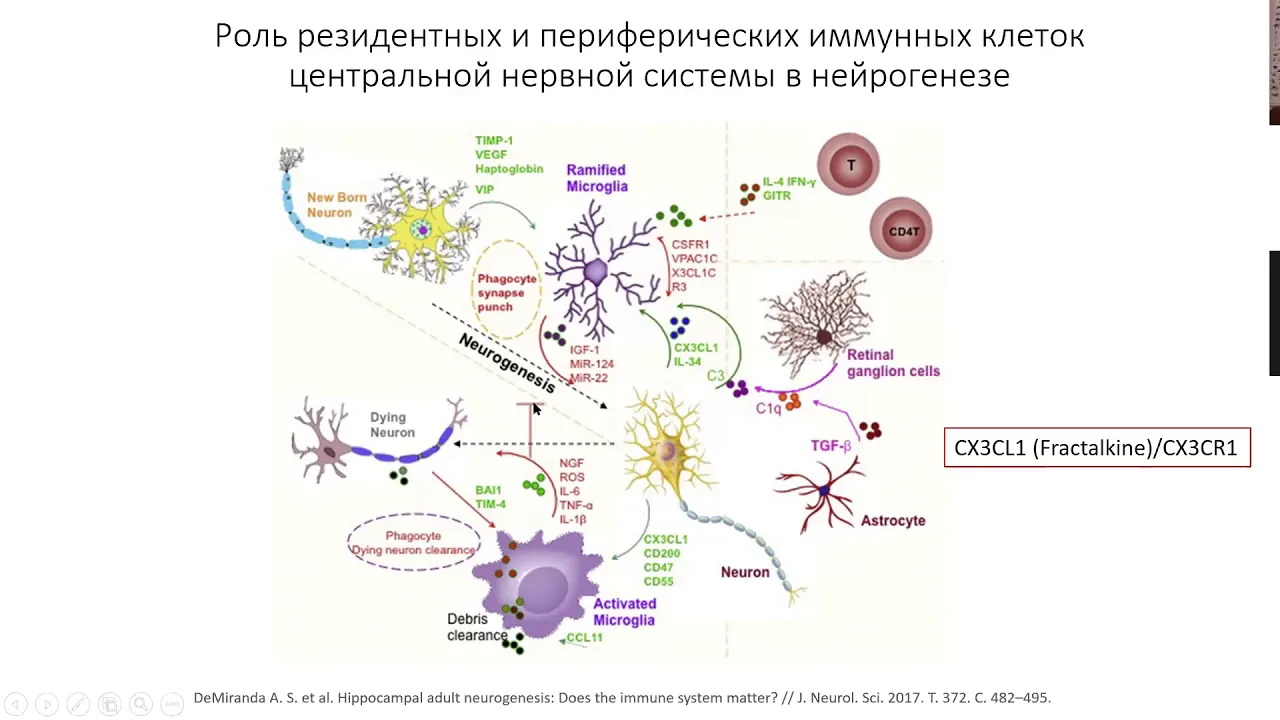









Adult neurogenesis in the hippocampus, particularly in the dentate gyrus, plays a crucial role in mood regulation and antidepressant mechanisms; while antidepressants like SSRIs stimulate new neuron production, these neurons require 2-4 weeks to mature and integrate into neural circuits, explaining the delayed therapeutic effect, and new neurons contribute to pattern separation, which helps distinguish between similar situations and may be impaired in depression and anxiety.
Adult Neurogenesis and Mood Regulation | René Hen & Alain Prochiantz
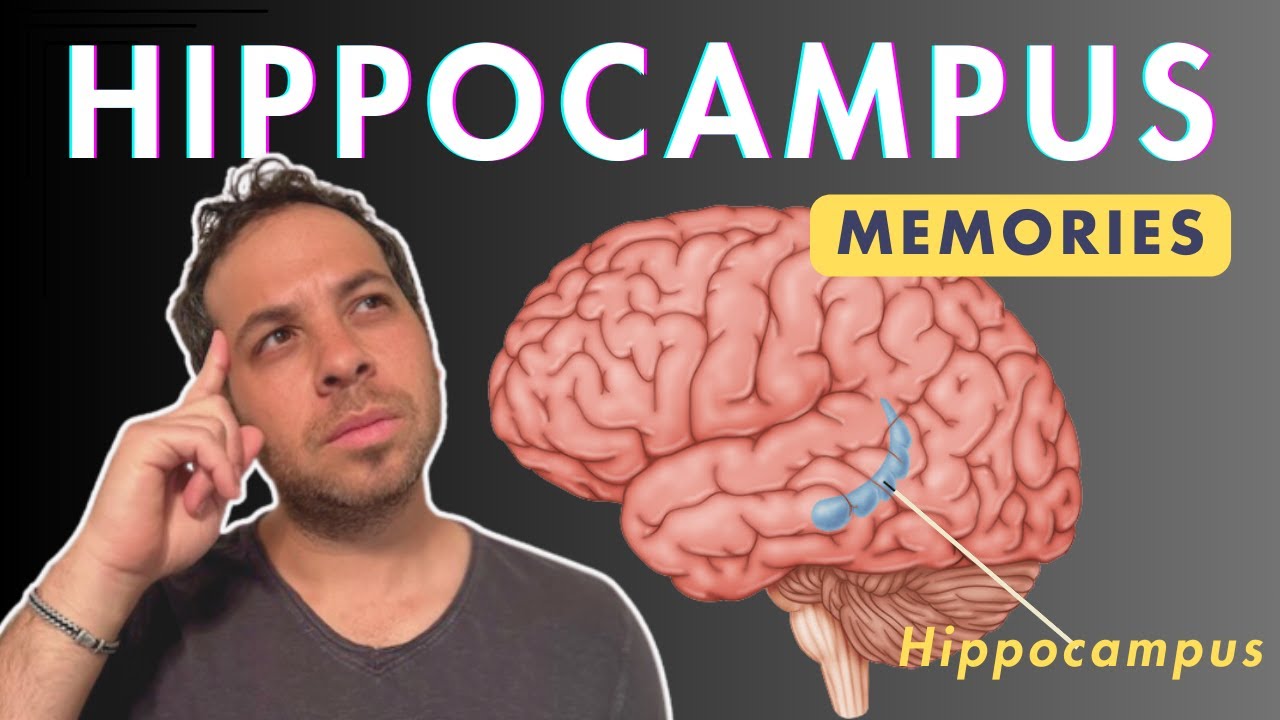
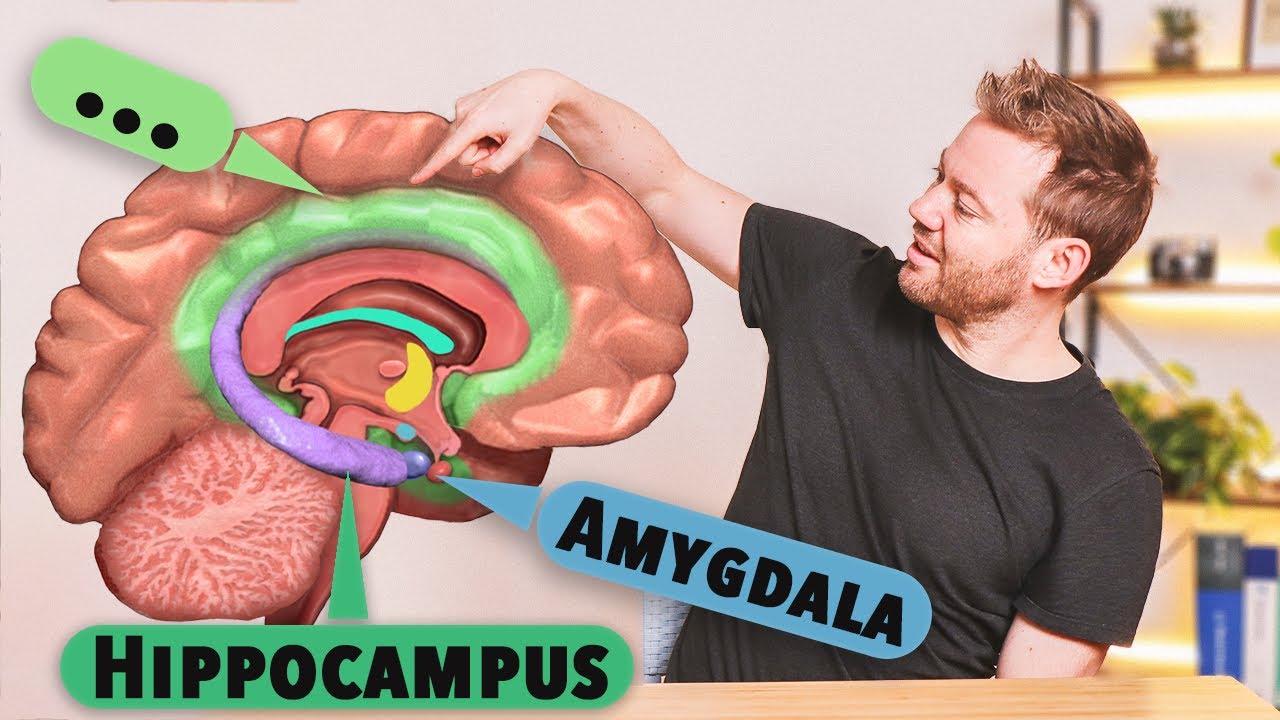
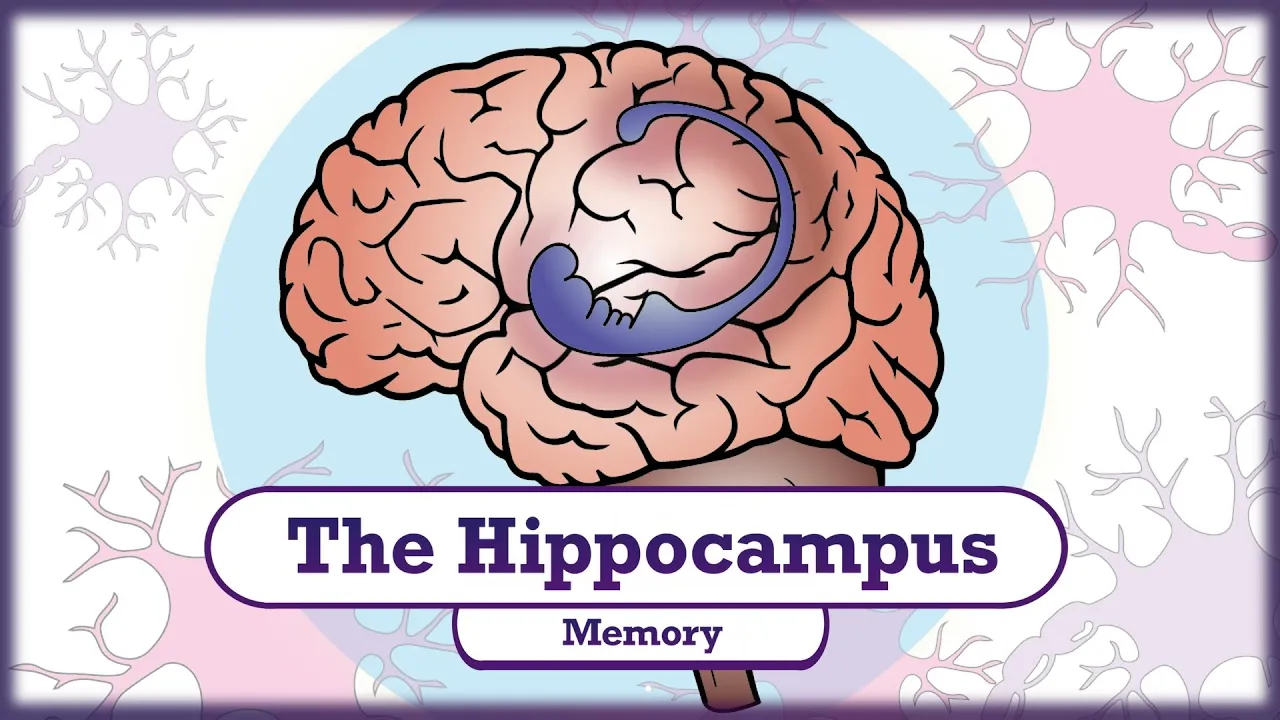
Added:Basic anatomy of the hippocampus and its role in the limbic system and memory formation.
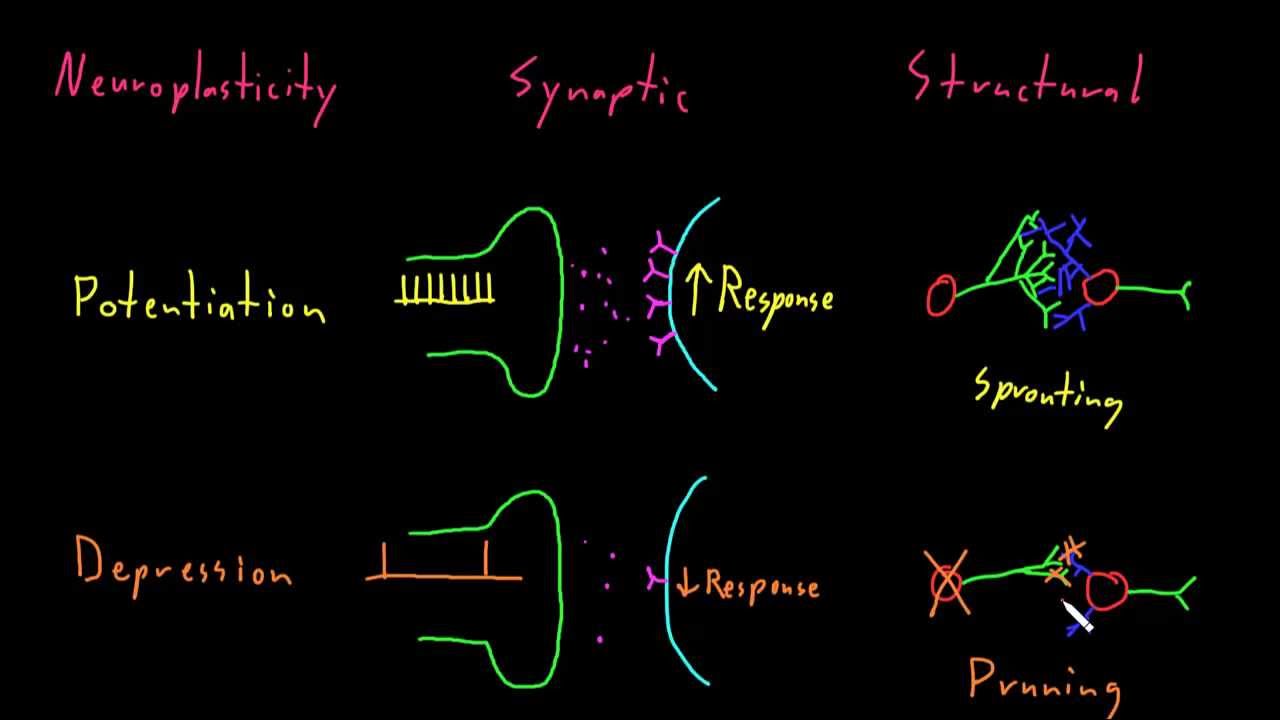
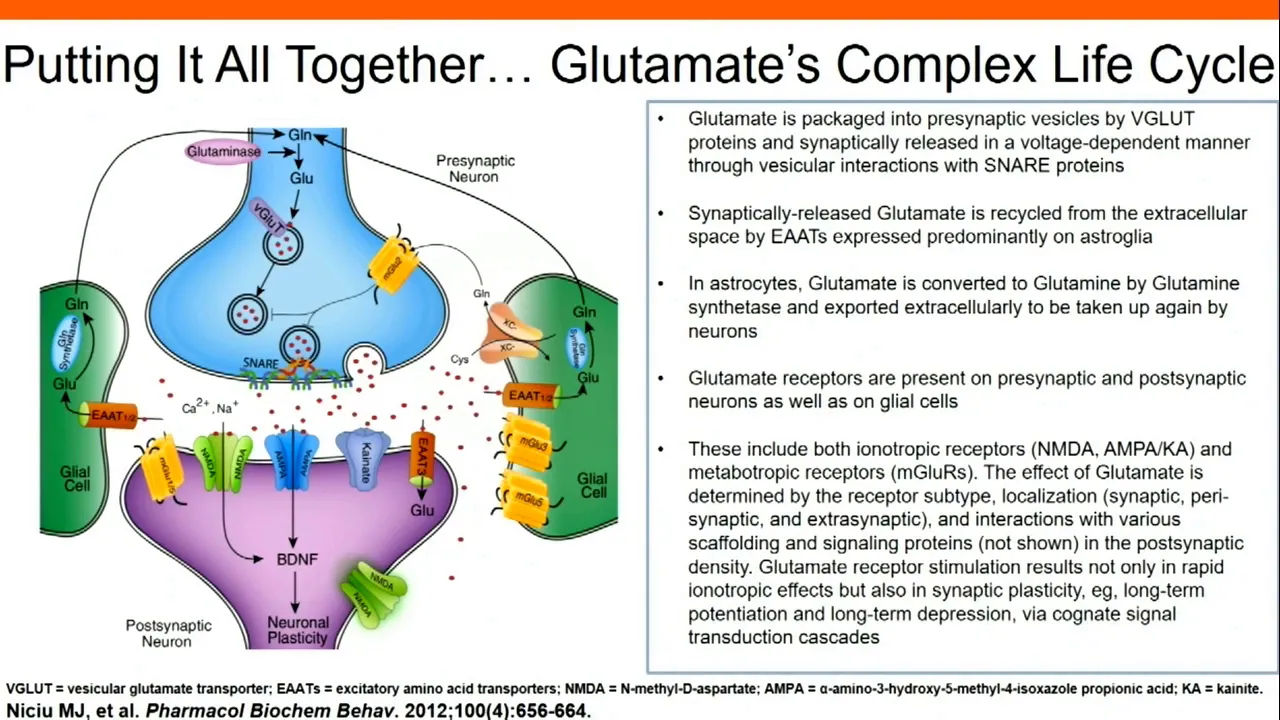
The concept of neuroplasticity and the fundamental mechanisms of synaptic transmission.
An introduction to the biology of depression and the classical monoamine hypothesis (e.g., serotonin and norepinephrine functioning).
The basic definition of adult neurogenesis, specifically focusing on the dentate gyrus of the hippocampus.
The computational and cognitive role of 'pattern separation' in distinguishing highly similar contexts in anxiety and PTSD.
Alternative and emerging depression theories, such as the inflammatory hypothesis and the rapid-acting mechanism of ketamine and glutamatergic agents.
The impact of non-pharmacological lifestyle factors (such as exercise, chronic stress, sleep, and diet) on adult neurogenesis rates.
Methodological challenges and recent breakthroughs in imaging and measuring adult neurogenesis in vivo in the human brain.
623 views20likes8:31Original Release: 2017-11-16
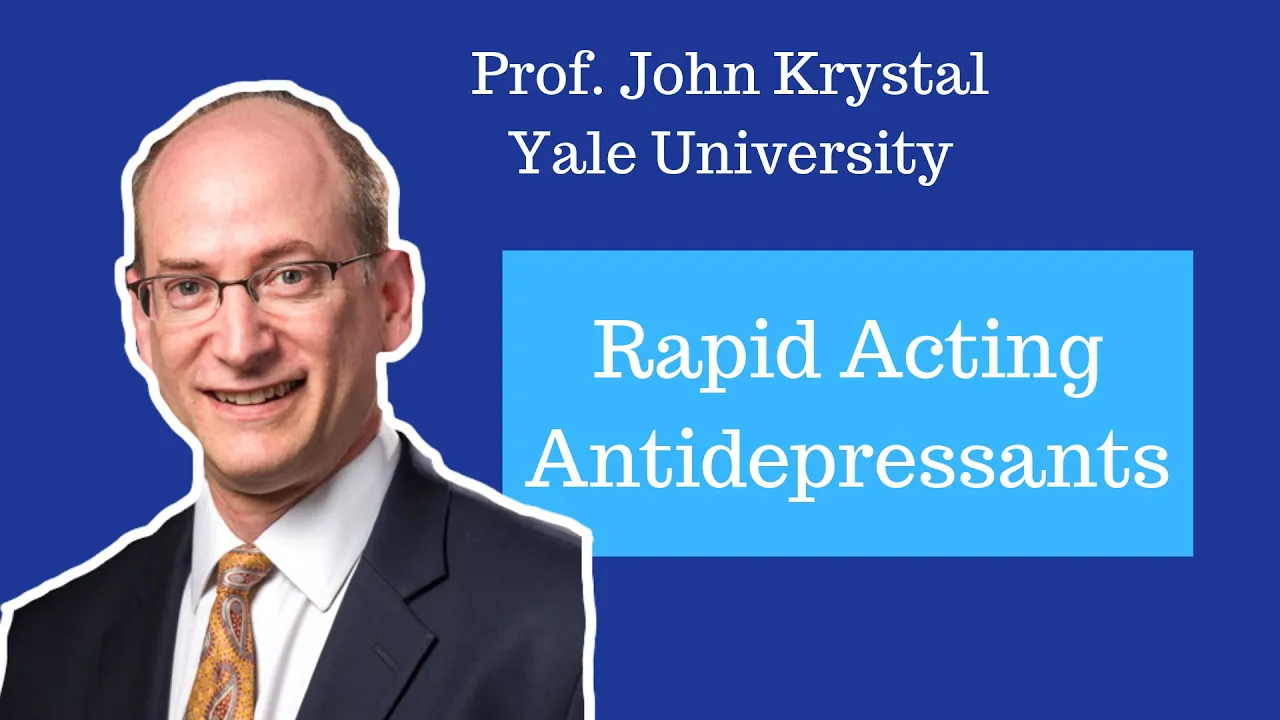
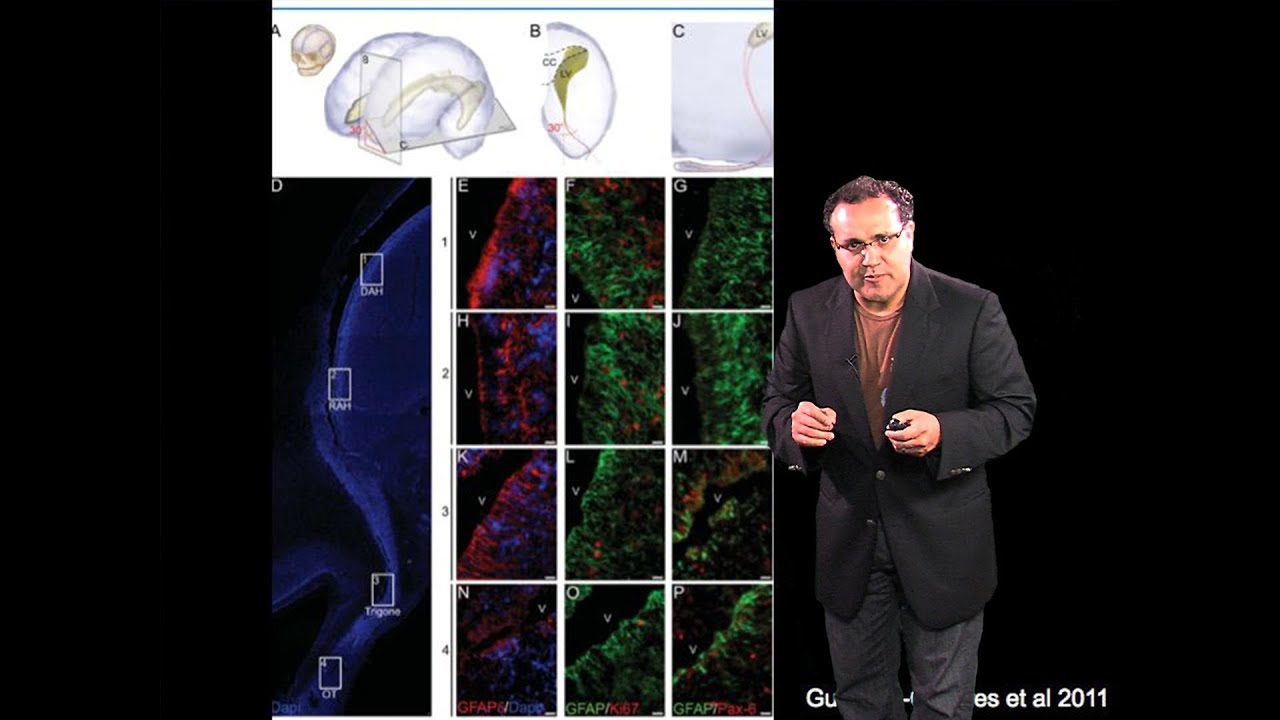
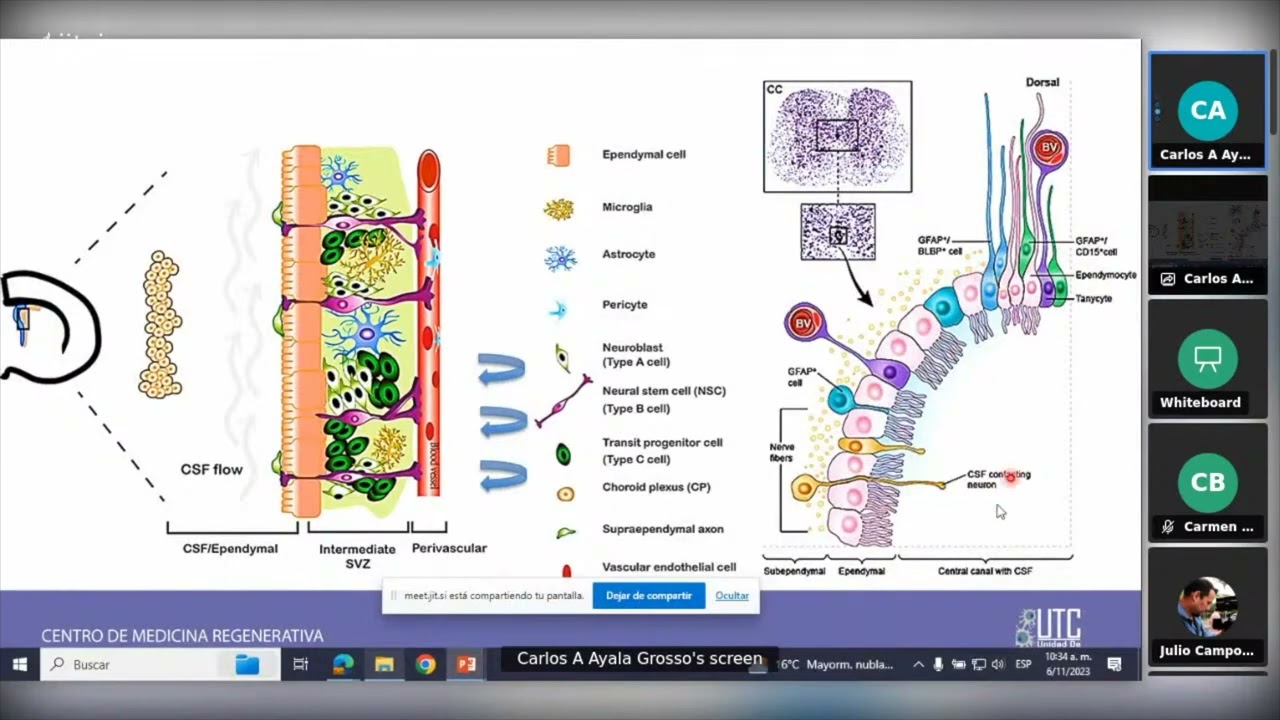
[Music] so when your professor at Columbia University and even do your French and you have been working in the States for many years now and you try to make the link between adult neurogenesis the formation of new neurons in the adult and depressive States and in the human right I mean what can you tell us about that well we we were interested in in the origins of depression in how antidepressants work why they take a long time to work as you may know most antidepressants takes week two to reach maximum clinical efficacy so what we took advantage of is the fact that wrong do man about 20 years ago had shown that antidepressants stimulate the production of new neurons in the dentate gyrus which is a part of the hippocampus so that attracted our attention because obviously if you stimulate the production of new neurons you have a built-in delay in in efficacy because these neurons did to differentiate integrate integrate into the circuit that that's what gave us the idea that neurogenesis in the hippocampus may be responsible for the presence we are using we are supposed to act immediately no but we knew that they were working slowly in human and none of the biochemical mechanisms that had been studied was were so slow for example SSRIs that increase serotonin ELISA increased serotonin levels and activate serotonin receptors work bio chemically rather fast so why if you have a fast increase in serotonin do you have such a delay in onset of therapeutic efficacy so that's what led to the sort of neuro trophic hypothesis which was that downstream of serotonin that would be growth related effects could have been anything else and why why neurogenesis yes and I think at the end of the day what we are probably gonna find is that neurogenesis is one of the contributor but synaptic plasticity in other parts of the brain is also going to contribute oh so there is now evidence for both neurogenic effects of SSRIs but also dendritic and so this is so I mean any drug that would modify neurogenesis should have an effect on the depressive state of the patient right yeah and that's something that to a large extent is true most manipulations that stimulate neurogenesis in the hippocampus at least in animal models have antidepressant effect running for example running is one of the most effective antidepressant smoking doesn't actually increase neurogenesis which was he said this morning our friend Regina - right well Fiona said that some nicotinic and muscarinic receptors may modulate the niche but here we are talking about the hippocampus no we should not reserve smoking no I don't think there is any evidence that smoking stimulates neurogenesis in the hippocampus you should start running we should definitely start running and actually there are a few clinical studies that show that running has antidepressant effects the problem is when somebody is terminally depressive it's very difficult to get them on the treadmill so running is only going to be effective for people were capable of physical activity or we're not yet completely depressed that's right there so I think at the end of the day we're probably gonna need a mixture of medications to initiate the process but then maybe running is going to become decreases in depressed people you see a decrease in your genesis in all animal models of depression stress models genetic models in human it's much harder because we have one problem in human is that we can't measure on your genesis in the live human brain so that's still something that's unresolved the only way we can detect neurogenesis is postmortem so when somebody is dead you have to cut their brain and analyze the number of stem cells and progenitors in there a pecan pie and there there is some correlation but this post-mortem studies are basically not precise enough so one of the big areas of investigation now is to find a marker for human neurogenesis that you can actually do while the person is taking an antidepressant or running to see whether there is basically an increase that correlates with the alleviation of depression symptoms users are screened for all drugs that may modify neurogenesis in the IMO and see whether some of these drugs are not I'd appreciate effect on the you know yeah that's exactly what you are doing actually because one of the problems with SSRIs is that they target many serotonin receptors there in mammals about 15 serotonin receptors and there are only a few of these that are useful to stimulate neurogenesis so the idea is to get to manipulations that are much faster another thing we really try to to get to is not stimulate the proliferation because if you stimulate the proliferation it's still going to take two weeks for these neurons to integrate this to them you know to read yeah but if you could have something that works within hours like ketamine that would be much desirable for people who have to wait often a month to see whether a drug works or not then take another one way to gain a month to see whether it works or not well this is brings you to another question I mean do we need to have new neurons integrated in new cities to fight the depression well so that brings us to sort of the other area with which we are studying now actively is what's the role of these new neurons in the dentate gyrus how do they change the circuit and model that we are currently developing is that these new neurons in the dental jars help the process of pattern separation pattern separation is a process that allows us to discriminate between similar situations and that's a process that's very useful for learning but it's also a process that allows us to discriminate between something that's safe and something that's not safe people who are anxious or depressed tend to tend to be bad at pattern separation the way it's often referred to in the psychiatric literature is better than depressed is the same thing well there is a lot of comorbidity about a 50% of people who show up with anxiety symptoms at some point in their lifetime are also going to have depression and vice versa so it's almost like depression and anxiety could be manifestations of the same disorder but at different periods in your life okay well thank you very much it was very interesting for all of us well both anxious and depressed well but not at the same time well you know genetics increases could actually help both situations okay you know of anyone who has never depressed and never actions in his life no but the way it's defined clinically sort of ease as you know on an honor on a continuous scale sort of so the normal anxiety that you express in the face of danger in the face of adversity of situations is adaptive that one you don't want to get rid of otherwise you're going to be run over by a car the first time you cross a street it's really the continuous for long the anxiety the one that's no longer connected with the environmental situation that you are in that is problematic and that needs to be helped this is very useful and I thank you a lot for giving this little interview to the lay people and all sort of especially is listening to what happens at the collector Falls thank you my pleasure [Music] [Music]
Up Next

74:20
Evolution of the Human Brain: Pasko Rakic Lecture at UC Davis
@UCDavisBiology
239 views•2023-08-11
21:55
Deciphering Neural Circuits Controlling Anorexia in Mice | Richard Palmiter
@AllenInstitute
2.3K views•2011-10-10

4:10
Vagus Nerve (CN X): Anatomy, Nuclei & Functions Explained
@Alilamedicalmedia
305.2K views•2022-10-31
13:03
How Exercise Benefits Your Brain: Science Explained
@TED
11.4M views•2018-03-21
Related Study Plans & Knowledge Roadmaps
Structured learning paths in Neuroscience
neuroscience
Appetite Regulation: Brain Circuits & Hormones
01Foundations of Endocrinology and Brain Anatomy
02Introduction to Energy Homeostasis
03Peripheral Signals: Leptin, Ghrelin, and Insulin
+ 2 more learning modules
14h5 modules
Explore Roadmap
neuroscience
Neuroeconomics: Value, Risk & Brain Mechanisms
01Foundations of Neuroscience and Brain Anatomy
02Introduction to Neuroeconomics and Subjective Value
03Dopaminergic Prediction Errors & Reinforcement Learning
+ 3 more learning modules
18h6 modules
Explore Roadmap
neuroscience
Spatial Navigation: Cells, Grids & Brain Maps
01Foundations of Brain Anatomy and Memory
02Place Cells and Head-Direction Cells
03Grid Cells: The Brain's Coordinate System
+ 2 more learning modules
12h5 modules
Explore Roadmap
neuroscience
BCIs: Neural Decoding & Prosthetic Control
01Neuroscience Foundations: How the Brain Signals Intent
02Signal Acquisition: Recording the Brain's Activity
03Neural Decoding: Translating Brain Waves into Data
+ 2 more learning modules
25h5 modules
Explore Roadmap