








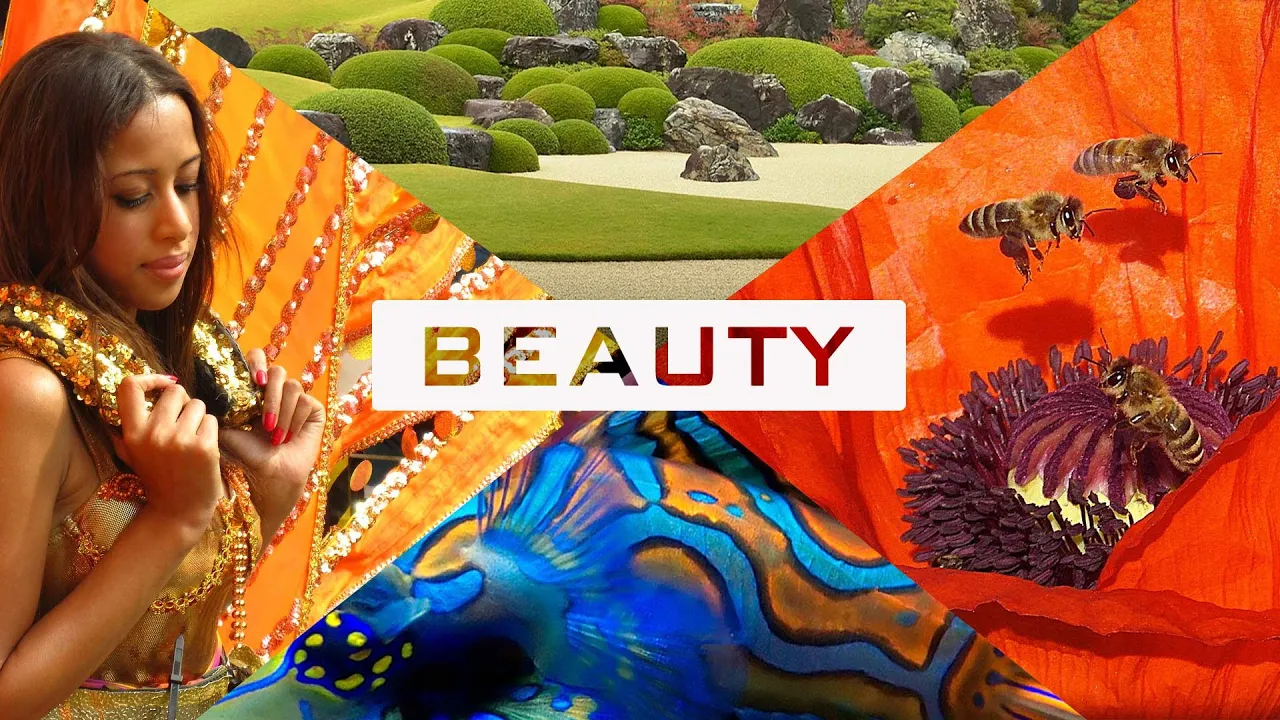

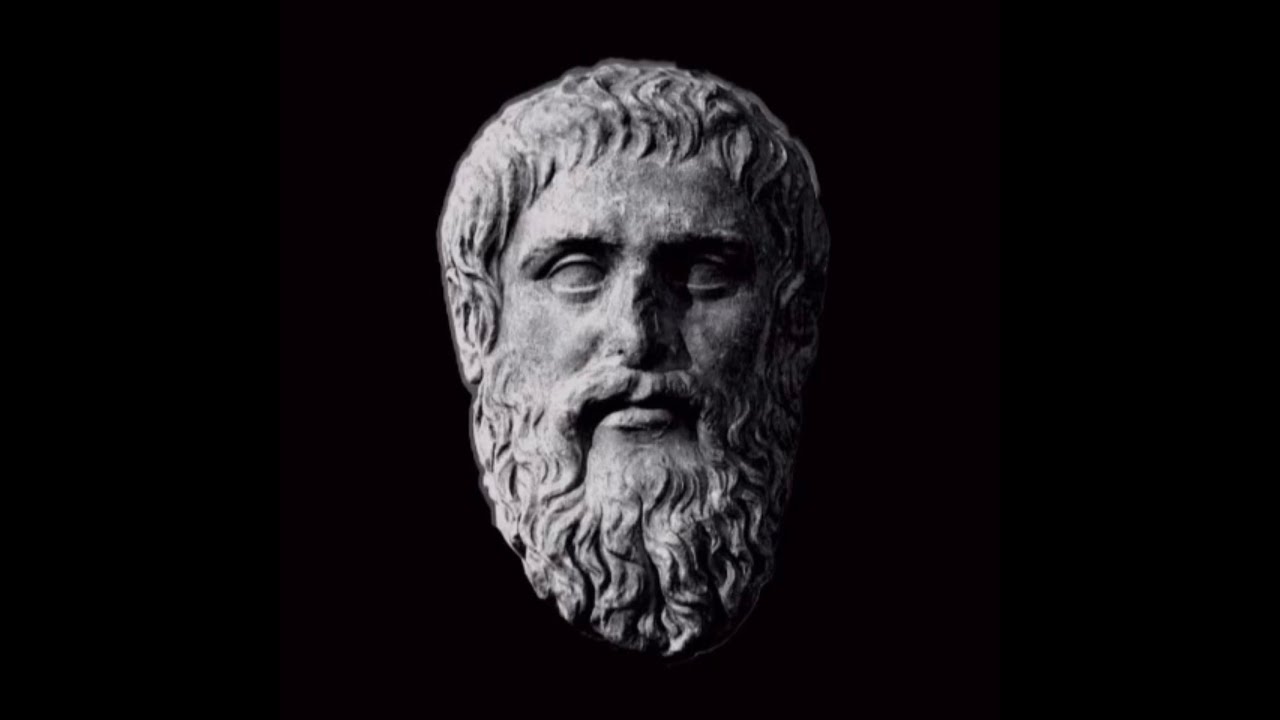













Beauty is objective and transcendent, not merely subjective taste, as demonstrated by the distinction between objective beauty and subjective aesthetic pleasure, the enduring principles of proportion, harmony, and balance that transcend cultural trends, and the universal recognition of natural beauty that transcends individual preferences.
The Objectivity of Beauty: A Philosophical Defense
Added:Understanding the philosophical distinction between 'objective' (mind-independent) and 'subjective' (mind-dependent) truth claims.
Basic familiarity with Aesthetics as a core branch of philosophy concerned with the nature of art, beauty, and taste.
Awareness of the common cultural idiom 'beauty is in the eye of the beholder' (aesthetic subjectivism) and its philosophical implications.
A foundational grasp of Plato's Theory of Forms, particularly the idea of Beauty as an absolute, transcendent reality.
Exploring Evolutionary Aesthetics to understand how biology and natural selection might program human brains to find certain patterns objectively beautiful.
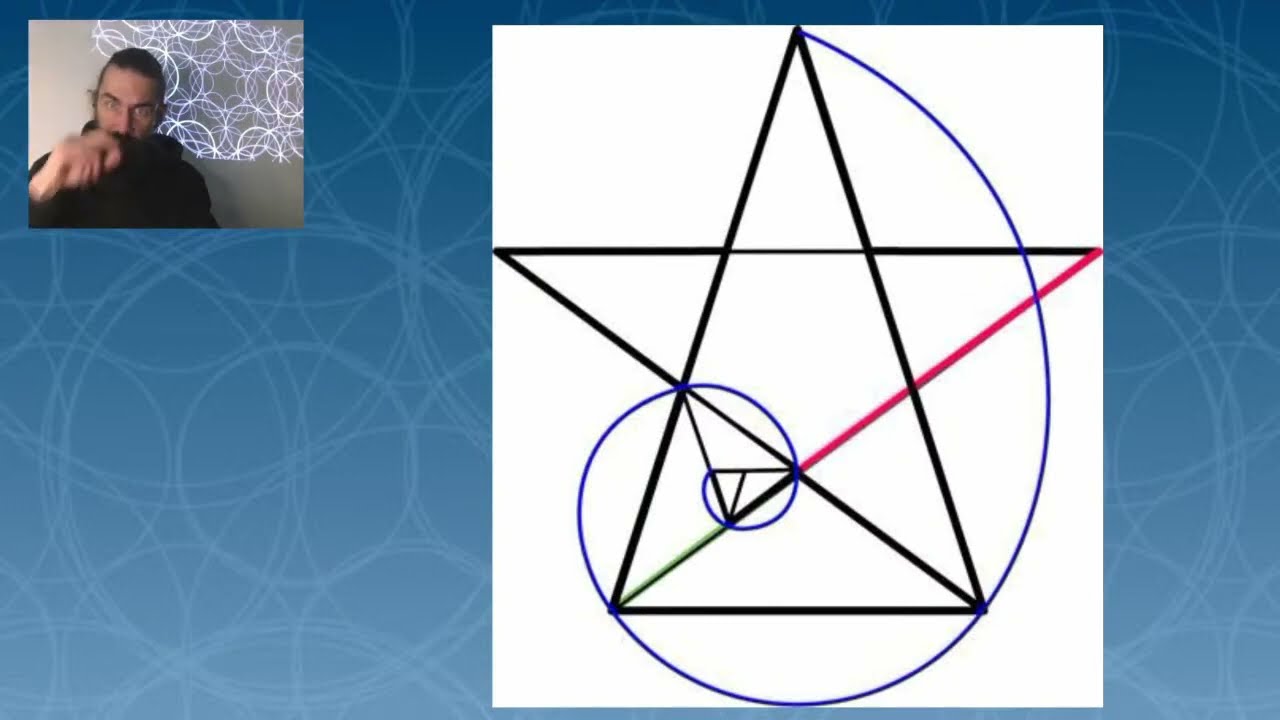
Analyzing the mathematical and geometric principles of beauty in design, such as the Golden Ratio, symmetry, and fractal patterns in nature.
Investigating the ethical implications of objective beauty, specifically the philosophical connection between 'the Beautiful' and 'the Good' (e.g., Iris Murdoch's 'unselfing').
Engaging with counterarguments from postmodern and Marxist critical theory, which argue that objective standards of beauty are socially constructed tools of power.
5.7K views252likes43:28Original Release: 2023-02-24
I'd like to like to interest tonight's speaker Dr Jordan Cooper is an Adjunct professor of systematic theology and the president of the American Lutheran Theological Seminary on campus he's involved in Chesterton house and Lutheran student Fellowship Dr Cooper hosts the Justin center podcast and is the author of several books his most recent book is titled in defense of the true the good and the Beautiful on the loss of trans Transcendence and the decline of the rest please join me in welcoming Dr Jordan foreign [Music] well thank you so much for having me here uh tonight it's a privilege to be able to be with you all and present on a topic that I think is very important so uh the question I am speaking on this evening is the following is beauty objective and as you know I am answering in the affirmative that beauty is objective popular wisdom would indicate that the answer to this question is beauty objective is in the negative we have probably all heard at some point the phrase that beauty is in the eye of the beholder this phrase has been uttered for a very long time we don't actually even know where it comes from but it's been said at least since the third Century BC in Greece now at first glance it might seem like such a statement is obvious after all not all of us say find the same people attractive or the same kinds of music enjoyable to listen to with this being the case is it not obvious to us that beauty is merely a question of subjective taste in this talk I'm going to make the case that this accepted wisdom is in fact mistaken now before beginning the argument I want to clarify what it is I refer to when I am speaking about beauty now the first thing which likely comes to mind when you use the term uh beauty is the visual a waterfall a painting of Vermeer or a spouse can all be beautiful it is not however only those things that we encounter visually that's can be given the label beautiful we regularly use this term to refer to pleasant sounds for example a piece of music can be labeled beautiful such as Chopin's nocturnes or box concertos beyond music we might rightly refer to sounds like the first laughs of an infant as beautiful in my conception of the beautiful that I'm talking about here I also include that which is encountered by the other senses a well-prepared and properly spiced meal can in some sense be labeled beautiful and often in a visual sense but also in the sense of its taste some smells may even be considered beautiful like that of a flower in the spring or the scent of a fire on a cold day the examples that I give here then throughout this presentation move between these various forms of beauty not just the visual the question of you Personal Taste now what's rather obvious that not all of us have exactly the same taste in art food or other things which might be considered beautiful we must however distinguish between Personal Taste which is subjective and Beauty which according to my argument is objective questions about the relationship between objective reality and subjective experience of that reality have been at the heart of philosophical discourse from its Inception Plato Aristotle and other ancient Greeks contended that there is an objective world that is Unified by the forms these forms or ideas are recognized by the Mind through one's encounter with particular objects an ordinary experience and are subjectively grasped by the individual if for example I see a tree in the distance and someone closer to the object is leaning up against that tree we both encounter the same object that exists in reality a tree however our subjective encounters with the object are rather different I experience it through the sense of sight whereas the person leaning up against the tree experiences it through the sense of touch further two people might be looking at the tree from different angles and thus have a rather different view of the object according to the same sense that of sight however this does not deny the unity of and objectivity of the tree itself let's look at an example that was used by some of the ancient Greek Skeptics to argue for a pure subjective view of reality that of temperature we use words like hot and cold on a regular basis to refer to whether our coffee or the air conditioning in our home however people are not always in agreement over whether something is indeed hot or cold for example someone living in South Florida might view a 60 degree day as a rather cold one and put on the codes or a sweater to stay comfortable however someone in say Northern Minnesota might take off their jacket on a 60 degree day because it feels rather warm the ideas of hot and cold are then to some degree subjective dependent upon one's relative experience of hotness or coldness subjectivists have used this example to make the point that our experiences of the world are all dependent upon our own inner feelings rather than encounters with objective objects or ideas this particular example however does not prove what the subjectivists have sometimes used it to demonstrate well yes it is the case that the temperature of 60 degrees might be felt differently by the different people in coming from various environments it Still Remains objectively the Same temperature that is 60 degrees just as the tree can be experienced differently as we spoke of before yet remain objectively the same despite such Divergent experiences of the tree so can a 60 degree temperature retain its own objectivity while its hotness or coldness relative to Any Given individual differs based upon personal experience it is precisely in this way that we can affirm that beauty does exist objectively but that this does not negate the reality of personal taste I for example would contend rather strongly that Verdi's Arias are beautiful however not Everyone likes Opera therefore someone who simply rejects the art form is something that is valuable at all will not find pleasure in any Aureus whether verdis or otherwise does this mean then that Verdi's music is not inherently beautiful is it mere subjective pleasure that defines the value in such music if that is the case then there is no more inherent Beauty in Rigoletto say than there is in someone rolling around on the floor and screeching at the top of their lungs as long as someone gets pleasure out of both the beauty is the same this of course is quite an absurd conclusion there is something that is inherent in the Opera that is more valuable than the individuals screeching and rolling around on the floor even if you are one who does not have any personal taste for Opera surely you can recognize some something inherently objective that is good in the Opera when compared to something that is so obviously devoid of beauty or perhaps since we're in this quite beautiful room right now if I ask you the question what is more beautiful this room or a McDonald's I don't think that many of you would opt for the latter option and I want you to ask yourself is there something inherent about the beauty of this room that is really better than a McDonald's or is that mere subjective preference perhaps a more relevant example to most people today would be that of mute movies so people tend to enjoy different genres and therefore often have distinct views of what movies or not are the most beautiful after all it's one of the first questions people often ask when they meet each other what movies do you like the assumption is not everybody's going to say the same things however we do not generally act as if it is mere joyment of a movie that matters if this was the case then movie reviewers would have quite a boring job as they would only be talking about their personal feelings during a showing rather than evaluating the art itself and of course this would make it rather pointless I recall seeing Terence malix the tree the Tree of Life in theaters when the movie released on the opening night as a great fan of Terence Malik's films in general now after the movie someone encountered me in the bathroom of the movie theater someone I didn't know and he asked me what I thought of the film and I I looked at him and I said I think I may have just viewed the greatest piece of Cinema that's ever been created which is still my perspective on the film by the way for whatever it's worth this man did not like my answer in Anger this man launched into an angry tirade about all of the reasons that he hated this movie and he told me repeatedly and clearly with a lot of passion why my view was clearly the wrong one we might look at something like this as say two fans of the same director who go see the same movie who have wildly different takes on this film as perhaps proof of The subjectivist View because we can't even agree on what's good or what's not but I contend that this situation actually demonstrates precisely the opposite the fact that this man was so passionate about his view of this film that he sought to encounter a random stranger in the bathroom to tell him about it shows that there is something that this man believed to be real and true about why this movie and his opinion was bad it's precisely because there is a belief that there is a standard that we become so passionate to defend our beliefs about pieces of Art further evidence for this can I think be found in the vast agreement that exists about what makes a bad movie well there are divisive movies like the one just mentioned there are varied opinions on various pieces of art there was actually quite what is not good take for example Tommy wiseau's movie The Room this movie released in 2003 has received a significant amount of attention because of its poor acting incoherent writing and unprofessional editing it is known by many as the worst movie ever made no one can honestly claim other than Tommy Wiseau the Creator uh that's the room is indeed objectively a beautiful piece of filmmaking it isn't interestingly however despite the universal recognition that the room is a terrible film it has brought a significant amount of pleasure to its viewers with DVD sales as people were buying DVDs back then several live showings around the country with the director present memes and even a high budget film about the making of this terrible film the room it is obvious that despite this being an objectively terrible film it brought a lot of people a bit of pleasure it became quite popular my point to bringing this up is this and being able to confess both that a film is bad and that it is of subjectively enjoyable we distinguish between the objective Beauty in the art and one's subjective pleasure while engaging with it further there are times when we might be able to recognize that something is beautiful without actually enjoying it ourselves for example I do not particularly enjoy the taste of mushrooms if I were to go out to eat at a restaurant say some kind of Michelin star restaurant one of the best in the world and I was offered a dish with mushrooms as you know a primary ingredient I may not enjoy the taste of that meal however perhaps this is one of the best mushroom dishes in the entire world I could certainly when eating that dish recognize the skill and the preparation of that meal I could appreciate the talent of the chef without personally receiving enjoyment from it because I just don't happen to enjoy mushrooms a world-class Chef does not become anything less than that simply because I may personally dislike some ingredients that he or she uses or another common example of this phenomena is styles of music someone might for example not particularly enjoy listening to say jazz however when hearing a skilled musician who plays in that genre someone who understands music despite their own perhaps personal preference for some other kind of music an individual who understands music may very well be able to really recognize the talent of the musician the proficiency with which they are playing and the beauty inherent in the music itself even if that individual does not particularly take a significant amount of pleasure from listening to it so this argument that I'm setting forth here can be summarized rather succinctly with one of the most fundamental philosophical principles and that is this if a and b are identical then everything that is true about a is also true about B similarly everything that is true about B is true about a without any qualification let us say that a is Beauty and B is subjective aesthetic pleasure as demonstrated some things can be equated with a such as the well-performed Jazz with regard to someone who does not enjoy the style of music but not be B similarly some things that can be equated with B such as the film The Room uh are not also equated with a therefore A and B are not identical beauty is therefore not identical with subjective aesthetic pleasure now we build on this argument moving to a question of the transcendentals as discussed in classical philosophy in the broader classical tradition in the classical tradition Beauty cannot be spoken of as an isolated phenomena but it's one one among three transcendentals along with truth and goodness this is important to understand because it is only in a post-enlightenment context that one would claim to be an objectivist when it comes to something like truth or goodness but a pure subjectivist when it comes to the question of beauty for the ancient Greek and classical Christian Traditions truth goodness and Beauty are all elements of one fundamental Transcendent reality there is something which stands behind the material world of particulars which orders unifies and gives being to them this is God with growing secularization in the West in the modern era this transcendental Foundation was lost and hence the foundation on which these three realities are built so this presentation is not directly on truth and goodness there are some important connecting points with those realities that relate to the topic today though there are pure relativists when it comes to questions of Truth or morality these are generally more difficult views to hold than aesthetic relativism as students at an elite University you certainly understand the importance of arriving at conclusions that are consistent with reality in your studies an aerospace engineer for example cannot be a relativist when it comes to mathematical equations because it can cause quite a bit of danger if they are though certainly there are pseudo-academic fields that are built upon the self-contradictory and unsustainable grounds of post-modernity the science is at the very least must retain objectivity in order to have any usable results with goodness especially regarding moral judgments there are plenty of self-proclaimed relativists but this is hardly a sustainable position in reality certainly most in fact hopefully all of you understand that the Holocaust was an evil act for more reasons than just personal distaste why this matters for the present argument is that we recognize a distinction between what someone believes internally and what is actually externally the case perhaps I think that the world is run by a group of shape-shifting lizard people who live in the center of the Earth I might be thoroughly convinced that this is the case in my own mind but you would rightly reject such a proposition if I were to passionately argue for that point here if I seemed like I might be persuaded otherwise and that I was not just totally insane you would perhaps present to me rational evidence that such is not the case if I made some abort moral proposition here in front of you say that everyone without red hate with red hair is without a soul and is therefore not to be treated as a human being with value then similarly no matter how strongly I may believe that to be the case you would not merely accept my own subjective view and say well that's just your opinion who cares you would likely try and persuade me that I was in fact mistaken in my judgments but for some reason though we do this with regard to truth and goodness in the modern worlds we tend not to approach Beauty in the same manner it's my contention here that just like truth and goodness Beauty must be distinguished from personal views on what is actually beautiful like with truth and goodness this also means that we might be mistaken in our judgments regarding Beauty it is here that people often begin to protest as this comes across as elitism if for example I say that Mozart's not say di Figaro is beautiful but at the endless Cadre of cash grabbing superhero movies with the same jokes and cliches repeated ad nauseum put out by Disney are not I am necessarily evaluating something that is inaccessible to many over popular mass media which is by nature more Universal in reach to that I say perhaps that is the case but the offense caused by that statement does not make it any less true High culture presents and preserves Beauty in a way that pop culture simply does not the fact is that we get better at anything that we practice we do by practice or training or to use Aristotle's term habituation isn't this the case with the way that we live our lives developing virtue growing in knowledge perhaps through reading or growing in wisdom through experiencing life if this is the case in all of these other areas why not also with beauty here's just one example of such training to refine takes to understand and love the Beautiful when I was in undergrad in college I drank a lot of coffee like I'm sure many of you do and at the time I was just drinking to study and write papers up late at night and I just drank whatever was around and it all tasted good I was new to the beverage and I didn't understand the difference between cheap coffee and high quality coffee the more I began to try different kinds of beans visit various coffee shops and eventually Rose to my own coffee beans at home I developed a pallet to distinguish between copies based on origin and roast this has led to two things one I enjoy good coffee a lot more but I also enjoy Bad Coffee far less we all develop these tastes in different ways through what we engage in and learn and in doing so we necessarily learn to discriminate between the beautiful and The Ugly this all then leads to the question that inevitably comes up which is what standards are there that constitute then the Beautiful with the question of Truth this is much more easily definable a thing that is true is that which corresponds to reality the laws of logic experimental repeatability scientific laws Etc are all standards that are used to judge whether or not something corresponds to the true with regard to moral goodness ethicists propose a variety of norms by which things can be judged such as natural law the categorical imperative or utility Beauty however is not as easily definable it's something that we know more through an encounter with it than by propositional explanation and a positivist influenced culture this can be quite hard to accept that does not mean however that there is no way to define the standards of beauty I will outline here some of the things that generally constitute the beautiful that now to be clear the the argument that I'm making or the proposition that I'm making doesn't stand or fall with what these things are we can come to an agreement on the fact that there is objectivity and Beauty well we still debate what qualities there are that make something beautiful but because these two things are intimately connected I think it is worth delving into this question so perhaps whether there are any things of which there is General agreement regarding Beauty cultures have differing standards of the beautiful such as in relation to say body shape and weight even within a culture those things shift and change over time or perhaps more obvious is the fact that the same exact person can have significantly different ideas of what constitutes Beauty even throughout their own lifetime you hear this often when people joke about the clothing they wore or Decor they had in their home only a couple decades prior Trends change however we must distinguish between that which is constantly changing that which we call Trends and that which is actually enduring Beauty though they certainly can at times overlap they are not identical let us look at a couple of examples to demonstrate this the first example is decor think about you know imagine in your mind at home from say the 1970s that has wood paneling all over that has a a bright pink bathroom including a pink toilet a pink bathtub a shag carpet around the house cheap plastic Cabinetry in the kitchen floral sofa a large boxy television now I know some of these things tend to come back into style so perhaps it doesn't seem as ugly to you as it did to me when I was your age but if someone were to purchase a home that looked like this say in the year 2000.
most likely they would remove or update every single one of these elements perhaps such things were considered attractive at a time but just 20 years later 30 years later they are no longer considered attractive I could think of instances where a particular Trend in interior design lasted for a short time you know two to five years before all of a sudden it was seen as outdated those who are of the millennial generation like myself remember a time when everything was covered in Birds which is not so much the case anymore certainly things that are popular now will not be popular in another 10 years this is just how trends go but it is my argument that despite these changing Trends there remain fundamental principles of beauty which are not so easily rejected so while opinions about shag carpets were shifting getting out of the 1970s that were not such Divergent views regarding the beauty of something like the Taj Mahal or one of the Great Pyramids of Giza the Elegance of the Buckingham Palace or the Grandeur of Westminster Abbey are never in question when trends change certainly each of these structures was built in line with the ideals of their age and culture beautiful architecture does not just come from nowhere falling from the sky but arises from particular times people and places however there is something enduring about these objects that transcends those individual cultures one does not need to be a Renaissance era Western European to Delight in seeing Michelangelo's painting of the last judgment in the Sistine Chapel question remains open as to what exactly it is that makes these things beautiful as compared to the 1970s shag carpet covered home but regardless of how we may exactly answer this question the point of the Transcendence of some beautiful objects beyond their time and place in people remains a further point that can be made in this regard with decor and architecture is that despite Styles and Trends changing many elements of what constitutes a well decorated home remain interior designers use many of the same principles when working with homes of people who have vastly different personal tastes just as a couple example of this you know when you have items on a shelf next to one one another it tends to be more attractive to the eye when you have an odd number of objects rather than an even one if there are two objects next to each other on the Shelf you tend to be looking for a third and so often designers tell you put a third thing there if you put objects put them in groups of Threes further if you take those three objects uh they tend to be more attractive if they're not just kind of in a straight line but if you give some depth to them you know stick the one in front of the other two and have things that are a little bit of a different size or shape it makes them more visually interesting now it's interesting that this principle this General principle of of Threes is something that has extended Beyond times places and cultures just as an example if you were to look in my office I have on a bookcase three busts of composers arranged you know in this manner on the top of my bookcase if you were to go to my wife's office uh you would see that she has Native American pots arranged in similar borders and shapes they're very different kinds of art pieces but both beautiful and they're both displayed in a way that brings them together despite the difference in the objects themselves and so there are general principles behind people's personal tastes or change in cultural ideas about what is attractive another general rule of interior design which is valid across various aesthetic Fields is the importance of unity unity in theme colors and shapes preferences you may have it is much more important to pick a particular aesthetic and be consistent with it throughout your space and simply to take a bunch of nice looking items together without any attention to how they look with regard to one another this is clear if you ever look at homes of individuals who have recently attained significant wealth without any clear Direction regarding design these people can sometimes spend a lot of money on things that are very expensive and known to be important or valuable known to be beautiful objects and when those things are put together in a space even if every individual piece is beautiful in itself the results could be a profound ugliness the hand-builts classical French style coffee table and a Marcel broya wasilli modernist chair might be lovely Pieces by themselves but if he were to put them together they would create a clash of style material and color that they would create quite an ugly and disastrous living space even within a coherent style it is important that there are coordinating colors within your decor there's also a difference between coordination and then exact matching a room in which every single piece of furniture the walls and decorations were all exactly the same shade of yellow would not be an aesthetically pleasing room in fact it probably would be kind of difficult to look at the same however would be the case in a room in which everything was completely different colors with a variety of complex completely mismatching patterns good design creates Harmony balance between unity and diversity within the space and let's look at a second example here clothing this is perhaps the only parts of human life that changes more quickly than interior design Treads fast fashion brands make new rules for each season about what is in and what is out that season so that they can sell consumers on new cheap products only to tell them that it is no longer in style just a few months later and they have to go spend their money on something else but like design in interior design we must distinguish between trends and fashion and Beauty in fashion Oscar Wilde made the distinction famously that fashion is temporary but style is forever now he may have been exaggerating a little bit in terms of the longevity of particular styles I don't think that many of us men are wearing stockings and high heels like many of the French were a few hundred years ago I don't see many walking around with powdered wigs but there are some things that do tend to have more longevity as I look around the room and see many gentlemen wearing what is considered classic men's clothing you would not have looked out of place 60 years ago foreign example of longevity in design in terms of clothing design is the suit first worn in the mid 19th century the men's suit has generally retained its General structure for a century and a half as business wear of adult men there have certainly been Trends within the existence of the suit colors change for example people wear thinner or wider lapels the lapels sometimes move up and down depending on what's what is currently popular but in general a man wearing a suit from a century ago would not look all that's unusual in a modern city further the suit is worn across many cultures not being limited to its origins in Western Europe in adopting the suit each culture seems to have its own unique take on that particular piece of clothing as well while retaining those same basic elements Italian suits tend to be slim fitting and often unstructured English suits tend to be quite understated with more significant shoulder padding African suits are often very brightly colored Japanese suits often imitate earlier American styles with the sac suit that is often less fitted there are I believe despite differences that do exist specific aesthetic reasons why the suit has retained such longevity depending upon its fit length and shape the suit hides both the imperfections and accentuates the best part of one's figure structured shoulders can make them appear larger the slim waist can accentuate an athletic build straight fit pants can make a man with a larger midsection look more balanced in his overall shape on the other hand a badly fitting suit can change one's appearance in a significantly more negative Direction double-breasted jacket brings attention to the stomach which is not desirable for people over a certain weight or jackets that are too big on the shoulders make someone appear rather scrawny and even a relatively thin man wearing a jacket that's too tight can look much larger than he is some of these principles of style extend far beyond to the suit itself strongly contrasting colors and clothing look better on those who have strong contrast between hair and skin tone vertical lines are better for a larger person as they accentuate the verticality of the body horizontal lines take attention away from height with someone who is lanky some of the principles discussed already here with regard to Interior Design then also apply to Fashion in this particular instance we're talking about the suit the same kind of Harmony in style should be sought out in an outfit as is the case in design if for example there are two totally different levels of formality in various parts of the outfit such as wearing a tuxedo shirt with a you know a Tweed sack jacket the outfit would be dis harmonious uh or if you're not maybe as well acquainted with you know with classic style uh even more jarring would be someone wearing say sneakers with their suit which I know is popular sometimes don't do it uh along with Harmony in levels of uh formality there also must be Harmony in colors too many colors all at once say between a jacket pants shirt vest pocket square tie is distracting as somebody doesn't know where to look you'll see this if you're dressed like this because the person talking to you will constantly be looking up and down just to make you feel uncomfortable if you notice that next time similarly wearing too many patterns has the same overwhelming visual effect if I wore one kind of stripes on my tie another kind of stripes on my shirt and then more stripes on my jacket and then stripes on my pocket square you probably couldn't even focus on anything I was saying not just because my talk is boring you but because my outfit is so bizarre on the other hand however if I were to wear an outfit where every piece was the same color it would just like the example of the monochromatic room mentioned earlier look rather odd Harmony does not need mean sameness but coordination working together the suit also demonstrates the importance of another General principle of beauty and that is proportionality a short jacket can make the Torso look short and the legs look long on the other hand a Long Jacket can have the opposite effect when someone wears proportions that do not harmonize we notice even if you know nothing about fashion at all and don't know why you will notice that someone just looks kind of off and kind of odd if I wore an oversized very large suit jacket with skinny dress pants it would look very weird even if the colors of material were exactly the same similarly if I were to wear a really skinny tie with really big lapels or the other way around it would be unattractive the point is the human brain is wired to view certain things in Harmony in particular proportions and when things are not in those proportions you start to notice it's that weird kind of eerie feeling you get when you see you know popularization of like certain images you know in the internet when they talk about cursed images why is that it's often because the proportions are just weird it's not something's not quite right there is something that when something is out of order we desire it to come into along with this I am getting to the conclusion here Sam so uh along with this I should also mention instances of natural beauty it is here more than anywhere else that strong disagreements about what is or is not beautiful tends to disappear like someone like Picasso who people widely different Divergent views on when two people with very different tastes in art see Niagara Falls they are not likely to argue about whether or not such a site is worth viewing and certainly here in Ithaca a place known for its natural beauty that is the case the Grandeur of natural phenomena takes the viewer Beyond themselves into the beauty of the sight of the waterfall of the natural phenomena that you are looking at all recognize the beauty inherent in the sight this is true about more ordinary sites as well such as a sunset a rainbow a lush Forest this could be said about natural beauty throughout the world there is a reason why when interior designers talk about interior design Trends something being outdated they never say don't put Greenery in your house that's outdated or you know don't go to that forests are now outdated they're not in style anymore you know there's a reason why that doesn't happen there's something inherent to those objects in nature that is beautiful tourists spend a significant amount of time and money to travel to other nations just in order to get a glimpse of the distinctive Beauty in those spaces there is more to this than mere subjective aesthetic pleasure what is being sought is not merely a visual experience of natural phenomena if that were the case the tourist industry might as well have ceased all operation with the creation of Google image search but it hasn't because in these instances what one encounters is an experience an experience that that cannot be described or explained in words the grandeur of reality in these instances brings us to a place of self-transcendence we are brought outside of ourselves and into the beautiful object or scene or experience that we encounter so I get to my conclusion here as this talk began I started with this basic question is beauty objective it's been my attempt to show in this talk that the answer to that question is yes though there is significant overlap between subjective aesthetic experiences and the objective reality of the beautiful these two are not precisely identical there are instances of beauty which do not produce positive aesthetic experiences in all subjects just as there are instances of aesthetic pleasure that do not correspond to Something Beautiful in light of the basic metaphysical principle of identity that if a and b are identical everything that is true about one is true about the other in this case A and B cannot be identical as not everything true about one is true about the other further I have discussed the question of standards of beauty asking what exactly is it that constitutes something as beautiful well the answer to this question is perhaps not as clear as to questions like what constitutes truth or what makes something moral or immoral there are some principles of beauty that can be drawn from those things generally considered to be beautiful across time and cultures I have identified here for proportion Harmony balance and encounters that result in self-transcendence these are clear and Decor architecture clothing and natural phenomena these same principles could be applied to other things like music food and plenty of other areas in life though there is plenty more to say regarding each of this these points this summary suffices for the president's argument beauty is objective and Transcendent thank you
Up Next

6:29
Mimesis in Aristotle's Poetics | Philosophy of Art (60 chars)
@CarneadesOfCyrene
57.6K views•2020-07-13

164:01
John of Damascus on Holy Images: A Theological Defense
@BannedBooks
139 views•2026-04-25

68:32
Should We Destroy the Machines? Big Tech Surveillance Critique
@TheStoriesWeTell303
167.9K views•2025-11-30
4:57
The Myth of Sisyphus: A Greek Legend of Eternal Punishment
@TEDEd
8.6M views•2018-11-13
Related Study Plans & Knowledge Roadmaps
Structured learning paths in Philosophy
philosophy
Frankfurt School: Critical Theory & Culture
01Foundations of the Frankfurt School and Critical Theory
02Horkheimer & Adorno: The Critique of Instrumental Reason
03The Culture Industry and Mass Deception
+ 2 more learning modules
12h5 modules
Explore Roadmap
philosophy
Philosophy of Language: From Frege to Austin
01The Linguistic Turn: An Introduction to Language in Philosophy
02Gottlob Frege: Sense and Reference
03Early Wittgenstein: The Picture Theory of Meaning
+ 3 more learning modules
15h6 modules
Explore Roadmap
philosophy
Feminist Epistemology: Standpoint & Injustice
01Introduction to Epistemology and Feminist Critiques
02Sandra Harding and Standpoint Theory
03Donna Haraway and Situated Knowledges
+ 2 more learning modules
12h5 modules
Explore Roadmap
philosophy
Environmental Philosophy: Ethics & Deep Ecology
01Foundations of Environmental Ethics & Anthropocentrism
02Biocentric Individualism and Animal Liberation
03Ecocentric Holism and Deep Ecology
+ 1 more learning modules
10h4 modules
Explore Roadmap