
























Aesthetics is a branch of philosophy concerned with art and beauty, examining questions about what constitutes art, the nature of aesthetic judgment and experience, and the criteria for aesthetic value; it falls under the broader category of value theory in philosophy and addresses fundamental debates about whether aesthetic standards are objective or subjective, how different art forms relate to each other, and what distinguishes high art from popular art.
Aesthetics in Philosophy: Art, Beauty & the Sublime Explained
Added:An understanding of the main branches of philosophy (metaphysics, epistemology, and ethics) to contextualize where aesthetics fits.
The basic distinction between objective truths (mind-independent) and subjective experiences (mind-dependent).
Familiarity with Axiology (the philosophical study of value) and how humans attribute worth or quality to objects and experiences.
The historical transition from classical definitions of beauty (symmetry, proportion) to Enlightenment theories of taste.
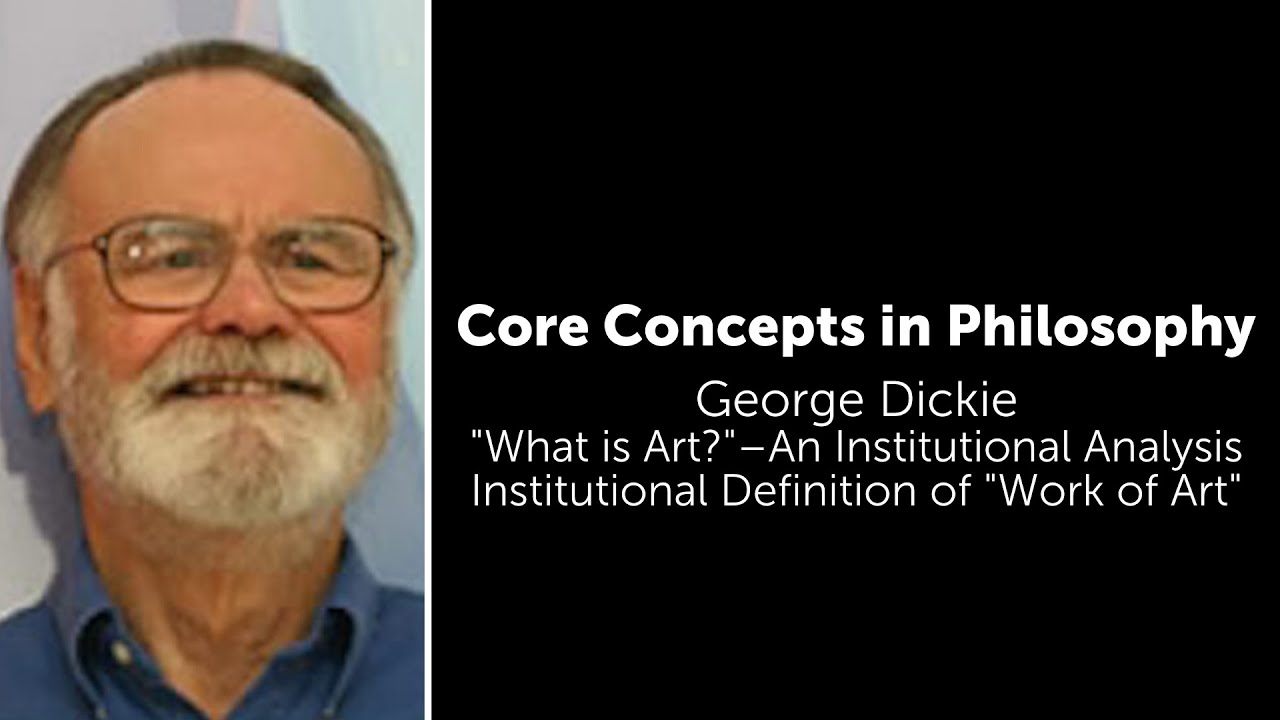
Advanced theories of art definitions, such as the Institutional Theory (George Dickie) and the Cluster Theory of Art.
The philosophical relationship between aesthetics and morality, exploring debates like moralism versus autonomism in art criticism.
Environmental aesthetics and everyday aesthetics, which apply these theories to natural landscapes, architecture, and daily routines.
The political dimensions of aesthetics, particularly how representations of beauty and the sublime are analyzed in critical theory and cultural studies.
228.9K views3Klikes4:56Original Release: 2017-03-12
welcome back to cats.org today we're going to be continuing with our series dumbfounding definitions dizzying distinctions and diabolical doctrines a series sorting through some of the jargon of philosophy in this video we're going to be answering the question what is Aesthetics in the philosophy of art so Aesthetics is an area of philosophy concerned with art and Beauty some separate Aesthetics and philosophy of art claiming that the former is the study of beauty while the latter is the study of works of art however more commonly Aesthetics encompasses both questions and it's kind of a more General title so that philosophy of art would be included as an element of Aesthetics so Aesthetics asks questions around Beauty as well as questions about art So it's talking about aesthetic objects maybe those objects that are naturally beautiful or naturally Sublime perhaps and those objects that are created by people in order to be beautiful or sublime or maybe even something else it examines topics a such as aesthetic objects aesthetic judgments and aesthetic experience since Aesthetics often incorporates some element of judgment it's generally considered to fall under the general heading in philosophy of value Theory along with things like political philosophy ethics meta ethics and so on now some of the questions which e Aesthetics often examines include asking what things count as art or aesthetic objects this is a common question as art progresses and pushes the boundaries of what can and should be art we ask the question have you gone beyond that boundary have you said well you've gone so far that that really isn't art art classical objects of art like paintings or songs the only things that are art or are there other objects can art serve other purposes or must it just be Art For Art's Sake could for an example a beautiful advertisement be considered art or because its main purpose is to advertise a product it can't be considered art or even a political piece of art could that be considered art because perhaps its main purpose is to be agit prop agitation and propaganda at what point do you draw the line what are the necessary and sufficient conditions for something being art and what is the nature of aesthetic judgment and aesthetic experience when I'm experiencing art or judging something to be aesthetic not aesthetic beautiful Sublime whatever what is the nature of that experience and those judgments and what makes something maybe even high art as opposed to popular art you might say that wow that's a really amazing piece of high art that does something very technical but if it's not very popular at what point is that still something that's beautiful or good Beyond questions of What kinds of things can be classified as aesthetic there are questions as to what makes an aesthetic object valuable or beautiful or who determines the meaning of an object the audience or the artist there are also questions regarding taste if two people disagree about the beauty or aesthetic value of a particular object is there an objective truth of the matter is there basically an objective meaning of an object or can an object take on new meanings as time goes on is there something that's objectively true about this thing being beautiful even if maybe we only consider it beautiful in our cultural context and 100 years in the future they'll consider it ugly furthermore there are questions as to the difference between various types of aesthetic value such as Beauty versus the sublime and questions as to whether we can judge the diverse fields of the Arts in the same way or if separate theories are needed for paintings movies songs and novels it seems like a novel is something very very different than a painting or a movie is something very very different than perhaps a song or a dance these seem to be implicitly and inherently very different things but we categorize them all as art so can we make a theory that really encompasses all of those disperate kinds of art I don't know what do you think what makes something beautiful what makes something art is there even an objective answer to either question before we finish a quick note you may have noticed if you follow the channel that we've been doing a lot of videos kind of on these General topics on these kind of dumbfounding definitions series this is Du in part because we've been very very busy here with other things going on but also it's kind of building up to a more General video that's going to cover a lot of these topics in philosophy and how they connect to each other that I hope is going to be really cool so stay tuned for that watch this video and more here at carneades.org and stay skeptical everybody
Up Next
43:28
The Objectivity of Beauty: A Philosophical Defense
@DrJordanBCooper
5.7K views•2023-02-24

164:01
John of Damascus on Holy Images: A Theological Defense
@BannedBooks
139 views•2026-04-25
6:07
Gottlob Frege: Founder of Analytic Philosophy and Modern Logic
@CarneadesOfCyrene
15.3K views•2016-12-08
4:57
The Myth of Sisyphus: A Greek Legend of Eternal Punishment
@TEDEd
8.6M views•2018-11-13
Related Study Plans & Knowledge Roadmaps
Structured learning paths in Philosophy
philosophy
Frankfurt School: Critical Theory & Culture
01Foundations of the Frankfurt School and Critical Theory
02Horkheimer & Adorno: The Critique of Instrumental Reason
03The Culture Industry and Mass Deception
+ 2 more learning modules
12h5 modules
Explore Roadmap
philosophy
Philosophy of Language: From Frege to Austin
01The Linguistic Turn: An Introduction to Language in Philosophy
02Gottlob Frege: Sense and Reference
03Early Wittgenstein: The Picture Theory of Meaning
+ 3 more learning modules
15h6 modules
Explore Roadmap
philosophy
Feminist Epistemology: Standpoint & Injustice
01Introduction to Epistemology and Feminist Critiques
02Sandra Harding and Standpoint Theory
03Donna Haraway and Situated Knowledges
+ 2 more learning modules
12h5 modules
Explore Roadmap
philosophy
Environmental Philosophy: Ethics & Deep Ecology
01Foundations of Environmental Ethics & Anthropocentrism
02Biocentric Individualism and Animal Liberation
03Ecocentric Holism and Deep Ecology
+ 1 more learning modules
10h4 modules
Explore Roadmap