





















Blue carbon refers to organic carbon stored in coastal marine ecosystems such as mangroves, saltmarshes, and seagrasses, which sequester carbon at rates 10-100 times higher than terrestrial forests due to their high productivity and slow decomposition in waterlogged sediments; these ecosystems provide critical climate change adaptation services including coastal protection from storms and floods, while their conservation and restoration can contribute to global carbon mitigation goals by preventing the release of stored carbon and enhancing carbon sequestration.
Blue Carbon: Its Definition, Location, and Importance | BrisScience
Added:The Global Carbon Cycle: Understanding how carbon is exchanged among the atmosphere, oceans, soil, and living organisms.
Photosynthesis and Carbon Sequestration: The biological process by which plants absorb carbon dioxide and store it as biomass.
Characteristics of Coastal Ecosystems: Basic familiarity with marine and intertidal habitats such as mangroves, salt marshes, and seagrasses.
The Greenhouse Effect and Climate Change: How excess greenhouse gases, particularly carbon dioxide, trap heat in the atmosphere.
Blue Carbon Policy and Carbon Markets: How coastal carbon sequestration is quantified and traded in global carbon offset programs.
Coastal Restoration and Rehabilitation Ecology: Practical methods, challenges, and success metrics for restoring degraded wetlands.
Economic Valuation of Ecosystem Services: How to calculate the broader value of wetlands, including biodiversity support and storm surge protection.
Ocean Acidification and Marine Chemistry: Exploring how increased ocean carbon absorption alters marine chemistry and impacts aquatic life.
4.3K views98likes44:53Original Release: 2020-08-13
good evening everybody and welcome to briz science back once again in our wonderful virtual meeting room uh i'm your host for this evening joel gilmore and you are of course signed into one of the bris science free monthly talks where we bring not just the best scientists but also the best communicators to share their passion and knowledge of science with a wonderful audience in brisbane and indeed now potentially the whole world i'd like to start by acknowledging the traditional owners of the land on which we're meeting today on the many lands indeed and pay my respect to elders both past and present and i'd also like to of course thank the university of queensland who host this fantastic series and make it all possible so tonight uh even though we are in the middle of a pandemic and hence our virtual uh series it's easy to perhaps forget that there are other pressing issues that we need to tackle and first and foremost of them to my mind is climate change and the environmental issues linked to it meaning that tackling climate change can help mean helping to preserve our environment so tonight we are very lucky to have with us professor catherine lovelock from the school of biological sciences at the university of queensland and kath's research focuses on climate change and its impacts on coastal plant communities and particularly the role of blue carbon carbon dioxide that is currently stored in marine ecosystems where it needs to stay so cath is a member of the international scientific blue carbon working group and leads australian and international projects focused on climate change adaptation so is definitely the perfect person to speak to us tonight so please join me in giving a wonderful virtual welcome to another international expert on the brisbane stage professor kath lovelock hello everybody good evening it's a great pleasure to be with you tonight to talk about blue carbon so i'm just going to share my screen with you and get going so my title tonight is blue carbon what is it where is it and why is it important and i'm hoping that maybe you've heard the term blue carbon before so in the broader sense blue carbon is describes all of the organic carbon that's bound up in the oceans and it was a term coined in 2009 to really draw attention to the role that healthy ocean ecosystems have in controlling the co2 in the atmosphere which has been rising because of anthropogenic effects mainly burning fossil fuel and land use change so the intent of using the word blue carbon or the words blue carbon is to really kind of focus our attention on what we can do to conserve and restore marine ecosystems so that's in a very broader sense but the the the discourse has really focused or the blue carbon sort of effort has really focused on coastal wetland communities and by coastal wetlands i mean uh ecosystems like seagrass mangroves and salt marshes which are pictured here so these are remarkable plant communities these are plants that have uh that have a terrestrial origin if you like and they have invaded the seas and by doing so they've taken all of those compounds that terrestrial plants are made of so lignin and cellulose and other things and they're introducing those into these salty saturated sediments or soils and what that means is that over time they're really high levels of productivity you know they grow quite rapidly in some cases they sequester a lot of carbon you know they fix a lot of carbon in photosynthesis and they contribute that organic matter not only to their biomass but to the soils or the sediments so that means over time you have this sort of accumulation of organic matter in sediments keeping up with sea level rise over the thousands of years to more recent you know uh centuries and decades right so and if you really look at these plants you can see they're sort of like making this tangled web in the water column or at least when the tides come in for salt marshes and mangroves and all of that root material all of that structure sort of slows the water volume down so it slows the water down and particles in the water sink right so that could be sediment and it could be organic matter and it's that also that process of trapping and accumulating and that adds to the that the the carbon stocks that are in these ecosystems and their high rates of carbon sequestration compared to uh other ecosystems so these sort of specialized characteristics of these systems is what leads them to have sort of large stocks of organic carbon and also high rates of carbon sequestration in biomass and soils so here's some examples you might be sort of like thinking oh god she's bonkers right but here's some nice if rather extreme examples so this we're looking at here the the the root mat of the seagrass systems in the mediterranean sea so they actually have produced meters of carbon rich peat over thousands of years and this is a really huge carbon stock in that part of the world we can look at things like this and you can see the root systems of this is a mangrove one of my favorite mangroves in the daintree river in north queensland and you can see those outrageous root systems and all of that you know black sediment you know meters of it which is a really large carbon store as well as the trees themselves right and then you know this is an example from uh sites that have worked in over a number of years from belize and this is where 10 meters of peat has grown up over the holocene so over the last 10 000 years as sea level has risen gradually until it's sort of stabilized but this whole islands or this series of islands are basically made out of the roots of red mangroves that have not decomposed you know these really sort of wet salty soils slow decomposition and the material they grow roots the roots die and they decompose very very slowly okay so that means on a per hectare basis carbon stocks in coastal wetland ecosystems are higher than in many other ecosystems and this plot i've got for you here has the average global carbon stock per hectare that's on the y-axis for a range of ecosystems and that sort of tanny color that you can see is the sediment or the soil carbon the first is as salt marshes the second is sea grass has actually less carbon than mangroves and salt marshes but there's a whole lot more sea grass than there is mangroves and salt marshes and then that's compared to tropical evergreen forests and tropical peat swamp forests so even those very carbon rich terrestrial systems have generally less per hectare of uh carbon stocks than uh the coastal wetland systems so what i'm getting at here is to try and sort of underscore that if we conserve these systems we can reduce liberating all of that carbon that was that is within them to the atmosphere as carbon dioxide we want to stop that right because that's causing problems and that if we restore them we might be able to or we will be able to uh help mitigate co2 going into the atmosphere from other sources right so we can contribute if we restore these systems to carbon capture right which is really you know one of our goals because this is so important in order to hold the global temperature to you know the temperature rise to 1.5 degrees which is what we are which is what the global ambition is currently so i first started to get involved in this research when i was in belize and you you could see from this that mangrove fieldwork comes with its own fashion issues but um i was working on these mangroves in in belize doing another project actually based on nutrient enrichment and while we were there um this mangrove was illegally cleared this happens because people want to build resorts these are beautiful islands in the um in the uh mesoamerican barrier reef system so they're often cleared filled with sand and then um you know tourist resorts are built on them but at that time i was measuring carbon dioxide or carbon you know emissions from different sites in the mangrove and in response to nutrient enrichment but once this happened and we were so dismayed that i decided that what i really needed to do was go out and measure what was happening when you destroy a mangrove and so what i discovered by doing this is that the co2 emissions from doing this are really large so this is this was anticipated but um you actually can measure it and then in addition to that other studies have shown that when you clear these systems and all of that organic matter that carbon rich organic matter in the soils begins to decompose because the microbes are using it and the roots die and decompose and the biomass the above ground parts are burned that you have these huge carbon dioxide emissions but what you also have is subsidence of the sediments and um you know this is this is uh troublesome for sea level rise because of course it accelerates the actual experienced rate of sea level rise so this is on this you can see this bottom picture is a sort of stylized nature of this island that is made of this 10 meters of peat and you know the reason why it's been stayed intact is because the vegetation is there contributing uh to the the soil volume over time allowing this uh island to stay in place all right so clearing and destroying these ecosystems has led to carbon dioxide emissions and this has happened over the globe for these three systems which is why we are so interested in conservation and restoration of these systems so these are my some of my three or one of my some of my favorite gloom and doom titles here we go mangrove forest one of the world's threatened major tropical ecosystems published in 2001 describing the loss of mangroves throughout southeast asia to shrimp agriculture production the accelerating loss of seagrasses across the globe published in 2009 by some of our colleagues and described how uh pretty much the reduction in water quality because of pollution from the land is threatening sea grass globally and there are very high rates of loss uh documented and then the final one centuries of human driven change in salt marsh ecosystems which really describes you know activities uh since the romans of people uh basically impounding salt marshes and filling them or converting them to other uses for example grazing land or agriculture okay so i thought i'd show you some pictures the first one is a picture of mangrove clearing in in madagascar where the mangroves are cut actually to provide timber for building among other things and you can see the loss of soil from around those standing stumps the next image to your right is mangrove's been cleared for aquaculture in indonesia then on the bottom and i'll show you some other slides these are not just things happening in other places you know historically in australia we've seen a massive loss of coastal ecosystems and this is just an example on the bottom this is victoria with a nice salt marsh you can see on the right has been filled as a rubbish dump and then um you know smoothed over cleared and it's now a playing field and that is a very common uh land conversion in urban areas of australia we've also in the north got hydrological modifications of the flood plains this is a a ponded pasture where the tide has been locked out and the saltwater wetlands has been converted into freshwater wetland to large leaf fuel feed cattle into the dry season and then this is a picture of what a degraded seagrass meadow looks that's covered with all sorts of algae largely because of poor water quality so too much nutrients and not enough light for the sea grass but really great for seaweeds to grow on them and small micro uh seaweeds so um if you're interested in the state of play and uh what's happened to wetlands in uh moreton bay then i would recommend that you had a look have a look at this recent offering from ian tibbetts and other colleagues who have basically done a state of the environment for moreton bay this is um it's a summary of some of the challenges in the region but also some of the successes so it's not all gloom and june there are some really wonderful stories about the environment of moreton bay in this book it's free for download and it has chapters on nearly all of the the kind of biodiversity that you would see in morton baber also covers uh many other issues in including industries that use the bay uh the importance of indigenous communities in the bay and uh their uh their relationship to the bay and other things so uh please uh have a look i'll put the links there okay but we'll get back to this um the the blue carbon story we can um resume our discussion of the the negative nature of these kinds of changes and we're not only really concerned about the the negative nature in terms of the carbon dioxide emissions we are but that's not the only concern that we have the concerns about losses of these ecosystems is really a loss of a whole range of ecosystem services that they provide us so they don't only provide us carbon sequestration services of course they're you know amazingly important for recreation there's nearly always if you go and search on the internet and say barramundi you'll get 100 pictures of really happy people catching fish in mangrove creeks you know throughout the north of australia right they're important spiritually and culturally in some nations like we looked at madagascar they're incredibly important for timber and forest products so not only timber but also products like honey and thatch and sugar from the mangrove palm and so on they support fisheries there's almost a one-to-one link in terms of the area of mangrove and the area of fish productions because they're nurseries and also they're so rich in material of things that you know fish and crustaceans and other things really like to eat we've talked about their role in climate regulation and i'm going to consider the coastal protection services especially in a moment but they're also important for maintenance of water quality and by that i mean that they trap sediments and they and they process nutrients so in some cases they're actually grown as nutrient treatment uh um for their nutrient treatment services right i mean not that i'm this um not that i'm necessarily advocating that that should occur but they are very very good at um at cycling nutrients right and can you imagine what has happened as like the amount of nutrients that we're putting in to our curse or systems has increased and at the same time our extent of coastal wetlands has declined right it's almost like the double whammy right so keep that in mind as we go forward and we talk about the importance of conserving and restoring these systems and what it can deliver for our benefits right so the two things that i didn't cover in the last slide was that coastal wetlands contribute to adaptation to climate change and this is becoming uh very important and if you watch any news um about when there's cyclones out on the pacific islands if you've thought about what's happening in the torres strait and in other low-lying nations of the world that you you know that coastal wetlands have the capacity to protect infrastructure from um the damages brought about by cyclones hurricanes typhoons so this is largely in the bucket that's called nature-based solutions right but it's all about reducing flood damage because coastal wetlands increase infiltration they slow water flow so they're really good for helping to control floods this accumulation of material whether it's sediment and organic matter allows them to sort of keep up with sea level rise and thereby protect our coasts they can self-repair they can grow again right and under the right conditions they are relatively self-sustaining and then if you compare the coastal protection the cost of coastal protection using coastal wetland plants as a part of the solution compared to just laying more concrete um then there's lots of studies that would indicate that it's a more cost effective measure so it's cost effective we sequester carbon and we get fish right it's really almost a no-brainer yeah so i wanted to share with you this lovely study if you haven't been convinced sufficiently yet and that is done by one of my colleagues edward barbier and he used the night lights so from satellites you can see the nights the the the lights of um of uh urban centers or you know our [Music] lights that we have on at night and this is actually an indication of an economic activity so what he did was he looked at the change in luminosity in locations when they were struck by sight lines in locations that had mangroves and those that didn't have mangroves or had very little mangroves that mangroves had been cleared and what he found was that in places where there were intact mangroves they basically suffered less economic damage from storms and they recovered more rapidly so this graph shows the red one is the coastlines that have very few mangroves and the loss in economic activity after a storm and the green one is when you have a mangrove right so the damage is less and then the other part of this that i'm not showing you is that the recovery was more rapid so i mean even if you're not really into coastal wetlands because they you know are muddy and right even if you are really an economic rationalist you would be um uh attracted uh by the idea of reduced damage because as soon as there's reduced damage it also uh has ramifications for insurance and other factors so here we go what we know is that the degradation of blue carbon so of coastal wetland systems leads to greenhouse gas emissions co2 carbon dioxide emissions so intact ecosystems are carbon sinks degraded and converted systems become met sources and not only that sometimes the the land the new use for that land rice agriculture sugar cane aquaculture actually produces more greenhouse gas emissions so for example when you feed fish you give rise to nitrous oxide emissions if you grow rice rice emits uh methane emissions right so there's lots of other greenhouse gases so if we can you know switch this back and re reinstate coastal wetlands where we have unproductive agriculture where we have uh disused aquaculture ponds we we're basically we're not getting much out of what we're doing with them anyway let us turn them back into net carbon sinks and uh help with uh controlling or with mitigating co2 that's going into the atmosphere so we've got two options here we can conserve which means let's avoid the co2 emissions associated with degradation so that means we need to invest in things like marine protected areas and we need to find ways where coastal wetlands are being over exploited to reduce the exploitation so reduce the needs for those particular products and we can also uh restore right and so i'm going to spend a bit of time talking about restoration of coastal ecosystems so if we want to restore we um you know that means we're basically going to recreate all well we're going to not recreate the ecosystem as it was because often that's not possible but we're going to bring something back that has the same kinds of functions and restore the co2 sync now often i'm asked how much does this how much would all this restoration and conservation of coastal ecos really contribute to reducing co2 in the atmosphere so we had to go at that for a report that we did for this [Music] this i don't know what to call it really institution called the high level panel for a sustainable ocean economy it's a group of leaders uh including our own prime ministers on it who is interested in trying to uh support better management of the oceans right so as a chapter in that whole series of studies that were commissioned we tried to work that out and we we estimated that of the amount of co2 that needs to be sequestered to hold the global temperature to only a 1.5 degree increase that all of the ocean options would probably contribute about 21 percent about 20 percent to what's required right so we still need to reduce emissions that says in our in our business as usual and we still need to increase forest cover and you know other uh and explore technological options and other things to reducing co2 in the atmosphere but the ocean can contribute you know through these things like ocean-based transport renewable energy about 20 of those needs and then the the coastal wetlands contribute only about you know i don't know uh you know 10 10 to 15 of that right so actually quite small and that means that only about two to two and a half percent of the total global requirement if we restored and conserved all of the coastal wetlands that we could right so it's actually quite small it's a small contribution however it was still you know in this analysis came out to be one of the most preferred options because of the provision of all those other ecosystem services that we get out of them which i described earlier the other thing is that although that's the global assessment individual nations actually stand to gain more or less from blue carbon so for example if you're a country that has rather low emissions in for example industrial transportation sectors but you have a high level of opportunity in blue carbon because you have a lot of mangroves and you have a lot of seagrass for example then you would stand to benefit from pursuing blue carbon as a way to mitigate climate change and those countries would be countries like uh like indonesia and bangladesh and uh parts of mexico right so you know it really depends on the opportunity um but okay you have to keep it in mind that this is not the silver bullet that can solve everybody's problems but it is a part of the solution and a very valuable part because of the climate adaptation and other ecosystem services so the question is how are we going to make this happen and i had this you know i've been involved and i'm sure many of you have too this sort of theory of change where you you know set out this very logical sequence of events that will get you to where you want to go but the truth is with blue carbon it's been very very complicated we have a whole range of things that we need to make it happen we need government industry and community support we need finance and we need science right it all sort of has to come together so you know rather than this linear sequence i'm i'm afraid it's the reality is that it's more like a very tangled mangrove root system that you have to get through right but i want to describe briefly some of the things that are happening on the international stage to make blue carbon conservation and restoration of coastal wetlands for their carbon uh benefits uh reality right and one of the first and big things that's happened is that the international panel for climate change released guidance on how to account for the losses and gains of blue carbon ecosystems in your national greenhouse gas accounts now why that is so important is because before we couldn't do that so there was no real incentives for governments to embark upon such projects or you know financing or supporting those kinds of projects right that would restore and conserve wetlands but all of a sudden now coastal wetlands you know if if you knock a whole bunch of them down then somebody in canberra is looking to say okay that is a plus on our emissions and if you restore a whole bunch they're looking to say okay now that's a minus on our emissions good right so blue carbon systems because of that guidance blue carbon ecosystems are beginning to be included in countries nationally determined contributions which are the statements that nations make to say how they're going to mitigate climate change right how are they going to mitigate and adapt so for example in that bottom right you can see a map and these are countries that have committed uh in 2016 by 2016 to uh including coastal wetlands in their greenhouse gas accounts and there are more who are interested and who are trying to work out how they can do it so in addition to that sort of international government national government level there's also carbon market methodologies that are developing so one there i put there is uh one through the verified carbon standard which provides guidance it provides instructions really on how you go about doing a project that would get you carbon credits that you could sell to generate finance for your conservation and restoration activities right so uh unfortunately in australia we can't participate in in the vcs but the emission reduction fund has started to develop a blue carbon methodology which hopefully will be available in the next couple of years which will provide opportunities for australian land holders to take undertake blue carbon projects to generate australian carbon credit units okay so in addition to that sort of action there's also just a whole lot of enthusiasm and energy in the international communities that are devoted to coastal wetlands and these include blue carbon initiative international partnership for blue carb and the global mangrove alliance and i realized i've been talking too long here there's also internationally a really new energy for restoration and this is going to be marked by the u.n decade of restoration which starts next next year and certainly coastal wetlands then are going to be an important part of this sort of initiative but there are lots of challenges and i really don't want to spend too much time going through them because i'm running shaun on time but you know what we want to do is design projects that are good for communities and with that in mind we have to make sure that communities still get what they want out of coastal wetlands this is wood being sold in myanmar and of course communities want to fish so we can't do projects that lock up still wetlands so nobody can go in them so there are good uh carbon projects out there in the world this one is mucoco promoto it is done under plan vivo and this community in kenya has restored and looks after about 100 hectares and they receive about 10 000 a year to support their community activities from doing that in queensland things are happening the restoration of the land restoration fund of the queensland government is uh basically doing pilot projects to try and help us through some of the spaghetti of how to do blue carbon projects in australia they're interested in carbon projects that deliver environmental and economic co-benefits for land holders and there's a beautiful project that you could look up the blue heart project in sunshine coast which is a conglomerate to receive to generate a whole bunch of ecosystem services and this is also a pilot blue carbon project it's about a thousand hectares currently of restoring wetlands so just to conclude and i'm happy to answer questions on some of those projects if you have them but blue carbons in the oceans and on coasts we focus on coasts because they have large carbon stocks and they've been damaged and destroyed but we can effectively manage them to enhance carbon sequestration and to live to deliver other ecosystem services and that restoration and conservation of coastal wetlands is really going to increase coastal resilience globally and with that joel i'm finishing up i'm stopping sharing my scream and i'm flipping back to you fantastic cat thank you for a uh both inspiring and concerning look at an issue perhaps that we uh doesn't come to attention compared to some of the other big ticket items you hear about like renewables or uh energy um so we've already got a few questions coming through um let's go to those if you've got if you're happy to take any questions guys yes absolutely okay so the first question we have is how can we better align the interests of recreational users and environmentalists so i'm thinking this might be in response to your comments around like um fish fisher barramundi fishes and so forth and yes well i think i think actually we um environmentalists and people who want to use the environment actually should be better friends right so i think it's about um really uh demonstrating the benefits uh of of these sort of restoration and conservation activities for everybody and i really think it's about project design right you know if you go for example i work in myanmar if we go and do a project that says we're going to restore this stuff and now we're going to lock everybody out we will absolutely drop you know we'll get ourselves kicked out of there quick time right because people want access to those resources so it really behooves us to make projects and management decisions that kind of can support dual use you know and i think that's one of the that's one of the big challenges you know for uh conservation is finding that balance right but you know the truth is if we have more coastal wetlands in north queensland we're going to have more barramundi you know that's the way it's going to work thank you um got a question from brian who asks what sort of time frame is required to regain those significant depths of carbon rich soils i mean in some instances it's it's really thousands of years i hate to tell you that you know um but in other instances you can see that these that uh that sediments and carbon rich sediments accumulate actually quite quickly so um you know i've been looking at a few papers recently and they're like talking about centimeters of uh sediment being deposited uh per year right so it really is a little bit dependent on the level of inundation and so you've got to get a sweet spot when you do restoration not so deep that the plants can't survive and they suffer not so high in the intertidal that they rarely get inundated because then they can't grow and there's no sediment trapping and very little organic matter kind of deposited so there's a there's an element of finding the sweet spot but it can happen over decades right so it takes about two decades to regrow a mangrove forest and you can be thinking that it will be uh accumulating maybe anywhere between three mils and ten mils a year so about you know between point three and one centimeter a year so it is the sort of thing where you're going to be able to see improvements within your lifetime at least in some cases oh man people if people yeah even if politicians get behind this they might actually be able to point to it and yeah you can see results really quite quickly i think you know like if you've been watching the blue heart site if you've been watching other sort of restoration sites you know there's a beautiful one in brisbane done by the b4c the balimba creek um restoration uh they've done a restoration in balimba creek the balimba creek oxford and honestly the trees are indistinguishable almost from the uh the then uh sort of something that is natural and it took about 15 years i think that's a really great positive story to take away from people perhaps when we're communicating with our local members in next conversations um a question from a tamara or tamara apologies are there area and the following packs from your comment at bolimba creek are there areas in the moreton bay region that can benefit from a restoration program uh yes yes there are degraded wetlands in this uh in morton bay and there are also areas that i would say that we need to conserve for future wetlands so um you know all over you know we've lost 50 percent of the salt marshes in moreton bay to industrial uh urban you know just sort of development right so i think there really needs to be a big kind of like look at where we might be able to restore salt marshes particularly the mangroves are actually doing pretty well in moreton bay and that's largely because we've got a whole lot of sediment that they've that's come down you know over the last century that they've occupied so um i think sites can be found to restore wetlands and groups like b4c are really on the forefront of that the oxley common is a really another great example fantastic i've got time for one more question and this is from nicole who says cath a really wonderful and accessible presentation if you have to list off the three most important research priorities or knowledge gaps in blue carbon and wetland systems what would they be and i think this is it's a very pertinent question given have you i understand you've just been named a 2020 australian laureate fellow and received the georgina sweet australian laureate fellowship is that correct that is correct i am very grateful and and happy to have been receive that award i tell you one of the first things uh i would say is that the to make blue carbon projects happen we really have to reduce uncertainty for people who want to do projects and one of the key uncertainties is what will happen with climate change so that is um that's a big one because why would we invest in conservation restoration if they're all going to be drowned by sea level rise for example so i think that's an important uh set of you know like that's not just one research question that's just a whole load of stuff uh to think about and then um probably one of the other ones is uh is or one of the other things that i think about a lot is this sort of um nexus between science and um making things happen right because sometimes we do science but it's not really applicable and so one of the things that i really want to look at is how to enable site selection and understanding how sites are going to behave when you do restoration projects and so a lot of that is making understanding the hydrology of wetlands and how it interacts with carbon sequestration right so that's another one of the um the kinds of things that i'm going to be doing over the next five years fantastic well thanks for a bit of insight into what we can see next and uh maybe we'll look forward to your your updated blue bridge science talk in a few years where you um give us some more good news i hope well i'm really hoping that the restoration projects that are funded by the under the land restoration fund that they will deliver some good benefits we've already had some desktop uh studies that have looked at where in uh in queensland uh some of the most sort of like productive blue carbon projects might uh occur and then i think there's a whole lot to be talked about what's happening in south australia and what's happening in victoria and what's happening in tasmania oh my lord people are busy you know it's a really busy space and there's um i think there's going to be a lot of exciting things exciting results and you know like things to make us feel um like coastal coastal ecosystems are on the improve that's fantastic and you know a good call to action for everybody to keep your mind looking to the future and to uh some of these long-term projects so thank you so much for your time this evening kath it was a fantastic talk and uh a lot of insight into area that i knew relatively little about so the comments that have come through and some of the comment questions have been very uh thanking you for a fantastic talk an enjoyable presentation so um i'm sure the rest of your science agrees um make sure everybody you um follow our mailing list to um sign up for our next talk and um watch your space nothing can catch this talk on youtube in a few days as well you
Up Next
4:14
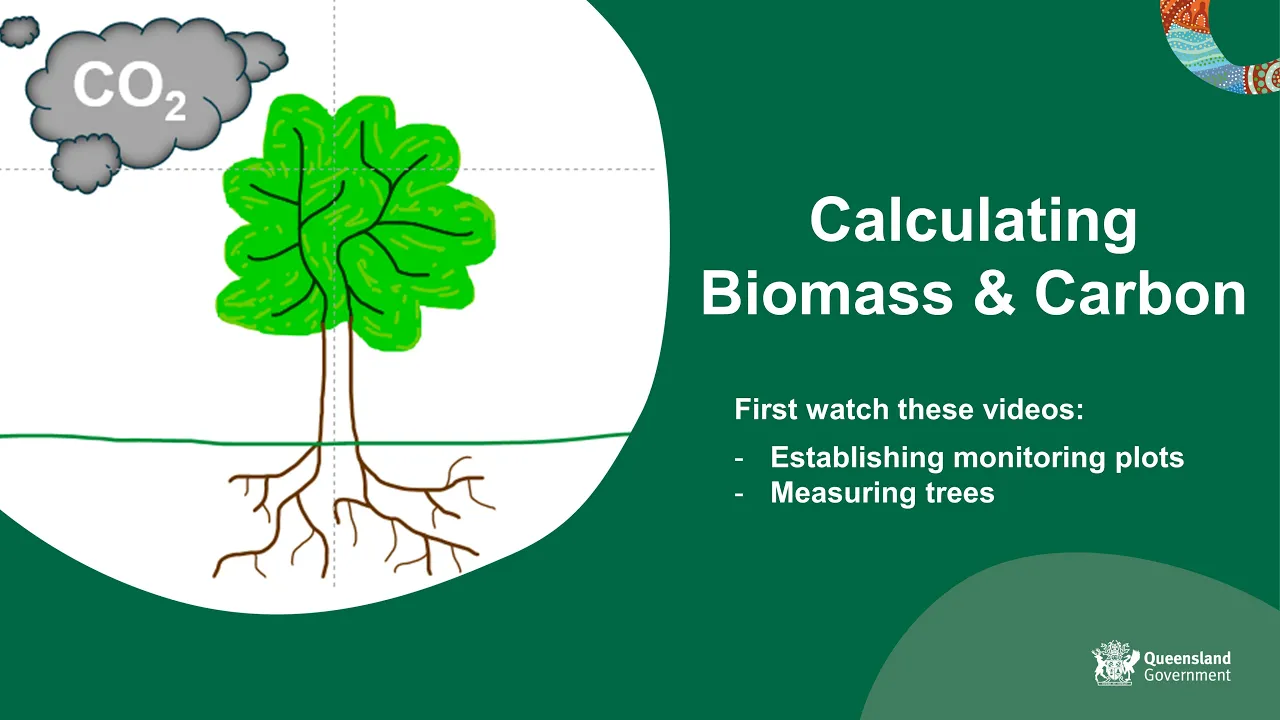
Calculating Tree Biomass and Carbon Storage Methods
@QldAgriculture
26.9K views•2023-07-10

15:54
Life in Biosphere 2: Sustainable Ecosystems & Human Survival
@TED
334.9K views•2009-06-16
14:30
Microplastics Everywhere: How Plastic Impacts Our Lives
@TEDx
100.9K views•2018-05-08
10:28
Ice Stupa Artificial Glaciers: Solving Ladakh's Water Crisis
@SonamWangchuk66
3.2M views•2015-05-03
Related Study Plans & Knowledge Roadmaps
Structured learning paths in Environmental Science
environmental-science
Ocean Noise: Cetacean Impacts & Mitigation
01Fundamentals of Underwater Acoustics
02Marine Mammal Bioacoustics
03Anthropogenic Noise: Shipping & Seismic Surveying
+ 2 more learning modules
16h5 modules
Explore Roadmap
environmental-science
Road Ecology: Corridors, Overpasses & Fencing
01Foundations of Habitat Fragmentation and Carnivore Ecology
02The Road Barrier: Ecological Impacts of Transport Infrastructure
03Principles of Ecological Corridors and Connectivity Mapping
+ 3 more learning modules
14h6 modules
Explore Roadmap
environmental-science
Ocean Acidification: Kelp Buffering & Shellfish
01Fundamentals of Ocean Chemistry & pH
02Chemical Pathways of Coastal Acidification
03Bivalve Physiology & Calcification Under Stress
+ 2 more learning modules
18h5 modules
Explore Roadmap
environmental-science
Ice Stupas: Glacial Retreat & Water Security
01Foundations of Glaciology & Mountain Hydrology
02Climate Change and Glacial Retreat Dynamics
03The Science of Ice Stupas & Artificial Glaciers
+ 2 more learning modules
14h5 modules
Explore Roadmap