




















Verner's Law explains apparent exceptions to Grimm's Law by stating that voiceless stops in Proto-Indo-European will become voiced fricatives (instead of voiceless fricatives as Grimm's Law predicts) when they are not in the first syllable and the preceding syllable is not accented. For example, in the word for 'father' (PIE *pəter-), the accent falls on the second syllable, so the internal 't' becomes 'th' (voiced) rather than 'f' (voiceless), resolving the seeming exception to Grimm's Law.
Verner's Law Explained: Exception to Grimm's Law in Historical Linguistics
Added:Grimm's Law: Comprehension of the systematic consonant shifts from Proto-Indo-European to Proto-Germanic.
Basic Articulatory Phonetics: Understanding phonetic features, specifically the distinction between voiced and voiceless consonants, and stops versus fricatives.
Proto-Indo-European (PIE) Accent System: Familiarity with the mobile pitch-accent system of PIE before it shifted in Germanic.
Concept of Sound Laws: Familiarity with how historical linguists track regular, predictable sound changes across language families.
The Neogrammarian Hypothesis: Exploring how Verner's Law vindicated the theory that sound laws operate without exceptions ('no exceptions' rule).
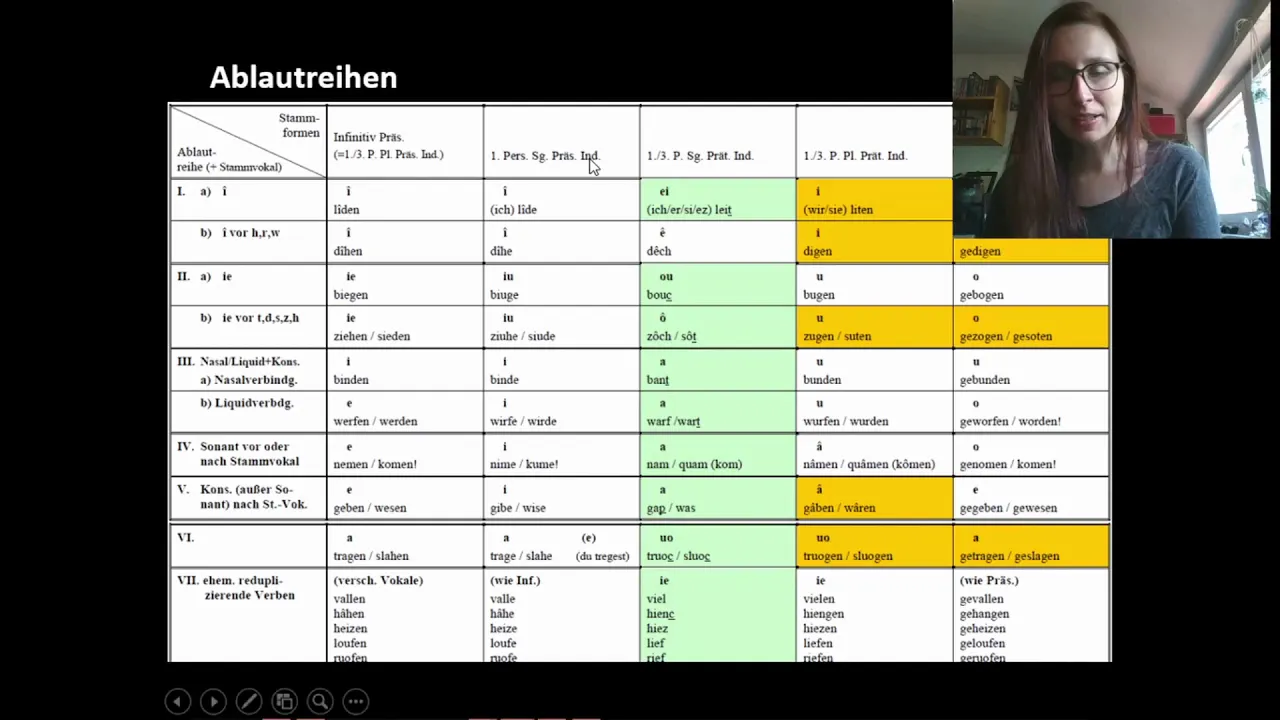
Grammatischer Wechsel (Grammatical Alternation): Analyzing how Verner's Law created systematic consonant alternations in Germanic verb paradigms (e.g., English 'was' vs. 'were').
Proto-Germanic Stress Shift: Studying how the transition to a fixed initial stress system obscured the original phonetic conditions that caused Verner's Law.
The High German Consonant Shift: Investigating the subsequent historical sound changes that further differentiated High German from other Germanic languages.
2.5K views51likes4:43Original Release: 2020-06-30
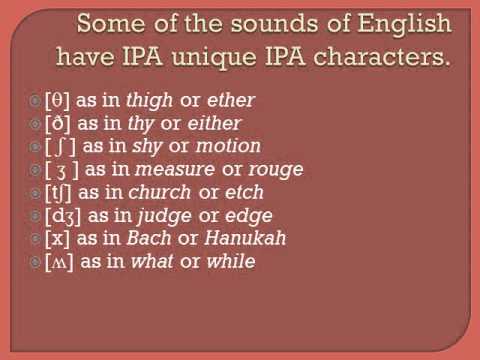
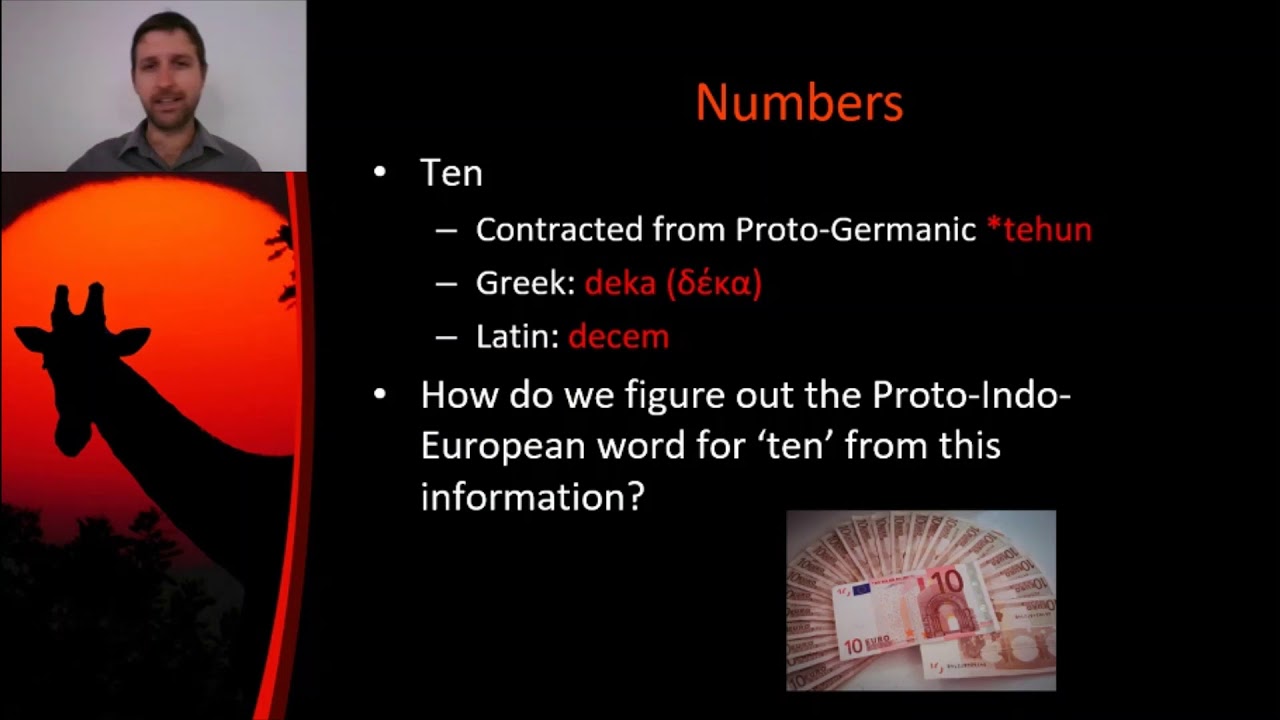
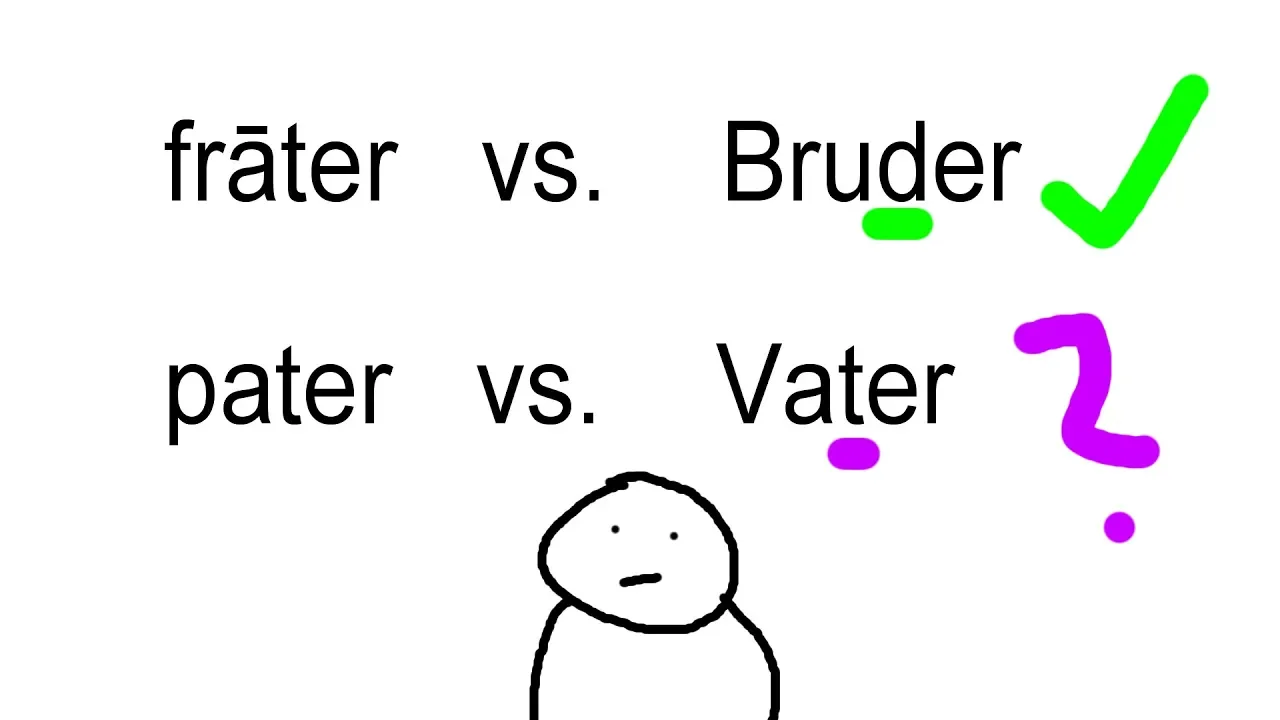
now let's talk about fairness law one of the biggest exceptions to Grimm's law so let's look at this example that we've seen earlier in this set of videos here we have the indo-european reconstructed word forefather which becomes the English word father I insist that this is an exception to Grimm's law even though it's one of the first examples that you tend to learn when discussing Grimm's law and I've underlined these two letters to help you think why that may be the case now Grimm's law says that two becomes the and it kind of looks like that's what's happening here but remember for linguistics we care about sound not spelling so Chuck becomes the according to Grimm's law but this sound here is a the na'toth ax it's the voiced version not the voiceless one that's a problem because Grimm's law says that our voiceless stops should become voiceless fricative now according to the neo grammarian hypothesis all sound change is supposed to be regular and without exception we shouldn't have this seeming exception to Grimm's law in words like father and also brother mother and so on so in order to explain this the only way that we can is to say that there has to be some other sound law some other rule that prevents Grimm's law from applying maybe it happens first and then Grimm's law is no longer relevant and that's called Vernors law to understand Vernors law we have to talk a little bit more about the proto-indo-european pronunciation system proto-indo-european words are reconstructed as having an accent that's a syllable that's stressed more heavily or perhaps it's a higher tone but it's similar to English that we have one stressed syllable per word this accent can be reconstructed based off of Greek and Sanskrit both of which have accents and so by understanding the rules of how Greek and Sanskrit accents work we can generally figure out where they are in proto-indo-european Varner's law has to do with the accent in the proto-indo-european word so voiceless stops which according to Grimm's law should become voiceless fricative will instead become voiced fricatives if they're not in the first syllable and the preceding syllable the one that comes before it is not accented so here in the word for father our accent is actually the second syllable the tear so what that means is the two is not part of the first syllable and the syllable preceding it is not accented this means that it's subject to Varner's law and comes out as a voiced the instead of a voiceless so that gives us father if we look at the root for seven which will add an accented suffix based on the language that's where we get the N from in English we get an M in Latin we get an AA in Greek but that's the accented syllable not this first one so this pas is in the second syllable and this preceding syllable is unaccented so that that it's also subject to very nurse law so instead of the voiceless feh we have the corresponding voiced sound the giving us seven so just to wrap up on Grimm's law are there other seeming exceptions to Grimm's law yes very nurse law is one of the most important ones but it's far from the only one but many of them can be explained by rules like this by a deeper understanding of how the proto-indo-european sound system works next time we'll come back and we'll look at some approaches in modern linguistics and go into more detail about how scholars actually do phonetics phonology and morphology thank you
Up Next
11:20
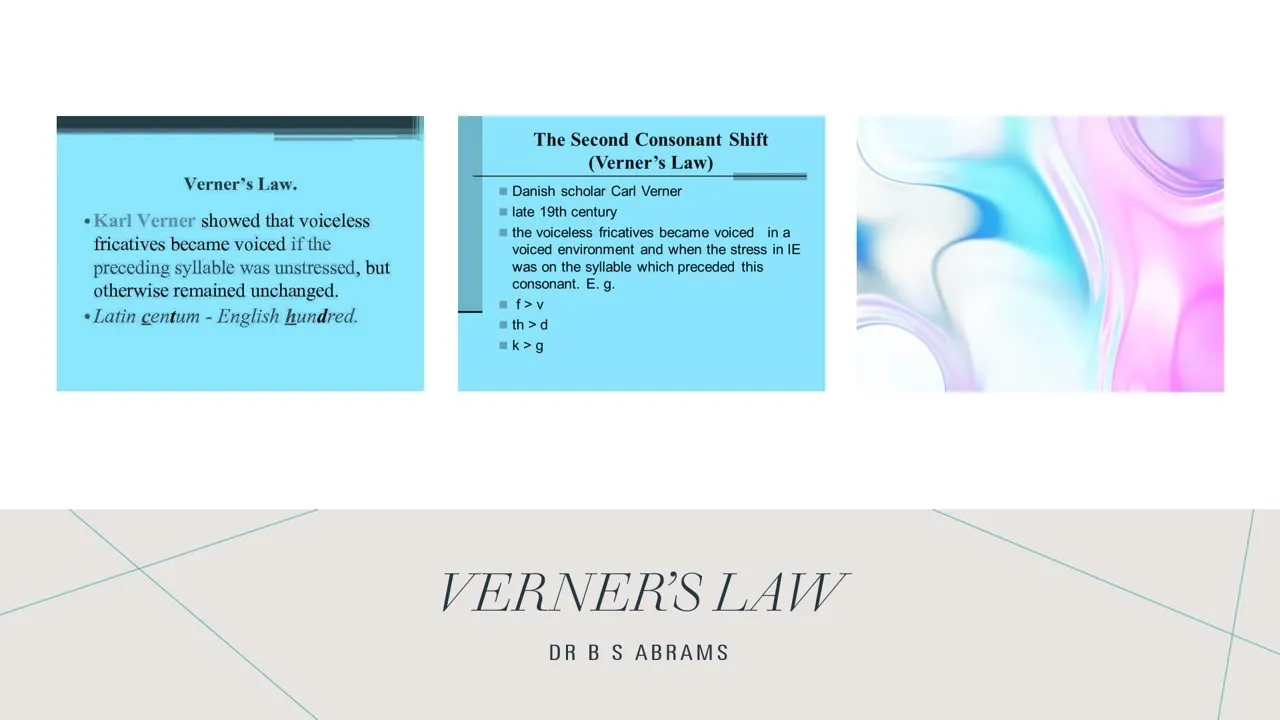
Verner’s Law: Germanic Sound Change & Accent Shift
@AbramCELL
339 views•2020-11-09
36:52
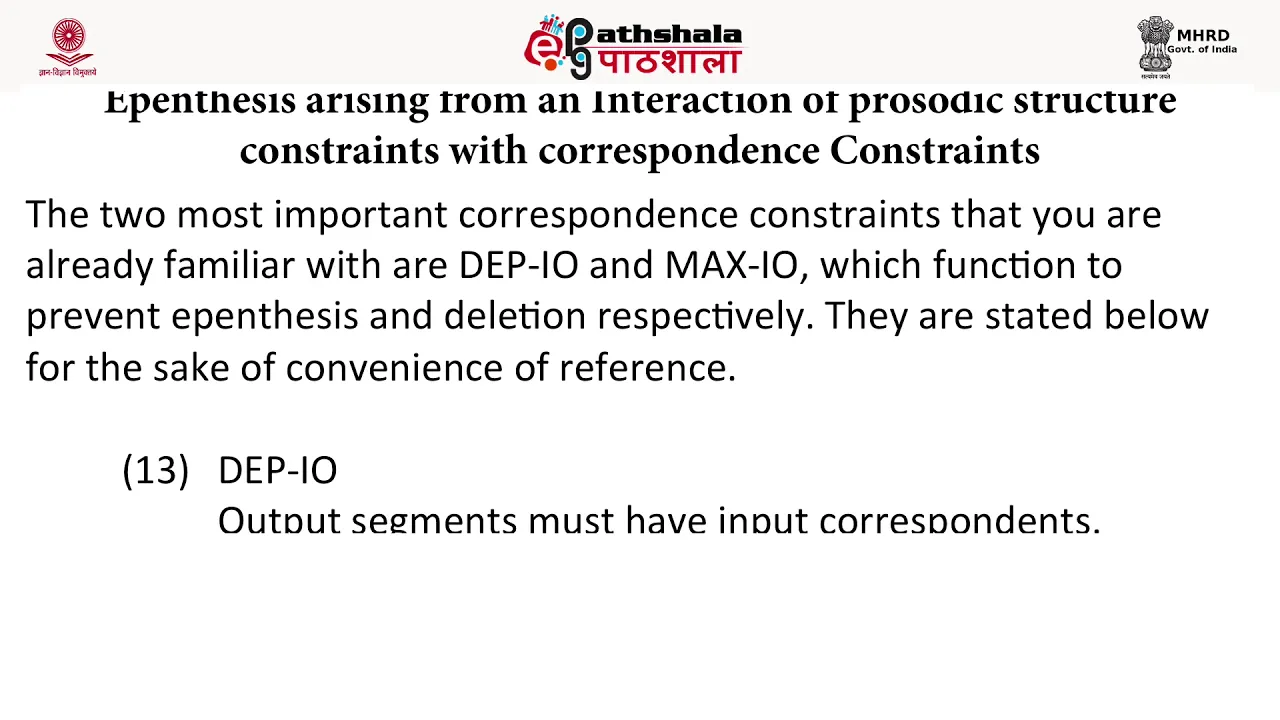
Constraint Interaction in Optimality Theory: Epenthesis & Deletion
@Vidyamitra
180 views•2018-08-20

8:59
Forensic Linguistics: How Language Solves Crimes | PBS
@pbsstoried
1M views•2024-01-25

21:32
Accent Expert Explains U.S. Regional Dialects | Part 1
@WIRED
9.3M views•2021-01-21
Related Study Plans & Knowledge Roadmaps
Structured learning paths in Linguistics
linguistics
Optimality Theory: Tableaux & Constraints
01Phonological Basics: Sounds, Syllables & Rules
02Foundations of Optimality Theory: GEN, CON, and EVAL
03The Constraint Inventory: Markedness vs. Faithfulness
+ 2 more learning modules
15h5 modules
Explore Roadmap
linguistics
Morphosyntactic Alignment: S, A & P Systems
01Foundations of Syntax: Transitivity and Arguments
02The Linguistic Variables: Mapping S, A, and P
03Nominative-Accusative Alignment
+ 3 more learning modules
12h6 modules
Explore Roadmap
linguistics
Analyzing Sign Language: Phonology & Syntax
01Foundations of Sign Language Linguistics
02Phonology: The Five Parameters of a Sign
03Morphology: Word Formation and Classifiers
+ 2 more learning modules
14h5 modules
Explore Roadmap
linguistics
Pragmatics: Speech Acts, Grice & Politeness
01Introduction to Pragmatics: Meaning in Context
02Grice’s Cooperative Principle & Implicature
03Speech Act Theory
+ 2 more learning modules
14h5 modules
Explore Roadmap