![A. François – [#3] La méthode comparative – cours “Linguistique historique et Typologie”](https://i.ytimg.com/vi/VmX_LYpetbk/maxresdefault.jpg)


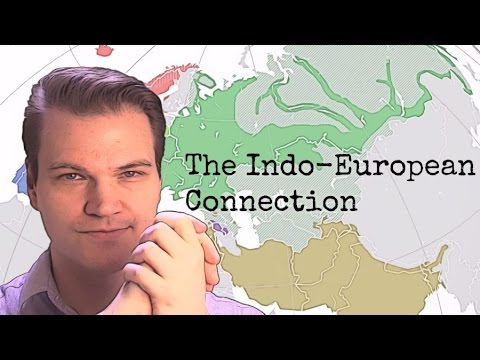
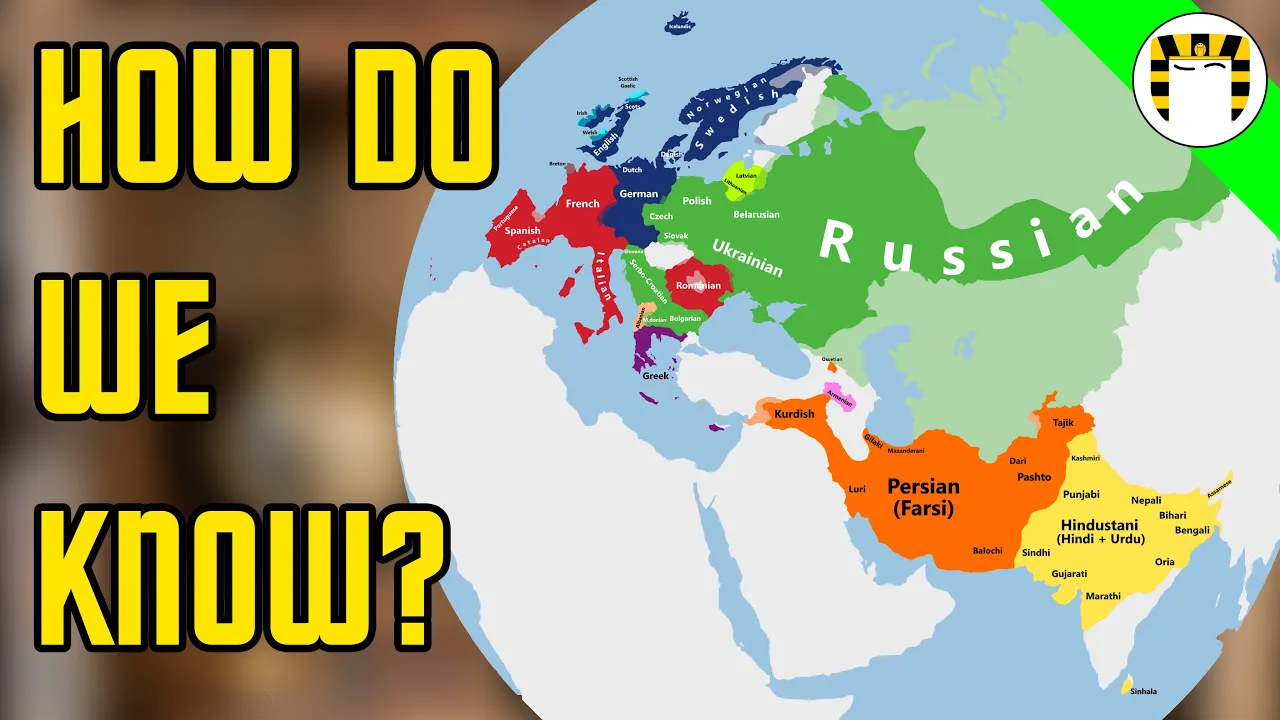
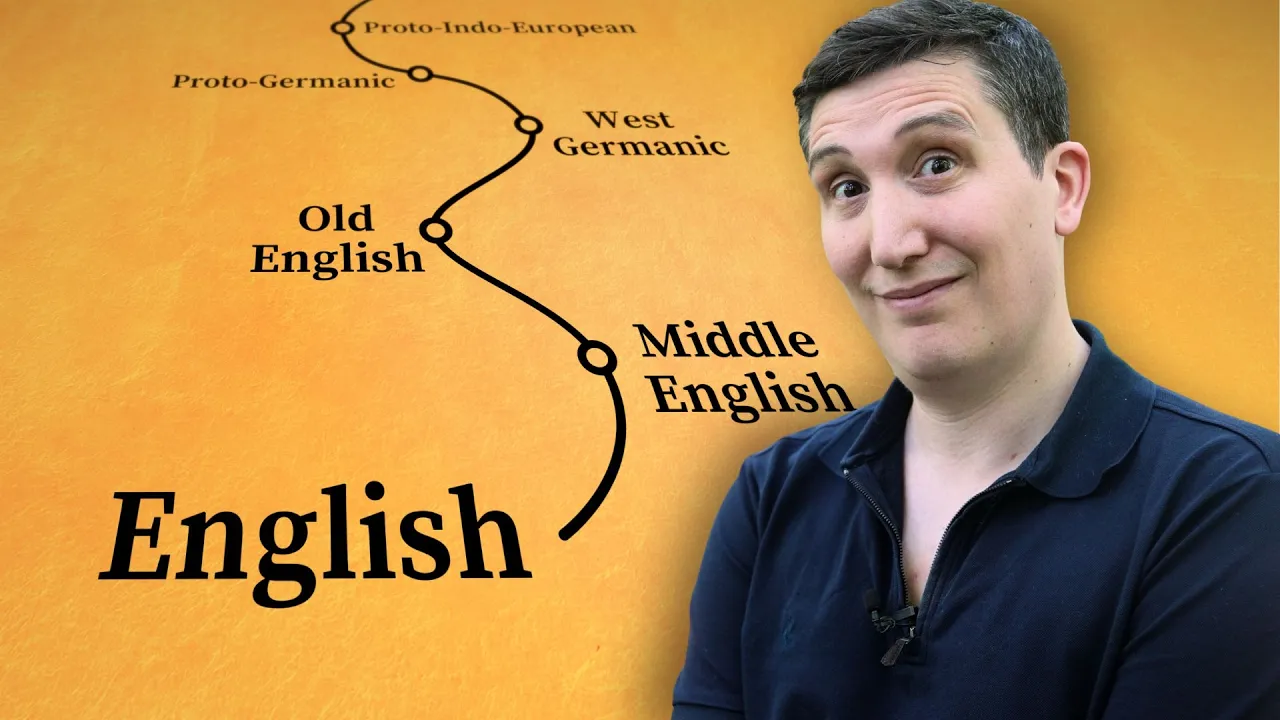








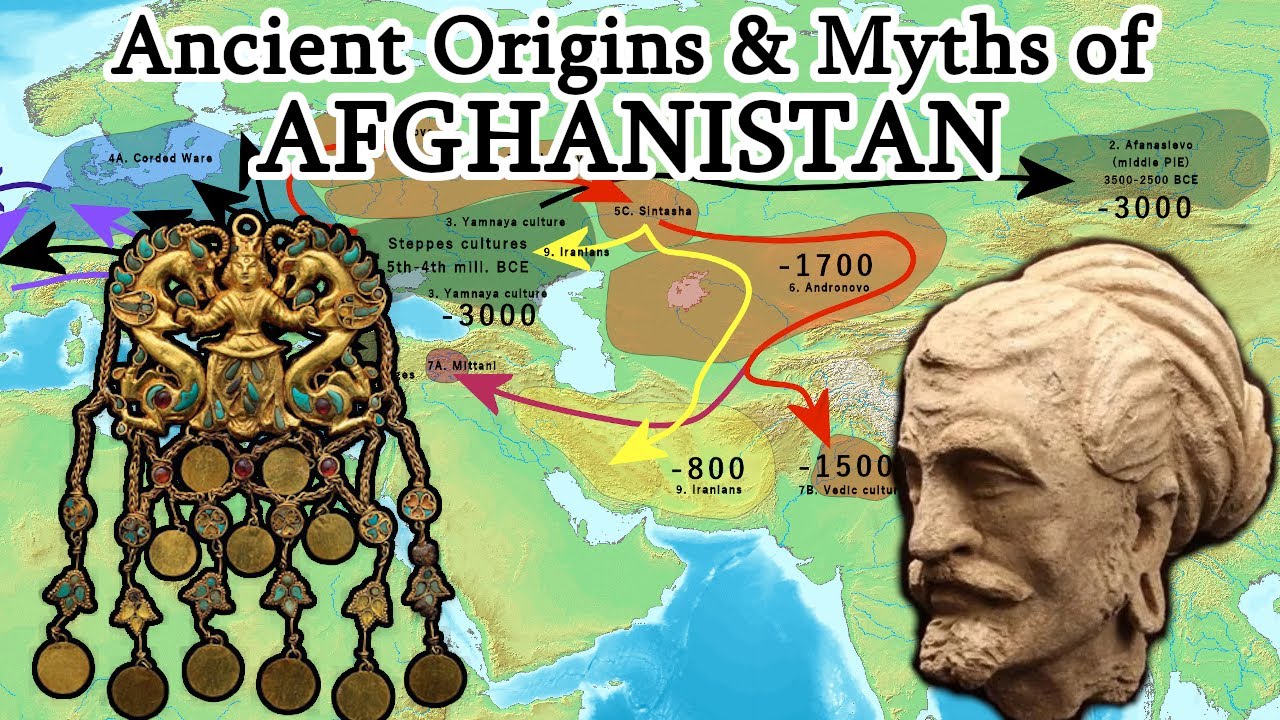



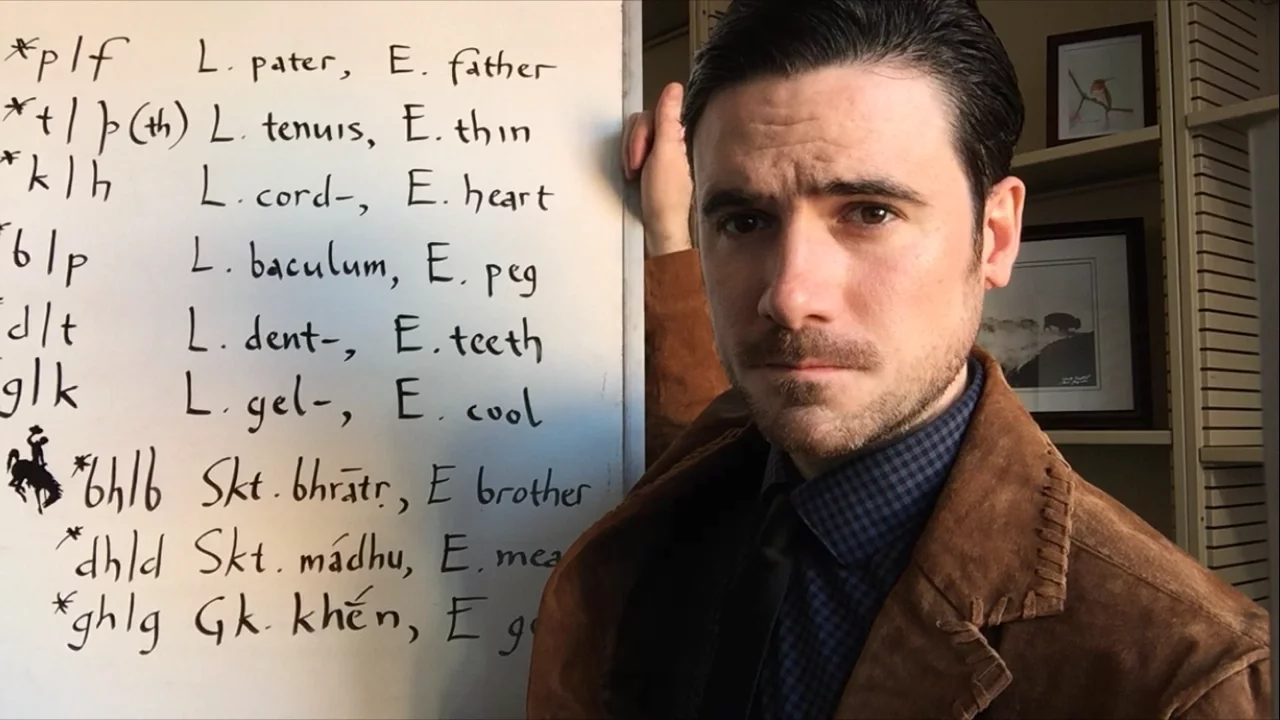
Proto-Indo-European reconstruction uses the comparative method, which identifies the most likely ancestral forms by comparing cognates across daughter languages, applying principles like 'deader is better' (older languages preserve features more faithfully) and recognizing natural sound change paths; however, this reconstruction is probabilistic rather than definitive, and while vocabulary reveals cultural aspects like wheel technology, environmental and religious vocabulary proves unreliable for homeland reconstruction due to rapid semantic drift.
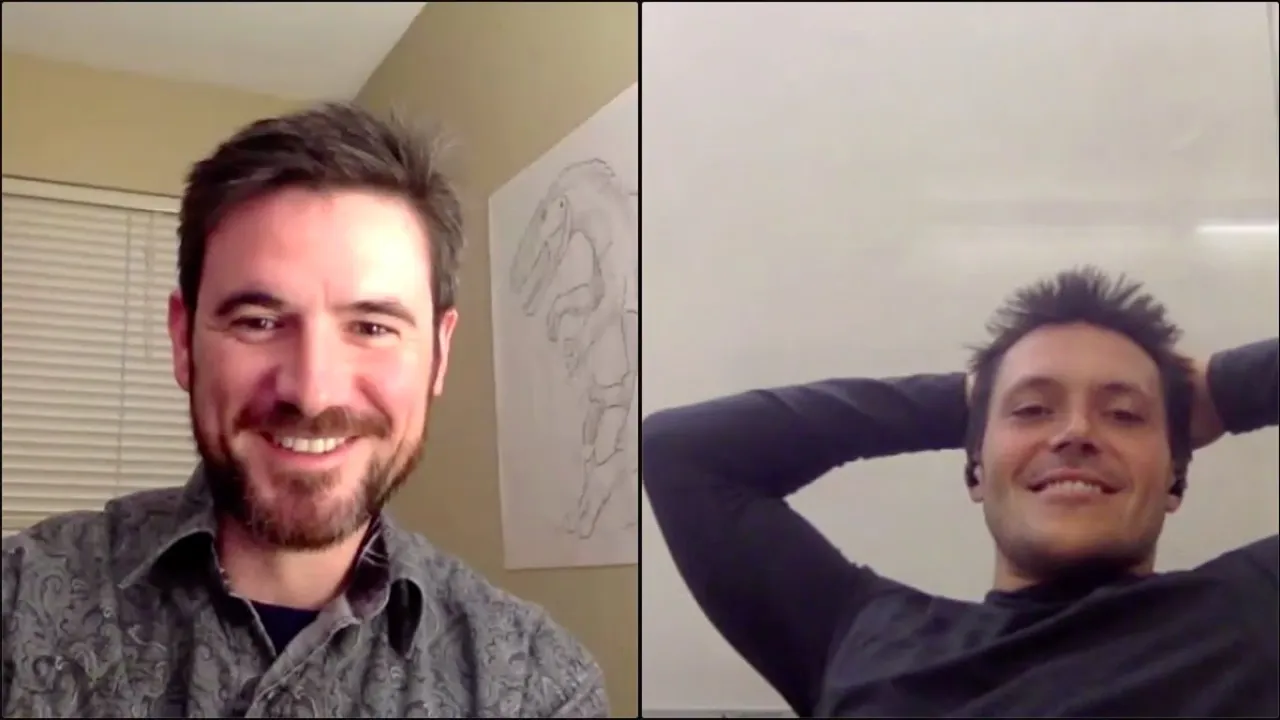
Proto-Indo-European: A Language Guide with Dr. Andrew Byrd (2022) | Jackson Crawford
Added:The Comparative Method in Historical Linguistics: Understanding how linguists compare cognates across sister languages to systematically reconstruct a common ancestral proto-language.
The Indo-European Language Family: Familiarity with the major branches (e.g., Germanic, Romance, Indo-Iranian, Celtic, Slavic) and the concept of genetic language relationships.
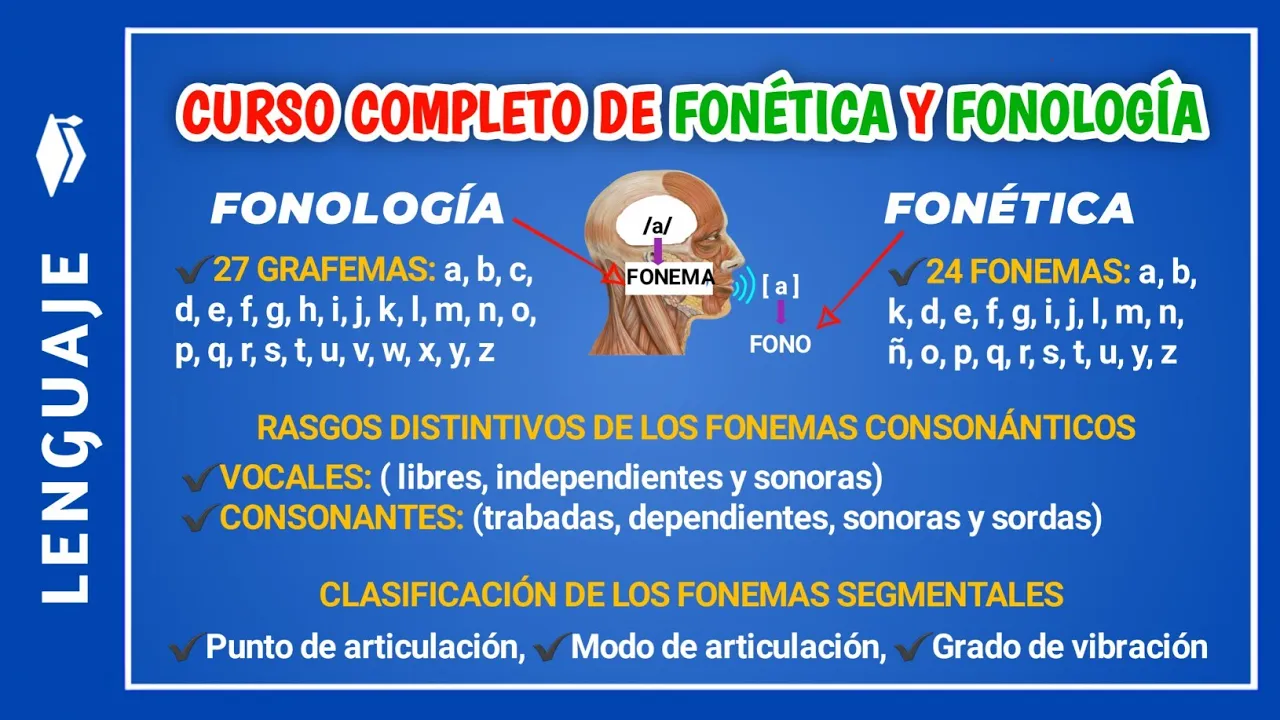
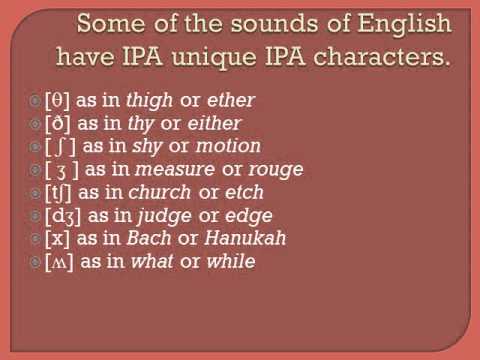
Basic Phonetics and Phonology: Knowledge of the International Phonetic Alphabet (IPA) and how speech sounds (such as stops, fricatives, and sonorants) are classified and articulated.
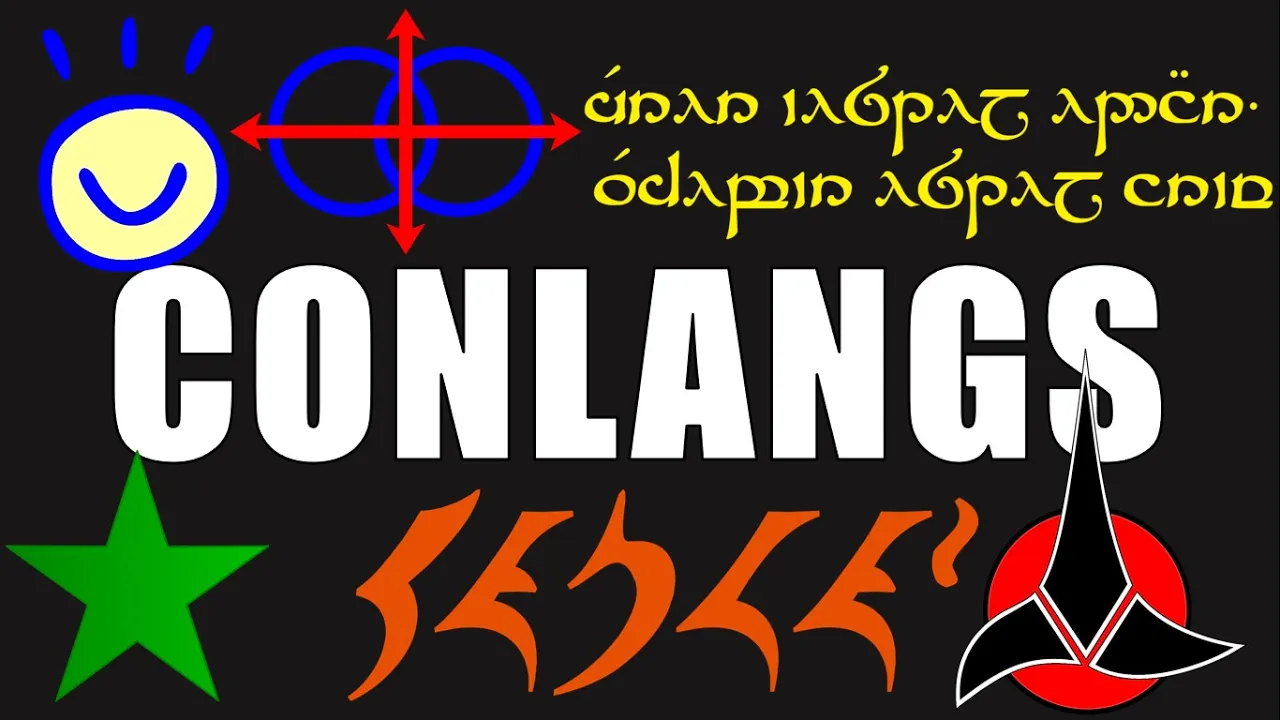
The Concept of Constructed Languages (Conlangs): A basic grasp of how languages are intentionally built or modified for artistic, cultural, or functional purposes.
The Laryngeal Theory and Advanced Sound Laws: An in-depth study of reconstructed PIE phonology, including the laryngeal consonants proposed by Ferdinand de Saussure and verified by Hittite, as well as sound laws like Grimm's and Verner's laws.
Linguistic Paleontology and the PIE Homeland: Exploring how reconstructed vocabulary (e.g., words for 'wheel', 'horse', and 'wool') is used to locate the Indo-European 'Urheimat' and align linguistic data with archaeological models like the Kurgan hypothesis.
Comparative Indo-European Mythology: Analyzing shared pantheons, poetic formulas, and mythological motifs (e.g., the sky father deity *Dyēus Ph₂tḗr) across ancient Indo-European cultures.
Applied Historical Conlanging: Designing and developing scientifically plausible dialects, sister languages, or ancestral registers for modern entertainment, historical simulations, and worldbuilding.
75K views2.8Klikes1:11:00Original Release: 2022-06-17
[Music] i don't think that we have ever actually met um but we've been we've been in a lot of the same places right i know isn't that weird i mean both of us were on overlappingly at georgia yeah which was definitely my favorite of my grad school experiences did you do your m.a there yeah cool what about you i did my ba there okay so you had client two no doubt oh i took like probably 20 classes with him oh my gosh yeah i you know it was it was pretty pretty wild when i think about like what what i did in georgia it you know started with sanskrit with them and you know basically did everything but anatolian and armenian with them and that's not for lack of him offering those it's just for lack of what any one-person schedule well at the time he actually did not offer hittite so he offered that after after i left but he even he taught me hebrew for a year um it's it's you know as a professor now it's it's kind of boggles my mind the amount of work he did you know he does as a professor um i saw him two weeks ago oh yeah yeah i was at the university of georgia and i said you know dr klein because i can't call him jared like he's too much no i know it's so weird yeah he's he's too much on a pedestal but yeah i said so what are you doing and he said oh you know i'm teaching full-time and i'm off also offering an overtime course i thought oh my gosh you know how much you beating yourself up but but i thought okay an overtime course like you're doing like ling 2100 you said no i'm offering old irish second semesters in overtime that's what what a language old irish you know like that have you have you learned old irish before i have dipped my toe into it oh it's it's ridiculous it is an absurd grammar it's beautiful my first paper was actually on old irish okay but uh anyhoo yeah dr klein's great we just had an interview on here with uh heather newton who's a catholicist at uh harvard oh cool so she talked to us a little bit about old irish yeah trying to kind of get you know cover all these language bases uh because even though you know i think people mostly come to my channel for the the north side of things a lot of people who are curious about that curious about languages and linguistics more broadly and hence segway segway i thought you'd be perfect fit to come and talk to us today and thank you so much for taking the time so uh you said you had about an hour for us uh which is very generous so um let me introduce professor andrew bird the university of kentucky and uh why don't you kick us off with a quick overview of what you did for far cry primal because i'm sure that will come up yeah stella is linking a website that man i tell you i am so bad at keeping regular updates of things i made that website and i think half the links are broken so apologies for that but uh some stuff still might be there um well so i don't know how long ago it was i guess maybe seven eight years ago um i got an email from ubisoft which you did too which is cool um but i got an email from ubisoft asking uh for me to create some languages for a video game called far cry primal which is right there yeah very very proud of that word um for the game we invented two languages that were based on proto-indo-european which is my my main area of research study um yeah so we we had to invent the languages we had to make the languages appropriate for a video game right so there were certain constraints probably the biggest one was that some of the words were too long and we had to reduce them down in size and you know for you you know when you're doing old norse you say this is old norse and that's just how it is you can't you can't change it i would imagine right or maybe there's like an alternate way of saying it but the language is what it is so in this situation because we were making it up uh you know the the two languages were not proto-indo-european they were simplified in lots of different ways um but uh but i think we still got this this similar kind of flair feel to the to the languages you know so would there would they be something like plausible putative sister languages to proto-indo-europeans yeah that was the idea because the game took place um 12 000 years ago and you know when they first called me i'm like well proto-european wasn't spoken 12 000 years ago i think at the earliest we're talking seven eight thousand something like that and they're like well that's true but that's this is about the best that we have i mean there are earlier hypothetical you know languages like the strategic i don't know if y'all have ever heard of nostrada it's like the purported source of proto-indo-european as well as semitic and i think the turkic languages and things like that but there's so much noise there it's very difficult to to kind of get a definite sense as to what what the language was structured like but there are some weird things right so like six and seven in hebrew i believe are shesh and shevin right that's kind of weird or the first person markers in turkish is an m that's kind of weird right things like that make you wonder i mean there must have been something earlier but it's it's kind of impossible to to get a good sense of what it was like so anywho yeah so uh 12 000 years ago so the idea was that we made proto proto-indo-european um so that's what one of the languages wenja that's the main language that was supposed to be proto-proto-indo-european and his or isla was essentially more like proto-european with some tenses you know not there because we didn't need them and some words shortened if if they needed that and things like that i see yeah well this this inspires another question for me and folks feel free to put your questions into the chat um i'd like to hear where you stand on those larger groupings including put into your pn i i guess personally i would say i i would be surprised if there's not ultimately a connection with say uralic and semitic i just am very skeptical that it can be reconstructed i'm in the same boat i mean obviously something was earlier obviously well not obviously i mean it's likely that you know other existing languages whether existing today or existing you know thousands of years ago attested languages um are probably connected in some sort of way it's just so much time has passed it's right it's impossible to identify regular sound changes um so yeah i feel like it's kind of like you've realized that two people are related but their common ancestor is so many generations back and you only know the ancestors for each one like two generations back exactly so how do you reconstruct generations you know three to twenty back exactly it's i when i was in college i visited ireland and uh there's a lot of irish blood in my family and when we went to northern ireland especially i was like that's my uncle that's my grandfather right and it's clear that there's some relationship but it's so much time has passed who knows yeah right yeah well and you can't just do i mean maybe maybe there's some science or scholarship up ahead that you know we simply can't anticipate that will help us see these things but you know for right now there's no 23andme that you can do with a word right that's right and if there is one it's heavily biased right there's all sorts of assumptions right the in these computational models that are being generated there's all sorts of biases and assumptions baked into those models that you can't get away from yeah absolutely it would be nice if there were one well i mean like i guess one could sense that a hundred years from now maybe there will be something like that i i can't imagine how would work just like hundreds again i couldn't imagine how dna worked yeah so one thing that's really unique about you too is that you're really interested in getting at proto-indo-european yes right a lot of linguists who work with uh anti-european historical linguistics like myself like tony yates who was on here recently i don't know if you know him another georgia alum who also didn't overlap i think with either of us no no i was i was there when tony was there like oh okay or something like that yeah okay so you did overlap with him i overlapped with him when he was a phd student at ucla and i was teaching there so our timelines are are staggered but um you know he and i both have live are not living but have a tested languages that we're particularly interested in getting more information about and using comparative historical techniques for getting at that you have a lot of interest in proto-indo-european itself which i think is awesome yeah so what can you tell us about you know how do you go about trying to get at what something like protein european which is a reconstruction kind of an abstraction would look like as a living language what what you know what what kind of uh how do you go from something like okay there's a reconstructed sound that we call h2 just saying like what does this actually sound like yeah yeah it's a good question and the first thing that i always say is that um what we do when we're trying to reconstruct a proto-language be it you know proto-germanic proto-indo-european or proto-district or whatever we are not trying to find the truth we're trying to find the most likely answer based on the evidence that we've been given right and that was something that took me a long time to understand right because initially when you start off you're like i'm going to find the truth i'm going to find out what happened what they did and things like that and that's that's just not possible because the window that we've been given it's it's like you know just a small sliver of evidence that we've been given versus all the other languages that were never written down or even the languages that are written down right there are some languages like germanic languages um where there are three words right and that's that's your corpus that's that's what you're given but really it the the first question to ask is okay so we have this feature that we want to figure out so let's say it's a sound right and we think that the sound occurred within this specific word this word that we can reconstruct that we can take back to to proto and european well we look at the words that descend from that particular word in proto-indo-european i'm going to say pie by the way it drives some people crazy when i was working on primal they said pie so much initially i was like but because you know everybody says p-i-e but after a while it just kind of got stuck in my brain and pie is fun right pie is tasty so i'm just gonna say pie so anyway uh so you have this word that's you know reconstructable for pi it contains the specific sound well you look at you know the the daughter languages the languages that that that contain that word then you see which sounds they have right now sometimes it's a simple matter right because a lot of the languages will agree right so famous example is say the word for father and pronoun european right it contains a p at the beginning of the word and that's that was relatively easy for people to figure out because if you look at latin and greek and sanskrit and all sorts of languages right they all have a p now english of course does not have a b english has an f and you could think well hmm what if english actually has the original sound and that f becomes the p and all these other languages but then you have to ask yourself is that likely right is it likely for this f to independently become p in all of these different things right another thing to take into consideration is that english is spoken today whereas say mycenaean greek was spoken 3600 years ago or hittite was spoken 4 000 years ago right so i always tell my students deader is better right so the the older the language typically the closer it is to the source because there's been less time for this word or this sound or this whatever to have changed now of course that's that's not necessarily true right so english today is the only modern indo-european language to retain the w from proto-european we still say wha in water right right water is water right water is how you said water and protein in the european a sheer coincidence that is like that sequence has actually changed either little enough or has like changed back it changed back that's right so it became the flap and uh you know of course there's the d flat thing which to english years is essentially the same sound but uh at any at any rate um yeah what was i saying so we've got uh deader is better right so and we we also need to ask what are likely paths of change right so for sound change we can see in language after language like in different families all over the world it's very normal for a p to become an f right it's it's actually a normal sound change we see the kind of the path is that p becomes an aspirated p right so um bub becomes a pa and that pub becomes affricated to something like like in german the word for pepper right where the aspirated p did become right and then that affricate uh deafricates and by that i just mean it just loses the p and it becomes an f and voila right and that's that's a natural sound path that that we see and we can use this yes side note about that stage two where the p and t and the k become heavily aspirated you can actually hear that uh distinctly if you watch cosmos with carl sagan because he has really extra aspirated ptk cool so i've already also done plosives millions and millions yeah that guy is an interesting day anyway i'm just just just as a side note i always thought well he's on his way to another grimm's law yeah well you know probably who knows i mean it it's it's a natural uh it's a natural path it wouldn't wouldn't surprise me if in 500 years we we see these sorts of things yeah but that's one big thing that i'm interested in it's like are there properties of human language like this one we just talked about right this natural sound change are there properties of human language that we can apply to you know crazy data like pi right so for for my dissertation and most of my scholarship has been on prosody specifically syllable structure for my dissertation i asked what was an indo-european syllable like right and before my work the question really was answered in one of two ways one how do you divide up syllables within proto-european right so like if you have a sequence i'm just going to type in chat is that okay is that better for the video no go ahead so if you have a sequence like ata how would an english speaker say that would they say it as atra or i'd say atra right so you'd say ah and we as english speakers we perceive the boundary uh the break as being between that first a and that and that t right and there are all sorts of things that we can do with that perception right we can have sound laws like say stress assignment um that you know are based on that do you all know what i mean by stress assignment by the way if i'm saying terms that are confusing do you guys know what stress is no okay so there are some languages not all languages that will put more emphasis more energy on a particular syllable within the word so like the word energy the stress is on the first syllable it's not energy or energy it's energy right and where we put the stress actually there are exceptions but for the most part in english there are rules that tell you where do you put that stress so exceptions would be like we say guitar excuse me we say guitar and not guitar guitar is not what we would expect right we would actually expect guitar which is why in some dialects like say in tennessee where i'm from you actually hear people say guitar and police and things like that right at any rate in proton european one question that that people would ask about syllable structure was where do you divide up words and people would say well they divided it like that why because sanskrit did it and because homeric greek did it right you know sanskrit and homeric greek are some of the oldest they're some of the deadest things that we have as sources for you know to look at for proton european and so that's what people went with second question people asked is well how do you actually syllabify things so in proto and european they had this beautiful complex system of what are called resonance or sonorants so these are sounds like w and y which are called glides r and l which are known as liquids and m and n which are known as nasals right and those three types of sounds the glides the liquids and nasals they actually sometimes became syllabic and by that we mean they become they like pretend to be a vowel right so give me let me give you some examples from english so b-o-t-t-o-m bottom right that's not how we say it we say bottom bottom what's the vowel in the second syllable well orthographically or spelling wise it's an o right but there is no over there we don't say botan right we say bottom and that m actually is like hey i need a vowel i'm gonna be a vowel i'm gonna act like a vowel on the second syllable right so those are the two things that people had kind of studied and thought about for syllable structure but that was kind of the extent of it and what i wanted to see is what do we know about syllables in general within human language and how can we apply those principles to proto and european right so one thing that's that's well studied within syllable theory something called phonotactics so what are the possible sequences that we have within words and a lot of times that's based on syllables another thing that's studied is are there particular phonological rules or sound rules that can be triggered based on bad syllables right and what i i think my research has shown is that there are actually a number of deletion rules and insertion rules that are based on the fact that proto-european speakers couldn't say a particular sequence because it was a bad syllable so they had to fix it right and all of this was kind of based on this reconstructed data which we arrive at by following this debtor is better principle by using the comparative method to identify what was the most likely sound and then you can kind of work at a system from there so can you give us an example of sound sound deletion yeah yeah so probably uh the the most famous example is the like what's known as the chc c to ccc rule so let me give you an example the word for daughter there you go thanks stella i haven't thought about that and i could i could send y'all you know my book too if you guys are really truly interested in this stuff so the word for daughter is reconstructed for proton european like this how would you say that so probably and the h2 is going to be in the in the beginning of the second syllable what is known as the onset of the second syllable right so it's acting like a sybil kind of yeah so h2 and s do pattern together as a sound class well all the h is an s and that's why most people think that they were fricatives at least originally they were fricatives yeah uh no by bad elena i don't mean uh cultural reasons although that's a great question which has no answer like who knows what was you know the taboo way of saying things you know i mean there there are certain taboos that we know existed for proto and european right so or at least for indie european cultures that derive from proto-europeans the famous word uh would be bear right so bare and germanic either me it comes from the uh root meaning brown so like the brown one or i prefer actually it's the beast so guys uh which would become bear within germanic that's just the beast don't don't go near the beast right or in slavic they say the honey eater for the bear right and they're all sorts of interesting things like that no but for bad what i mean is that they simply could not say it right so um let me give you a word because i studied some georgian i didn't spell it right so the capital of georgia and by georgia i don't mean jackson's in my georgia i mean georgia georgia right so in the caucuses and that word right there has a t and then a b c right and an english speaker can't say that so what do we do to belize or something like that or we have a very reduced vowel after that t so we fix the bad sequence by inserting a schwa that is like a reduced vowel to make it pronounceable right or my favorite examples are actually the word for merry christmas in japanese and hawaiian do you guys know uh merry christmas in hawaiian it's a song yeah four months ago you could hear it everywhere yeah so i'll give you a hint the word for mary has a borrowed word for mary that is in hawaiian is melee what comes after mellie does anybody know this no jackson where's your audience coming from i i have no idea i see nods yeah yeah kalinka maka so how on earth does christmas become kalikamaka well if you look at this as two syllables what do we have chris mus we have consonant consonant vowel consonant and then we have consonant vowel consonant now in hawaiian they cannot have syllables that contain a consonant at the end every single syllable either is consonant vowel or consonant long vowel so you can't do anything bigger than that so what they do is they insert avals like our schwabel would be their avail right they insert ah vowels just like we say tabalisi they say karisa masa but then their language doesn't have excuse me r's or s's and those become k's and the r becomes an l and that becomes melee kalikamaka right and that's why the r is becoming an l and marrying to melee uh i think more transparently in japanese merry christmas is midi kristen right and so they insert that kind of empathetic vowel and that's because chris and mus in japanese are bad syllables by bad we just mean the language does not tolerate it right so they fix it they they insert a vowel to make it uh pronounceable now that's that's one way that you can fix a syllable that's bad another way is that you can um delete a sound right and that's kind of what we're talking about here so going back to daughter so dude tear up a little dash there to indicate that's where the syllable boundary is that's okay not not a problem they have syllables that begin with a fricative like an h or fricative like an s plus a sound following that no big deal there but when you make that into the possessive form the of form within proton european what is known as the genitive the genitive singular you can see that the ter at the end of daughter has become a tr that's a process called ablout so we see this in english today in sing song right it's it's pretty uh isolated it's only in really old words and and more common words but we still have the the residue of it at any rate the ter becomes a tr and how do they pronounce it they pronounce it like that and we can see this because the h2 has disappeared in certain languages where it's not supposed to have disappeared right and so that's pretty established rule so i saw that and i'm like why why is chcc bad because we know it's not always bad because what's the word for father in that same quarters that h2 is it a vest and a side and investing is kind of weird but a vest in the side that h2 is always there so in latin it's potress right and greek is patros right and um sans great it's right so it's it's there right and someone could say oh well that's analogy or that's um you know that's just modeling off of something else but in reality the evidence is saying that the h2 is there so what i thought was okay it's not that chcc is bad it's chcc in a word inside a word right straddling two syllables that's what's bad and so i started to see this in other places so there's another rule in proton european called the metron rule or for some reason we always say things in german the metron gazettes so the metron rule says that normally while if you have a sequence of two dental sounds a dental sound is a sound that's made with the teeth so like i'm going to the dentist right so d t and then bh you put those together and you put an s between them so metto would become mezzo but if you have an r or another sound after it don't auto correct me assume you don't get that you would expect this right yeah but you get this and that's because the s if it were inserted if it were epenthesized then um then it would produce a bad syllable so what do they do i just delete the t we're good [Music] [Music] cameron's got a question here uh what are dr byrd's ideas i guess about speculation concerning the society and culture based on the reconstructed lifestyle that's a great question cameron um you know there are a lot of things that we know existed simply by the lexicon that we can reconstruct right so one of the most interesting questions for people when they talk about who were the proton europeans where they came from when did they live right is the whole vocabulary that revolves around the wheel and wagons and horses and things like that right we know that these guys had wheels right the word wheel in english which in old english was or something like that right greek kuklos sanskrit chakra right we know that that was the word for wheel at least for the ancestor of english greek sanskrit and other languages that that still have that word right now that's pointing back to their culture right these guys had the wheel now jackson what do you know when the wheel was invented because this actually really surprised me when i first started looking into all this i always thought that wheels are like crazy old i thought it was about 5 000 years ago yeah that to me is not that old right like they're writing they're writing things down before they had the wheel like the wheel seems like you know i don't know i read a lot of far side when i was a kid maybe that's what's coloring my brain right but yeah it's kind of kind of looking at the wheel right yeah it's kind of counter-intuitive because it seems like it it seems like an easy discovery but of course that's being that's that's the prejudice of our own you know being surrounded by it like could i invent the wheel i doubt it yeah exactly yeah um what stella what do you mean your civ 5 game strategy that you started with writing and then did the wheel or what what is that about makes sense to me i mean i guess that even means that like copper was being exploited before the wheel in some places uh yeah and that i don't know um and that's the really cool thing about about pi or about just doing you know linguistic archaeology which is kind of another way of thinking about what we're doing here with reconstructing protocultures and proto languages is that you can find groups of people who were using copper right to make you know knives and other other things right but i i don't know i don't know when when copper was happening we do have i can't think of it but i'm fairly certain we have the word for copper that's reconstructable yeah i think so it's like the it's like an or word right isn't it something like that the or yeah you mean the english word yeah i think that's right yeah um so what is the time the relative time frame for proto and european what do you what do you mean by that like the relative time period uh i'll assume meaning roughly when our reconstructed proto-indo-european language was spoken so it depends on who you ask um but i would say most people today equate frodo and european with the yamana or the yamanaya culture and so we're talking about five to seven thousand years ago right yeah and and so presumably i'll i'll dig a little deeper on this it it seems like our sort of classic reconstruction of proto-indo-european is at a pretty late stage of that culture yeah right because it we're getting back to like just what is the last putative common ancestor of say english and sanskrit that's right and and hittite is in tokarian too to a lesser extent you know they're sometimes kind of left out of that right so taking us back to what i was saying earlier about the wheel hittite does not have our word or close with a schwa there right they don't they don't have that word they have something totally uh totally different right what does that say about hittite probably says that you know it definitely says that they were you know the earliest kind of branch to leave the family whatever whatever that means and their ancestors didn't inherit that word for whea which means that perhaps the group of pre-proto-european speakers or proto-indo-hittite as some people have called it right like the these speakers didn't have wheels yet they hadn't invented it or they hadn't gotten that technology from uh sumeria or the you know ancient here east wherever it was invented yeah i've i've been interested to see the way that uh donald ridge has been presenting the family tree lately i guess by lately it's like over the last 20 years right yeah yeah uh where he has like almost this ball that's spinning off different branches earlier and later so that hittite is spinning offers to carry in next i think then a towel celtic which depending where you stand on italian celtic and then like germanic baltoslavic greek indo-iranian armenian being kind of the core that split off latest from each other yeah which you know i think you could make a case for based on the verb yeah the verb the verb is probably the most important thing here i mean something like the augment um so uh i don't have have y'all by y'all i mean um all the participants here have you all studied greek or sanskrit what's their language background well i can't speak for everybody but yeah uh many people here have done some old norse lessons with me on youtube um a lot of people very interested in language so hard to say i i certainly can't speak for everybody everybody's welcome to chat or type in um well in in greek in sanskrit um in monosyllabic verbs in armenian by monoslavic i just mean fancy word for one syllable um but not in latin not in old norse but in greek and sanford in armenian and phrygian which is a language that's spoken you know kind of to the north like it's north east i agree anyway they have something called the augment which means that when you make a past tense in this language you put a little e or what was once an e an s sound at the beginning of that that verb and you don't have that in latin or celtic and things like that but it looks like that that augment actually originally was some sort of sentential particle it's like uh you see this in hittite i think it's ah in hittite yeah well then there's the hicket nuke particle and then there's stuff like how italic and celtic and tokarian seem to make the passive differently from other languages right they are right yeah yes so i mean all of that is is it's to me i think that our our kind of classic cladograms are appealing ways to present how these languages are related but not particularly truthful ways of presenting how they're related yeah and i think part of that is you remember earlier i said debtor is better right so when you have the two of the oldest languages and two of the best understood and best of tested languages being at that core right sanskrit and greek right and that's gonna color how you perceive this proto language as being right right it's just it's almost a coincidence that it's two languages that are so close and also are so old but i mean at the same time that's how we figured out that proto-nbn existed because if you know greek you can't learn sanskrit and not realize that these two come from a relatively recent common ancestor yeah but that said when you know when i was in college i i started taking some latin and i really got into it my teacher was like you should try greek and you know day one you learn sd for is and you're like best what is this right i mean it's not that that big elite uh if you don't know sanskrit so yeah all right so we got here i'll just read it for those watching at home i recall the uber languages originating regions are being reconstructed by looking at the common words the same kind of trees and plants in a specific region how much is this geo-linguistics being studied to look for the indo-european languages originating region a question from chava yeah uh so i can't answer how much is this is this done right but it certainly is done um you know you you look at uh you know these roots and we know say that a particular root means a tree some sort of tree maybe it's like a hardwood tree then you start to look at you know what are the types of trees that exist in a particular area and you kind of narrow it down um in that sort of way yeah it's it's a it's a good question i know that in the whole discussion of the homeland you know i've been saying that most scholars today um kind of equate proto-european with the yamna culture five seven thousand years ago this is in um you know eastern central ukraine western russia there's this kind of steps region there that's probably where they lived but for a long time uh scholars especially archaeologists had pursued um anatolia as being the source of proto-european in that indo-european as a language family spread with farming now that's problematic for linguists because we say hey what about the wheel right how can this language have spread 10 000 years ago when we all have the word for wheel which was invented 5 000 years ago but there are other things like the word for beaver is reconstructed our word beaver goes back to proto-europeans something like biblio and um beavers aren't in the anatolians supposedly so that's that's problematic for that reconstruction so well and i'll mention one other thing about this is uh people change what tree words mean as they move to new environments so for example my default image of what an oak is is a scrub oak which is pretty different from what your default image of oak is if you're from the upper midwest where it's a much leafier bigger tree but right that's a that's a pretty minor example but when you have something like the english word beach and i think the greek word pagos right which i believe is that they're related i don't know what it is i can't remember which i can't remember what tree that is in greek um but it's a different it's not the beach tree so did both greek and germanic have the same word for tree and just as they moved into new environments it just got applied to different trees and so that can make actually the tree vocabulary pretty unreliable as a means of reconstructing a proto-environment you have to look for things that wouldn't be as sort of adaptable to different environments because even beaver right that same word is in sanskrit is mongoose right so you have to look for things that mean like much more stably the same thing and unfortunately there's not as many environmental cues that way snow is one there is an european word for snow which at least tells you that indoor european wasn't spoken in you know at the equator but that doesn't help a whole lot so yeah that's some that it's it's actually pretty difficult i think to use a lot of those environmental cues yeah i mean if you look at all the words um that we have in american english right so famous example is the robin right so our robin is very different from a european robin right now you can see why they started calling this bird here the robin right you see why they use that word but they're actually quite different right all they share is the red breast yeah and then tech technology because we've been talking a little bit about this home myself technology words can be kind of complicated because of course archaeological orchids are never going to be perfect we can't always be sure of exactly when some technology by technology i mean things like the wheel or wine or bridles reach a particular population that stuff can be kind of unreliable and those words can travel pretty fast as the technology travels pretty fast so yeah so wine is a famous example of a vandal wonder word right wander although luke gordon in his dissertation maintains that it is in fact into your opinion i think i remember talking to him about that yeah um what what i don't remember this was so long ago what's what's his evidence for that it's proton european because we have it in uh semitic so i think in hebrew is yayan or something like that yeah which he takes as a borrowing from proto and european if i'm not misquoting him uh he sees it as being you know phonotactically a well constructed put into european word that the germanic even sees the dramatic reflexes as being direct reflexes of that which is plausible um i don't know you ought to talk to him i don't want to i don't want to be his his rep here but it's it's but it's but it's plausibly he has a i think a very plausible argument yeah which is interesting yeah oh there's all sorts of interesting stuff like that i saw a talk i don't remember the guy's name um i think he was australian but he did a presentation about how there was an indo-european substrate in sumeria and that uh certain pronunciations of sumerian um characters so writing characters only makes sense if you take this into consideration so like the word for cow is goo i think that was that was the one that stuck in my brain there were like 12 or 15 of these things which it's kind of like no stratic you're right it's like wow that's interesting but i don't know can't really prove it there's not not that much of you know not that much evidence there to make it really convincing i think but it's intriguing and then and there's always this part of me that says you know there's something to this it's probably just not dramatic recent or reconstructable exactly yeah which is such a that's that's this is why i don't get invited to parties all right so [Music] so this might be a stretch and speculation at best but maybe the word for wheel was the spinning wheel yeah maybe you know um is it chappa is is that cs is that a chip i believe yeah um so the the core of the word for wheel which um is morphologically that is how they put their words together really old there's actually like a sound change within it um there's all sorts of interesting stuff it's a duplicated noun but the root is actually to go around in a circle so there's actually a verbal root there um so yeah maybe it wasn't spinning well i'm not sure and i see uh here from kim uh environmental cues definitely influence language but how much evidence have we found to use from religion or belief systems that can also change the meaning of words such as the drum being referred to as a horus to the fact it was believed to be the shaman's vehicle the other realms uh the changes in explanations of existence and the spiritual environment help or make it difficult to find those similar associations and help and reconstruction i would say well i'll if i can start off real quick i would say we it's pretty hard to reconstruct spiritual or religious beliefs or mythological stories um you know i i tend to be pretty uh hard-nosed about how much of that stuff can really be reconstructed for the proto-indo-european time what do you think i mean i think there are certain things um so they're interesting things about uh say i mean obviously the the the best known religious things are uh you know the names of certain gods like zeus right the sky god um dawn things like that um you know but the the directions uh it looks that that the words for left and right are actually connected to north and south because of the the direction that they were facing within a ritual um so yeah there are small things like that and i know that that a lot of work has been done on this but i can't really synthesize it at the moment um it it's difficult though i think it's a lot like the beaver situation we were talking about earlier right so certain words will change um or be replaced with another word sometimes you have you know cultures that do similar things but they use different words for that stuff but there's certainly a lot of stuff to be said the the first place i would say to look for these sorts of things would be the work by calvin watkins um right of course he's a very famous was a very famous into your penis how to kill a dragon how to kill a dragon that's right that's a classic book that also came up when we were talking to tony yates i had the pleasure of meeting calvert watkins a few times of course very nice yeah very nice i remember the first time i met him i was a fairly young grad student and uh i couldn't really come up with anything to ask so for some reason i just sort of like said what do you think about i'll take and i got this really really long answer that convinced me that i'll take didn't exist per se as a cluster but anyway that was just the question that i babbled out yeah um i see cameron mentioning that in addition to the wheel archaeologist david anthony speculated pie spread as far as it did because the speakers were cattle herders and traveled from location to location using horses and carts the first pneumatic historists so i suppose this the ultimate pie question how did it spread so far and become so culturally dominant yeah uh certainly i mean we the word wagon is a proto-european word we know that that cows were very important within you know the culture we still see that you know continuing certain cultures today like in india right um you know likely them having the wheels them having either domesticated the horse or be being some of the earliest people to ride horses um you know that allowed them to travel long distances there's been some recent work that said that perhaps one reason that the indo-europeans were so successful is that they as they traveled around they brought with them the plague something that they were immune to this is appropriate in this day and age right with coveted and whatnot but they were immune to it but the the cultures that they came into contact with were not and i think i've seen this because there's like some marmot and the steps that carries the plague right something like that something like that yeah yeah that is that is an interesting thought well hey i mean disease is a huge shape for human history as we've been reminded recently yes exactly martha asks about dna research there's been a lot of stuff over the last five ten years coming out of this professor harvard david reich um kind of demonstrating you know that the amnaya people were the indo-europeans as far as specific things like what was the sound system like or what was you know what how is the language structured i don't know but i think that would be amazing if we could do that i've always wondered if you know you can you can predict the you could predict what a person sounds like by looking at their their vocal tract right so like for example you have a much deeper voice than i do and a big reason for that is that your you know your larynx and all this stuff is is configured in a certain way right differently than than than mine is right i've always wondered if could we look at the skeletons of the yumnaya of these ancestors and like figure out like does that tell us anything about why say this vowel merge with that or why i don't know that would be really neat but i don't i don't know how to do that no it seems like that would be a long way down the road yeah things you could figure out from a skeleton but that's a cool thought um i mean you also have to wonder about kind of taking off from that super segmentals in proto-indo-piano and how could you i don't know how on earth one can ever reconstruct like what normal sentence tone and stuff like that is and you know what what is it what is a proto-indo-european accent right i mean the best we can do is is look at um so we've got sanskrit and they were great and that they were extraordinarily detailed they being the speakers of sanskrit and their descendants extraordinarily detailed as to how to say it how to pronounce it right um in vedic you know they they actually wrote the the accent in greek we still have accent in ancient greek there are other things like in germanic there's certain sound laws like baroners law and things like that which you know determine the trajectory of stops right these sorts of things point back to an accentual system but they don't tell us things that like if the indo-europeans had sarcasm how did they do that right right uh or you know what what's the difference internationally between a question and a statement right right um unfortunately these are these are things that are probably impossible to to answer and those super sick middle things can change in a generation i mean we're seeing a lot of that in american english now where a lot of younger speakers have more of that up laptop yeah up into nation even that's right that's right so so brenda does that and i don't do that it was interesting uh one of our sons was kind of mumbling the other day and she was we were trying to get him to speak up a bit more because especially when you're wearing a mask in school the teacher can't hear at all and one of her strategies was to get him to do up talk all right so to kind of do the california and i was like i don't know about that so she you know she has made this this shift and i have not um that's not the way of our people right whatever that means i don't think i do it no i don't think you do um i think you do yeah thanks um all right what do we have over here let's see uh chava mentioned three years ago they excavated a huge copper age settlement in eastern hungary and there were huge numbers of storage bits that contained the full skeletons of cattle nearly untouched interesting and mysterious and elena asks how would vocal timber range in a population impact the language sounds yeah that's that's exactly what i'm saying like i mean i don't know but it must have um but a lot unfortunately when you have skeletons there's a lot of meat right a lot of stuff that's gone that a lot of information that you need that you can't get to but yeah yeah they like that cattle thing that's cool i didn't know about that well and i think that your work on you know actually trying to get into the heads of proto-indo-european speakers in terms of what syllabification was natural to them or sounded right to them right that's really important work about actually establishing this is more than just an abstraction but getting into its its rules as a as a spoken language yeah and that's a big philosophical difference from a lot of other into your pianos a lot of a lot of endorphins are like what we are doing with protein european is algebra right these are symbols they have no phonetic reality who cares right and in my mind that that kind of misses the whole point right if you if you can't view this as something real and view this as a human language which it was we all say it is right so why don't we start treating it like that um and there are a lot of interesting things that you can you can see right and this isn't just sounds right this is words this is everything uh culture right there's these are human beings that spoke a human language right so have you ever taught proto-indo-european have you just have you ever created a syllabus for that class yeah so brenna uh who's my wife and uh jackson kindly uh does a guest lecture every time she teaches germanic mythology um she loves loves it when you come but uh she and i actually co-teach a class important european now her specialty is not just in germanic but also in language pedagogy so a few years ago we had the idea of after i taught protein your indo-european twice here at the university of kentucky it was actually really hard because traditionally to learn about this stuff you need to have studied latin and greek and sanskrit and old norse and things like that right because if you don't it makes no sense right you're like throwing at these at the students all these forums see in sanskrit it's austin and greek it's st and latin incest and it's just like information overload so brenda and i had the idea what if we didn't do that what if we didn't teach it the traditional way which is late lecture focus you know kind of a survey of the different indo-european branches and the grammar of an european but actually to teach the students about proton european through proto-european right so we teach them how to speak it a little bit and at the end of the semester they produce an actual tale a tale or a text within proton european and you know we last time we taught it was at the beginning of the pandemic so we've talked twice now like that first to a group of uh linguistics majors and classicists and it worked i was like okay now let's try it to people who never studied linguistics and you know there are some things that that we need to work on but it actually was really successful because when you teach someone grimm's law by just lecturing at them doesn't stick right but when you say hey check this out look at these english words and look at these you know i don't know sanskrit words do you see any patterns and when they figure out those patterns themselves then it's meaningful and then they start to see it as the matrix you know which i that's how i see it right with with english and it's just everything's connected right and um yeah so that's that's what we do we're actually writing a textbook um textbook is not really i guess the right word we're creating a website where there will be short kind of youtube style explainer videos interspersed with exercises and activities and things like that so i'm actually teaching uh teaching myself python right now wow is any of this available yet no no i've been working on it for about three months um the the course stuff not yet but we'll let you know when when it is available yeah that sounds awesome yeah it's a lot of fun it's a lot of work hopefully you'll do it right uh cameron asked about roots of the ancients uh everlasting honey that was a fable that we did the second time i taught protein european before we actually taught it as a spoken language um but it it demonstrated to to me that there was a real appetite in actually creation right actually creating stuff within foreign european uh roots of the ancients is a video game that my wife brendan and i have been working on for a long time now we got a small grant from the neh and the goal is to actually make a game about proto-european where there's some proto-indo-european language in the game and this has taken us on a long journey to learning about game design and it's yeah it's really hard to make a video game it's like really hard seems like it i mean because it's not it's not just about the story right we have a great story i won't tell you i don't want to ruin it but the story's great brenda's done a lot of stuff on that um we have combat uh for the game we have all sorts of stuff right but you can't make a game without money and that's kind of the wall that we're hitting we have all this wonderful beautiful art but implementing it into an engaging game system is actually really challenging sure but we this is just always on our brain though you know to to make something that you know your 10 year old cousin could play and delay hey i just got the powers of lightning from pios right i learned the word for you know whatever i mean that that sort of thing doesn't exist for indo-european right but there is an appetite there is an appetite right you tell someone about about historical linguistics you tell them about the history of english right be it you know old norse in english or you know broader and further back in time going all the way back to pi people like that's really cool wait how did you just say that thing in a 7000 year old language how'd you do that that's magic you're making that up well yes i am making it up but you know it's actually grounded in some science here right it's like making it up within a certain you know constricted range of possibilities exactly yeah well well i am really looking forward to seeing that i also know that you've got a heart out here pretty soon about 10 minutes yeah so if you're next time yeah yeah if he wants to throw some more questions in i'd i'd also uh we we need you to teach us some conversational proto european while you're here oh wow here oh no the first thing we teach them is you know what is your name or my name is right so uh the word for name i'll just write in chat here and i'm gonna write it in without the funny laryngeal numbers and things like that so norman is the word for name so that's like a name that's in onomatopoeia at least the anima that's in nominate that's in i don't know it's everywhere name so norman is the name is my it's the date of singular clinic i'm gonna say that's i i noticed you're using it in the data but that is of course true to the way names are like names are almost discussed like body parts in a lot of these older languages yeah well that's how you did uh possession and into your pianist x also it's actually to me yeah there's no verb to have interesting yeah i don't have a name there's a name to me which almost sounds celtic to me yeah right you could just say by name of name you know with respect to the name jackson with respect to the name you can say that but anyway the sentence is snowman moy andrew hesty well yeah and let me say part of what i think is so cool but what you're doing here is like i've never thought about how i would say that i'm putting an european right like it blows the minds of some people to think that you could study this up and never think about that but like i feel like it's so discouraged often in academia to think about these things yeah like you shouldn't be having fun i know it it sucks like it it's really sad right so why can't we play why can't we have fun why can't we create not like create and act like i'm speaking the language of dios right not that but like why can't we invent things right and not make things up but why can't we invent so you know do this sort of thing there are all sorts of interesting things that came out of the class or out of these situations where i've had to um to create you know proton european uh so the verb to throw which is the source object as in reject eject etc that was important to european which if you don't say it out loud it's just well it's h one y e h one right but if you throw it yeah right it's obvious onomatopoeia right yeah right but you would never get that if you didn't say it out loud well and i mean there's some value in saying how would i say this and realizing like you know even again as someone who studied this a lot i looked at it like i wouldn't have even thought about the fact that i would actually need to use the data fair yeah right and so i mean that tells you something about their art reminds you something about the historical track that these languages have taken and how they express the stuff yeah so my name is is actually really that's one of the easier things to reconstruct because it's so formulaic and if you look at greek sanskrit old persian latin right they all basically agree about about the word order and the and the forms that you use sometimes it's not sometimes usually it's not so easy right usually if you ask like how would i do this like okay i've got a conditional situation here in the past tense how would i do that sometimes there's no good answer right for this situation that's i'm pretty confident that's how you said my name is yeah well and actually it occurs to me it's kind of funny that's probably a lot harder to get to the stuff people always ask about is examples like hello and goodbye because that changes generation by generation anyway we had to invent words so for the class we say sudenos um for hello so that is a compound good actually is interesting it's a it's an adjective a u adjective based on to be so that which exists is good um so sue that's uh greek like euphoria or whatever um and then denos is one of many words for day we picked the one that was easiest to say is good day and then for goodbye we say uh su solos so have a nice journey something like that i like it yeah hey i mean you know it's plausible anyway yeah yeah and what about thank you yeah i don't know uh that that's a hard one and that's one also i like has been very difficult for me to kind of wrap my brain around like it's pleasing to me but we don't even have a good verb to please please in english which is related to or is from you know the the latin word plaquio right that's probably but structure-wise it's really ugly i don't know yeah some of these are really tough it's it's it's interesting because people i think sometimes assume that these would be easy things to get but in fact that conversational stuff can be super hard to get partially because it's actually not always well preserved and our sources like even getting conversational old norse can be kind of hard because the sagas aren't that conversational that's right that's right i mean like i mean we are blessed with some languages like latin you know some of the oldest latin that we have is claudius you know which is conversational but some is like oh great god you know you bestoweth you know bestow us me with blah blah blah and the language is very formal and yeah it's it's hard or even worse is this is my hat right those kind of text there's no conversation there well and yeah i mean it's like when i'm in iceland and i'm trying to think of a word based on old norse i'm like god i'm going to sound so stilted and weird when i say this [Laughter] do you speak icelandic i certainly try i actually taught it i taught it when i was at berkeley oh cool um so i'm i'm okay enough uh the cool language it is a very cool sounding language and uh i'm gonna be back there this summer so i've been trying to get that back to fighting for well we'll let you go i know you've got you've got obligations but i really appreciate you taking the time and it was nice fun talking to you hope to have you back nice to meet you yeah i know like at least sort of digitally face to face we'll have to have you back we'll have to do some more of this conversational proto-indo-european stuff and let me know in that website yeah when brenda and i make it and we are going to make it um it is going to be actually kind of one part of this website that i've been working on called derby pie a database of etymological roots beginning in proton european it's awesome and so the database is connected to the the course and so when we have this made it will be made i'll tell you and brent and i can come on here we can we talk yeah yeah yeah count count us in because this is exactly your target audience i believe awesome cool well it's nice to talk to you and y'all have a good one hey thank you so much all the best thank you
Up Next
10:37
Grimm's Law & Sound Change: Historical Linguistics Explained
@JacksonCrawford
66.2K views•2017-05-03
36:52
Constraint Interaction in Optimality Theory: Epenthesis & Deletion
@Vidyamitra
180 views•2018-08-20
19:28
Writing Proto-Indo-European: *gʷr̥h₃-dʰh₁-o- & More | Etymology
@JacksonCrawford
22.5K views•2023-12-01

21:32
Accent Expert Explains U.S. Regional Dialects | Part 1
@WIRED
9.3M views•2021-01-21
Related Study Plans & Knowledge Roadmaps
Structured learning paths in Linguistics
linguistics
Optimality Theory: Tableaux & Constraints
01Phonological Basics: Sounds, Syllables & Rules
02Foundations of Optimality Theory: GEN, CON, and EVAL
03The Constraint Inventory: Markedness vs. Faithfulness
+ 2 more learning modules
15h5 modules
Explore Roadmap
linguistics
Morphosyntactic Alignment: S, A & P Systems
01Foundations of Syntax: Transitivity and Arguments
02The Linguistic Variables: Mapping S, A, and P
03Nominative-Accusative Alignment
+ 3 more learning modules
12h6 modules
Explore Roadmap
linguistics
Analyzing Sign Language: Phonology & Syntax
01Foundations of Sign Language Linguistics
02Phonology: The Five Parameters of a Sign
03Morphology: Word Formation and Classifiers
+ 2 more learning modules
14h5 modules
Explore Roadmap
linguistics
Pragmatics: Speech Acts, Grice & Politeness
01Introduction to Pragmatics: Meaning in Context
02Grice’s Cooperative Principle & Implicature
03Speech Act Theory
+ 2 more learning modules
14h5 modules
Explore Roadmap