


![Chinatown [Análisis]](https://i.ytimg.com/vi_webp/VaUaWHMOh_c/maxresdefault.webp)

















David Fincher's 1995 film Seven revolutionized the crime thriller genre through innovative cinematography by Darius Khondji, who employed a bleach bypass technique and controlled gamma curves to create a distinctive 'colored noir' aesthetic inspired by Robert Frank's street photography book The Americans. The film's deliberate use of practical lighting, flashlights, and haze, combined with strategic color gels matching each deadly sin (red for lust, green for sloth), created an immersive atmosphere where the horror emerges from shadows rather than explicit violence. Fincher's commitment to artistic vision over studio expectations—refusing to show the head in the box and rejecting a conventional ending—demonstrates how directorial courage and technical innovation can transform a typical crime drama into a timeless masterpiece that retrained audiences to actively engage with cinema as investigators.
Se7en Cinematography Analysis: Fincher Film Techniques Explained
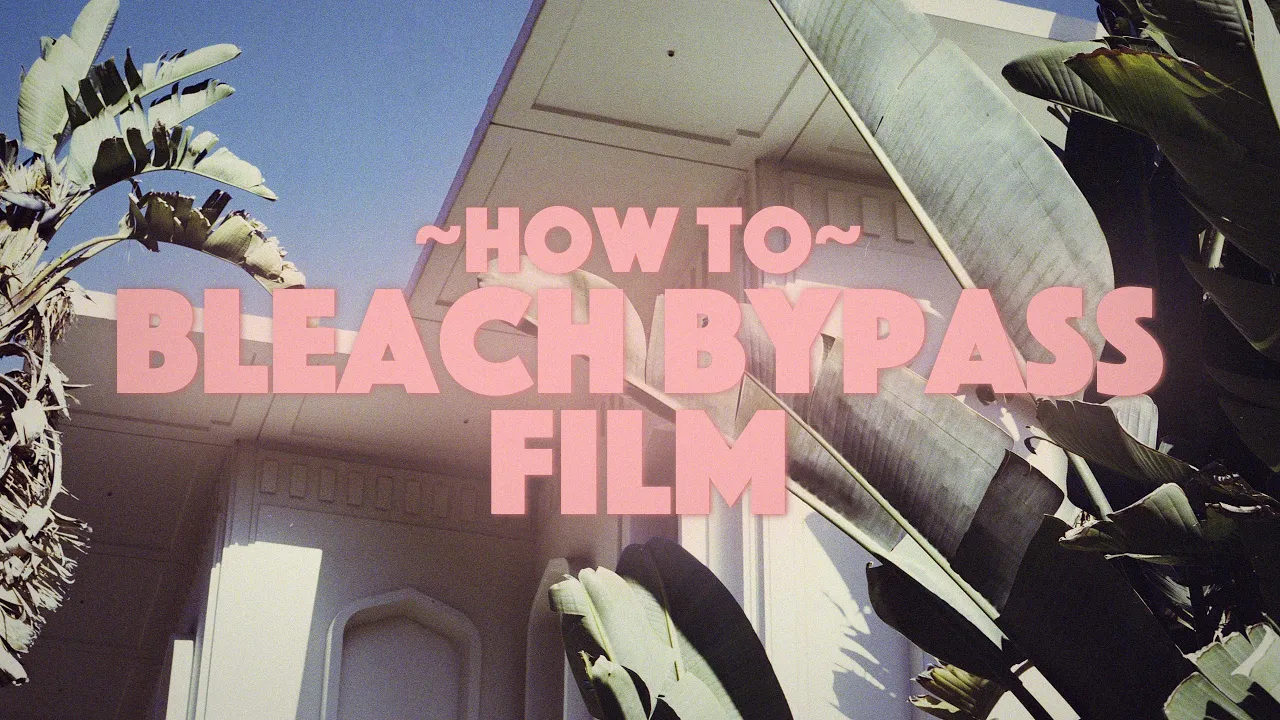
Added:this is how life begins it's also how David Fincher's prolific directing career started a 32nd anti-smoking commercial from 1984 was Fincher's directorial debut to the world at the time it was a bold choice but more importantly unconventional David Fincher's entire career has been molded around an Unapologetic Force to create some of the most iconic memorable films and even series of all time I'm setting the example and what I've done is going to be puzzled over and studied and followed I was introduced to David Fincher's work back in 1995 with the release of seven now most 11-year-olds would have been straight up terrified by that film but for me it was the first seed to be planted in my tiny malleable brain a seed that would grow into an obsession that I still carry with me today it was this specific film that made me want to be a part of that world not the terrifying world that the film takes place in but rather the World Behind the film from that point on all I wanted to do was be a part of the film making process here we go Qui now and rolling and action but why seven was certainly not the very first awesome movie I'd ever seen however at that time it probably was the darkest and most disturbing movie that I had ever seen because I was only 11 but I wasn't scared at all but rather mesmerized I was enamored by the unique Twist on Milton's Paradise Lost and the seven deadly sins and yes I totally already had a fascination with the seven deadly sins by the time I was 11 because well I was raised Catholic but what struck me most was the Eerie production design the raw honesty of the actors and the gritty world of the ultimate murder mystery the world is a fine place and worth fighting for for Fincher it was a world worth fighting for indeed seven was only his second feature film his first being Alien 3 which he had such a Negative experience with that he claimed he'd rather die of cancer than work on another movie and yet it wasn't but only 3 years later that seven was released to the world and at first I think the studios may have been Sweating Bullets because Fincher's movie was coming off the heels of the Silence of the Lambs which at that time was the Pinnacle of the crime Thriller drama while walking away with five Oscars and even though sadly seven never won an Academy Award it did however earn 20% more at the box office but more importantly seven was the film that gave a rebirth to the serial killer film genre but it also crowned David Fincher as the master of the crime scene from here he would go on to make the game Panic Room zodiac Gone Girl and one of Netflix's biggest shows mind Hunter now in the wrong hands seven could have easily turned out to be a huge flop in fact the studios originally wanted to do a different version of the script one in which that didn't end up with the beheading of detective mills's wife but as finer was quoted saying he much preferred the draft with the head in the Box audiences in general don't like to be made uncomfortable it makes them uncomfortable to be uncomfortable the way that seven looked was ingrained into the crevices of my brain and even now nearly three decades later it still holds up if you were to find someone that somehow never even knew this movie 7 even existed and you were to show them the trailer today I think they would have a hard time believing that it was made in the 9s the film cinematographer Darius kanji is partly responsible for this early in his career kanji leaned on a film processing technique that relied heavily on contrast manipulation via a non-bleaching process more commonly known today as the bleach bypass look kanji told the American Society of cinematographers back in 95 that controlling the film stocks contrast or gamma curve was the most important thing and he likes to change that gamma curve according to each individual story and sometimes even scene to scene but more on that later the earliest example of kani's film processing technique can be seen in the 1991 crime comedy Delicatessen which resulted in a silver heavy negative with Rich blacks and desaturated colors his goal was to push the contrast of the film stock beyond what he could get out of the lighting and then later on in post- production he would push the film One Stop which would help regain detail in the shadows and also saturate any remaining colors it was that film processing technique that he would carry over to the world of seven seven was kani's first collaboration with David Fincher both the DP and the director decided very early on that the movie should obviously be very scary but also very modern this book right here was a huge influence on deciding the overall look of the film as I've been saying for the past two years our greatest directors of Photography are heavily influenced by the work of Street photographers the Americans first published in 1958 is quite possibly one of the greatest Street photo books of all time a collection of photographs taken by one of the goats Robert Frank it is this book that Darius kanji referred to as his Bible on developing the look of seven and it's also what helped him decide on using the Panavision Primo lenses because traditional street photography is captured on 35mm film that's ultimately why they decided to shoot 7 on Super 35 versus the popular anamorphic the choice to go super 35 was inspired by the brutal reality of Frank's photographs combined with what Darius called tough handheld camera movement kanji stated that they did not want to be burdened by the weight of the cinemascope but rather wanted the camera to float combine that with what Darius called stylized and scary spiritual lighting he refers to the overall look of the film as a colored Noir the movie Seven takes place in a dark and gritty wet City it was actually filmed in downtown Los Angeles but according to the writer Andrew Kevin Walker the setting is supposed to be New York but Darius made a creative decision early on to make sure that only the places of security were the places that had any sense of warmth both Fincher and kanji were very careful in making sure that each deadly sin had its own special feel and look so to convey the opposite of the warm scenes kanji chose what he referred to as the great Satan film Kodak 5287 which is another low-speed tungsten balanced film stock however it provides a significant increase in underexposure latitude and Shadow detail kanji said it really helped increase the contrast between the worlds of light and dark as told to the ASC by Darius quote you are LED into a world of images by the killer suggested by the seven deadly sins that's important to understand as you see the different lighting atmospheres again we are brought back back to the realization that the script is the blueprint for everything that happens on the screen and even more importantly with this film every major scene change is a new day with a new location with a new victim and a new sin the use of practical lighting flashlights and a crap ton of haze is what ultimately fuels each of these horrific scenes Darius also utilized a somewhat Nimble lighting package relying on kinof Flow fixtures which give a very soft output similar to today's Aries Sky panels or aera Titan tubes he would usually use the kyos as backlight and then softening them with diffusion or muslin then used multiple Flags to control the soft Source kanji stated that he likes to work this way using a single source and then cutting it so there's just a little bit of light coming through he says it helps to build a more natural look and for the eyelight he would always use a smaller tube either just under or over the lens flagged off being very careful to dim it low enough to where it would only leave a faint line across the eyes and then from above the sets he would hang paper lanterns to provide a soft top key light while maintaining a low contrast ratio overall because even though there was only a one to two stop difference between the key and the fill the film overall lived on the brink of underexposure to help with this Darius would Place White bounce cards such as this one around random spots in the rooms this would specifically help where the key lights were primarily the detective's flashlights and with the flashlights being two to three stops over the beams would randomly hit the bounce cards and provide enough shafts of soft fill light Darius says that the dark parts are what is most important because you have to imagine what is there for other Moody scenes Darius would use colored gels to match the tone of the sin red for lust green for sloth kanji says and I quote the contrast of color for me is just as important as the contrast of the light intensity my normal fill light for Ambience is usually color corrected to match the Shadows to keep the scene cooler in other words he would match the color temp of the fill light to the room tone and then set the key light to a contrasting color temperature and to help with the exposure even more darus said that nearly the entire film was shot wide open with all of the Interiors living at a t2.5 and for the exteriors jumping to only a 28 which not only let more light hit the film but also allowed for creamy out of focus backgrounds however it isn't until the pride scene where they finally jump to a highkey situation which up to that point is in stark contrast to the rest of the film this location is a prime example of darius's motto of adjusting the gamma curve to the particular scene or in this case the particular sin they achieved this by flooding the room using large 20ks pumping Through the Windows through huge layers of diffusion this is the first time in the film that the horror is not hidden in the shadows there's two reasons for this the first one is keeping with the theme of matching the mood and the lighting to the sin cut off her nose despite her face John Doe cuts off the prideful woman's nose and yet leaves her to live but with a bottle of sleeping pills glued to her hand much like all of his victims in a weird sadistic way he lets them ultimately choose their demise which is in fact fueled by their own sin or as John Doe so aptly puts it turning the sin against The Sinner the woman is so prideful she can't go on living being disfigured so she ends herself with the sleeping pill what does this have to do with a bright scene you say well what is most common with prideful people mirrors and you can't see yourself fully in a mirror unless you have enough light but I will also venture to say at this point in the story we are also chasing for the curtain in other words we are approaching the Final Act and as we all know with any great storytelling more layers are peeled back as we get closer to the end and it's in this film specifically that each layer leads to more light this is told to us in the very first act long as the way and hard that out of hell leads up to life so the pride scene is the very first time in the movie where we finally see any form of bright daylight we're not flooded again with that high level of intensity until the very end now originally the movie had a totally different opening which in fact was another stark contrast to the rest of the film I don't know if the sequence have been used whether the movie would be any better any worse I mean I certainly think there's something a little something that may have been overly poetic about it but uh I always liked it I always liked what it what it said about him and and the nature of his sort of longing so even though that scene was left on The Cutting Room floor I think it's important to note that Fincher's original plan was to bookend his dark Moody film with sunny warm exteriors so in case you couldn't figure out what was going on that original opening was Morgan Freeman's character detective Somerset shopping for a new home to retire in and as Fincher hinted at in the commentary it was a rather poetic foreshadowing for what was to come Fincher has a Relentless originality and a remarkable ability to take something typical and make it extraordinary and this is a perfect throwback to Franks the Americans because Robert Frank had two main rules for his own street photography every photo must contain two things humanity and some element of the extraordinary so let's just take take a moment to observe the script of seven on the surface just dismiss the horrific crime scenes for the moment and let's just focus on the main protagonists of the story and the reality is those characters are pretty Hollywood cookie cutter typical you got the older hardened cop on his way out to retirement conveniently played by one of the greatest stock character actors of all time while on the other hand you have the young hot shot rookie looking to replace him who just happened to be played by the sexiest man alive in the mid90s not said by me he was literally voted that in the '90s just by that alone you could easily see where in the wrong hands this thing could have easily turned into just another throwaway end of the summer film but it was Fincher's unique view of the world that gave it that little bit of extraordinary even the cliche cop chasing bad guy scene is presented with a very high chaotic energy which holds elements of reality without losing the fear or the humanity by the way that chase scene did result in Brad Pit literally breaking his arm on set yeah that sling it's totally real Fincher is a rebel to the Hollywood norm and quite honestly that's what makes him one of my heroes seven literally retrained us on how we watch Cinema the film itself is a set of instructions leading Us by the hand literally day by day scene by scene teaching us how to look for Clues and turning the audience into fellow investigators even the way he filmed the dialogue scene at the end between joho in the detectives forcing the audience to view the characters through the wire mesh window which is perfect foreshadowing for what is to come because for a theater nerd like me that wire gate reminds me of a quote from Shakespeare's o fell in which the villain Iago States so will I turn her virtue into pitch and out of her own goodness make the net that shall in mesh them all which basically means he takes a good person and turns them into a bad person by Leading them into a darkness of their own creation and then using that Darkness to create a web that entraps them all which is exactly what John Doe did to detective Mills and quite honestly anyone that he ever crossed paths with but you see on paper that scene at the end between doe and the detectives was just a dialogue Scene It was Fincher's unique Vision that placed them on opposite sides of the wire mesh window and not only that but then choosing to put it in the car that is already moving barreling towards the demise that has already been unfolding and to take the metaphor even further we literally see them driving through the web of power lines fun fact that location is about an hour north of here in LA in a town called Lancaster and they actually had to add a lot more power lines in post-production to enhance Fincher's Vision now as far as the climax to the end I love the choice of never actually showing Tracy in the box it is like the perfect homage to a Hitchcock Thriller the last Glimpse we have of her is through mills's POV in his own mind her face literally being the last Flash in his brain before he pulls the trigger I just think that was very poetic and way more powerful and yet a lot of die Hearts slasher fans and critics obviously wanted to see the head in the box but here's the funny thing Fincher executed that entire scene so well that a lot of audience members left the show thinking that they actually did see her head in the box and I think this is great because it actually leads to the confusion around the entire film in general because I think a lot of people look at seven from afar as this gruesome horrific film but in reality it's not it's just a mystery crime drama and much like what the cinematographer kanji said what's more important is what's in the shadows and what's actually in those Shadows is never really revealed to the audience at all the only shocking thing that I ever found about that movie even at the age of 11 is the jump scare when the sloth victim comes back to life but that's it that's the only visual scary thing in the entire 127 minutes even the axe of each of the crimes is never shown to us in fact the termination of John do is the first real violent act that we actually see and it's literally at the very end of the movie but also it's in a wide reverse shot the real horror of the film 7 comes from within our own imaginations let's take it a step further because to me what's even more interesting is the origins of the very very end of the film you see the studios were trying to push for a rewrite where Morgan Freeman's character steps in and he's the one that ends John Doe the idea being that his career was over anyways because he was retiring but Fincher being Fincher obviously completely refused to go the cliche route instead what Fincher was trying to do was end the film directly after John Doe meets his demise so quite literally an Abrupt ending much like the killer but not even with an epilogue he literally wanted the last frame to be just John Doe's body slumped over and then a smash cut to black but for whatever reason he couldn't get new line Studios to sign off on that so the compromise was the ending that we all know it's this interesting sequence of seeing detective Mills being hauled away in the back of the cruiser and that's when he ends the movie with the Hemingway quote Ernest Hemingway once wrote The World Is A Fine Place and worth fighting for I agree with the second part the entire film has a very dark sense of poetry to it constantly has this feeling of this overwhelming Darkness creeping upon us all even more than what David Fincher wanted to acknowledge at the time and I only say that because the the ending he wanted was in no way poetic it was very harsh and rebellious I think the ending that's there the one that we all know today is way more impactful because quite literally that line the Hemingway quote it's been burned in my brain for nearly three decades now pondering existential questions and the most impactful part of that entire ending is the very last line that Morgan Freeman's character delivers I agree with the second part because what is he really saying keep going keep fighting I think that is probably the most prolific ending you could get out of that character in that exact moment and honestly that idea of keep fighting matches so well with David Fincher's rebellious directing style because if he wouldn't have fought for any sort of ending that he wanted he could have just had the studi cliche ending where Morgan Freeman's character saves the day and goes to prison and Brad Pit becomes the next cool cop so the compromise ended up being this really beautiful poetic ending the Poetry is so gruesomely real throughout the entire movie and again much like Robert Franks the Americans it is full of humanity and the extraordinary and outside of the Innovative cinematography of the great Darius kanji I really do believe that it's David Fincher's voice that makes seven one of the most influential films of all time but what do you think let me know in the comments down below and if you enjoyed this video please share it with your film making friends not just film making friends but all your friends be sure to hit that subscribe button I appreciate the support thank [Music] you this is why I'm leaving this [ __ ] shady City this is why I'm leaving this [ __ ] town every time I hit record a million [ __ ] things happen right next door [ __ ] La I'm on my way [ __ ] La yeah
Up Next

Cinematography Style Analysis: Roger Deakins
@InDepthCine
232.1K views•2020-06-06

Visual Analysis Essay: How to Analyze Graphic Novels in College Writing
@nataliepleimann5941
1K views•2020-10-14
Film Blocking Techniques for Directors: Space, Shapes, Lines
@StudioBinder
1.9M views•2018-07-23

Evolution of Darth Vader: Anakin Skywalker's Animated Journey Across Star Wars Films
@TellItAnimated
13.4M views•2019-03-30
Related Study Plans & Knowledge Roadmaps
Structured learning paths in Film Analysis