





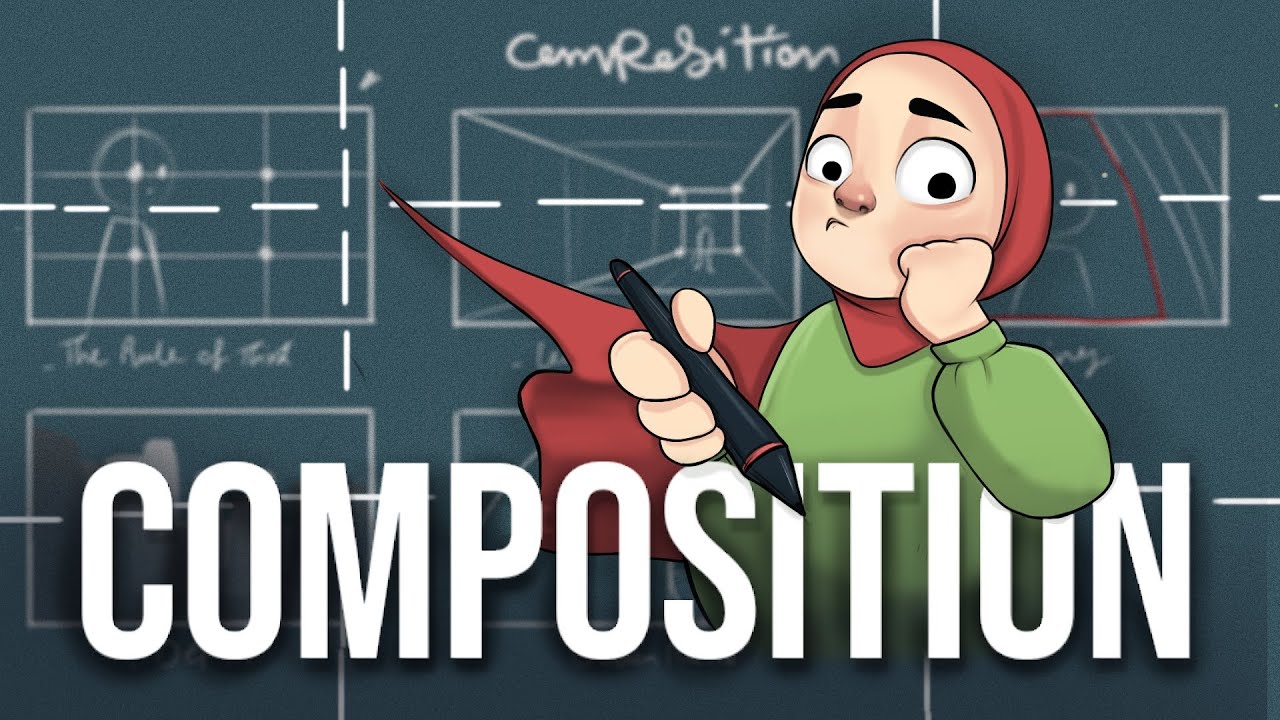














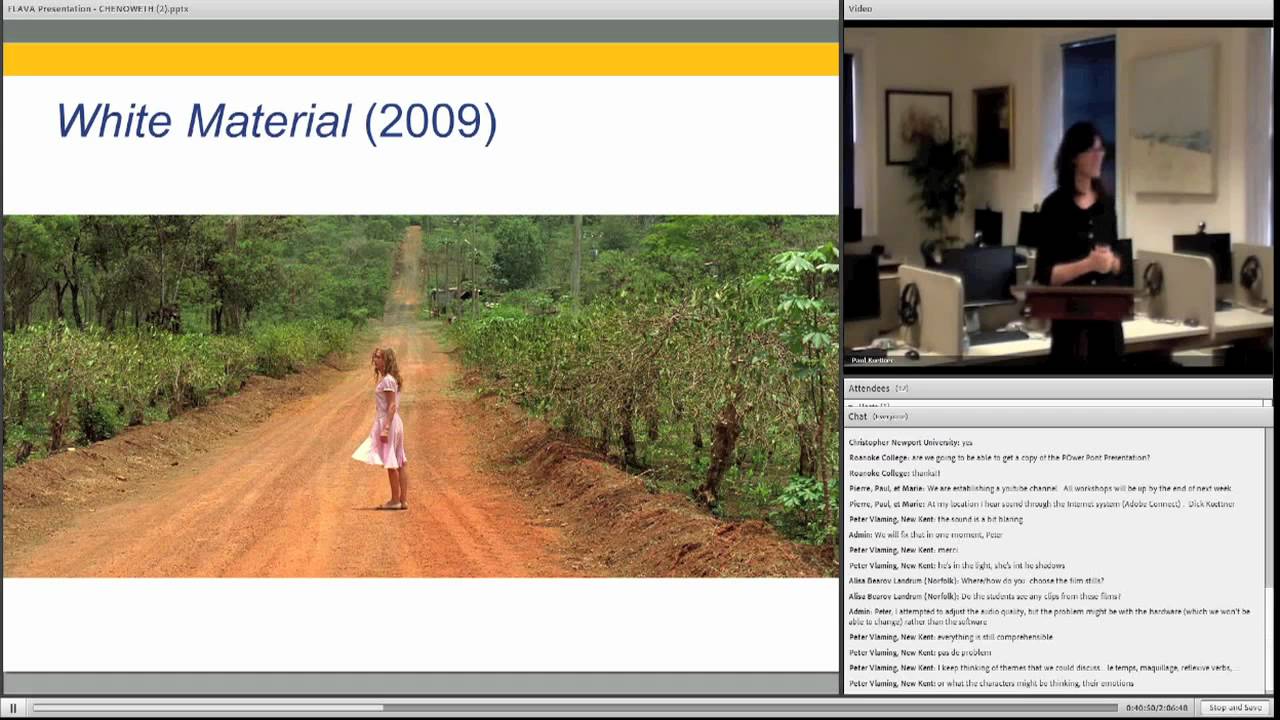


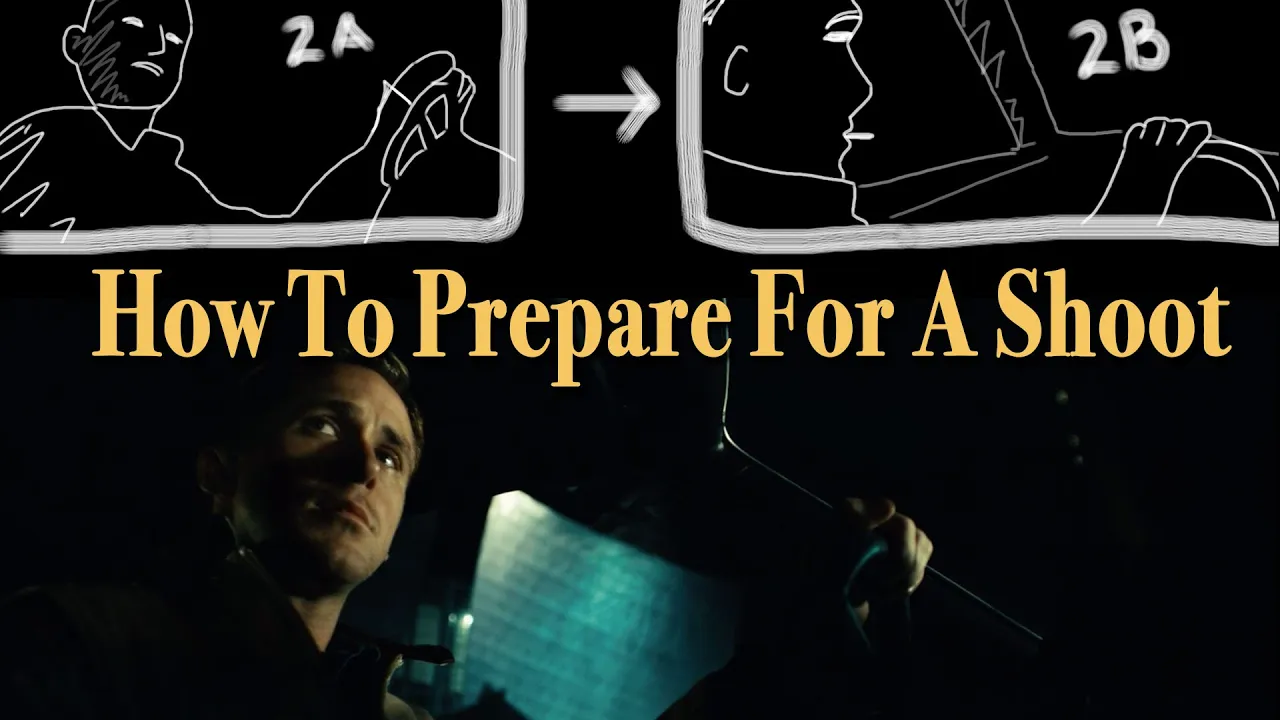

Cinematography uses composition and framing techniques such as depth, contrast, shot types, balance, character positioning, and camera height to guide audience emotions and storytelling; depth creates immersive 3D visuals, contrast directs visual attention, shot variety controls intimacy and context, balanced framing provides natural aesthetics, character spacing reflects relationships, and camera height establishes power dynamics, with all techniques serving the story rather than following rigid rules.
Composition & Framing in Cinematography: Visual Storytelling Techniques
Added:Basic camera anatomy and lens properties, including how focal length and depth of field affect an image.
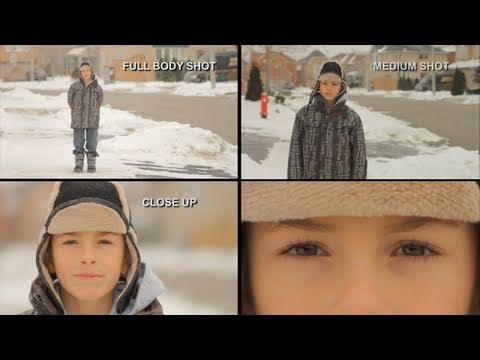
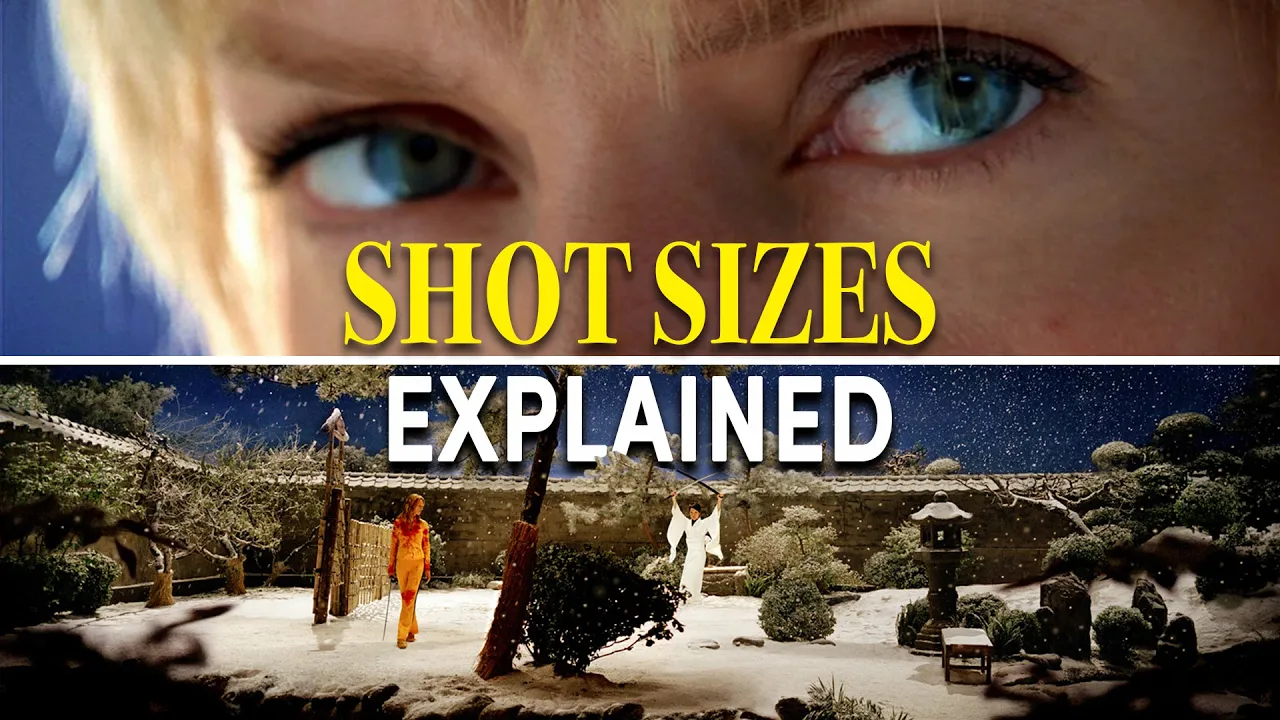
Fundamental shot size terminology, distinguishing between basic framing options like close-ups, medium shots, and wide shots.
Core principles of static visual design from photography or classical art, such as the Rule of Thirds, leading lines, and symmetry.
An introductory understanding of visual literacy and how images can be read as a language to communicate simple ideas.
Dynamic framing and camera movement techniques, exploring how pans, tilts, dollies, and tracking shots alter composition in real-time.
Advanced cinematic lighting setups and color theory, learning how light and shadow manipulate depth, contrast, and emotional atmosphere.
The principles of scene blocking, focusing on how to choreograph actor movement in relation to the camera's frame.
Continuity editing and montage theory, studying how sequential compositions interact to build a cohesive narrative flow.
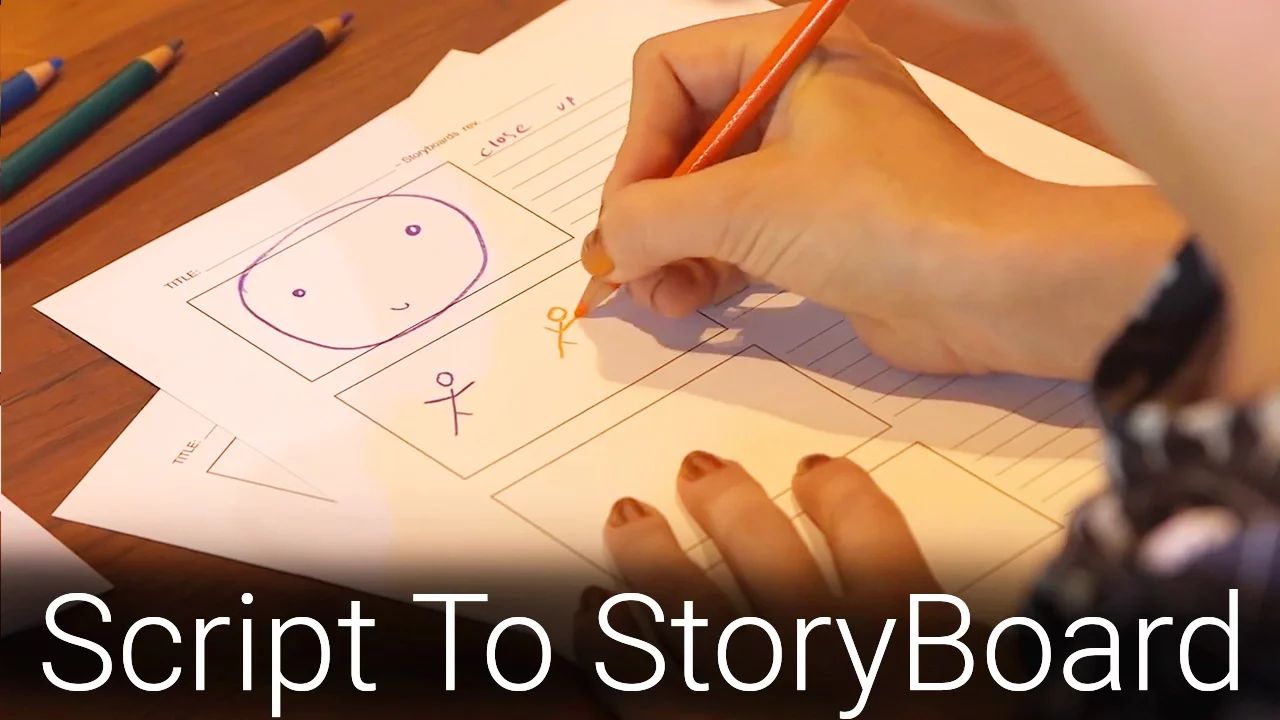
The practical creation of storyboards and shot lists to systematically translate a narrative script into visual setups.
636.2K views17.5Klikes8:45Original Release: 2015-02-07
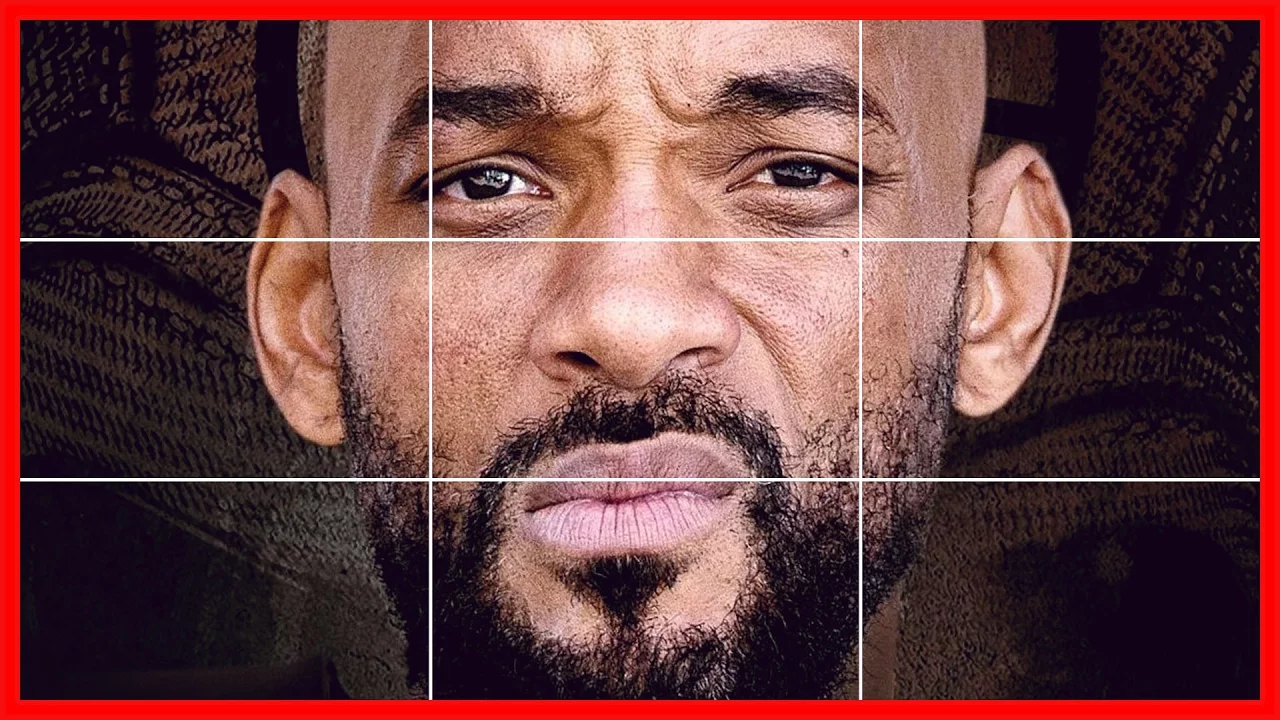
this week we're talking about cinematography and going through lots of examples of how different camera techniques will have different effects on the audience hello my name is simon cade and this is dsl guide so this is the first part in a series all about cinematography where we'll be looking at using the camera and lighting to tell stories so in this first part we're focusing on where to place the camera and how to set up the layout of your scene so that we can get a certain reaction from the audience so the first thing to think about is depth now i think this is one of the biggest differences between amateur filmmaking and the movies that we see the cinema so what I mean by depth is when the images look three-dimensional when there's a big difference between the foreground elements the mid-ground and the background and this can usually be achieved by looking out for perspective lines going off into the distance or anything you can do is have a frame in the foreground something which provides a natural frame this can really help to add some real depth and it makes the shots a lot richer and more pleasing to the eye if you look at any painting or photo or any shot from a film they often have a really nice depth in them which makes it a really rich frame now you may choose to avoid depth and have very flat images perhaps if you want the audience to feel lonely or detached all for a character who feels trapped and like they haven't got any space to move around or maybe if they're in a really boring life style you would also use flat images but because we see really rich shots with lots of depth every time we go to the cinema the audience has a expectation that the shorts will have death so if you accidentally shoot the whole film very flat then that might leave a very different impression on the audience to what you're going for now i believe it was Alfred Hitchcock who said that the size of something within the frame is directly reflecting how important it is to the film so if we look at this example from the king's speech then the main character is very apprehensive about doing public speaking so notice how the microphone is huge and it's kind of covering up his face at times and it shows how this microphone is very important to him and it was really overwhelming for him to have to do this public speaking now this is also commonly used to show the relationship between characters and it's famous scene from Citizen Kane the main character is very far away dwarfed by the other two characters but as he takes control of the situation he was close to the camera and then he towers above them so notice how this wasn't random they actually used the size of characters to change just as the story changes just as the characters change now the next thing is contrast our eyes are naturally drawn to high contrast parts of an image so if you put your main character behind something this very low contrast and doesn't make them stand out then it can often be hard for the audience to even see where they are now the other thing to know is whether there's something really high contrast which could actually be distracting the audience's eyes from where they should be looking in this case may be at the main character so once you understand contrast you can decide whether you want your characters to really stand out or whether you do want them to blend into the background of it so if you have a really shy character for example low contrast might be a great way to go so in general though you don't want the audience to be have to search around and look for them the kind of standard is to have high contrast so that they can see what's going on it's worth noting the contrast isn't just about dark and bright things and this image the circle stands out because it's brighter but we can this one the most colorful part of the frame is where is tend to hang out where is this circle stands out because it's contrasting with the other circles but this time in size and the same rule applies for shape a good cinematographer uses all kinds of contrast in order to show and hide certain things from the audience but what about the different types of shots while the traditional way to enter a scene would be to have an establishing wide shot which shows the audience exactly where everything is and the setting as well as giving some hints about the time of day but what if you decided to be unconventional and just throw the audience straight in with a close-up so they don't really know what's going on maybe they feel a bit disorientated but that could work very well for your scene depending on what kind of vibe you're going for one more practical level wide shots can be important to show the body language or props or maybe even costume so let's say you have someone walking down the street and they're really frustrated so they keep kicking this can well if you shot that in extreme close-ups then you might not have been able to see the cat not at all so we would have lost that emotional q4 frustration and speaking of close-ups they give the audience the opportunity to be most personal and intimate with the characters and when used sparingly they're often more powerful just like in music you have moments of quiet which then we'll make the loud parts seem even more powerful so I think a good principle for all of this is to go back to the Citizen Kane shot because i think that cinematography is most effective when there are changes that then reflect the story maybe the characters making the decision of the story going in a new direction so next up is a whole bunch of techniques or condensed into I'd call balance so this is just following the general guides of framing so by this I mean using the rule of thirds to place our subjects somewhere in the frame that looks very natural it's keeping heads in the frame here's a before and after it's also worth keeping the camera on the level horizon again another before and after and it's also framing to give your characters looking room where they have space on the side of the frame that they are facing the most of the time we're pretty much aiming for shots that are as balanced as possible I'd say that ninety-five percent of shots from Hollywood films are pretty much well balanced and if you accidentally set your camera to be off balance whether that's through the horizon being a bit off or not giving your actors enough Headroom or looking room then it can really have a bad effect on the vibe that you're going for but of course you could purposefully make your shots unbalanced maybe if your character is going off the rails or if they're just really unpredictable than that could be a really useful storytelling device but in general i'd recommend being pretty subtle about this most of the time because it really can be distracting from the story if you push it too far so how far away from each other you position characters can say a lot about their relationship so let's say you have a shot of a kid who's feeling really left out where you might actually make some distance between them and the other people to show that emotional distance and of course you can flip this by having your characters close together which suggests trust and intimacy and in a great blog post by Shane help he talks about how in his film crazy beautiful he used over the shoulder shots with plenty of distance to begin with but then as their relationship deepened the gap between them coast and finally let's talk about the height of the camera now if you set up at eye level than you're giving a pretty neutral impression to the audience but then think of the phrases they really look up to them compared to how we are they really look down on them they have very big connotations looking up to someone makes them sound quite heroic while looking down on someone makes them sound quite vulnerable so in films they often use this as a very simple way to establish who has the dominance in a scene now would like to add that just because let's say you had a character who was feeling overwhelmed that doesn't mean that you have to shoot them from a high angle and set it to be off balance and give them looking room and use every single one of the features it's kind of a case of picking and choosing which one do you think will work best for the story but it is worth remembering that all of the techniques I've talked about in this video are completely up for interpretation when it comes to adding the music and the dialogue and the kind of back story any of these features can be used to kind of convey a completely different emotion so there's no way that these are rules they just kind of guidelines and you kind of look at the way that some filmmakers have done it and then decide which parts you want to take and which parts you want to leave so my advice is just to watch lots of films and to be really intentional with your cinematographer choices and it's always based on what the story is and what the vibe of you're seeing is and we know what the characters are like so that's pretty much it for this week i would like to say that on the blog post are linked to a whole bunch of videos which have taught me loads about composition and all the stuff that I've been talking about this video's to do to that you interested link in the description that's it for this week and see you next time yeah
Up Next
20:10
Mastering Film Composition & Cinematography Techniques
@D4Darious
1.1M views•2017-01-17

12:54
Triumph of Orthodoxy Icon: Byzantine Art & History Explained
@BenCallan
2.1K views•2024-08-06

9:49
FastAPI vs Flask vs Django: Choosing the Right Python Web Framework
@TechWithTim
302.5K views•2024-05-26

1:42
Game of Thrones Opening Credits: A Cinematic Analysis
@gameofthrones
46.3M views•2011-04-18
Related Study Plans & Knowledge Roadmaps
Structured learning paths in General & Interdisciplinary Studies
general-studies
Elevator Engineering: History, Physics & Cities
01From Hoists to Safety Brakes: The Dawn of Vertical Lift
02Hydraulic vs. Traction: The Engineering Physics of Elevators
03Modern Speed, Safety, and Algorithms
+ 2 more learning modules
12h5 modules
Explore Roadmap
general-studies
Rubber: Material Science, History & Geopolitics
01Origins of Natural Rubber & Mesoamerican History
02The Chemistry of Natural Rubber & Vulcanization
03The Geopolitics of the Rubber Boom & Colonization
+ 2 more learning modules
12h5 modules
Explore Roadmap
general-studies
Containerization: Evolution, Logistics & Trade
01Ancient Trade & Bulk Cargo: Amphorae to Barrels
02The Industrial Revolution & Cardboard Packaging
03The Containerization Revolution: Malcom McLean
+ 2 more learning modules
12h5 modules
Explore Roadmap
general-studies
Textile Tech: Evolution, Labor & Global Impact
01Pre-Industrial Textiles: Handloom & Cottage Industry
02Mechanization: The Spinning Jenny to the Power Loom
03The Factory System & Global Labor Transformation
+ 2 more learning modules
10h5 modules
Explore Roadmap