
![영화 편집의 정석...을 깬 편집 [영화학개론5화]](https://i.ytimg.com/vi/OHgoCqPZ6K0/maxresdefault.jpg)



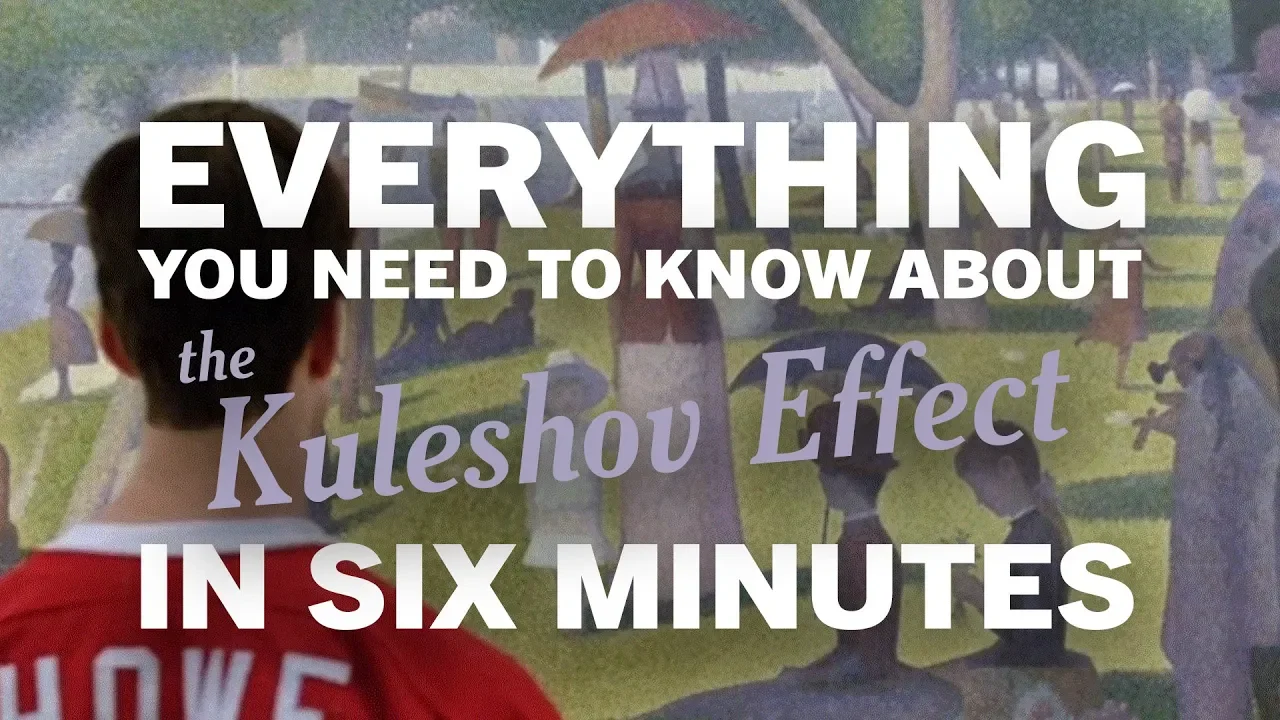









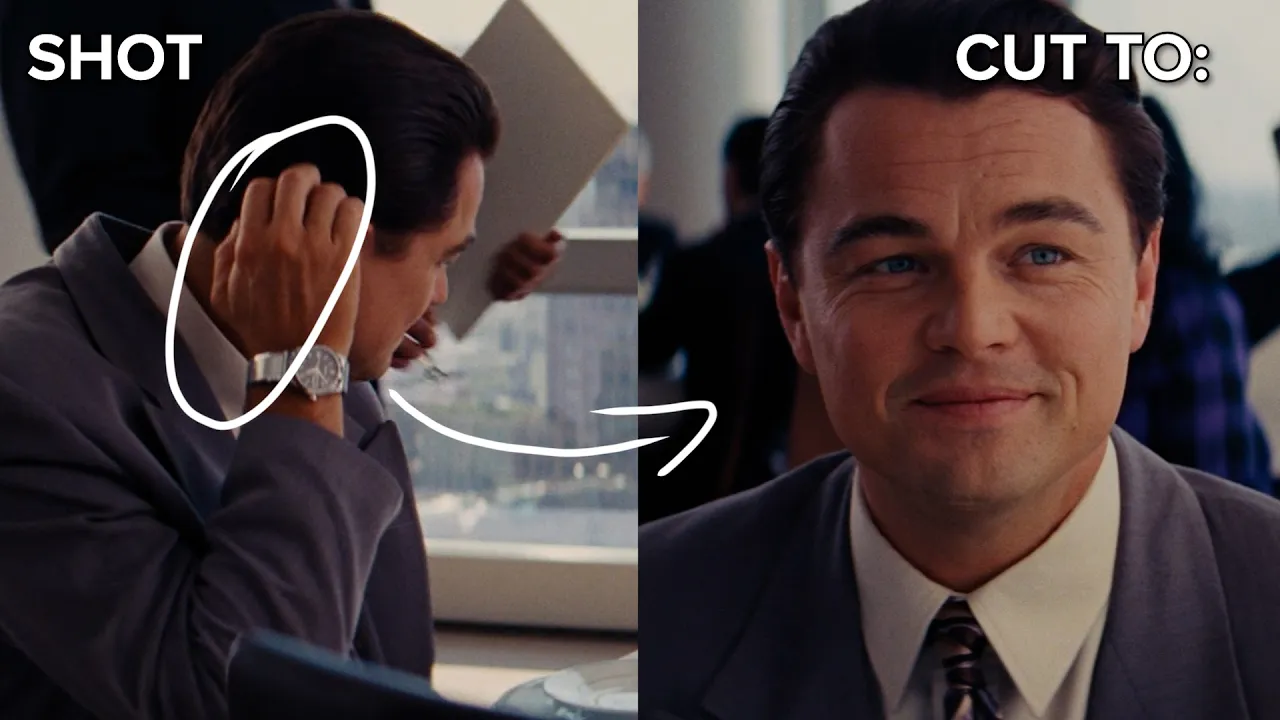

Non-continuity editing is a self-conscious, stylized approach that deliberately draws attention to the film's form rather than being invisible to the audience, unlike continuity editing. The Kuleshov effect demonstrates that meaning in film comes from the juxtaposition of images rather than individual shots—when the same neutral face is shown with different images (soup, a girl, a coffin), audiences interpret it as hunger, desire, or grief respectively. This principle underlies all editing, including techniques like flashbacks, split-screen, breaking the fourth wall, and jump cuts, which are used to create intellectual meaning and emotional impact through visual relationships rather than narrative logic.
Non-Continuity Editing: A Comprehensive Guide to Stylistic Techniques
Added:The fundamentals of continuity editing (classical Hollywood style), including the 180-degree rule, eyeline match, and match-on-action cuts.
Basic film grammar, such as the definitions of a shot, scene, sequence, and transition.
The primary role of the film editor in shaping narrative pace, rhythm, and viewer focus.
The concept of linear vs. non-linear narrative structures in storytelling.
Soviet Montage Theory, focusing on Sergei Eisenstein's five methods of montage and the concept of intellectual montage.
The historical impact of the French New Wave (La Nouvelle Vague) and how directors like Jean-Luc Godard subverted traditional editing rules.
Cognitive film theory, exploring how the viewer's brain synthesizes meaning and emotion from disparate visual juxtapositions.
Practical application of non-continuity techniques in modern film, music videos, and commercials to evoke psychological or thematic depth.
777 views15likes26:10Original Release: 2020-05-21
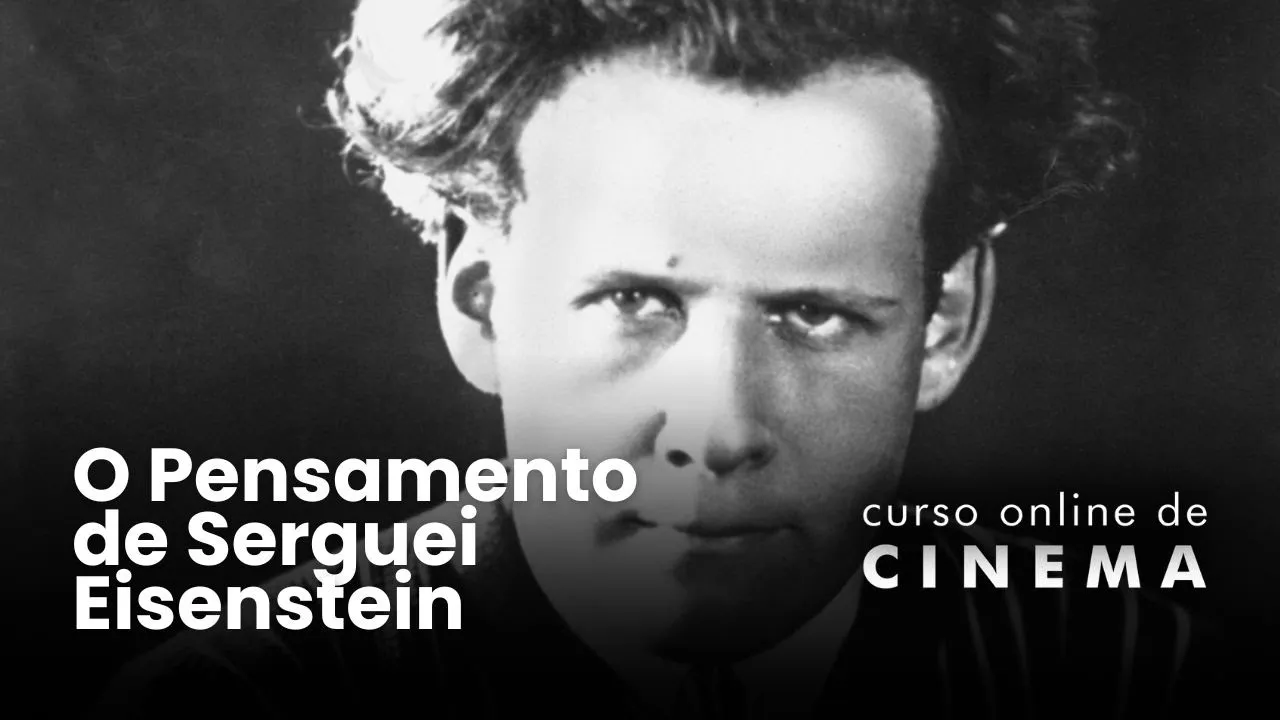
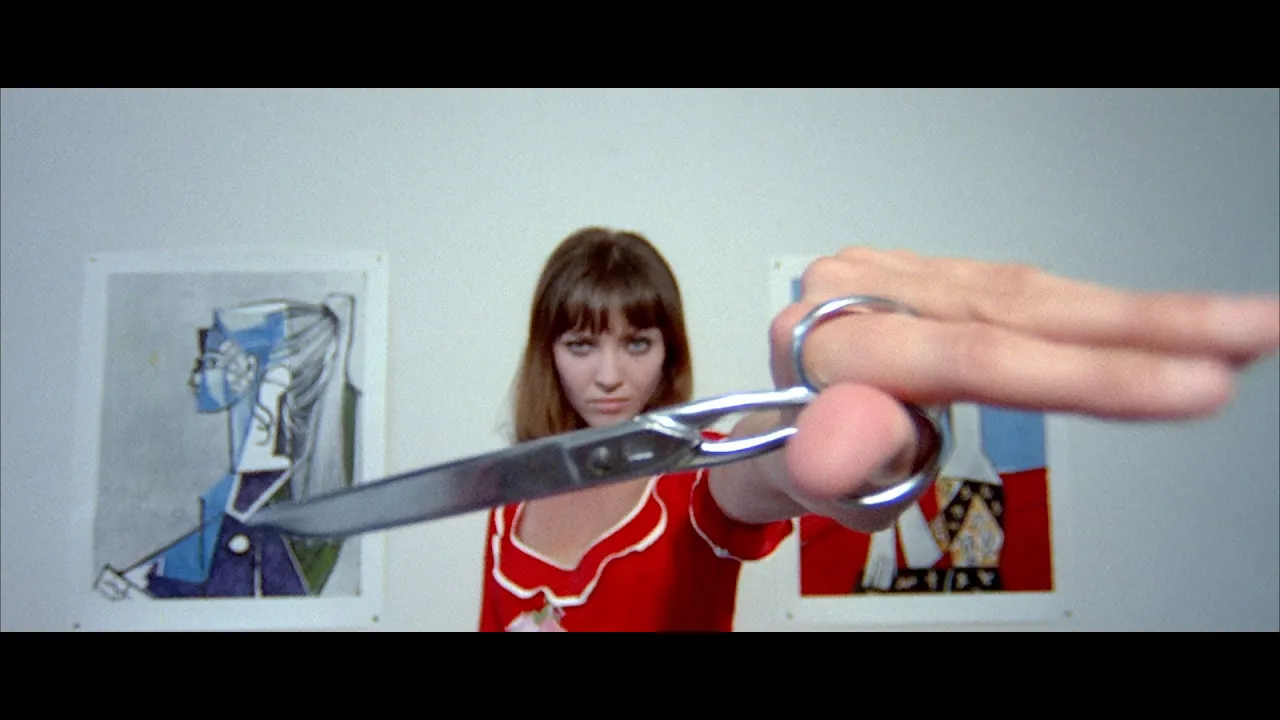
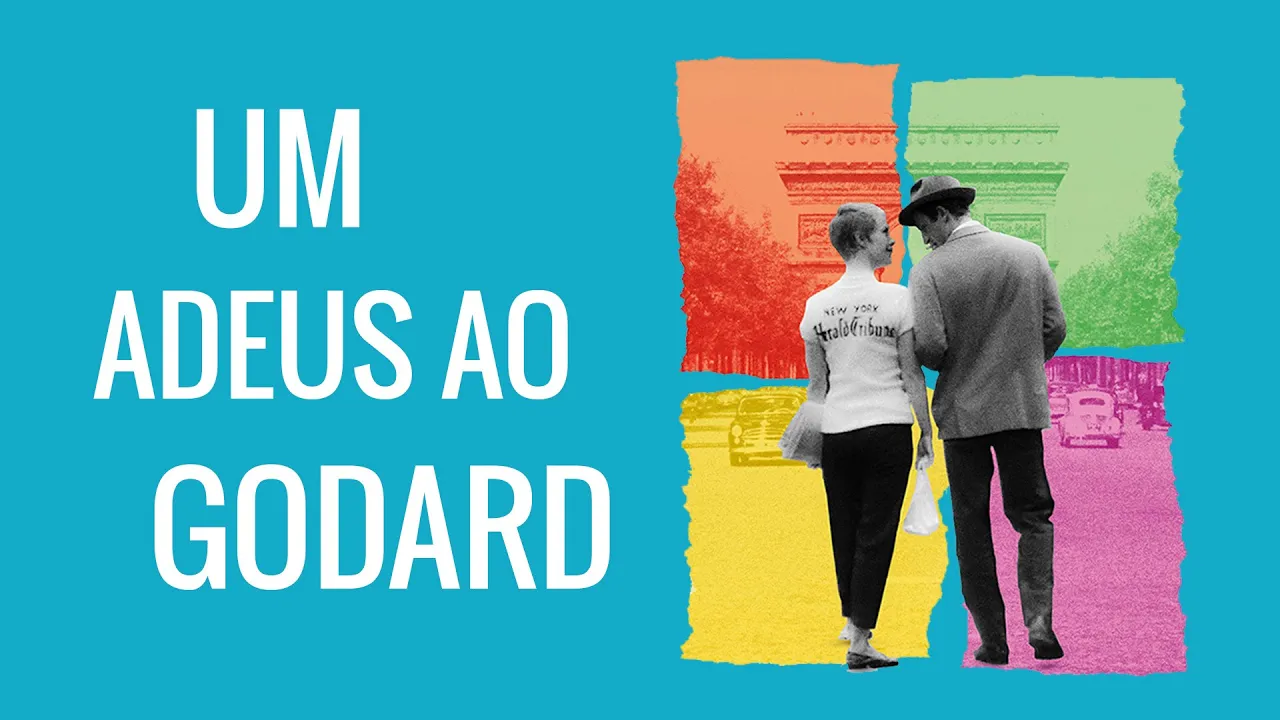
then here and then his film form video we're gonna be looking on non continuity editing now from the last video you'll remember the point about continuity editing is supposed to be invisible to not sports and notice it non continuity editing is the opposite its self-conscious and highly stylized and designed to mean doubt just by the audience you are meant to be going oh I like that cut all right now the point about non died terminal toy continuity editing is that it disrupts the diegetic effect so you meant to be thinking but non continuity editing oh you minded all the time you're watching a movie it's very formalist it's about form narrative okay people tend to get stuck into this idea that films should be about storytelling that are about narrative and that is just not true films do not have to have a story there's no reason why they should have films can be about style they can be about mood they can be about anaesthetic they can be about an emotionally do not have to literally make sense of a story alright sometimes films don't make sense because they're badly written star wars last year they were looking at you right they make no sense right that's bad filmmaking sometimes films aren't meant to make sense right look at the film's or surrealist cinema look at David Lynch you know what David Lynch film like Mulholland Drive or Lost Highway doesn't make much sense narrative lead it's more like a dream logic it's you know when you're having a nightmare they don't necessarily have to make sense things can change warpin be completely nonsensical to still be terrifying all right so sometimes films Ock subconsciously stylish and you're supposed to notice the way that they made so what kind of elements of the god of non continuity editing well we've got the basic ones which let's face it off so calm and they may as well be continuity editing technique we talked about montage you've also got flash Falls and flashbacks there another one that's very common you've got ones that actually care that it take at all in the traditional sense of cutting but split-screen then you've got breaking the fourth wall you've got those technically comp Milton technically non continuity technique there's a jump cut and then you've got how it creates meaning so you've got intellectual montage graphic matches and the Kuleshov effect which is the basis of our all editing works all right so going through these one by one first one's the flashback and flash-forward I mean there's a fairly obvious flashback it's an alteration of story order with the plot moves back to show off ends that have taken place earlier than the one already shown and a flash-forward is the opposite an alteration of story order in which the plot point presentation moves forward to future events and then returns to the present not was common but it does happen all right flashbacks are all flash forwards are often indicated by a close-up or maybe an extreme close with the character's eyes they will then be a transition but dissolve or the classic wobbly dissolve even a white and then there will be things to indicate that the flashback will flash forward is different from you know contemporaneous time so it could be seeing black and white or as desaturated of car it's in soft focus maybe even combination in these techniques sometimes it will have a kind of echoey sound like is echoing in their head so they're often used for showing memories split-screen that's William is literally split into different sections in the last video I show you a shot from time code but make figures read the four stories going on simultaneously that split screen they're often using short parallel actions so instead of into cutting across cutting you'll see things happening in different places at once one thing you used to do a lot in the 50s for example is you split screen show both halves of a telephone conversations that I'm using a shot Rivera shot structure not technically really kind of editing on movies but editing usually only shows one thing on screen at once so whether you consider this editing or meson senel both could go either way really now another thing that's been going on as long as they be making films this is not a new idea but there's breaking the fourth wall those of you who do drama will have heard a bit albrecht and his idea of the Brechtian alienation device or the friend Dunn's effect in German that's better you to remember Apple what a good word befriends Dunn's effect anytime you can use a word like that's a good day right anyway breaking the fourth wall this is where the characters in the film break the diegetic effect they burst the diegetic bubble by directly addressing the audience or directly addressing the fact that they are in E movie and it draws the attention of the spectator to the fact that they're watching the film now this can be as I said in literally turning to the audience and talking to them there are plenty of films do this whether it be Ferris Bueller's Day Off or Wayne's World or Deadpool or whatever it's usually done in a comedy but not always there are films like Alfie for example that do the same thing Oh good example on television will be flee back right so they're breaking the bubble world story takes place in but sometimes it might not be that direct it might just be because the film is drawing attention to filmmaking techniques so if you watch a film like let's say the sake of the argument Scott Pilgrim vs. the world right nobody in that film directly turns to the audience and talks to them but there are loads and loads of things in that film that are constantly reminding you you're watching a movie you'd pop up graphics the split screens the flashbacks the flash-forwards you know the onomatopoeic like sound effects written as text on screen please trying to make it look like a comic book alright all that's technically breaking the fall from all of well because you know you watch a movie jump cuts John cutter cut cement and notice they're often sudden and violent they're often used in action sequences to connote confusion and chaos but they're less noticeable there again it's a difficult thing to be able to describe to you without showing it to you I'd love to be able to show you some clips but you know copyright right I'll show you some the class but you know you know one this was particularly pioneered by jean-luc God are specifically in this film of Buddha souffle or breathless in English thought we really got pioneered but other ones I can think of one wall strikes mean he's a bit in there an auskey film Black Swan we'll basically following Natalie Portman as she's walking down the street instead of just seeing it one girl we'd like jumps you know couple pics out of it use for ellipses as well they're the most common kind of non continuity thing technique and argue but now let's have a think about how all editing works the ones that was the fundamental philosophy behind it all and how can that be using a non continuity editing technique context right so left cooler chef Lev Kuleshov is a film scholar or was the first people to seriously take film seriously index in an art form of the Russians back in the 1920s I'm moving elect eanes actually the Soviet state established the Moscow film school to study cinema the Russians and to a lesser extent the Nazi Germans saw film as an incredibly powerful tool for propaganda if you're trying to spread the message of communism but you're doing it to a largely uneducated and illiterate peasant population can't read then you have to find other ways to communicate quite complex political ideology in a way that's simple and easy for an uneducated illiterate audience and they saw cinema was the perfect way to do this so what they wanted to do was to be able to use the juxtaposition of images to communicate complex ideas and it was the most loved film school but the own experiments and how this could be done and Kula chef was one of the teachers at the Moscow Film School and people like Sergey eisenstein pudovkin and some of the other early Soviet Dziga Vertov for example he's Soviet filmmakers learned their trade at Moscow State School and let cool chef pioneered the very early ideas of what is called montage cinema that were later developed by people like Sergey Eisenstein and one of the things they did is he pioneered so-called Kuleshov experiment that established the concept of the Kuleshov effect now this is what he did led Kuleshov edited a short film in which he took a shot of an expressionless face of aids arist matinee idol called ivan was all schema or something like I apologize for butchering his name and alternated it with other shots a plate of soup a girl and a coffin and a woman on a divan the film was shown to audiences will believe the expression on the saltines face was different he Sami appeared depending whether was looking at the plate of Supergirl or coughing and the one of the van and they interpreted the same blank expression as meaning different things hunger grief desire depending on what that image was juxtaposed with right so that's a flawed pudovkin who later claimed to be a co-creator experiment described in 1929 are the audience raved about the acting the heavy pensive nosov his mood over the Forgotten soup where they were touched and moved with a deep sorrow where she looked at the dead child and know the luster which he'd observed the woman but we knew in all cases the face was exactly the same how's that work but you've got this face that is Dookie we look at his face and we look and we thinking Moses tell me you know how do I interpret this image hello we understand what I'm looking at well on its own a comp it's a blank expression but then you cut and we see you bowl of soup and subconsciously in your brain you're thinking well it must have some kind of relationship to that image I saw before right okay so what could that relationship be well he must be looking at that bowl of soup right okay now he's looking at that bowl of soup right then we cut to this reaction shot which is the same shot now we don't know this this the same shot and we're thinking all right if someone was looking at a bowl of soup how might they be thinking oh well he must be hungry yeah called yeah angry obviously right we see a look on someone's face is no real expression on everything can eyes understand this what's he feeling was looking at cut Oh their child and coughing well told that make you feel oh you must be grieving yeah he's looking at something what's he looking at I don't know he looks pretty blank expression oh he's looking at this attractive woman on the divan oh how does that make him feel full of lust same face every time what the Kuleshov effect tells us is that images in isolation have no inherent meaning the meaning comes in the collision of ideas in the juxtaposition of images shot a shot B equals meaning C right so a Mazzone doesn't mean anything shall be in a tone doesn't mean anything it's only together they create a meaning now that's a simplistic way of looking at it because that's not entirely true is it because a shot on his own can have meaning because the needle sin can be creating meaning all right there are even in a still image still image can create the sense of meaning right it could be just the look on the person's face it could be the way is lit it could be the you know the juxtaposition of objects within the frame the framing all these things create meaning as well so it's more complicated than just the editing but these two things work together don't they right so it makes it a complex complex idea all editing works like this full visual effect is the basis of all editing even continuity editing so we're not talking about simple editing here we're talking about something called montage now on a basic level montage is just the French word for editing so if you're watching French film and you're seeing the titles come up they will have monter I'm not just the editor right but it's more than that because European more arthouse tradition of filmmaking had a very different philosophy to the american continuity editing system and continuity editing system is more like sculpture right in which you have a block of raw material which is all the footage you shot and you cut away what you don't want on what left is your film right so it's more like the sculpture european montage system is more like building a wall you've got your basic shot let's say your master shot lassie Foundation and then you add stuff to it each individual bit like a brick in a wall and you glue it all together with mortar and that's your final film so continuity editing is more a system of removal montage is more of a system of building and you can use it to create meaning intellectual montage can create meaning that's not inherent in either shop on its own and this can be quite sophisticated and complex which is what the Russians will Trump do they will try to communicate these complex little meanings and if we look at the montage sequences showed in the last video from vertigo again this is show don't tell there is no expositional dialogue here is communicating complex meanings through the visuals now partly this is through performance it's you know Jimmy Stewart thrashing around on the bed you know it's in the makeup because they've sprayed his face with you know water to make it look sweating and clammy it's in the use of the colored filters the bizarre strange colors but it's in the montage of these bizarre images he's showing us is a dream right because we see him in bed we see him thrashing around we see what's going on with Susie in his head so these was clear in his thoughts right so we see this bunch of flowers is telling us that's significant but he break apart well that's a distressing image isn't it and then we see you know him Scotty talking to Gavin in the background we got Caleta in the background and now she would come into the foreground and now we see that what we think of the painting was actually yak just recreating the painting and then the camera pushes in on the locket although you know the necklace and was suddenly thinking oh that's significant I think Paul I must remember that and then we see him like he's trying to run an escape and it goes back to the graveyard both Coolatta walls we see the empty grave and this bizarre image of these like rays can we get his head it's all like symbolizes his year to go because it looks like the shaft of the tower but it also sort of like symbolizes his horror you know it's like this stuff beams coming out of his head you know Green is the colour of sickness and illness and we see him falling like Madeleine it shows the distress of the wall disappears around him and he sits up in horror the smash-cut every one of these images on his own doesn't mean anything it's only in their juxtaposition it shows that he is starting to make sense of this mystery now where's this idea come from Sergey Eisenstein one of the most important film makers in all of history he made some of the most important films ever made he was a Soviet propagandist he made propaganda films if you know he made a number of important films I'd probably say the most important our October strike and one of the most important films ever made battleship potemkin you cannot be a serious film fan if you have not seen battleship potemkin and he pioneered six types of montage right they're quite complicated you don't necessarily need to know all of them about four of them are particularly important but this is what they are metric montage that is where the cutting is done purely based on the length of the shot right metric montage creates a rhythm and pace so think about the speed of the editing if the shots are very short and the editing very quick then that's going to connote the sense of excitement of chaos of drama if the shots are very long there's not much editing in it there's not much camera movement then that's going to be a much caramel more sedate kind of atmosphere so the speed of the cutting can be very important for creating meaning rhythmic montage must let metric montage is based on time and tempo but it concerns us of what's in the frame so cutting in tempo with the action basically it's how things are moving on screen so metric and rhythmic montage will work hand in hand very important for say music videos or action sequences or dance scenes so metric on investment montage are very important if you're looking at any of the buildings we doing the grass sequencing it's a lala land in particular and fallen angels and Apocalypse Now total montage isn't concerned with tying but with the tone of the shot the lighting the shadows the shapes and the frame cutting between shots of different aesthetic tones create meaning contrast and binary opposites this is a less important one I'd argue for you know over tonal this is a large-scale macro idea that combines metric rhythmic and tonal montage and how they all work together difficult one to really wrap your head around that one I'm not sure I'd bother and the last one here is intellectual dialectical montage this is the most important one for non continuity editing now with metric rhythmic tonal of overtone or all part with continuity editing and plan continuity editing but it's intellectual dialectical montage is the most important one this is less about emotional responses but more about intellectual it's about trying to make you think something right it expresses abstract ideas by creating relationships between opposing visual contexts concepts again it's a difficult one to explain without showing you it but I'll show you in classes from the beginning of the Charlie Chaplin film modern times at the beginning of that we see a shot of a group of workers walking towards a factory we then see them coming out of a subway station and then it cuts to a shot which has the same composition and screen direction and movement of sheep being herded now in our head we're thinking what I was looking at work as a meta go now I'm looking at sheep those are two completely unrelated images on it only don't mean anything and then you're sat there thinking well what could that mean what is the relationship between those two things and anything you will okay what do I know about sheep well stereotypically they're stupid they're easily controlled and easily manipulated oh right they're saying that about the workers right that is an intellectual montage and you meant to notice it then you got the match cut of the desorb Oh before I go on too bad there is also vertical montage but I'll talk about that when I do sound vertical montage is the relationship between the image and some of the elements that could be on-screen graphics like intertitles in a silent film subtitles and a film in a foreign language or it could be the music so graphic matches a graphic match or match cut don't have to be a cut it can be dissolved it'll be mass dissolved is where objects which appear similarly use the successive shots sometimes to imply a link they can be used for transitions to show change of timing change of place again in vertigo we see a close-up of the necklace around Judy's neck then we have a flashback in Scotty's mind as he remembers the necklace and the painting of Carlotta and that is the point in the film where he realizes that Judi was Madeline all along after I spoil her alert right and more importantly we already knew to Julie with Madeline but this is the point where we the audience have realized that Scottie knows the truth that is non continuity editing this will be much more important for experimental cinema but there is a load of non continuity editing in Apocalypse Now but it's not so common in most of the other movies were watching alright there is a bit of breaking the fourth wall going on in one week but quite a complicated idea non constantly editing is quite difficult to split without having clips to show you but I'll try and work on that in class if you've got any questions you know where I am next up this sound and I'll see you next one
Up Next
12:29
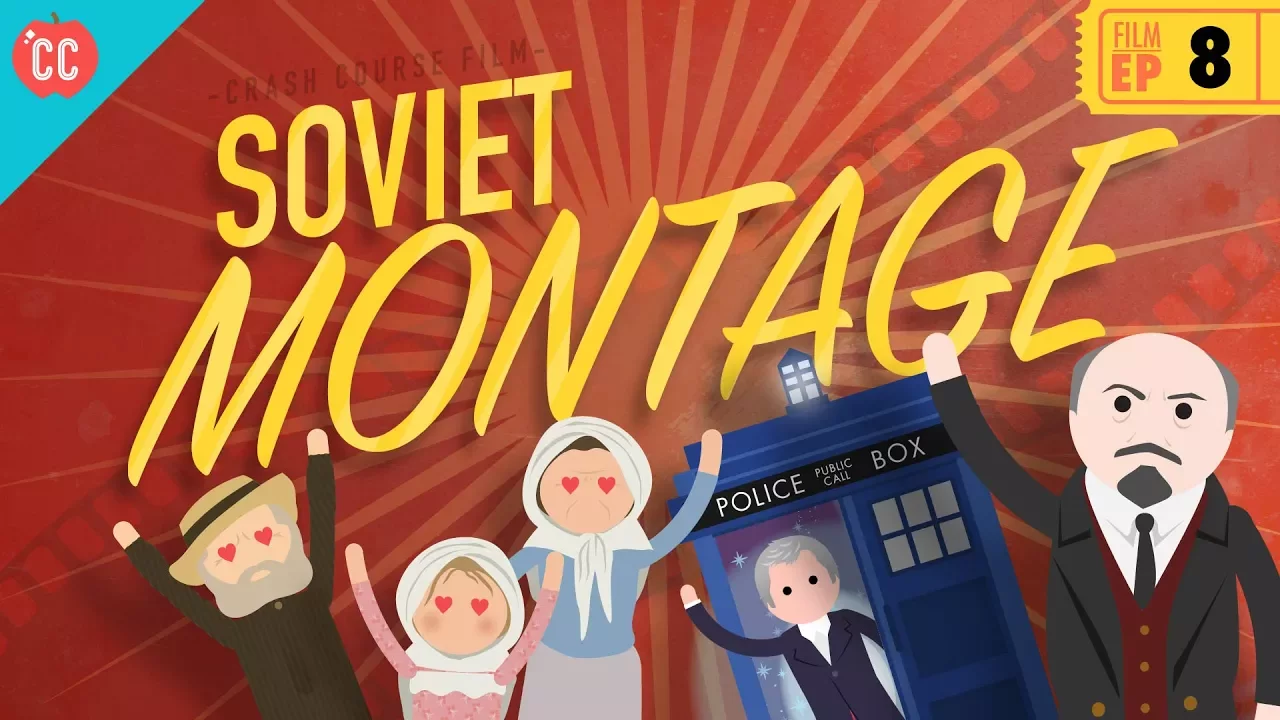
Soviet Montage Theory in Film History | Educational Analysis
@crashcourse
560.9K views•2017-06-01

23:14
Visual Analysis Essay: How to Analyze Graphic Novels in College Writing
@nataliepleimann5941
1K views•2020-10-14
4:55
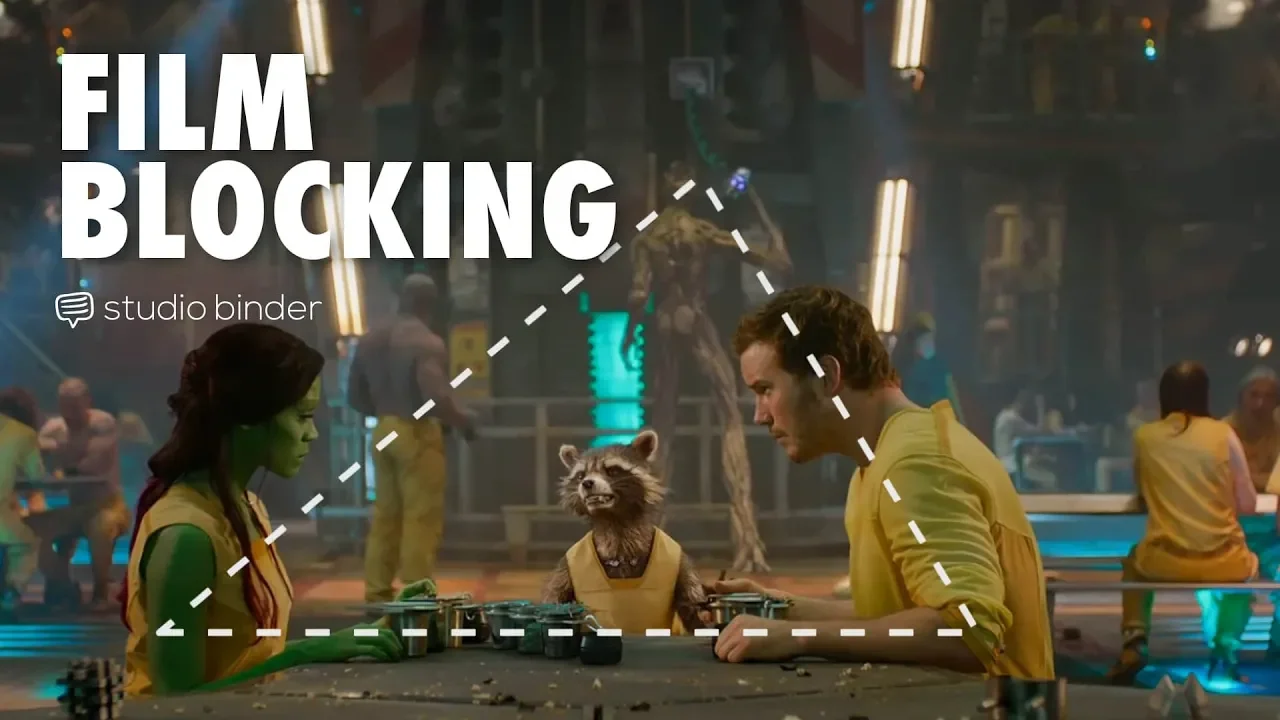
Film Blocking Techniques for Directors: Space, Shapes, Lines
@StudioBinder
1.9M views•2018-07-23

4:00
Evolution of Darth Vader: Anakin Skywalker's Animated Journey Across Star Wars Films
@TellItAnimated
13.4M views•2019-03-30
Related Study Plans & Knowledge Roadmaps
Structured learning paths in Film Analysis
film-analysis
Sensory Cinema: Foley, Haptic Sound & Texture
01Introduction to Film Sound and Foley Artistry
02Micro-Sounds, Textures, and Extreme Amplification
03Haptic Audition and Film Phenomenology
+ 1 more learning modules
12h4 modules
Explore Roadmap
film-analysis
Breaking the Fourth Wall: Mockumentary & Satire
01The Invisible Wall: Basics of Cinematic Illusion
02Looking at the Lens: Direct Address & Character Glances
03The Mockumentary: Satire, Realism, and Complicity
+ 2 more learning modules
12h5 modules
Explore Roadmap
film-analysis
Analyzing the Long Take: Cinema, Space & Ethics
01Foundations of Film Grammar: Montage vs. The Long Take
02Choreography and Mechanics of the Simulated One-Shot
03Phenomenology of Film: Real-Time Spatial Continuity
+ 1 more learning modules
14h4 modules
Explore Roadmap
film-analysis
Anachronistic Music: Period Drama & Subversion
01Foundations of Film Sound and the 'Needle Drop'
02Traditional Authenticity vs. Revisionist History
03The Rise of the Anachronistic Soundtrack
+ 2 more learning modules
12h5 modules
Explore Roadmap