













The Continuity Theory of Aging, proposed by Robert Atchley in 1971, suggests that most aging adults tend to maintain their activities, behavior, personality, and relationships as they did during their earlier years, using their accumulated skills and experiences to adapt to the changes brought on by aging; however, this theory has been criticized for neglecting physical and biological effects of aging, differences in financial resources, and factors like race, ethnicity, lifestyle, and gender.
Continuity Theory of Aging: Psychosocial Framework & Examples
Added:Basic principles of social gerontology, specifically how researchers study the social and psychological aspects of growing older.
Alternative psychosocial theories of aging, such as Disengagement Theory and Activity Theory, to serve as points of contrast.
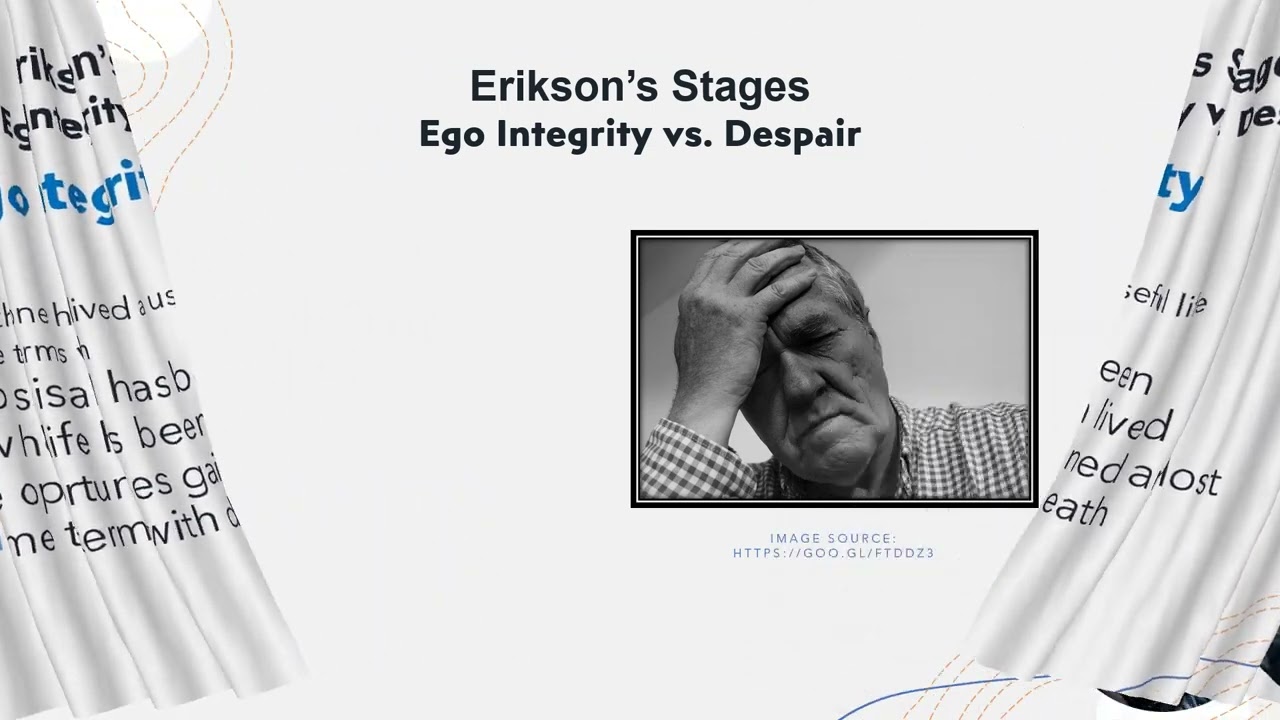
Erik Erikson’s stages of psychosocial development, particularly the final stage of Integrity vs. Despair.
The psychological concepts of self-identity and self-concept, and how they generally remain stable or adapt over the lifespan.
Robert Atchley's dual dimensions of continuity: internal continuity (inner psychological state) versus external continuity (social roles and environments).
Critical limitations and socioeconomic critiques of the Continuity Theory, particularly regarding its applicability to marginalized populations or those with sudden onset disabilities.
The 'Successful Aging' paradigm (Rowe & Kahn) and how maintaining continuity influences physical and cognitive well-being in late adulthood.
Practical applications of continuity theory in social work, occupational therapy, and the design of elder-friendly community programs.
29.6K views118likes5:19Original Release: 2016-09-12
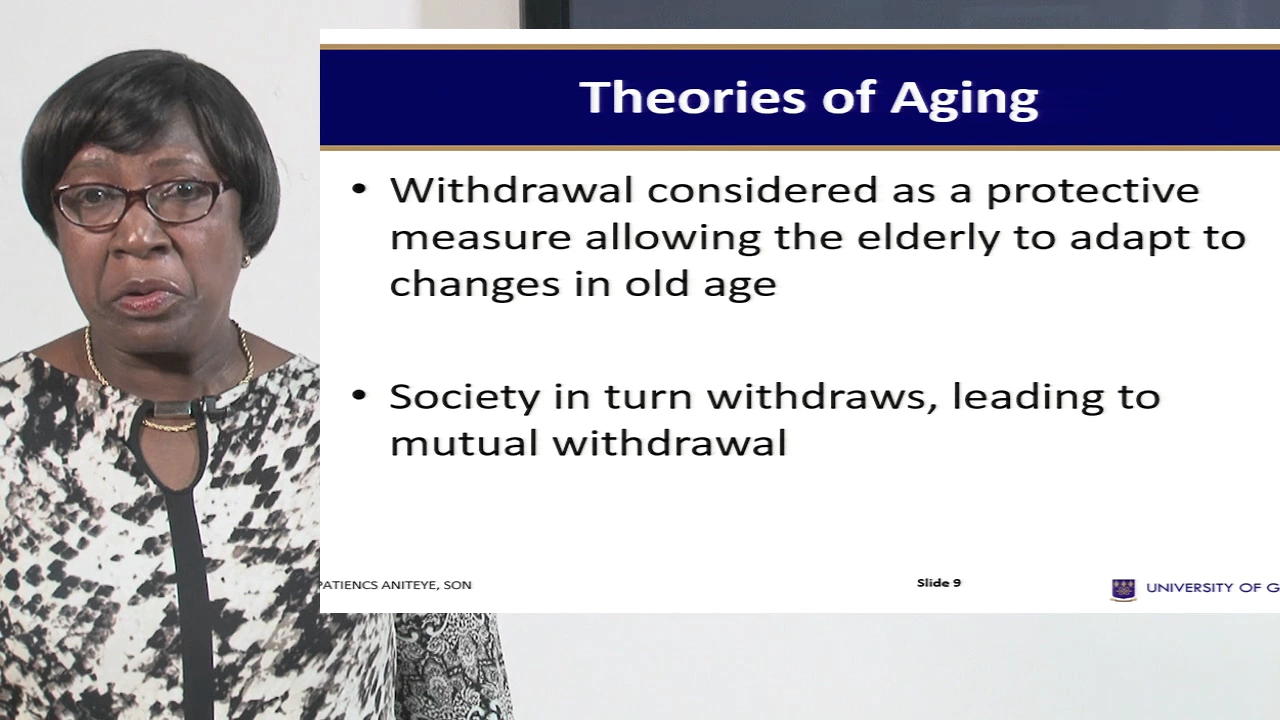
when the concept of Aging is approached from a psychological and social perspective three psychosocial theories emerge of these the continuity theory is explained here along with apt examples aging is not lost youth but a new stage of opportunity and strength Betty freden theories regarding aging are centered on a basic attempt to better understand the physical social and psychological effects that occur during the process of Aging better understanding and knowledge of this process leads to the development of various Ways by which the experience of this process can be improved and enhanced based on these varied approaches various psychosocial physical and biological theories of Aging have been proposed here we'll focus on the psychosocial aspect of aging and in particular on the theory of cont annuity other theories in this aspect are the activity Theory and the disengagement theory the disengagement theory proposes that as people grow older they gain a sense of impending death and this sense causes them to retreat away from society and disengage themselves this occurs with the aim of allowing the social groups of senior citizens to get accustomed to their inevitable absence in contrast to this the activity Theory suggests that Eng engaging in mental and physical tasks increases the happiness and mental satisfaction of older adults allowing them to accept the idea of their inevitable death more easily social engagement also works to increase life longevity on the other hand the third theory that is the continuity Theory suggests that most aging adults tend to maintain their activities Behavior personality and relationships as they did during their earlier years this theory is explained below continuity Theory of Aging this theory was first proposed by Robert achley in 1971 through his article retirement and Leisure participation continuity or crisis published in the journal the gerontologist he later published another article a continuity theory of normal aging in the same Journal where he further developed his previously proposed theory he expanded it so as to cover a white range of internal and external constructs related to an individual's aging this theory was further strengthened and refined by him in his book continuity and adaptation in aging creating positive experiences the basic Prime is that as an adult ages and becomes a senior citizen in society he she tends to maintain their unique mentality behavior and physical and social activities as they did in the past when they were younger this theory is considered to be a microlevel theory as it concerns individuals rather than a broad group in terms of functionality it is deemed to have a constructive nature since it tries to establish a state of equilibrium between the individuals and the society the theory provides a fundamental framework to be able to understand how senior citizens employ their inherent abilities skills and gained experiences to adapt and adjust to the changes brought on due to aging it is used to make the transition from a working adult to a retired adult a smooth one it allows people to be able to make future decisions based on a stable Foundation of their decisions and behavior in the past as mentioned earlier the theory also deals with the internal and external nature of continuity with respect to aging it claims that along with the social continuity of activities behavior and relationships internal continuity of ideas experiences skills Etc and external continuity of activities social roles relationships lifestyle Etc are maintained these maintained aspects are utilized by senior citizens in order to adapt to the new and changing environment and eventually adopt it for example a young extrovert will tend to remain extroverted in his or her later years causing them to continue being social and outgoing an introverted and withdrawn person similarly will most likely be a private person in his or her old age as well similarly other traits such as physically active Avid Reader dancing singing Etc will also be maintained in individuals despite their progressing age however this Theory faces considerable criticism since it neglects the physical and biological effects of Aging such as physical deterioration loss of stamina and development of illnesses and disorders it also does not account for the difference in Financial Resources as a consequence of aging and social status besides it doesn't take race ethnicity lifestyle and gender into consideration
Up Next
68:01
AP Psychology Unit 1: Biological Basis of Behavior Review
@MrSinn
350K views•2024-09-17

68:32
Cognitive Skills for Differentiated Instruction | Teacher PD
@BrainWareLearning
631 views•2017-12-17

9:55
Thinking, Fast and Slow: Daniel Kahneman Animated Book Summary
@FightMediocrity
2.3M views•2015-06-05

6:40
The Nocebo Effect: How Beliefs Can Cause Real Harm
@CGPGrey
10.4M views•2013-12-23
Related Study Plans & Knowledge Roadmaps
Structured learning paths in Psychology
psychology
Neuroscience of Creativity: Networks & Training
01Foundations of Creative Cognition
02The Cognitive Neuroscience of Insight & Fixation
03The Triple Network Model of Creativity
+ 1 more learning modules
15h4 modules
Explore Roadmap
psychology
Imposter Syndrome: Etiology & CBT Framework
01Defining the Imposter Phenomenon
02Socio-Developmental Etiologies
03CBT Fundamentals & Thought Distortions
+ 2 more learning modules
15h5 modules
Explore Roadmap
psychology
Adult ADHD: Executive Dysfunction & Scaffolding
01Neurobiology of the ADHD Brain
02The Core Triad of Executive Deficits
03Executive Dysfunction and Emotional Regulation
+ 2 more learning modules
12h5 modules
Explore Roadmap
psychology
Loneliness: Evolution, Neurobiology & CBT
01Evolutionary Origins of Human Connection and Loneliness
02The Neurobiology and Physiology of Chronic Loneliness
03Maladaptive Social Cognition: The Psychological Loop
+ 2 more learning modules
12h5 modules
Explore Roadmap