









![Recommending Books by Black Authors || 2021 [CC]](https://i.ytimg.com/vi/XzgCoI_I1WI/maxresdefault.jpg)




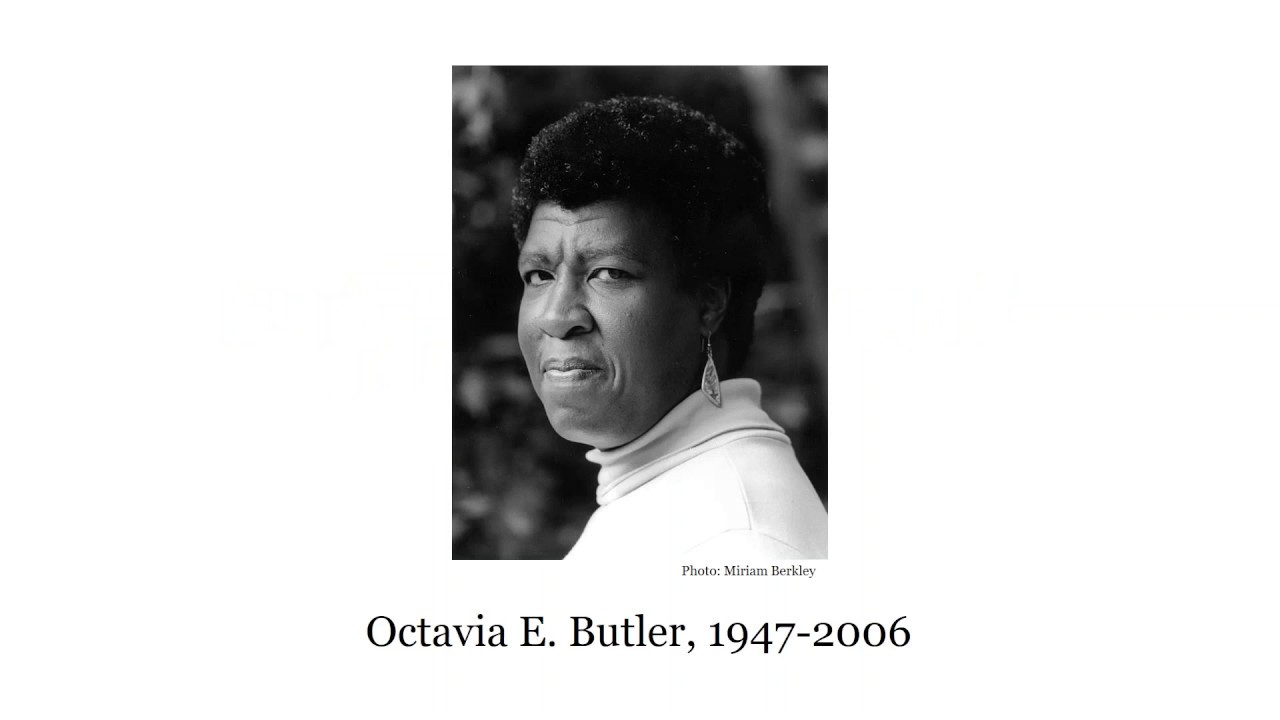


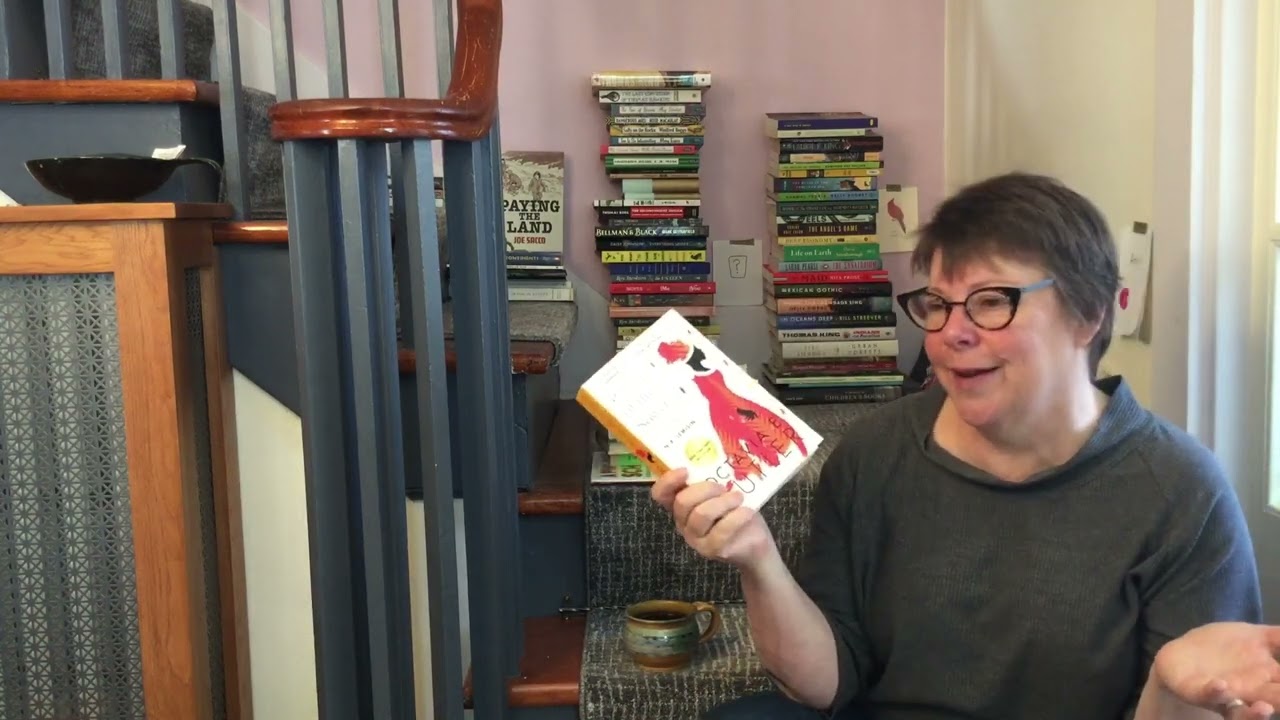
In Octavia Butler's 1979 novel Kindred, a modern black woman named Dana time-travels to 1815 Maryland to save her ancestor Rufus, a slave owner, creating a sci-fi narrative that forces readers to confront the brutal realities of slavery through the lens of contemporary perspectives; the novel explores themes of power, kinship, and violence, using Dana's traumatic experiences—particularly her severed arm from the same spot where Rufus gripped her during an attempted rape—to illustrate how slavery's legacy continues to affect African American families across generations.
Kindred by Octavia Butler | Plot Summary & Literary Analysis
Added:An understanding of the historical reality of chattel slavery in the antebellum American South, including the legal, social, and physical conditions of enslaved people.
Familiarity with the 'neo-slave narrative' genre and how modern authors engage with and reframe historical slave narratives.
Basic knowledge of speculative fiction as a literary genre, particularly how time travel can be used as a metaphor to explore historical continuity and trauma.
An introductory awareness of the psychological concepts of trauma, coping mechanisms, and intergenerational survival.
The study of Afrofuturism, examining how Black authors use science fiction and speculative elements to critique systemic oppression and imagine alternative futures.
Applying intersectional feminist theory to analyze how race, gender, and class simultaneously shape the vulnerabilities and agency of the novel's characters.
Conducting comparative literary analysis between 'Kindred' and other key works of historical or speculative fiction, such as Toni Morrison's 'Beloved'.
Exploring Octavia Butler's broader literary canon, such as the 'Parable' series, to analyze her themes of community resilience, power dynamics, and human adaptation.
36.9K views671likes10:27Original Release: 2020-03-10
[Music] kindred opens with the novel's protagonist Dana contemplating the loss of her left arm Dana and her husband Kevin discussed the incident both agreeing the truth will cause them to appear insane in the introduction it's June 9th 1976 Dana's 26th birthday Dana grows dizzy and is transported to a riverbank where she saves a red-haired child Rufus from drowning Dana ends up traveling to the past every time Rufus is seriously endangered when her own life is endangered she returns to her own time in the rising action Rufus a few years older now sets his drapes on fire and Dana saves him again their conversation leads to the revelation that Dana has traveled to Maryland in 1815 Rufus is the son of a slave owner and he and his family live on a plantation she remembers that the family bible lists Rufus Whelan is the father of Hagar Whelan Dana's grandmother and that hay gars mother was a black woman named Alice soon Kevin holds on to Dana and they both traveled to the antebellum South together eventually Tom Whelan Rufus's father whips Dana and the pain spends her back to her own time but Kevin is left behind days later Dana arrives back in the 1800s as a black man is beating Rufus while a woman in a torn dress watches the woman is Alice Rufus now 18 or 19 has raped Alice and the man beating him is Isaac Alice's husband and a slave Dana helps Isaac and Alice flee but they're caught brutally punished and ultimately sold Alice is not only ravaged by dogs and nursed back to health by Dana but forced to become Rufus a slave as punishment for her part in the escape Kevin finally comes back to the plantation and soon Dana and Kevin tumble back to Los Angeles Dana teleports back just before hey Garth birth once hey guard is born Alice determines to run away because Rufus refuses to free their children Dana slits her wrists as a means to control her travel back to her own time but Dana is pulled back to the past again by Rufus his thoughts of suicide Alice has killed herself to punish Alice for running away Rufus told her he sold their children when in fact he sent them to live with his aunt in Baltimore in the climax of the novel when Rufus tries to rape Dana she stabs him to death in the following action this act propels her to her present time but her arm is crushed in the wall in the exact place Rufus grips her on the other side Dana and Kevin discussed their experiences trying to preserve their sanity and in the resolution there's no more time traveling to be had but Dana's arm is forever severed there are four central characters in the saga of slavery with a sci-fi twist that is Octavia Butler's landmark novel kindred the protagonist and narrator of the novel Dana Franklin exists in two time periods through the experience of time travel Dana finds herself in Maryland in the 1800s and as a black woman she must endure the institution of slavery while ensuring her own existence by repeatedly saving her ancestor Rufus dana struggles were saving Rufus who owned slaves yet she learns that saving his life may allow slave families people she comes to care about to remain together after her ancestor Hagar is born Dana resolves to kill Rufus to defend herself from rape she survives and ensures her familial line Kevin Franklin writes and sells novels an older man he enters Dean his life as she's working to establish herself as a writer both protective and judgmental of his wife Dana kevin complicates Dana's time traveling to antebellum Maryland as a white man his view of the past is from a more privileged standpoint Kevin provides emotional and financial stability for Dana they have an interracial marriage in 1976 only a decade after the height of the civil rights movement and about a century after the abolition of slavery making their marriage a unifying force with its own complexities Rufus Wayland serves as the one constant for Dana's time-travel when he's in danger keep some how beckons Dana to his time period several times always during moments of mortal peril Rufus is dependency on Dana goes beyond her repeatedly saving his life she also takes on the role of sister friend and mother eventually he begins to see her as a kind of sexual replacement for Alice both cruel and charming Dana's ancestor Rufus is a character ruled by his emotions whims and desires one of Dana's ancestors Alice Greenwood is a free woman until she tries to run away with her enslaved husband Isaac ravaged by dogs and profoundly traumatized Alice's spirit and desire for freedom never wanes though she sub equipped raped enslaved and psychologically controlled destroyed by Rufus's lie about selling their children Alice takes her own life weapons maps and homes are the main symbols in Octavia Butler's novel kindred weapons symbolized violence committed against slaves or against those defending themselves in hostile situations the whip most notably emerges several times how old by a white overseer or slave owner its use scarce slaves physically emotionally and psychologically until the desire for freedom lessons but Dana combats the powerlessness of slavery by possessing her own weapons she uses a tree limb to knock out her first assailant she grips a stick to feel safer she keeps a switchblade tucked beneath her clothing and later she uses a knife to kill Rufus Dana a writer in 1976 also understands the power of words and uses them as a weapon against Tom Whelan and as a way to convince Rufus to act more humanely toward the slaves Maps symbolize access to freedom and safe passage Dayna researches maps in 1976 to help her navigate antebellum Maryland with a map she and other slaves gain knowledge of a route that could lead them to the north and away from bondage Rufus tells Dana to burn a map under the guise of doing so for her own safety saying he fears what would happen to her if his father were to find her with a map she agrees but only to keep the fragile nature of their relationship and her position on the plantation for breaking finally homes symbolize places of safety in Dana's time travel returning to her home in California in 1976 always brings relief and modern comforts for Dana though complicated by the institution of slavery the Wayland plantation functions as a home for Dana as well it functions as a community for her when she travels back to Antebellum Maryland Dana is shocked when she realizes she feels at home on the Wayland plantation which speaks to her ability to adapt and adjust to ensure her own survival Dana realizes that the formation of such communities is how repressed groups of people such as slaves and people held in concentration camps in World War two survived the horrors of their respective situations power over power under violence kinship ties and education these are the key themes in the novel kindred the dominant theme of power is depicted through the institution of slavery in the antebellum setting and through the novel's various characters Rufus threatens to sell or punish slaves to get Dana to do certain tasks for him Dana asserts her power when she can to get the upper hand and Alice hangs herself to escape Rufus's power slavery time travel and self-inflicted wounds I'll support this major theme their representations and responses to power dynamics violence is committed against slaves repeatedly throughout the novel whippings show them they shouldn't talk back or attempt to run away other punishments for escape attempts are dog attacks or bodily mutilation the rape of women slaves is a form of routine violence White's show no shame in committing violence in the fields to make slaves work harder the brutal overseers intentionally humiliate their slaves the idea of violence looming drives the horror of slavery kinship ties like the ones linking Dana to Rufus creates the time-travel calling through which Rufus beckons Dana to save his life thus ensuring her own existence Dana cannot fathom at times how and why she's able to forgive Rufus for his cruelty 'he's ultimately she defends herself and severs this bond by killing him though the ancestral tie remains intact through Hagar Dana's kinship tied Alice is marked by familial tensions as well by working together in helping one another the slaves form bonds tighter than blood bonds that stand in stark contrast to the weak ties between Rufus and his white kin education is a prevalent theme expressed when characters teach one another Dana and Nigel risk much for their lessons yet the act of learning to read empowers Nigel beyond the borders of the plantation with the ability to read and write Nigel may one day write his own path to freedom Dana sees it as part of her mission to teach Rufus to be more humane toward the slaves and not treat them the way Rufus his father does learning to live in the antebellum era is much harder for Dana a black woman who must continually walk a fine line between her assumed role as a slave and her actual role is a time-travelling modern woman who has privileges the other slaves don't while living in the 1800s Kevin uses his white privilege and knowledge of the Underground Railroad to help slaves escape
Up Next
11:59
Parable of the Sower by Octavia Butler: Dystopian Literature Analysis
@crashcourse
398.4K views•2017-12-20

13:43
Formalism in Literary Criticism: An Academic Lecture Overview
@mattalberhasky9952
39.1K views•2015-08-05
2:38
The Rime of the Ancient Mariner Part 1 | Summary & Analysis
@coursehero
50.4K views•2020-04-28

15:25
1984: Orwell's Dystopian World and the Mechanisms of Totalitarianism
@AlternateHistoryHub
7M views•2017-03-04
Related Study Plans & Knowledge Roadmaps
Structured learning paths in Literature
literature
Graphic Memoirs: Visual Art, Trauma & History
01Foundations of Sequential Art and Visual Language
02Autographics and Processing Historical Trauma
03Visualizing Personal Trauma, Grief, and Graphic Medicine
+ 2 more learning modules
14h5 modules
Explore Roadmap
literature
Campus Novels: Evolution, Themes & Critique
01Introduction to the Campus Novel Genre
02Mid-Century Satire and the Post-War Academy
03Dark Academia and the Critique of Privilege
+ 2 more learning modules
14h5 modules
Explore Roadmap
literature
Theater of the Absurd: Philosophy & Plays
01Postwar Existentialism & Historical Roots
02Dismantling Narrative: Esslin & Absurdist Conventions
03Samuel Beckett and Tragicomic Existentialism
+ 2 more learning modules
12h5 modules
Explore Roadmap
literature
Revenge Tragedy: Justice, Madness & State
01Foundations of Early Modern English Theatre
02Anatomy of Revenge: Structural Conventions
03Psychological Complexity: Madness and Melancholy
+ 2 more learning modules
15h5 modules
Explore Roadmap