

























The SSNIP (Small but Significant Non-Transitory Increase in Price) test is a widely-used methodology in antitrust economics to define relevant product markets by determining whether a hypothetical monopolist could sustainably raise prices by 5% or more across a group of products; if such a price increase is possible, those products constitute the relevant market, while if not, additional substitutes must be included until the price increase becomes feasible, thereby establishing the outer boundaries of competition.
Hypothetical Monopoly Test Explained | SSNIP Method for Market Definition
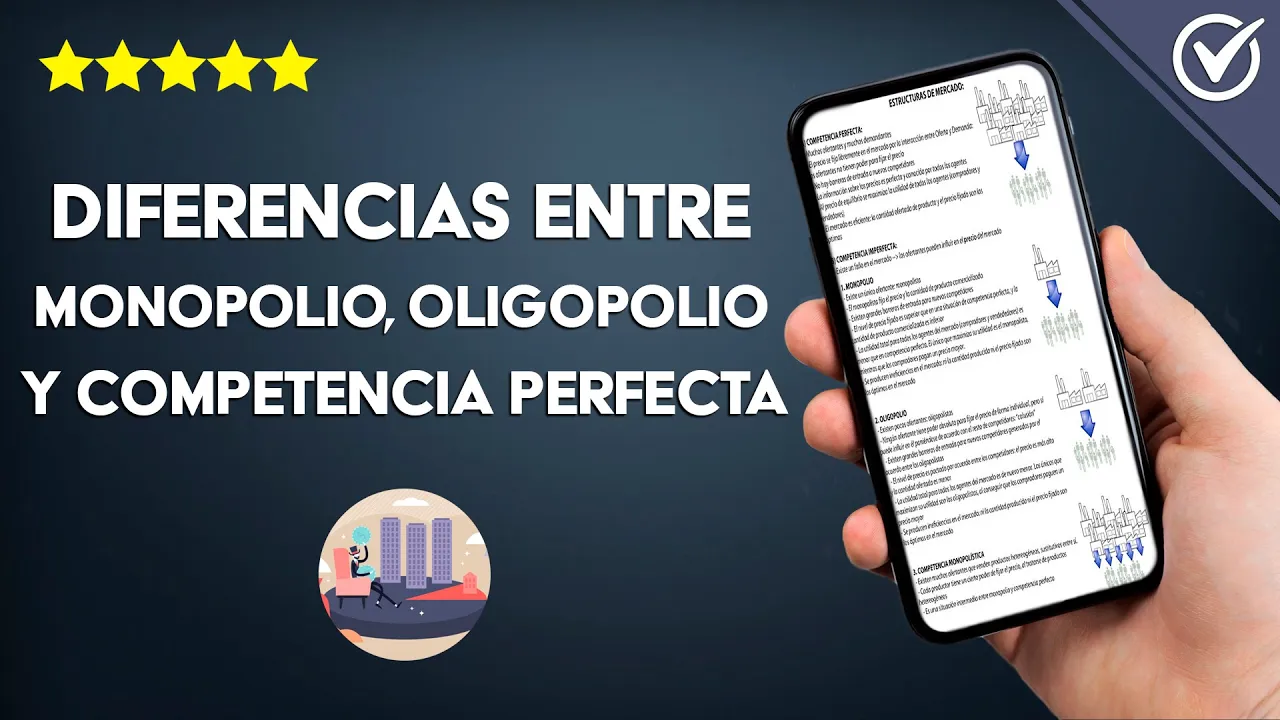
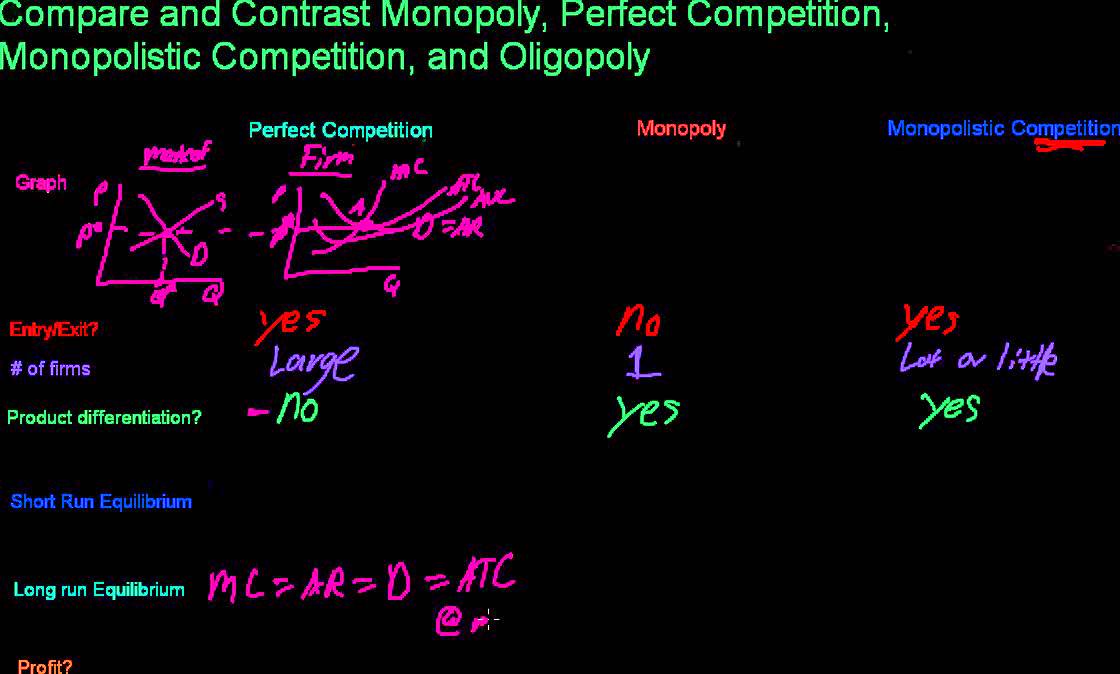
Added:Basic market structures, specifically the differences between monopoly, oligopoly, and perfect competition.
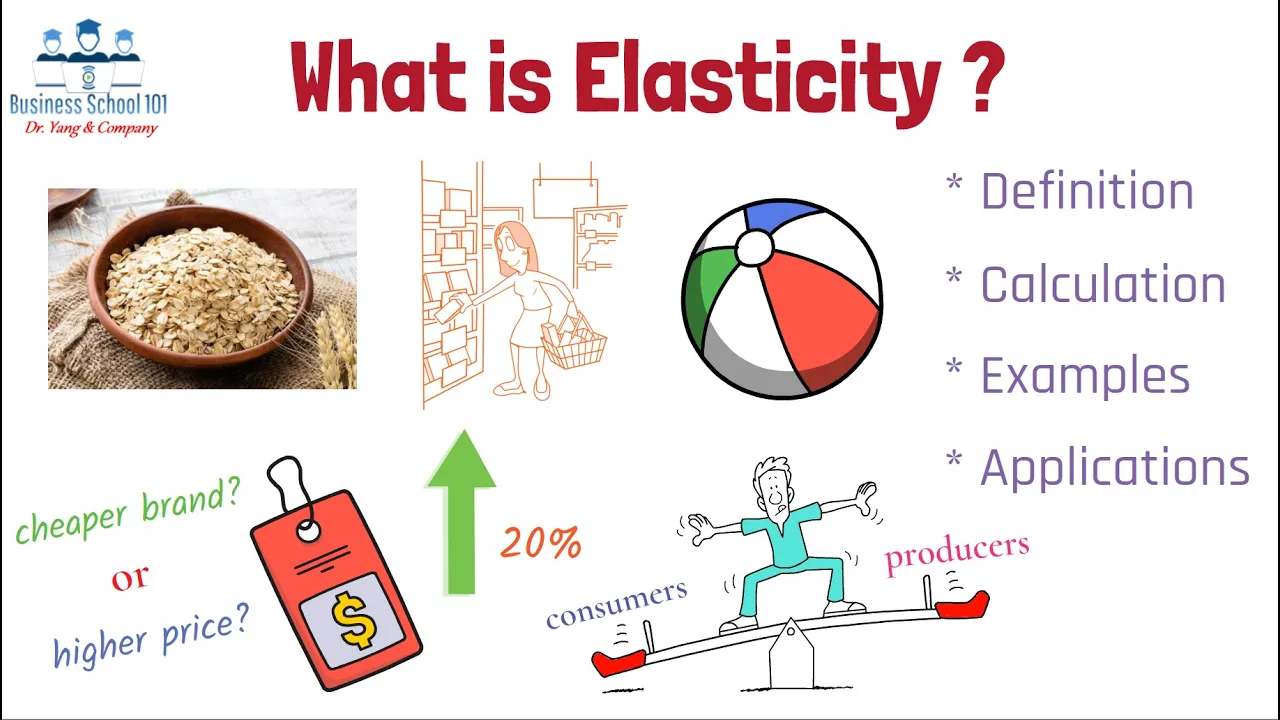
The concept of Price Elasticity of Demand and how consumer behavior responds to price changes.
Cross-Price Elasticity of Demand and the economic definition of substitute goods.
The foundational principles of antitrust law and why regulating market power is necessary for competitive markets.
The 'Cellophane Fallacy' and how pre-existing monopoly pricing can distort the results of a SSNIP test.
Critical Loss Analysis and how economists mathematically estimate the threshold of lost sales that makes a price increase unprofitable.
Applying market definition principles to real-world merger guidelines (such as the DOJ and FTC Horizontal Merger Guidelines).
Defining geographic markets using empirical transport costs, shipping patterns, and localized SSNIP analysis.
29.5K views434likes7:54Original Release: 2011-03-18
hi this is David Evans I'm the chairman of global economics group also known as Global econ I also hang out at the University of Chicago where I'm a lecturer uh and at the University College London where I'm a visiting Professor uh I also run something over there called The jevans Institute for competition law uh and economics um today as part of our lecture series what I want to do is to give you a introduction uh to the hypothetical Monopoly test also known as the um as the snip test that is the standard test that is now being used in merger and antitrust cases uh the defined markets it's being used by antitrust and competition authorities throughout the world uh and sometimes uh courts um it's not um um always the right thing to do and I'm going to mention some problems with it um later on but what I want to do now is I want to give you a quick introduction to it so in order to explain this I'm going to talk about a hypothetical merger between uh two men's belt manufacturers uh there's Bob's belts and there's John's belts and these two belt manufacturers would like to come together uh in a merger and the question for us is what's the relevant anti trust market for evaluating that merger well to answer that question I want to make a simplifying assumption uh I'm going to assume that we've all agreed that the market for men's belts is National so we don't have to deal with Geographic Market uh that that way I can just focus on what the relevant product Market is and that question then is what other belt manufacturers or um other manufacturers of things that hold up men's pants um should be included in the relevant market and by saying that we can't assume that the market is just men's belts for that matter it could include suspenders so how do we answer that question well the hypothetical Monopoly test says we start with the um the products that overlap between between the merging firms so that's Bob and John's men's belts uh and then to figure out what the relevant Market is we start by including some close substitutes and ask the question whether a hypothetical monopolist over all of those products could raise price by 5% or more so in this particular case we draw a market boundary around Bob's belts John's belt and a close substitute Steve's belts we asked the question is it possible for the monopolist over all three kinds of belts to raise prices by 5% or more for a year or more if the answer to that question is yes then we're done we've essentially defined the relevant Market because what we've learned is if the monopolist over these three kinds of belts can raise prices by 5% or more that must mean that consumers don't have the ability to turn to substitutes either other belt manufacturers outside of this grouping or um suspended manufacturers or velcro uh manufacturers so we've concluded then that that's this is the relevant Market or at least the relevant Market is no larger uh than this but let's suppose the answer to the question is no the hypothetical monopolist is not able to raise prices by 5% or more well that must be because consumers when the hypothetical monopolis raises prices um are able to turn to other manufacturers is uh to fulfill their needs of holding their pants up so um what we do now is we then bring a few more closeups stutes in so we can now think about including Tom's belts and Dave's belts and then asked the question whether this new Circle um defines the relevant antitrust market so the question again is could a hypothetical monopolist over Bob plus John plus Steve plus Dave plus Tom's belts raise prices by 5% or more again if the answer is um is yes they could raise price by 5% or more collectively then this is the relevant Market because obviously consumers don't have very good substitutes outside of the market if the answer is no we need to continue the process how far do we continue it we keep going until we have included enough products that a hypothetical monopolis over them is not able to raise price by 5% or more uh in theory at least um that could actually take us as I indicated a second ago uh to suspend a manufacturers or velcro manufacturers and and so forth not saying that that it will but at least possibly um that's a that's a possible result so that's the hypothetical Monopoly test um if you can if the hypothetical monopolis can raise price by 5% or more than you're done you've defined a relevant Market uh if not need to add more products um in now one thing thing you might wonder about is I've just talked about this in a very hypothetical fashion how do I actually do this in practice well that's going to be the subject of a um later lecture um and one of the main things that's used in these is something known as diversion ratios um and that's a statistic that you could often calculate from data that companies have themselves so often times the sales force is asked to keep track of who they're winning businesses from who they're losing businesses to and you can imagine that that data um is actually a very good proxy for figuring out which of these competitors is is the strongest um the other thing that's that's sometimes done is it's possible to go out and do a survey of consumers and ask them um in a structured way uh what kind of substitutes they're considering uh that was done actually by the of in the love films case which is very interesting and good decision to take a look at now um I started out by saying that the hypothetical Monopoly test is is known as the snip test that stands for small but significant non-transitory increase in price that's a mouthful so what people ordinarily refer to this as is the snip test in practice um the small piece of this small but significant piece of this is often taken to be five% um and the non-transitory is often taken to be about one one year uh sometimes a higher threshold is use uh the of for example uses 10% justice department tends to use somewhere in the neighborhood of 5 to 10% um depending upon the case now um the snip test like anything else economists do is it magic it's based on assumptions and you always need to be concerned about whether uh it's giving you the the right answer one of the problems with the snip test uh is that it's very very focused on price and of course the business of business really extends beh Beyond um just setting prices uh one of the consequences of that along with a number of other things is the snip test sometimes leads to markets that just seem intuitively to be way too um way too narrow so that's one of the issues one needs to be concerned about there are lots of other issues in how you actually implement this uh in practice uh what I've given you today is basic snip 101 uh in a future lecture we're going to be talking about this in in more advance way there's going to be graduate snip 2. 2.0 uh coming um coming in the future and I would encourage all of you to listen to that so thank you very much for listening to this short lecture on the snip test and um hope to talk to you all soon
Up Next
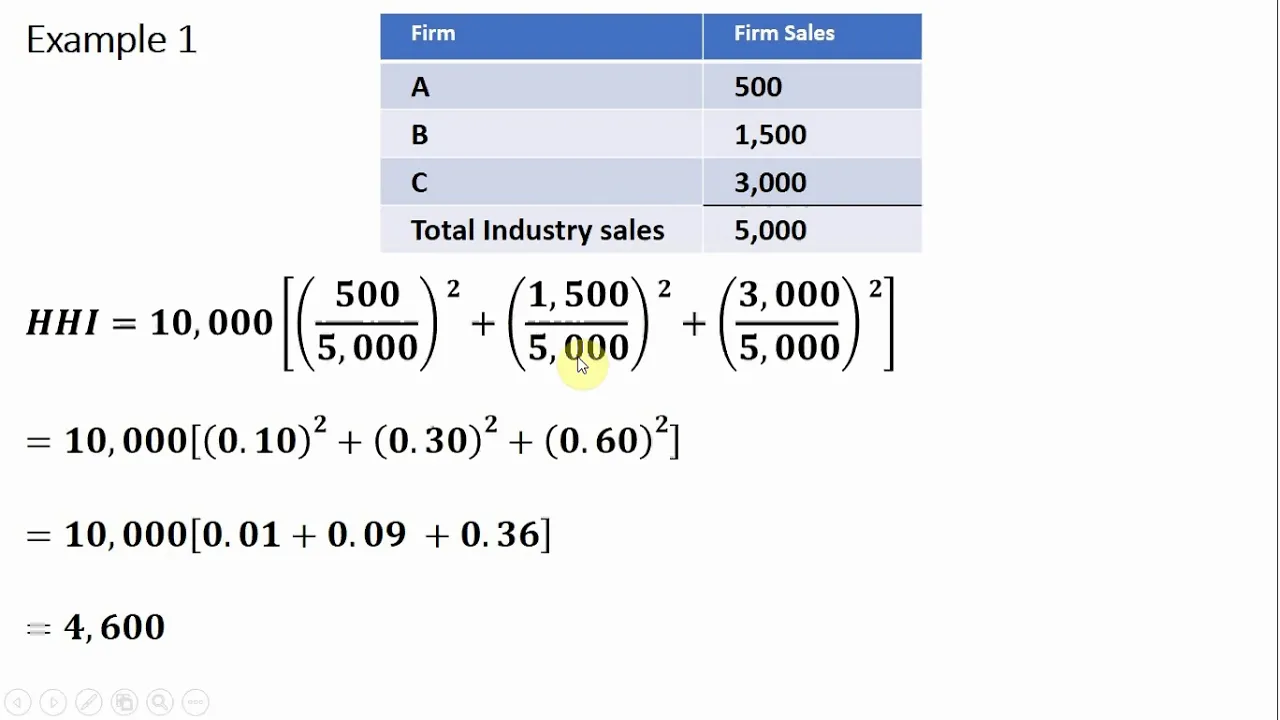
4:18
How to Calculate the Herfindahl-Hirschman Index (HHI)
@EconomicsinManyLessons
79.5K views•2018-07-23

67:20
Globalisation and the 21st Century Enlightenment | Joseph Stiglitz
@EdinburghUniversity
44.8K views•2009-02-10
10:33
Behavioral Economics Explained: Rationality, Nudges, and Risk
@crashcourse
1.1M views•2016-03-12

113:18
The Age of Easy Money: Fed & Inflation | Full Documentary
@frontline
21.2M views•2023-03-15
Related Study Plans & Knowledge Roadmaps
Structured learning paths in Economics
economics
Intellectual Property: Innovation vs Monopoly
01Foundations of Market Power: Monopolies & Deadweight Loss
02The Economic Trade-Off of Intellectual Property
03Patents: R&D Incentives vs. Market Monopolization
+ 3 more learning modules
12h6 modules
Explore Roadmap
economics
Sovereign Debt: Defaults, IMF & Restructuring
01Introduction to Sovereign Debt & Government Bonds
02Debt Sustainability & Credit Ratings
03Anatomy and History of Debt Crises
+ 2 more learning modules
12h5 modules
Explore Roadmap
economics
Market Design: Matching Theory & Gale-Shapley
01Introduction to Market Design and Price-Free Markets
02Two-Sided Matching & The Gale-Shapley Algorithm
03School Choice Systems and Mechanism Design
+ 2 more learning modules
10h5 modules
Explore Roadmap
economics
Impossible Trinity: Forex, Capital & Policy
01Introduction to Monetary Policy and Central Banking
02Exchange Rates and International Capital Flows
03The Mundell-Fleming Model
+ 2 more learning modules
8h5 modules
Explore Roadmap