

![GUÍA UNAM - HISTORIA DE MÉXICO [TEMA 1. LA NUEVA ESPAÑA (SIGLOS XVI A XIX)]](https://i.ytimg.com/vi_webp/5m9X-wwWb0c/maxresdefault.webp)
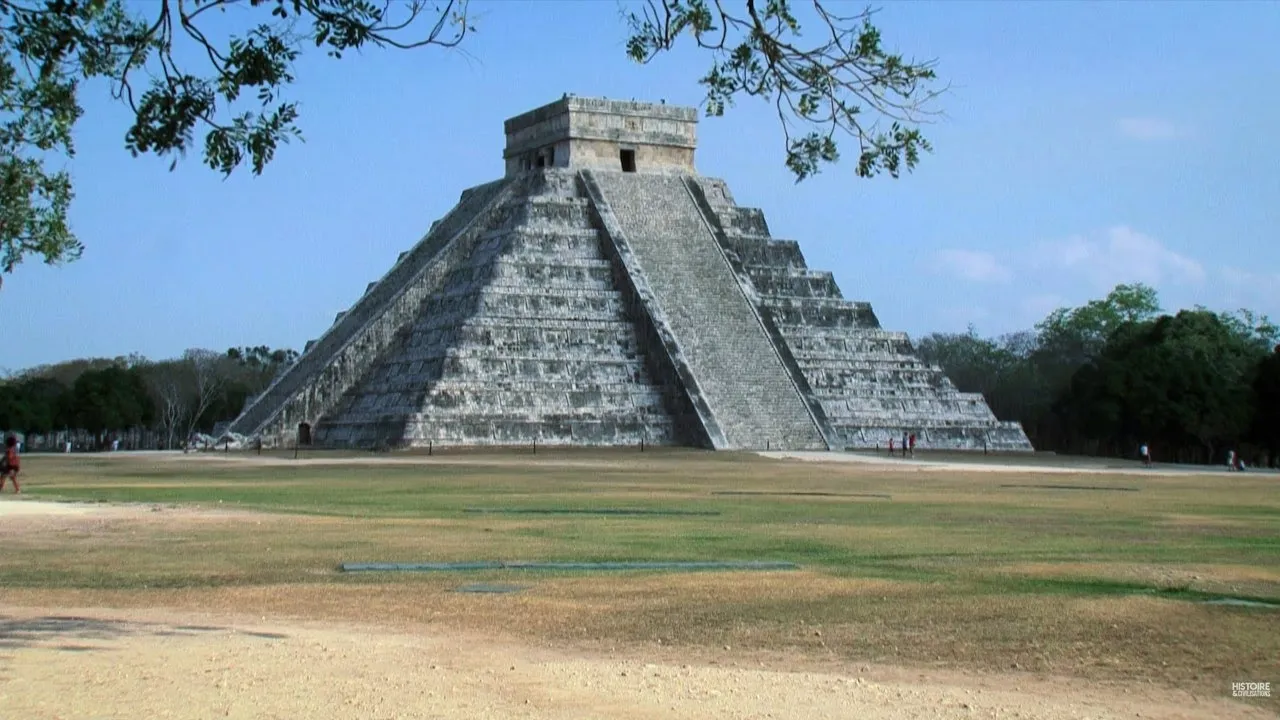
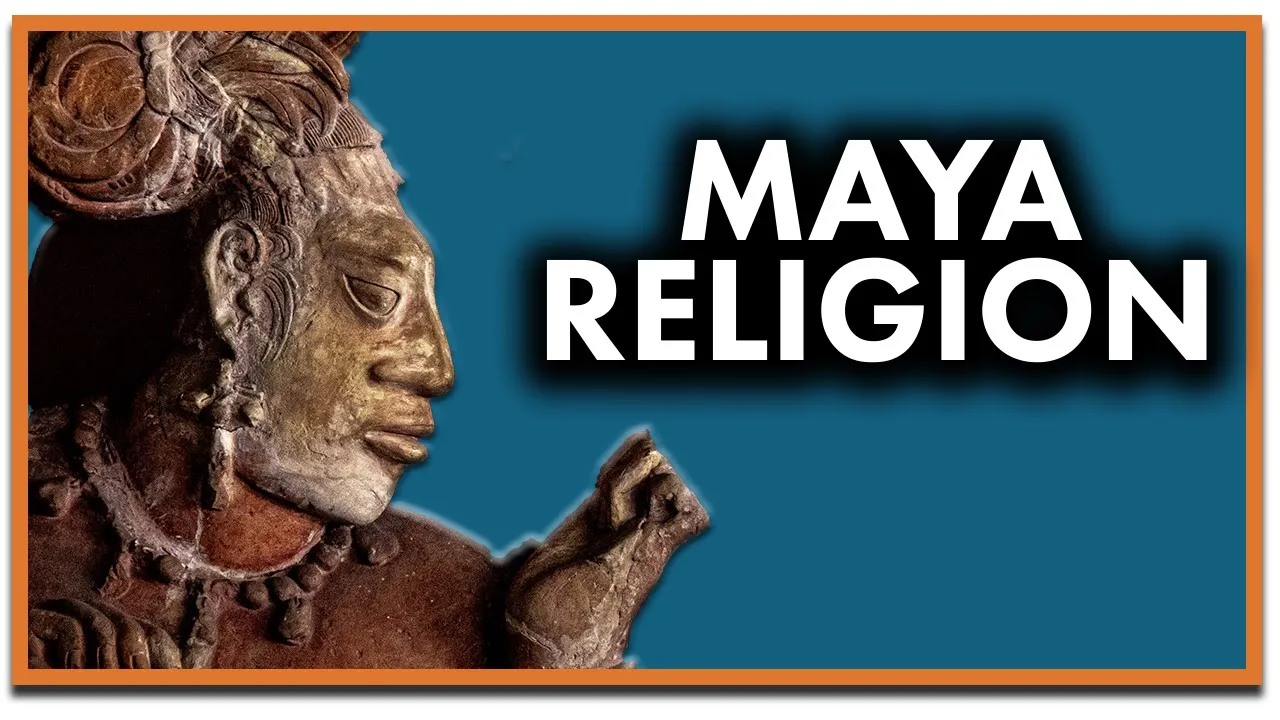









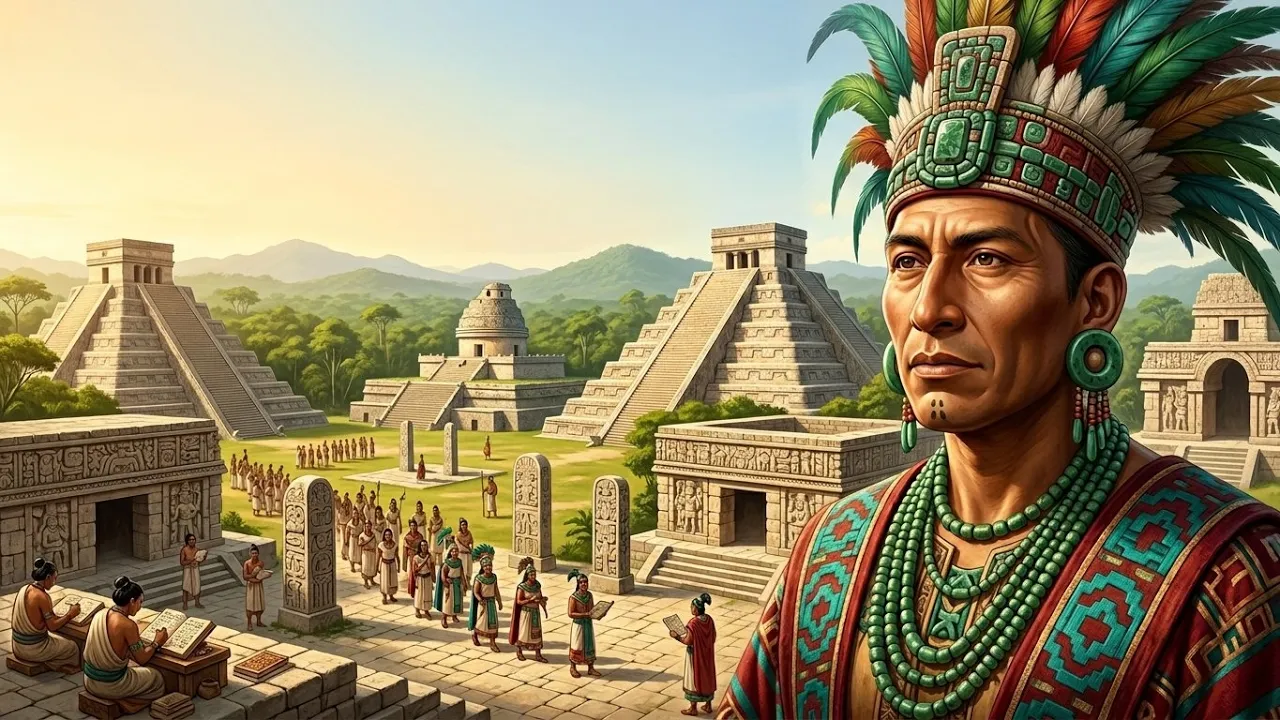




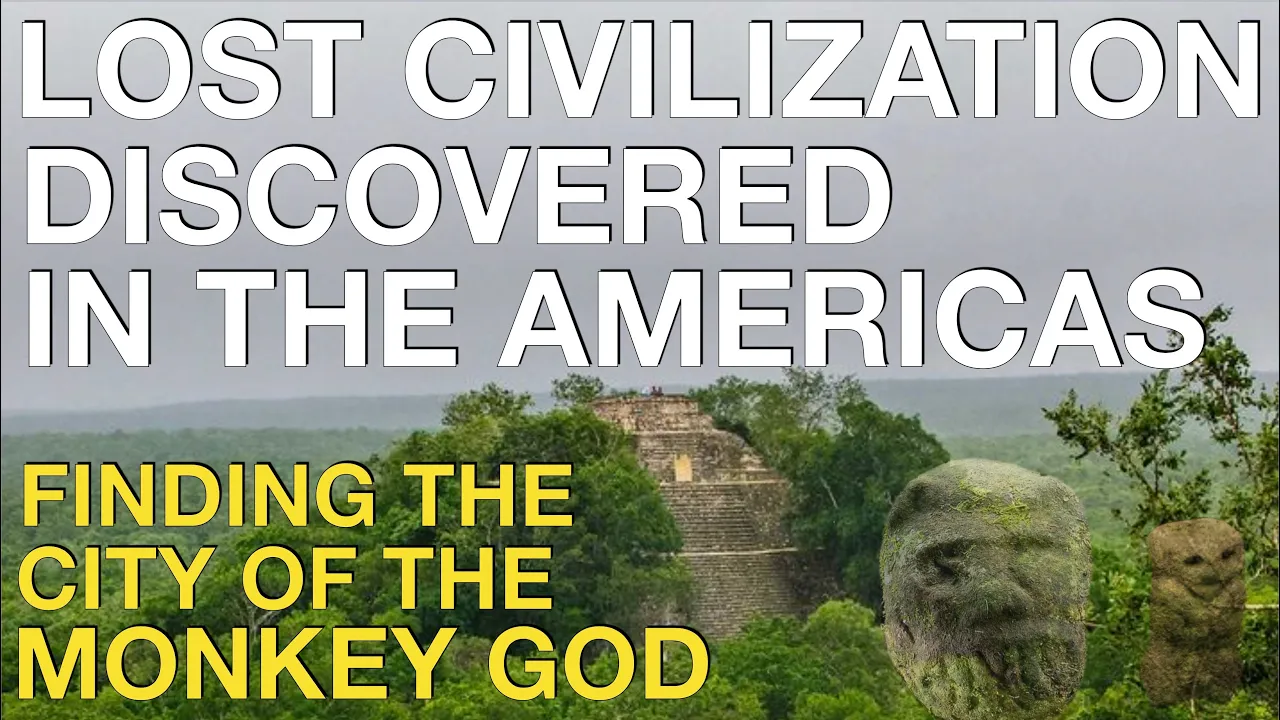




The Maya civilization did not disappear but rather experienced a collapse of its classical period (800-900 AD), transitioning to a post-classic period where Maya people migrated north and established a new civilization; this collapse was likely caused by a combination of factors including severe drought, deforestation creating climate crises, water contamination from temple paint, prolonged warfare with Teotihuacan, and the eruption of El Chichón volcano, all coinciding with the Maya sacred 10th B'alam cycle which prompted a unified response across Maya city-states to abandon their cities and begin anew.
Why Did the Maya Civilization Collapse? | History Documentary
Added:Geography and Timeline of Mesoamerica: Understanding where the Maya civilization was located (modern-day southern Mexico, Guatemala, Belize, and Honduras) and the distinction between the Preclassic, Classic, and Postclassic periods.
Political Structure of Maya City-States: Familiarity with the decentralized nature of Maya politics, which consisted of independent, warring city-states ruled by divine kings (K'uhul Ajaw) rather than a single unified empire.
Agricultural Practices and Water Management: Knowledge of Maya farming techniques, such as slash-and-burn agriculture, terracing, and their reliance on seasonal rainfall and reservoirs (aguadas) to support high population densities.
Basic Concepts of Societal Collapse: An introductory understanding of how complex societies can decline due to a combination of internal systemic vulnerabilities and external pressures.
The Postclassic Maya and Spanish Conquest: Investigating how northern Maya cities like Chichén Itzá and Mayapán thrived after the Classic collapse, and studying the eventual Spanish conquest of the region.
Comparative Civilizational Collapse: Applying historical frameworks (such as Jared Diamond's 'Collapse' or Joseph Tainter's 'The Collapse of Complex Societies') to compare the Maya with other historical societies like the Western Roman Empire or the Ancestral Puebloans.
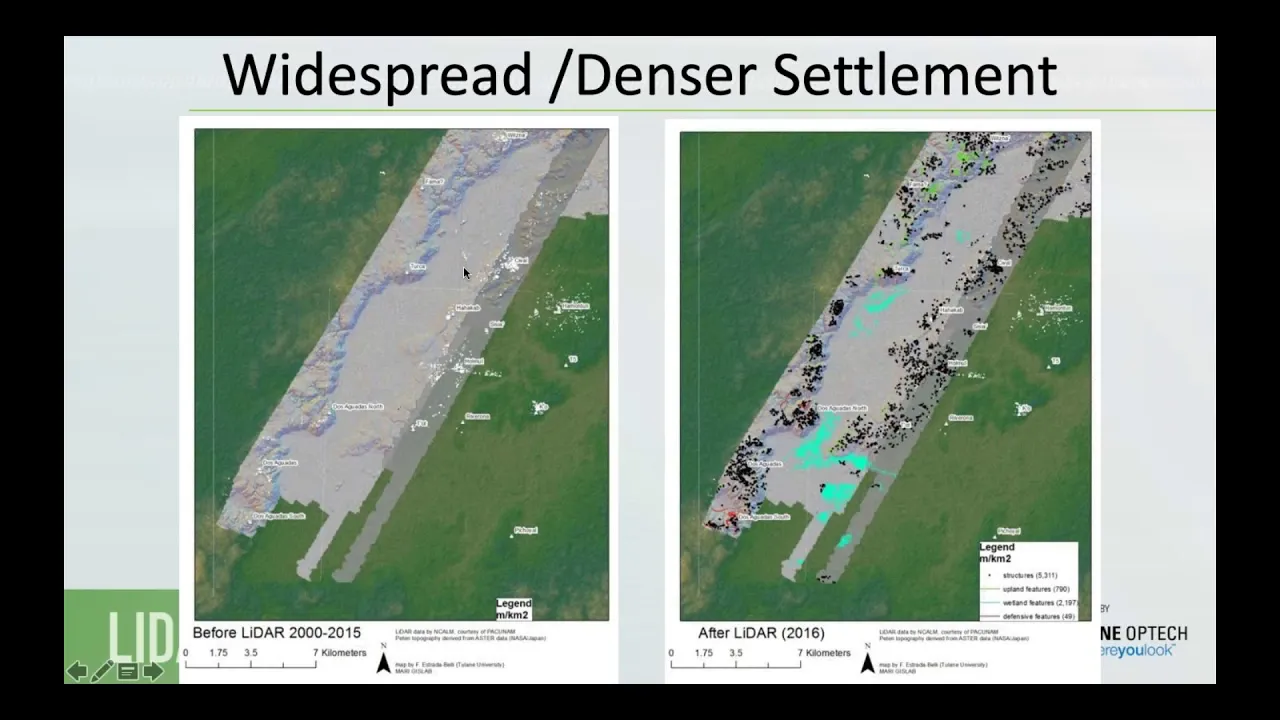
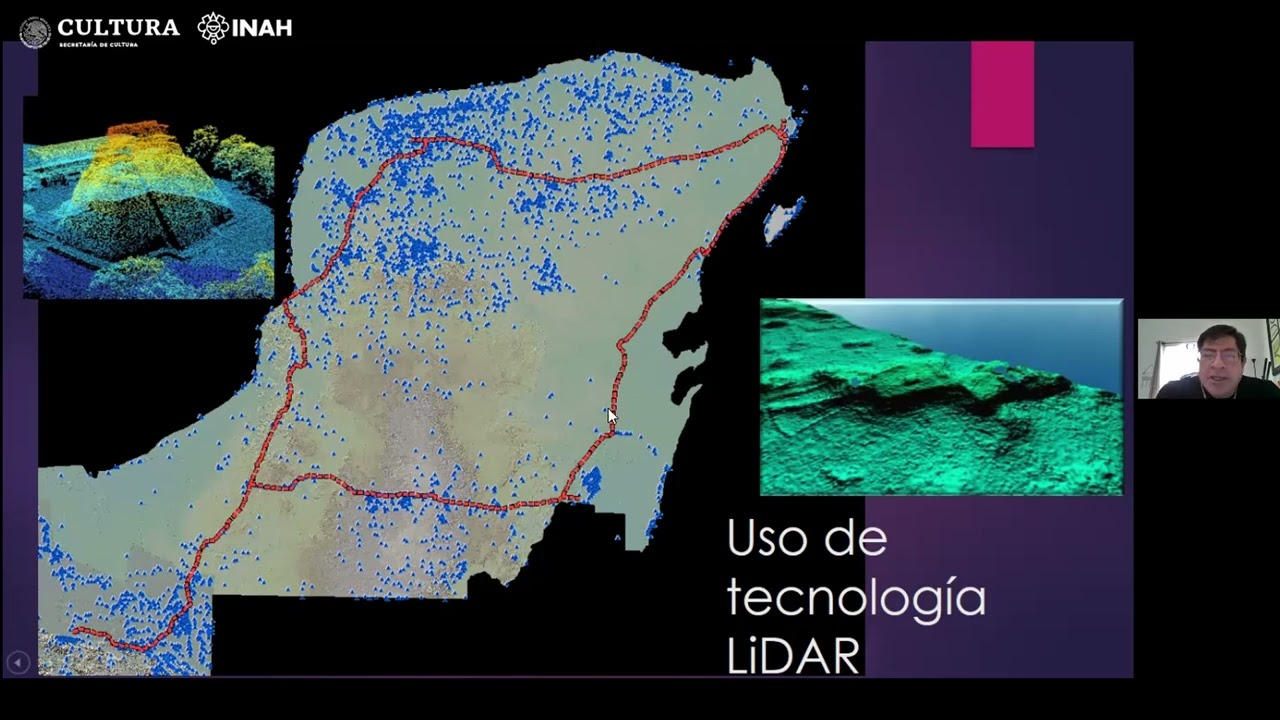
LiDAR Technology and Modern Mesoamerican Archaeology: Exploring how modern airborne laser scanning (LiDAR) is currently revolutionizing Mayanist archaeology by revealing thousands of previously hidden structures and agricultural systems.
Anthropological Lessons for Modern Climate Change: Analyzing the Classic Maya collapse as a case study for how modern societies might adapt to or suffer from rapid climate shifts, environmental degradation, and resource depletion.
36.4K views1.4Klikes20:12Original Release: 2025-11-14
So, I'm willing to bet that you've probably heard of the Maya Empire and that the Maya people disappeared sometime in the ancient past. But in reality, this is probably one of the most misunderstood and least well understood concepts in all of the ancient world. So, first off, the Maya Empire never actually existed. The Maya people were a lot like the ancient Greeks where the Greeks were very philosophical and scientifically oriented and also very warlike. their cities could never actually come together in a unified and strategic alliance. They always wared against each other. And this created a world or a realm of citystates where each individual city was like its own pocket of civilizations that had their own dynasty and their own lineages of kings.
Whereas studying something like ancient Egypt is kind of similar to the Nile.
It's like straight up and down. You go from the first pharaoh to the last pharaoh. It's just one continuous story from beginning to the end. But the Maya world, a lot like the Greek world where you have Athens here, you have Corinth here, you have Sparta here, and they're constantly interacting with each other and rising and falling, and everything is constantly in a state of lu. The Maya world is exactly exactly the same as the Greek world in that regard. So there was never actually a Maya Empire. But did the Maya people actually disappear?
Well, if you go to the Maya world today, you will meet thousands of Maya people.
So, they're still here. They still keep up their traditions.
I've even performed ceremonies with the Maya people where they worship the wind god and the sun god and the water god.
But there is some truth to the idea that the Maya disappeared. So, what is it?
How and why did Maya civilization disappear?
Okay. Okay. I know that you guys have been waiting on the mustache to make an appearance. But I just want you to know the only reason that my mustache or my facial hair in general even exists [music] is because I used to hate close shaving. The burning, the redness, irritation, the cuts I had always thought was just a normal part of shaving on a daily basis. I just bought whatever razor my dad was using when I was growing up. And after the last 10 years of dealing with it, I'm just completely over it. That was until Henson Shaving reached out to me with the perfect solution. Their razors are precisely cut out of solid aluminum and they stick out within only a microscopic fraction of an inch. I don't feel tugging, pulling, redness, or irritation during or after my shave. Honestly, using this razor feels like I'm taking a step back in time when things were just [music] simpler and built to last. And it's actually such a good [music] product that I now find myself despising those old plastic disposable just trash brands that I used to buy. And [music] I honestly can't even believe I ever bought them. Henson Shaving keeps it simple and classic. Really, just the way things should be. It's easy to use. It's an incomparably better product than any of those other brands. And this thing will probably last so long [music] that I could give it to my grandson. This right here is the Henson AL13 in copper color. [music] Just classic. They also sent me a bunch of their razors and some shave cream. So now I won't shave if it's not Henson. [music] So if you're ready to find a permanent solution to an everyday problem, then check out Henson Shaving and you'll be asking yourself why you haven't done it sooner. Thank you to Henson for sponsoring this video.
[music] Now back to the show. So in reality, what's actually being referred to here is the collapse of the Maya classical period. Now you have three different periods. You have the pre-classic, which is this primordial mysterious like not very well understood beginning of the Maya world that we kind of put this rough beginning on. Let's call it 2200 BC. And it continues until somewhere around 200 BC to 200 AD where the where the pre-classic Maya world ends. And what defined the pre-classic Maya world was that there was no kings.
There were not even individual people that were acknowledged or venerated on a higher level. And then somewhere around 200 BC to 200 AD, there begin to become divine kings and dynastic families that emerge out of this priesthood shamanistic society. And then from about 100 AD until about 800 to 900 AD, we have this period known as the classical period. This is where all of the definitive dynasties, the great families, the great kings of the Maya world can be found. You will never ever hear about individual Maya people such as great kings or warriors or queens or princes or princes or princesses at any point during the Maya world except during this classical period. This classical period is very similar to ancient Egypt in that regard where you have these semi- mythical larger than-l life humans that walk around as semi- divine god kings and they really are exalted in that way and their propaganda was so effective that they actually still seem this way to us today. We look at the classic period Maya rulers in the same way that we look at the Egyptian rulers. They are just something larger than life, something separate from us, something eternal that seems to last forever. It's really a mystical time period. And when this period collapsed and then moved into the post-classic period sometime between 800 AD and 900 AD, that is what we call the collapse of the Maya world, which a lot of times kind of gets mixed into this idea that the Maya disappeared. But the definitive Maya civilization did disappear. So what caused it? Well, fortunately for those of you who love a good ancient mystery, it's actually still a mystery. And there are a large handful of ideas behind what caused the collapse and the disappearance of the Maya world that are constantly still being thrown out there.
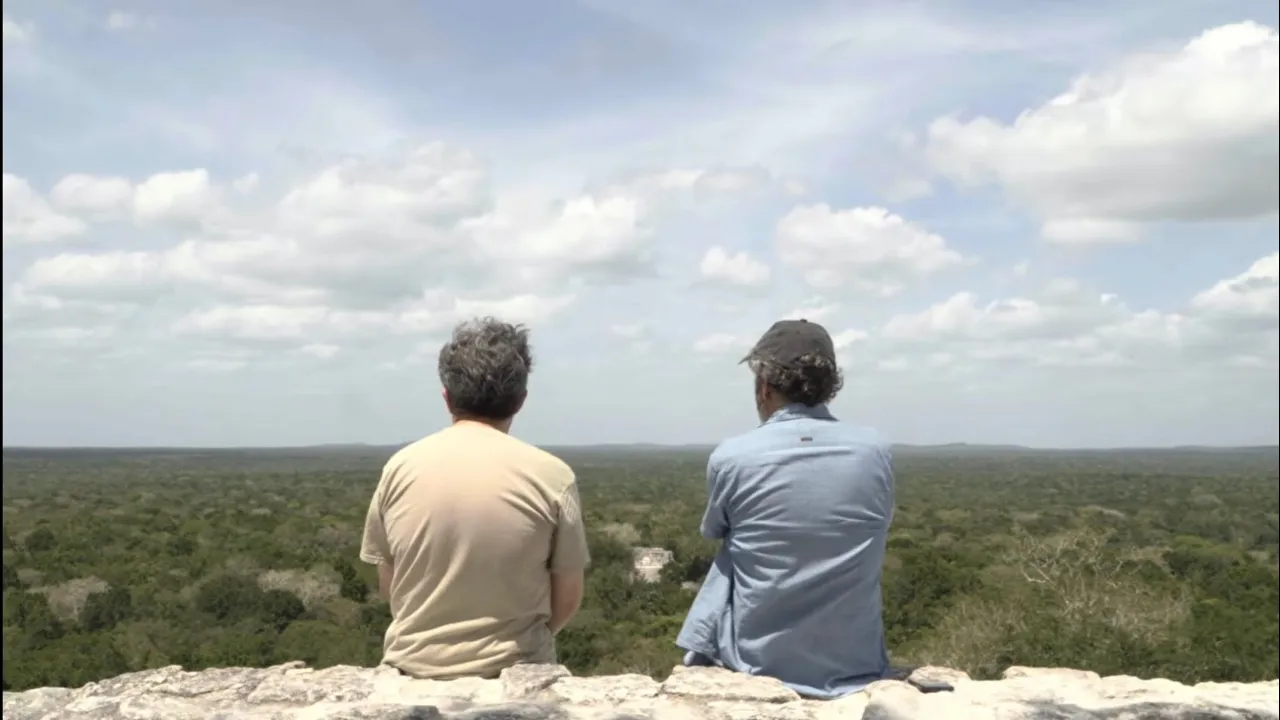
One of the biggest ones is this idea of drought, climate crisis, or the Maya destroying their own climates. Now, there was a handful of different things happening around a handful of different cities, but the two main ones are what I'm going to highlight today. the Maya city of Copan in Honduras. Large Maya city, probably housing thousands of people, who knows, hundreds of thousands of people along the periphery of the ancient city. Now, archaeologists who have studied Copan have realized that to create their buildings, they obviously needed wood for the construction and they needed wood for the stucco. Now, when you look at photos of Maya ruins today, you will see kind of toppled boulders and rocks and bricks that they'd stacked together. But actual Maya temples during their day, you would not have been able to see those. They were covered up with a smooth plaster called stucco. Now, they used wood to make this stucco, and they needed a lot of it. And they also had wooden logs inside of the architecture as well. So, they needed a lot of wood. And what the archaeologists who have studied Copan have determined is that during the height of Copan, I want you to imagine this. If you're the king standing at the top of the pyramid, the city and the surrounding civilized area was so large, so populated, and so sprawling that from the center of the city at its highest point in a full 360 degree radius looking around you, you would not have seen a tree on any of the horizons. There were no trees. They cut down all of them. It was all sprawling civilization full of temples and pyramid complexes and pyramidal platforms.
That's something I actually can't even imagine. That's like standing in the middle of of New York City or some large city today. And so what archaeologists think is that at Copan in particular when Copan fell at around the time of 800 to 900 AD, what they think is that they created their own miniature climate crisis where it just stopped raining on the farmland around Copan and there was no more harvest anymore. There were no more crops. There was no more maze.
There was no more farming at all. And when that's gone, you have nothing. So the entire city all packs up and deserts all at the same time. And we don't actually really know where they went.
This is one of the things that plays into the idea of the Maya disappearance.
And I have to admit that's true. They disappeared from their iconic core civilization of the classic period.
Another piece of evidence is that the site of Tikall and and actually at the site of Kalak Mule, there is evidence that the paint that they were using to paint all of their temples was actually seeping into their water supply and poisoning the water supply and probably killing hundreds or thousands of people.
And then the water was not potable anymore. It couldn't be drank. It was getting everybody sick. So, they all had to pick up and abandon the city. Another one of the ideas that's tossed around is the idea of just ongoing warfare, crippling the Maya economy, destroying the Maya world, destroying people's lives, and ultimately leading to the disappearance or the collapse of the classical period. Essentially, what was happening was you had this great empire in the Mexican valley or north of Mexico City called Teayotwakan. Teayotiwakan was spreading all across Meso America.
They had even installed a ruler all the way down in the city of Copan. So that's across the Maya world onto the opposite farthest southeastern point of the Maya world. They had installed their own noble ruler there. Now Teayotivakan was taking over and colonizing many parts of the Maya world such as the cities of Palenke and Copan and Tonina and Bonampak and even at Tikall. You go to these sites today and you can see the definitive paten or various other Maya styles, but you will also see certain buildings that must have been administrative buildings on the half of Teotiwakan because they have that definitive Teayoti Wakano Tude Tero architectural style. So you had these vassal Maya states that were working on behalf of Teayotiwakan and probably paying like a pretty good percentage of tax back to the empire of Teotivwakan.
This essentially caused a chasm in the Maya world. Half of the Maya world, the Khan dynasty in particular that was led by the great city of Kalakm, which is in modern day Campe, Mexico, they were not about this. They drew a hard line. They said, "Absolutely not. The Maya people are Maya. We're not Maya Teayot Wakan.
We're not going to pay percentage of tax back to Teayot Wakan. We're not going to be lorded over and ruled over by Teayoti Wakan. and we will code to war against the Maya cities who allow this to happen. And ultimately, this causes the Star Wars. And for anybody who's not aware, uh George Lucas Star Wars is largely inspired by parts of the Maya world. And in fact, the rebel base on Yavan 4 just takes place at Tall and Tall being the central city that was the main crux of the issue around the Maya Star Wars. Ultimately though, Kalak Mule and the Maya purist won this Maya civil war after like two centuries of waring against each other. And for some reason, unbeknownst to us, we don't actually think it was an attack from the Maya people, Teayotakan just burns to the ground. But yet after this period around the year 800 AD to 900 AD, both the winners and the losers of this war seemed to pack everything up and desert their cities. So is it just that the war and the devastation of this war and the way it destroyed the economy and all the trade routes, it just completely collapsed the Maya world and it was completely unreoverable. And and around 800 AD, everybody just packs up everything and they all disappear from their cities just literally literally overnight or within one century leaving their cities sitting in the middle of the jungle to be swallowed and reclaimed by the jungle to not be rediscovered again for the next thousand years or more. It was also around this same time, let's call it 750 to 800 AD, we also see public monuments depicting rulers and the noble class sitting in the marketplace conversing with normal people. This was not something that you saw at any other point during the dynastic period. At the beginning of the dynastic period, you saw the kings up on their steel. You saw the gods actually minimize behind the kings in support or empowering the king. And then maybe maybe you saw some of the lesser nobility, but you never ever ever saw a normal person until right at the very end of the Maya classic period. Now, why is this? Well, I wonder if it's not certain kings and rulers wanting to show a sense of respect for the normal people or trying to win back over the favor of the common people who are now probably looking at these kings with a weary eye.
These kings have taken over what used to be the definitive Maya religion of worshiping the god in a priestly and shamanic government that wasn't lorded over by a king. But now this individual person and his family have completely assumed the power of the gods themselves and had brought the Maya world to the point that they were in now with endless amounts of wars, continuous wars that go on for centuries, destroyed trade routes, and complete climate crisis. So, I wonder if these public monuments depicting the nobility and the kings and the rulers interacting with normal people and the markets isn't some kind of way of the nobility trying to win back over the favor of the common folk.
But even so, at these cities as well, they are all packed up and completely abandoned by at least 900 AD. Something else that happens around 850 AD is the eruption of the volcano west of Palenke called Elchon. The eruption was so great that it covered Palenke in a small layer of ash, nothing that was completely unreoverable from. It didn't completely destroy the city, but there is evidence of ash at the archaeological site. And then there's also evidence that it cast a dark plume of smoke, a shadow over the entire Maya world and maybe even have caused or at the very least contributed to the climate crisis that so many of the other Maya cities were experiencing.
And the smoke was able to be seen from the opposite side of the Maya world. So now let's think about this from the Maya psyche. You have drought. You have overpopulation. It's completely stopped raining. None of the crops are growing.
War has been continuous for the last 200 years with these semi- divine god kings lording over you. And all of the trade routes are falling apart. Everyone is so so poor. And then one day you look in the sky and the sun has been blacked out by black volcanic smoke that's completely clouding the sky. It's probably an omen that civilization as they knew it was coming to an end. And so at this point between 800 AD and 900 AD, every single Maya city that had existed and had previously existed, whether they had won or whether they had lost the great Maya wars that were raging for the last 200 years, every single person packed up everything they own and disappeared. They were completely gone. Well, where did they go? Well, studying the Maya world, everybody actually moved north and they started a completely new civilization that we still call the Maya world, but it's classified as the postclass. But it should be said this is a completely new civilization, but it was actually a resurgence of the pre-classic. They went back to only venerating the gods. There were no more kings. They had these divine councils of priests that would get together from city to city and they would discuss things. It was still a citystate kind of operation, but they were not uplifting any individual kings or dynastic royal families anymore. It was a renaissance, a resurgence back to the way of the old days, the great golden lost primordial age of the Maya world that people probably still remembered in either a written form or some kind of oral legend that had been passed down to them for the last thousand [music] years. And so at this point during the rise of the new Maya world around a th000 AD all of the great ancient cities of the Maya world, Palenke, Tikall, Copan, Kacol, it goes on and on. They were sitting in the jungle among the birds and snakes for roughly the next thousand years until Europeans would come through in the 1800s and 1900s and rediscover these cities again and be able to piece back together the story of the Maya world. So that's the disappearance of the Maya world and the several different theories and reasons that have been tossed around as to why the Maya world disappeared.
What I think it probably is is a mixture of all of these things working together.
But more so than all of these things together, around the year 800 AD was a time known as the 10th Btune. These are 394 year sacred cycles within the Maya world that signify a time of great change. So this boon fell right at the precipice, the worst part of all of these Maya conflicts and climate crisis.
And at the exact same time about was when the Elchon eruption came. All of these things culminated and fell right into the same time period and the entire Maya world looked upon itself and looked inward as the arrival of the 10th Btune came and all of them unanimously somehow this has probably never ever been done in human civilization ever and probably never will happen again. Whether they agreed or disagreed with each other, whether they won the Maya wars or lost the Maya wars, all of them agreed that at the arrival of the 10th Btum was a time of great change, they picked up their cities, moved north, and started an entirely new civilization. And so that is how the Maya disappeared. I'm Luke Caverns. If you'd like more videos on the history and mysteries of places all around the world, well, please like and subscribe for more.
Up Next
22:35
Ancient History Myths Debunked in 2025 | 10 Findings
@WorldofAntiquity
702.7K views•2025-11-27

33:02
The Great Schism of 1054: Causes and Consequences
@SacredCathedrals
113.5K views•2026-02-19
91:57
The Geopolitics of the Ukraine War and the Rise of Global Autocracy
@JordanHarbingerShow
468K views•2025-04-19
17:05
Understanding the Cold War: Superpower Conflicts and the Road to Détente
@OverSimplified
46.1M views•2019-01-24
Related Study Plans & Knowledge Roadmaps
Structured learning paths in History
history
Byzantine Iconoclasm: Theology, Art & Politics
01Foundations of Byzantium and Early Christian Images
02The First Iconoclasm: Leo III and the Crisis of Images
03Empress Irene, Nicaea II, and the Second Iconoclasm
+ 2 more learning modules
9h5 modules
Explore Roadmap
history
Iranian Revolution (Causes, Events & Legacy)
01The Pahlavi Dynasty and the Roots of Discontent
02The Spark of Rebellion and the Rise of Khomeini
031979: The Fall of the Shah and the Climax of the Revolution
+ 2 more learning modules
8h5 modules
Explore Roadmap
history
Mali Empire: Mansa Musa, Trade & Timbuktu
01Foundations of the Mali Empire
02The Trans-Saharan Gold and Salt Trade
03The Reign and Pilgrimage of Mansa Musa
+ 1 more learning modules
6h4 modules
Explore Roadmap
history
1947 Partition: Politics, Borders & Legacies
01Foundations of British India and the Divide
02The Political Negotiations and the Mountbatten Plan
03Drawing the Boundary: The Radcliffe Line
+ 2 more learning modules
8h5 modules
Explore Roadmap