









![6 Ways to Edit Any Scene — Essential Film & Video Editing Techniques Explained [Shot List Ep. 10]](https://i.ytimg.com/vi_webp/FVR8zz8ci2k/maxresdefault.webp)



Filmmakers can communicate power dynamics in interrogation scenes through strategic use of camera techniques: Quentin Tarantino transfers power by shifting from low-angle shots of the interrogator to extreme close-ups of the interrogated when power shifts; David Fincher balances power by using neutral eye-level shots and over-the-shoulder framing until key moments break the pattern to generate suspicion; Christopher Nolan subverts power by using traditional interrogation camera angles (low angles, blocking) to make Batman appear dominant while the Joker's dialogue reveals complete control, demonstrating that visual language can either reinforce, balance, or subvert the actual power dynamics between characters.
How Directors Build Power Dynamics in Interrogation Scenes
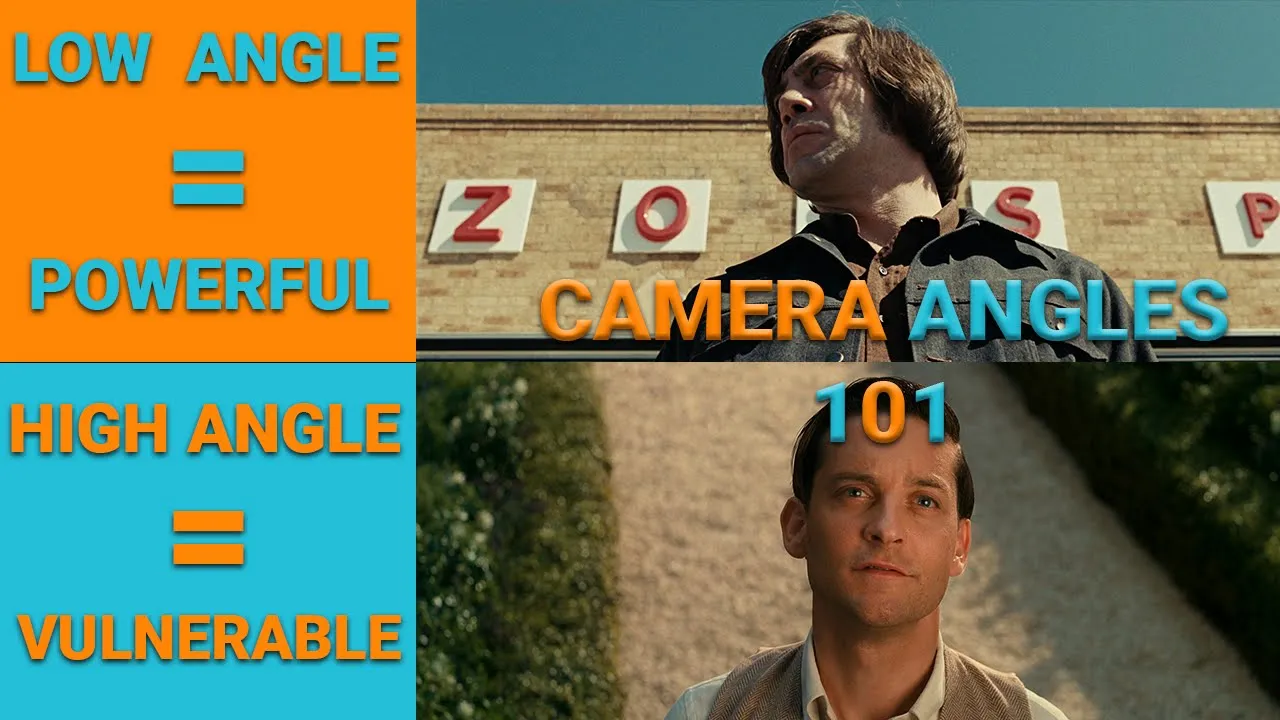
Added:Fundamental cinematic vocabulary, specifically camera angles (low-angle, high-angle, eye-level) and shot sizes (close-up, medium, wide shot) and their basic psychological implications.
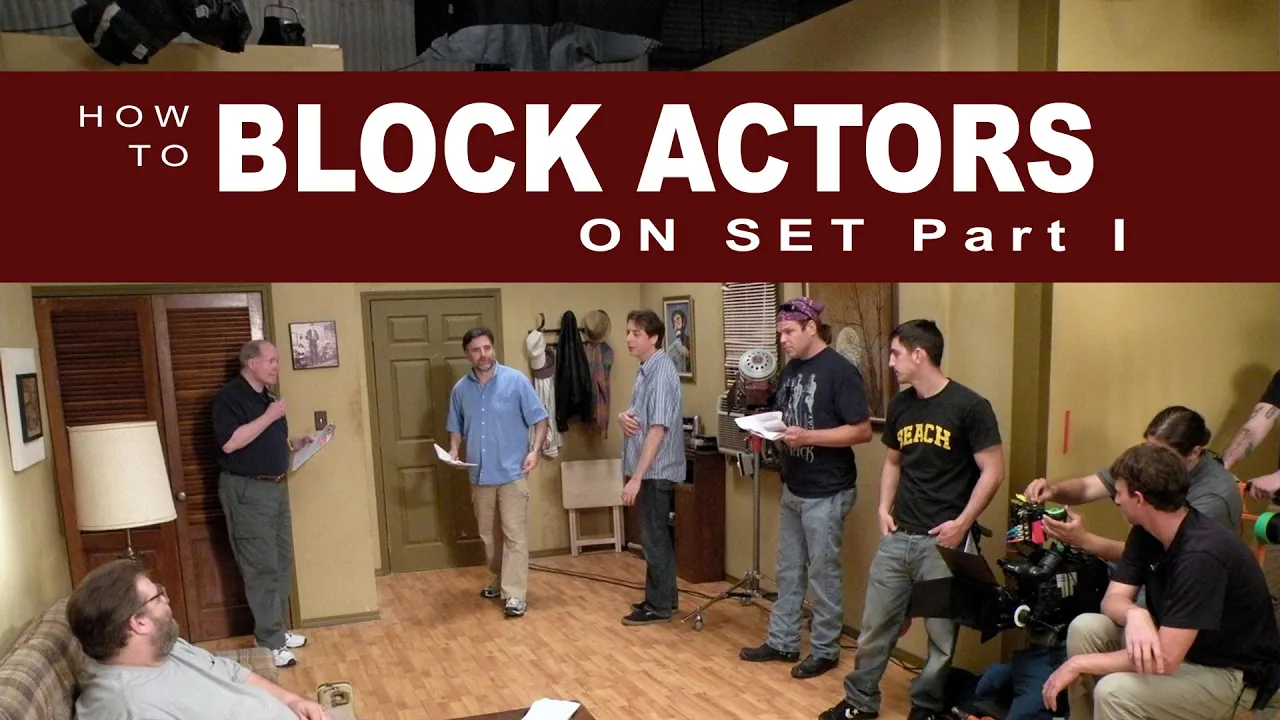
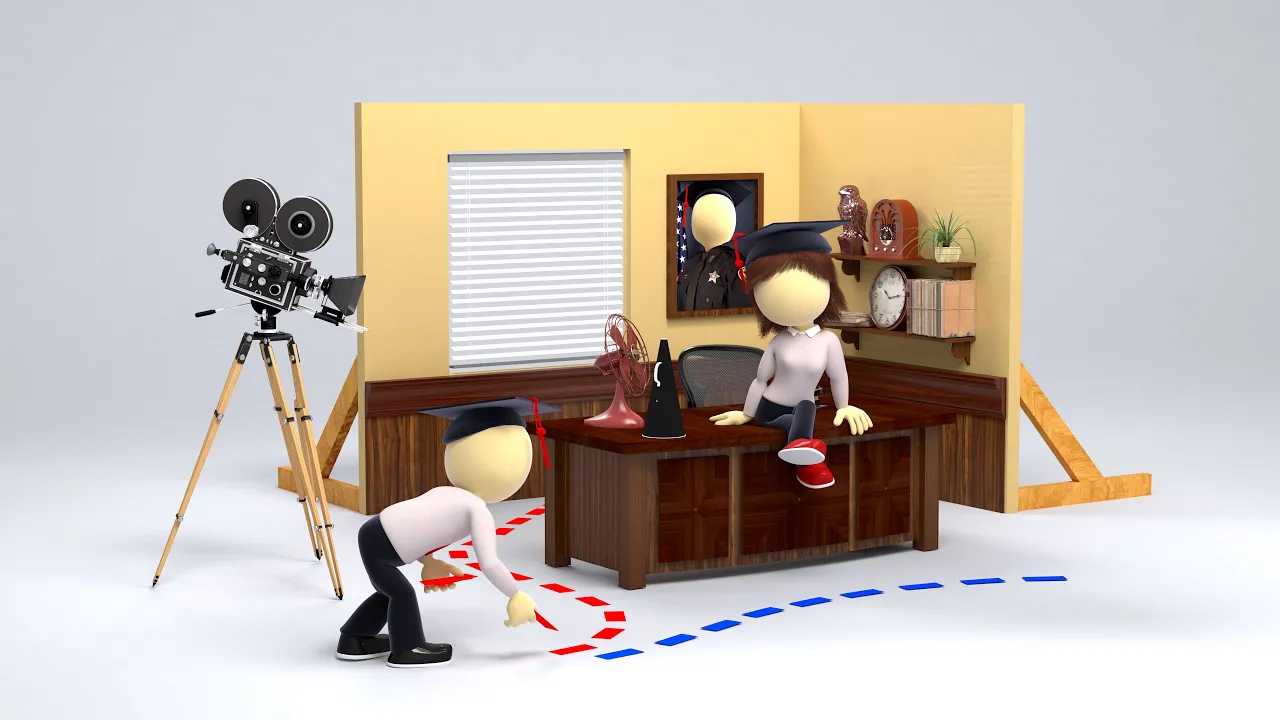
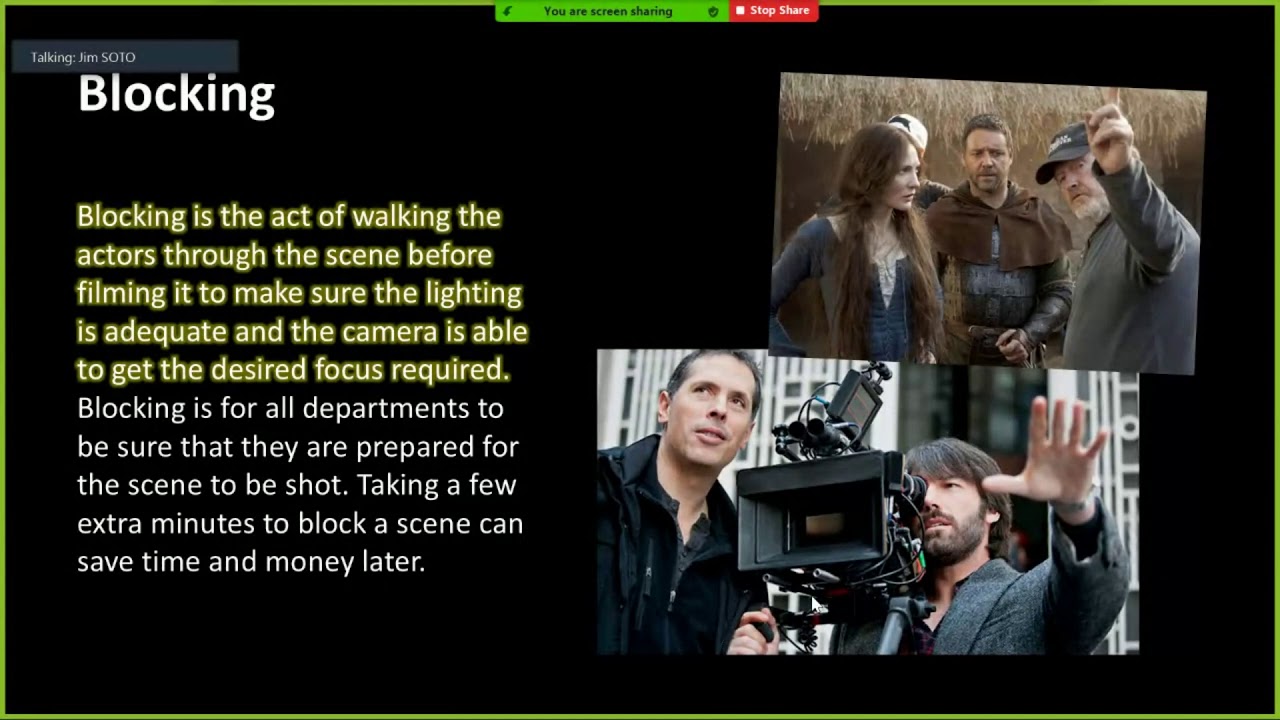
The concept of theatrical and cinematic 'blocking'—how the physical arrangement and movement of actors within a physical space communicate relationships and subtext.
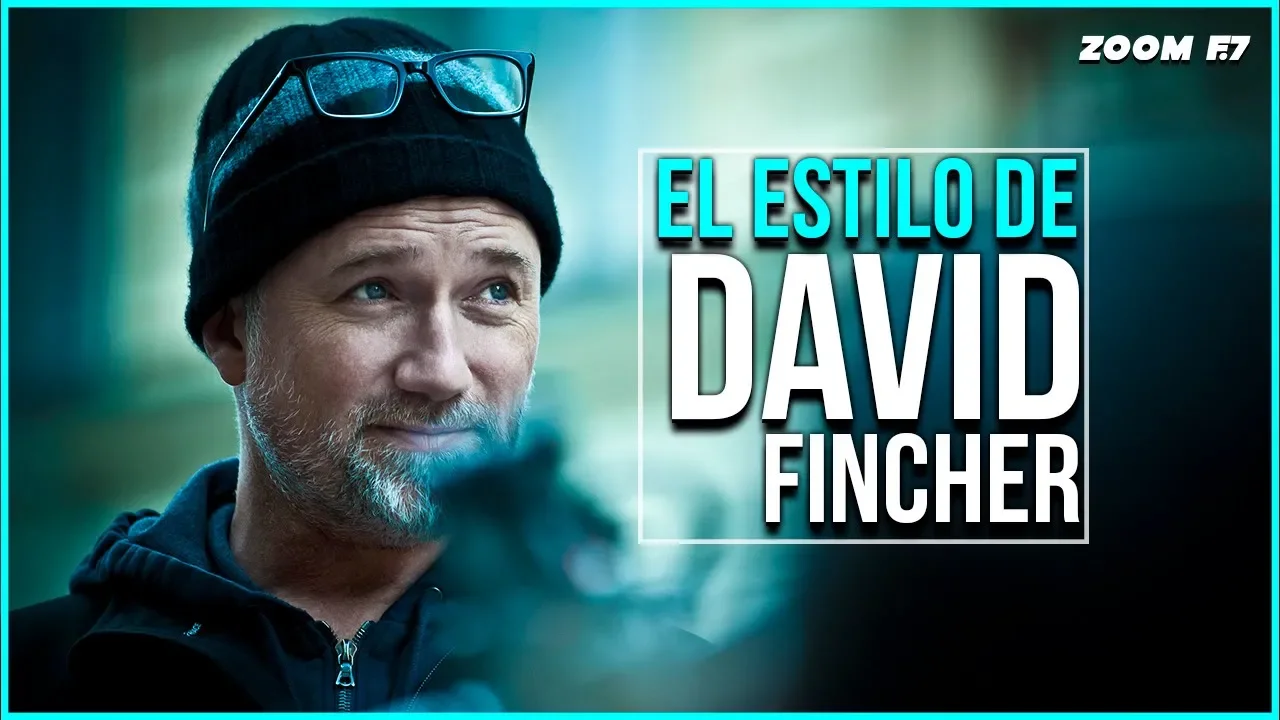
A basic understanding of Auteur Theory and the distinct stylistic signatures of directors Quentin Tarantino, David Fincher, and Christopher Nolan.
The narrative anatomy of a suspense scene, focusing on conflict, objectives, and how shifts in conversational leverage create dramatic tension.
Advanced study of lighting design (such as chiaroscuro and motivated lighting) and how it visually reinforces the power dynamics established by camera angles.
The role of film editing (pacing, shot-reverse-shot variations, and eyeline matches) in manipulating audience perspective and control during high-tension dialogue.
Practical application exercises, such as storyboarding or directing a short, two-character scene where the power dynamic shifts entirely through blocking.
Comparative analysis of spatial tension in confined-space cinema, analyzing how other master directors like Alfred Hitchcock or Sidney Lumet sustain tension without action sequences.
231.6K views9.4Klikes14:57Original Release: 2021-12-13
the interrogation scene is all about power who has it and who doesn't now in this video we break down three types of interrogation scenes that operate with different dynamics now tell me where are the others from the powerful to the powerless welcome to the director's playbook if you want to get more of these videos on filmmaking make sure to subscribe below and enable notifications so you'll never miss a beat jesus christ don't shoot me interrogation scenes can vary greatly you like playing games don't you but they all boil down to a simple exchange of questions and answers between two sides don't you know this i just wanted to know if you know one side seemingly with power and the other is assumed to have none so what are some filmmaking techniques that can visualize these dynamics just please don't move we'll begin with an interrogation scene that is all about transferring power between characters how do you expect me to vox the red carpet in quentin tarantino's inglorious bastards we have an interrogation scene that begins with one side dominating only to have the power transferred by the end he does this with shot sizes camera angles and blocking [Music] but first a little bit of context hello when some of the bastards meet undercover agent bridget von hammersmark in a room full of nazis things turn deadly statements see our feeders into your nazi boss lieutenant aldo rain wants to know if the tavern massacre was a tragic coincidence or did brigitte lure his men into a trap so how does tarantino use actor blocking and shot choice to show us who holds power while bridget lays wounded and helpless on the table aldo and donny loom over her and before we yank that slug out you need to answer key questions questions in the reverse angle judovic and the doctor help surround her she's trapped about i got three men dead back there why don't you try telling us what the [ __ ] happened from these dominant and submissive positions alone we understand who is in control the shot choices in camera angles help confirm this dynamic aldo is shot from mostly low powerful angles while bridget is shot with less pronounced high angles her upward eye line adds to her vulnerability aldo steps forward and adds a little pressure to the situation this dramatic dutch angle enhances two things at once bridget's pain and aldo's aggressive interrogation tactics it's also a visual way to literally tip the scales in aldo's favor you're letting your imagination get the better of you this is followed by an intense close-up on bridget's face down and looking up at aldo this is her most vulnerable and powerless framing yet the germans being there was either a trap set by me oh tragic it could be both but then bridgette began to regain some footing in the situation and the shot choices reflect this when she reveals new developments in the plan she sits up and the camera slowly pushes in there have been two recent developments regarding operation kino one the venue has been changed from the ritz to a much smaller venue this simple camera movement signals the importance of this information but it also reframes bridget's position of power enormous change at the last minute it's not very dramatic why the hell is gerbil doing stuff so damn peculiar it probably has something to do with the second development which is she leans forward into an extreme close-up the strongest framing she's had yet therefore is attending the premiere [Applause] bridget now becomes their only hope for a successful mission and power is transferred to her as she leads them into the next phase of the operation that sounds good you don't blow it with that i can get you in the building [Music] the inglorious bastards interrogation scene is a textbook example of how to show who holds power and how to transfer power elsewhere a duck our next director makes us decide for ourselves who is in control in david fincher's zodiac we have an example of balancing power within an interrogation scene where neither side dominates the other mr allen i'm inspector bill armstrong this is inspector dave toski and sergeant jack mullinax this makes sense because arthur is merely a suspect not under police custody please sit down so how does fincher direct the scene to walk the line between generating suspicion while keeping the power balanced first instead of a typically dark room with high contrast lighting the room is bright and evenly lit to create a neutral mood for blocking arthur and the detectives remain seated which gives neither side an advantage but even when both sides are seated to make them truly balanced comes down to camera angle when complementary high and low angles are used a clear power dynamic is created so without tipping the scales in either direction nearly every shot is taken from a neutral flat angle fincher keeps this pattern until this moment i told him that i'd gone to salt point that weekend to skin dive we switch from neutral eye level shots to a low angle the frames mullinax and the boot the dramatic change in perspective helps us register our first clue another pattern fincher creates involves camera framing almost every shot in this scene is shot over the shoulder showing at least two characters fincher only breaks this pattern at key moments like here when arthur makes a startling statement what i had knives in my car that weekend maybe bill saw them and called the other officer on me now we get our first single shots center-framed close-ups on the three detectives to amplify their suspicion well we'll be checking in on that uh let me ask you something else were you ever in southern california at any time in 1966 then detective toski notices arthur's watch and we get our first pov shot of the scene is this about the riverside killing yes [Music] well i guess i was there around that time i used to go down there a lot as the clues accumulate and suspicions rise the lawmen assume the power is tipping in their favor when armstrong presses the child abuse claims we jump back into the same subjective close-ups so you aren't angry about being fired from valley springs for touching your students arthur's eyeline motivates cuts between himself and the detectives when our suspicions have peaked [Music] i'm not the zodiac and if i was i certainly wouldn't tell you that's a nice watch thank you may i see it the final pattern fincher breaks in a key moment involves camera movement other than arthur's entrance and exit the camera doesn't move until this moment as armstrong shows mullinax the watch we tilt up slightly to mark his reaction despite all the red flags and detect his assumption of power it's not enough to make an arrest the power dynamic ends just as it began neutral and balanced by creating patterns of neutral techniques and only breaking those patterns in key moments fincher activates suspicion giving the detectives a growing sense of power but ultimately returns balance to the scene or at least that's what i told phil there you go in our next scene the power dynamic is completely imbalanced the dark knight interrogation scene is an excellent example of subverting power dynamics the joker has been caught and detained and as much as gordon and batman believe they are in control they have none [Applause] so how does nolan challenge our expectations by subverting traditional power dynamics evening commissioner the scene begins with commissioner gordon asking about harvey dent's location harvey then never made it home of course not what have you done with him me i was right here who did you leave him with your people we get dramatically dark lighting the two characters are under lit this type of low-key lighting is typical of interrogation scenes which initiates our expectations for a typical scene [Music] not exactly when gordon excuses himself fluorescent light fills the room batman immediately uses physical violence to assert control which is reinforced with blocking and staging ah never start with the head the victim gets all fuzzy he can't feel the neck see first batman looms over the joker in a low angle shot but then a center-framed wide shot from behind clearly puts batman in a position of power he can't feel but then he sits physically leveling the playing field you wanted me here i am now here is where our expectations for a typical interrogation scene start to crumble specifically the 180 degree rule which is used to maintain logic and order in a scene but since there is no logic or order in this moment bending the rule makes total sense we start on joker's left but as the camera slowly dollies behind them we jump the line over to his right those mob fools want you gone so they can get back to the way things were soon after the move repeats to the other side again to them you're just a freak like me instead of the expected division of authority this simple repositioning of the camera suggests a more ambiguous power dynamic in response to losing control batman again resorts to physical power see i'm not a monster i'm just ahead of the curve despite gordon's attempt to reassure himself and his colleagues batman is not in control i thought you really were down the way you threw yourself after her what began with calm leisurely camera movement switches to chaotic handheld as batman tries to dominate does harvey know about you and his little bunnies with the joker on the ground the high and low camera angles position batman in control but it clearly isn't the joker's line says it all you have nothing nothing to threaten me nothing to do with all your strength but don't worry i'm going gonna tell you where they are despite his physical dominance batman is left completely powerless nolan uses blocking and staging as if batman were in control this juxtaposition subverts the typical interrogation scene and presents an imbalance of power which one you're going after what are some of your favorite interrogation scenes in movies nobody which presentation style do they show i don't i don't want to talk about that transferring power balancing power or subverting power give us your thoughts in the comments i am spy whether you're planning your own interrogation scene or any scene that visualizes these power dynamics you need to plan ahead write your script and storyboard your vision with studiobinders pre-production software remember to subscribe to our channel for more videos like this we'll see you next time as we interrogate our favorite filmmakers to unlock their secrets is this your homework larry what emotions do you feel [Music] okay private miller is this normal okay okay private miller
Up Next

5:31
How David Fincher's Camera Work creates Emotional Connection
@Nerdwriter1
3M views•2017-10-18

23:14
Visual Analysis Essay: How to Analyze Graphic Novels in College Writing
@nataliepleimann5941
1K views•2020-10-14
19:56
Andrei Tarkovsky's Filmmaking Style Explained
@StudioBinder
206K views•2025-02-03

4:00
Evolution of Darth Vader: Anakin Skywalker's Animated Journey Across Star Wars Films
@TellItAnimated
13.4M views•2019-03-30
Related Study Plans & Knowledge Roadmaps
Structured learning paths in Film Analysis
film-analysis
Sensory Cinema: Foley, Haptic Sound & Texture
01Introduction to Film Sound and Foley Artistry
02Micro-Sounds, Textures, and Extreme Amplification
03Haptic Audition and Film Phenomenology
+ 1 more learning modules
12h4 modules
Explore Roadmap
film-analysis
Breaking the Fourth Wall: Mockumentary & Satire
01The Invisible Wall: Basics of Cinematic Illusion
02Looking at the Lens: Direct Address & Character Glances
03The Mockumentary: Satire, Realism, and Complicity
+ 2 more learning modules
12h5 modules
Explore Roadmap
film-analysis
Analyzing the Long Take: Cinema, Space & Ethics
01Foundations of Film Grammar: Montage vs. The Long Take
02Choreography and Mechanics of the Simulated One-Shot
03Phenomenology of Film: Real-Time Spatial Continuity
+ 1 more learning modules
14h4 modules
Explore Roadmap
film-analysis
Anachronistic Music: Period Drama & Subversion
01Foundations of Film Sound and the 'Needle Drop'
02Traditional Authenticity vs. Revisionist History
03The Rise of the Anachronistic Soundtrack
+ 2 more learning modules
12h5 modules
Explore Roadmap