






![Sesión 6: Miradas sobre el arte indígena: vanguardia y primitivismo [...]](https://i.ytimg.com/vi_webp/Wp0Yl3MvSM8/maxresdefault.webp)

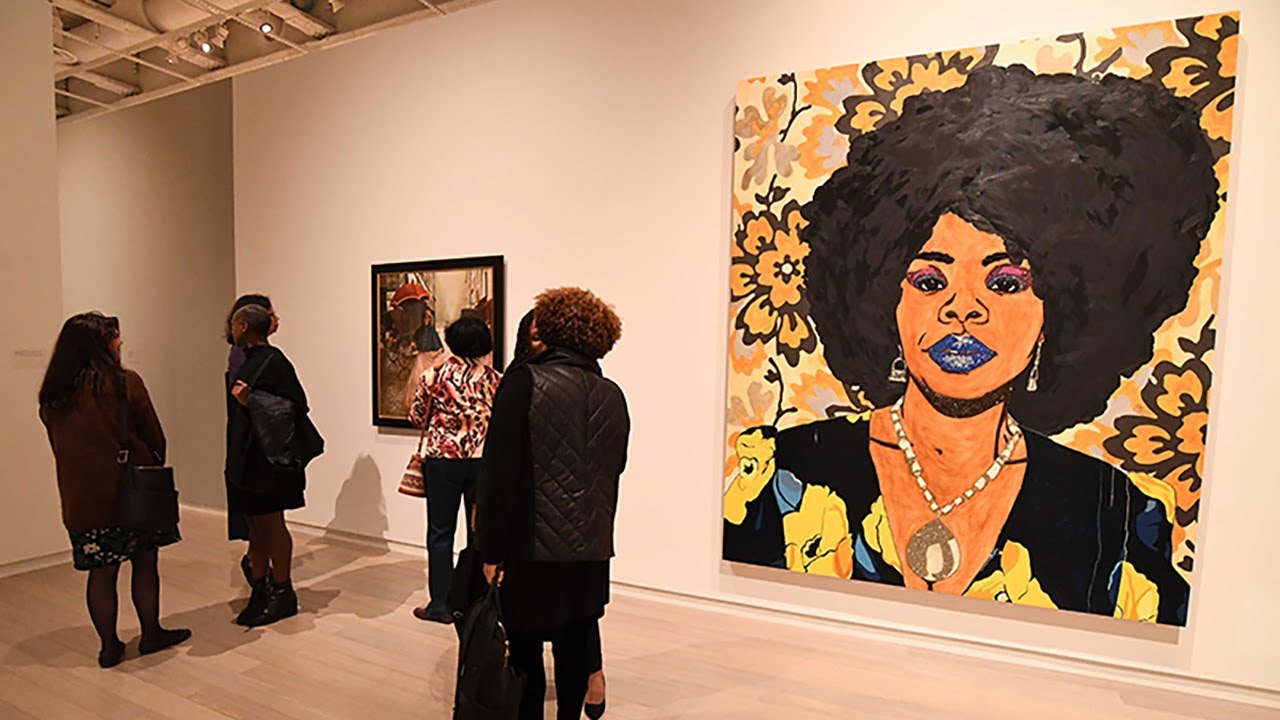
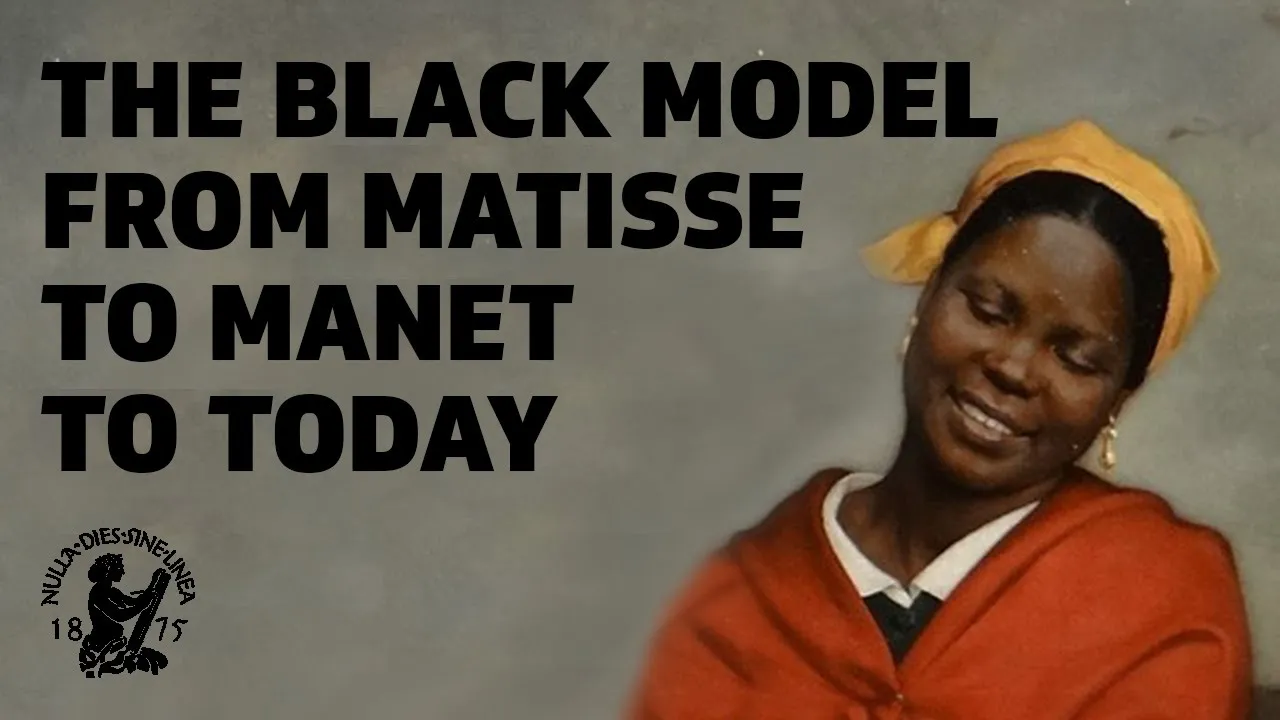




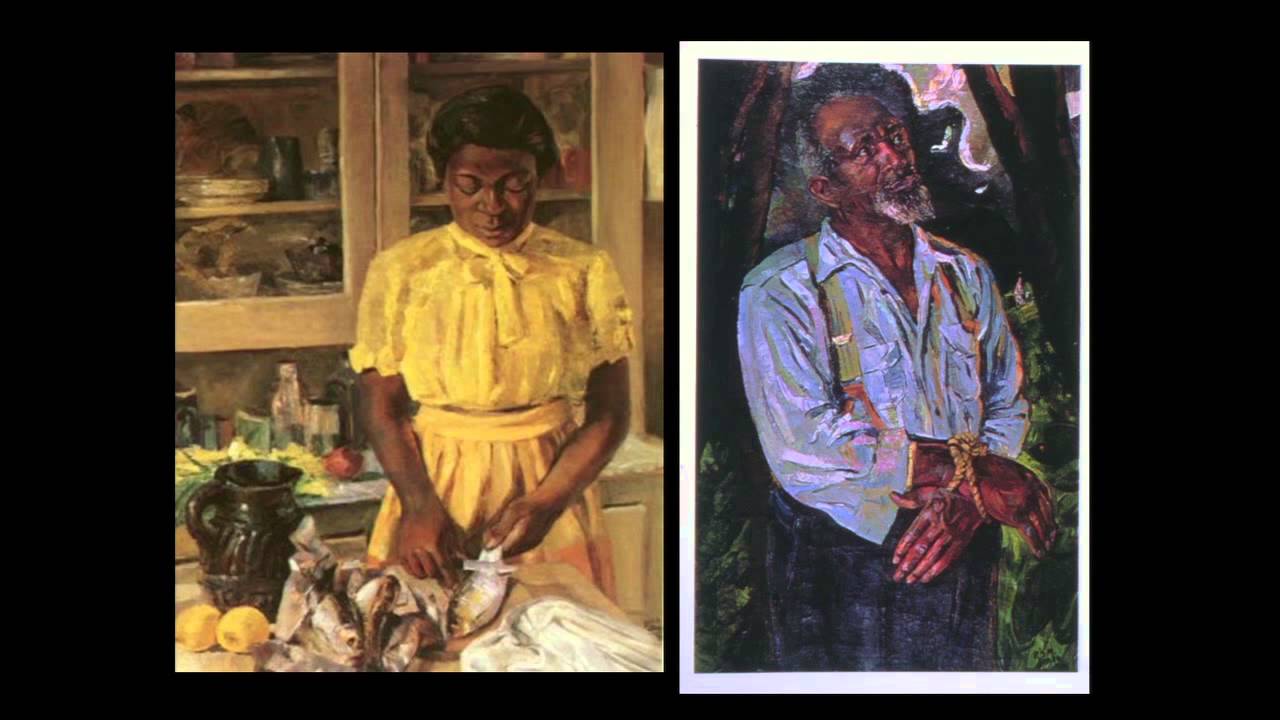
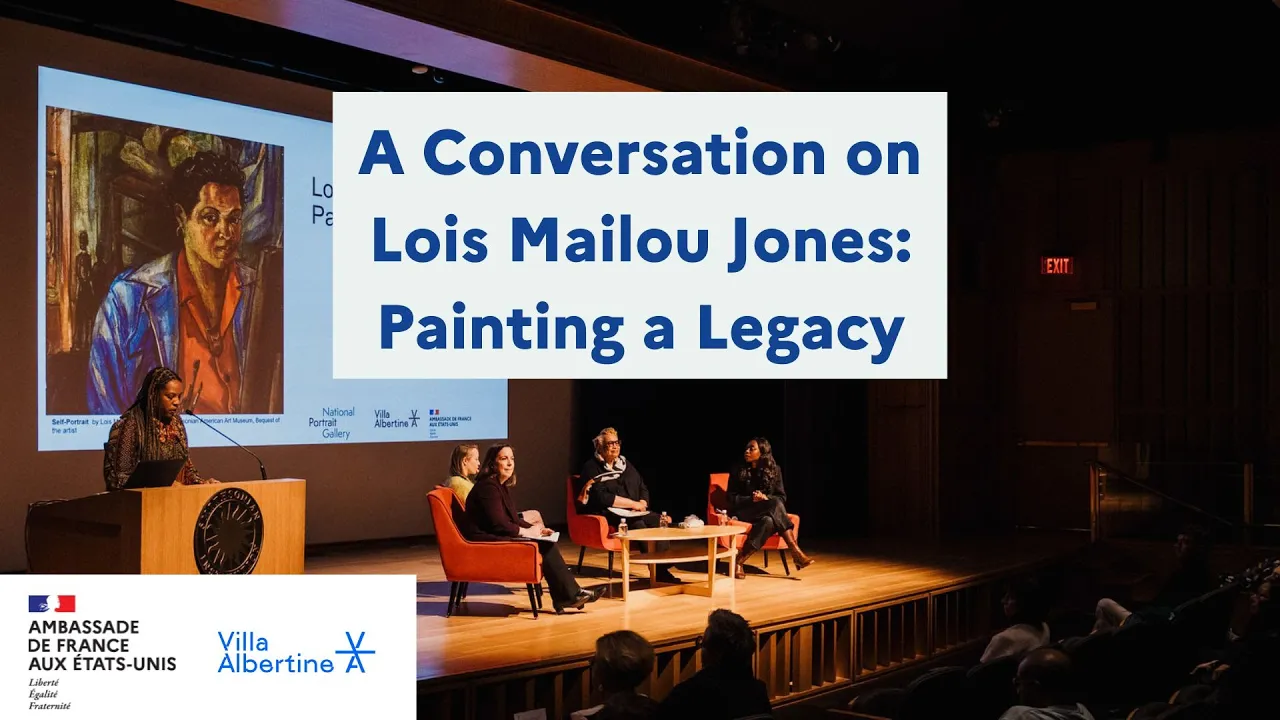



The Harlem Renaissance (1920s-1940s) was the first African American-led international modern art movement, where expatriate artists like William H. Johnson, Archibald Motley, and Laura Wheeler Waring spent extended periods in Paris and Europe, engaging with European modernists such as Henri Matisse, Kees van Dongen, and Ronald Moody. These exchanges led to innovative syntheses of African aesthetics and European modernist techniques, including expressionist gesture, flattened forms, and vibrant color palettes, which artists then brought back to the United States to transform perceptions of African-American identity and advance civil rights activism through visual culture.
Harlem Renaissance & European Modernism: Paris Exchanges
Added:An understanding of the Harlem Renaissance, including its core cultural, literary, and artistic figures such as Aaron Douglas and Alain Locke.
Familiarity with the major movements of European Modernism, particularly Cubism, Fauvism, and the works of artists like Henri Matisse and Pablo Picasso.
Knowledge of the historical context of the Great Migration and why Paris became a sanctuary and artistic hub for African American expatriates in the early 20th century.
The concept of 'Primitivism' in Western art history and how European modernists appropriated traditional African art forms.
Examination of postcolonial art history frameworks that re-center Black models and artists in the narrative of global modernism (e.g., Denise Murrell's 'Posing Modernity').
Study of the global Negritude movement and its intersection with Négro-caraïbe and African diaspora literary and artistic philosophy.
Analysis of how transnational exchange influenced mid-20th-century African American artists like Romare Bearden, Jacob Lawrence, and Lois Mailou Jones.
Critique of the institutional representation of Black artists in major European and American museums historically versus contemporary curatorial practices.
352 views10likes1:02:19Original Release: 2025-03-20
Okay, good evening. Welcome to the Jakometi Institute. Uh we welcome to this Eld lecture. It is my great pleasure and and privilege to uh welcome uh Dr. Dennis Morel uh who is next to me. Thank you Dennis for accepting this lecture and thank you also for accepting to uh give it here uh in Paris because I think uh this gives uh uh a sense of uh uh something especially related to the topic uh we're uh having uh tonight because we're talking about artists who at some point spent uh some time uh longer brief for some of them uh more long than for others uh in this city uh at another moment of its history.
Um Denise Muriel is the Mariel H and James Estish uh creator at large at the Metropolitan Museum of Art in New York.
She earned a PhD in uh artistry from Columbia University in New York uh in 2014.
Um then after she created the exhibition posing modernity, the black model from Manet and Matis to today um that had uh a venue at the W art gallery um at Columbia University in New York and she also co-created the uh iteration of this exhibition at Muse Dorce. Uh I'm sure everyone in the room or uh online saw that uh exhibition le noir de Jerico Matis in 2009. Um Denis Moral created the Mets 2024 uh exhibition the Alm Renaissance and transatlantic modernism and the uh catalog was edited by her uh accompanying catalog too. Um and and uh the invitation uh was prompted uh by this uh this show u because of the narrative that the exhibition offered.
And I'm uh very interesting to uh go more into depth about some aspects of uh the movement in relationship to to Paris. uh aspects that uh were uh partly in the exhibition but of of course the focus of the exhibition was uh way broader. Um so tonight's lecture is entitled connecting in Paris exchanges between the Harlem Renaissance and European modernism and um it uh will bring forward uh figures such as William Johnson meta war filler uh Ashalt Mley la will wearing among others um on a time and that's an aspect that interested me most um that uh they came to Paris and and built something uh on their return uh to the United States, whether in New York or for some of them in other cities such as uh Chicago. uh and uh another aspect that you'll see in this lecture is the connection those artists made uh with uh artists in Paris uh or connected to uh Paris somehow that lived in Europe uh such as Monk Matis or uh other other names. So uh thank you again Denise for accepting this lecture and for introducing us to um all those uh networks that all those weaving lines that we're um uh fascinated to learn about. Thank you.
Thank you Higo. Thank you for having me and um and I am really enjoying this opportunity to speak in a uh a smaller uh environment tonight. Right. We've been in some very, very huge spaces over the last couple of days with museum exhibition openings and so forth. And I'm realizing it's been a few years now since I've been in a classroom like setting and this feels very comfortable and familiar. Uh so although I had written out uh most of my remarks, I'm gonna try to be a bit more conversational. Um, I think probably Hugo, it would be best to wait until the end if anyone has comments or questions, but um, uh, please, uh, make notes because I'm very interested in your thoughts and your, uh, your observations and questions about some of the material that I'll be going through. And I I've started here this Harlem Renaissance, this movement, uh, the the Harlem Renaissance. um is so grounded I in uh the the um interface between art, literature, performance, music including uh music, classical, jazz, uh performance, uh dance, uh song, etc. Uh, and I wanted to make the point upfront that portraiture, depictions of writers by the artists of the movement was an essential component to our having a a a sense of uh of the the values, the aesthetic values, the uh ideas uh in terms of um cultural as well as political and literary and all of this kind of conflates into and activism that I think uh kind of blends on both sides of the Atlantic into some of the early days of pan-African alliances that crossed all uh crossed all of these fields. So I wanted to start with this uh display of some of the thinkers who we're talking the early 1920s uh and earlier and uh the fact that these writers uh for the most part were from the very beginning looking to to bring new ways of thinking about their own culture uh uh their own uh uh um uh ancestral heritage to the four but also thinking about linking uh their respective uh backgrounds to uh other pe uh uh creatives of other backgrounds who had a common had had certain common objectives. So we have a len here. He was a professor at Howard University, professor of philosophy. He was a a very um uh uh insightful art critic and uh theorist shaping a lot of the ideas that informed the work made by Harlem Renaissance artists. But he was a philosopher. He was uh transatlantic just almost by definition. He was one of the he was the first uh uh African-American to receive a PhD from Harvard University uh in philosophy. So part of his studies involved uh living and working being affiliated with universities in Germany and extensive travel across the continent and he maintained that during his career and advocated uh exorted artists uh uh who were part of the movement to do the same thing. His book, The New Negro, published in 1925, is the publication that gave the movement the name by which it was known at the time. The term Harlem Renaissance is retroactive. Um, the artists and writers of the period referred to themselves as the New Negro. And one of the things that has come up a few times is, well, how does the New Negro translate into French? And I think the important line that I wanted to draw and a number of other uh of black French scholars wanted to draw is that it's not neg it's okay something like mwa um it was aspirational. It was self-affirming. It was reclamatory of um the dignity and uh value of cultures that had been marginalized and denigrated. So these new negro artists and writers were uh that was that that objective was central to their project. And then this portrait of the Nardal sisters and I am still learning a good uh about uh Pette Nardal and her two sisters who formed a who founded a publication law review Dumont uh review of the or publication of the black world. Um, and from the very beginning it was bilingual and they published writers from all around the Atlantic, Europe, the US, uh, uh, uh, Latin America, Canada, and so forth. Uh, as did um, the Crisis Magazine. The Crisis Magazine was the publication of the NAACP, uh, very prominent in the 1920s through the 40s. uh its editor web duboce and we'll see more we'll hear more about him later uh was also very transatlantic in his uh perspective and I'm showing here a cover illustration depicting Rod Mara who was the first black French uh winner of the French literary prize the pre I'm saying all of this because I'm usually speaking to an American I know that you know uh but the first um uh uh black winner of the Kungur. And so here he is featured in a cover story um uh in the NACP's uh magazine and an illustration by um uh Albert Smith who was an African-American artist uh permanent expat moved to the moved to France in the 20s and lived around Europe uh for the rest of his life. So these are the transatlantic I think affiliations that I want I feel like I'm moving. Did I skip a slide? Yes. Okay.
So, um, so before we get into some of the substance of what these writers and their collaborations with artists produced, I just thought it'd be helpful to take a quick, uh, look an overview, uh, of what some of the objectives of the Harlem Renaissance artists were within their own culture, uh, within the US. And what they were essentially attempting to do was modernize the uh perception and the portrayal of the African-American subject uh and to um transform the uh popular notion of African of the African-American population as rural as uh uh illiterate for the most part and southern and this transformation formation of imagery uh was uh to accompany a transformation in the uh culture in the society itself.
This uh movement unfolded in tandem with the great migration which was a the one of the largest uh migration movements in the history of the US still is today.
Ultimately, millions, some estimates are from four to six million uh African-Americans beginning in the 19s left the rural south in search of uh greater freedom from the racial terrorism of lynching uh state uh sponsored violence uh legalized segregation of public and private facilities, education, job opportunities just moving in massive numbers. ers away from the rural south. And this led by the mid certainly the late 1920s to the first large concentrations of populations of African-Americans in several cities around the US. The largest was Harlem. Um, but there were cities including Chicago, the southside Chicago neighborhood, uh, Oakland, California, and a number of midsize cities in between uh the coast that became uh that expanded. There had always been black populations in these cities, but organized as a community and in numbers that could support um uh performances and and literary readings and publications and that sort of thing.
This was the beginning of that. Uh but these artists were looking were looking to um portray all aspects of this new uh of life of modern life in these new black cities. uh the idea that the African-American community was becoming urbane uh not just urban but urbane in terms of being attended to uh being uh attuned to um literature, music, going to concerts, going to dance clubs, um going to the local library for readings much like the one that the discussion that we're having tonight. uh but with a full range of stylistic approaches. And so here we see William H. Johnson uh uh who Higo mentioned based in Harlem. He uh was part of the great migration moving from rural South Carolina uh got uh several years of artistic training at the National Academy of Design and lived and worked in New York for a number of years before he moved to Europe. uh coming here to France and we'll look at what happened once uh that move was made. But we're seeing uh sort of the the tail end of his artistic development here. This is 193940. So he had spent 20 the better part of 20 years, the 20s and 30s in France and then Scandinavia before coming back to the US and taking on the black subject. and he's engaging with this kind of expressive uh you know sort of non-naturalistic treatment of the figure uh in line with Alan Lock's call for attention to African aesthetics which focus on disproportionate scaling of the head and the hands but also the jazz aesthetic. I mean, there's a half moon here that implies this is early evening. The the title street life, these folks are out for a night on the town, someplace like the Seavoy Ballroom to hear the new big band sound that was emerging in those clubs during this era.
And the jazz aesthetic is also about uh not catering to conventions uh saratoral conventions, bright colors, uh interesting individualistic combinations of uh different styles, garments, etc. Um improvisation, Langston Hughes, the jazz aesthetic is about individuality and improvisation. But then we have Archabal Mley, Southside Chicago was his base after he had moved from New His family moved from New Orleans. Um middle class uh buolic public park gathering the type of thing that would have unfolded in a very segregated situation south of uh Washington DC. Um, and he too is using certain avantgard aesthetics, a more naturalistic treatment of the figure, but non-naturalistic color for sure. Um, I don't know if you're getting a good enough blow up, but the that tree trunk, if you see that in person, is actually purple. Uh, rather than the brown or the gray or the, you know, shades of brown and gray that you would see in observed reality. and he's depicting skin tones that are clearly people of African descent, but they're interesting, fascinating blends of pinks and yellows and blues to create this brown. So, um, and we'll see how he developed some of that aesthetic during his time in Paris.
Um, and then so you have the middle class, you have the, you know, the folks who are out on the town, and then you also have what, uh, the eminent scholar Rick Powell, who I believe spoke here just last year, calls the boys in the back room, okay? As uh, one critic said, you know, um, you don't necessarily want to know what they're up to, and they're not going to tell you anyway.
So, so high, low, everything in between.
Um, a number of these artists, uh, Bearden in the 60s going back to the early 40s, um, read Charlair very closely, the Fler, the Flanners, uh, the painter of modern life, uh, roams the city, goes everywhere observing, depicting, uh, capturing in, um, aesthetically interesting ways. So everyday life in the new black cities photography was a big part of it. The eminent photographer, Harlem Renaissance photographer was James Vanderie. And this middle uh photo here is one of the most widely uh reproduced images of the Harlem Renaissance. It really captures this idea of urbane, stylish, um uh affluent um not wealthy necessarily. I mean, many folks were uh they were migrants from the south trying to figure out how to get a foothold in uh urban uh economies, but um they made an effort to present in a way that broke with the types of stereotypes that were prevalent in popular culture. Uh part of that was hairstyling. Madam CJ Walker, this is her salon. uh the first black woman millionaire in uh African uh in in the US making her money from hair styling products. Uh but she always had a very elegant salon designed by black architects. The interiors the uh stylist got um uh etiquette lessons. This is a tea. This is they're having afternoon tea uh and following certain you know rituals associated with that. But then always the eccentric, the street philosopher. Uh this is actually the barefoot philosopher as the uh prophet as this is titled. Uh a known figure. I mean there is information about him. Um he uh set up a uh you know a soapbox pull pit on street corners around Harlem and just you know uh but so again all aspects of city of city life. And then just very briefly here you see the stylistic contrast. uh Charles um uh Alustin is is paying attention to the aesthetics of African mask uh but also European modernism of pictorial flatness this elong very elegant uh um uh elegant uh elongated neck uh more than a few folks have said well this makes me think about Migani um I haven't come across his saying uh that himself but they were looking uh similar uh styles of African mass from Kotivo uh Gabono etc. um and just this kind of flattening.
There's no naturalistic curve curving or rounding of the figure, a blank background rather than ornate interiors.
So engaged with European modernism.
Whereas Mley is depicting his gallerist as elegant um uh successful uh but in a much more classicized way.
uh just to look at the self-portrait the uh the double uh representation Samuel Joseph Brown evocation uh literary evocations Web Dubo the souls of black folk the double consciousness that he defined as uh emblematic of the African-American psyche um this this double consciousness sense of always yeah looking at oneself but being aware that one is being looked at in a highly judgmental racialized judgmental way and constantly debating uh what mode of self-presentation uh to present present to the world. So um art uh imbued with the values uh coming forth in the literary and philosophical writing of the period and there was a base for uh this writing uh which uh uh in the publications of the period. I mean these artists for the most part were not getting a museum shows or gallery representation very episodically one or two uh Archbal Mley in particular there was all his night life scenes were somewhat popular um so he might have a gallery show every now and then but the way a lot of these artists first came to public awareness was through these publications that I began to reference so here we see the NACPS crisis magazine again the National Urban League, they were the second largest um uh civil rights um uh organization in the US.
They published Opportunity uh Web Dubo was the longtime editor of the Crisis magazine, 35 years, and Charles S.
Johnson, who later became the president of Fisk University, one of the major uh black historically black colleges. Uh and they commissioned artists for covers and for illustrations throughout. And then by the late 1920s uh there was a particular um annual show sponsored by the Harmon Foundation of Negro Artists and they often referred to these publications to even identify artists to contact. So just trying to create some kind of public awareness um uh and in line with the aesthetic values of Lach uh who wrote quite extensively for uh opportunity published an opportunity occasionally crisis but also web deo who felt that aesthetics were a form of activism and um maybe more comfortable with the more classicized styles of representation as we see here but uh art with the purpose of uh improving the perception and the uh opportunities of the race. And so those were African-American publications and uh and these uh these editors were primarily um uh academics.
I mentioned uh Alen Lock. I'll just mention what we have here. This is a scene. This is a cafe at the sorbun. Uh and then this is a draan de Luxmbborg.
So we're in the this is right here in our neighborhood, right? Um this is Alen Lock, the um uh Harvard uh philosopher, author of The New Negro with a young Ralph Bunch uh an activist diplomat who um uh rose to great prominence later.
And they're depicted on the in a cafe at the Sovan. Uh and the important thing about this is that this photograph is by Louie Tama Ail who um later became uh uh a professor at Howard. Uh uh from a black French family. Uh he was connected I think as an in-law to the Nardal sisters. And so he published in the um uh uh in uh la review dum uh uh noir.
But so Lach and black French artist and writers uh meeting each other social uh having both of them having transatlantic careers. Howard University, the uh largest I think at the time, African uh historically black university in the US, otherwise known as HBCU, historically black colleges and universities. These were the main opportunities for African-Americans to uh have uh higher education. So from the beginning, these uh institutions were international uh and pan-African in their faculty. And so this gets this helps us to contextualize why we would see Renee Maran on the cover of Crisis magazine, but also la I don't know if how well you can read this. Uh it's one of these days we're going to go into the archives and make some good high-res images. But this was the publication of the Nard Nardall sisters. It was shortlived. it the this is the first issue in 1931 and I just this is the cover uh no illustrations yet but the roster includes uh a number of um uh French black French writers from across the diaspora the continent uh Caribbean European including Louie uh Ail but it also includes Claude McCay who was very well-known African-American writer and um uh Pette Nardal. And one of the things, this is the very first uh volume one of the six that were published. And she stated uh that the mission was to to per uh be a space a bilingual international space uh for uh the creation of a black uh inter an international black identity and a sense of self-awareness but also awareness of the context in which other uh populations of African descent uh were living, working and um and and acting.
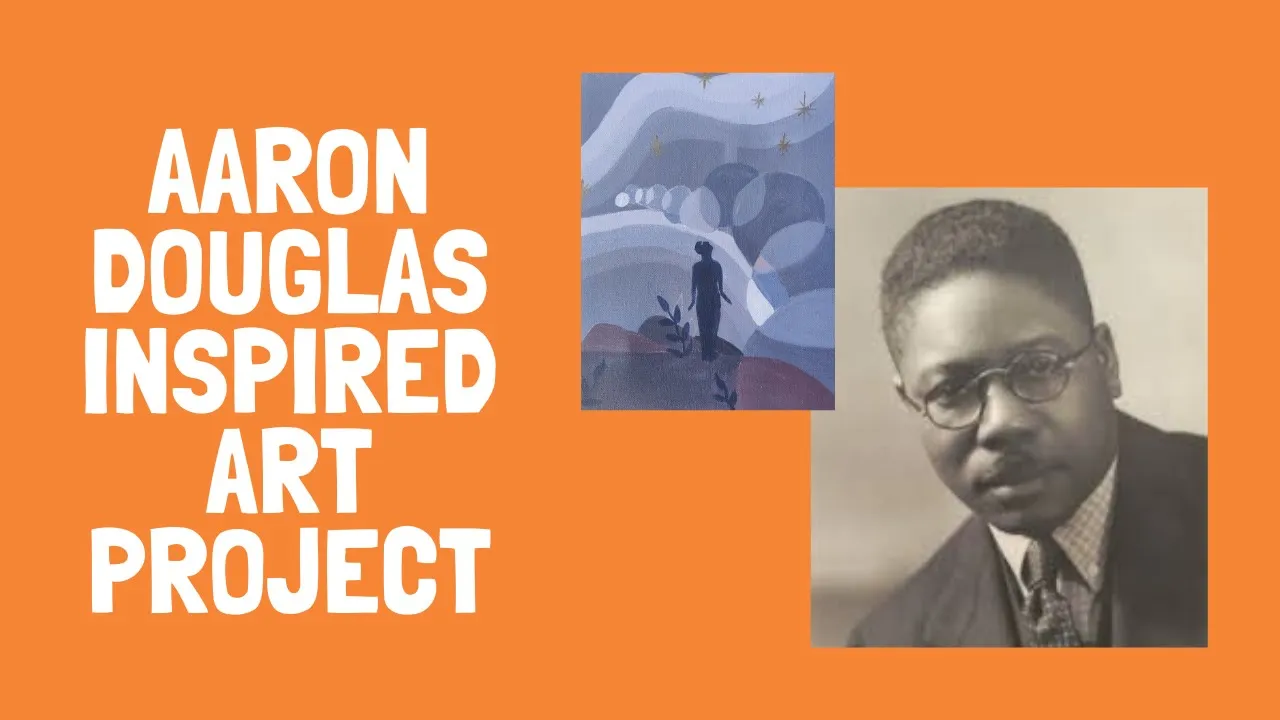
Uh and and then uh this is one of the final this is um the volume three. Uh she uh introduced a handful of public of uh illustrations and this is a print by Erin Douglas who was uh one of the most prominent uh African-American artists and you can see the TOC here McKay again but also Langston Hughes and Renee Morra. uh so international cast and uh and bilingual uh Langston's titles are in and Claude Mccay's titles are in English. So that's the context for this transatlantic um uh modernism um that engaged the black populations, the black intellectual community on both sides of the Atlantic. And in just a few minutes, I'll broaden that to show how the interactions with uh non-black or white European modernists was definitely a part of this picture as well. But so how did this type of transatlantic translate into how was it transformative for artists? One of the big issues that was debated within these publications was the question of African versus western aesthetics. Uh we saw the range of style the styles that these artists use. Uh do you inject the black body into classical tropes that have historically excluded the black body as artist does with the sculpture on the right here? Um do you adhere very strictly to the formality of uh certain African um uh uh aesthetics?
Um the middle sculpture here is by Ronald Moody. He was a black British sculptor who was successful in the UK but also had regular shows here in Paris. So he had interfaced with African-American expats here. He was the only uh nonAmerican uh artist who was included in these early uh new negro shows that I spoke about uh uh through his contacts with Alen Lock. a number of his sculptures were regularly shipped to the US to to to appear in the shows that he was curating. And then you know the the third way of course is synthesis. And just to take a look at that a little bit more closely uh this is Palmer Hayden.
Palmer Hayden uh was part of a migrant family coming from the south settling in I believe he was based in Washington DC.
He worked as a janitor. Okay. but he also took art classes at the library and so forth. And we show he this painting, the janitor who paints was made toward the end of his career as he's looking back on how his artistic career unfolded. Um, and he's, you know, exaggerating uh the some of the circumstances, but he's basically living in the type of accommodation that a janitor could have and trying to support his young family. He um he submits an application to the first of these annual African-American shows uh and walks up to the curator, introduces himself in person, uh and and just really essentially talks her into letting him be in the show. His work attracted some critical attention. He got scholarships and grants and ultimately moved to Paris and lived and worked here for a number of years. So the paint he ultimately moved back to the west uh to the US spent some time on the west coast but also New York but fetishe flur is probably and the fact that he's using uh French titles for his work uh and um let's see did we correct it okay anyway um but fetic flur this idea of synthesis can you blend uh the aesthetics of an Africa this is a fun reoquary from Gabong uh with a traditional European steel life and he's pointing out the affinities the commonalities of materiality uh you know the dark wood of the fun of the reoquary but also of the European style furnishings the uh rich patterning this is a a central African kuba uh rafia cloth on the table here uh ge rich geometric patterning but then there's not quite as formal normally geometric but simil certain a rich patterning in that uh drapery that the raphia cloth is beside and so color um uh texture patterning materials uh how does one can one does it make sense to even attempt to blend these or does one have to choose one or the other and I always um I'm always begal uh uh intrigued by the ashtray uh here in the front with a cigarette. I kind of imagine him, you know, as an artist having made this work and he's uh stepping back, you know, what have I done? Do I dare show it to anybody? Should I burn it? Whatever. Um but he um he finishes uh and and signs the painting. So these types of issues play out in the careers of many artists.
We looked at William H. Johnson's portraits earlier. As I mentioned, he uh uh as a young man in his early in mid20s moved to France uh after having uh migrated from South Carolina uh studied at the school national academy of design for a number of years and coming he came uh to Paris on a scholarship and uh uh La Academy Shamier you know another neighborhood institution here he and many other artists took classes there at various times and they were teaching pretty classical and traditional styles.
of this kind of neoimpressionist 1920s is you know it's post postimpressionist right so this is almost part of the old masters the way in which he's working one of his uh instructors or mentors were shy uh sutin uh and ultimately the two of them both settled in the south of France in Kagnosaur and they sometimes painted together so I showed these two uh scenes from uh the south of France. One is a view of Kanye. The other is um uh an old uh house uh uh at port. Uh and then I showed these two to show kind of the affinities with kind of, you know, the loose brush the the the uh values the the kind of um mannered uh values of impressionism at this point. But one of the things that also happens while he's in Kanye is that he meets uh a Danish artist Helga Craig uh a weaver as well as a painter and her brother-in-law I think it was Kurt V. Kurt V was a German expressionist. Okay. Um and they began to travel together around Europe and uh and North Africa. And so when uh Johnson gets around to depicting the village uh kind of he's beginning to introduce some of these expressionist you know swirly leaning heavily impastoed as opposed to you know um that sort of quick um brushstroke of impressionism. Uh so in France he is exposed to uh the way that our history is being taught by the French but he's also exposed to inter to uh u international European modernism.
He ultimately marries Helga Craig uh moves to Denmark uh and spends the better part of 10 years uh between uh uh Copenhagen, a small fishing village uh on the north sea of Denmark and for three years he lived in Oslo. Uh he had regular gallery shows. He was in Oslo represented by the same gallery that represented Monk. They knew each other uh not collaboratively.
they didn't work as collaborators but uh he had that level of visibility and so you see this kind of expressionistic gesture uh be beginning to dominate. He kind of moves away from impressionism.
uh he is evoking to some degree you know this uh seated man this kind of uh uh African treatment of the face and hands disproportionate scale but you know this van goes chair so you're seeing these multiple influences that shaped by 1939 he he came back and his wife came back to the US as World War II broke out in 1935 and so by 1939 9 he was very well established having lots of shows uh around the US and this type of uh portrayal of these modern black figures is considered to be not only his iconic style but one of the defining styles of the Harlem Renaissance and just the transformation in his own he made many self-portraits. So you see him as a young student just before he moved to France and then you see his um um self-portrayal uh has a very different personality uh uh 30 uh 15 15 years later. A number of women artist really uh found a measure of freedom from I'm speaking about African-American women artists from spending time in France.
Lois Mu Jones. Uh, and I'm not going to say too much about her because we have the leading scholar. Uh, Kelly Christina Grant is sitting here and she's writing a a really important uh, doctoral thesis on Louiswis Mu Jones in her engagement with French impressionism and so forth.
But I'm showing this painting because we have it in our collection and it's uh a good example of the way that when she she was a an art teacher uh at Howard University, she had a contentious relationship with Alan Lockach. Uh like a lot of the uh a lot of the well it it's the period uh gender issues. They were not about to um uh welcome women artists into the ranks of leadership.
They were assistants. they were working for and so forth. She felt frustrated by that. She started coming to uh Paris during the summers. She also spent some time at uh it was like Ron Shamier, wasn't it? Or was it? No.
I'm sorry.
Okay. All right. Um but you know she wrote about um the way that she was getting a fairly academic style of training but she was also in the galleries and seeing African art and you know all over and she started to work with African aesthetics herself. her teachers didn't necessarily encourage her to do that, but she said, "Well, look, if you know these European moderners are working with an African uh tradition, then uh this is my rightful heritage uh even more so." And so you see the range uh the stylistic uh evolution over time. Likewise, Augusta Savage um uh first tried to come to Paris in uh 1923. she was turned down for a fellowship. Uh uh six, seven years later, she was here. She was taking courses. Uh she wrote about one course where she was able to hire life models uh who reminded her of Amazon's and um and that helped her to conceptualize what became her iconic uh sculpture which is titled lift every voice and sing. It is based on a song by the composer James Weldon Johnson, composer activist, that almost immediately and still is today considered to be the black national anthem. It is sung at uh numerous uh cultural uh occasions and it was monumental. She talked about learning about monumentality during her time in France. 16 foot tall commissioned for the 1933 I think it was um World Series World uh World's Fair in Long Island. Um she eaked out a living by teaching art at uh a public um art school uh in the Harlem on 135th Street Library. Um despite having this prestigious commission, she didn't have the funding to move it afterwards. And so this sculpture, this 16 foot tall sculpture was destroyed when the World's Fair was dismantled. And what we do have are these desktop scale uh finally worked.
Um she had some ambivalence about them, but she was aware and she did not attempt to stop it. So they were made in additions and a number of museums have this today. But you know the communal sense of community but also the individuality every one of these heads is different.
uh this is the type of compositional uh theorizing strategizing that she felt she was able to pursue with more freedom.
Um Laura will wearing uh her painting here uh girl with pomegranates. Uh, I think ref is intended in part to reference her own early years coming as a student and as a a young art teacher uh to uh France going to the south of France uh one of for on sketching trips as depicted in this pastel off to the side. Um and but she um as she settled into teaching at Cheney State outside Philadelphia, an historically black college, um she became more engaged with um with um the um social and cultural issues that were part of African-American activism. uh the color line, skin color difference both uh uh in terms of black versus white as well as within the black community and what those implications were for the black uh for the black female figure. So she um was able to get her uh uh fairly classicized training uh during her time uh her several uh visits to uh France uh and uh has attributed this as as being a step a major step toward finding her own uh visual language. And I forgot to mention, you're seeing all these green um I talked about the historically black colleges and universities. And I wanted to indicate the works that were in the Mets show. A lot of these images come from the show that were from H.B.CU or from artists family collections. many of uh which have been in these families for over the better part of a century um no interest by museums or the art market.
So they languished and we did a good bit of conservation work to um bring these back to gallery ready condition and a lot of people were very happy to discover uh the early work work of Laura Willowing. She had some fame in the late 1940s, but almost none of her 20s and 30s work is um has been published, let alone shown in a museum. And and the these issues these society uh issues of family and society um uh were were certainly gendered women artists feeling that they could find greater freedom being uh outside uh having some option to work and study outside the US at least some of the time. But um uh uh gender identity, sexuality, um uh queer identity, uh a term that we would use today that would be very sublimated at the time. Um a number of the leading artists and writers, including Alan Lock, um are understood to have been gay, but none of them publicly lived that life. Only one or two exceptions. However, Harlem was in addition was one of three neighborhoods in New York City in the 20s and 30s uh where there were spaces of gay sociability um as manifested as this uh James Vandery um a depiction of an individual dressed to um attend a um uh a drag ball. Harlem had several very well-known, very lavish, they said the food at the drag balls was a lot better than in the jazz clubs. People came from all over the city and even travel from outside the city to go to the ornate costumes and attire. Uh so that's in New York City, Harlem, Greenwich Village, and Time Square where the neighborhoods where this social spaces of sociability existed. But then Buffford Delaney um I'm probably a name that many of you recognize. He left the United States uh as a young man, became a permanent resident of Paris, uh very rarely went back to the US. And here we have a portrayal of a a rare um um sensitively rendered black male nude. Um, and this figure is generally assumed to be James Baldwin, the writer who also uh moved to the US more or less permanently, although he also I'm sorry, moved to France, spent time in Turkey and elsewhere, but ultimately settled in the south of France. And Baldwin did go back to the US. He was very much a part of the leadership of the civil rights movement in the 1960s in the later years of his life. Uh so you know Buffert Delaney depicting uh his friend uh James Baldwin in uh while living and working in Paris in tropes that in a visual style that would certainly engage with you know the type of uh uh abstraction expressive gesture uh non-naturalistic color uh lack of formal line you know the the way that the figure is composed These are the modernist ideas that Delaney was involved with making non-figural work. Uh as Alen Lock said, artists are not going to be relegated to the ghetto of always having to depict the black body. So making still life in a whole range of styles or landscape uh was something that several artists felt more enabled to do uh uh after their time working outside the US.
But city life the various aspects of city life were part of this project as well. We saw Archbal Mley at the very beginning. He was our cover image. And here we see him. He made a number of paintings during the one year he spent in Paris in the n uh in 1929 and thanks to the Shamberg Center for Research in Black Culture, uh a number of those works have been saved. Uh they have needed restoration, but you see him moving around the city. He initially stayed in a hotel in MAS, this um uh jockey club. I apparently it was quite well known at the time. Um There you you probably can't see from this image, but there are images of Native America either blanketed figures, shall we say, with black hair parted in the middle, uh, typically read as either native a sort of a a stereotypical French view of Native Americans or possibly Mexicans, uh, as well as a cowboy. Um, so that those were murals on the wall of the jockey club because it was in a heavily touristed uh uh district. Um, but then he uh Mley unlike most of the expats was fluent in French. He was from a French cre a black creole family in New Orleans and moved to Chicago from there. So he was able when he was here to ultimately move uh up to Lumatra and we see him here depicting cafe uh scenes, terrace scenes and interiors of the cafes in his neighborhood. Um but Mley is probably best known for his portrayal his incredibly vivid uh portrayals of night life both in a US context and this uh painting which was on the right here which was made in Paris. Um black belt this is the southside Chicago the entertainment district. Uh and again a lot of these paintings are in uh H.B.CU CU collections or still with the family and uh the vivid color, this sense of swirling humanity, uh people from all walks of life convening uh in one place.
Uh that drop in uh uh hotel uh in a nightlife district uh is a definite, you know, insinuation as to what people are doing in in in that space. But so in Paris he made typically daytime scenes but this is one well the jockey club it's an exterior of of a nightclub but blues and he himself pointed out in later interviews that blues was a misnomer. Uh it was uh used by some gallery that he momentarily his family momentarily considered selling this painting to. They ultimately did not sell. It's still in their collection. uh and it as he has said depicts a black French nightclub. So getting back to these you know pan-African uh affiliations among the writers here we have an artist a black artist in Paris who is depicting a par Paris in a way that is very seldom seen in broader um uh in uh in the mainstream of European modernism. Uh he said that this club would have been frequented by uh people from Martineique and Guadaloop and they'd be dancing to a meringue or uh and um and they were not these instruments may appear to look like the instruments of jazz but and there were jazz clubs all over the area but this was a black French nightclub. So giving visibility to the multithnic aspects of 1920s30s Paris I think uh is one of the things that emerges from a world view that says we want to form alliances and affiliations and uh make manifest the presence of uh black populations uh wherever wherever they are. That was not necessarily um made a so-called mainstream uh modernist um made significant by only a handful of paintings in comparison with their overall um body of work but paintings that lock himself specifically singled out and admired as modernizing portrayals of black Europeans and this happened in France uh matis I'm showing here uh one. I think I have the two. Okay, we'll get to the second one later. This is one of four of his final easel paintings made at the Villa Larv in Vance where he spent World War II before he turned to uh paper cutouts. The woman is uh a biracial congal Belgian Congolese journalist Al Elvera Vaniv uh whom he referred to as Madame Vaniv. Uh she was the wife of the Belgian consul for the niece uh consulate and they lived in a villa up the hill from Matis in Vance during the World War II years. So they were in the same social circles and she was in a reading book uh a reading club uh uh together with my her family. She just still has excellent family and they have books uh that the club read and you know the various members including my tease inscribed them with notes and and so forth. So she was a woman of some uh means and social standing uh a woman of color a woman of African descent and he's depicting her here just as one of his many um uh icons of midcentury elegance. none of the traditional tropes of black femininity in terms of exoticized jewelry and so forth. Um, so there's Matis and then I talked about Monk. He made six portraits of an African uh assistant. Uh, we had one of those in the exhibition. Uh, Case Van Dunan was Dutch, but he spent uh most of his career here in Paris. This painting was made here and uh he depicted society figures and show girls. This kind of this the the fact that this is titled Le Plume blondes, you know, the white feathers uh the the the saratoral uh the hair the hair the the h the hats, the headpieces, the dresses were as much a part of and maybe even more part of his portraits than the figure uh the individual themselves. We don't know the identity of this particular model. Um and then uh uh the Nola Hatterman uh a Dutch um painter depicting uh uh this uh young man Richard Drenth who was a jazz musician very well known to the touring American jazz uh bands like Duke Ellington and so forth. So there were European modernists who were making portrayals um that met the you know uh acceptance of uh of uh black modernist and luck actually tried to do shows uh including European modernist together with African-American but a museum exhibitions were originally segregated at the time uh he was flat out refused on exactly that basis I didn't make any bones about it. It's conceptually flawed to try to show the negro together with the Caucasian, blah blah blah. Um, there's a lot of that correspondence at the Howard Library. So, one of the things that we wanted to do with the exhibition is to try to combine to show these traditions together and show the affinities, the influences. There weren't always influences or collaborations, but there were definitely affinities. Okay, so I'm going to get close to the end now. This is just my piece again. Um, and I wanted to point out this uh Aisha Loretta is very well-known Italian model, but Aisha Gole was a denison uh a social light uh very well known here in the Mana area.
She covered uh magazines and uh there were fats at Lakupole and the dome and other places where she was the center of attention. is just showing two here of the four matees. Picasso had a collaboration with Amay Cazair. Uh this is a emblematic uh portrait uh for he he was an illustrator the illustrator for a book corp lost body uh by Ma Cesair. And this is an uh emblematic portrait of Cesair by Picasso that was the frontest piece for the book and one of about 40 lithographs that he made over a period of two or three years. A lot of correspondence between the two of them.
He I mean as in all cases he's the illustrator for a book he's working for uh Amay Cesair and uh but in a very collaborative way. He also worked with uh the photographer Man Ray. Uh one of my colleagues uh Wendy Gman has done a lot of research on the m uh Guadalupian uh model dancer uh Adrien Veland who uh pose was part of the social circles in the south of France of both Man Ray. She was Man Ray's companion and they hung out together with Matis and uh his um companions of the period. And so she is uh uh there's ongoing research to try to attribute uh her as the uh model for a number of Miz paintings and certainly Van Manray photographs. So working with makers, working with muses, uh these European modernists were finding their path in excavation. Uh German Kas, a uh black French, a French person uh a mixed race French person um uh of uh some African heritage who helped to start the first artist salon in the Antias in uh 1924. And this is her poster depicting that. Um we did a lot of work. Uh she had exhibitions in France. Uh uh several exhibitions in the 1920s. Uh she was named to the Legion of Honor. So she was quite prominent in her time. Um all of her portraits have completely disappeared. I'm showing you excerpts from a catalog uh an exhibition that took place in Paris in the 1920s, but she was covered by the AfroAmerican uh a Baltimore based newspaper um that interviewed her and wrote short uh uh reviews of her exhibition. So again these types of transatlantic uh Ronald Moody I mentioned him earlier close to web Dubo and uh making a portrait of his Moody's brother Dr. Harold Moody started the first civil rights organization in the UK and Paul Robson and uh web deoce were both members of that organization.
So this is very extensive these transatlantic um affiliations uh with both black and white Europeans. Um so I'm going to close I just this this whole idea of activism history painting.
Here we have uh uh Aaron Douglas uh depicting uh sort of he he was famous for his murals depicting various aspects of negro of American history. And this is a postabolition scene. It's a 14 9 by14 foot mural uh one of four that are in the Shamberg Center in New York. And then on the other hand, we see a mature Laura Willow wearing here making this uh also larger than life 7 foot tall um portrait of the African-American uh opera singer Marian Anderson who left the US. uh she could not she was not accepted at American opera houses, had a successful career in Europe and was famously denied a concert in Washington DC that led to a concert on the steps of the Lincoln Memorial. And so this portrait depicts that historic moment. a history painting capturing these moments in the early years of activism. And just showing here beginning, you know, the beginning of picketing, uh, uh, the depiction of race riots, um, the, uh, first civil rights marches which took place in northern cities, not in the south. Uh, the model was imported to the south from New York, Boston, Baltimore. This is 10,000 people um a march uh to protest the continuing prevalence of lynching, which is the, you know, public torturing and and mutilation and murder of African-Americans. There were dozens of these things happening every year in the South. um and the fact that this could be a peaceful march on Fifth Avenue, but taking that model to Selma, Montgomery, and uh elsewhere in the south, police brutality in uh the confrontation of that during the civil rights movement.
But I I want to leave uh this sort of activist uh gesture uh was part of this transatlantic um uh world view that the artists and writers of the period attempted to convey. Uh this is Aaron Douglas and this is titled building our stately mansions. It's a mural that is intended for display in the international students house at Fisk University uh the H.B.CU where he was head of the art department for decades. And you see the backdrop of ancient Egypt but the you know steeple of a Gothic cathedral, the stupa of a Buddhist u um um uh uh monastery. Um, and of course the neverending, you know, cranes, the rebuilding, the construction of cities like New York and Chicago and so forth.
So, the way that the these African-American artists and writers uh use visual language as well as um uh activist strategies and uh literature to um advance the what ultimately became the American civil rights movement in the 1950s. in this period in the 40s but in direct alliance with the pan uh African movements that were working against colonialism uh from Europe and the Caribbean and elsewhere. So that's you know uh this is a legacy just this par um a block in Harlem today or it was actually 50 years ago but the international city that Harlem that Harlem is today uh uh depicted in a manner uh by a mid-century colist Romeir Bearden that evokes the types of paintings and street scenes and so forth depicted by the Harlem Renaissance. an enduring legacy of a visual language to represent the hybridity hybridity of um of African-American and indeed international uh western culture. So, thank you very much for your time.
[Applause]
Up Next

22:07
Augusta Savage: Art and Erasure in the Harlem Renaissance
@americanmasters
146.4K views•2024-02-15

114:18
Christian Iconography: History, Theology, and Meaning | Fr. Panayiotis Papageorgiou
@Trisagionfilms
58.8K views•2020-02-21
7:48
Ukiyo-e Art: History, Woodblock Printing & Influence
@japanathand
6.3K views•2023-06-08

16:34
Earliest Depictions of Jesus in Art: 10 Ancient Images Explained
@UsefulCharts
5.9M views•2022-06-03
Related Study Plans & Knowledge Roadmaps
Structured learning paths in Art History
art-history
Gothic Cathedrals: Engineering, Light & Society
01The Birth of the Gothic: Romanesque to Suger's Vision
02The Structural Triad: Pointed Arches, Ribbed Vaults, and Flying Buttresses
03Theology of Light: Lux Nova and Sacred Geometry
+ 2 more learning modules
14h5 modules
Explore Roadmap
art-history
Pre-Raphaelites: Realism, Symbolism & Critique
01The Victorian Art Establishment and Academic Formula
02The Founding of the PRB and Radical Realism
03Medieval Revivalism and Literary Symbolism
+ 1 more learning modules
8h4 modules
Explore Roadmap
art-history
Street Art: From Subways to Art Market
01Subcultural Origins in Philadelphia and New York (1970s)
02The Subway Era and Style Wars (Late 1970s - 1980s)
03The East Village Scene and Early Gallery Crossover
+ 2 more learning modules
10h5 modules
Explore Roadmap
art-history
Classic Maya Art: Iconography, Glyphs & Ritual
01Foundations of Classic Maya Visual Culture
02Deciphering Maya Hieroglyphs & Text-Image Integration
03Sacred Geography and Cosmological Architecture
+ 2 more learning modules
14h5 modules
Explore Roadmap