





![Кабинет доктора Калигари (1920) — шедевр немецкого киноэкспрессионизма [Обзор фильма]](https://i.ytimg.com/vi_webp/BEc8XITUQ_8/maxresdefault.webp)













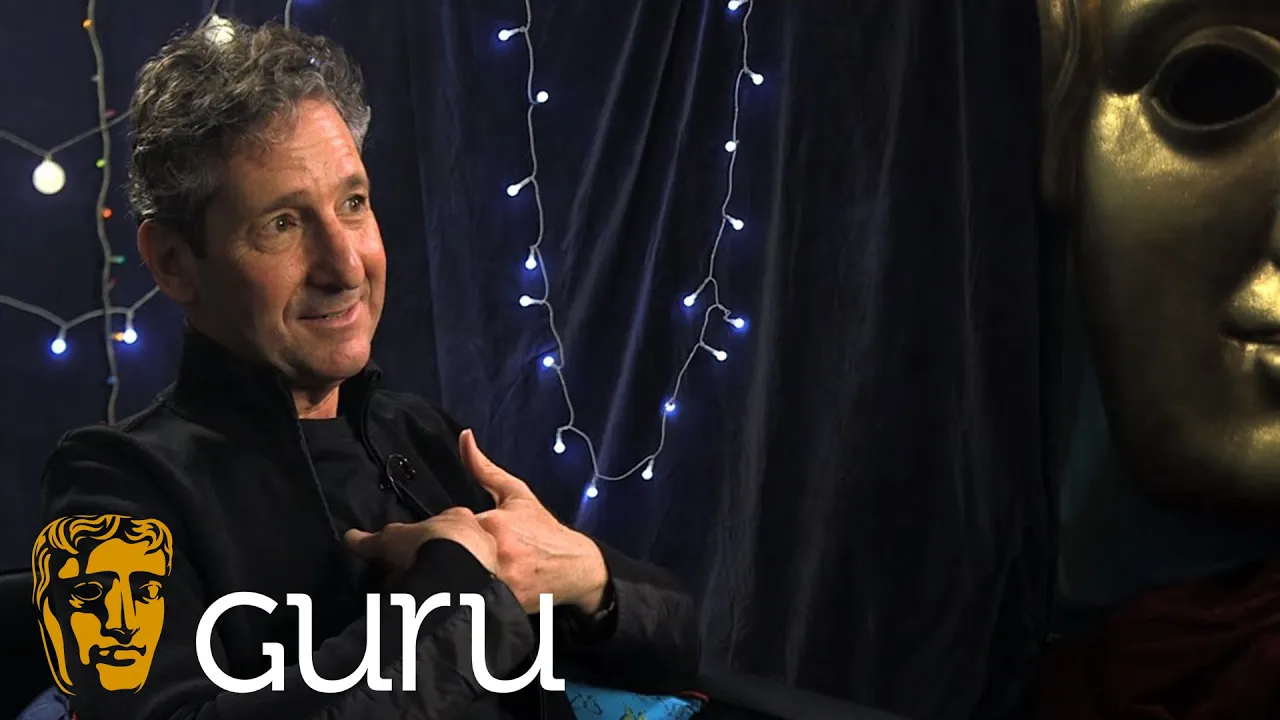
Production designer Stefan Dechant explains how he and director Joel Coen created an abstract, minimalist set design for 'The Tragedy of Macbeth' that emphasizes visual rhythm and graphic sensibility over naturalistic detail. The design uses simplified shapes, repetitive imagery, and structural elements like rafters and crossroads to create a dreamlike, nightmarish atmosphere that serves the text while maintaining cinematic quality. This approach requires close collaboration with cinematographer Bruno Delbonnel to ensure the sets are 'carved out of light and shadow,' allowing the actors to remain front and foremost while the environment supports the narrative.
Stefan Dechant on Macbeth's Oscar-Nominated Production Design
Added:Fundamental narrative and thematic elements of William Shakespeare's 'Macbeth', including its psychological motifs of ambition, guilt, and the supernatural.
The core responsibilities of a film Production Designer, specifically how they translate a script's subtext into physical and visual environments.
The aesthetic principles of German Expressionism in cinema, characterized by distorted geometries, stark chiaroscuro lighting, and non-realistic sets.
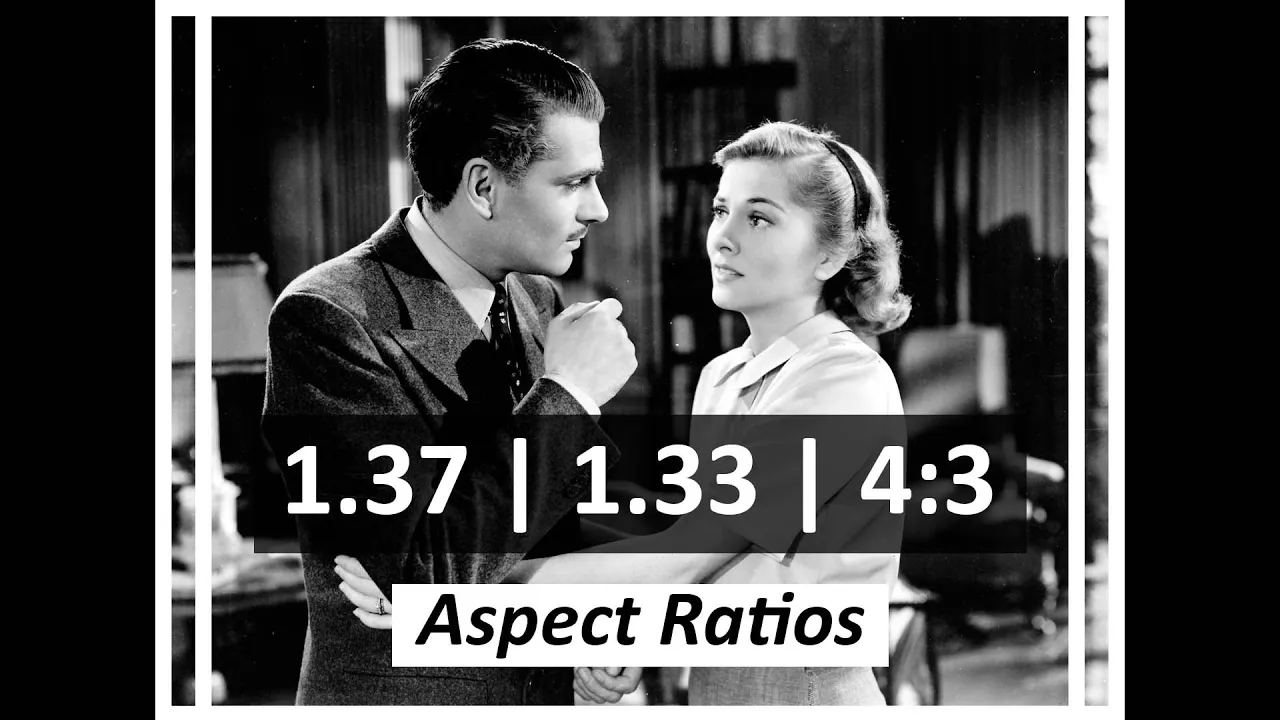
Basic cinematography concepts such as black-and-white tonal range, aspect ratios (specifically the 1.37:1 Academy ratio), and how they interact with set design.
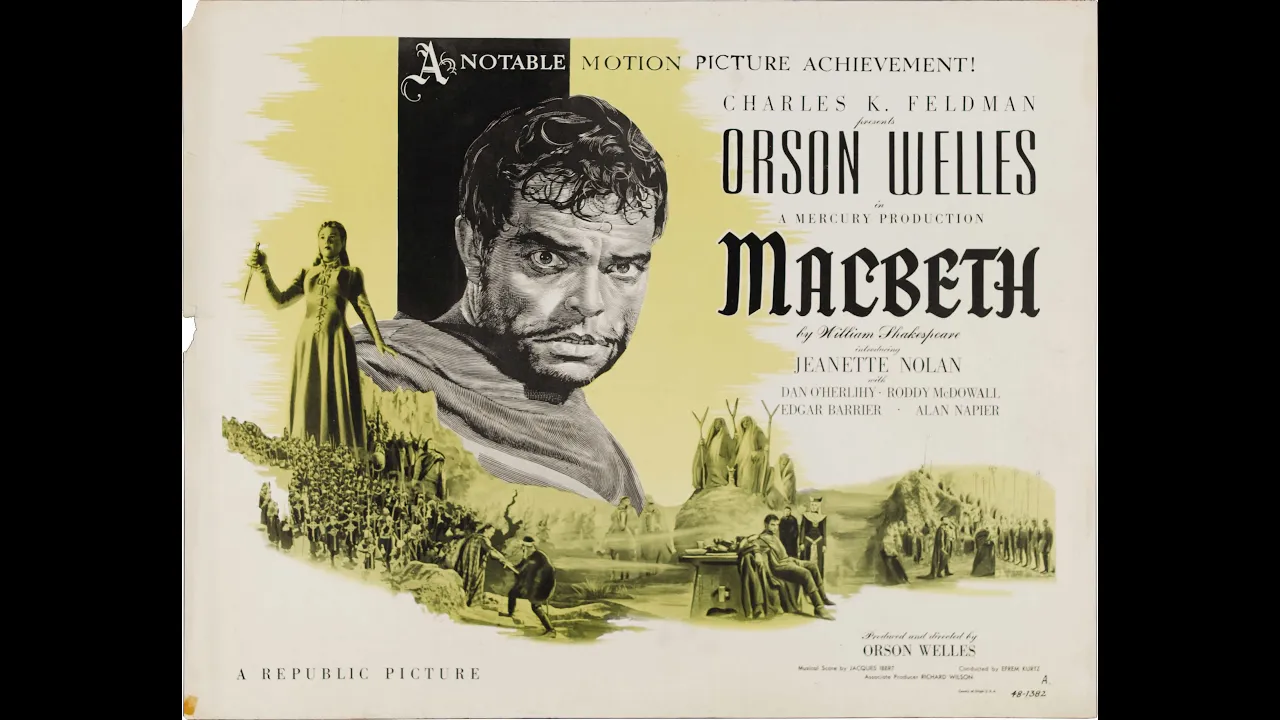
Comparative analysis of production design across different film adaptations of Macbeth, such as those by Orson Welles, Akira Kurosawa (Throne of Blood), and Justin Kurzel.
Advanced study of 'theatrical realism' and the decision to shoot entirely on sound stages versus on-location filming to create a psychological landscape.
The integration of physical set builds with modern digital set extensions, matte paintings, and computer-generated imagery (CGI).
An exploration of the collaborative workflow between the Production Designer, Director (Joel Coen), and Director of Photography (Bruno Delbonnel) in establishing a unified visual grammar.
262 views4likes19:53Original Release: 2022-03-08
i'm tony ruiz of gold derby here with academy award nominated production designer of macbeth stephen decant and stephan i just want to ask the question that i think a lot of people always want to know and that is when you hear the name hear the phrase academy award nominated um what what what goes through your head when you hear that it's kind of disbelief to tell you the truth it's it's disbelief i think it's one thing when you're with artists that that you admire and and um and then you find yourself working with them like um joel and fran and bruno and uh and my set decorator nancy hagg i mean i just have the amount of admiration i i've had for these people for so long and then they invite you to be a part of a process of creating something um that that that had it that took me a little bit to come to terms with and then to come to terms with um uh being a nominee where you're you're nominated by your peers you're nominated by those people that you you admire as well that you're surrounded with in the academy and [Music] it's humbling to tell you the truth um and not to mention it's just it's very exciting and uh wonderful but it's humbling so in in doing this particular version of macbeth you know this there's such a very kind of abstract quality to that to this to this production design and yet it feels to me so real even though it's all created you know this film was created mostly on a stamp almost entirely on a sound stage if i'm correct so what was your what was your in with with how you wanted to create this atmosphere well i think the in is joel's vision so you know when i first met with joel he he made it very clear that he never wanted to deny that the original text was for a theatrical experience um and so he wasn't interested in re recreating it within the natural naturalistic confines he he wanted it to to abstract it but he didn't want to be filming a theatrical event so he very much wanted it to be cinematic so the question was well how do we abstract it how do we we lean into the theatrical but still be cinematic and he and bruno had been working for some time before i started having that same conversation and they built up a kind of a catalog of imagery and and different different filmmakers that they were looking at so they you know they were looking at dreyer and they were looking at uh murnau who because of the the era of those films and the technology of those films at the time were were creating an abstracted imagery when they were when they were making their films but embracing it into the story that they were telling and they even even charles lautman looking at night of the hunter so what we wanted to do is figure out how do we lean into this imagery and start having a dialogue with the text so the text itself has a certain rhythm and joel wanted to create a rhythm that was visual that could reflect what where the text was going so we were doing that in terms of simplification and shapes so that you can have like a colonnade that creates this the rhythm of arches a rhythm of of light coming in here the original text has uh repetitive imagery that comes up in it you know that you can you know the mention of stars night time and so we played with that so you but if you notice the stairs and dunzinine and the stairs in the inverness both have the same kind of layout they kind of go up they flatten out they go to a landing they go up again there's several buildings that are sets that have uh that are open to the sky so we're playing with imagery to create rhythm that joel can be in dialogue um with the with the text and then with that with those tools um start delving into a little bit of the psychology of what's going on in those scenes as well yeah i think there there's two specific uh images that just kind of stayed buried in my mind um one particularly is the is the witch scene where they're up above and and and denzel washington is below talk us about that because that is such a when you get to a scene like that that is so like kind of iconic in the text um there's so many different ways that you can go about it so how did you guys arrive at that particular uh image well joel had always had it scripted that there were going to be rafters that these witches were uh perched on and he liked the idea that the room itself becomes the cauldron that and um so that that was a starting point i think the other thing is that there's a certain dreamlike quality that that that we were creating that there's this kind of nightmarish quality which actually is it kind of in a lot of joel's films i mean you know blood simple is people finding themselves in this nightmarish place where there's involving murder but the imagery in macbeth becomes very dreamlike so in in creating that space you know it's creating a space that only defines what is there in this screenplay and in the text it doesn't exist it doesn't have a history like like a dream doesn't it you walk into a room in a dream and it doesn't have a history of like oh this is what this room was originally for or what what the where is it going to happen again it the space that you're in when you're in a dream only em envelops what's going on so we were creating a space that that just holds the action there so in terms of again like a dream you have uh but you he smashes open the store macbeth smashes open the door and there's banquo the ghost of banquo and then like in a dream even though what we're doing is seeing in this story we're seeing it from a different point of view we're seeing from that that macbeth is mad and his wife is seeing that it's a raven that's trapped in there that she lets out but that's almost a dreamlike situation too where imagery changes on you so then she she talks macbeth down and then she gives him a potion and all that exists for that are just what has to exist so there's the craft the goblin and the vial that she mixes and then when you look up and you're seeing these witches that's that's only meant to hold the witches up there and create a dynamic kind of um silhouette with them of conflict so if you think about it what it really does what that room does it does nothing it does there's there's okay maybe there should be some cross bracing there but if you actually look at how those those rafters are designed they're designed so nothing interferes with um catherine or or or the other two doubles that are in there it's it's only to hold these specters against the sky that is kind of moving across it's not moving you know undercranked like psycho but it has the same kind of affectation and um so it's about kind of realizing what those those elements are and then making that work and then to how we really designed it was there was a piece of reference that i that i liked that didn't really reflect what the final design was but it seemed to have the bones there and then i just took a sharpie over there and just kind of laid it out but what a sharpie does is it doesn't let you get into detail it says this is the gesture that i'm trying to create and i had a wonderful set designer named david moreau and we were building everything digitally so we could move really quick and kind of put a camera in and take a look and i said david this is what i'm going for and by having that gesture it empowered him to interpret that and then we came back it was in a really good space already and then we kind of we pulled it together and actually we didn't want to show it to joel until we got a little bit further but his assistant found it on the server and and joel walked past me one day and said oh i love that looking up the witches and that's how that set came into being and i think that that kind of cross-section idea with the rafters and things like that i think that also applies to the other location that just struck me struck me mute for a second which was the that kind of crossroads banquo's son is hiding that little kind of hollowed out i mean i thought that was just a such a beautiful lap but please tell me about that one oh okay um that is that that's the baffy at the the ruins that and and that's a really clever set that that is is joel economizing imagery which makes actually the story stronger you know so that you have this crossroads where these events take place but they also you know allow us to kind of say where a person is coming and where they're going to in a very graphic um striking way so that when when you see mcduff arrive for the first time in the clouds part um you see inverness on the left side of the frame but later when the murder is going to take place you see dunzanin on the right side of the frame and then i you know i just had it in my mind that that if we had a solitary tree and we had the the the house maybe it could look like the wind had taken it so the whole idea was to kind of take make it create a gesture so when you're looking at it that the tree and the wind are broken this way and then um gosh i'm just trying to think of what that was it was um ivan's childhood the the uh tchaikovsky or film right it was seen as kids inside this bombed out building and the rafters go out and they have this really graphic um sensibility and i kind of wanted to play with that too and again creating rhythm that's going to reflect itself so you have the rafters that are those witches and then you have these rafters that you shoot you shoot ross against and kind of creating that so the influence was was um it in ivan's childhood and the reference that i was looking at at these collapsed uh little huts in scotland and um and the night of the hunter because um wanting not to deny that it was an artificial space that you were supposed to be outside so the the glow behind those the way we had the there's a rock wall there that the glow comes up behind is is me riffing off of um when you see robert mitchum for the first time outside the kid's home and um he's by the street light if you look those mountains just look like they're supposed to be across the river are just cutouts that have light glowing up and and embracing that kind of graphic quality i feel like makes it stronger in terms of what we're trying to say and it also allows us to reduce the amount of thing notes that we have in a certain scene letting the actor be there front and foremost and that we're that we're supporting the text and the actor with this kind of graphic sensibility outside of that is there um i always wonder is there do you think that there's a misconception that um that a minimalist kind of set design a minimalist production design is somehow easier what were some of the challenges in in creating oh it's incredibly difficult because you're giving up your tools right so like let's say you're you're doing well like let's say like i recently finished pinocchio and then when you go into gepetto's um with zemeckis when you go into geppetto's place and then what are the layers of his life that are in there he's a toy maker what are we trying to say about that um you know you're you're layering in that work and that's helping you create imagery i'm not saying pinocchio is easier i'm just saying it's it's a different way of looking at things and when and doing macbeth is is we're removing that and it's like it's a graphic sensibility that's saying what you're trying to say so there's a brutal quality to um there's a brutal quality to inverness right the the the the towers are were are just these you know just these structures these these block structures that um uh were very much influenced by photography of um hiroshi shigamoto of uh of uh casa louis baragon and and so and they were black and white and they were abstracted and so that became a place of like oh this is this seems interesting this is a way of saying castle about seeing castle and and so you have this brutal emptiness it's not brutalism that's a different thing that has politics tied to into in its design but it's it's a brutal um you know just these carved out shapes and by by being minimal with that it's like what what do we actually want to say and how much imagery do we want to put in there and that's really tricky because you don't have the rest of your your tools to play with so the way that we did it actually was um is uh even though we were kind of leaning into an aesthetic that might been more prevalent in the 20s we were building these digitally so that we could sketch in 3d and we could figure out what that minimalism was then we could also light it we we could also change it on the fly we could you know bruno and and joel could sit down and go hey if we move this over how would that work but um it was it was definitely very tricky but uh i i think it's more tricky than than that for me it was just more tricky than than being in the naturalistic setting and i feel like particularly you know you bring up bruno debenell the cinematographer and and i have to imagine that the the the coordination between the two of you in terms of because this is in black and white because the light is so important um in terms of how the structures look and how they're photographed i assume what was your guys's relationship like uh extremely close i mean first for first and foremost is the vision of joel right this is the way i want to tell her i'm speaking he said this is the way he wants to tell this story and this is how he's he's in dialogue with the text then with bruno and myself um we we were together uh almost at the beginning of day one right and um and that that was great because um i could start sketching let's say in 3d with the people that i'm working with on my crew and i can sketch as well in photoshop and kind of go back and forth and then bruno was always there to kind of go well this is how i want to light it but this is but also it wasn't just that bruno would always talk about lighting and how we're going to photograph it wasn't that compartmentalized i mean many times he would he would come in the morning and go i took an image that you created and i took it into photoshop and i painted this and i don't want to say that's just how we should do it but what do you think and i have to say 100 of the time it was it was absolutely brilliant and and so it i think that uh it it you know there's just this incredible overlap of that of where his cinematography came into the production design and it was up for me to allow him to come in there and be collaborative with him because it wasn't that we were creating things that we're going to like it was that we were creating things made out of light which is a different thing altogether and that's why i i've said that these sets are carved out of light in shadow you know um so it was extremely collaborative he's incredibly sharp and smart it means shark is such a pedantic way of putting it but he's he's he's got this incredible knowledge of cinema and and to have him there in dialogue with with you is um yeah it's an absolute joy and uh yeah so you know coming up on the oscars of course there's been you know a lot of talk about the fact that certain categories are not going to be presented on the main show that they're going to be presented in prior to and then woven into the show there was you know a big interview with the academy president about it this week i'm just curious uh as somebody whose category is probably is impacted in that way how do you how do you feel just as you know potentially one of those being in that situation what do you think about the controversy about this well i'd say that i'm disappointed uh and and i have to admit that you know um but this is how i'm dealing with it that's as far as i'll say is i'm disappointed with it right and then but i have to compartmentalize it so i i put it in a box and it's i'm not ignoring it i'm just trying to keep it from bleeding over into this other aspect where i was nominated by my peers i was nominated for work that i did that was in collaboration with not only nancy haig who i've known for ages but with with these artists that i admire so greatly so joel bruno and fran they invited me into something really special and they trusted me and i was able to be in dialogue with them and contribute to them in a way that my peers thought was worth acknowledging so if i i need to keep that here because that's where i prefer to live so this thing i'm not ignoring i'm not like saying it's going to be like some deep psychological thing no i see it i'm aware of it trust me but at the moment i got to keep it over here so that i can just know what feeds me as an artist and what did feed me as an artist on this project and and and hold on to that otherwise i'm letting a bit of ego taint it and and i i don't want to do that i just want to be i want to be in this place of of um with joel and and and those people and the people that surrounded him i'd just rather be there you know giving us a new version of this classic tale i think is going to live on much longer than anything else and and uh congratulations on your on your nomination and the success and uh everybody go to goldderby.com make your predictions for the oscars and stay tuned uh for more interviews uh throughout awards season stephen decant uh oscar nominee uh thank you so much thank you [Music]
Up Next

25:49
Why No Great Women Artists? Analyzing Linda Nochlin's Feminist Critique
@Shawn.Grenier
28.1K views•2025-04-20

114:18
Christian Iconography: History, Theology, and Meaning | Fr. Panayiotis Papageorgiou
@Trisagionfilms
58.8K views•2020-02-21
7:48
Ukiyo-e Art: History, Woodblock Printing & Influence
@japanathand
6.3K views•2023-06-08

16:34
Earliest Depictions of Jesus in Art: 10 Ancient Images Explained
@UsefulCharts
5.9M views•2022-06-03
Related Study Plans & Knowledge Roadmaps
Structured learning paths in Art History
art-history
Gothic Cathedrals: Engineering, Light & Society
01The Birth of the Gothic: Romanesque to Suger's Vision
02The Structural Triad: Pointed Arches, Ribbed Vaults, and Flying Buttresses
03Theology of Light: Lux Nova and Sacred Geometry
+ 2 more learning modules
14h5 modules
Explore Roadmap
art-history
Pre-Raphaelites: Realism, Symbolism & Critique
01The Victorian Art Establishment and Academic Formula
02The Founding of the PRB and Radical Realism
03Medieval Revivalism and Literary Symbolism
+ 1 more learning modules
8h4 modules
Explore Roadmap
art-history
Street Art: From Subways to Art Market
01Subcultural Origins in Philadelphia and New York (1970s)
02The Subway Era and Style Wars (Late 1970s - 1980s)
03The East Village Scene and Early Gallery Crossover
+ 2 more learning modules
10h5 modules
Explore Roadmap
art-history
Classic Maya Art: Iconography, Glyphs & Ritual
01Foundations of Classic Maya Visual Culture
02Deciphering Maya Hieroglyphs & Text-Image Integration
03Sacred Geography and Cosmological Architecture
+ 2 more learning modules
14h5 modules
Explore Roadmap