

![[4] Critique of Pure Reason By Immanuel Kant](https://i.ytimg.com/vi_webp/sb-1M-B5KrU/maxresdefault.webp)











![Como REFUTAR o subjectivismo moral (Filosofia 10.º ano) [PT062]](https://i.ytimg.com/vi_webp/rLuSV-DTbbA/maxresdefault.webp)













Kant's theory of aesthetics proposes that beauty is defined through four interconnected moments: (1) taste as a disinterested faculty that produces pleasure or aversion without personal interest, (2) the beautiful as universally pleasing yet non-conceptual, (3) purposiveness without purpose where beauty appears to have form and finality without serving an external function, and (4) the beautiful as an object of necessary delight that everyone ought to find pleasing. This framework establishes that aesthetic judgments are subjective experiences arising from the free play between imagination and understanding, yet claim universal validity because they express a shared human capacity for disinterested appreciation.
Kant's Theory of Beauty and Taste | Critique of Judgment
Added:Familiarity with Kant's overall philosophical project, particularly the distinction between the phenomenal and noumenal worlds established in the 'Critique of Pure Reason'.
Understanding basic philosophical terms such as 'subjective' versus 'objective', and 'a priori' versus 'a posteriori' judgments.
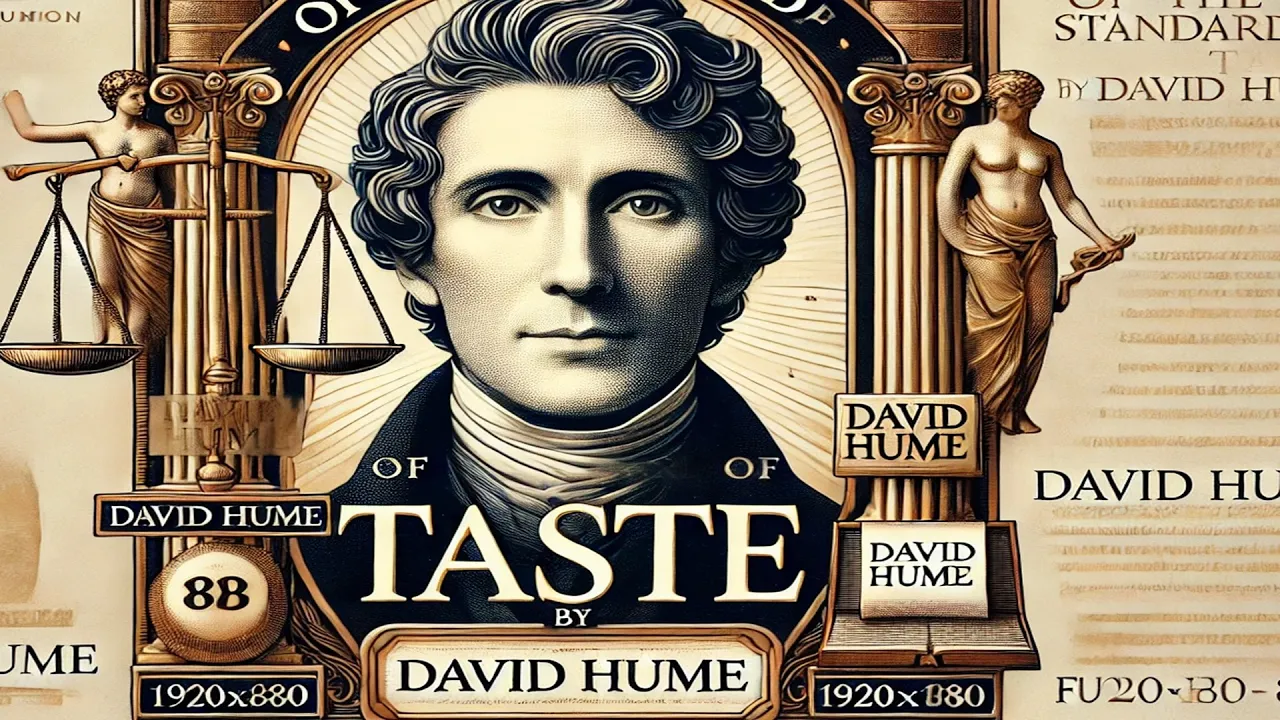
An overview of early modern aesthetics, especially David Hume's empiricist approach to taste and sentiment in 'Of the Standard of Taste'.
The conceptual distinction between cognitive judgments (determining what is true) and moral judgments (determining what is good).
Kant's Theory of the Sublime, exploring how the mind copes with the boundless and terrifying in nature as opposed to the harmonious form of the beautiful.
The influence of Kantian aesthetics on German Idealism and Romanticism, specifically the works of Friedrich Schiller, G.W.F. Hegel, and Arthur Schopenhauer.
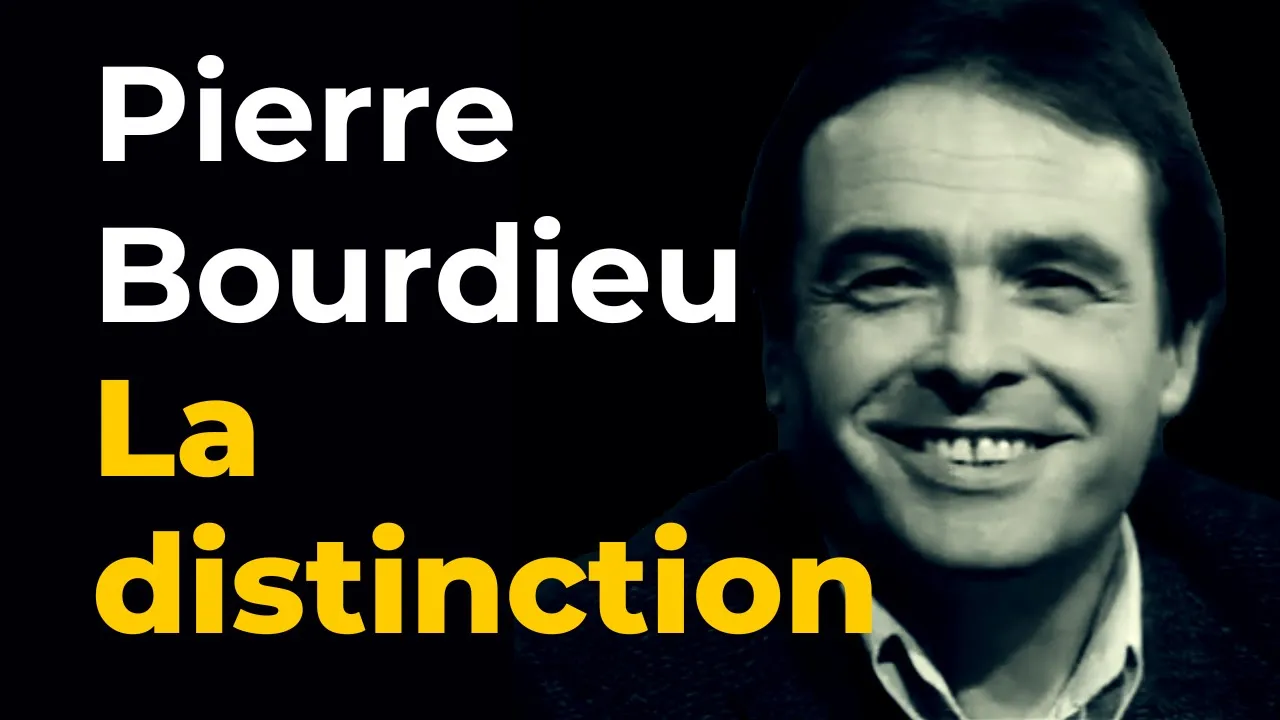
Sociological and critical challenges to Kantian disinterestedness, such as Pierre Bourdieu's critique of taste as a marker of social class in 'Distinction'.
The application of the 'four moments of judgment' to art criticism and the philosophical analysis of contemporary art forms.
74.8K views2.4Klikes12:58Original Release: 2023-06-09
Emmanuel Khan's theory of Aesthetics and specifically his notion of the beautiful have been Central to aesthetic Theory ever since the late 18th century when Kant came up with them especially in his critique of judgment known as the third critique Kant is a crucial philosopher in the development of aesthetic Theory also in part because he was the first to put Aesthetics in the center of a whole systematic philosophy I'm Professor Ellie Anderson philosopher and co-host of overthink podcast and although I am by no means going to do justice to Khan's theory of Aesthetics in such a short lecture I'm hoping that this will be an invitation to read him on your own and to think more about his View I'm going to be using here an excerpt from the Aesthetics comprehensive Anthology reader which is what I have used in the past when teaching philosophy of art to my college students now Emmanuel Kant says that there are four movements that allow us to derive the notion of the beautiful so he wants to know what is the beautiful like what do we mean when we call something beautiful and he says that there are four moments that serve as indicators that are going to help lead us on our way the first moment has to do with the notion of taste for Kant taste is a faculty that we have by virtue of Being Human that allows us to estimate an object or a representation of an object by means of delight or aversion right we have a positive or negative response we either Delight in the object or the representation or we have an aversion to it but in a disinterested way so taste is not about just a sheer personal preference based on an inclination or an interest but rather it has to do with the delighter aversion that we have outside of any interest apart from any interest so taste is disinterested according to Kant even as it provokes pleasure and Diversion the second moment as Kant calls it has to do with the beautiful he says that the beautiful is that which pleases universally so he does think that whatever is beautiful has a Universal Character I can't just say that's beautiful to me but it might not be to you when I say something is beautiful I am making a universal judgment but that the beautiful pleases apart from any concept and this is what distinguishes the Beautiful from other things that might be Universal or might even be universally pleasing it's not conceptual in nature so this universally pleasing character is Central to the beautiful for Khan aesthetic judgments originate in the feeling of the subject and therefore they are not themselves objective beauty is not an objective characteristic however he really wants to caution against taking this notion to mean that there is no universality to Beauty Kant wants to say that aesthetic judgments while subjective are nonetheless Universal a lot of times when we think about the subjective we actually mean something like relative by it and we need to be very careful about that when Kant says that aesthetic judgments uh are related to the feeling of a subject what he means is that aesthetic judgments don't exist in the art object itself right they exist in the subject even as that subject in principle and making a claim about the beauty of an artwork is making a universal claim he says that we tend to speak of the beautiful as if Beauty were a quality in the object and so even the beauty itself doesn't in here in an object we speak of it as if it does but this pleasing nature that we ascribe to objects uh and treat as universal is separate from Concepts it cannot he says spring from Concepts because from Concepts there is no transition to the feeling of pleasure or displeasure this is on page 134. so the character of the beautiful as being deeply related to pleasure and uh displeasure or aversion is indicative of the fact that our experience of the beautiful is happening outside of a conceptual level the third moment for Kant is what is known as purposiveness Kant thinks that beauty is the form of finality in an object that we perceive without positing that there is some external end goal to that beauty this is a complicated moment and I'm not going to say more about it here but I'll go more deeply into the four moments as Khan articulates them in a moment okay enough with the moments last time I say moment for a while here's the fourth moment Khan says that the beautiful this is the fourth moment is that which apart from a concept is cognized as an object of necessary Delight so recall that we have said that the beautiful does not exist within Concepts but is apart from them that was from uh the second moment but the beautiful refers to an object of necessary Delight okay now let's get more deeply into the way that he develops these four moments in the third critique and again I'm just focusing on on an excerpt of that which is in this aesthetic reader Kant says that beauty and this is developed in in his section on the first moment takes place in the subject an object cannot be beautiful in itself Khan thinks it's very important to recognize that aesthetic judgments don't happen in the object right they happen in a subject but he also wants to note that that subject is not just making a claim about a personal preference such that I can say well this is beautiful for me but not for you instead an aesthetic judgment has a subjective ground in the feeling of pleasure or displeasure which as we know from the second moment is not conceptual but there has to be an unbiased disinterested nature to this judgment such that we are involved in pure contemplation when we are judging a work of art the satisfaction that we feel in the beautiful object does not involve a desire or an interest in its real existence like we don't wish that we were in the movie we can just appreciate the movie as a movie interest on the other hand has to do with pleasure or displeasure in the real existence of the object ver Kant it's related to The Faculty of desire and interest uh is partial and impure it's sort of similar to what Hume talks about as being a Prejudice instead we need to be disinterested Kant thinks in order to appreciate a beautiful work of art not all things that we like even in this disinterested or Universal sense however are going to be beautiful according to Kant he identifies three different relations between representations and feelings of pleasure and displeasure this is the agreeable the agreeable is what pleases the senses and this has to do with inclination so I find the scent of roses agreeable the beautiful is what we've been talking about this is the second relation between representation and a feeling of pleasure and displeasure and Kant says that the beautiful lies in between the agreeable what pleases the senses and this third kind of relation which is the good the good is what pleases reason and it has to do with respect if you want more on that he has a lot in the second critique uh on this this point of what pleases reason and the notion of respect the agreeable we sometimes confuse with the beautiful but the agreeable provokes desire for other similar objects uh that have the same objective quality or qualities and it seeks gratification so the agreeable is deeply bound up with desire for Kant and I actually in a very different way the good is also bound up with desire Khan says that the good is either good for something it is useful or it is good in itself art is obviously not for something we don't enjoy the artwork because it is useful but it's also not good in itself according to Kant because the good in itself requires a concept and recall that he says uh a judgment of beauty does not require a concept so the beautiful is sort of in between the agreeable and the good but also quite different from them because both of them refer to the faculty of Desire or a pleasure in the object's real existence whereas art has this disinterested character where we are not actually Desiring the object's real existence the full he says is the only free Delight here's a little bit more about the section on the second moment Kant says that the feeling of pleasure in the beautiful involves a free play between two different human faculties namely the imagination and the understanding this is one of the most famous elements of his philosophy of Art related to that is this idea of the universality that we've been talking about a bit he thinks that beautiful works of art have Universal communicability such that everyone in principle would agree that a beautiful object is beautiful if it weren't that they had other things get in the way like their own partiality or inclination getting in the way in this sense it is as if Beauty were a quality of the object even though strictly speaking it's not a little bit more on the third moment here Kant says that the work of art and I think we need to to develop this one a bit more because I kind of punted it earlier the the beautiful work of art involves finality or purposiveness in the form specifically the form of the work of art and he defines form as the design the figure or the play what is beautiful according to Khan is not the same as the Charming the Charming lacks this quality of purposiveness and by purposiveness he doesn't mean that there is an external purpose to the work of art recall what we said a moment ago which is that the artwork is not enjoyed because it is useful for something nor is it an internal purpose or end like it's not striving for a form of perfection instead propulsiveness is I'm sorry I had to actually get the third critique out here because the excerpt I was drawing from wasn't really cutting it um the propulsiveness here is a formal and subjective purposiveness and where Kyle will go with this in the third critique is towards this idea of purposiveness without a purpose about which there is a lot more to say than I have time for in this video I want to briefly touch on some additional ideas from the fourth moment of uh what calls remember these moments are ultimately the moments that allow us to derive the definition of the beautiful so in developing the fourth moment which you might recall is this idea that the beautiful is an object of necessary Delight Kant says that everyone ought to feel pleasure or give approval to an object there is this necessity to the feeling of delight and this relates a lot to this idea of universality this idea that even though uh when we judge a work of art we are doing something subjective we're not talking about an inherent quality within the artwork itself we are doing so in a way that we are uh engaging with what we perceive to be a universally valid judgment so to say that an artwork is an object of necessary Delight is to say that it is beautiful this doesn't mean that people always do think that the artwork is beautiful or an object of necessary to light right um it just means that that they should according to Kant there is an ideal consensus that we are positing when we say that a work of art is beautiful or what he calls Common Sense census communists we need exemplars con things or ideals of Beauty in order to get a sense of the standard of taste similarly to Hume who's a big influence on Kant Kant thinks that we should have a standard of taste such that we can kind of offer tools to people for recognizing what it means for something to be beautiful in this Universal sense that we're talking about but we can't determine that standard of taste in advance we can't have this a priori depiction of what a beautiful object should be rather what we are doing at the very least is positing that everyone ought to feel pleasure or given approval to an object such that they are recognizing that it is beautiful stay tuned for more on const velocity of Art in this channel I'd also recommend checking out overthink podcast we have some discussions of con in various episodes check out the book that I'm using if you wish and help why not the third critique
Up Next

16:31
George Dickie's Institutional Theory of Art Explained
@GregoryBSadler
3.9K views•2020-01-21

164:01
John of Damascus on Holy Images: A Theological Defense
@BannedBooks
139 views•2026-04-25

12:38
Merleau-Ponty: Phenomenology of Perception Explained
@OverthinkPodcastPhilosophy
204.2K views•2022-06-10
4:57
The Myth of Sisyphus: A Greek Legend of Eternal Punishment
@TEDEd
8.6M views•2018-11-13
Related Study Plans & Knowledge Roadmaps
Structured learning paths in Philosophy
philosophy
Frankfurt School: Critical Theory & Culture
01Foundations of the Frankfurt School and Critical Theory
02Horkheimer & Adorno: The Critique of Instrumental Reason
03The Culture Industry and Mass Deception
+ 2 more learning modules
12h5 modules
Explore Roadmap
philosophy
Philosophy of Language: From Frege to Austin
01The Linguistic Turn: An Introduction to Language in Philosophy
02Gottlob Frege: Sense and Reference
03Early Wittgenstein: The Picture Theory of Meaning
+ 3 more learning modules
15h6 modules
Explore Roadmap
philosophy
Feminist Epistemology: Standpoint & Injustice
01Introduction to Epistemology and Feminist Critiques
02Sandra Harding and Standpoint Theory
03Donna Haraway and Situated Knowledges
+ 2 more learning modules
12h5 modules
Explore Roadmap
philosophy
Environmental Philosophy: Ethics & Deep Ecology
01Foundations of Environmental Ethics & Anthropocentrism
02Biocentric Individualism and Animal Liberation
03Ecocentric Holism and Deep Ecology
+ 1 more learning modules
10h4 modules
Explore Roadmap